
Leave Your Message
Explore our leading double-wall vacuum insulated containers optimized for corporate lunch distribution and spill-proof bento transport.
In the fast-paced landscape of corporate operations, employee wellness and productivity have become intrinsically linked to workplace dining solutions. The era of cold, soggy sandwiches or microwaved plastic containers is rapidly declining. Instead, enterprises are shifting towards managed catering, centralized cloud kitchens, and gourmet bento delivery services. Central to this logistics revolution is the hardware that facilitates the journey from kitchen to desk: the vacuum insulated lunch box.
Maintaining the organoleptic properties—taste, texture, and aroma—of food over long transport routes requires precise temperature control. A high-quality vacuum insulated lunch box prevents heat transfer by incorporating a double-walled structure with a vacuum gap. This physical barrier eliminates conduction and convection, keeping hot food above the critical safety threshold of 60°C (140°F) and cold food below 5°C (41°F) for hours. For corporate meal providers, this technological assurance is not merely a luxury; it is a fundamental requirement to prevent foodborne pathogens and ensure premium dining experiences.
According to food safety standards, bacteria multiply rapidly between 5°C and 60°C. Utilizing double-wall SUS304 stainless steel vacuum insulation guarantees that hot meals bypass this hazard zone during transit, ensuring that corporate clients receive meals that are as safe as they are fresh.
The global commercial food delivery market has witnessed unprecedented expansion, accelerated by the rise of hybrid work models and dedicated corporate meal programs. Businesses are increasingly outsourcing their cafeteria management to specialized catering services that deliver fresh bento boxes daily. Consequently, the demand for commercial-grade, reusable, and highly insulated food containers has surged.
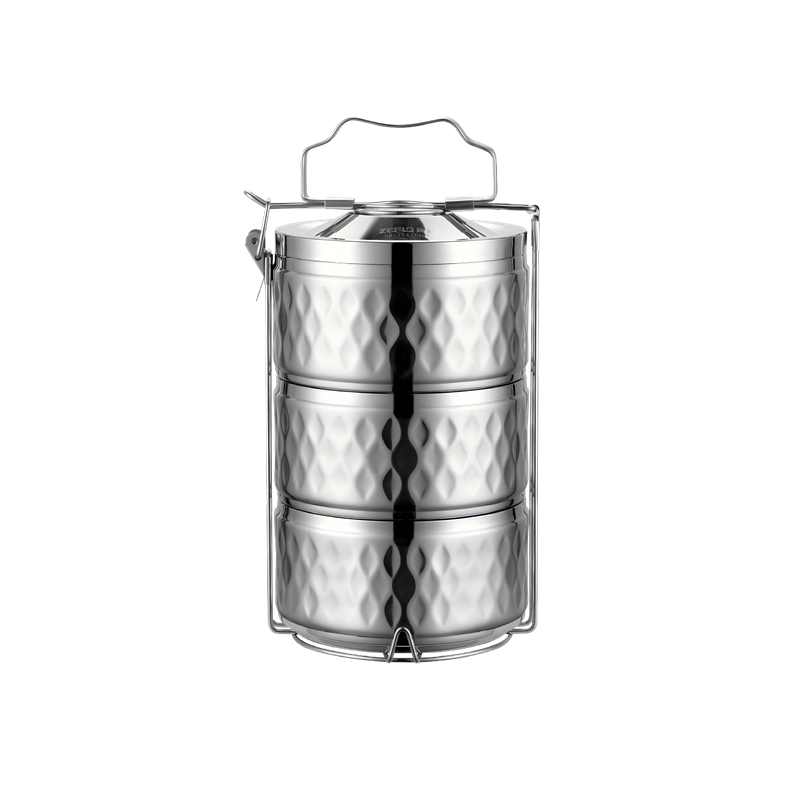
From an industrial perspective, manufacturers are transitioning away from single-use plastics and low-grade metals to meet rigorous durability standards. The preferred material is SUS304 food-grade stainless steel. This alloy offers exceptional corrosion resistance, is easy to sanitize in commercial dishwashers, and does not leach chemicals or retain odors. Furthermore, the commercial sector demands smart design configurations. Multi-layer compartments allow distinct dishes—such as hot rice, savory stews, and cold salads—to coexist within a single unit without cross-contamination of temperatures or flavors. This structural complexity is highly evident in products like the ZENLO 304 Stainless Steel Diamond-shaped Spill Containment Multi-layer Lunch Box, which combines aesthetic sophistication with robust industrial usability.
As sustainability becomes a core pillar of corporate social responsibility (CSR), companies are actively looking to eliminate single-use packaging waste. The integration of reusable, rugged vacuum insulated lunch boxes into closed-loop corporate delivery systems is a major trend. Under this model, caterers deliver hot meals in premium insulated containers, and the empty containers are collected, sanitized, and reused the following day.
Another major trend is the integration of tracking and smart technology. Modern catering logistics systems are exploring the incorporation of RFID tags or QR codes directly onto the stainless steel containers. This allows automated tracking of inventory, monitoring of sanitation cycles, and even temperature tracking throughout the delivery route. Furthermore, ergonomic designs—such as integrated carrying handles, pressure-relief valves for easy opening, and diamond-patterned exterior walls for improved grip—are defining the next generation of bento pots. The focus is shifting toward holistic user experience, ensuring that opening the lunch box at an office desk feels like dining at a high-end restaurant.
In executive boardrooms where critical business decisions are made, the presentation of food is just as important as its flavor. Standard plastic food containers or flimsy paper trays fail to project the professionalism and prestige expected in these settings. Here, the diamond-shaped, multi-layer stainless steel lunch box shines. Its elegant exterior design complements a high-end boardroom environment. More importantly, it keeps gourmet ingredients at their peak serving temperatures. A hot, slow-cooked beef tenderloin remains tender and warm in one layer, while fresh, crisp microgreens stay cool and un-wilted in another. The spill-proof sealing mechanisms guarantee that no sauces leak onto important financial documents or mahogany conference tables.
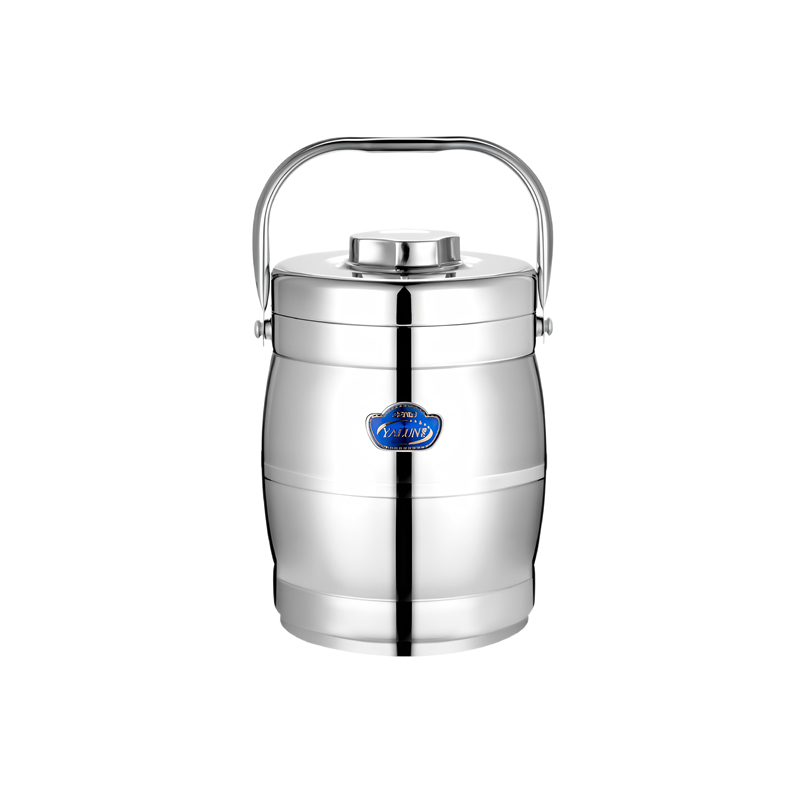
For employees working in heavy industrial environments, shipyards, or large distribution centers, access to a centralized cafeteria is often limited. Workers require hearty, calorie-dense meals that can withstand rugged environments. The ZENLO “YALUN” High-insulation Stainless Steel Lunch Pot is designed precisely for these demanding scenarios. Equipped with heavy-duty handles and reinforced walls, these pots can survive accidental drops and rough transport in delivery trucks. The high-thermal retention ensures that even if a worker’s lunch break is delayed due to operational requirements, their meal remains steaming hot and nourishing, boosting morale and stamina on the job.
In metropolitan areas, co-working spaces house thousands of freelancers and startup teams. Cloud kitchens leverage centralized cooking facilities to prepare diverse menus and distribute them across these hubs. To make this business model profitable, logistics routes must be optimized. Using standard active heating boxes in delivery vehicles is energy-intensive and expensive. By utilizing passive thermal regulation through vacuum insulated lunch boxes, cloud kitchens can load hundreds of meals into standard delivery vans without losing heat. The stackable design of these containers ensures maximum space utilization in transit, reducing the cost per delivery and minimizing the carbon footprint of the catering operation.
Modern enterprises are investing heavily in employee wellness programs, recognizing that healthy nutrition directly correlates with reduced sick days and higher cognitive performance. Custom meal prep services deliver portion-controlled, nutrient-rich meals directly to office gyms or wellness centers. Vacuum insulated containers allow these services to deliver complex meals—such as quinoa bowls with grilled salmon—without losing vital nutrients through repeated reheating. Because stainless steel is completely inert, it does not release microplastics or endocrine disruptors when exposed to heat, aligning perfectly with clean-eating initiatives and corporate health mandates.
To understand the superiority of premium vacuum lunch boxes, one must look at the metallurgy. SUS304 stainless steel contains approximately 18% chromium and 8% nickel. This specific composition creates a passive chromium oxide layer on the surface of the metal, which prevents rusting and resists chemical reactions with acidic foods like tomato sauces or citrus dressings. Cheap alternatives, such as 201 stainless steel, are highly susceptible to pitting and rust over time, especially when exposed to salt and moisture in commercial kitchens. By choosing 304 stainless steel, corporate caterers ensure a long lifespan for their assets, maximizing their return on investment (ROI) and guaranteeing a safe, hygienic surface for food contact day after day.
Our factory was established in 1994.
Our company is continuously committed to the research and development of new products and technologies. Multiple products have been patented, and we will continue to launch new products in the future. Please stay tuned.
The enterprise always adheres to the business philosophy of "integrity, innovation, and progress", winning customer trust and market recognition with high-quality products and a steady and pragmatic attitude. We sincerely welcome customers from home and abroad to cooperate, negotiate, visit and guide us, and create a better future together.
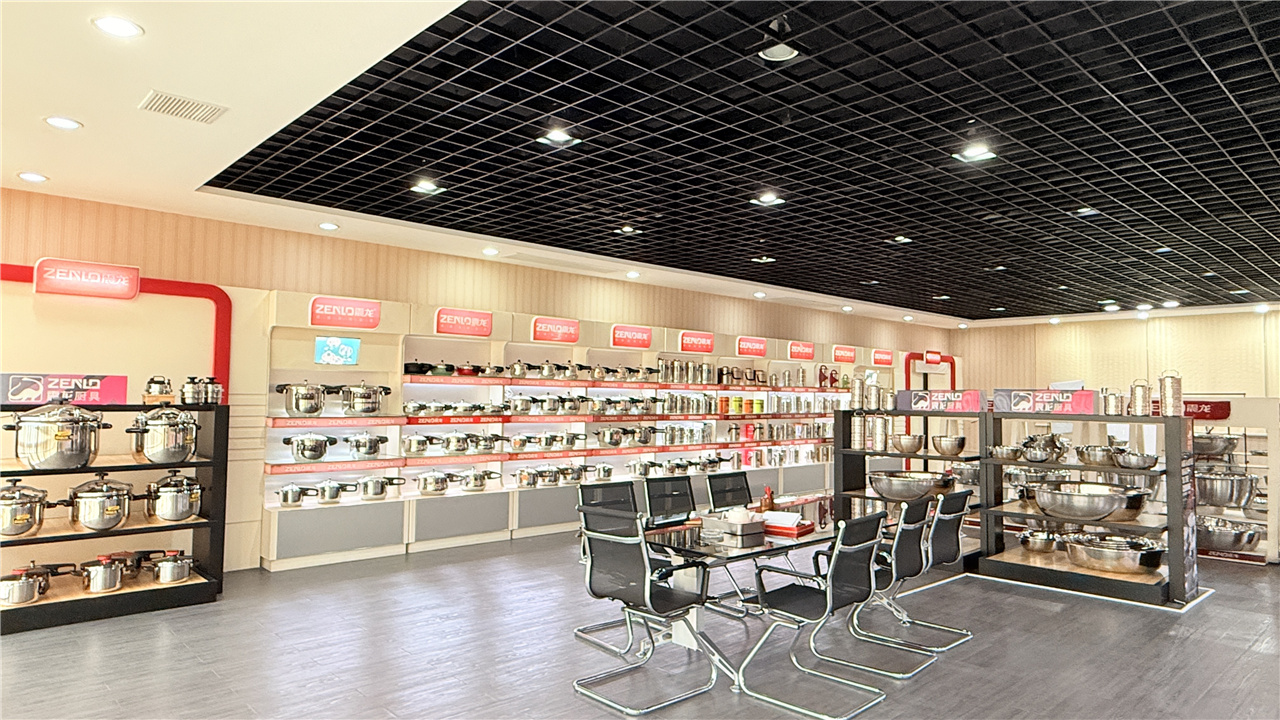
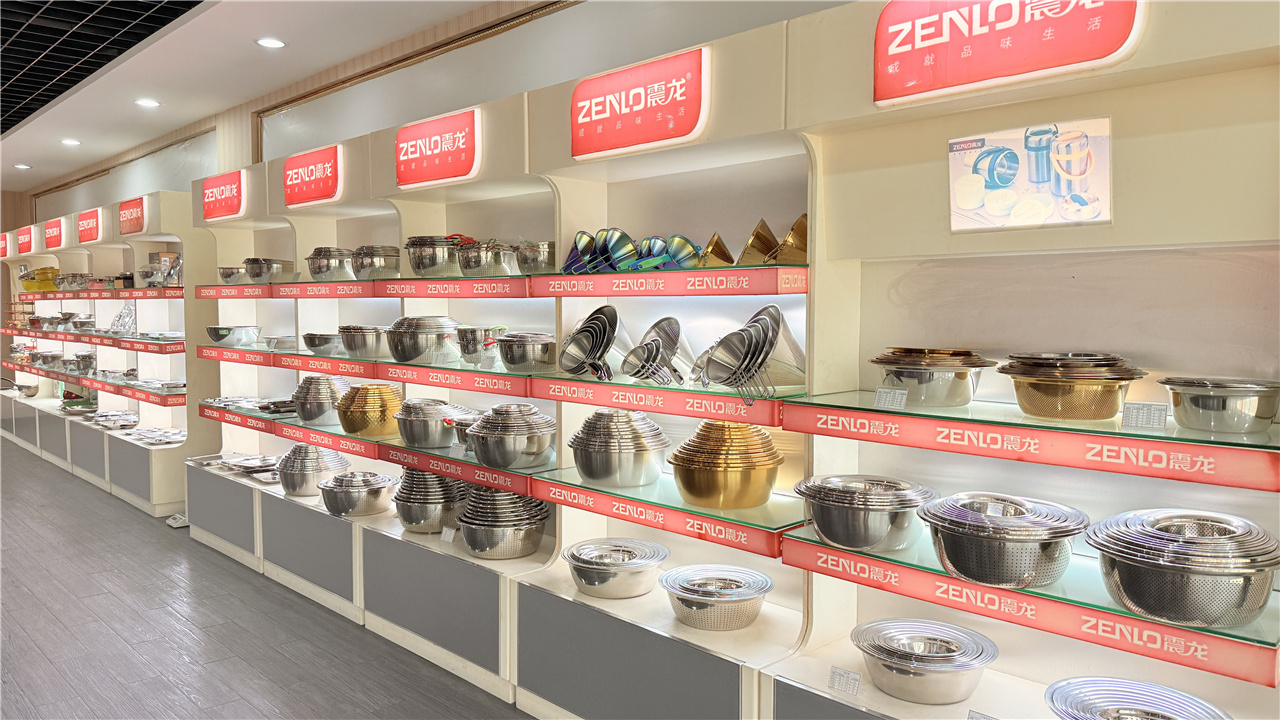
Take a virtual tour through our state-of-the-art product showcase and manufacturing exhibition center.
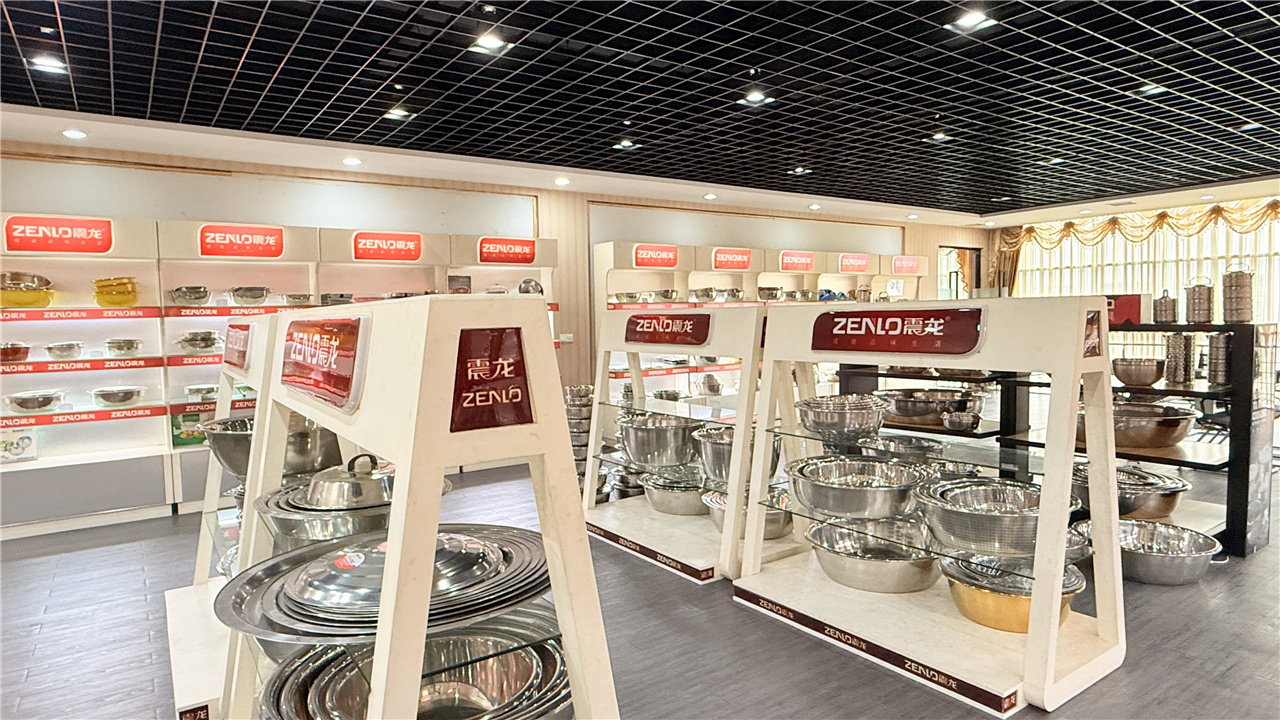
Get answers to the most common questions regarding vacuum insulated bento systems for commercial use.
Select from our extensive range of high-efficiency thermal containers tailored for bento delivery services.