Leave Your Message

Blog

China Best Fruit Salad Bowls for Wholesale Buyers?

China Best Fruit Salad Bowls for Wholesale Buyers?

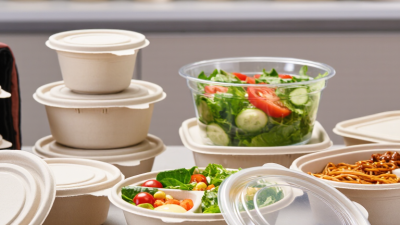
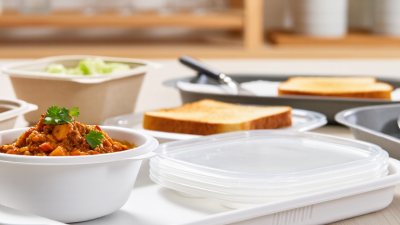
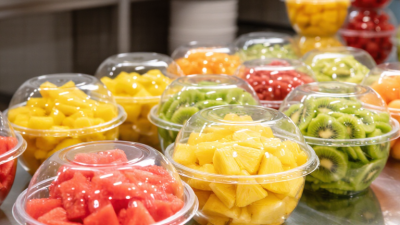
You’ve got a ton of sourcing options in China’s fruit trade—deep doesn’t even begin to cover it. But choosing the right bowl? That’s a whole different story. It really depends on how you’ll use it, how it survives transport, and how it looks when it’s served. [Fruit Salad Bowls](https://www.zenlokitchenware.com/wholesale-odm-fruit-salad-bowls-supplier-products) need to keep cut fruit fresh, show off the colors clearly, and stack neatly even when the kitchen is chaos. And here’s the thing: a bowl can look perfect in a sample and completely let you down after a long delivery. The little details are what matter. So here’s a stat that kind of sticks with you: the FAO’s 2023 report on the Sustainable Development Goals reckons about 13.2% of food gets lost somewhere between harvest and the retail shelf. Then you’ve got UNEP’s 2024 Food Waste Index, which says we wasted 1.05 billion tonnes of food in 2022—just think about that, across homes, restaurants, and stores. Now, these numbers don’t exactly tell us how many salad bowls people are demanding. But they do make a pretty strong case for looking at packaging not in isolation, but as part of the whole handling and supply-chain picture. When you're sourcing bowls from China, don't just look at price. Compare materials, capacity, rim strength, how the lid fits, and whether the cartons will actually protect them. Definitely ask for food-contact documentation and sample specs, plus minimum order quantities and lead times spelled out clearly. And test with real stuff—chilled fruit, dressing, actual stacking—not just an empty bowl. A clear lid is nice so customers can see the colors, but if the lid doesn't stay on during delivery, that's a bigger problem. Honestly, there's no one-size-fits-all winner. You know, even if you test things really carefully, something can still slip through. So before you place a big order, make sure to get feedback from real buyers and tweak the specs accordingly.
Read more »
Amelia By:Amelia - November 18, 2026
What Is a Filter Funnel Used For?

What Is a Filter Funnel Used For?

Okay, so a filter funnel is basically a lab tool you use to pour liquid through filter paper—it catches the bigger, insoluble bits while letting the liquid pass. In gravity filtration, the paper just sits in the funnel, and the filtered liquid drips down into a flask or beaker underneath. You could use this to separate sand from water, or to collect solid residue from a mixture. But it's not going to get rid of every dissolved substance. Yeah, that distinction really matters. Here’s the thing: a funnel with a wide top just makes pouring way easier, and that skinny little stem does the real work of steering the liquid into whatever you’re filling. If you want a steady flow, make sure the filter paper actually fits the funnel—and give it a quick dampening if it seems like it needs it. And don’t rush the pour. Going slow, maybe along a glass rod, cuts down on splashing and keeps the paper from tearing. It’s the little stuff that trips you up, honestly. Then there’s choosing the right funnel: it really depends on what you’re doing. Some are built for faster filtration; others are better for catching the solid. Look, a filter funnel is pretty straightforward—but even it won't save you if your technique is off or you grab the wrong filter paper. And here's the thing: you can set everything up super carefully, and it can still clog if your sample has really fine particles in it. So honestly, it's always worth giving the filtrate and residue a quick check, instead of just assuming everything worked perfectly.
Read more »
Amelia By:Amelia - November 16, 2026
Why Is a Bento Box So Popular?

Why Is a Bento Box So Popular?

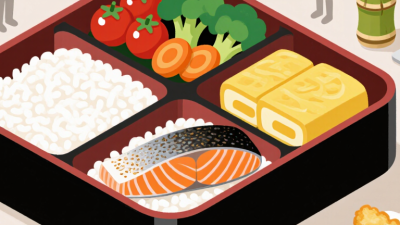
You know, a Bento Box isn't just some neat little container for lunch. It takes an ordinary meal and breaks it into these separate, easy-to-carry portions. Like, you've got your rice sitting next to bright veggies, maybe a folded omelet or some grilled fish. It's practical, sure, but there's a personal touch to it too. And that mix of practicality and personality – that's probably why it's still a big hit in homes, schools, and workplaces everywhere. So, you've probably heard of Makiko Itoh – she's a Japanese food writer who's shared a ton of tips on putting together bento boxes. I mean, her practical advice can be summed up something like this: 'A good bento should strike a balance between foods that travel well and the care you put into preparing them.' Now, that's my paraphrase, not a direct quote from her – and that's an important distinction, because we shouldn't be passing off paraphrased advice as an exact quote unless we've got a reliable source to back it up. But even so, there's a real truth to it: your meal can be portable without feeling like an afterthought. Sure, convenience isn't the whole story. Those divided containers? They're great for showing off your portions, and throwing in some color or different textures can make even a basic lunch feel a bit more special. Plus, leftovers get a second life instead of going to waste. And there is something oddly comforting about that daily routine. But let's face it—it takes time, and preparing a perfectly packed lunch every day? That's just not happening. If we're being honest, that's a real limitation we should talk about. So, this outline is basically all about the bento box, you know? It covers everything from how easy it is to carry around to how nice it looks, plus meal planning and its cultural roots. We also get into modern materials and how it actually fits into daily life. The point isn't to say any one lunch is perfect—more like trying to figure out why this little box keeps earning its place at the table, if that makes sense.
Read more »
Amelia By:Amelia - November 11, 2026
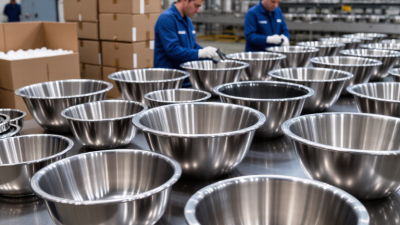
Why Choose the Right Mixing Bowl for Your Kitchen?

Why Choose the Right Mixing Bowl for Your Kitchen?

You know, a mixing bowl might seem like just another kitchen gadget, but honestly, the right one can totally change how smoothly your cooking goes. Imagine trying to whisk eggs on a cramped counter—if the bowl has a nice wide base, it stays put, and that tall rim keeps everything from splattering everywhere. Little things like that really matter, and so does how heavy the bowl feels in your hand. So here's a thought from kitchen whiz Elena Morris—she's got a pretty down-to-earth rule: grab a bowl that feels solid in your hands and actually matches what you'll be doing with it. (And yeah, that's our editorial take, not a direct quote from her, but it hits the nail on the head.) Before you buy, think about what you're really mixing. Are you tossing salads, folding batters, or kneading dough? Honestly, no single bowl does it all. A deep stainless steel one is light and a breeze to clean, while glass lets you see what's happening inside. You know, ceramic just feels so solid and reassuring in your hands—but man, when it's full, it's a real pain to lift. Like, awkwardly heavy and awkward to grip. Alright, so this guide? It's all about how the material, the size, the shape, and even the grip of a mixing bowl can make or break your daily cooking. We're also talking storage, cleaning, and honestly, whether that cute nested set is worth hogging your cabinet space. But here's the thing: don't just stare at the product photos. Really think about your own kitchen. I mean, you might see a bowl that looks perfect online, but when it arrives, it's way too wide for your tiny sink. Yeah, that happens more often than you'd think. So the goal isn't to find some flawless bowl—that's a myth. It's about finding a dependable mixing bowl that actually matches how you cook, day in and day out.
Read more »
Amelia By:Amelia - November 8, 2026
Top 10 Steel Tiffin Lunch Box Suppliers in China?

Top 10 Steel Tiffin Lunch Box Suppliers in China?

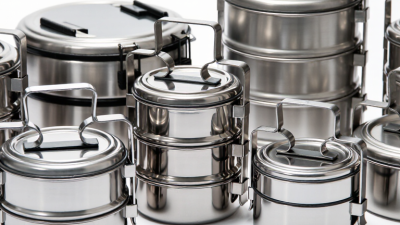
So you're in the market for a Steel Tiffin Lunch Box supplier? Honestly, it's not just about flipping through those glossy catalog photos. You've got to dig into the nitty-gritty: what materials they use, how they put it all together, whether they can customize stuff to fit your needs, and if they can keep the quality consistent across batches. Sure, a nice finish is great and all, but that alone doesn't tell you the whole story. Honestly, a lot of the real quality is in the details—how each tier fits, whether those clips actually hold up, and if the seals are as good as they look. You can’t just take that stuff for granted. Getting your hands on a sample really tells you a lot. You can feel the box, test the lid, and see if it snaps shut like it should. But here’s the thing: that doesn’t mean every box off the line will be perfect. So yeah, just keep that in the back of your mind—it’s a bit of a double-edged sword when you’re relying on samples. So, we've rounded up ten suppliers in China that could be worth a look if you're sourcing products for retail, food service, or private label. We've taken into account what they offer in terms of product range, materials, how much they'll help with customization, how easy they are to communicate with, and their track record with exports. Now, these are just starting points – definitely not a promise that they'll deliver perfectly. You'll want to double-check whatever they claim against the actual specs they send you, maybe inspect samples, and make sure their quality control processes are solid. Honestly, when you're evaluating suppliers, you've got to dig into the nitty-gritty—like steel grades, food-contact docs, leak testing, minimum order quantities, and lead times. And make sure you get everything in writing, not just a verbal promise. A super low quote might hide some costs, and a flashy website doesn't tell you about their actual factory capacity. No supplier is perfect, right? Even if you're super careful, there are always gaps—especially since production conditions can shift. So take this list as a starting point, not the final word. Hey, before you go ahead and place that order, you might want to double-check a few things like packaging details, what their replacement policy is, and how they handle defects. Asking these questions upfront can save you from a headache down the road, trust me.
Read more »
Amelia By:Amelia - November 4, 2026
How to Choose the Best Lunch Container for Your Business

How to Choose the Best Lunch Container for Your Business

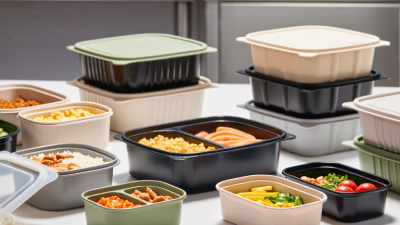
Picking the right Lunch Container for your business – it's not just about looks, you know? It actually affects a ton of stuff: how fast you can pack orders, how much space they take up, your customers' experience, and whether they'll come back for more. Let's be real – a container that looks great but leaks all over the delivery bag? That's a disaster waiting to happen, and it'll cost you. Same goes for the cheap option that cracks after a few uses – you're just asking for trouble. Product designer Dieter Rams once said, “Good design is as little design as possible.” He probably wasn't thinking about lunch containers when he said that, but it's still solid advice for picking one. You want something that does its job without all the unnecessary bells and whistles. So, start with what you're actually selling. If you're dishing out sauced noodle bowls, you'll need a lid that really stays put. But if you're selling a crisp salad, maybe compartments or a little separate dressing cup are the way to go. And hey, don't forget to check how these containers stack on your shelves or fit into your delivery bags. Hey, could you ask the staff to actually test opening, closing, and carrying the samples during a real shift? I mean, the small details really matter. So, you've got to compare a few things before you make a final call—material, size, how it closes, branding options, and whether they can keep up with your supply needs. Don't just assume any container will work for your menu; that's a rookie mistake. You really need to confirm it fits your food and how you'll be serving it. And hey, definitely ask for samples—don't skip that step. When you get them, mess around with them a bit, see how they feel in your hands. Check the rim, the lid fit, and those sharp corners. Honestly, you have to be real with yourself about the trade-offs. The lightest option might feel a little flimsy, and sure, extra compartments sound great, but they can seriously slow down your packing line. I've learned that the hard way. So, the right pick really depends on your specific menu, your workflow, and who your customers are—not whatever's trendy right now. So, if you're feeling a bit overwhelmed by all the options, this guide will help you sort through the important stuff and pick the one that's right for you—without the stress.
Read more »
Amelia By:Amelia - October 30, 2026
How to Choose a Stainless Steel Pressure Cooker in 2026

How to Choose a Stainless Steel Pressure Cooker in 2026

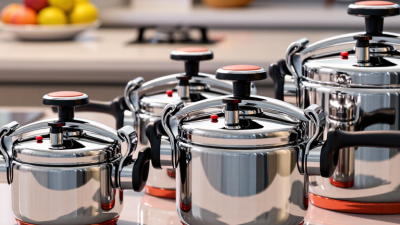
So, choosing a stainless steel pressure cooker in 2026? It takes more than comparing prices and polished product pics. A reliable one should fit how you cook, your stovetop, your household size, and your maintenance routine—basically the stuff you deal with day to day. So, when you're checking out a pressure cooker, definitely keep an eye out for food-grade stainless steel. You also want a nice thick base—aluminum or copper-clad works great—plus pressure indicators that are easy to read, and a locking lid that feels solid, not all shaky or flimsy. Oh, and make sure it'll actually work on your stove: induction, gas, electric, ceramic, whatever you've got. Honestly, it's the little details that make the difference. Laura Pazzaglia—pressure-cooking teacher and the founder of Hip Pressure Cooking—once called pressure cooking “a time machine for the kitchen.” I think that still holds up. But honestly? Speed is great, as long as you’re not giving up control. A good stainless steel pressure cooker should release pressure in a predictable way and come with safety instructions that actually make sense. Before you buy one, take a look at the gasket, the valve, the handles, and whether replacement parts are easy to get. Because a cheap price can turn expensive fast if there’s one seal you can’t replace. Honestly, that's the sort of detail that's easy to miss. Capacity is something else worth thinking about, too. A six-quart cooker is probably fine for a small family, but if your household is larger, you might need eight quarts. Just remember: don’t fill a pressure cooker past its marked limit—especially with beans, grains, or foods that foam. Safety really does come first. Independent testing, a clear warranty, and responsive customer support all make a product feel more trustworthy. Still, no review can predict every kitchen experience. Some handles might just feel awkward. Honestly, some indicators might be less visible than you'd expect. So this guide digs into those imperfections, puts the practical features side by side, and helps readers choose based on evidence—not just excitement.
Read more »
Oliver By:Oliver - October 25, 2026
Top Stainless Steel Basin Suppliers in China?

Top Stainless Steel Basin Suppliers in China?

Choosing among the top Stainless Steel Basin suppliers in China requires more than comparing polished photographs and low quotations. A reliable evaluation should examine steel grade, forming accuracy, welding quality, drainage design, surface treatment, packaging, and after-sales support. In a factory, these details become visible quickly. A poorly welded corner may collect water. A thin rim may bend during installation. A weak carton may arrive damaged after a long shipment. Harry Brearley, the British metallurgist credited with developing stainless steel, offered a practical principle: “The steel should resist corrosion.” His lesson still matters for every Stainless Steel Basin buyer. A bright mirror finish does not prove durable performance. Buyers should request material certificates, thickness data, sample inspections, and clear production photographs. Suppliers such as Guangdong Gefu Stainless Steel Products Co., Ltd., Foshan Zhaosheng Stainless Steel Co., Ltd., and Ningbo Afa Kitchenware Co., Ltd. should be assessed against the same evidence, rather than judged by marketing claims alone. The ranking in this guide considers manufacturing experience, export capability, customization, quality control, certifications, and customer communication. These standards help importers identify suitable partners for residential kitchens, commercial projects, hotels, and public facilities. Still, no supplier is perfect. A factory may offer excellent bowls but weaker packaging. Another may provide attractive pricing but limited design flexibility. That is where careful questioning matters. Supplier lists can guide research, but they cannot replace samples, factory verification, and written specifications.
Read more »
Oliver By:Oliver - October 20, 2026
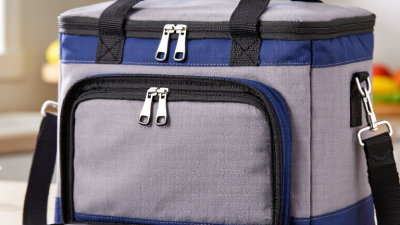
How to Choose the Best Insulated Lunch Box?

How to Choose the Best Insulated Lunch Box?

Picking the right Insulated Lunch Box isn’t just about color, size, or brand name. It’s actually a food-safety choice you make every day. A good lunch box needs to keep your food safe through commutes, school days, office breaks, and outdoor trips. And honestly? It should match how you really eat—not some imaginary lifestyle. The USDA’s Food Safety and Inspection Service says perishable food shouldn’t sit in the danger zone. Don’t leave food above 40°F for more than two hours—or just one hour if it’s hotter than 90°F outside. The FDA’s Food Code recommends cold holding at 41°F or below. That’s why insulation, leak resistance, and cooling capacity matter so much. But there’s a catch: an insulated bag can’t do the job of ice packs or a fridge. Industry research backs up this practical view. Grand View Research’s 2024 Lunch Box Market analysis points to portability, material quality, convenience, and shifting consumer lifestyles as key market influences. Still, being popular doesn’t mean a product actually performs well. A bigger bag might hold more food, but overfill it and it gets awkward and doesn’t insulate as well. A compact one might hold temperature better, but then you’re stuck with barely any room. Little things count: zippers, seams, lining materials, handle strength, and how easy it is to clean can all shape how reliable it feels day after day. This guide looks at those features alongside evidence-based food-safety advice, real-world use, and practical scenarios. No product is perfect. The best pick comes down to meal size, travel time, climate, cleaning habits, and whether keeping food cold matters more to you than looks.
Read more »
Oliver By:Oliver - October 14, 2026
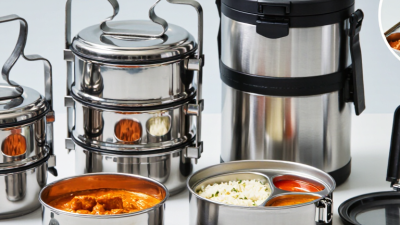
2026 Top Stainless Steel Tiffin Box Types for Global Buyers

2026 Top Stainless Steel Tiffin Box Types for Global Buyers

By 2026, buyers around the world are looking at meal containers a lot more closely. A Stainless Steel Tiffin has to get several things right at once: durability, hygiene, capacity, and safe transport. And honestly, the best pick depends on who's using it—not just how good it looks in a product photo. Office workers often lean toward compact two-tier designs. Families usually need something bigger, like a three- or four-tier model. Catering teams? They tend to care about stackability and how fast the boxes can be cleaned. If you're sourcing these for an international market, this guide compares the main Stainless Steel Tiffin types you're likely to see. It looks at 304 stainless steel, food-contact surfaces, silicone seals, locking systems, and thermal performance. Buyers should ask for material certificates, product drawings, factory inspection records, and sample units. Real-world testing matters, too. Fill each tier with curry, rice, or soup, then move it around and check for leaks. A shiny polished lid can look great—but it doesn't prove much on its own. Experienced sourcing teams also check wall thickness, hinge strength, weld quality, and whether replacement parts are easy to get. Insulated models can hold food temperature longer, sure, but performance changes with filling volume and ambient conditions. Vacuum insulation is useful, though not every supplier explains its test method clearly. That's something worth paying attention to. No model is perfect. A heavier box may feel sturdier, but it can raise shipping costs. A tight seal may cut down leaks, but it might also be hard for kids or older users to open. Buyers should compare verified specs against real handling needs. Good suppliers talk about limitations, not just advantages. That kind of honesty supports safer purchasing, clearer quality control, and better long-term value across different markets.
Read more »
Oliver By:Oliver - October 11, 2026
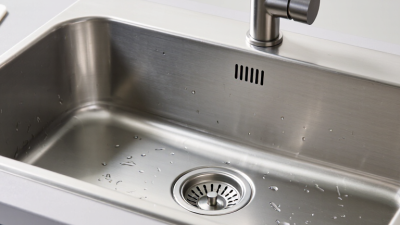
How to Choose the Best Stainless Steel Basin?

How to Choose the Best Stainless Steel Basin?

Picking the best Stainless Steel Basin isn't just about shine, price, or how good it looks in photos. Think about what it actually goes through: water, food acids, soap, knocks, and endless wiping. How it holds up comes down to things like steel grade, thickness, weld quality, surface finish, drainage, and how it's installed. According to the International Stainless Steel Forum, global stainless steel production hit 58.4 million tonnes in 2023. That number says a lot about how much stainless steel matters - construction, healthcare, food service, households, you name it. But not every basin gives you the same level of protection. Grade 304 is usually fine for regular kitchens. Grade 316 gives you better resistance in coastal areas or places with lots of chloride. That difference really matters if you live near salty air. The Grand View Research Stainless Steel Market Size Report also points to continued market growth, driven by durability and corrosion resistance. Still, a growing market doesn't automatically mean every product is good. So look closely at the details. A thicker bowl usually means less vibration and denting. A smooth, well-polished surface is easier to clean, but it can show water spots more. A brushed finish hides small marks better, though bad brushing can trap residue. Check the corner radius, drain position, overflow design, sound-deadening pads, and underside reinforcement. If specs feel vague, ask for material certificates. No basin is perfect. Even a premium grade can fail if the fabrication is weak or maintenance is poor. This guide pulls together practical evidence, recognized standards, supplier experience, and everyday use. It also pushes back on pretty claims that don't have measurable support - so you can choose a Stainless Steel Basin that actually fits your water quality, cleaning habits, space, and budget.
Read more »
Amelia By:Amelia - October 7, 2026
How to Choose the Right Dinner Tray in 2026?

How to Choose the Right Dinner Tray in 2026?

Picking out the right dinner tray in 2026 isn’t just about comparing prices anymore. You gotta think about stuff like safety of the materials, whether it can handle heat, if it stacks nicely, how easy it is to clean, and what happens to it after you’re done using it. A tray might look super appealing in the catalog, but that doesn't mean it’ll hold up when faced with a hot curry, a sharp fork, or a busy delivery bag. And here’s why this really matters—industry reports show that the global foodservice equipment market topped over $35 billion in 2023, and it’s only expected to grow through 2030. Trends are shifting too—everyone’s talking about sustainability, lighter designs, and better packaging. But, honestly, these reports don’t get into every little detail about trays specifically. Their categories are pretty broad, so we need to pay more attention to the specifics. Andrew Morlet, the CEO of the Ellen MacArthur Foundation, has been pushing the idea of shifting from a linear to a circular economy. That’s a fancy way of saying, stuff should be kept in use longer and recycled properly, not just thrown away. When it comes to choosing a tray, that idea totally applies. A responsible tray isn’t just about looking ‘green’; it’s about being useful for its actual purpose. For example, reusable polypropylene trays work well in cafeterias with good dishwashing systems. Bagasse trays might do the trick for quick events, but if they get wet or are stored improperly, they can fall apart. And claims about being compostable? Those only make sense if there are local facilities to actually compost them. Otherwise, they’re not really practical. Honestly, the best way to figure out what works is to observe. Watch how meals are portioned, carried, served, and tossed away. Notice where things tend to go wrong. Ask some tough questions—like, is the tray too big? Is it wasting space? Will staff actually sort the materials properly? By 2026, the ideal dinner tray will strike a good balance between performance, cost, ease of use, and eco-friendliness that actually makes sense—no tray is perfect, but some are definitely better informed choices than others.
Read more »
Ethan By:Ethan - September 30, 2026
Best Bento Box Suppliers in China for Bulk Buyers?

Best Bento Box Suppliers in China for Bulk Buyers?

Picking out the best Bento Box suppliers in China isn’t just about comparing prices—it’s a bit more involved. If you're buying in bulk, you’ve got to look at things like the materials used, food safety documentation, the quality of samples, how much they can produce, and whether they can keep up with your delivery schedule. That super-low quote might seem tempting at first, but keep in mind, issues like lid fit differences between cartons or slight color variations in printing can sneak in across batches. Details really do make a difference. The UNEP Food Waste Index Report 2024 puts the global food waste at about 1.05 billion tonnes in 2022—almost a third of that, around 28%, comes from food service. Now, that doesn’t mean packaging alone is the magic fix, but it definitely highlights why good portioning and reliable containers are so important for restaurants, caterers, and meal prep folks. When you're shopping around, a key question isn’t just about getting the lowest price or the flashiest catalog—it's whether a supplier can offer consistent quality and designs that actually fit your needs. In this guide, I’ve looked at China-based suppliers based on what really matters to buyers: their product selection, customization options, minimum order requirements, quality checks, export experience, and how well they communicate. Always ask for current specs and samples before placing a big order. Keep an eye on dimensions, how deep the compartments are, the strength of closures, and how they look after real-world handling. Because even tiny flaws can add up over time. And, of course, always verify supplier claims with documents and actual samples—no matter how careful you are, no shipment is ever perfect 100% of the time. Just something to keep in mind.
Read more »
Oliver By:Oliver - September 26, 2026
2026 Best Stainless Steel Colander Buying Guide

2026 Best Stainless Steel Colander Buying Guide

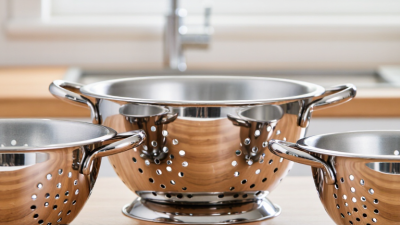
Choosing the right stainless steel colander isn’t just about checking out the holes, handles, or shelf prices. It’s really about digging deeper—considering things like the quality of the material, how well it drains, stability, how easy it is to clean, and whether it’s safe for the long haul. Did you know the World Stainless Association reported around 58 million metric tonnes of crude stainless steel produced globally in 2023? That number shows just how important stainless steel still is, whether in food prep, medical fields, or industrial use. But hey, that doesn’t mean every shiny, polished bowl is a smart buy. This 2026 buying guide is here to help turn all that expert knowledge about materials into some practical tips you can actually use in your kitchen. For stuff that touches food, you want stainless steel that’s clearly labeled, corrosion-resistant, and preferably has transparent info about the grade—nothing sketchy. The FDA’s Food Code also stresses choosing equipment that’s easy to clean, durable, and resistant to corrosion, so your kitchen stays safe. A good colander should have a smooth interior, a rolled rim, and a sturdy base—it just makes rinsing stuff like pasta, berries, or greens so much easier. Little details really do matter, especially with busy kitchens—sharp edges are a no-go. Market insights from Grand View Research show that folks keep wanting sturdy, reusable metal kitchenware. People are into products that last, which makes sense. But just because a colander feels heavy and solid doesn’t automatically mean it’s better quality—sometimes the weight just gets in the way, especially if you’re filling it with potatoes or something bulky. A shiny, mirror-like finish might look nice, but it doesn’t tell you anything about the actual steel grade. Unfortunately, that’s where some buying guides tend to oversimplify things. Instead, we’ll look at how it feels to handle, its construction details, hygiene factors, capacity, and overall value. Of course, no one size fits all—what works for a tiny apartment kitchen might not cut it for a busy restaurant prep station. So, good buying decisions start with being honest about what you really need, not just falling for fancy words or shiny images.
Read more »
Amelia By:Amelia - September 23, 2026
Top 10 Food Sieve Manufacturers for Global Buyers?

Top 10 Food Sieve Manufacturers for Global Buyers?

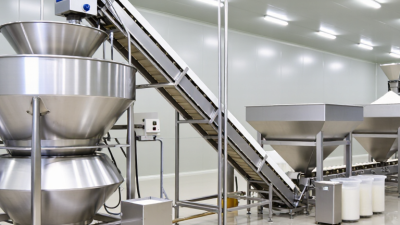
Choosing a food sieve supplier isn’t just about comparing prices in a catalog — there’s a lot more to think about. You’ll want to look into how accurate their screening is, what materials they use, how easy it is to clean, and what kind of after-sales support they offer. To help out, I’ve put together a list of ten well-known manufacturers that work with food, ingredient, and powder processing companies around the world. Names like Russell Finex, GEA, SWECO, Kason, Farleygreene, Dinnissen, Kemutec, Vibroprocess, AZO, and Elcan Industries all make equipment that can handle things like flour, sugar, starch, spices, dairy powders, and other dry ingredients. Keep in mind, every production setting has different needs — there’s no one-size-fits-all solution. The real details of how equipment performs matter a lot. For example, a sieve sitting next to a flour mixer has very different requirements than one used to screen sugar before packaging. Some operators might really appreciate features like tool-free disassembly, sealed zones to prevent contamination, low noise levels, or quick screen replacements. On the other hand, your procurement team should also check certifications, actual test results, spare parts availability, and support within your region. It’s definitely worth asking for a sample test — that way, you can see if there’s any blinding, how much product throughput you can expect, or if there’s any unexpected product loss. Remember, there’s no universal ranking that’s perfect for every factory. Some specs you read in brochures are hard to compare directly, especially because capacity can vary depending on mesh size, moisture levels, bulk density, and feed consistency — it’s a lot to keep in mind. A slick brochure doesn’t replace actual tests or talking through maintenance and operational concerns with the manufacturer. So, what I’ve provided here is more of a guide — taking into account manufacturer experience, application understanding, and the questions you should ask to make a smart short list. Just keep in mind, always double-check current models, compliance info, and delivery options before making your final choice. It’s all about finding the right fit for your specific needs.
Read more »
Ethan By:Ethan - September 18, 2026