Leave Your Message
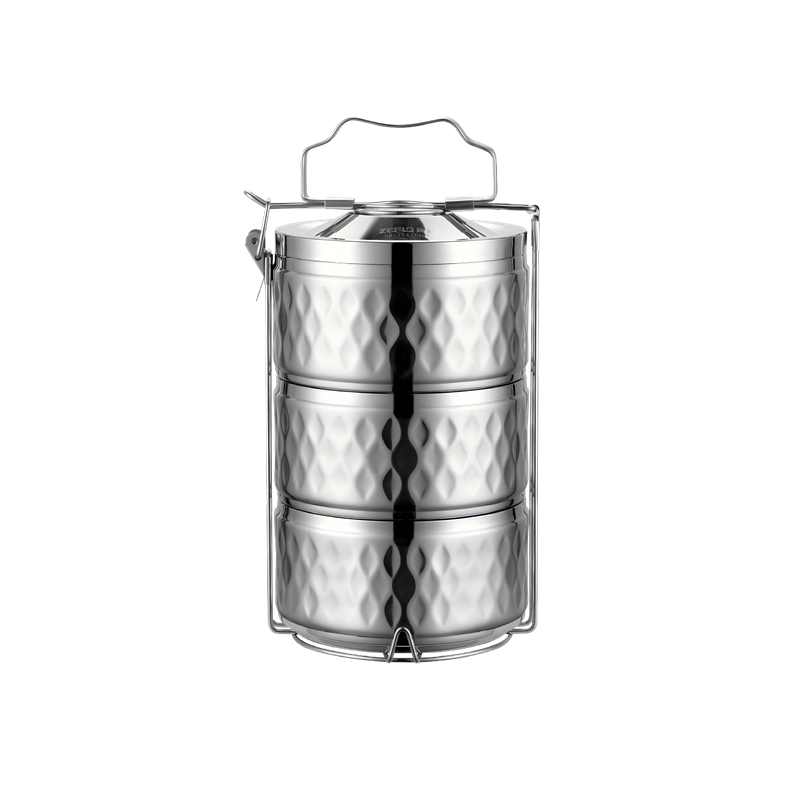
In the rapidly changing landscape of the global consumer goods sector, the demand for sustainable, durable, and highly functional food storage containers has witnessed an unprecedented surge. Historically utilized as a traditional food carrier across Asian markets, the **Tiffin Box** has evolved into a global symbol of eco-friendly dining and food preservation. Today, the market for a **Tiffin Box For Household Daily Kitchenware Retail** is driven not only by aesthetic preferences but also by strict safety regulations, materials science innovations, and shifting consumer behavior towards plastic-free lifestyles.
Market studies indicate that the global reusable food storage container market is projected to reach several billion dollars by 2030, with food-grade stainless steel products leading the growth trajectory at a compound annual growth rate (CAGR) of over 6.5%. Retailers who prioritize high-quality metalware are capturing high-margin segments in urban demographic centers.
Modern retail chains, boutique kitchenware stores, and e-commerce giants are allocating more shelf space to premium metal lunch boxes. The commercial appeal of the **Tiffin Box for Household Daily Kitchenware Retail** lies in its longevity. Unlike plastic containers that degrade, absorb odors, and leach harmful chemicals like BPA, stainless steel tiffin containers offer an inert environment that preserves food freshness. For retail business owners, this translates to a higher average order value (AOV) and lower return rates. By stocking multi-layered, spill-containment models, retailers can easily market these products to health-conscious parents, office professionals, and outdoor enthusiasts.
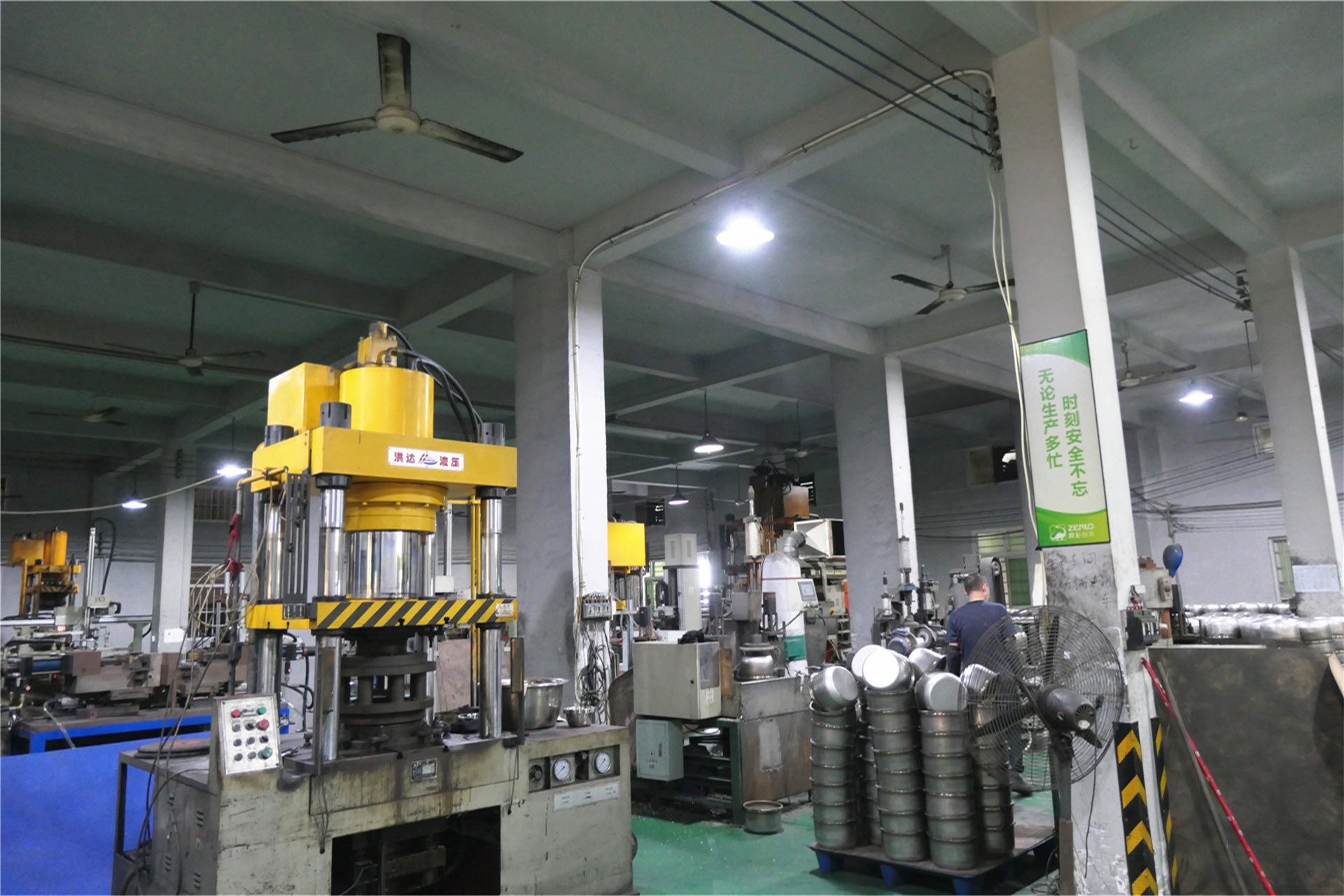
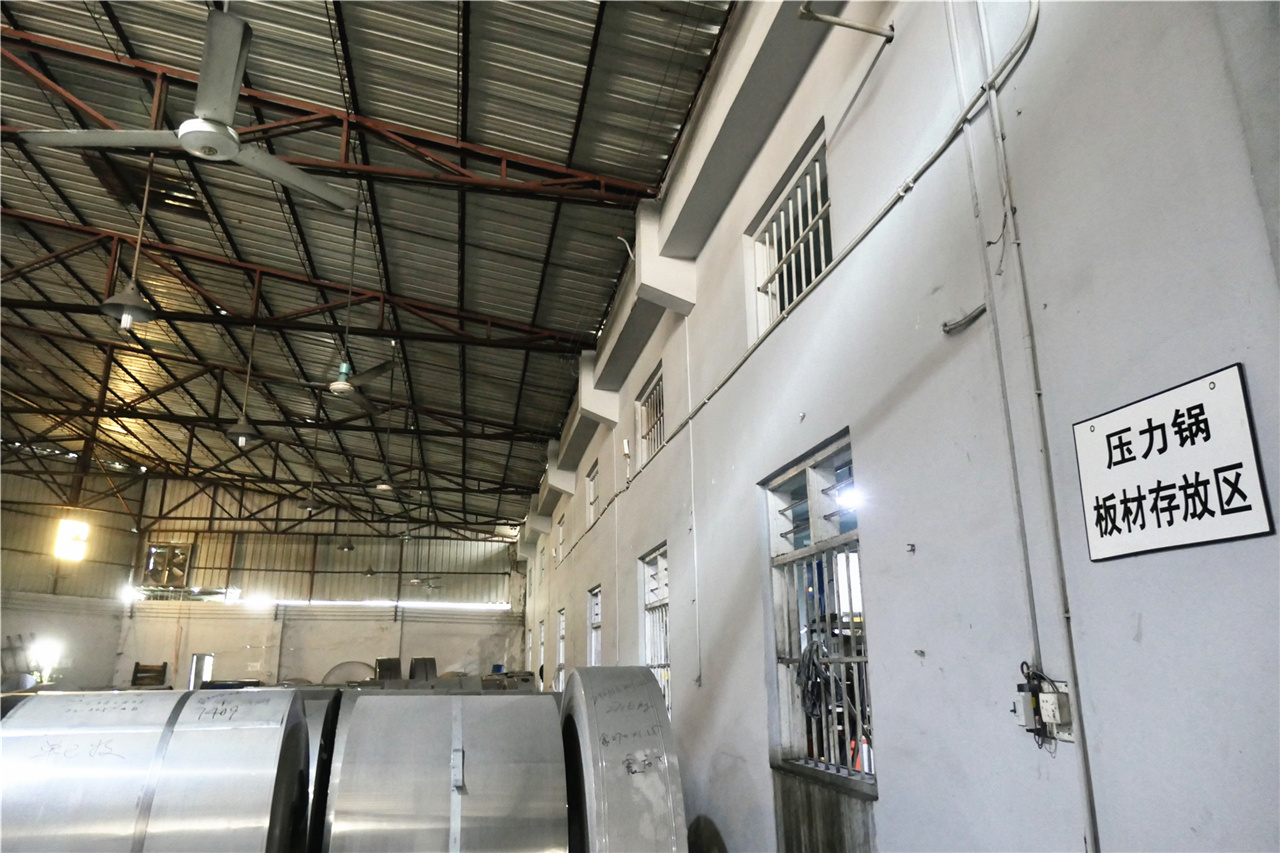
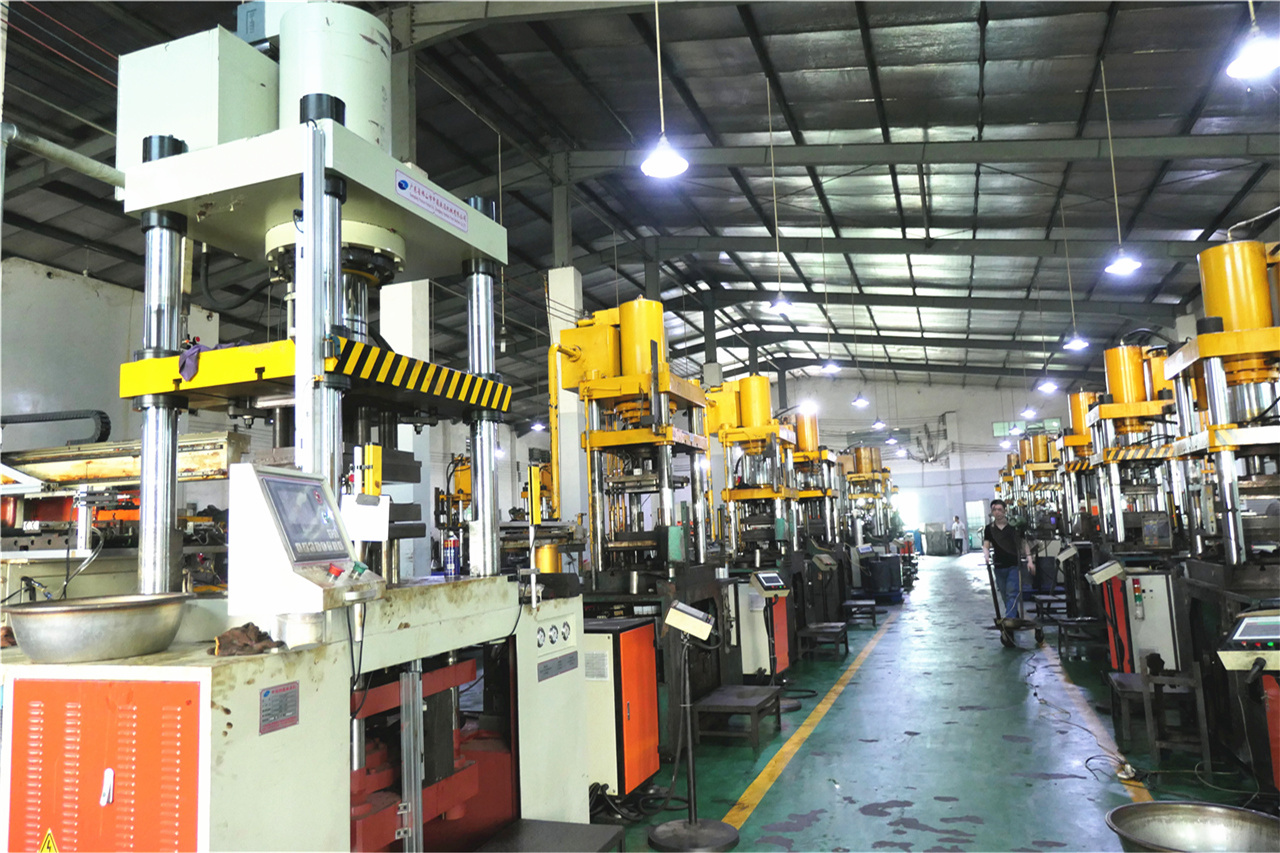
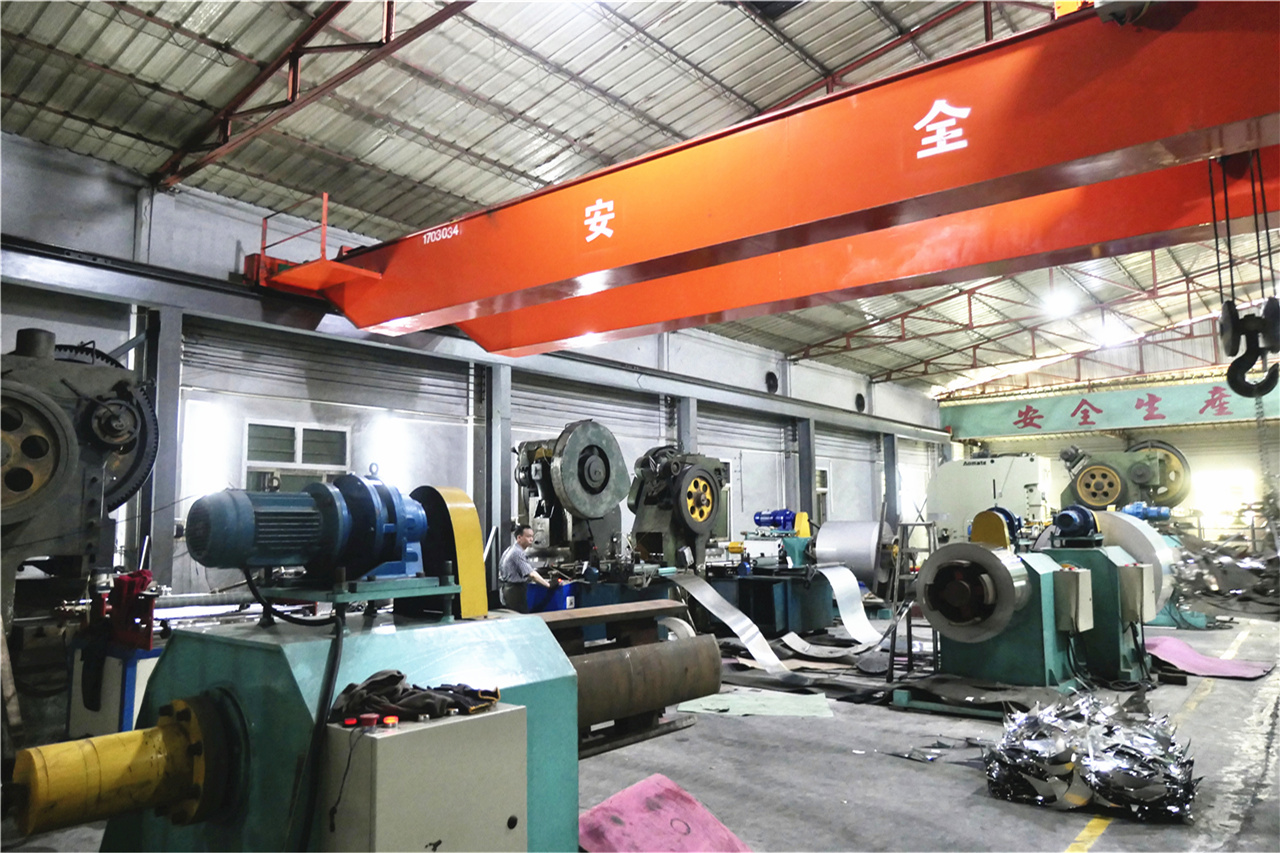
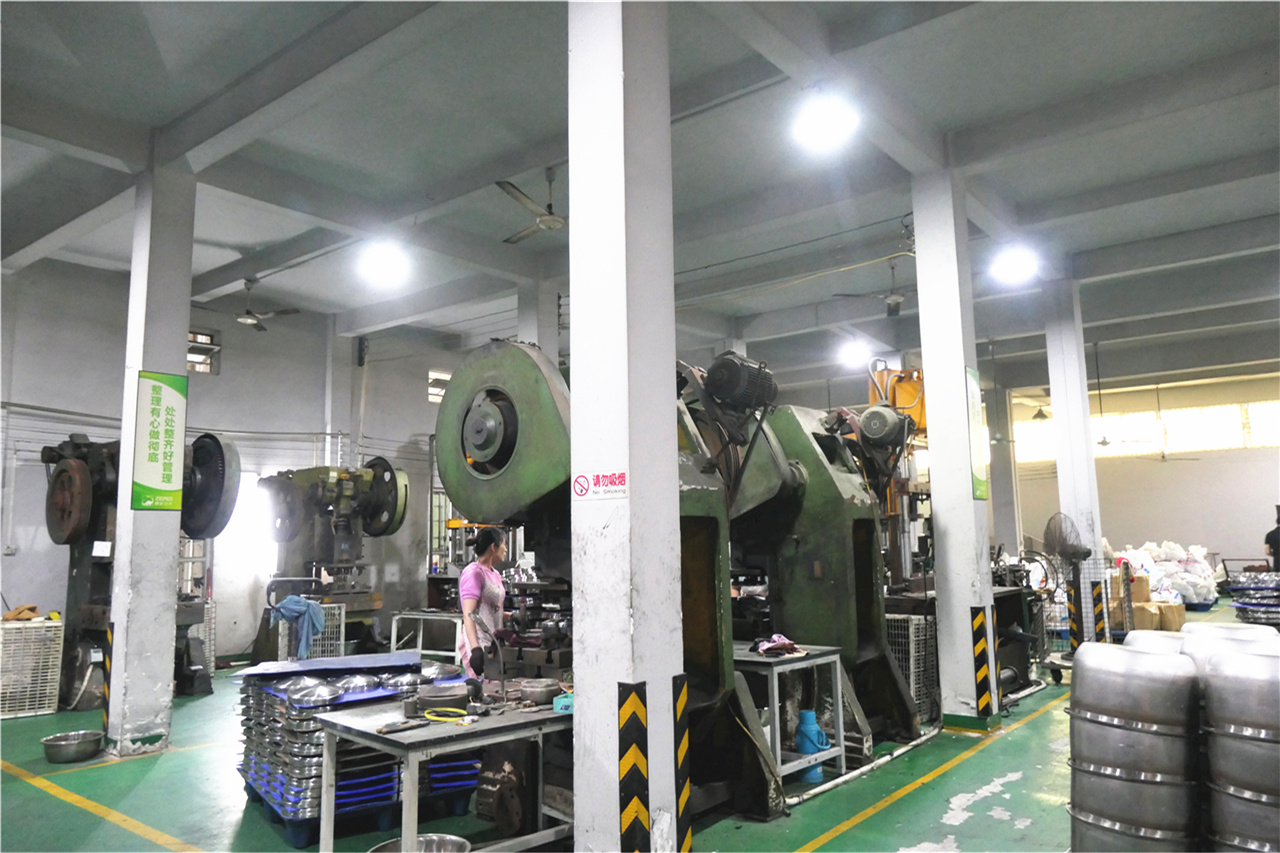
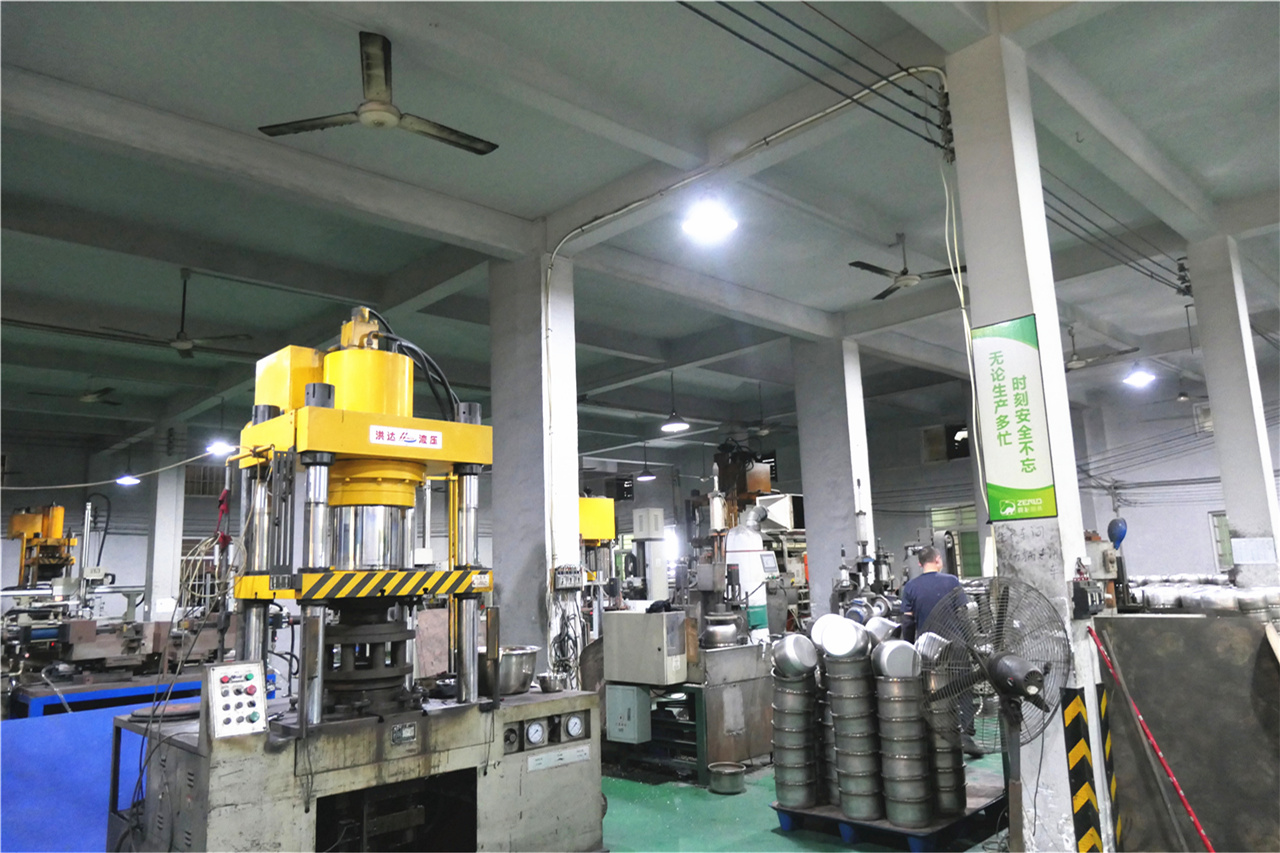
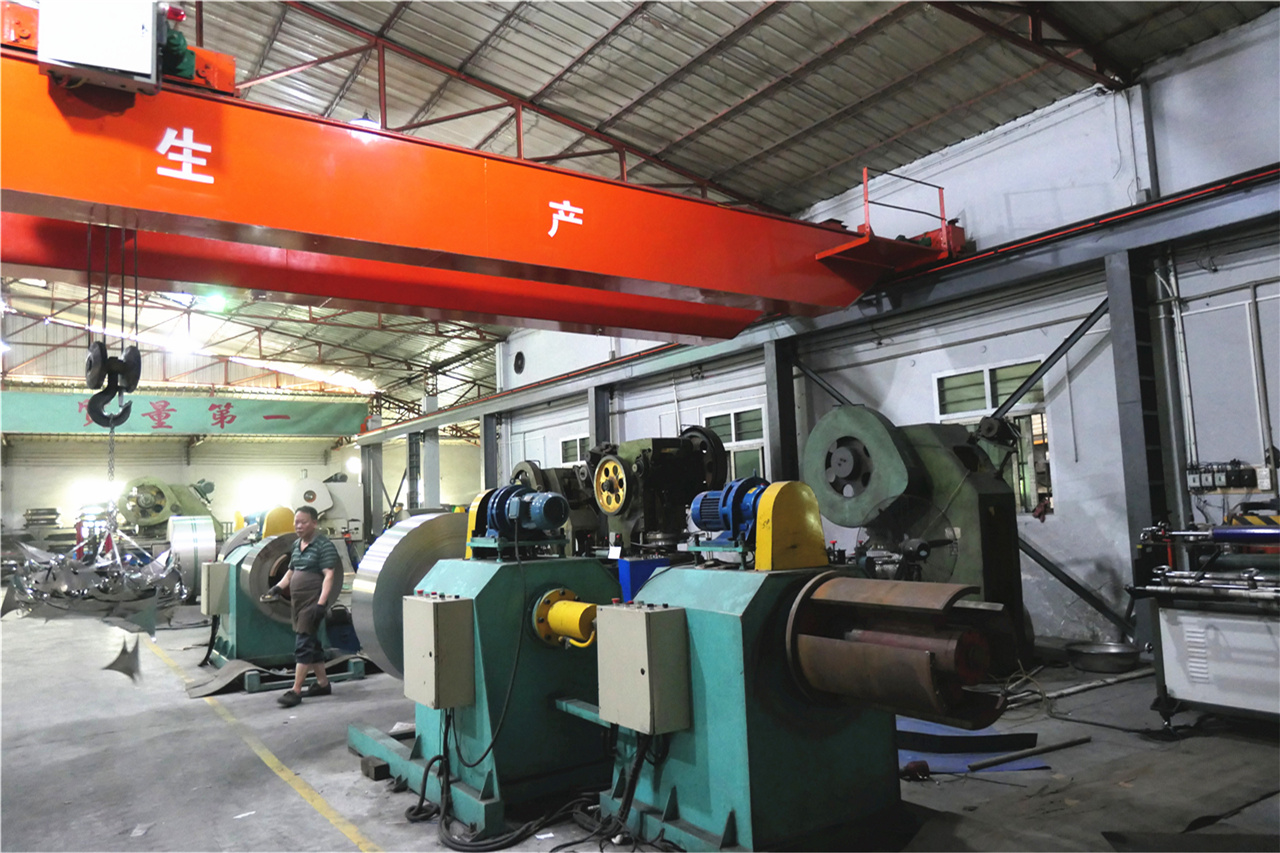
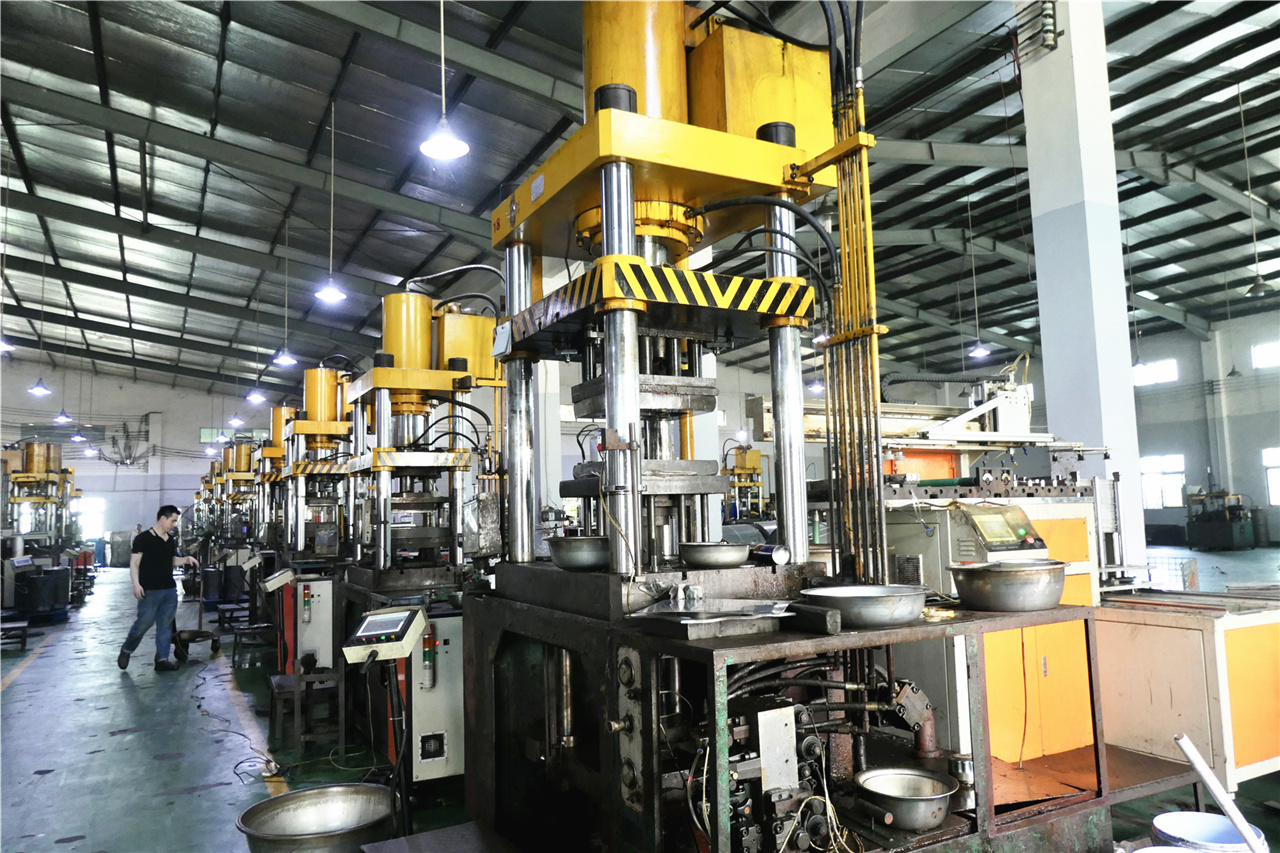
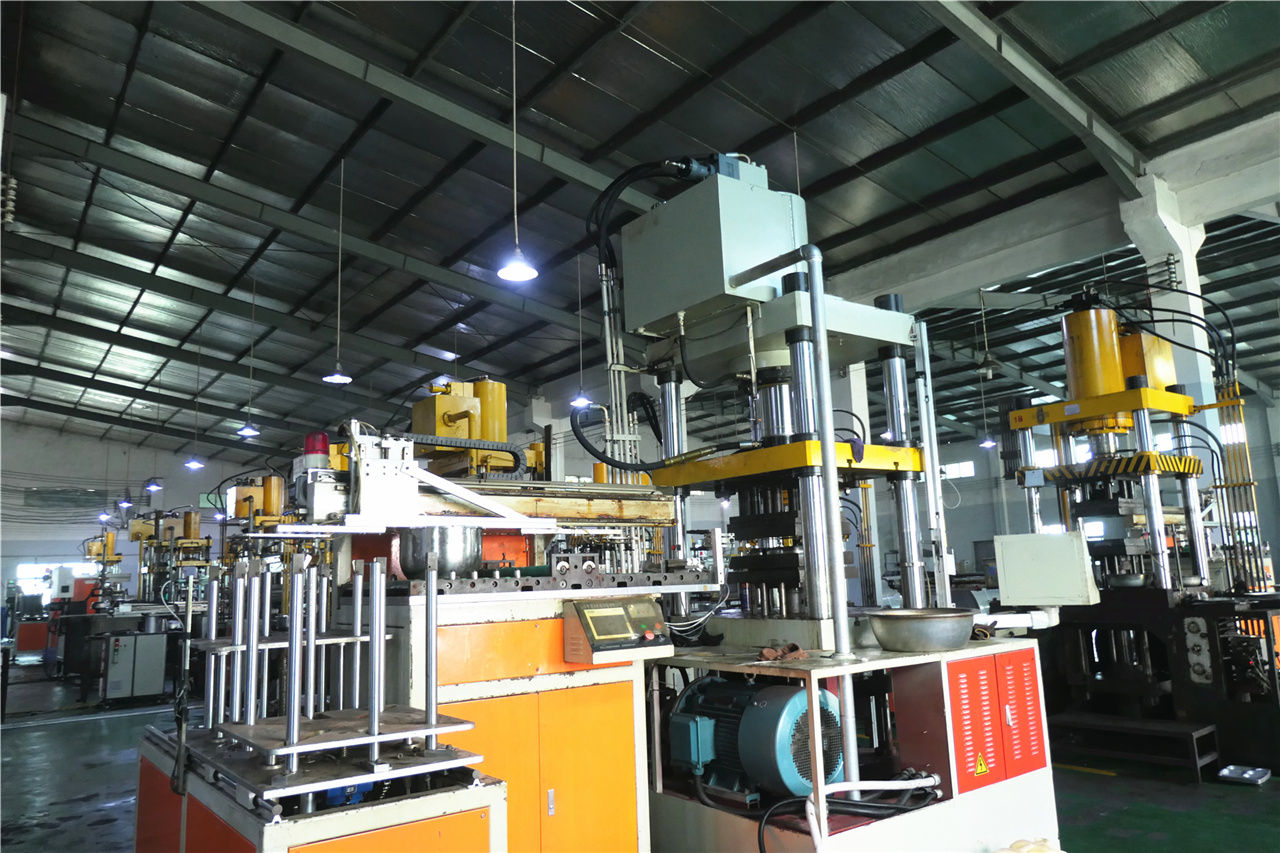
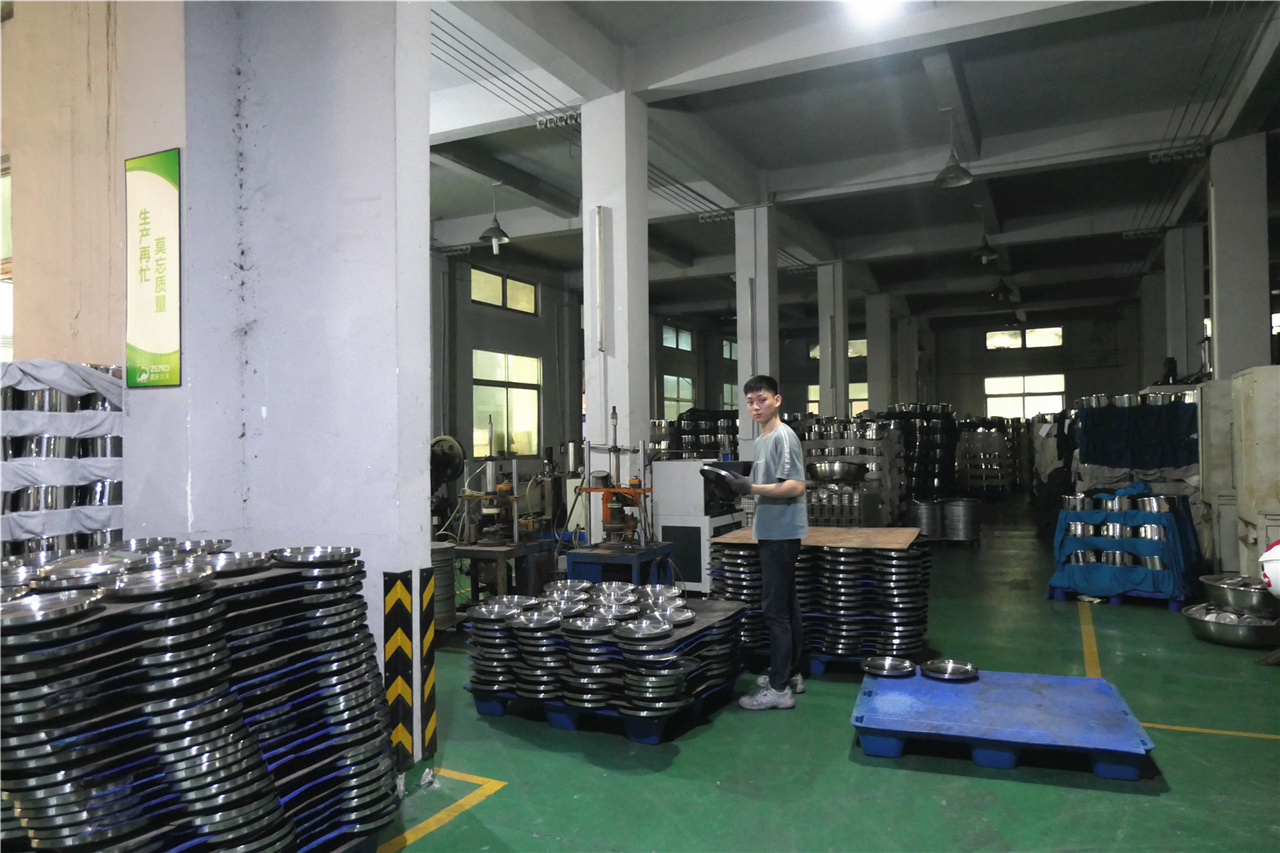
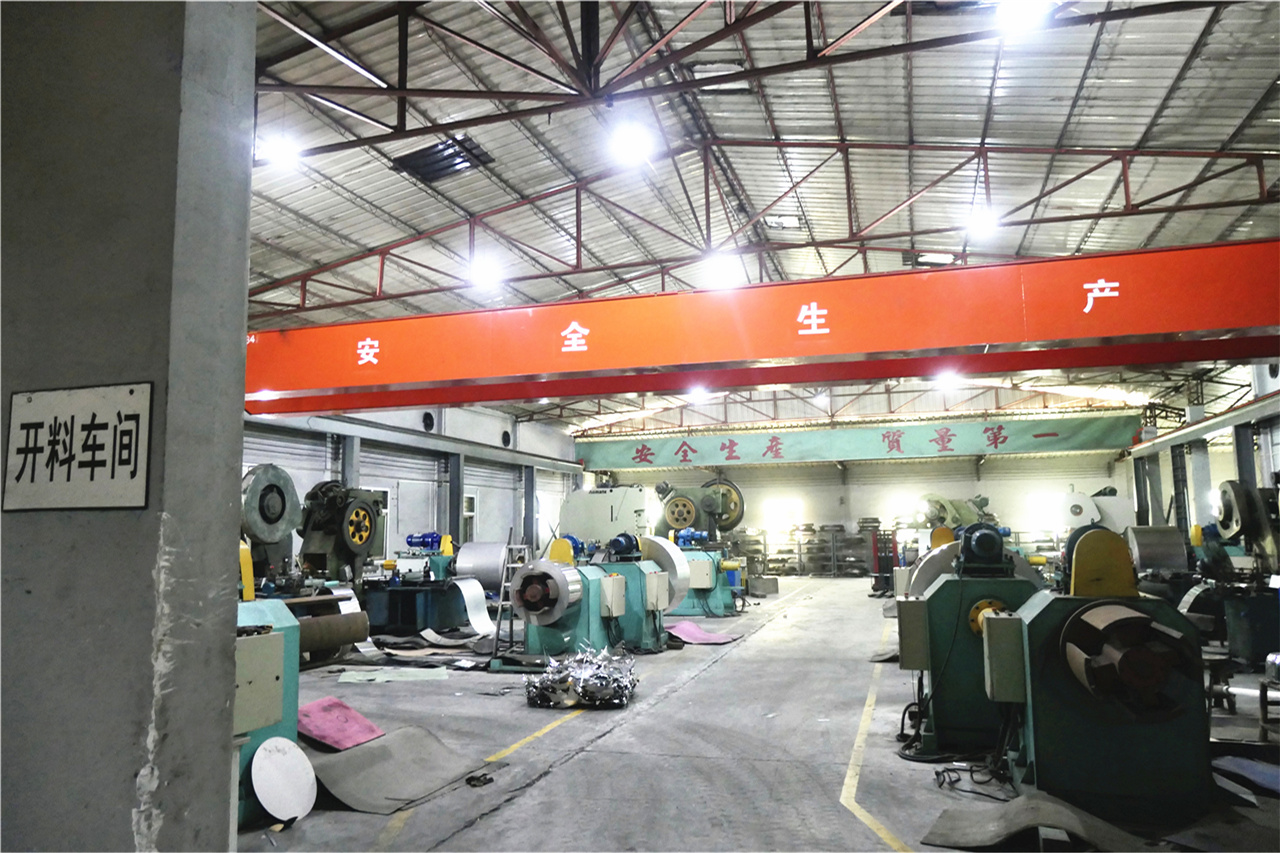
From a manufacturing perspective, producing a high-performance tiffin box requires state-of-the-art engineering. The transition from basic stamping to automated deep-drawing stretching lines ensures uniform wall thickness and structural integrity. SUS304 Stainless Steel serves as the industry gold standard. Its high nickel and chromium content provides exceptional resistance to corrosion, rust, and acid exposure from diverse cuisines. Additionally, innovations in precision laser welding allow manufacturers to create seamless joints, eliminating crevices where bacteria could accumulate. This industrial precision is what separates premium household kitchenware from cheap, short-lived alternatives.
Since 1994, ZENLO Company has witnessed and participated in the complete journey of China's stainless steel kitchenware industry from nothing to something, from weak to strong. Thirty years of development is a history of struggle from "based in Chao'an" to "selling globally." Through the accumulation of the domestic market, the precise development of overseas channels, and the agile transformation in the digital age, the company is steadily moving towards its goal of becoming a "century-old hardware brand."
Amidst the wave of reform and opening up, ZENLO's predecessor—"Zhenlong Hardware Factory"—was established in 1994. In its early days, we seized the policy opportunities of "processing with supplied materials, processing with supplied samples, and compensation trade," relying on a few simple machines and dozens of employees, starting with OEM and ODM under our own brand, laying the foundation for the later "ZENLO" and "YALUN" brands. During this period, we primarily learned from and imitated others to establish the initial form of our enterprise. We accumulated the most basic production experience, introduced fundamental quality management standards, and established a firm foothold in Guangdong's manufacturing cluster based on our reliable reputation.
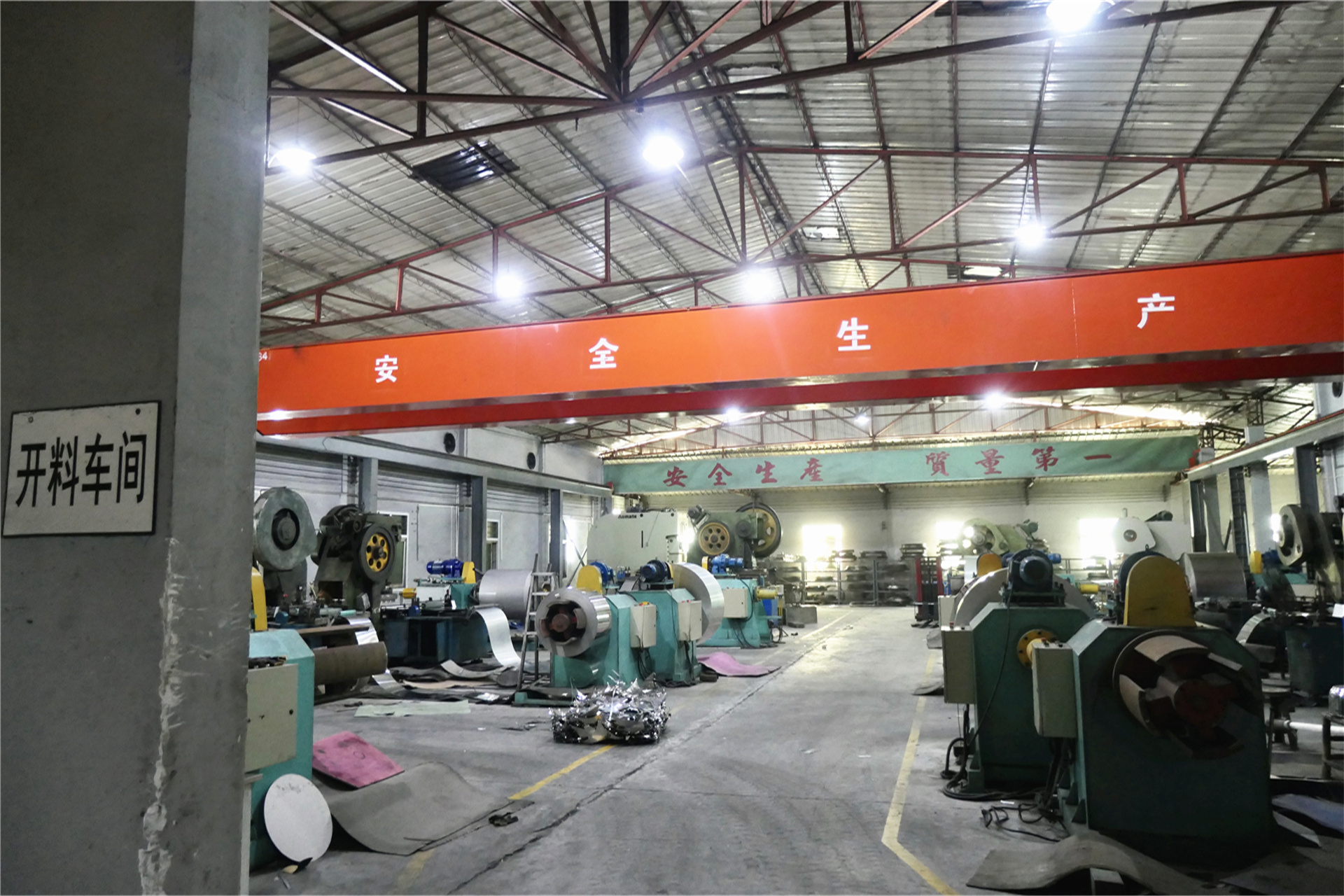
With China's accession to the WTO, overseas orders poured in. We rapidly expanded our production scale and cooperated with major markets across the country. While meeting international market demands, we keenly recognized the importance of our own brand, aligning it with our corporate development goals. Later, we successively developed new products, promoted our brand, and simultaneously entered the domestic market. Through participation in various hotel supplies exhibitions, we initially established domestic sales channels, achieving strategic synchronization between corporate culture and branded products.
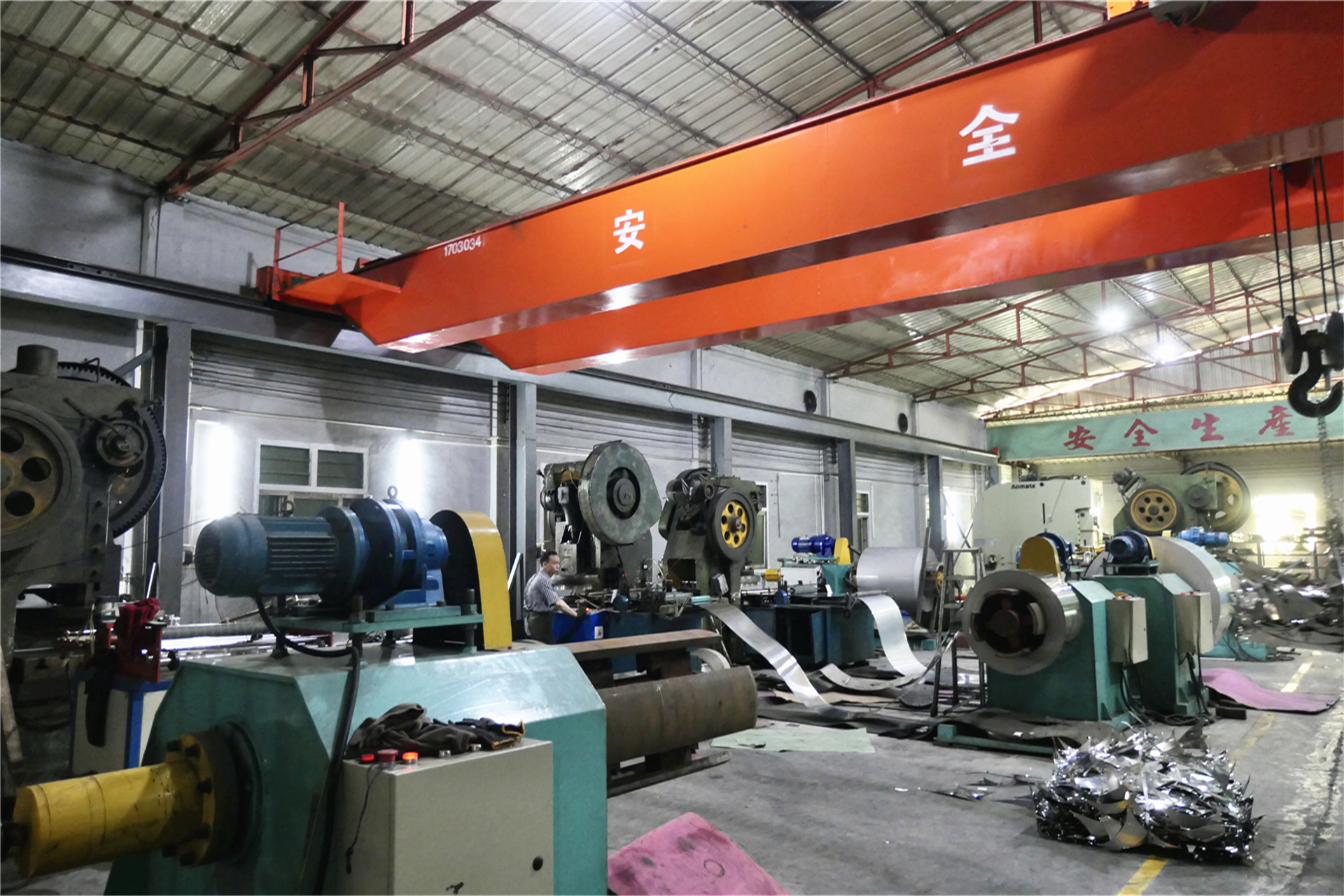
Faced with increasingly fierce market competition and rising labor costs, the factory resolutely embarked on a path of transformation and upgrading. In 2013, ZENLO Company was officially established. We invested heavily in technological upgrades, introducing industry-leading fully automated stretching production lines and laser welding technologies in 2014, significantly improving production efficiency and product precision. Simultaneously, we vigorously promoted branding, launching a stylish, mid-to-high-end sub-brand targeting the new generation of consumers, emphasizing healthy cooking. We also hired a professional design team to ensure our products combine practicality and aesthetic value. In 2017, we launched a brand-new production line—pressure cookers—dedicated to creating safe and reliable pressure cookers. We prepared for this for a long time, and our research and development of pressure cookers has become increasingly proficient, with various models gaining popularity among customers.
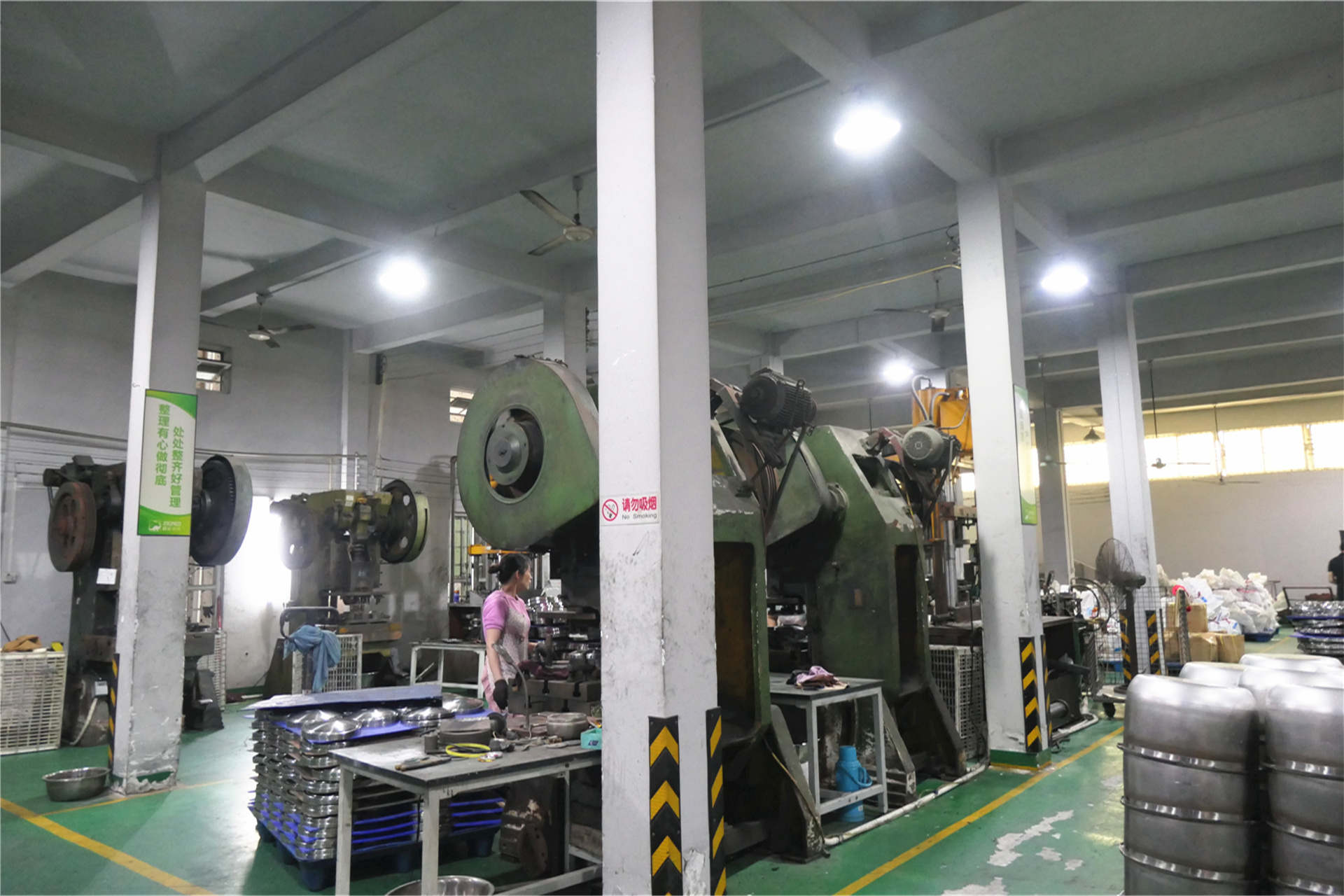
Entering a new decade, ZENLO Company is driven by "innovation" and "globalization." Driven by the internet age, we have implemented online ordering through major internet platforms and a corporate website, providing convenient services to more customers. At the product level, we have gradually launched more high-end and refined cooking utensils, creating a better environment for kitchen life and ensuring customers feel more comfortable and safe when using "ZENLO" brand products. Meanwhile, we actively respond to the national "dual-carbon" goals, researching and promoting the use of more environmentally friendly materials and processes, fulfilling our corporate social responsibility.
To successfully market the **Tiffin Box for Household Daily Kitchenware Retail**, it is essential to understand the modern consumer's diverse application scenarios. A tiffin box is no longer just a container to carry rice and curry; it is an active component of healthy living, meal prep strategies, and zero-waste initiatives.
In urban centers worldwide, dining out daily has become both costly and unhealthy. Professionals are choosing to prepare balanced meals at home. A multi-layer tiffin box allows users to carry a complete meal—such as a protein source, a grain, and a fresh salad—without the risk of cross-contamination or flavor blending. The diamond-shaped spill containment technology ensures that liquid-based dishes, like soups or dressings, remain sealed in their respective compartments, protecting work bags and laptops.
Parents are highly sensitive to the materials that come into contact with their children's food. By highlighting the food-grade SUS304 construction of ZENLO tiffin boxes, retail merchants can provide peace of mind to parents. The stackable design allows for easy portion control, ensuring children receive a diverse mix of nutrients. The durability of stainless steel means these lunchboxes can withstand the rough handling typical of school playgrounds and lockers.
As outdoor activities like hiking, camping, and glamping rise in popularity, lightweight yet indestructible kitchenware is in high demand. Plastic containers crack under pressure or warp when exposed to direct sunlight. Stainless steel tiffin boxes are highly resilient, easy to clean in outdoor settings, and can even be placed near warm surfaces to gently heat food. Their compact, vertical orientation fits perfectly into backpacks.
A growing demographic of eco-conscious consumers brings their own containers to zero-waste grocery stores and local delis. A multi-layer tiffin box is the ideal tool for this scenario. Shoppers can purchase wet and dry goods simultaneously, utilizing different tiers of the same container, thus eliminating the need for single-use paper or plastic bags.
As we look toward the future of the **Tiffin Box for Household Daily Kitchenware Retail** segment, several key technological and design trends are emerging. Retailers who align their product selections with these trends will maintain a strong competitive edge.
While classic polished stainless steel remains popular, modern consumers seek kitchenware that reflects their personal style. Textured finishes, such as the diamond-shaped pattern engineered by ZENLO, add a premium tactile feel and reduce the visibility of fingerprints and scratches. Matte powder coatings, pastel colors, and laser-etched branding are increasingly requested by retailers seeking to establish a unique identity in the marketplace.
Single-wall metal containers are effective, but double-wall vacuum insulation is the next frontier. Double-wall designs keep food hot or cold for extended periods without sweating or transferring heat to the user's hands. Combined with precision-engineered silicone gaskets and secure locking side rails, these containers offer absolute spill containment, opening up new opportunities for hot soup and liquid dish storage.
The future kitchen is connected. We are beginning to see modular tiffin box systems that dock into heating bases at office desks or integrate with mobile apps to track nutrition and freshness. Retailers must prepare for this shift by sourcing products from manufacturers with robust R&D capabilities and a history of technological agility.
Looking back over the past thirty years, ZENLO Company has grown from a small hardware manufacturing factory into an industry benchmark enterprise with its own brand, patented products, and a modern production system. Looking to the future, we will continue to uphold our original aspiration of "making good cookware with heart," continuously exploring ways to further expand overseas markets and better serve every customer, striving to become a trusted provider of kitchen living products for global consumers.
Send Inquiry Now