
Leave Your Message
Engineered to maintain optimal cooking pressure and temperature in low atmospheric conditions.
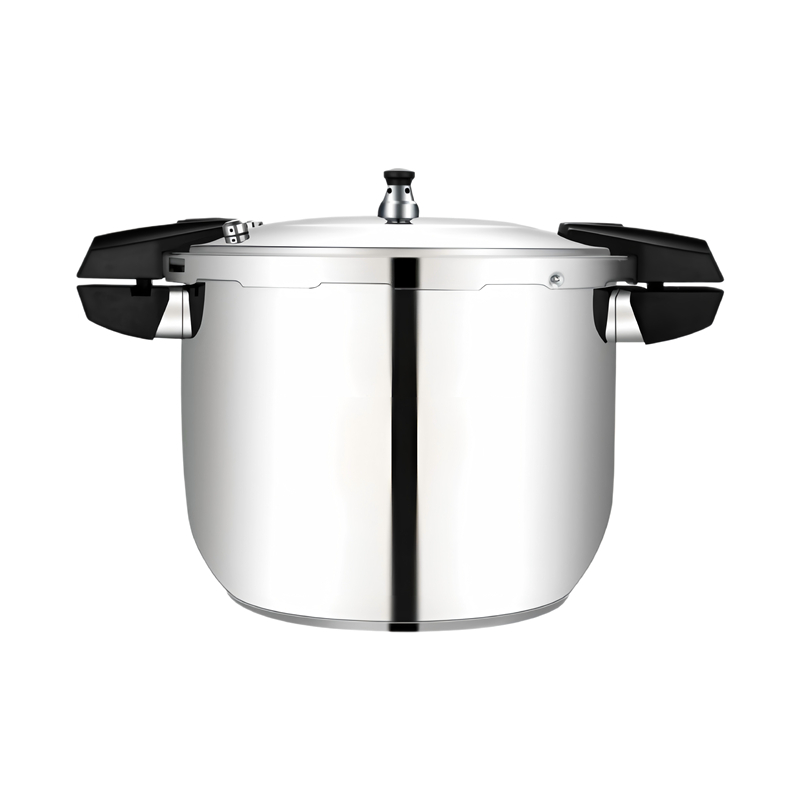
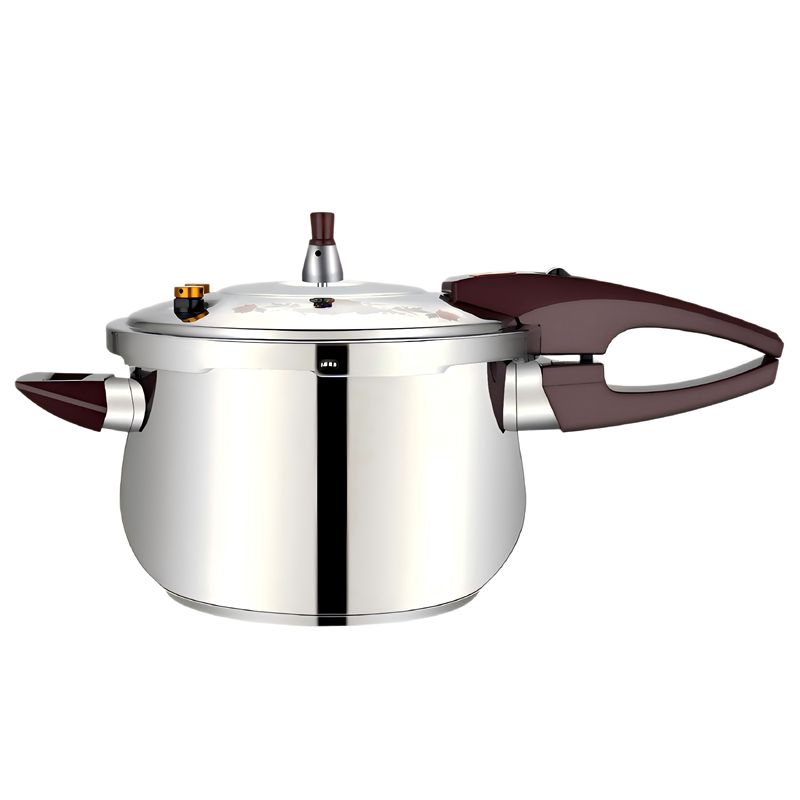
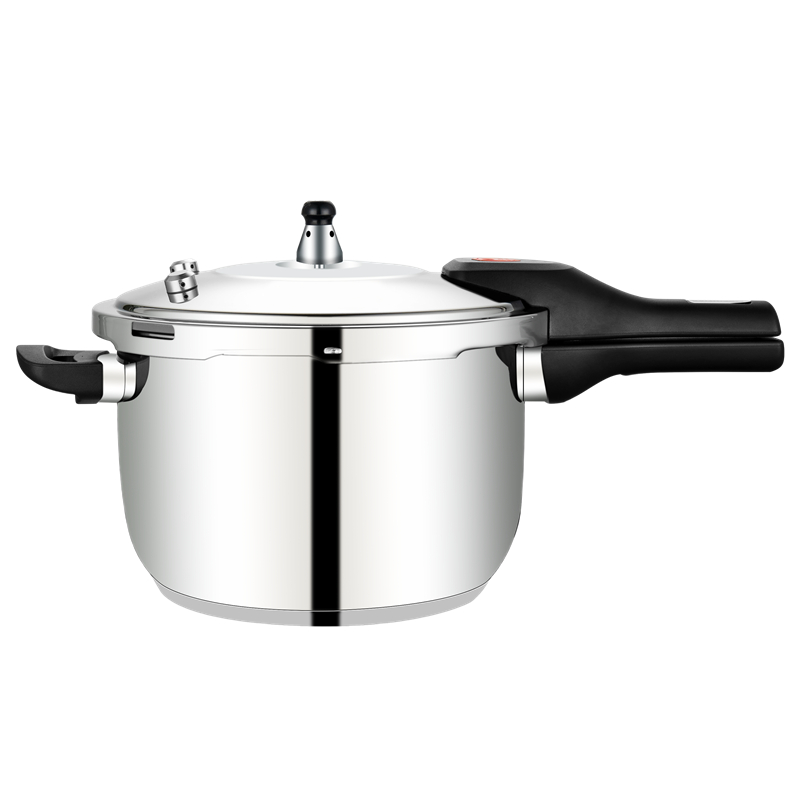
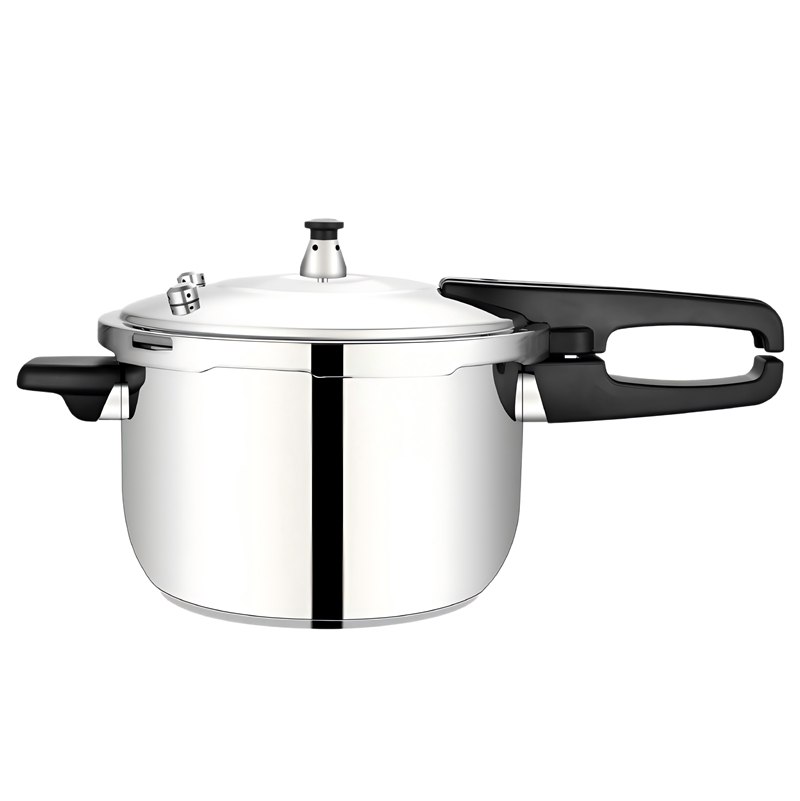
Cooking in high-altitude regions presents unique thermodynamic challenges that standard open-pot cooking methods cannot resolve. As elevation increases, atmospheric pressure decreases. At sea level, atmospheric pressure is approximately 101.3 kPa, and water boils at 100°C (212°F). However, at higher elevations, such as in the Andes, Himalayas, or the Rocky Mountains, the boiling point of water drops significantly. For instance, at 3,000 meters (approx. 10,000 feet), water boils at roughly 90°C (194°F). At extreme altitudes above 4,500 meters, the boiling point drops below 85°C.
Because the boiling point is lower, heat transfer to food via boiling water is severely limited. Foods that require high temperatures to break down complex starches, tough fibers, and proteins—such as dry beans, whole grains, and meats—remain undercooked regardless of how long they are boiled. This is where the stovetop pressure cooker becomes an indispensable tool. By creating a sealed environment, a pressure cooker traps steam, raising the internal pressure and subsequently raising the boiling point of water back up to 115°C–120°C. This ensures thorough, efficient, and safe cooking in any high-altitude application.
For every 300 meters (approx. 1,000 feet) of elevation gain, the boiling point of water decreases by roughly 1°C. Without a pressure-sealed cooking vessel, energy consumption increases exponentially as cooking times double or triple, leading to excessive fuel consumption and poorly prepared meals.
In recent years, the market for high-altitude stovetop pressure cookers has expanded beyond basic household use into highly demanding commercial and industrial sectors. Tourism in mountainous regions, scientific research stations, military outposts, and mining operations located in high-altitude plateaus have driven the demand for robust, large-capacity, and technically advanced cooking solutions.
Industrially, manufacturers must design pressure cookers that are not only capable of handling high internal pressures but are also optimized for rapid heat absorption. In remote high-altitude zones, energy sources can be unstable or limited to specific fuels like liquefied petroleum gas (LPG), diesel, or biomass. Consequently, modern stovetop pressure cookers utilize multi-layered encapsulated impact-bonded bases (typically combining stainless steel and aluminum cores) to maximize thermal efficiency and ensure compatibility with multiple heat sources, including modern induction cooktops.
In high-altitude tourist destinations and alpine resorts, hotels and restaurants must maintain the same standard of culinary excellence found at sea level. Serving undercooked rice or tough meats is unacceptable. Commercial-grade stainless steel pressure cookers allow chefs to prepare large batches of food rapidly. By elevating the internal temperature to over 115°C, cooking times are reduced by up to 70%, allowing commercial kitchens to maintain high table turnover rates while drastically reducing their utility bills.
Military personnel stationed in mountainous border regions face extreme weather and low-pressure environments. Food safety and nutrition are critical for operational readiness. Standard boiling is insufficient to sterilize food and eliminate certain pathogens at high altitudes. Heavy-duty, explosion-proof commercial pressure cookers are vital in these military kitchens, ensuring that meals are thoroughly cooked, sanitized, and prepared quickly under harsh conditions.
For mountaineers and scientific research teams living in high-altitude base camps (such as Mount Everest base camps or astronomical observatories), fuel is a precious commodity that must be carried up the mountain. Standard cooking methods waste valuable fuel due to prolonged cooking times. A high-efficiency stovetop pressure cooker minimizes fuel consumption by trapping heat and steam, making it a critical survival and logistical tool for long-duration expeditions.
For millions of people living permanently in plateau regions worldwide, the pressure cooker is a daily necessity. From preparing traditional stews to cooking daily staples like lentils and potatoes, household pressure cookers must be durable, easy to clean, and equipped with multiple safety mechanisms to prevent accidents in homes where open flames are common.
Designing a pressure cooker for high-altitude applications requires precise thermodynamic engineering. Because the ambient atmospheric pressure is lower, the pressure differential between the inside and outside of the cooker is greater than at sea level. This requires:
At Zenlo, we leverage advanced manufacturing technologies to produce kitchenware that meets these stringent requirements. Our commitment to research and development has led to patented safety designs that ensure durability and reliable performance in any environment.
Our factory was established in 1994.
Our company is continuously committed to the research and development of new products and technologies. Multiple products have been patented, and we will continue to launch new products in the future. Please stay tuned.
The enterprise always adheres to the business philosophy of "integrity, innovation, and progress", winning customer trust and market recognition with high-quality products and a steady and pragmatic attitude. We sincerely welcome customers from home and abroad to cooperate, negotiate, visit and guide us, and create a better future together.
Request Free QuoteExplore our state-of-the-art exhibition hall showcasing our diverse range of patented stainless steel kitchenware.
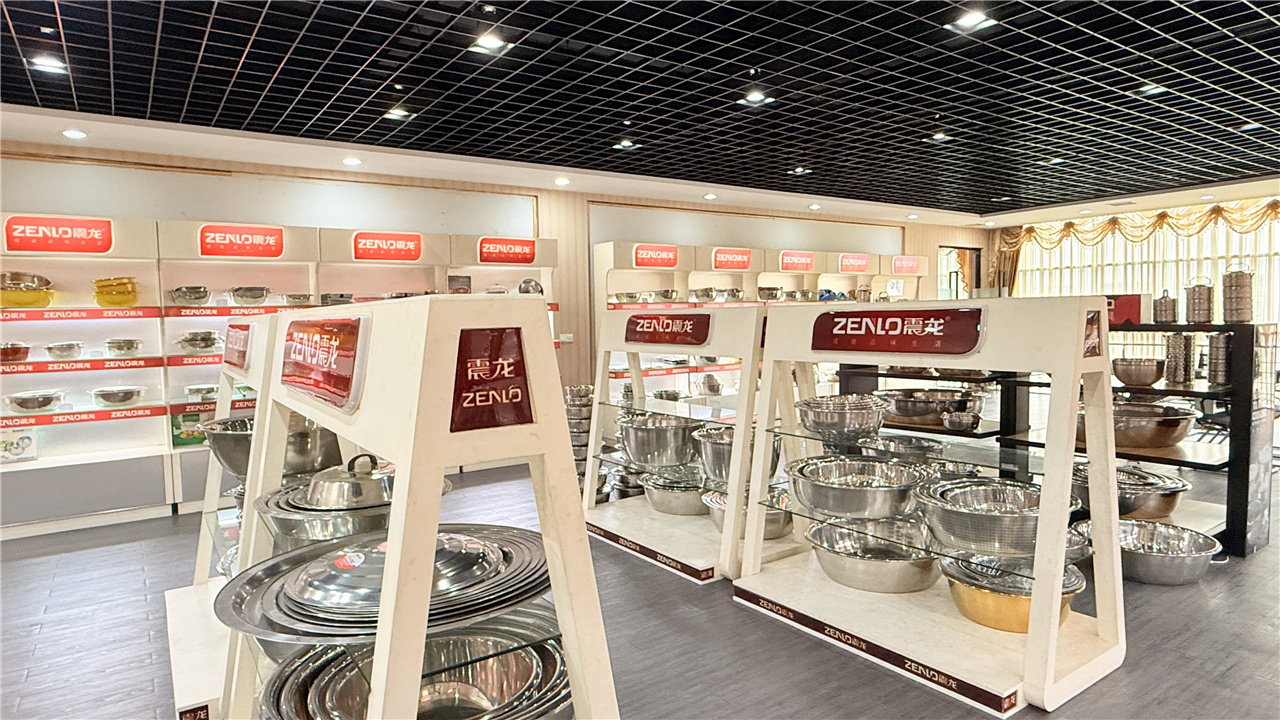
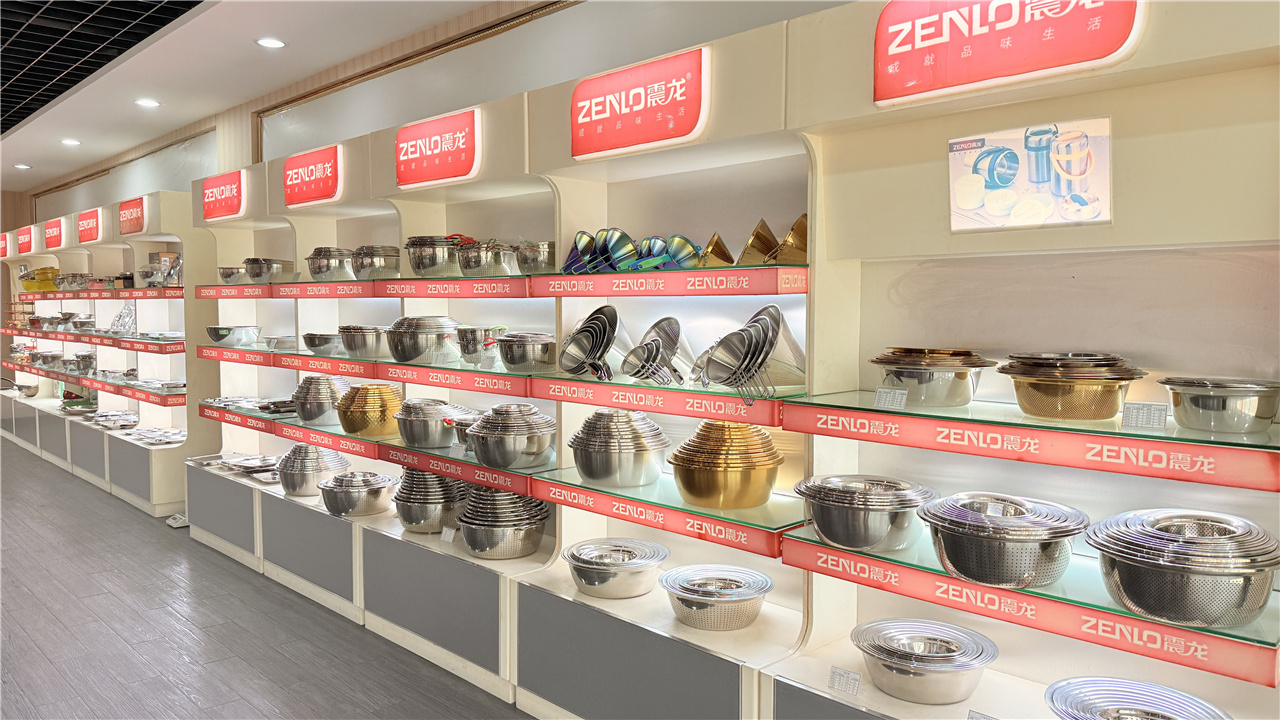
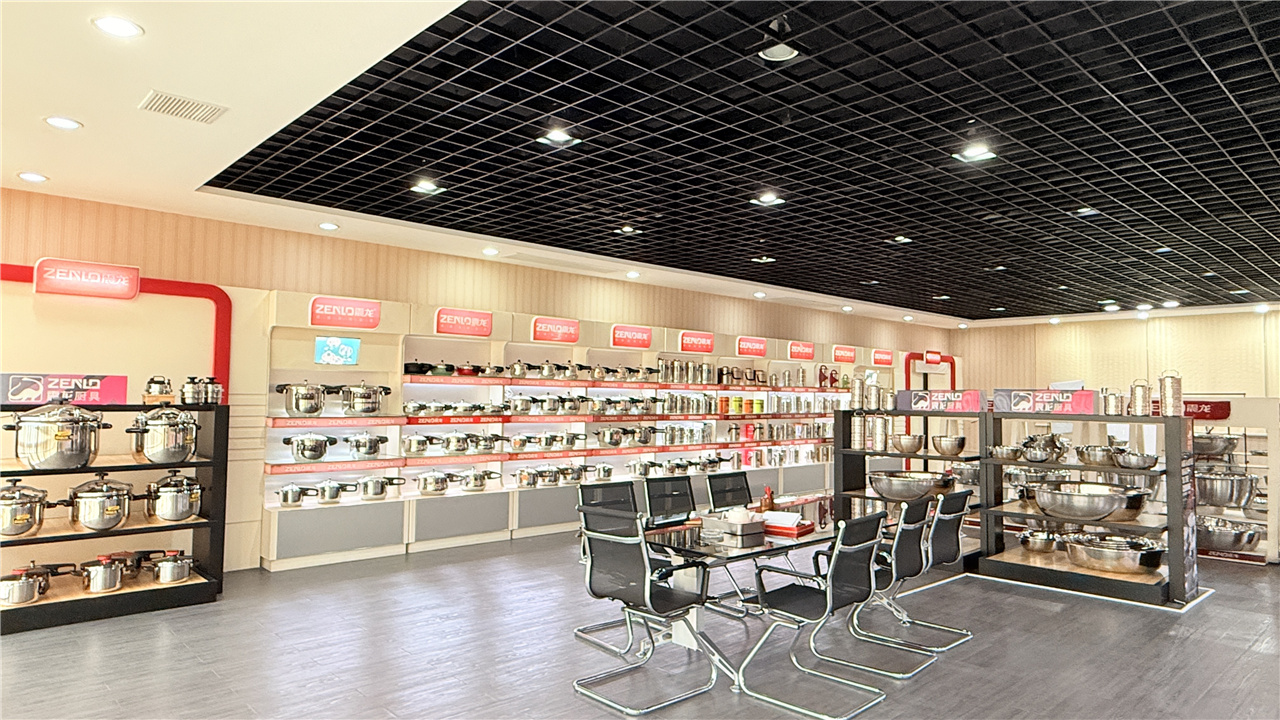
Browse our full range of heavy-duty, explosion-proof, and highly efficient stovetop pressure cookers.