
Leave Your Message
Engineered for intense heat sources, rapid pressure buildup, and heavy-duty daily use in fast-paced catering and restaurant environments.
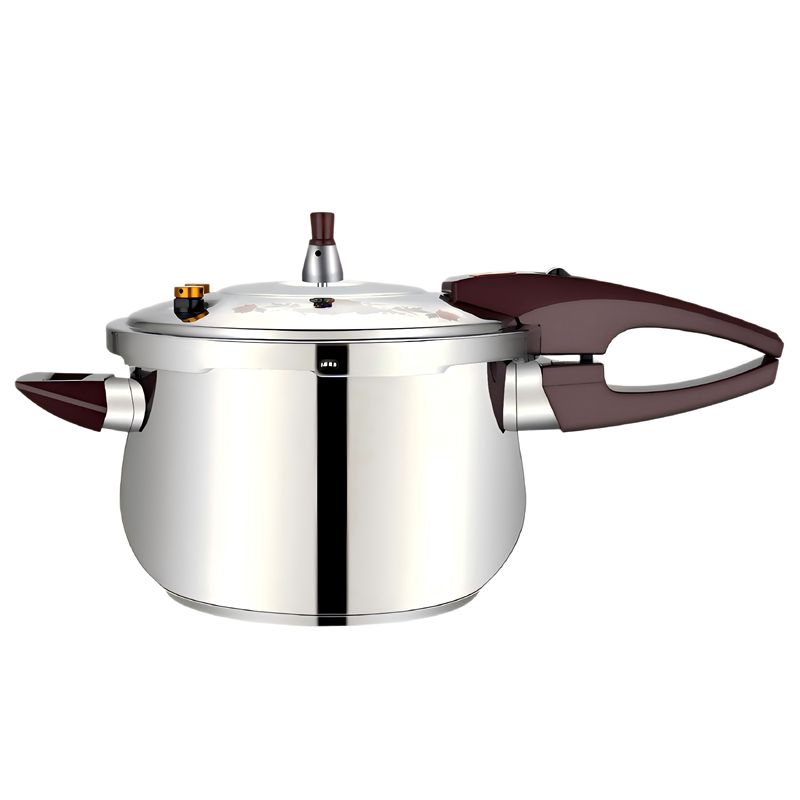
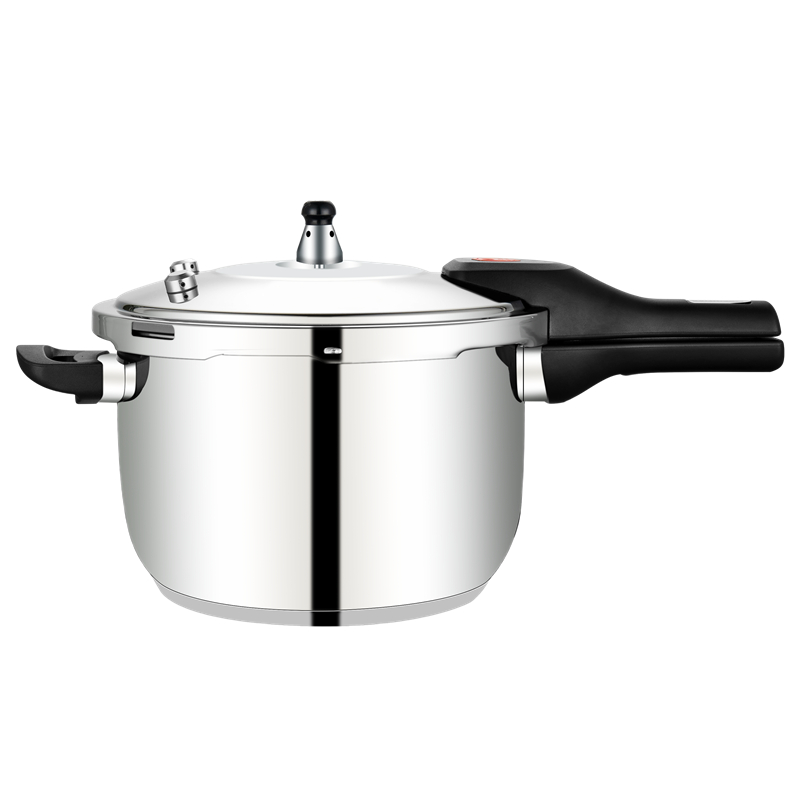
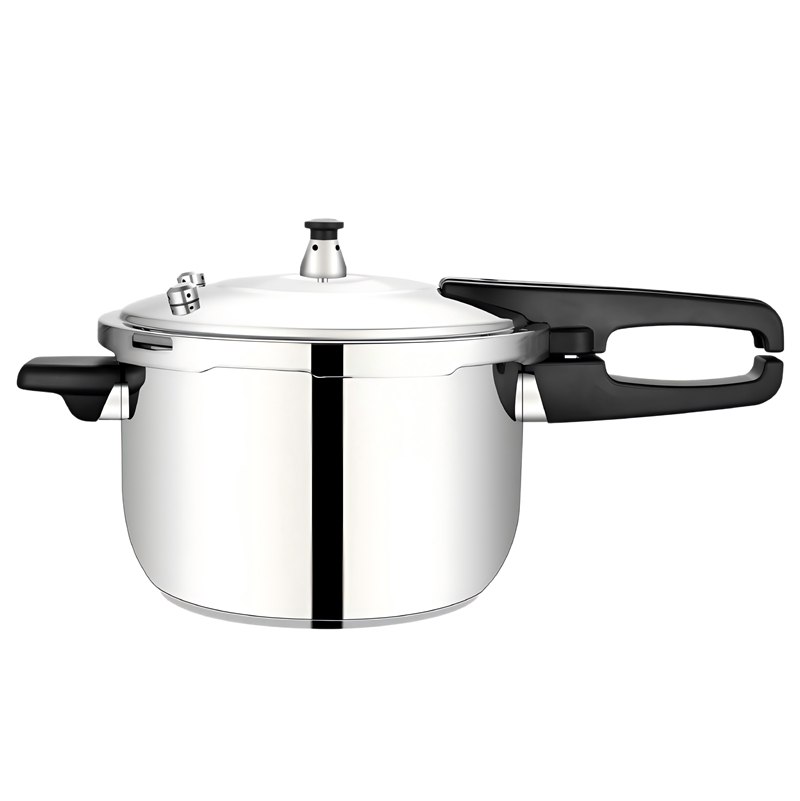
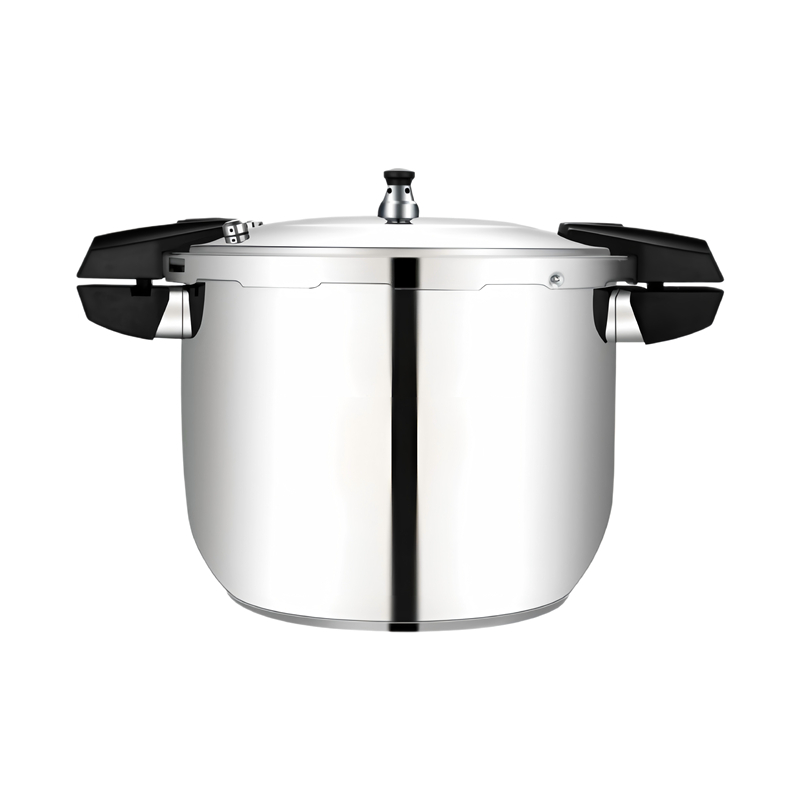
In the culinary world, time is the ultimate currency. As commercial kitchens, hotels, and catering services face escalating operational costs and surging customer demands, the search for highly efficient cooking methods has intensified. Among the array of industrial kitchenware, the stovetop pressure cooker stands out as a timeless powerhouse. Unlike residential setups, commercial environments demand equipment that can withstand continuous, high-intensity thermal exposure while maintaining absolute structural integrity. Today's commercial stovetop pressure cookers are engineered to operate at higher pressures and handle rapid temperature fluctuations, providing chefs with unparalleled control over preparation times and flavor profiles.
From an industrial perspective, the global commercial pressure cooker market is experiencing a significant shift. While electric, automated pressure cookers have gained popularity in residential markets, professional kitchens overwhelmingly favor stovetop models. The primary reason is thermal responsiveness. A high-BTU gas burner or a heavy-duty commercial induction cooktop can transfer energy to a stovetop pressure cooker far quicker than the built-in elements of an electric counterpart. This rapid heat transfer translates to faster pressure buildup, shorter cooking cycles, and the ability to sear or deglaze ingredients in the same vessel before locking the lid. Consequently, catering enterprises can reduce preparation times by up to 70%, maximizing kitchen throughput and energy efficiency.
A major trend shaping the commercial kitchenware landscape is the transition from gas to induction cooking. Driven by environmental regulations, safety concerns, and the pursuit of cooler working environments, modern catering operations are increasingly installing high-power induction ranges. Manufacturers of commercial stovetop pressure cookers have responded by engineering multi-layered, impact-bonded bases. These bases typically feature an aluminum core sandwiched between layers of food-grade 304 stainless steel and magnetic 430 stainless steel. This advanced construction ensures rapid, uniform heat distribution across the bottom of the vessel, eliminating hot spots that could scorch delicate ingredients during prolonged cooking cycles.
How modern engineering addresses the rigorous demands of industrial catering and high-volume meal preparation.
Equipped with primary, secondary, and emergency pressure-release mechanisms to ensure safe operation under constant commercial use.
Features an encapsulated aluminum core for rapid, even heat distribution, compatible with gas, electric, and induction ranges.
Heavy-duty lid clamping systems and durable silicone gaskets prevent accidental lid opening while the vessel remains pressurized.
Understanding the specific use cases of stovetop pressure cookers in commercial setups highlights their value. Unlike domestic kitchens, where a pressure cooker might be used once or twice a week, commercial models are workhorses that operate for hours on end, day after day. Here is an in-depth analysis of how they are utilized across various commercial and industrial food service sectors:
Catering companies tasked with serving hundreds of guests at corporate events, weddings, or large-scale conferences face the challenge of serving high-quality meals simultaneously. Stovetop pressure cookers excel here by drastically speeding up the preparation of base ingredients and main courses. Large cuts of meat, such as beef brisket, pork shoulder, and lamb shanks, which typically require 4 to 6 hours of slow braising, can be cooked to fork-tender perfection in under 90 minutes. This speed allows catering teams to adjust to last-minute guest count changes and prepare fresh batches of food on-site, ensuring meals are hot and flavorful when served.
In the QSR sector, consistency, speed, and cost-efficiency are critical. Stovetop pressure cookers allow fast-casual chains to prepare signature menu items, such as specialized beans, stews, and shredded meats, in house without investing in expensive, space-consuming industrial combi-ovens. The pressurized environment locks in moisture and prevents flavor compounds from escaping in the steam. This results in richer, more concentrated flavors and tender textures, ensuring that every batch of food meets the brand's quality standards across all locations.
For large restaurant groups that operate a hub-and-spoke model, central prep kitchens prepare sauces, stocks, and bases before distributing them to individual branches. Stovetop pressure cookers are ideal for extracting collagen and gelatin from bones to create rich, velvety stocks. A traditional bone broth that takes 12 to 24 hours of simmering in an open stockpot can be completed in just 2 to 3 hours under pressure. This efficiency reduces energy consumption, minimizes water evaporation, and increases the yield of the finished product, directly improving the kitchen's bottom line.
In fine dining, chefs use pressure cookers to infuse flavors rapidly. The high pressure forces marinades and aromatics deep into ingredients, achieving complex flavor profiles in a fraction of the time. In institutional settings like hospitals and universities, pressure cooking is favored for its nutritional benefits. Because pressure cooking uses less water and cooks food faster than boiling or steaming, it helps retain essential vitamins and minerals, helping institutions meet strict nutritional guidelines while serving large populations.
The durability of a commercial stovetop pressure cooker depends heavily on the materials used in its construction. Unlike residential cookers, which may use thinner gauges of aluminum or low-grade stainless steel to cut costs, professional-grade cookers must use heavy-gauge, food-grade stainless steel. Standard materials include SUS304 (18/10 stainless steel) and SUS316, which offer excellent resistance to corrosion, pitting, and chemical reactions with acidic ingredients like tomatoes, vinegar, and citrus juices.
Stainless steel is an excellent material for food safety and durability, but it is a relatively poor conductor of heat. To address this, manufacturers use impact-bonding technology to attach a multi-layered base to the cooker. During this process, a layer of pure aluminum is sandwiched between the stainless steel body and a magnetic stainless steel outer plate under high pressure and temperature. The aluminum core distributes heat quickly and evenly across the cooking surface, while the magnetic outer plate ensures the cooker works efficiently on induction cooktops. This combination prevents hot spots, reduces energy use, and helps prevent food from sticking or burning.
Safety is a primary concern when operating high-pressure equipment in busy commercial kitchens. Modern stovetop pressure cookers incorporate multiple safety features to manage pressure safely. These include primary weight valves, secondary safety valves, and overpressure safety windows in the lid rim. If the primary valve becomes blocked by food particles, the secondary valve automatically opens to release excess steam. If both valves fail, the silicone gasket is designed to deform and push out through the safety window, venting steam downward safely away from the operator. These redundant safety systems help commercial kitchens maintain safe working environments while meeting strict local health and safety regulations.
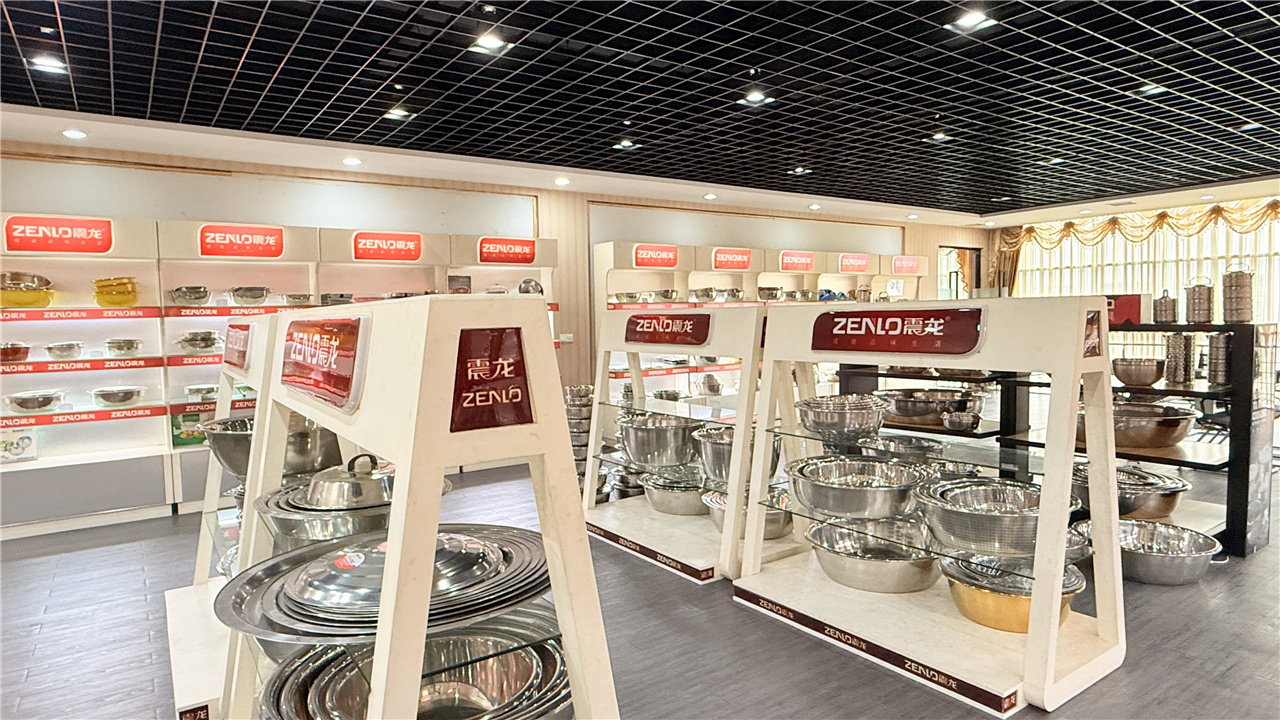
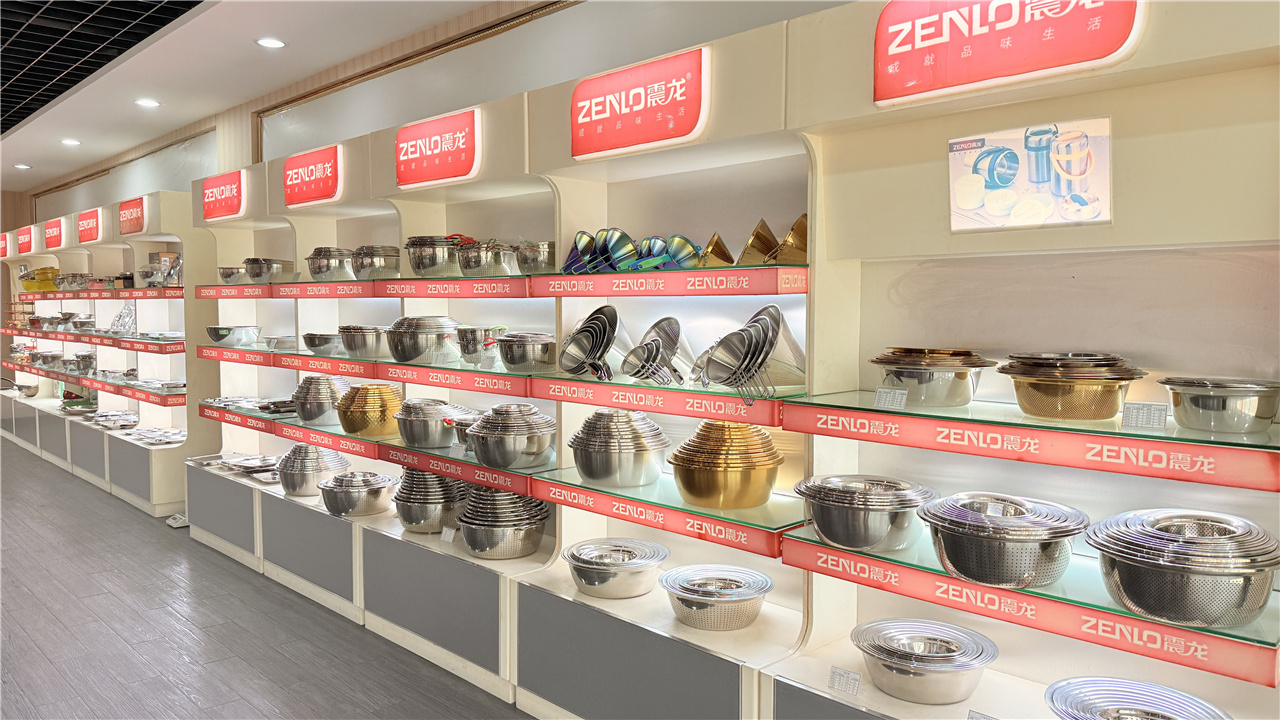
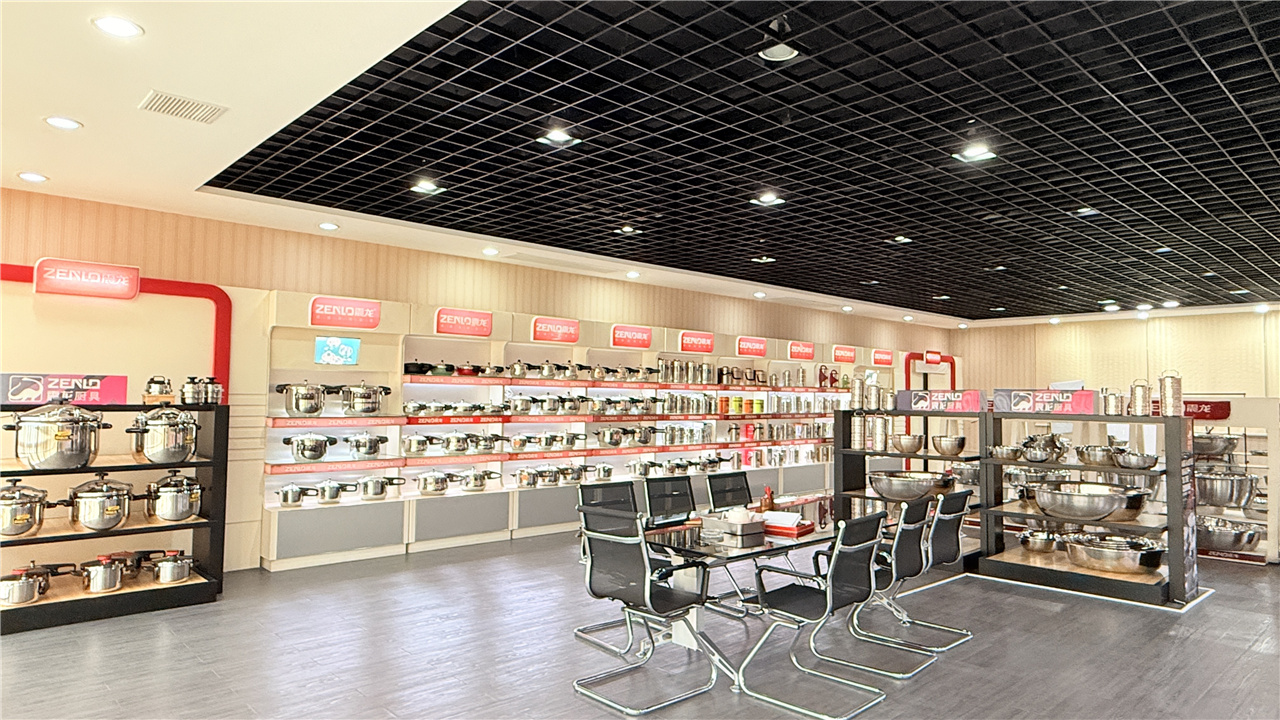
Explore our full line of commercial stovetop pressure cookers, optimized for catering services, central kitchens, and professional chefs.