Leave Your Message
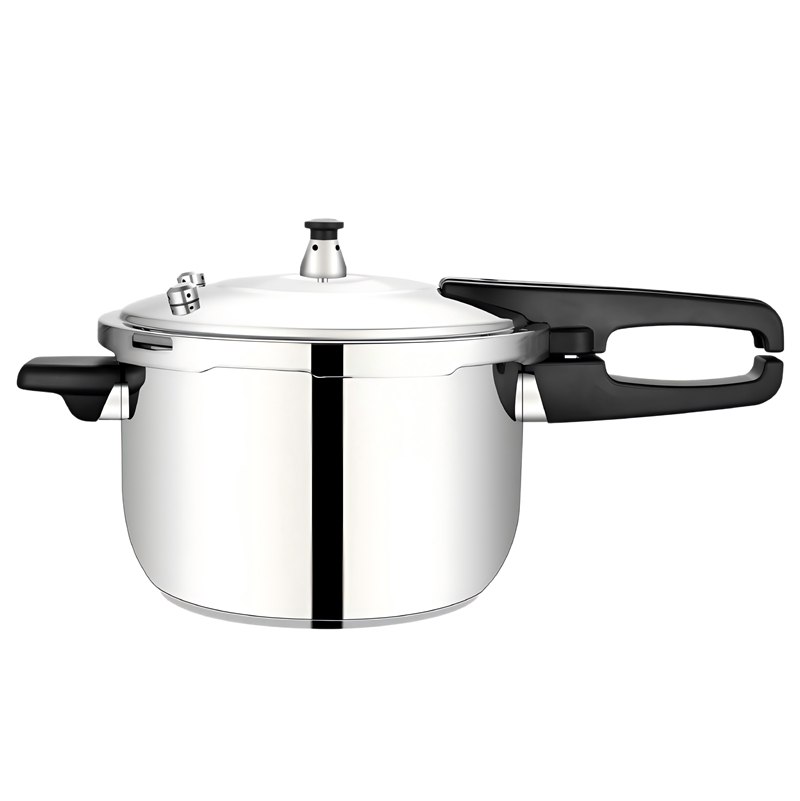
In the modern food processing landscape, efficiency, hygiene, and energy conservation are the cornerstones of successful commercial operations. The steel pressure cooker has transitioned from a humble household appliance into an indispensable industrial asset for meal preparation centers, central kitchens, and large-scale catering businesses. Under high-pressure conditions, the boiling point of water increases, allowing food to cook at temperatures exceeding 100°C (212°F). This accelerated thermal transfer drastically reduces cooking times by up to 70% while minimizing energy expenditure—a critical metric for commercial facilities striving to hit carbon-neutrality targets.
Today's commercial food preparation sector faces unprecedented demands: high-throughput production, stringent microbiological safety standards, and the preservation of organoleptic qualities (flavor, texture, and color). Industrial steel pressure cookers satisfy these requirements by creating a sealed environment that prevents the escape of volatile organic compounds and moisture. As a result, meats retain their tenderness, grains gelatinize uniformly, and nutrient degradation is significantly minimized compared to open-air boiling or steaming.
The material composition of a pressure vessel dictates its longevity, safety, and compliance with global food safety regulations (such as FDA and LFGB). High-grade 304 (18/8) and 316 (18/10) stainless steel alloys are the premier choices for manufacturing commercial pressure cookers. 304 stainless steel offers exceptional resistance to atmospheric corrosion and organic acids present in food, making it ideal for standard cooking applications.
For highly acidic or saline environments—such as processing marinades, brines, or tomato-based sauces—316 stainless steel is utilized due to the addition of molybdenum, which enhances resistance to pitting corrosion. Furthermore, stainless steel is non-porous and chemically inert, ensuring that no metallic taste or harmful chemical residues leach into the food, maintaining pure flavor profiles across thousands of cooking cycles.
Since 1994, ZENLO Company has witnessed and participated in the complete journey of China's stainless steel kitchenware industry from nothing to something, from weak to strong. Thirty years of development is a history of struggle from "based in Chao'an" to "selling globally." Through the accumulation of the domestic market, the precise development of overseas channels, and the agile transformation in the digital age, the company is steadily moving towards its goal of becoming a "century-old hardware brand."
Amidst the wave of reform and opening up, ZENLO's predecessor—"Zhenlong Hardware Factory"—was established in 1994. In its early days, we seized the policy opportunities of "processing with supplied materials, processing with supplied samples, and compensation trade," relying on a few simple machines and dozens of employees, starting with OEM and ODM under our own brand, laying the foundation for the later "ZENLO" and "YALUN" brands. During this period, we primarily learned from and imitated others to establish the initial form of our enterprise. We accumulated the most basic production experience, introduced fundamental quality management standards, and established a firm foothold in Guangdong's manufacturing cluster based on our reliable reputation.
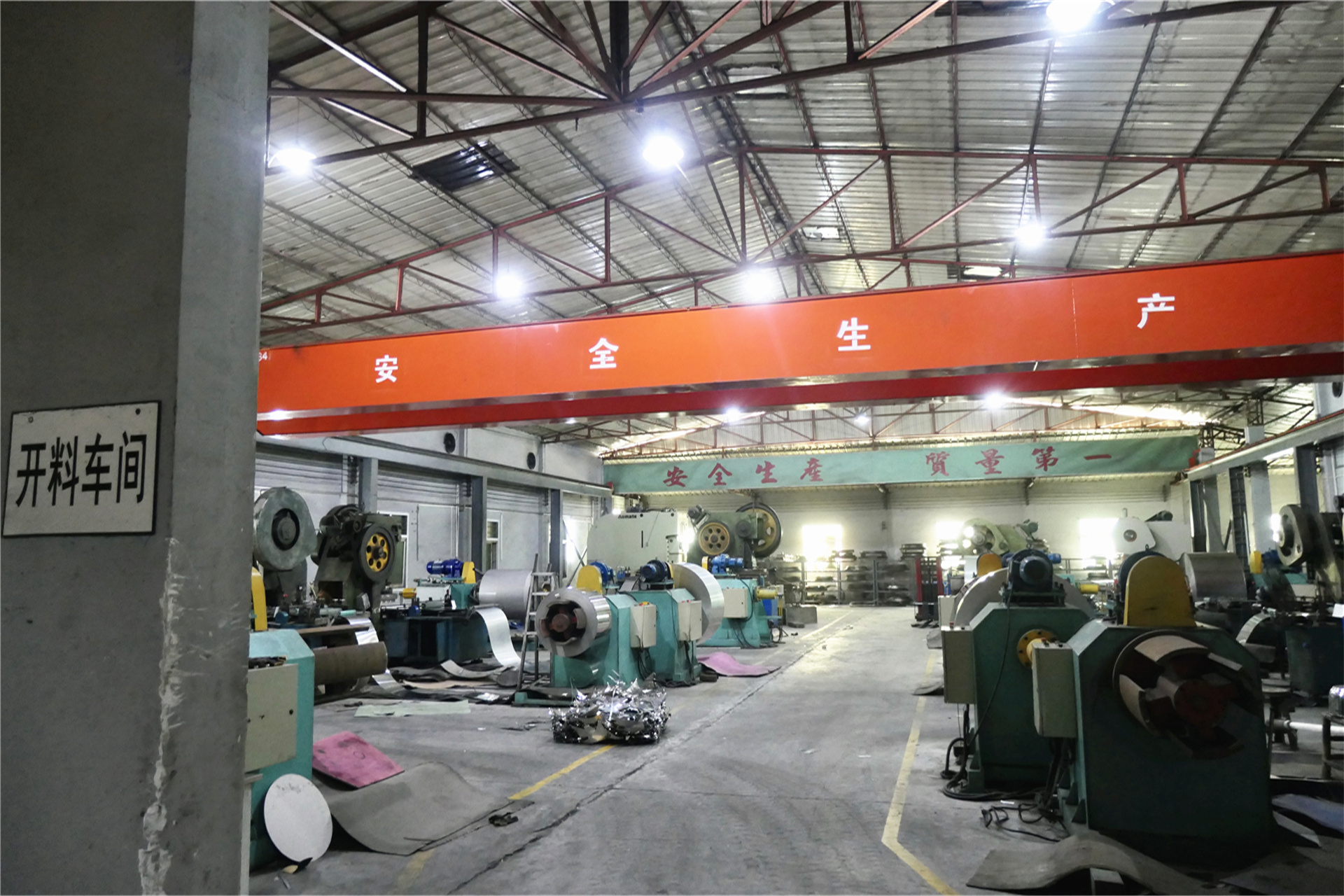
With China's accession to the WTO, overseas orders poured in. We rapidly expanded our production scale and cooperated with major markets across the country. While meeting international market demands, we keenly recognized the importance of our own brand, aligning it with our corporate development goals. Later, we successively developed new products, promoted our brand, and simultaneously entered the domestic market. Through participation in various hotel supplies exhibitions, we initially established domestic sales channels, achieving strategic synchronization between corporate culture and branded products.
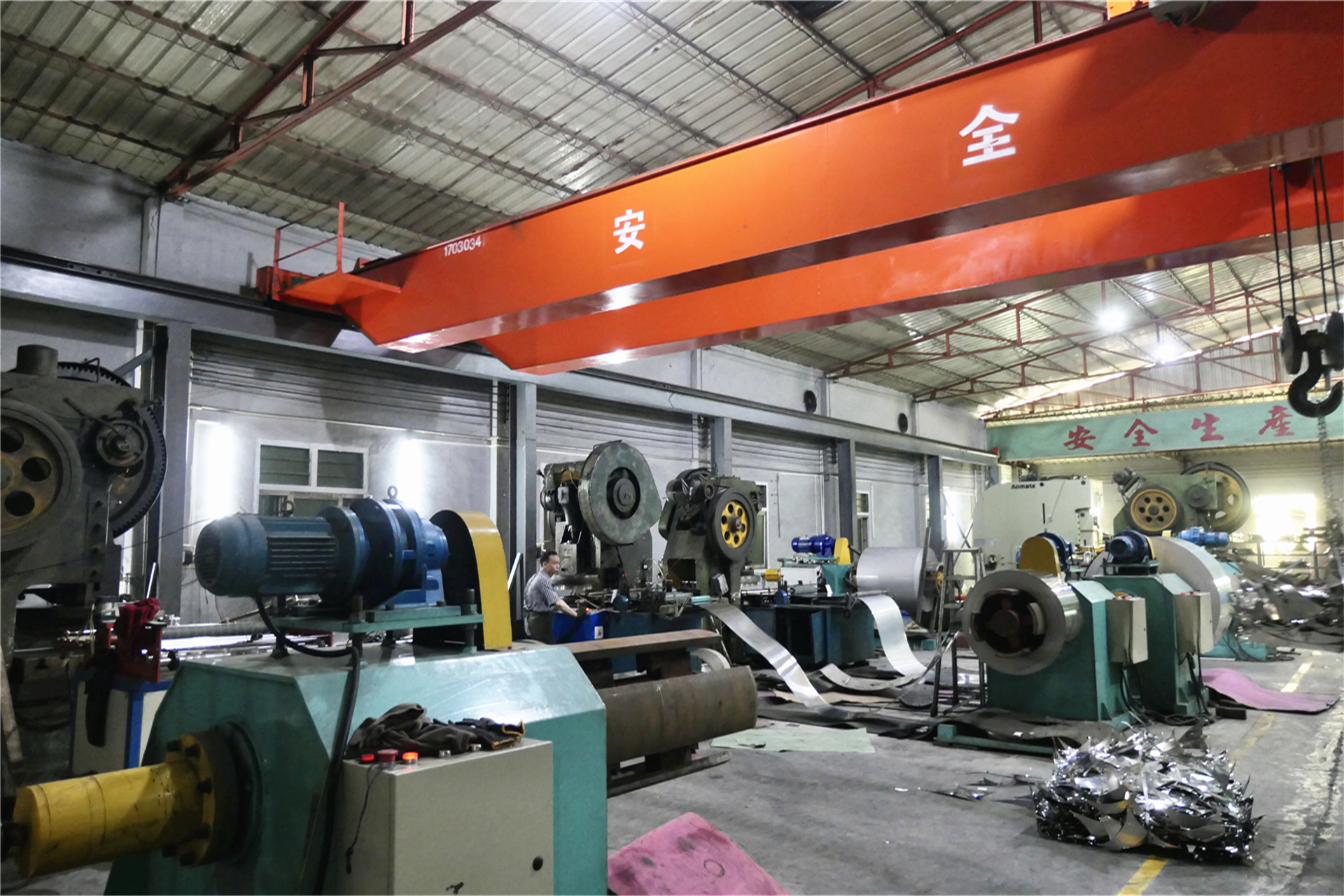
Faced with increasingly fierce market competition and rising labor costs, the factory resolutely embarked on a path of transformation and upgrading. In 2013, ZENLO Company was officially established. We invested heavily in technological upgrades, introducing industry-leading fully automated stretching production lines and laser welding technologies in 2014, significantly improving production efficiency and product precision. Simultaneously, we vigorously promoted branding, launching a stylish, mid-to-high-end sub-brand targeting the new generation of consumers, emphasizing healthy cooking. We also hired a professional design team to ensure our products combine practicality and aesthetic value. In 2017, we launched a brand-new production line—pressure cookers—dedicated to creating safe and reliable pressure cookers. We prepared for this for a long time, and our research and development of pressure cookers has become increasingly proficient, with various models gaining popularity among customers.
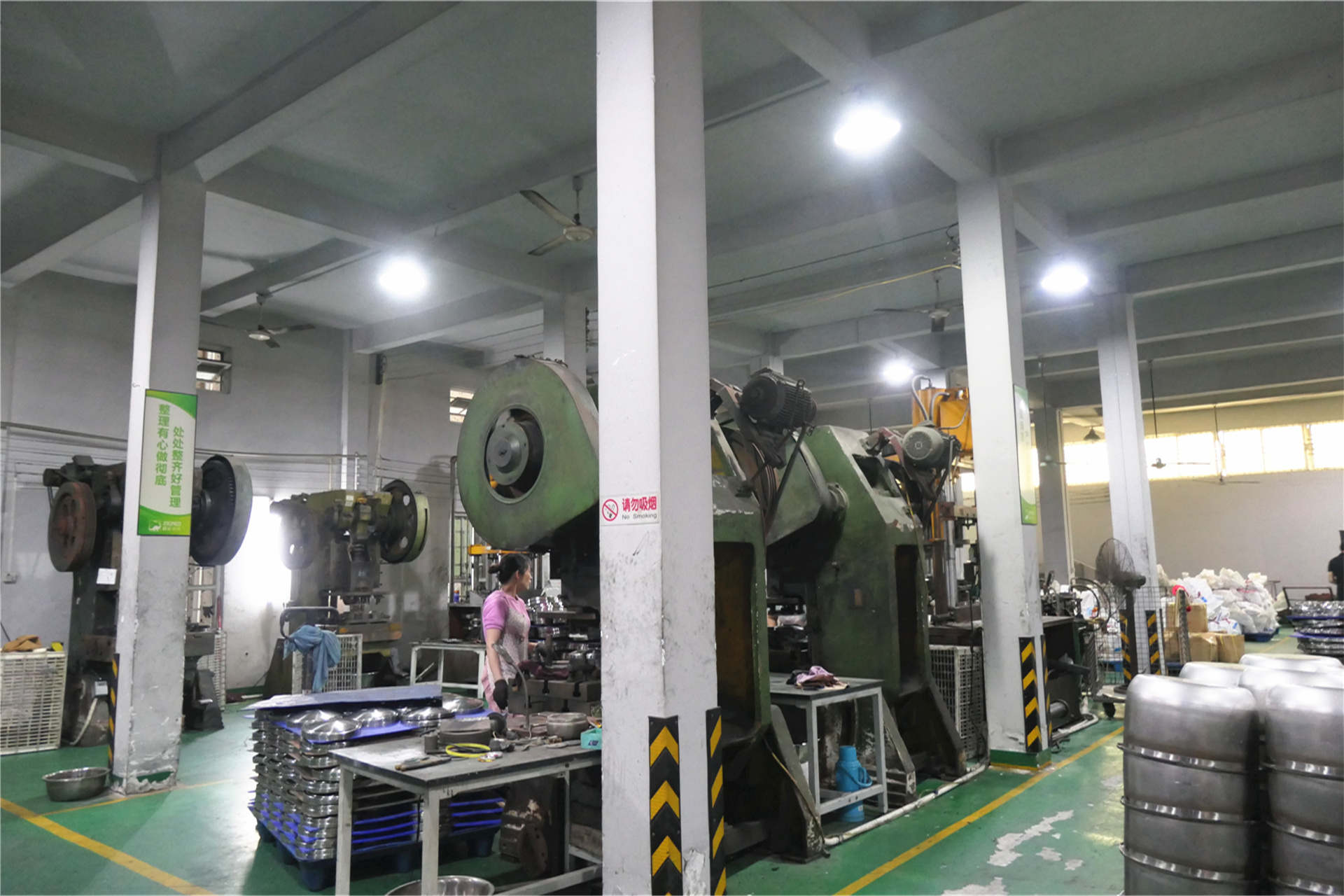
Entering a new decade, ZENLO Company is driven by "innovation" and "globalization." Driven by the internet age, we have implemented online ordering through major internet platforms and a corporate website, providing convenient services to more customers. At the product level, we have gradually launched more high-end and refined cooking utensils, creating a better environment for kitchen life and ensuring customers feel more comfortable and safe when using "ZENLO" brand products. Meanwhile, we actively respond to the national "dual-carbon" goals, researching and promoting the use of more environmentally friendly materials and processes, fulfilling our corporate social responsibility.
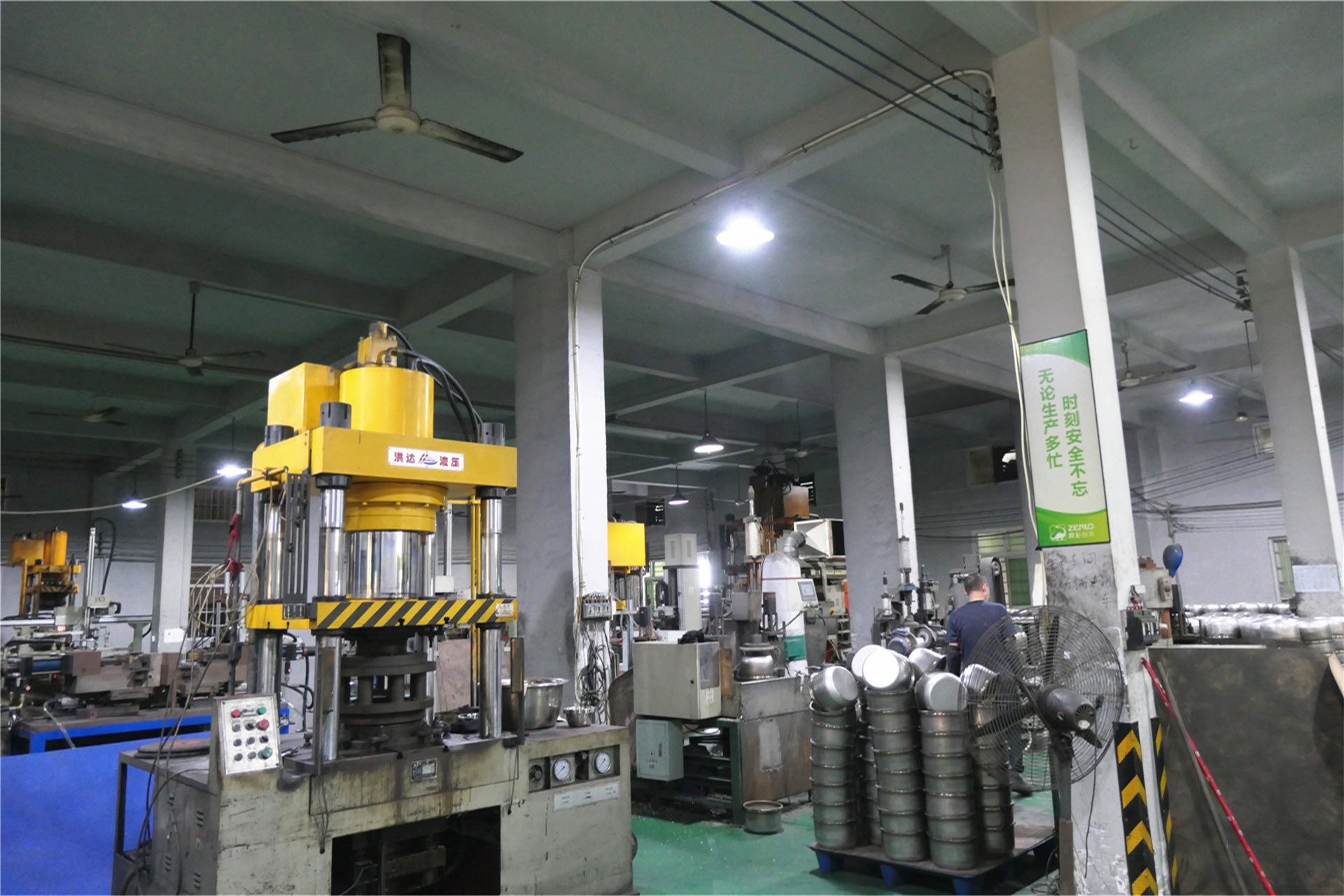
The versatility of steel pressure cookers allows them to serve various critical functions within industrial food preparation operations. By adjusting pressure and temperature variables, operators can customize cooking cycles to match specific raw ingredient characteristics. Below are the primary application scenarios:
Central kitchens serving schools, hospitals, and corporate cafeterias require tools that cook massive quantities of food consistently. Steel pressure cookers allow chefs to prepare stocks, stews, and grains rapidly, ensuring uniform flavor profiles while reducing the overall kitchen footprint.
Tough cuts of meat containing high collagen density (such as beef brisket, pork shoulder, and poultry bones) are softened rapidly under high pressure. The thermal environment hydrolyzes collagen into gelatin, resulting in tender, juicy meats in a fraction of the time required by traditional braising.
In meal prep packaging lines, extending shelf life without adding chemical preservatives is vital. Steel pressure cookers double as sterilization units, destroying bacterial spores and pathogens at temperatures above 121°C (250°F) before sealing the meals.
Historically, operating high-pressure vessels carried inherent safety risks. However, modern engineering has introduced multi-layered safety mechanisms that make commercial steel pressure cookers incredibly secure. Modern cookers are equipped with redundant spring-loaded safety valves, over-pressure release slots in the lid gasket, and automatic locking pins that prevent the cooker from being opened until the internal pressure has dropped to safe levels.
Furthermore, the integration of digital temperature sensors and programmable logic controllers (PLCs) allows operators to monitor heat and pressure curves in real-time. This level of control ensures precise recipe replication, reduces human error, and optimizes power consumption, creating a truly smart kitchen environment.
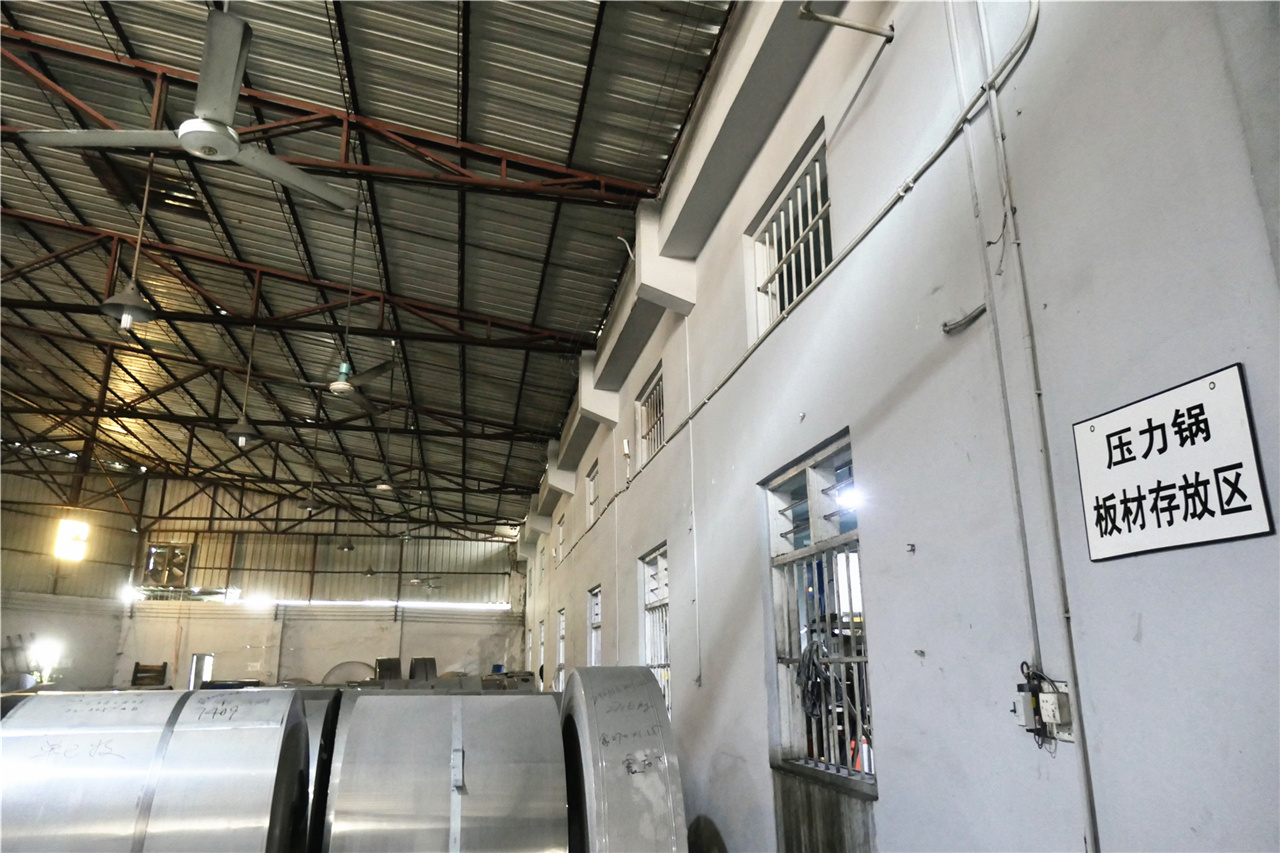
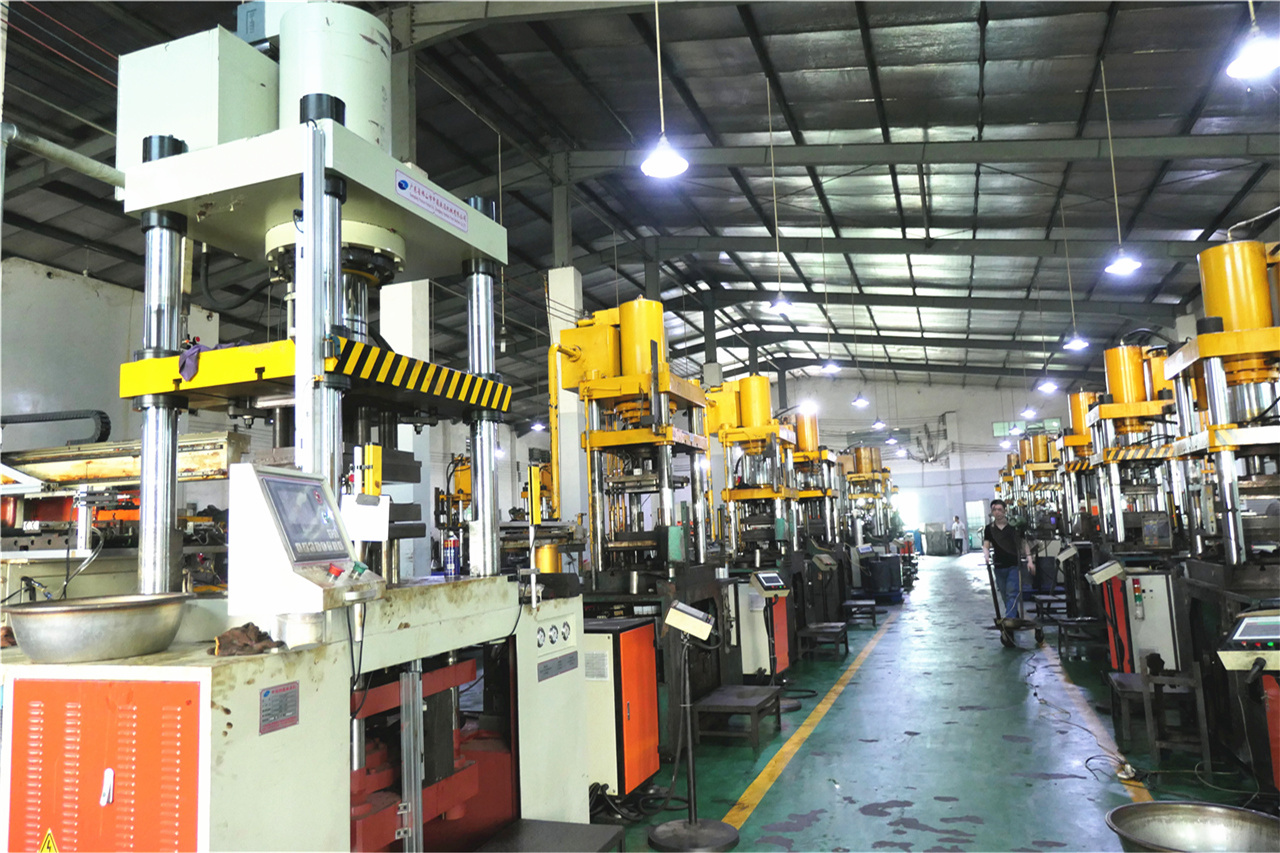
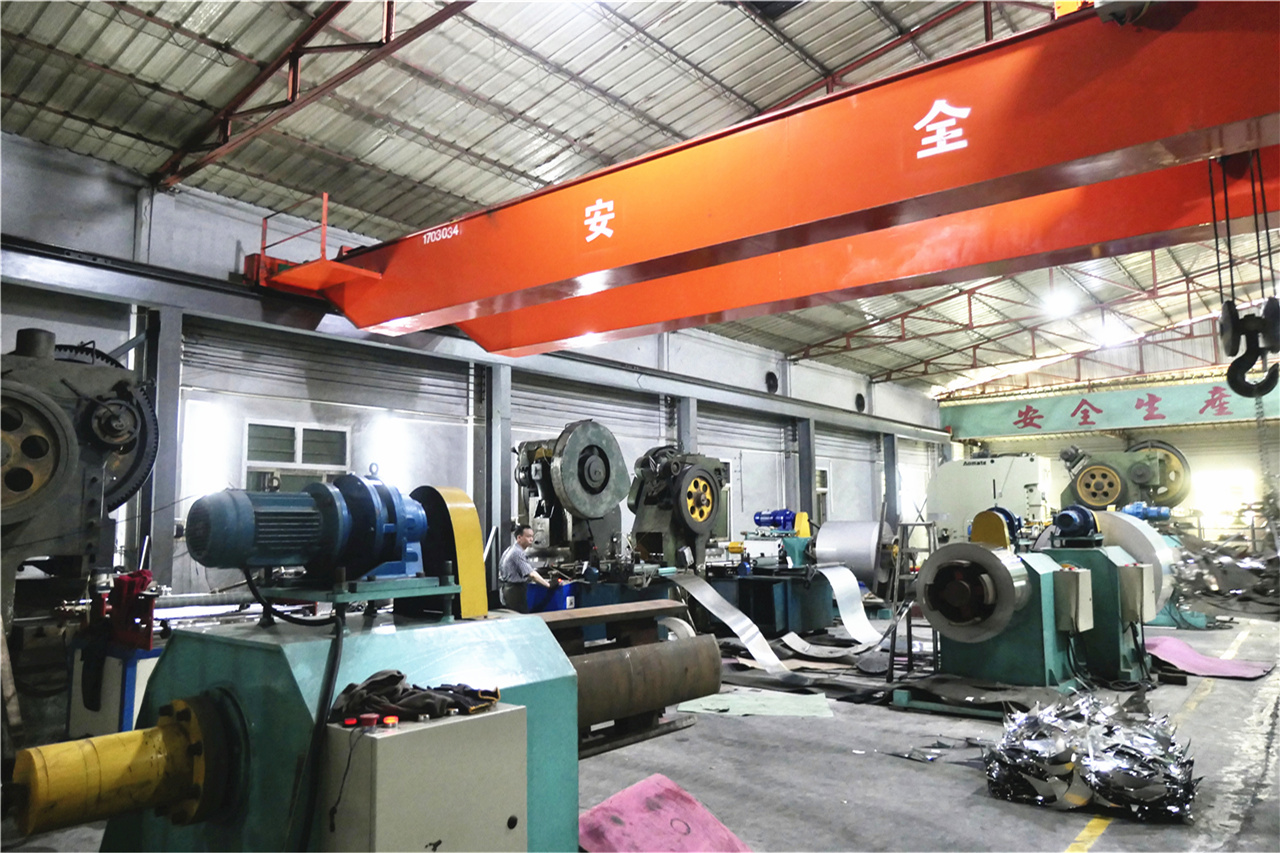
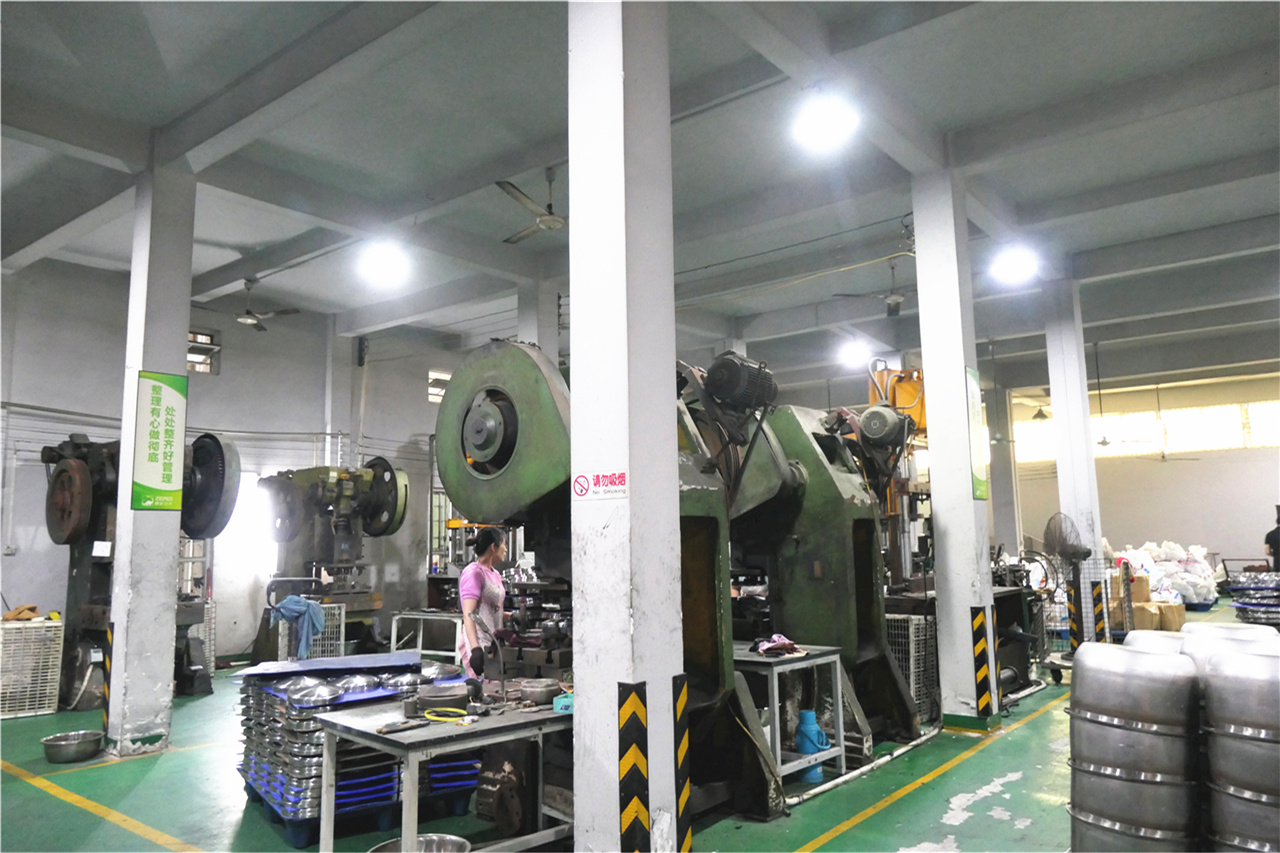
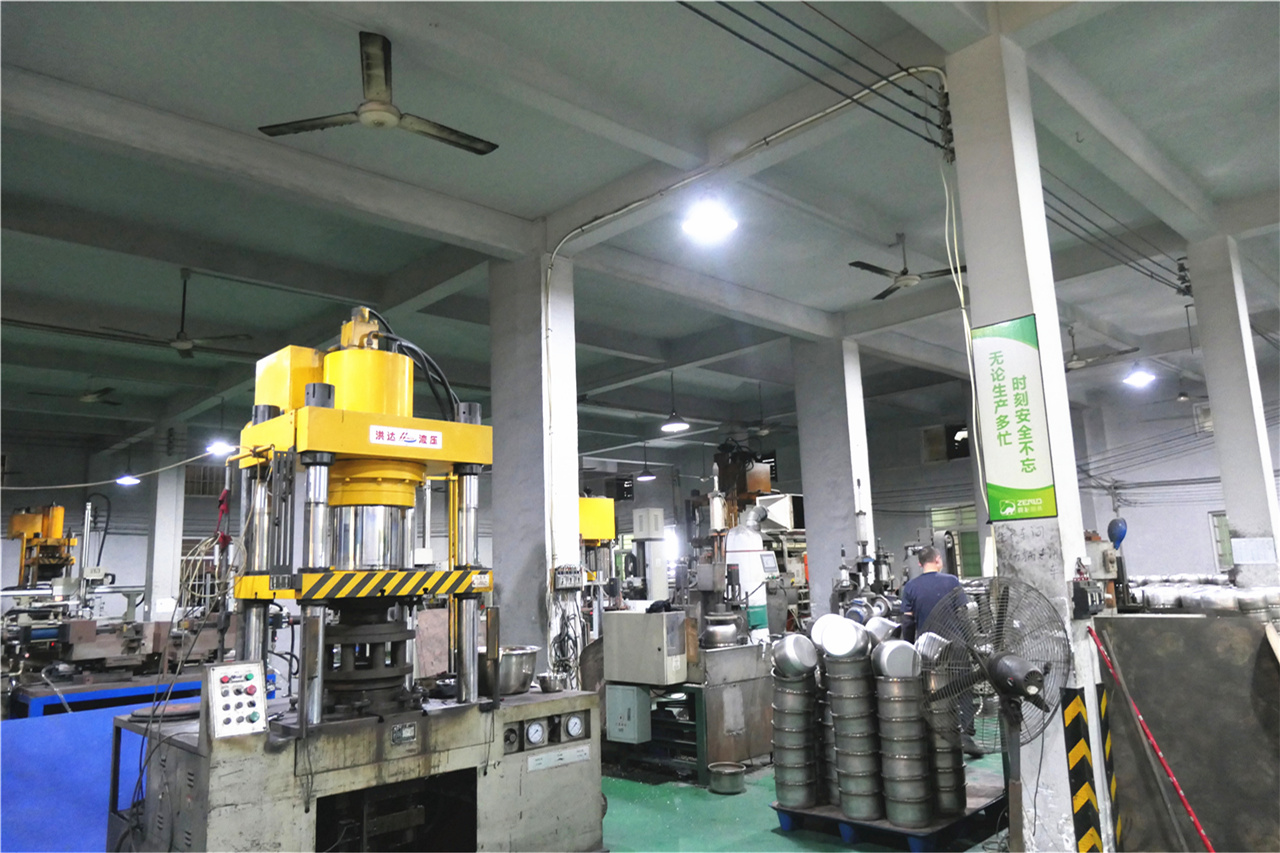
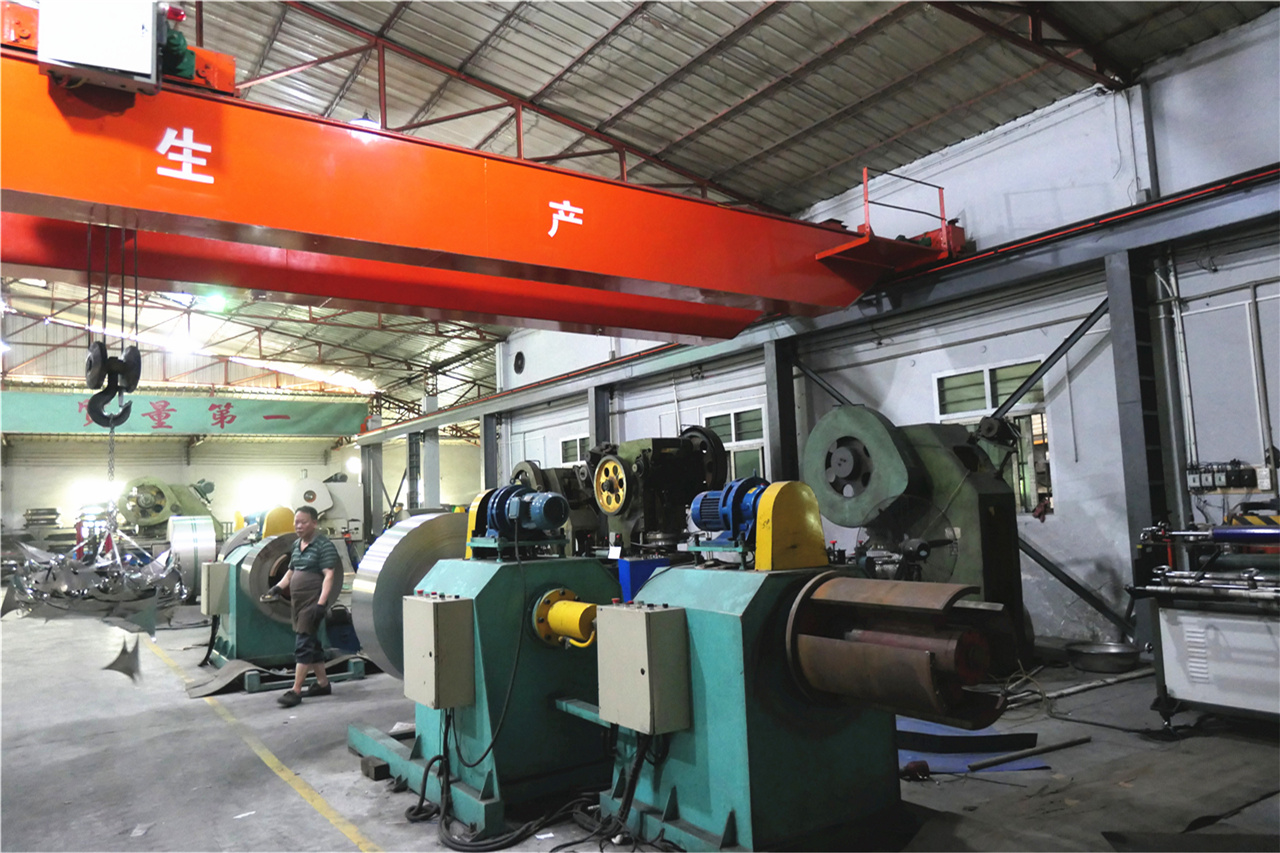
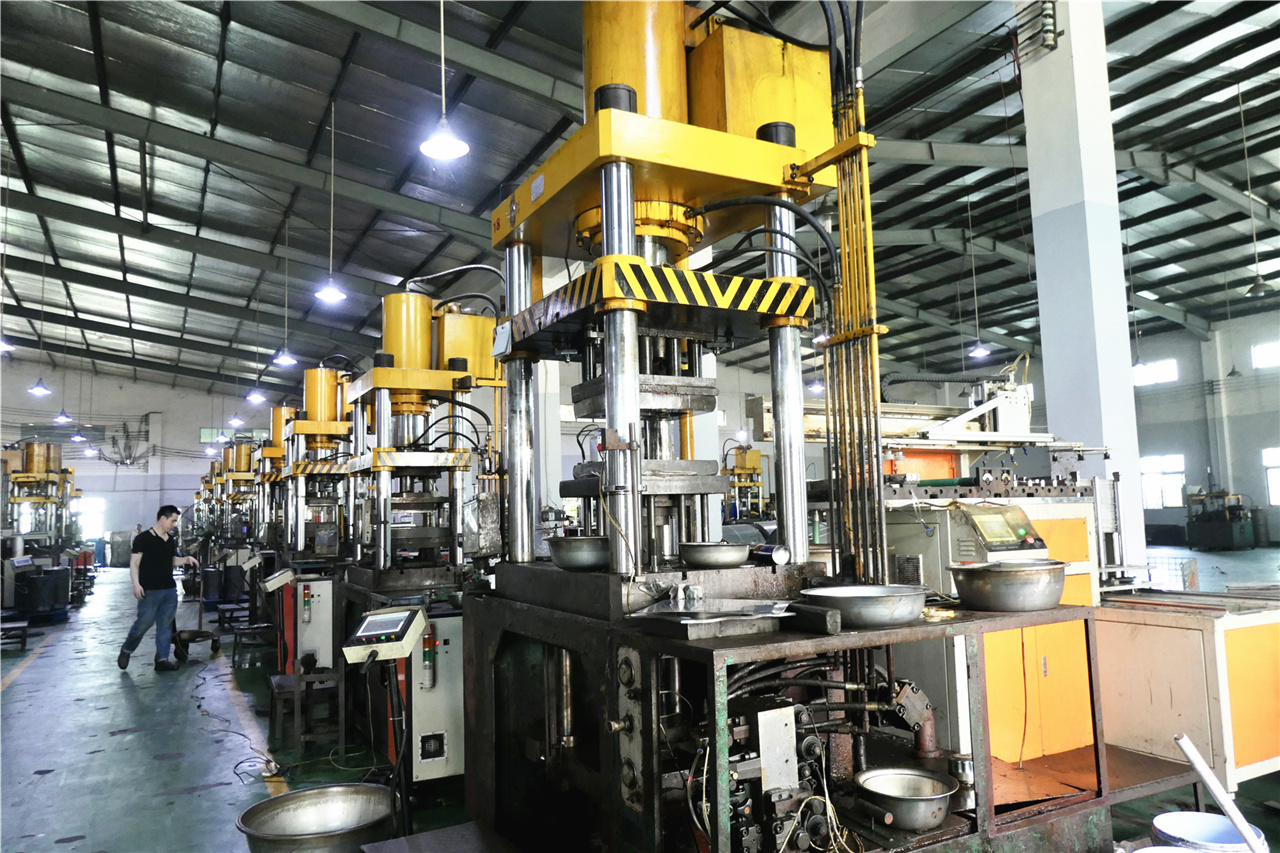
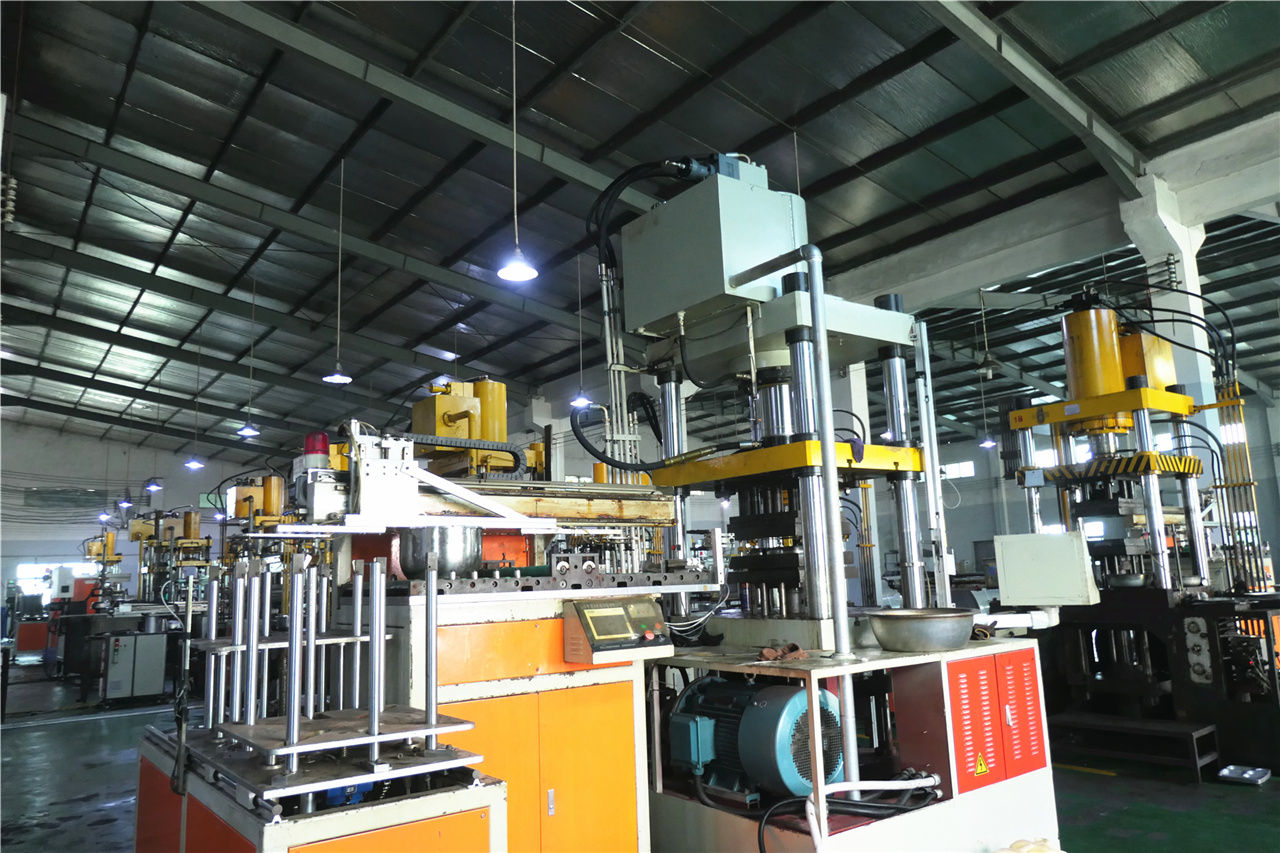
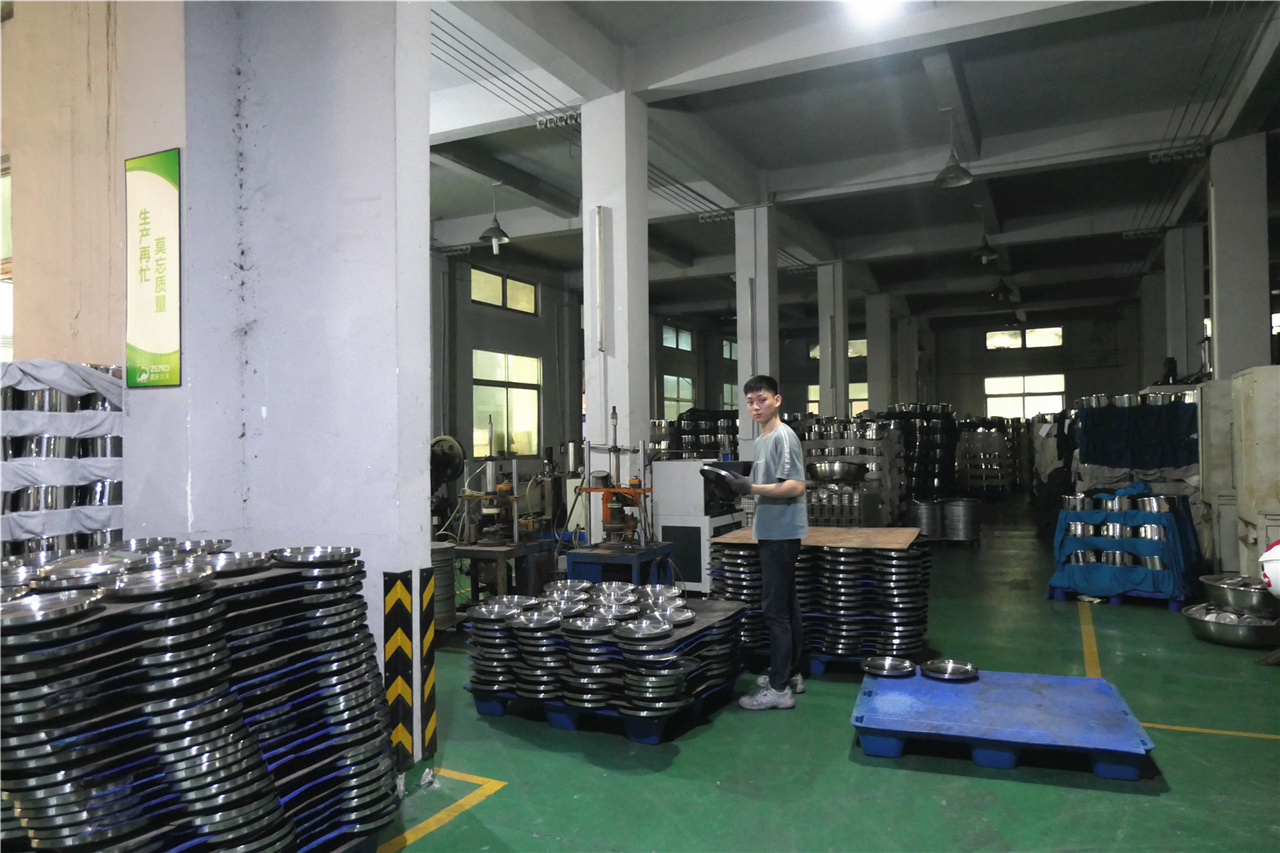
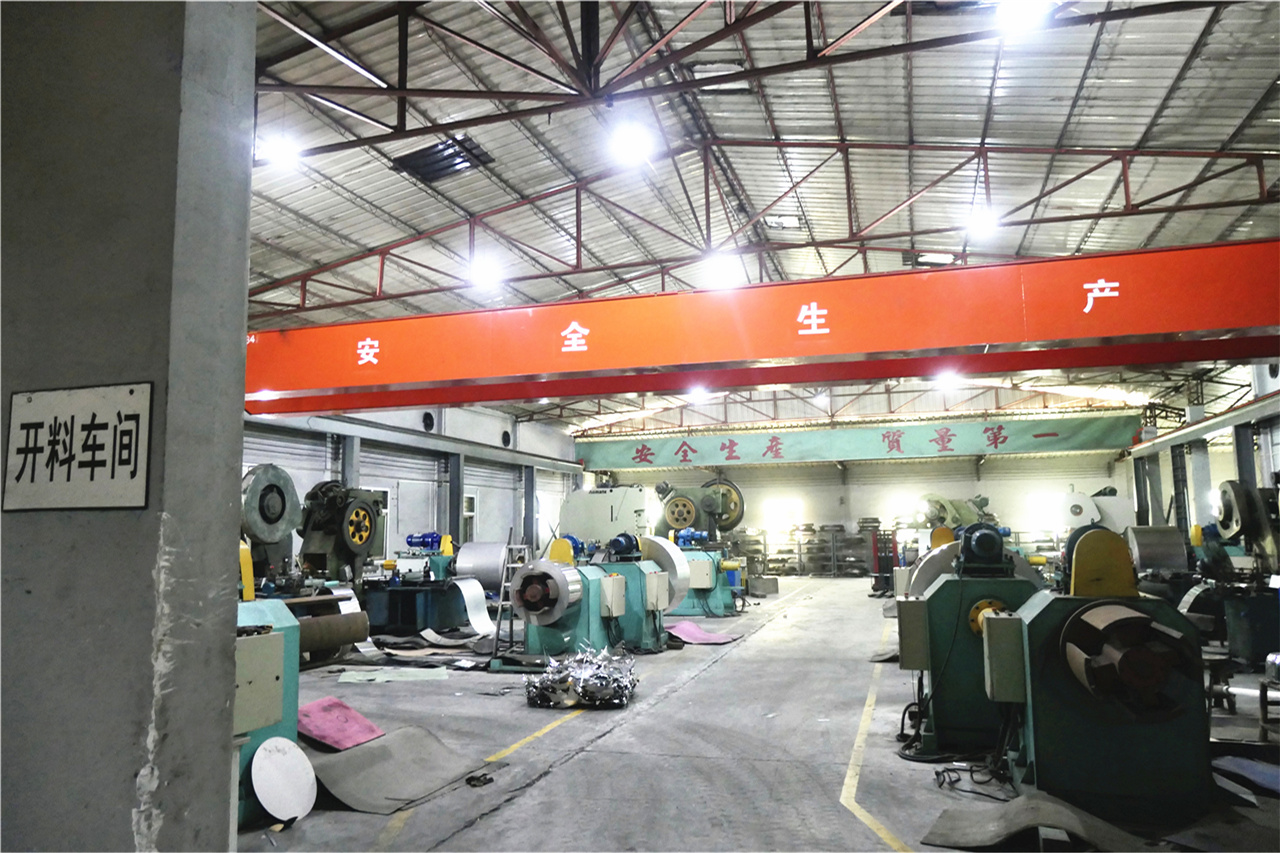
ZENLO's modern manufacturing facility utilizes automated stretching lines, advanced laser welding, and rigorous testing protocols to ensure every piece of kitchenware meets international standards. Below is a glimpse into our production capabilities and factory environment:
The global steel pressure cooker market is experiencing steady growth, driven by the expansion of the commercial meal prep industry, food delivery networks, and the rising popularity of pre-packaged, ready-to-eat (RTE) meals. Consumers and businesses alike are demanding cooking equipment that aligns with sustainable practices. Manufacturers are responding by engineering pressure cookers that optimize thermodynamic efficiency, utilizing multi-clad bottom structures (stainless steel encapsulating a core of aluminum) to maximize heat absorption from induction, gas, and electric heat sources.
Another significant trend is the customization of pressure vessels. Central kitchens and food manufacturers frequently require custom dimensions, specialized valving, or integrated draining systems to streamline their workflow. As commercial kitchens continue to automate, we expect to see even tighter integration between pressure cooking equipment and smart recipe-management software, allowing operations to scale seamlessly while maintaining absolute culinary quality.
In addition, the shift towards circular economy practices is influencing product design. High-quality stainless steel pressure cookers are 100% recyclable at the end of their lifecycle, making them a preferred choice for eco-conscious enterprises. By investing in durable, long-lasting steel cookers, businesses minimize replacement costs and contribute to reducing industrial carbon footprints worldwide.
Looking back over the past thirty years, ZENLO Company has grown from a small hardware manufacturing factory into an industry benchmark enterprise with its own brand, patented products, and a modern production system. Looking to the future, we will continue to uphold our original aspiration of "making good cookware with heart," continuously exploring ways to further expand overseas markets and better serve every customer, striving to become a trusted provider of kitchen living products for global consumers.
Contact Our Engineering Team