Leave Your Message
High-performance stainless steel configurations engineered specifically for commercial food preparation and catering logistics.
Analyzing the critical role of premium food preparation vessels in modern culinary operations.
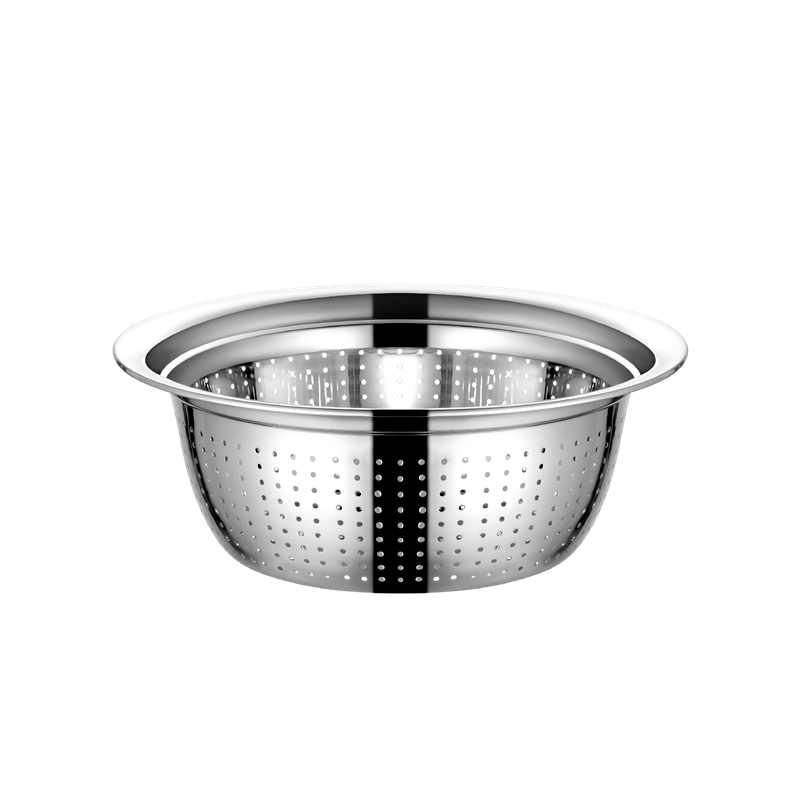
In high-throughput food service, sanitation is paramount. High-grade SUS304 stainless steel bowls eliminate the risk of bacterial harboring found in micro-scratches on plastic alternatives, ensuring total compliance with global health codes.
Maintaining optimal serving temperatures is vital for leafy greens and cold salads. Double-wall insulated stainless steel structures prevent condensation, reduce thermal transfer, and keep ingredients crisp for extended catering schedules.
Commercial kitchens subject equipment to relentless washing, dropping, and thermal shock. Stainless steel salad bowls resist denting, corrosion, and chemical degradation, outlasting alternative materials by a factor of ten.
In the fast-paced ecosystem of commercial kitchens, the choice of food preparation and presentation vessels is far from trivial. The modern commercial kitchen operates under intense pressure, balancing speed, safety, and visual appeal. A stainless steel salad bowl is not merely a container; it is an essential piece of culinary infrastructure. These bowls are subjected to continuous cycles of mechanical mixing, heavy-duty dishwashing, and rapid temperature fluctuations. Consequently, the material composition must resist pitting and corrosion from acidic dressings, such as vinaigrettes containing citrus or vinegar.
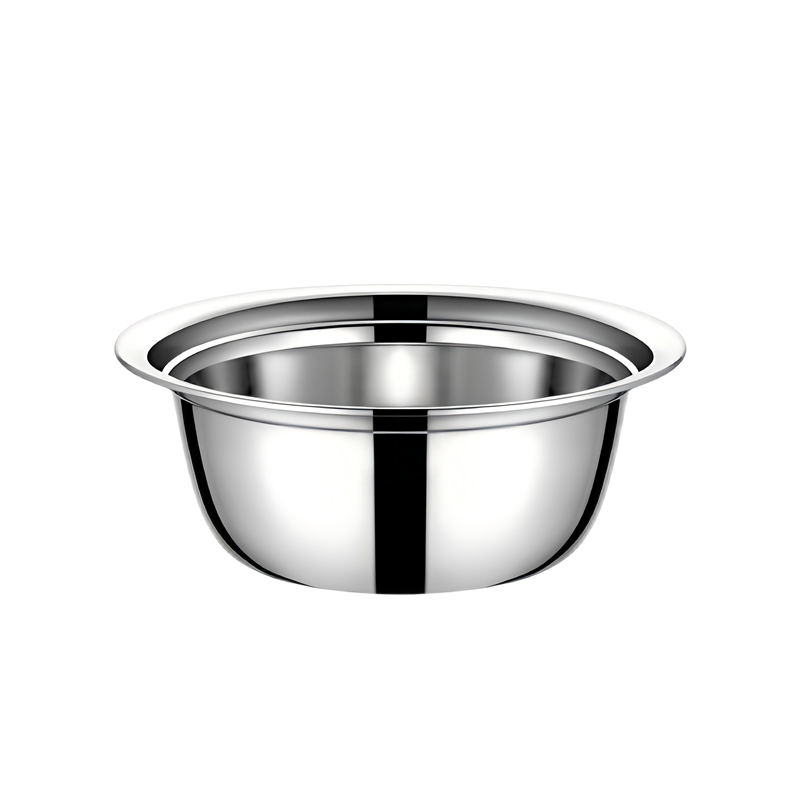
Furthermore, the design of these bowls must support rapid preparation workflows. Ergonomic wide rims allow chefs to maintain a secure grip during vigorous tossing, while flat, weighted bases ensure the bowl remains stable on stainless steel prep tables. As catering services expand to meet the demands of large-scale corporate events and weddings, the need for stackable, lightweight, yet virtually indestructible salad bowls has reached an all-time high.
How material science and changing consumer preferences shape the future of commercial food service equipment.
Single-use prep plastics and low-grade melamine bowls are rapidly being phased out of commercial operations due to strict environmental mandates and shifting consumer sentiments. High-grade stainless steel is 100% recyclable and boasts an incredibly long lifecycle, aligning with corporate sustainability targets. Leading hotel chains and catering groups now mandate the use of plastic-free prep environments to reduce their carbon footprint and eliminate microplastic contamination in food preparation.
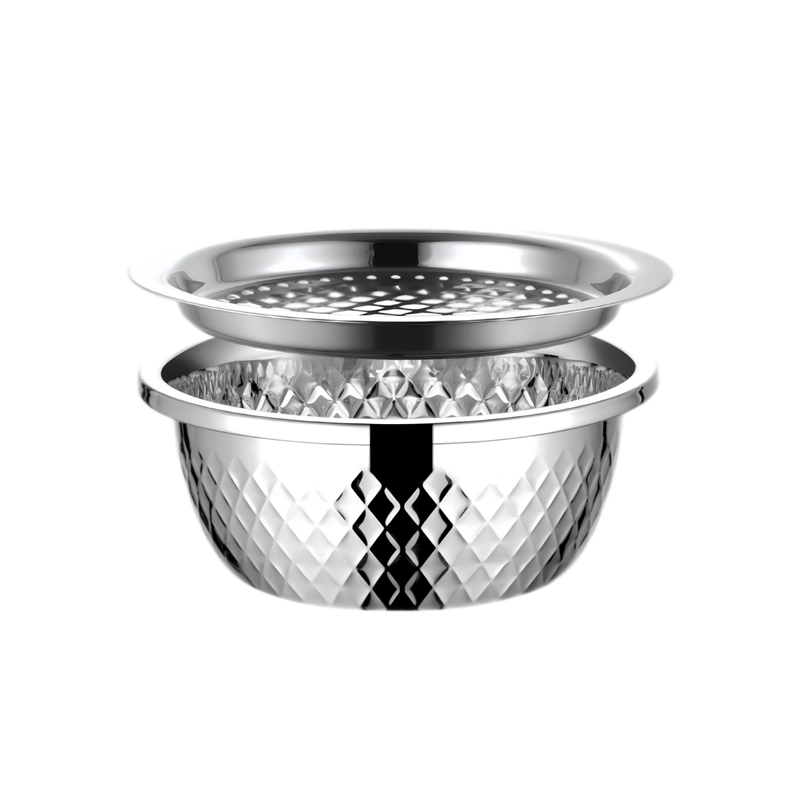
Innovations in metallurgy have introduced advanced surface finishes to commercial stainless steel. Electropolished interiors offer an ultra-smooth surface that prevents food adhesion, making cleaning faster and reducing water usage in commercial dishwashers. Externally, diamond embossing and bead-blast finishes are increasingly popular; they hide fingerprints and scratches, preserving the clean, high-tech aesthetic required for open-concept kitchens and front-of-house buffet lines.
The rise of smart catering logistics demands equipment that can maintain strict temperature control. Double-walled vacuum insulation technology has transitioned from beverage containers to large-scale salad and mixing bowls. This technology ensures that cold salads remain below the danger zone (40°F / 4°C) for hours without the need for messy ice baths, which can introduce cross-contamination risks.
From high-volume prep lines to sophisticated banquet presentations, discover how specialized design meets practical utility.
For banquets hosting hundreds of guests, preparation and plating must be executed hours in advance. Large-capacity stainless steel bowls with airtight silicone-rimmed lids allow catering teams to prep greens, dress them lightly, and stack them efficiently in walk-in coolers. The superior thermal conductivity of stainless steel ensures that the cold air of the refrigeration unit rapidly cools the contents, maintaining freshness and preventing premature wilting.
In modern corporate dining halls and upscale hotels, the boundary between the kitchen and the dining area has dissolved. Food presentation is part of the experience. Embossed or double-walled stainless steel salad bowls provide a sleek, industrial-chic aesthetic that complements modern interior designs. They reflect light beautifully, making fresh ingredients look vibrant and appetizing, while their robust construction ensures they withstand public handling without showing wear.
In ghost kitchens and centralized preparation hubs, efficiency and standardization are the primary metrics of success. Color-coded stainless steel bowls (often utilizing food-safe rim rings or base guards) help prevent cross-contamination between raw meats, allergens, and ready-to-eat salad greens. Standardized bowl volumes also allow prep cooks to visually estimate portion sizes quickly, optimizing prep speeds and maintaining portion control.
Since 1994, ZENLO has pioneered stainless steel kitchenware manufacturing, evolving from a local factory to a global industry benchmark.
Amidst the wave of reform and opening up, ZENLO's predecessor—"Zhenlong Hardware Factory"—was established in 1994. In its early days, we seized the policy opportunities of "processing with supplied materials, processing with supplied samples, and compensation trade," relying on a few simple machines and dozens of employees, starting with OEM and ODM under our own brand, laying the foundation for the later "ZENLO" and "YALUN" brands. During this period, we primarily learned from and imitated others to establish the initial form of our enterprise. We accumulated the most basic production experience, introduced fundamental quality management standards, and established a firm foothold in Guangdong's manufacturing cluster based on our reliable reputation.
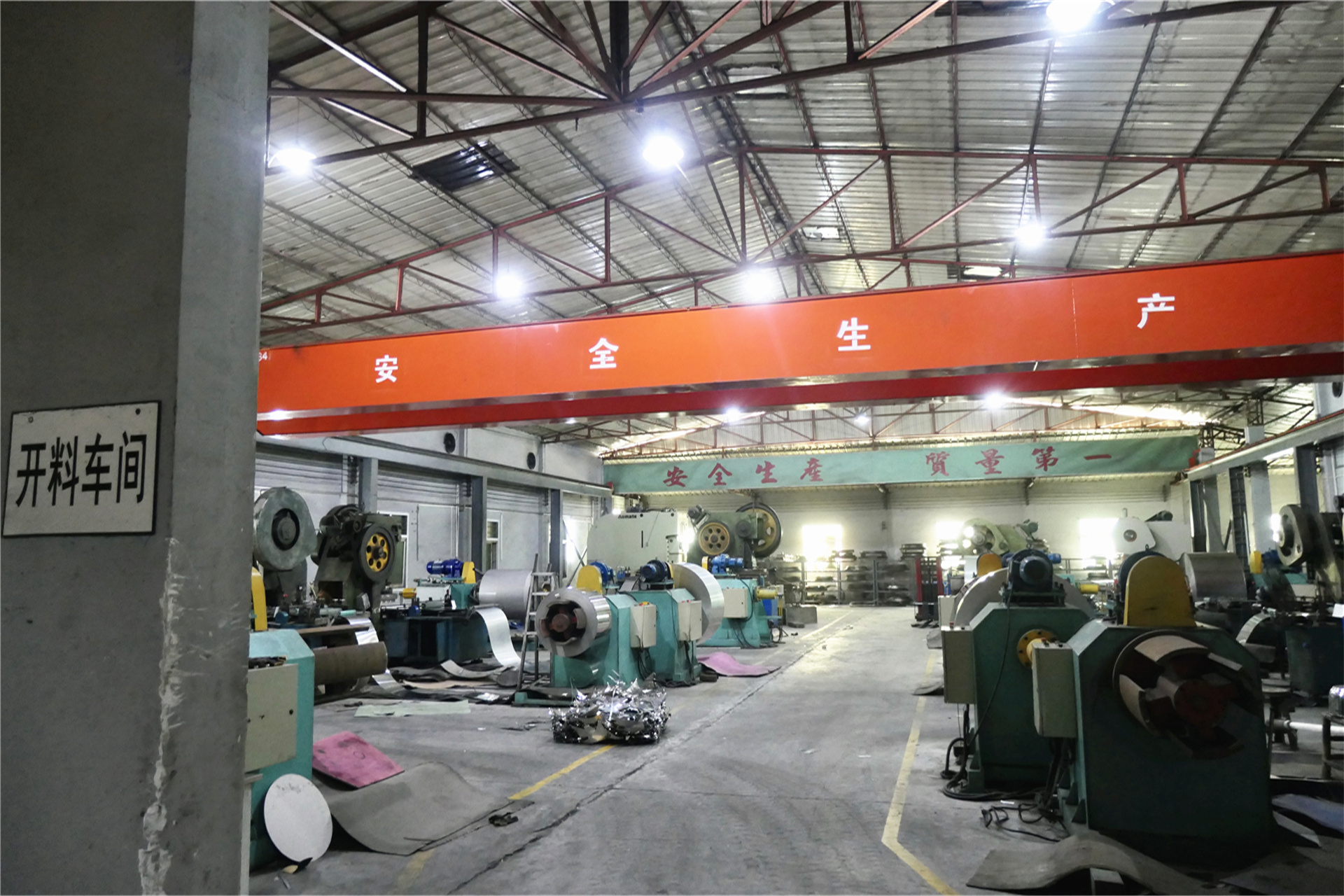
With China's accession to the WTO, overseas orders poured in. We rapidly expanded our production scale and cooperated with major markets across the country. While meeting international market demands, we keenly recognized the importance of our own brand, aligning it with our corporate development goals. Later, we successively developed new products, promoted our brand, and simultaneously entered the domestic market. Through participation in various hotel supplies exhibitions, we initially established domestic sales channels, achieving strategic synchronization between corporate culture and branded products.
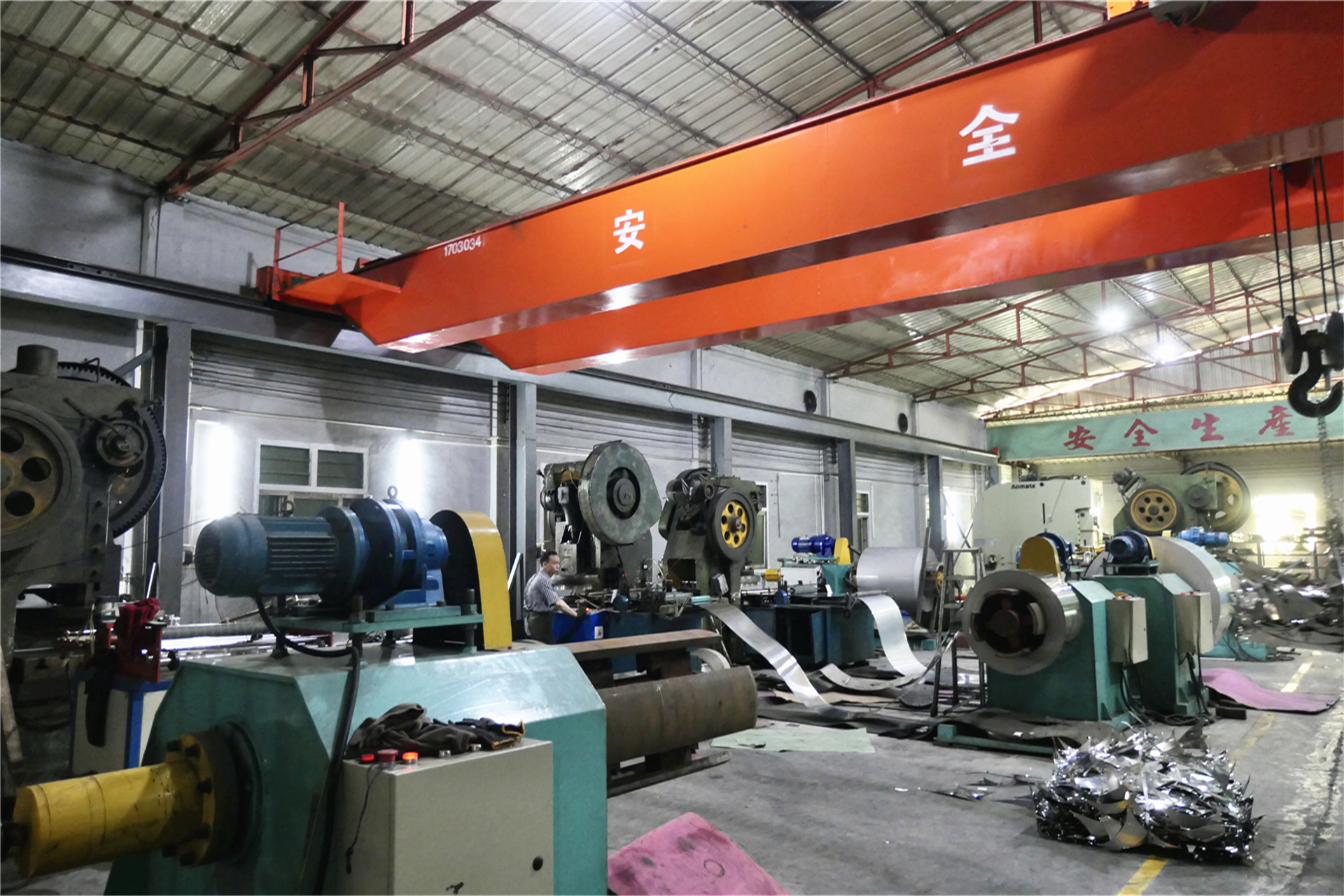
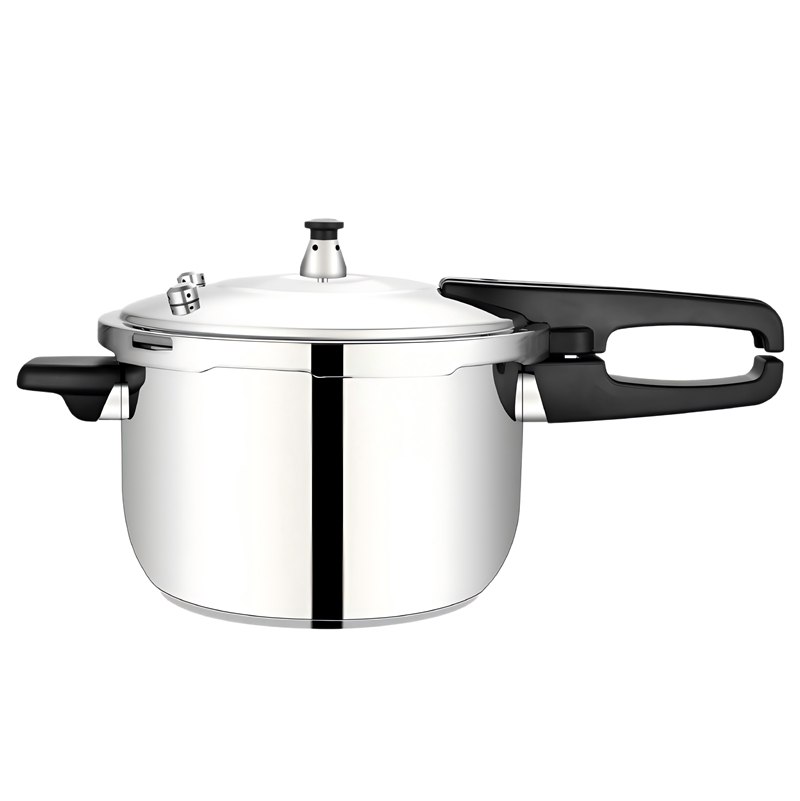
Faced with increasingly fierce market competition and rising labor costs, the factory resolutely embarked on a path of transformation and upgrading. In 2013, ZENLO Company was officially established. We invested heavily in technological upgrades, introducing industry-leading fully automated stretching production lines and laser welding technologies in 2014, significantly improving production efficiency and product precision. Simultaneously, we vigorously promoted branding, launching a stylish, mid-to-high-end sub-brand targeting the new generation of consumers, emphasizing healthy cooking. We also hired a professional design team to ensure our products combine practicality and aesthetic value. In 2017, we launched a brand-new production line—pressure cookers—dedicated to creating safe and reliable pressure cookers. We prepared for this for a long time, and our research and development of pressure cookers has become increasingly proficient, with various models gaining popularity among customers.
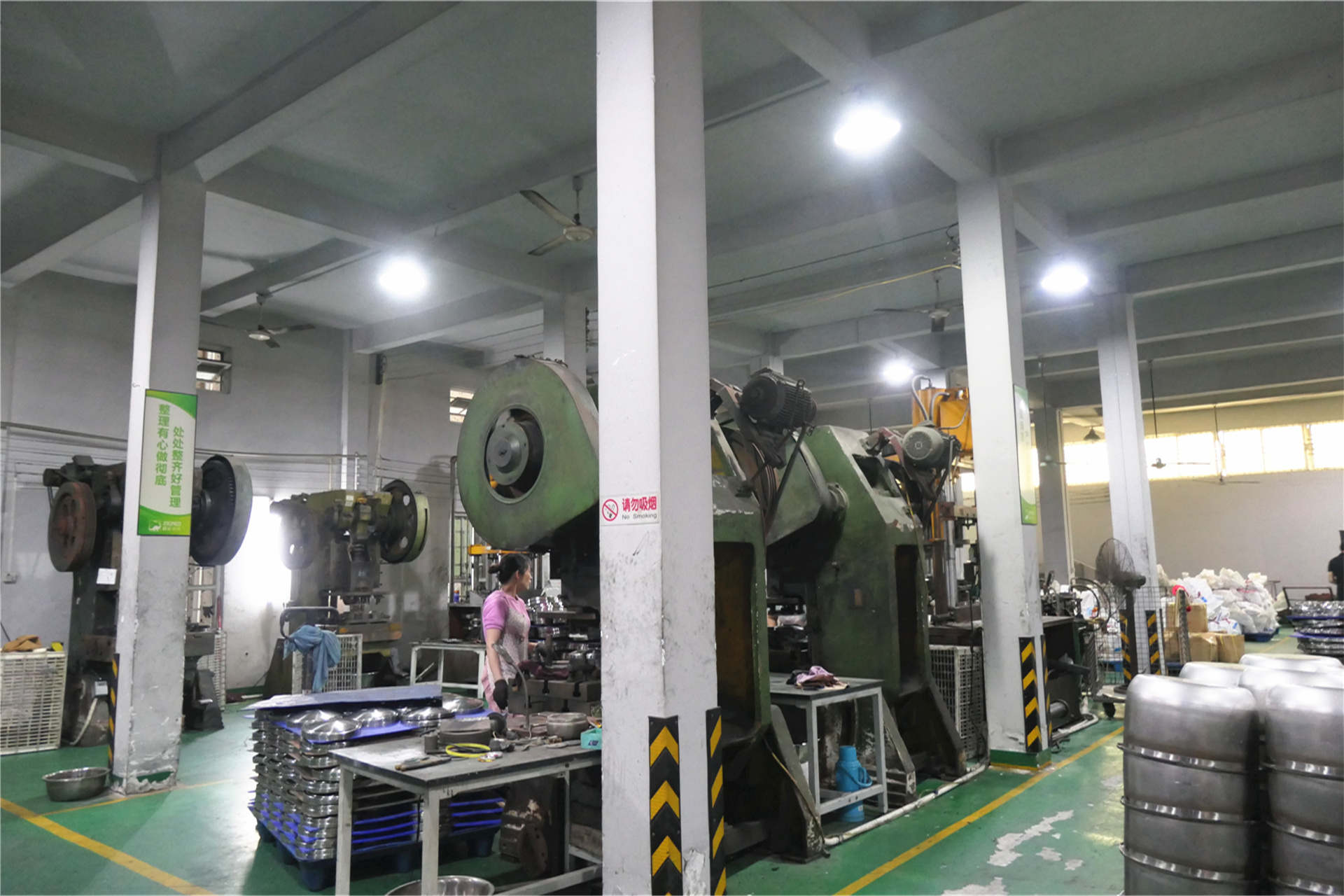
Entering a new decade, ZENLO Company is driven by "innovation" and "globalization." Driven by the internet age, we have implemented online ordering through major internet platforms and a corporate website, providing convenient services to more customers. At the product level, we have gradually launched more high-end and refined cooking utensils, creating a better environment for kitchen life and ensuring customers feel more comfortable and safe when using "ZENLO" brand products. Meanwhile, we actively respond to the national "dual-carbon" goals, researching and promoting the use of more environmentally friendly materials and processes, fulfilling our corporate social responsibility.
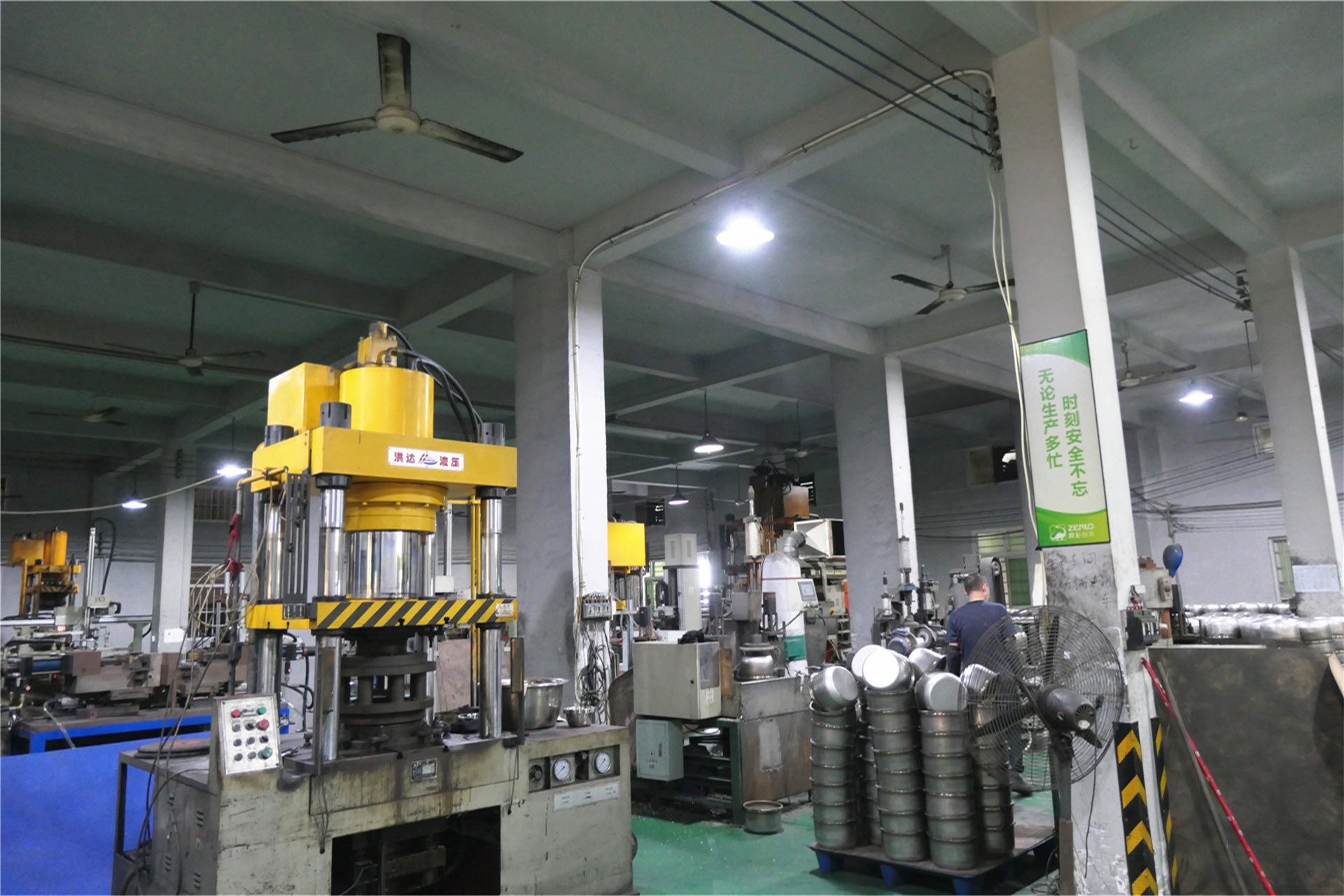
Explore our production lines, quality control labs, and automated stamping systems designed for global supply chains.
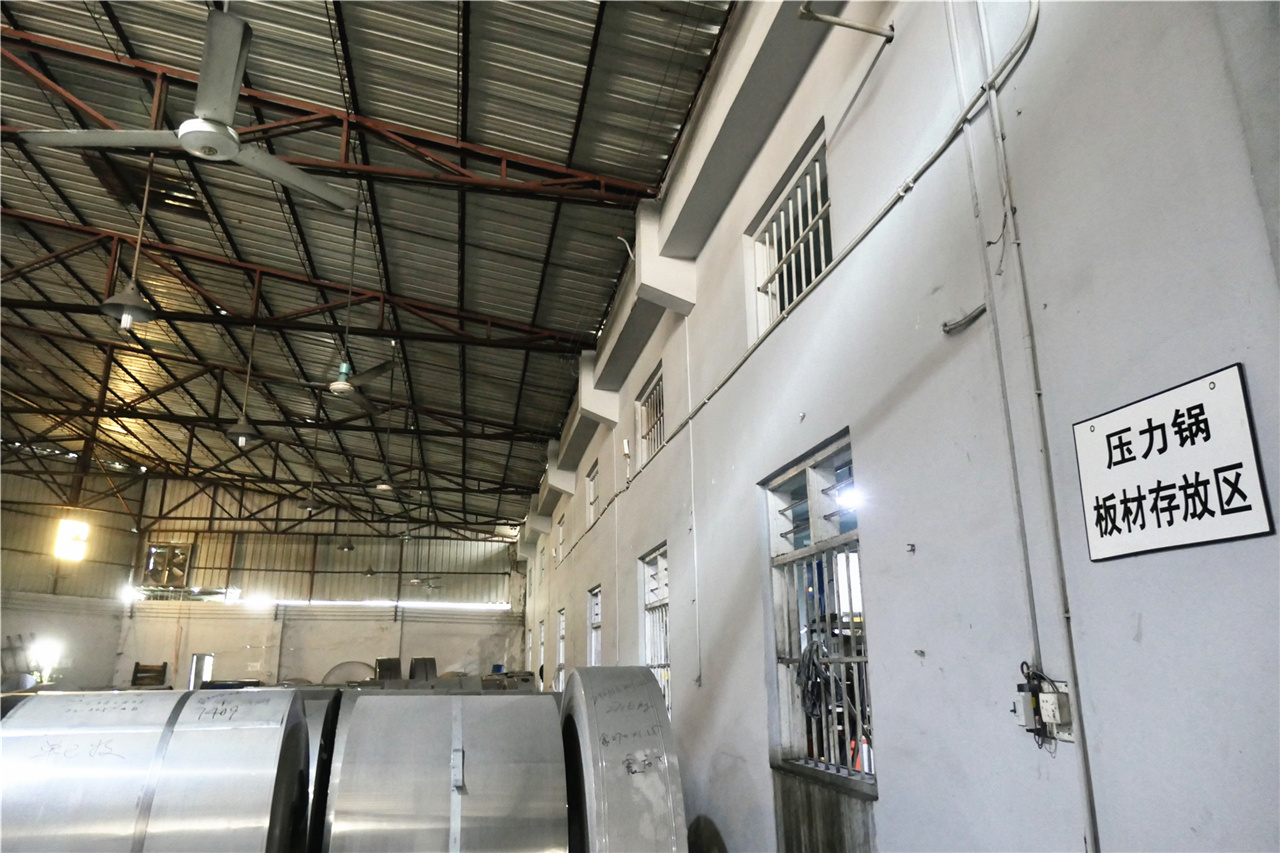
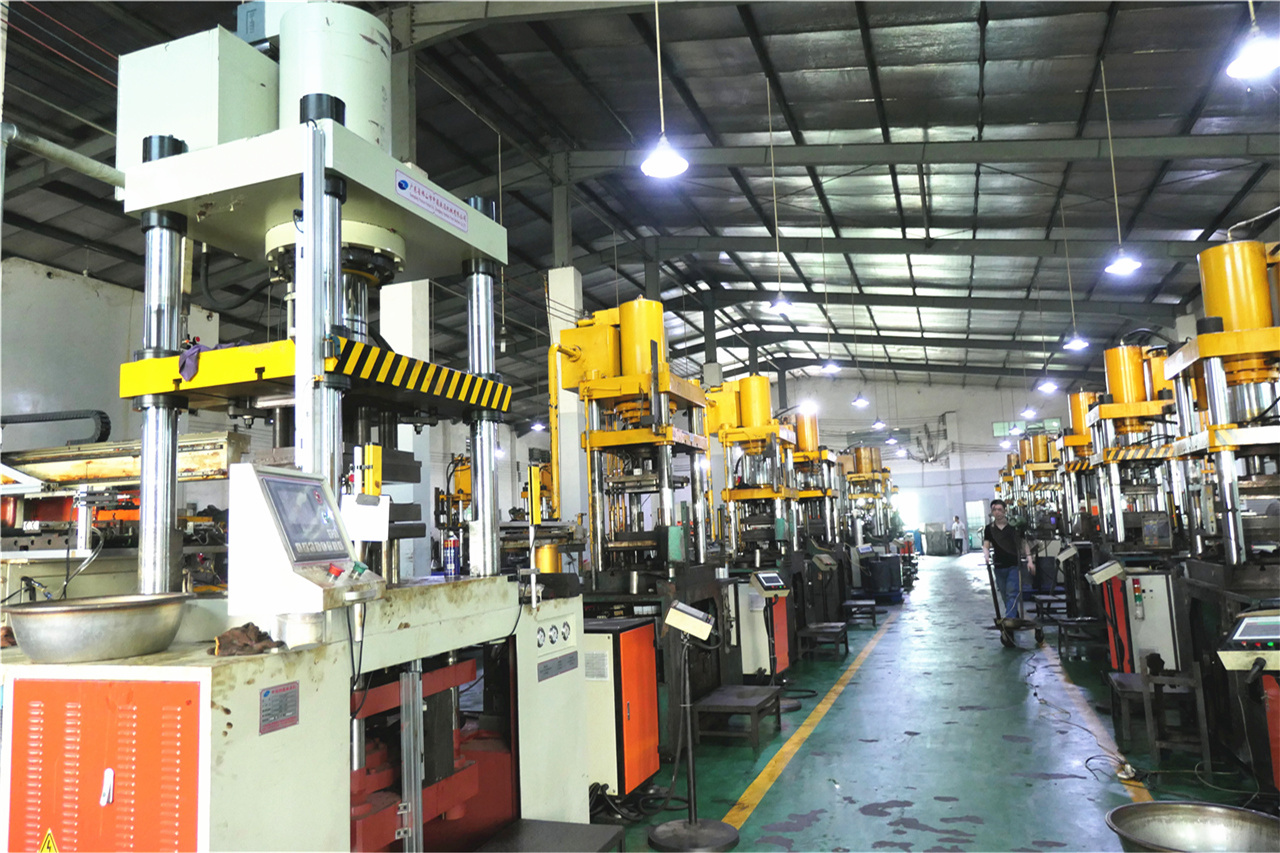
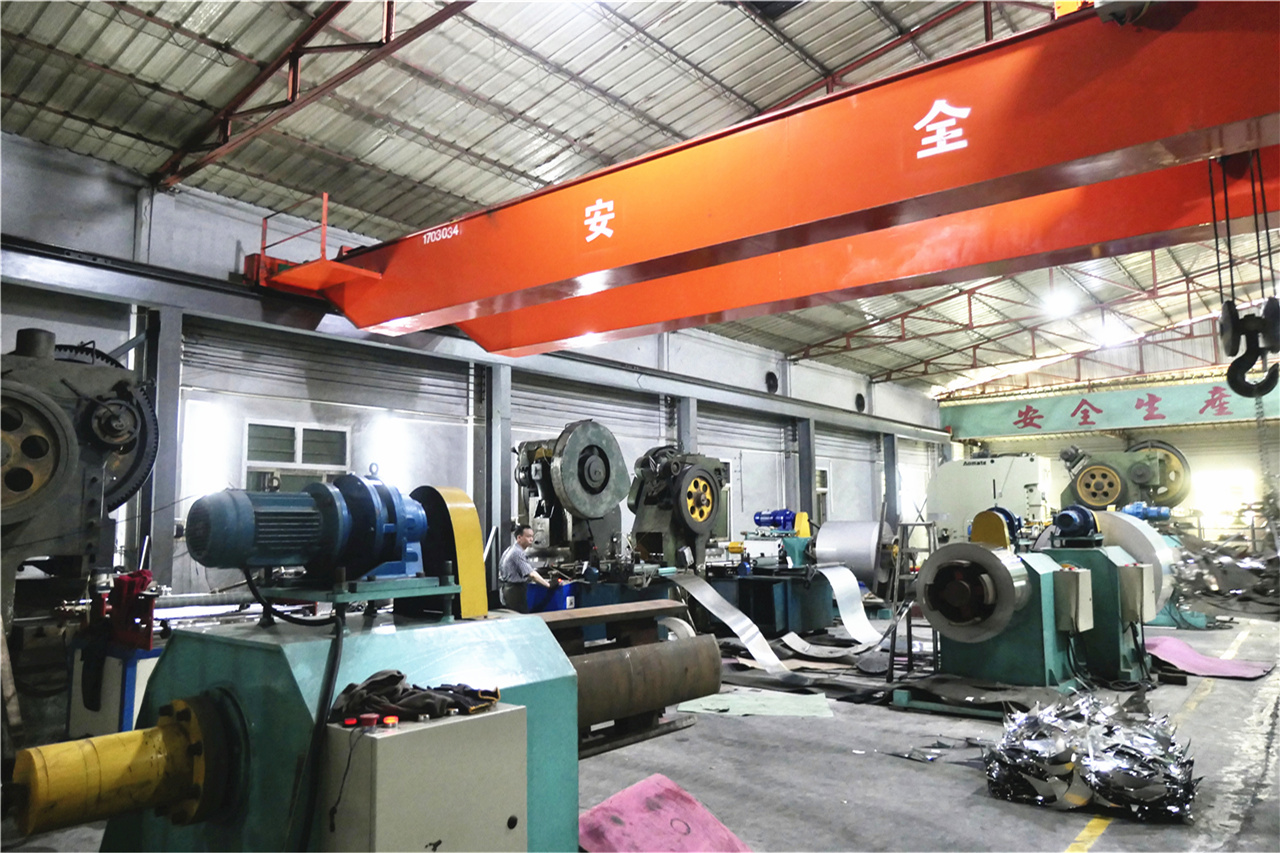
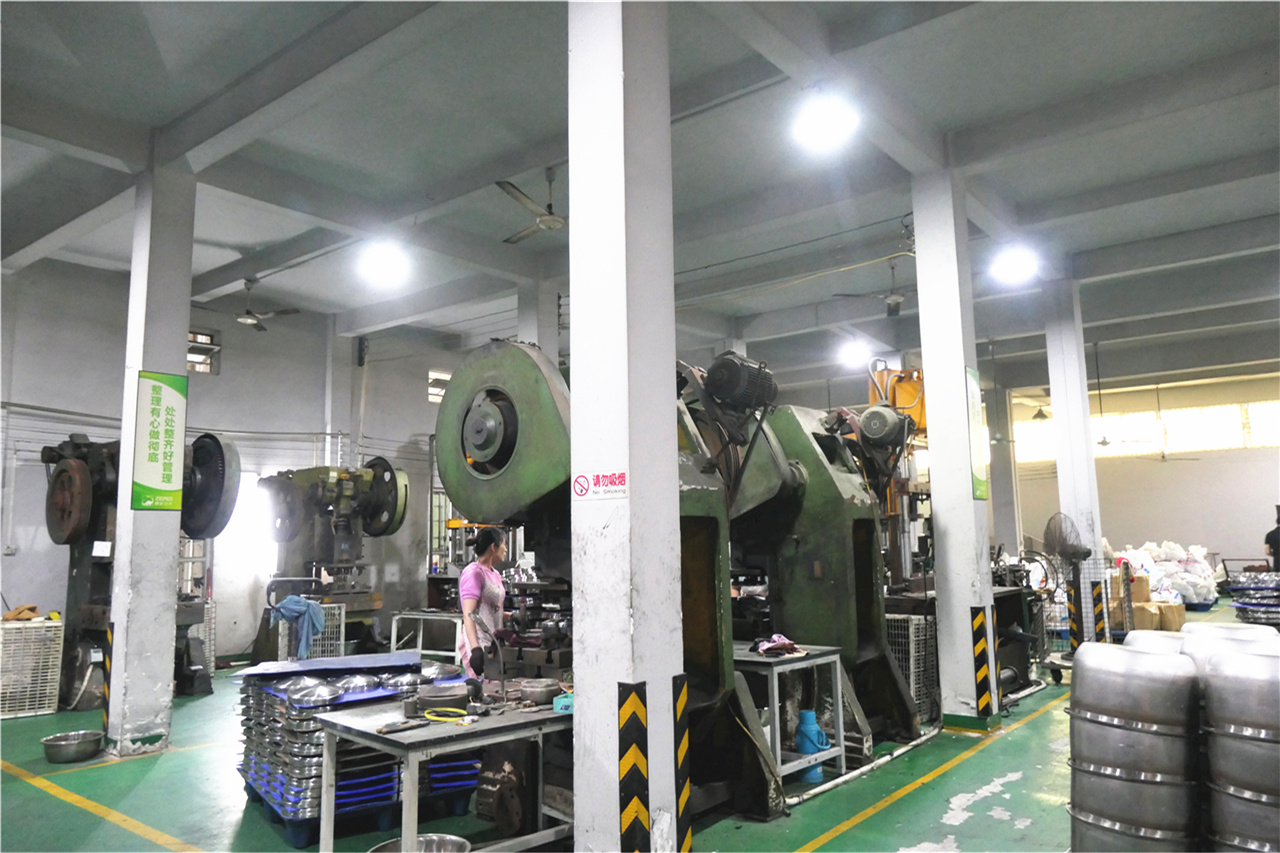
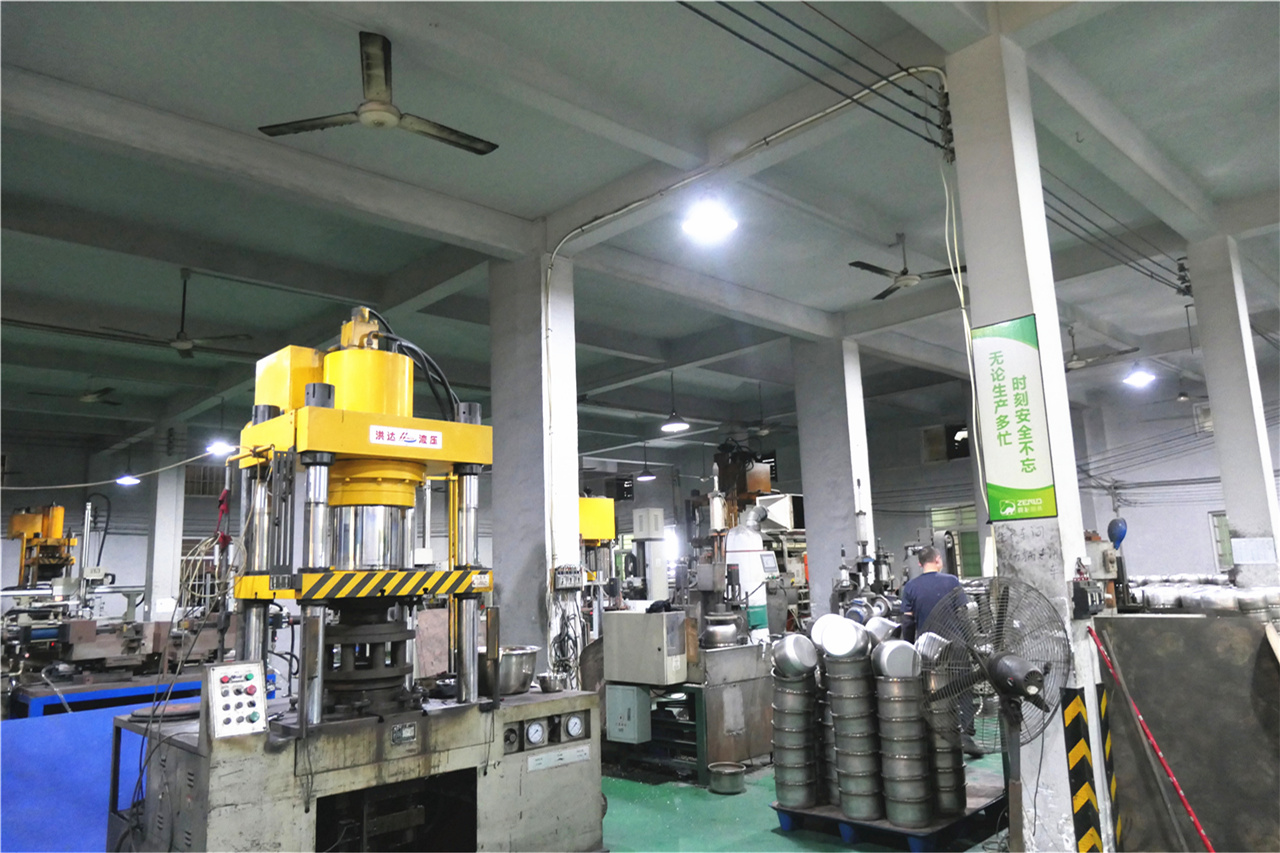
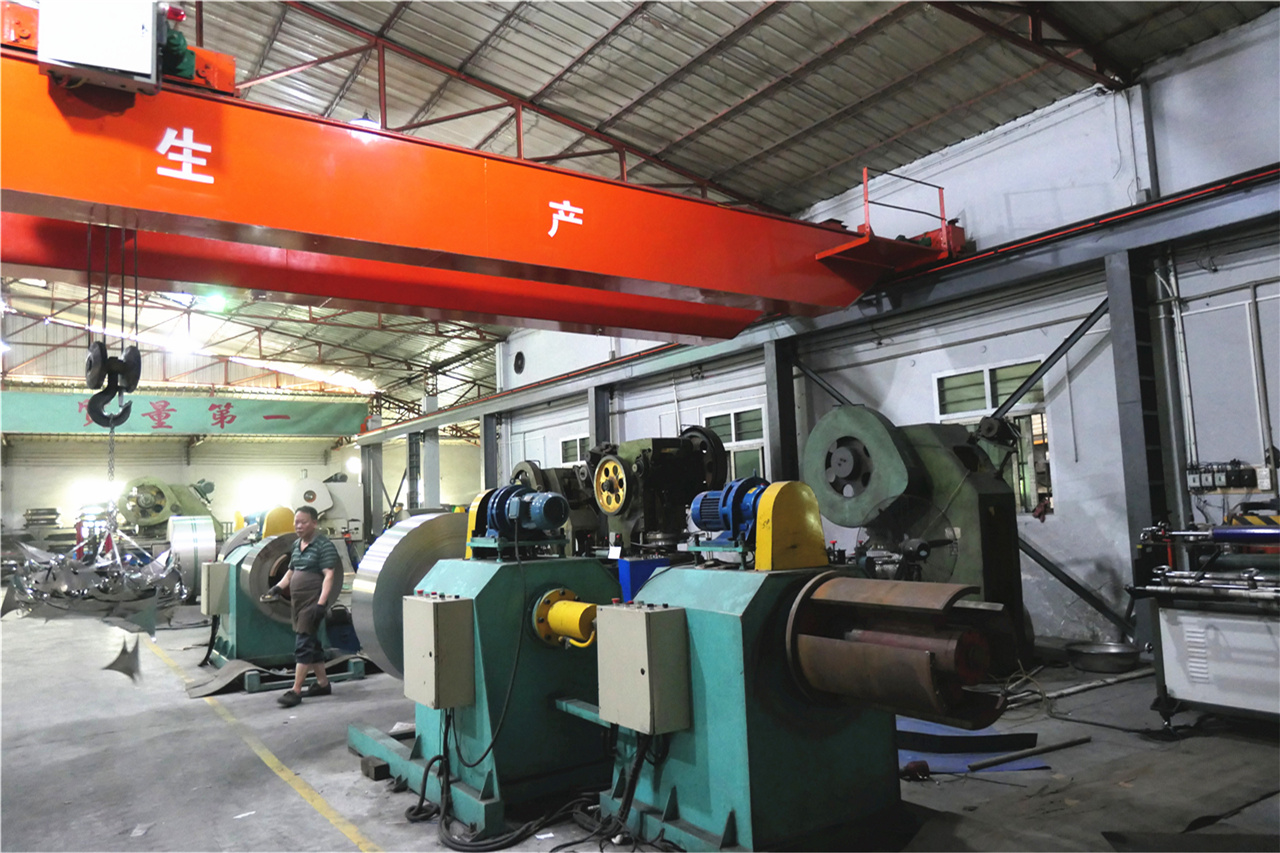
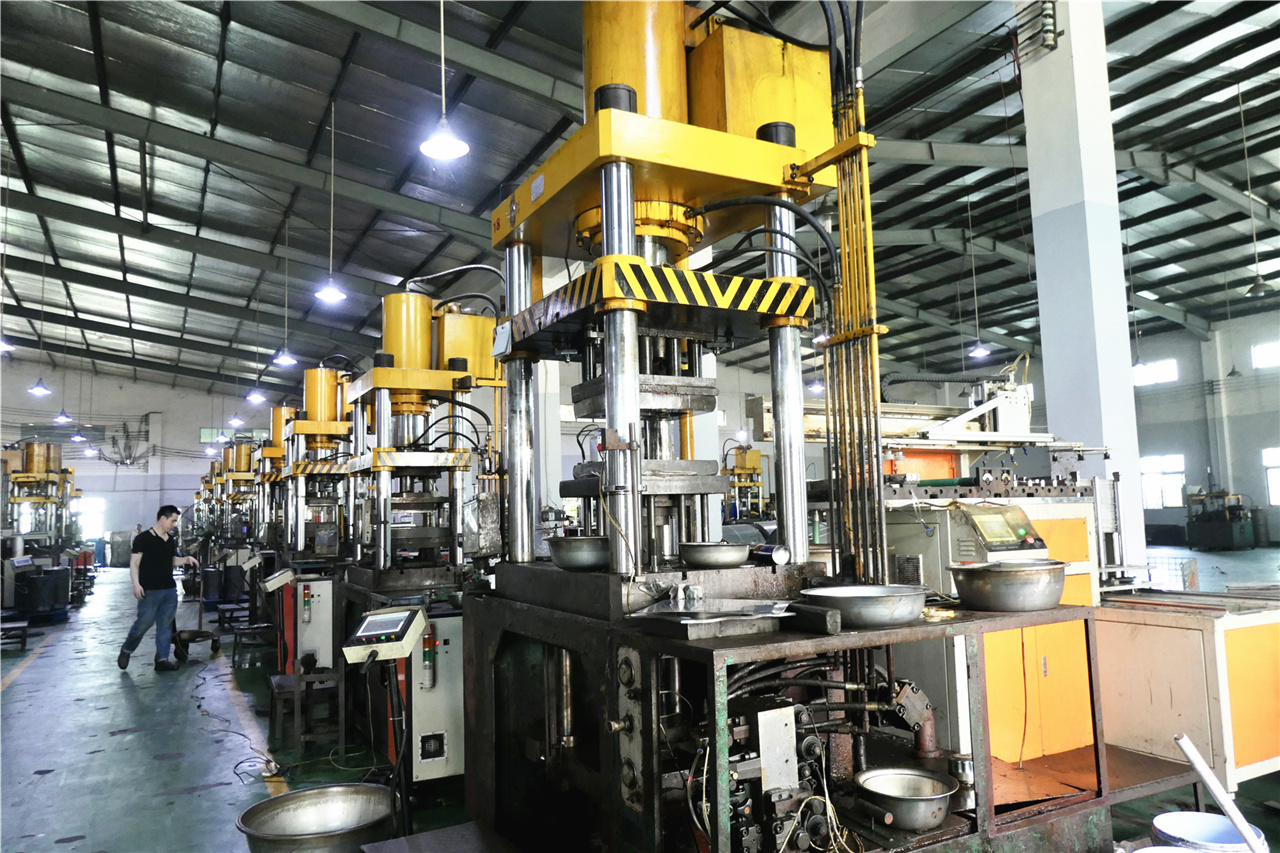
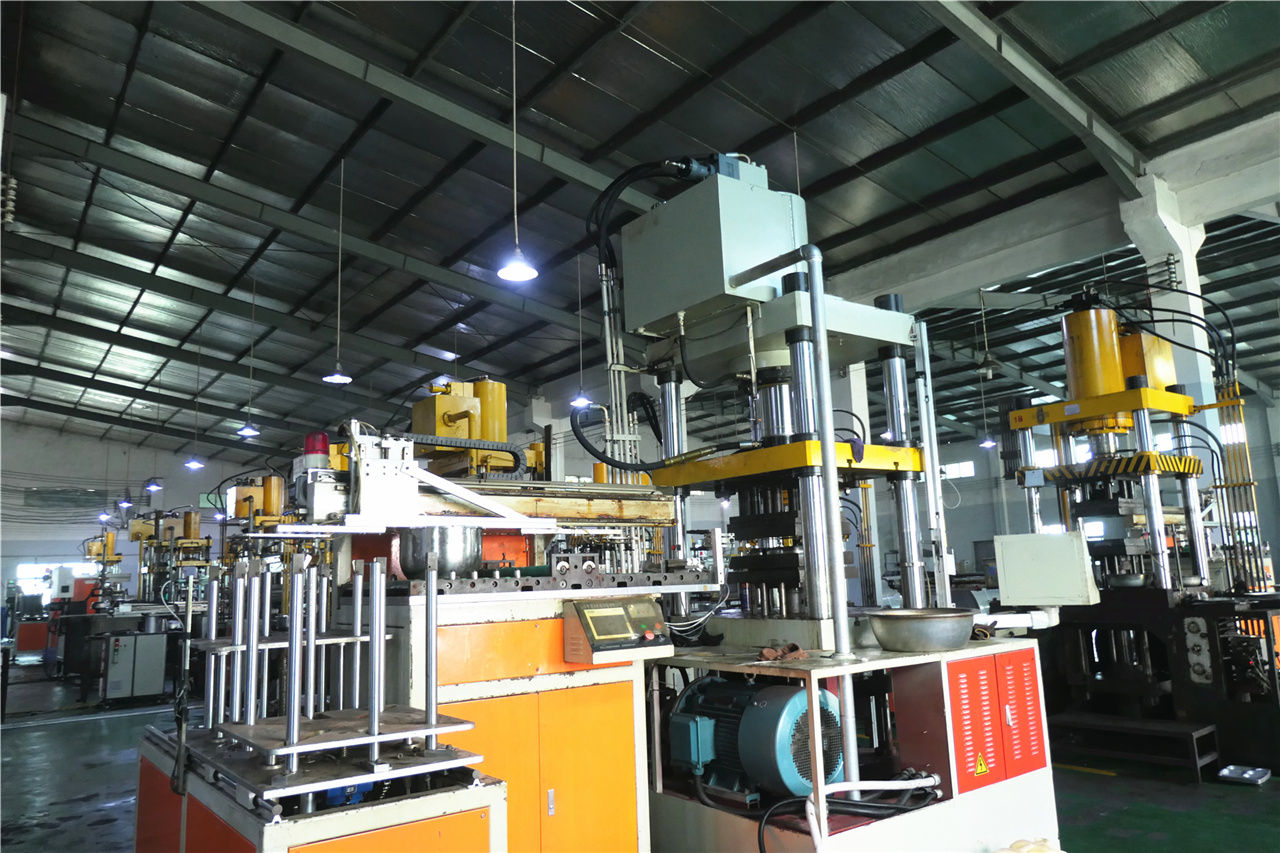
Looking back over the past thirty years, ZENLO Company has grown from a small hardware manufacturing factory into an industry benchmark enterprise with its own brand, patented products, and a modern production system. Looking to the future, we will continue to uphold our original aspiration of "making good cookware with heart," continuously exploring ways to further expand overseas markets and better serve every customer, striving to become a trusted provider of kitchen living products for global consumers.
Get A Custom Quote NowOur comprehensive portfolio of commercial-grade food preparation basins, mixing bowls, and thermal containers.