Leave Your Message
In the high-intensity environment of commercial kitchens and catering services, the choice of preparation equipment is not merely a matter of convenience; it is a fundamental pillar of operational safety, speed, and culinary precision. The stainless steel bowl stands at the center of this ecosystem. Unlike residential culinary utensils, commercial-grade stainless steel bowls must endure continuous thermal shock, chemical exposure from sanitation agents, and mechanical stress from high-velocity industrial mixers. From central kitchens processing thousands of meals daily to upscale catering services managing complex banquet menus, these vessels act as the workhorses of food preparation, storage, and transport.
As food safety regulations tighten globally, international bodies such as the NSF (National Sanitation Foundation) and FDA (Food and Drug Administration) demand equipment that resists bacterial colonization and prevents cross-contamination. Stainless steel, specifically high-grade chromium-nickel alloys, offers an inert, non-porous surface that does not react with acidic ingredients, ensuring the organoleptic properties of the food remain unaltered. Consequently, investing in premium-engineered stainless steel bowls is a strategic necessity for B2B procurement managers, executive chefs, and catering operators aiming to maintain compliance and optimize kitchen workflows.
The global commercial kitchenware market has witnessed a significant transition toward high-durability, multifunctional preparation tools. Valued at billions of dollars annually, the market is driven by the expansion of quick-service restaurant (QSR) chains, cloud kitchens, and institutional catering operations (hospitals, schools, and corporate campuses). In these environments, efficiency is measured in seconds, and equipment failure translates directly to financial loss.
B2B buyers are increasingly prioritizing products that offer a lower Total Cost of Ownership (TCO). While cheaper plastic or low-grade metal alternatives exist, they fail rapidly under the stress of commercial dishwashers and heavy daily use. Premium stainless steel bowls, engineered with reinforced rims and impact-resistant bases, represent a long-term asset. Furthermore, the rising focus on sustainable supply chains has positioned stainless steel as the ultimate eco-friendly choice due to its 100% recyclability and lifespan that spans decades. Manufacturers who integrate advanced metallurgical standards and ergonomic designs are capturing significant market share in regions like North America, Europe, and the Asia-Pacific.
Statistical data indicates a 6.5% CAGR in the demand for commercial-grade stainless steel prep ware. The rise of automated kitchens and smart catering systems requires vessels that feature standard dimensions, precise capacities, and compatibility with robotic arms and conveyor systems. Standardized, high-durability bowls are no longer optional—they are integrated components of the modern automated food supply chain.
The performance of a commercial kitchen bowl is determined at the atomic level. The primary material utilized by industry leaders like ZENLO is Grade 304 Stainless Steel (often referred to as 18/8 stainless steel, containing 18% chromium and 8% nickel). This specific metallurgical composition provides key operational advantages:
For specialized industrial applications, particularly those involving high-salinity foods or marine catering environments, manufacturers also utilize Grade 316 stainless steel, which includes molybdenum for even greater resistance to chloride-induced corrosion. Understanding these metallurgical nuances allows commercial buyers to match the correct equipment to their specific kitchen environments.
The versatility of stainless steel bowls makes them indispensable across a variety of commercial food preparation and distribution scenarios. Let us examine how these vessels are deployed in modern commercial settings:
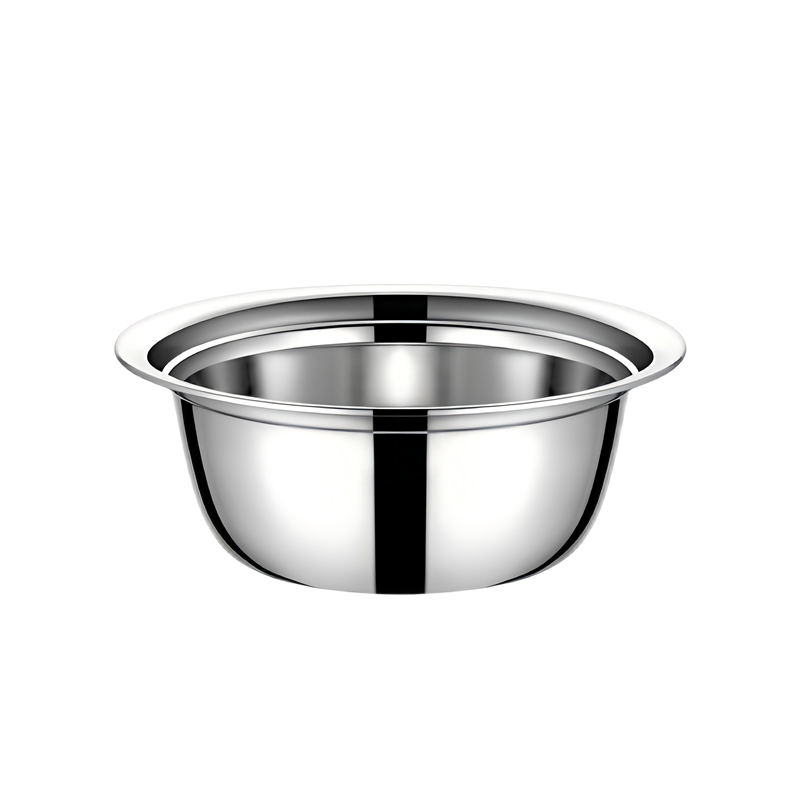
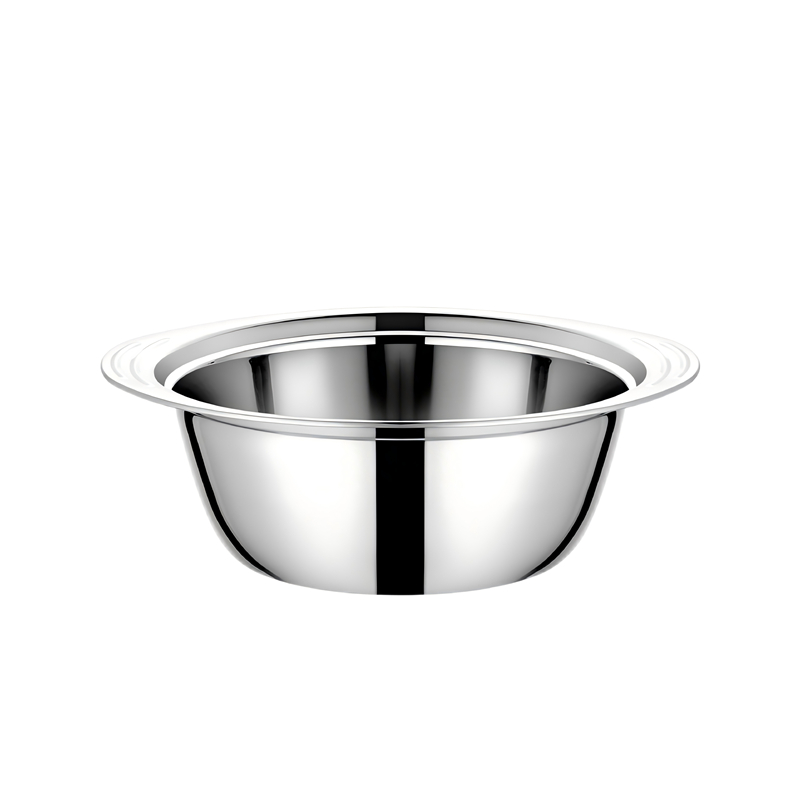
In large-scale catering services managing events for thousands of guests, prep efficiency is paramount. Large-capacity, double-eared stainless steel basins are utilized for mass marination, salad tossing, and ingredient holding. Their wide-edge design allows chefs to grip the bowls securely, even when wearing heavy-duty safety gloves. The non-porous surface ensures that strong spices and marinades do not leave residual odors or stains, allowing the same vessel to transition from savory prep to dessert mixing within minutes after a standard wash cycle.
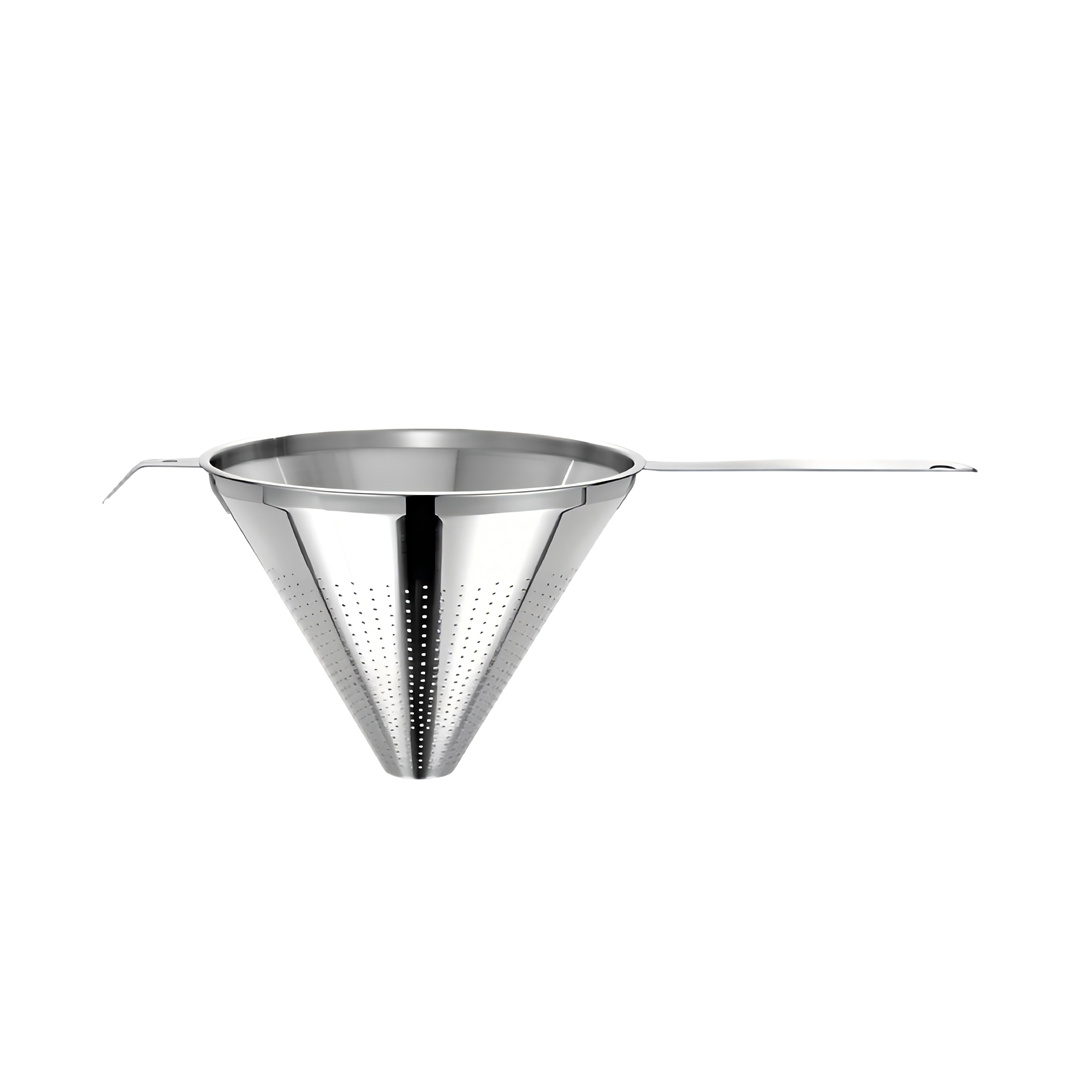
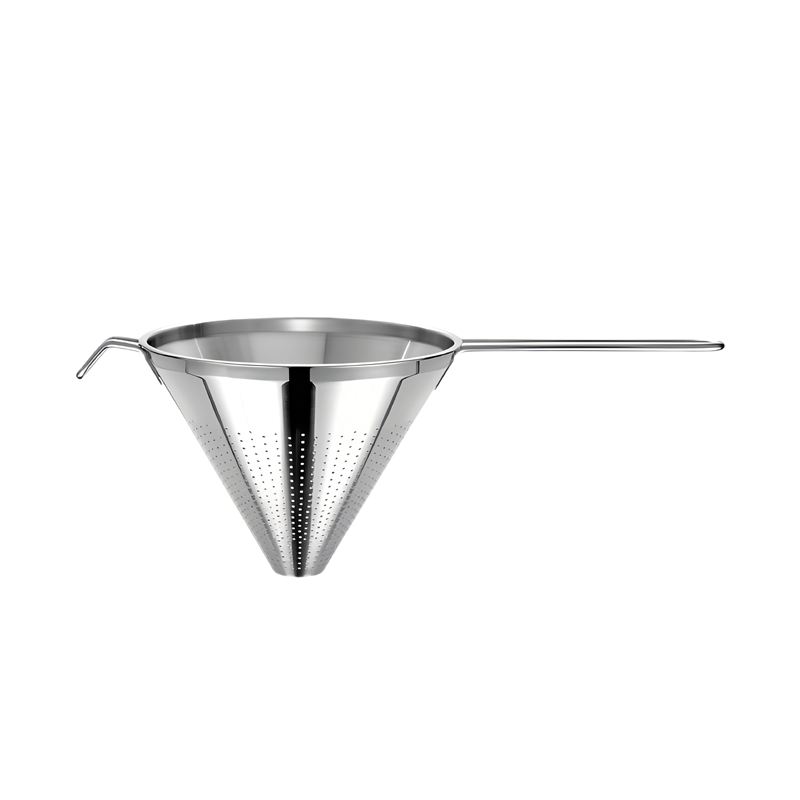
Cloud kitchens operate on high volume and tight margins. Here, space optimization is key. Stackable and nestable stainless steel bowls allow kitchens to maximize vertical storage. Furthermore, the compatibility of conical filter funnels with these basins permits rapid straining of broths, stocks, and sauces directly into storage containers, minimizing spills and reducing food waste. The precision-engineered conical shapes ensure rapid flow rates while maintaining structural stability under heavy loads.
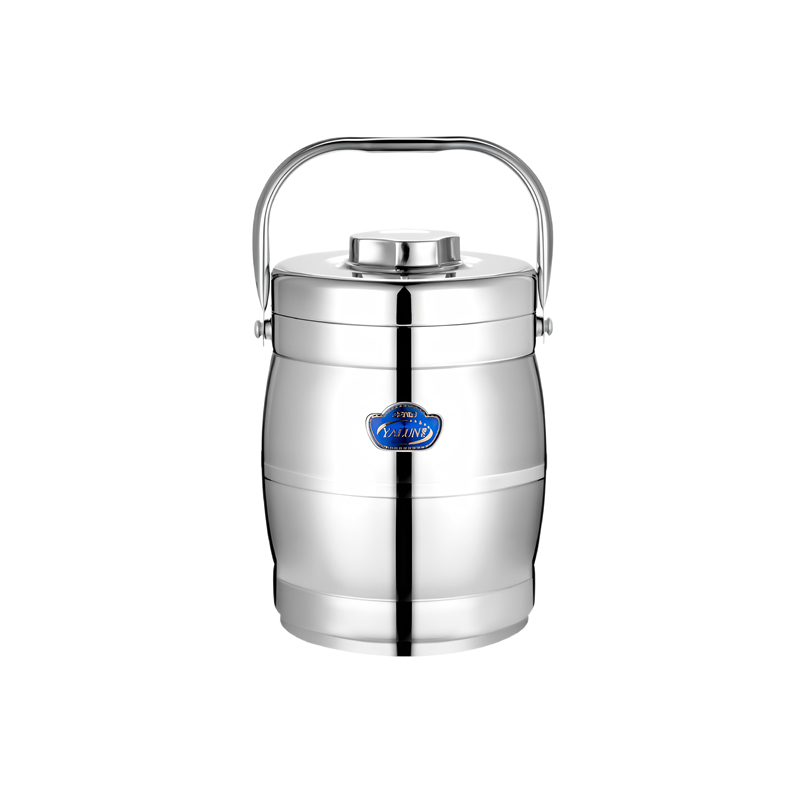
Baking is a science that requires exact measurements and temperature control. Double-walled insulated stainless steel pots and bowls are critical in maintaining the temperature of sensitive mixtures, such as tempered chocolate, yeast doughs, or whipped creams. The insulation prevents ambient kitchen heat from affecting the ingredients, ensuring product consistency across batches. The smooth, polished interior finish of the bowls ensures that doughs and batters release cleanly, reducing waste and simplifying the cleaning process.
As the foodservice industry embraces Industry 4.0, kitchenware design is evolving to keep pace with technological advancements. The integration of AI and automation in commercial kitchens is driving several key trends in stainless steel bowl manufacturing:
Robotic Integration: Automated kitchen cells utilize robotic arms to mix, pour, and clean. Modern stainless steel bowls are being designed with standardized flange profiles and magnetic sensor points, allowing robotic grippers to detect, lift, and manipulate the vessels with millimeter precision.
Smart Thermal Monitoring: Future iterations of commercial prep bowls are exploring the integration of embedded RFID tags and temperature sensors. This technology allows kitchen management systems to automatically log food temperatures, ensuring compliance with HACCP (Hazard Analysis Critical Control Point) regulations without manual intervention.
Advanced Surface Treatments: Nanotechnology coatings are being researched to create hydrophobic and oleophobic surfaces on stainless steel. This would significantly reduce water and detergent consumption during the cleaning cycle, aligning with global hospitality sustainability goals.
For procurement officers and restaurant group buyers, selecting the right supplier requires evaluating several criteria beyond unit cost. The following checklist outlines the essential factors to consider:
Our factory was established in 1994.
Our company is continuously committed to the research and development of new products and technologies. Multiple products have been patented, and we will continue to launch new products in the future. Please stay tuned.
The enterprise always adheres to the business philosophy of "integrity, innovation, and progress", winning customer trust and market recognition with high-quality products and a steady and pragmatic attitude. We sincerely welcome customers from home and abroad to cooperate, negotiate, visit and guide us, and create a better future together.
Request Free Quote