
Leave Your Message
The Vietnamese kitchenware market is undergoing a monumental transition, driven by rapid urbanization, an expanding middle class, and a heightened focus on food safety and environmental sustainability. Traditionally dominated by plastics, melamine, and local ceramics, both commercial establishments and domestic households are shifting rapidly toward premium food-grade stainless steel products. Among these, the stainless steel bowl has emerged as an essential commodity, finding extensive applications across street food stalls, high-end restaurants, school canteens, and industrial food processing facilities throughout Vietnam.
According to recent industrial trade data, the demand for metal kitchenware in Vietnam has grown at a compound annual growth rate (CAGR) of over 8.5% over the past five years. This surge is heavily supported by the country's booming tourism sector and the expansion of global fast-food chains and industrial parks (IZs) from Hanoi and Bac Ninh in the north to Ho Chi Minh City and Binh Duong in the south.
Vietnam's commercial food service landscape is highly diverse, ranging from vibrant street food vendors serving traditional Phở and Bún Chả to luxury five-star hotels catering to international travelers. In the street food sector, durability and heat retention are paramount. Vendors require lightweight, shatterproof, and easy-to-clean bowls that can withstand continuous, high-volume usage. Standard double-walled insulated stainless steel bowls prevent heat transfer to the hands of customers and servers, making them highly sought after in bustling Hanoi and Ho Chi Minh City eateries.
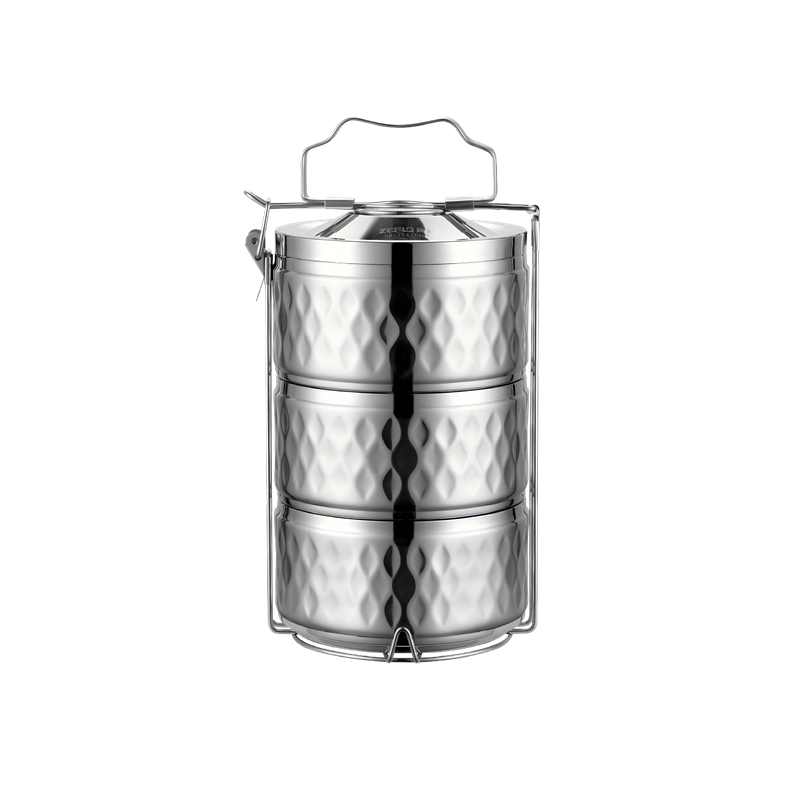
On the industrial side, Vietnam has integrated itself deeply into the global electronics and textile supply chains. Massive manufacturing complexes operated by multinational giants host on-site canteens serving tens of thousands of workers daily. To maintain rigorous hygiene standards and prevent cross-contamination, these institutional kitchens mandate the use of high-quality SUS304 stainless steel food basins, multi-layer lunch boxes, and commercial pressure cookers. Consequently, local distributors and B2B procurement agencies are constantly searching for dependable manufacturing partners capable of delivering bulk quantities of certified, lead-free, and corrosion-resistant kitchenware.
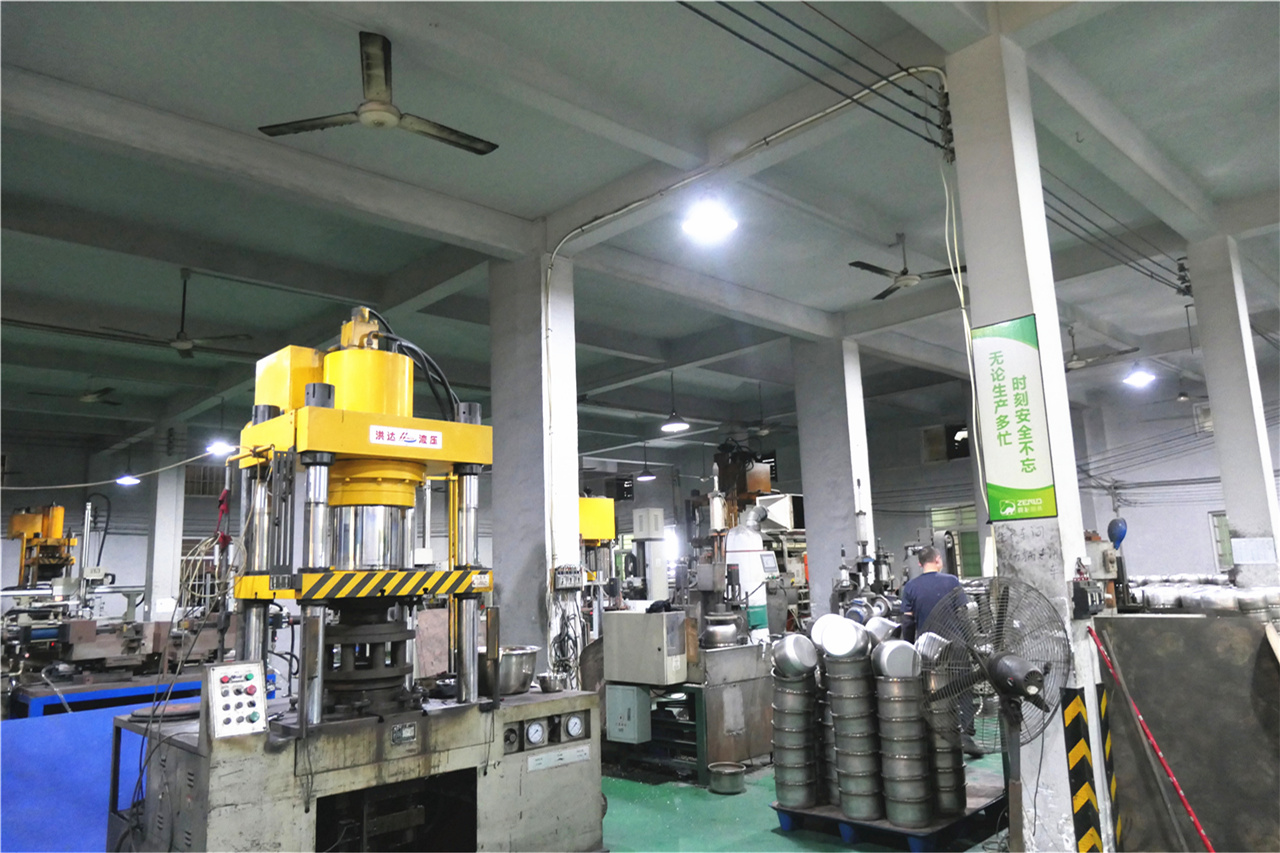
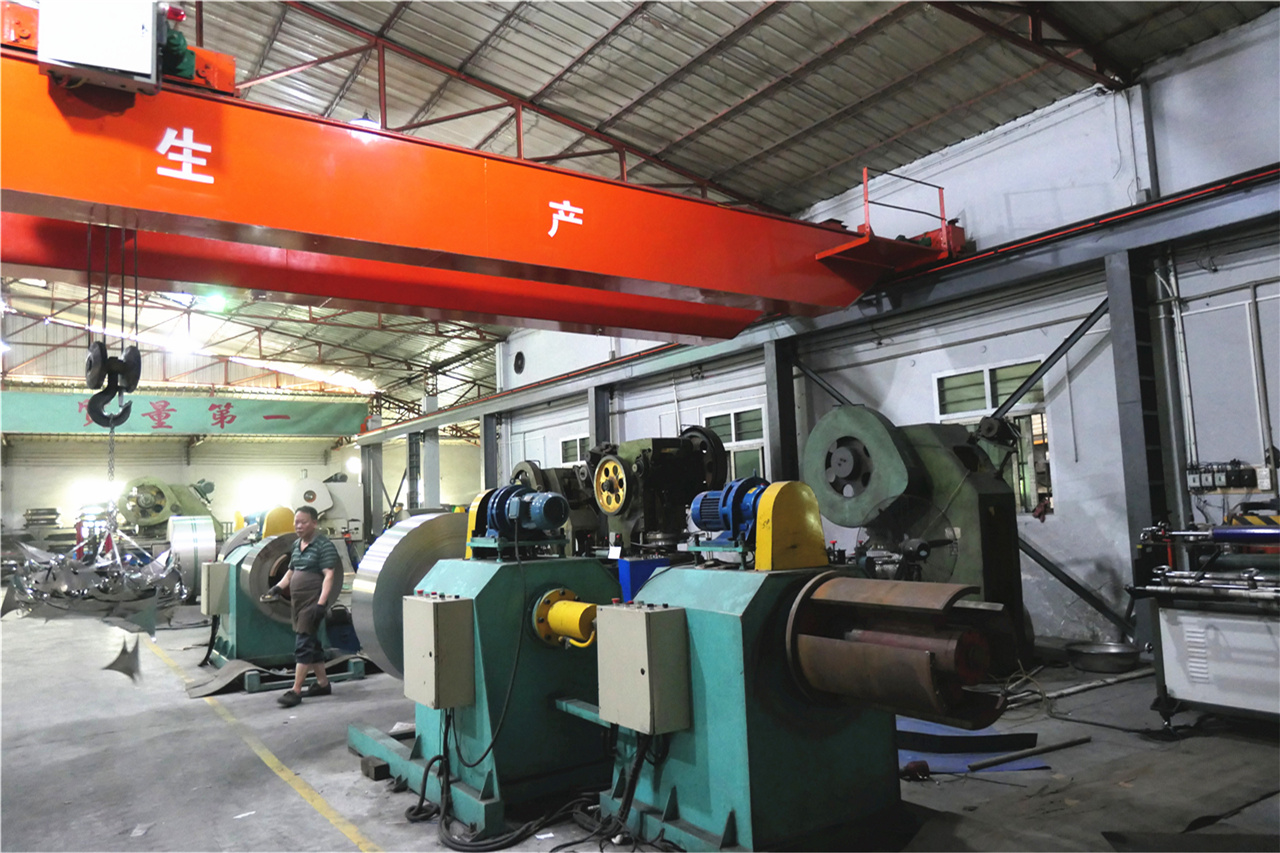
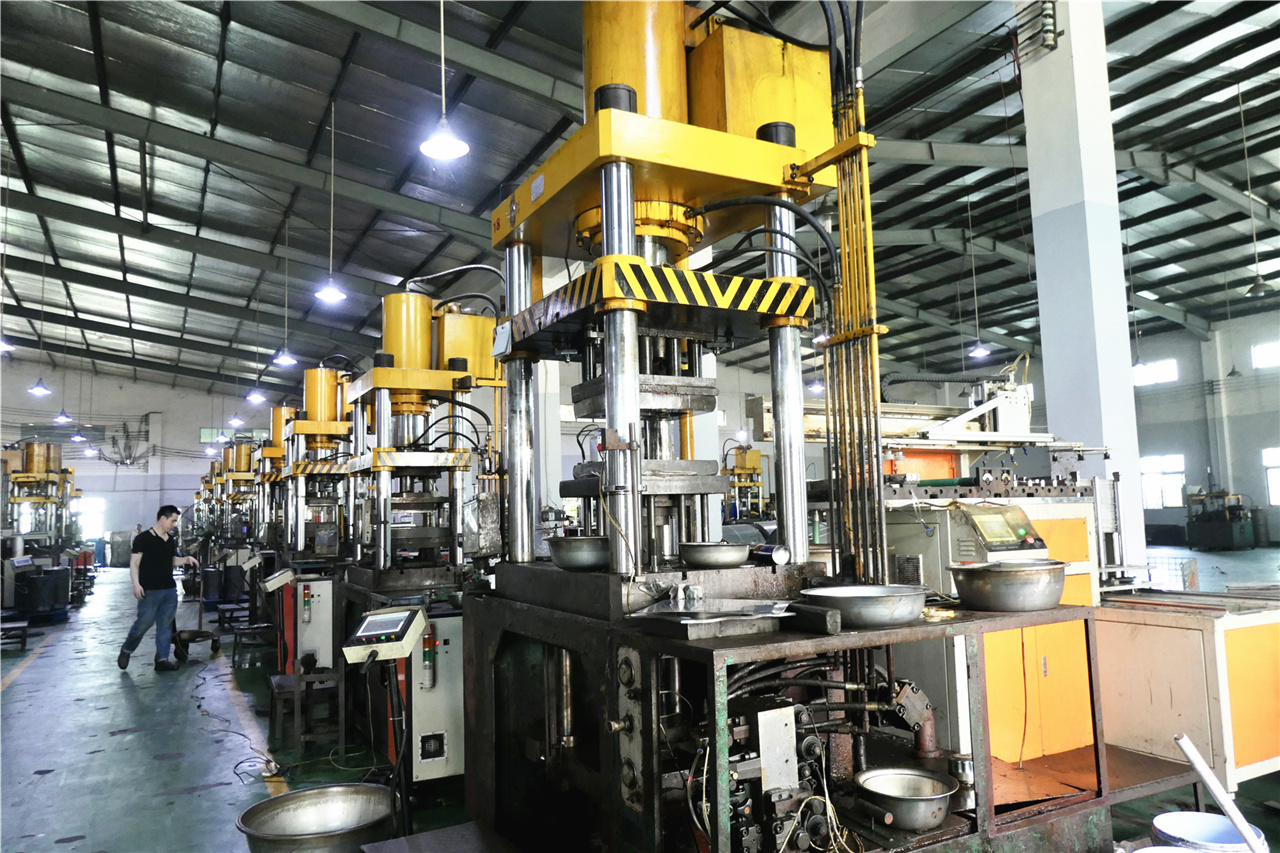
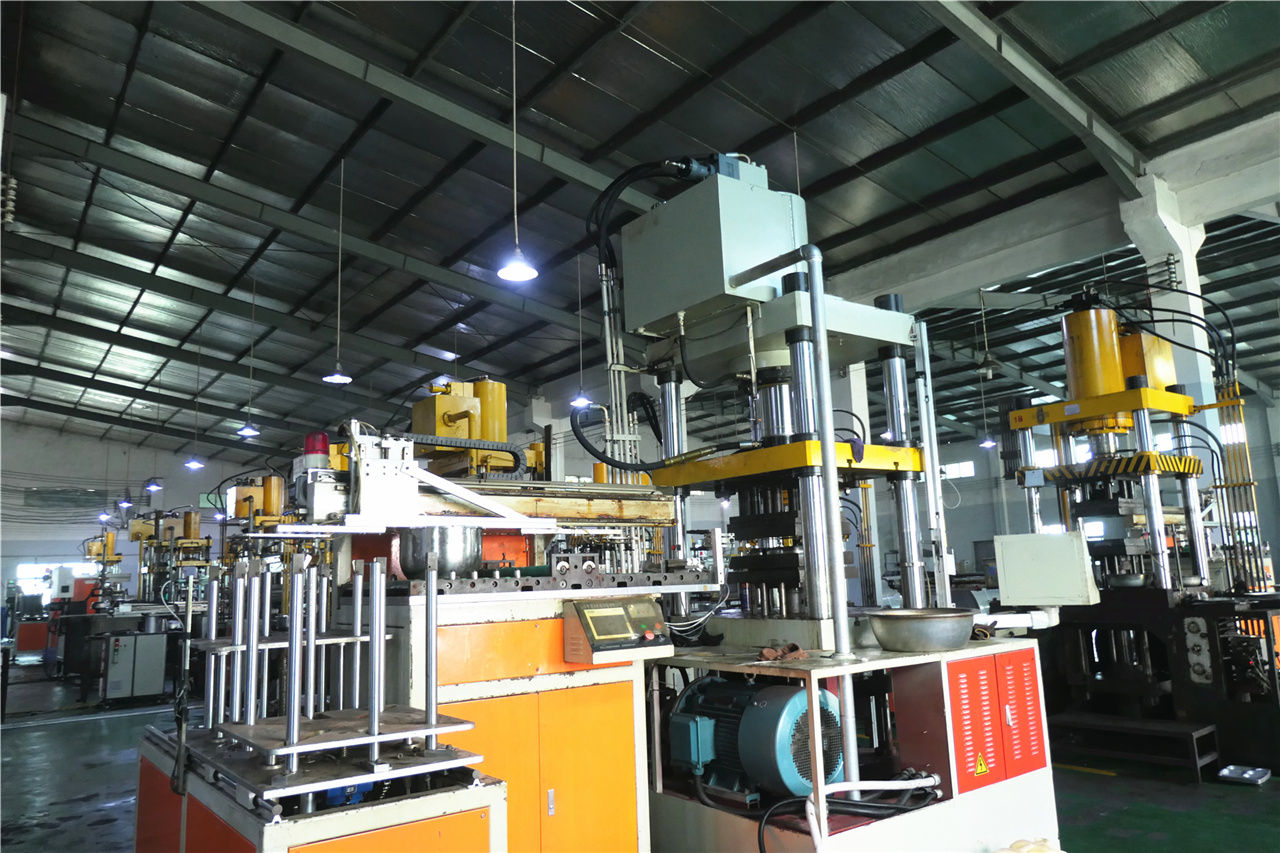
The global stainless steel industry is shifting toward smart manufacturing, and the Vietnam market is no exception. Importers and distributors in the region are increasingly prioritizing products manufactured using automated, high-precision technology. Modern factories utilize automated deep-drawing, robotic laser welding, and advanced electrochemical polishing. These technologies eliminate structural micro-cracks, prevent food residue buildup, and ensure a flawless, mirror-like finish that resists staining and rusting even in hot, humid tropical environments.
Furthermore, the integration of smart logistics and online B2B ordering platforms has streamlined the distribution chain. Vietnamese businesses can now customize product dimensions, emboss their brand logos, and specify packaging requirements directly with manufacturers, ensuring a seamless supply of tailored products that align with local preferences.
Since 1994, ZENLO Company has witnessed and participated in the complete journey of China's stainless steel kitchenware industry from nothing to something, from weak to strong. Thirty years of development is a history of struggle from "based in Chao'an" to "selling globally," establishing a formidable footprint in Southeast Asian markets like Vietnam. Through the accumulation of the domestic market, the precise development of overseas channels, and the agile transformation in the digital age, the company is steadily moving towards its goal of becoming a "century-old hardware brand."
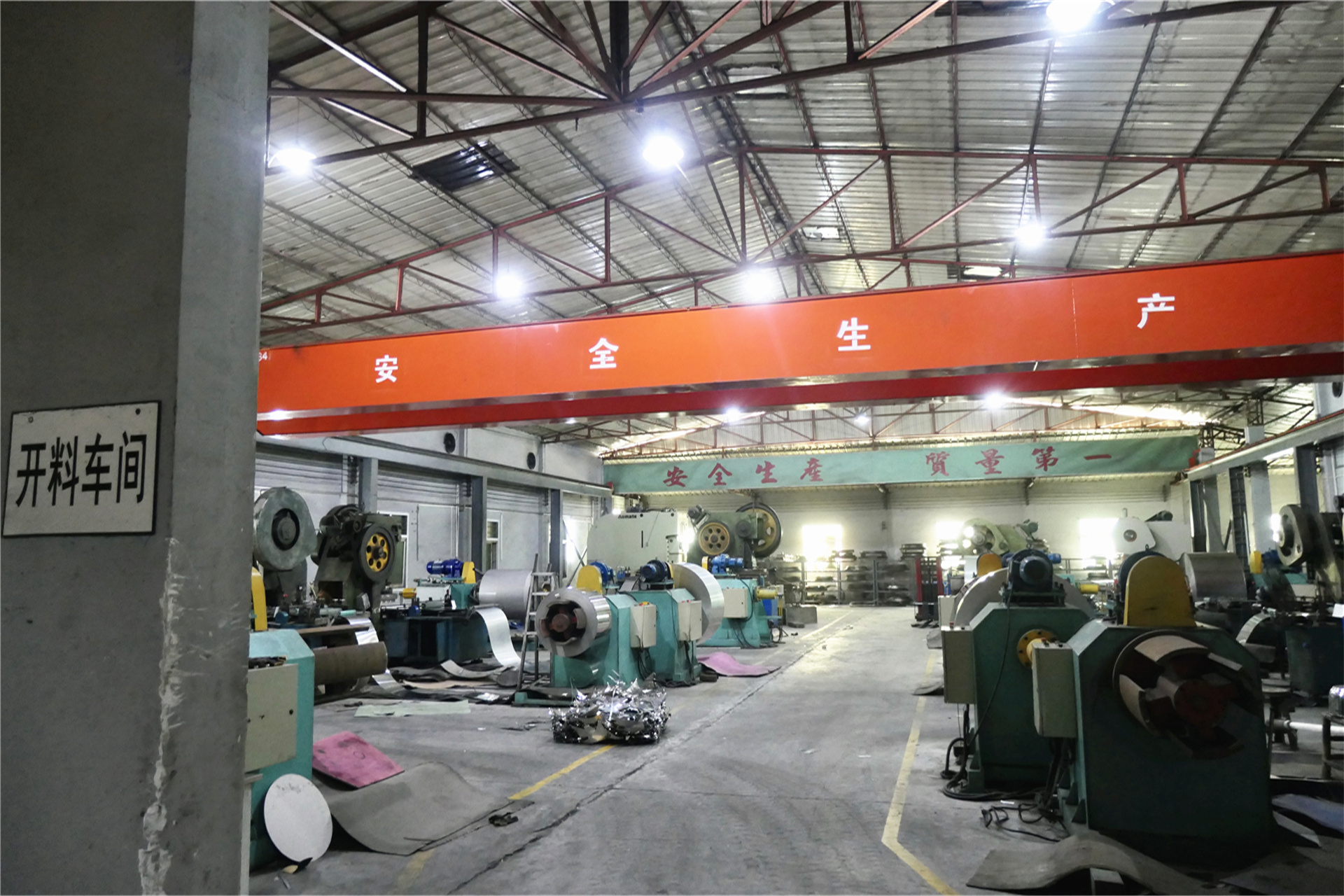
Amidst the wave of reform and opening up, ZENLO's predecessor—"Zhenlong Hardware Factory"—was established in 1994. In its early days, we seized the policy opportunities of "processing with supplied materials, processing with supplied samples, and compensation trade," relying on a few simple machines and dozens of employees, starting with OEM and ODM under our own brand, laying the foundation for the later "ZENLO" and "YALUN" brands. During this period, we primarily learned from and imitated others to establish the initial form of our enterprise. We accumulated the most basic production experience, introduced fundamental quality management standards, and established a firm foothold in Guangdong's manufacturing cluster based on our reliable reputation.
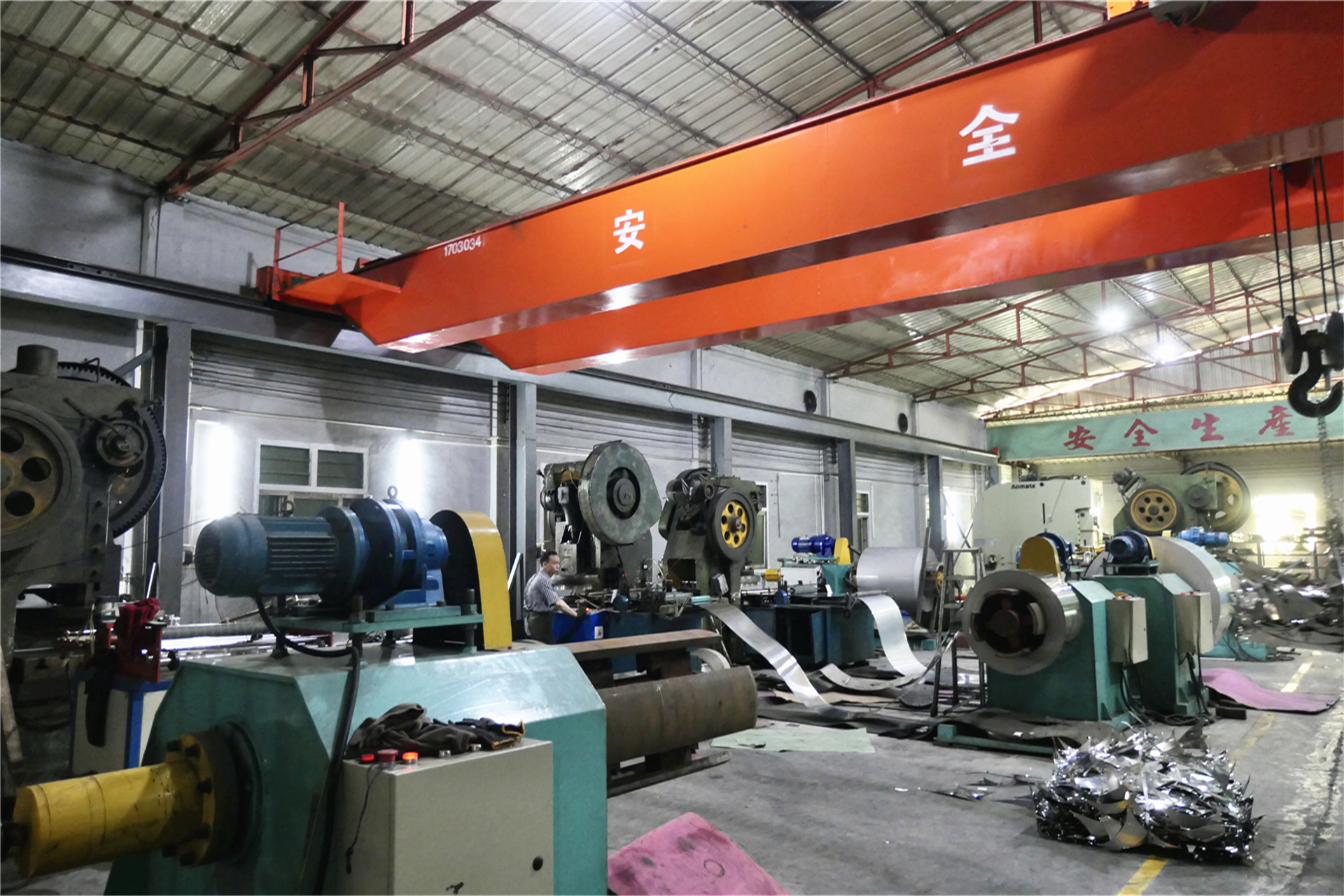
With China's accession to the WTO, overseas orders poured in. We rapidly expanded our production scale and cooperated with major markets across the country. While meeting international market demands, we keenly recognized the importance of our own brand, aligning it with our corporate development goals. Later, we successively developed new products, promoted our brand, and simultaneously entered the domestic market. Through participation in various hotel supplies exhibitions, we initially established domestic sales channels, achieving strategic synchronization between corporate culture and branded products, paving the way for export channels to Southeast Asian neighbors like Vietnam.
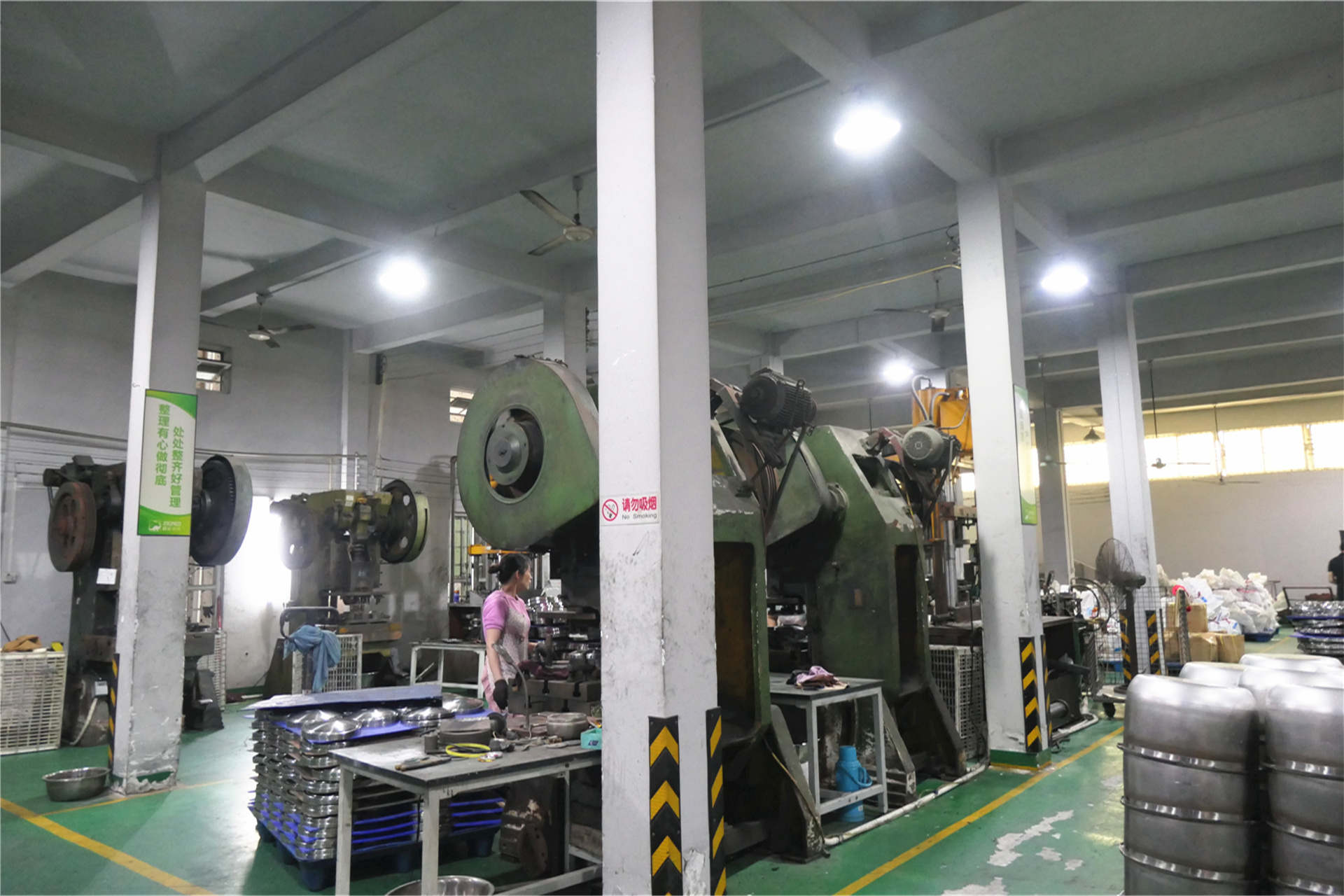
Faced with increasingly fierce market competition and rising labor costs, the factory resolutely embarked on a path of transformation and upgrading. In 2013, ZENLO Company was officially established. We invested heavily in technological upgrades, introducing industry-leading fully automated stretching production lines and laser welding technologies in 2014, significantly improving production efficiency and product precision. Simultaneously, we vigorously promoted branding, launching a stylish, mid-to-high-end sub-brand targeting the new generation of consumers, emphasizing healthy cooking. We also hired a professional design team to ensure our products combine practicality and aesthetic value. In 2017, we launched a brand-new production line—pressure cookers—dedicated to creating safe and reliable pressure cookers. We prepared for this for a long time, and our research and development of pressure cookers has become increasingly proficient, with various models gaining popularity among customers.
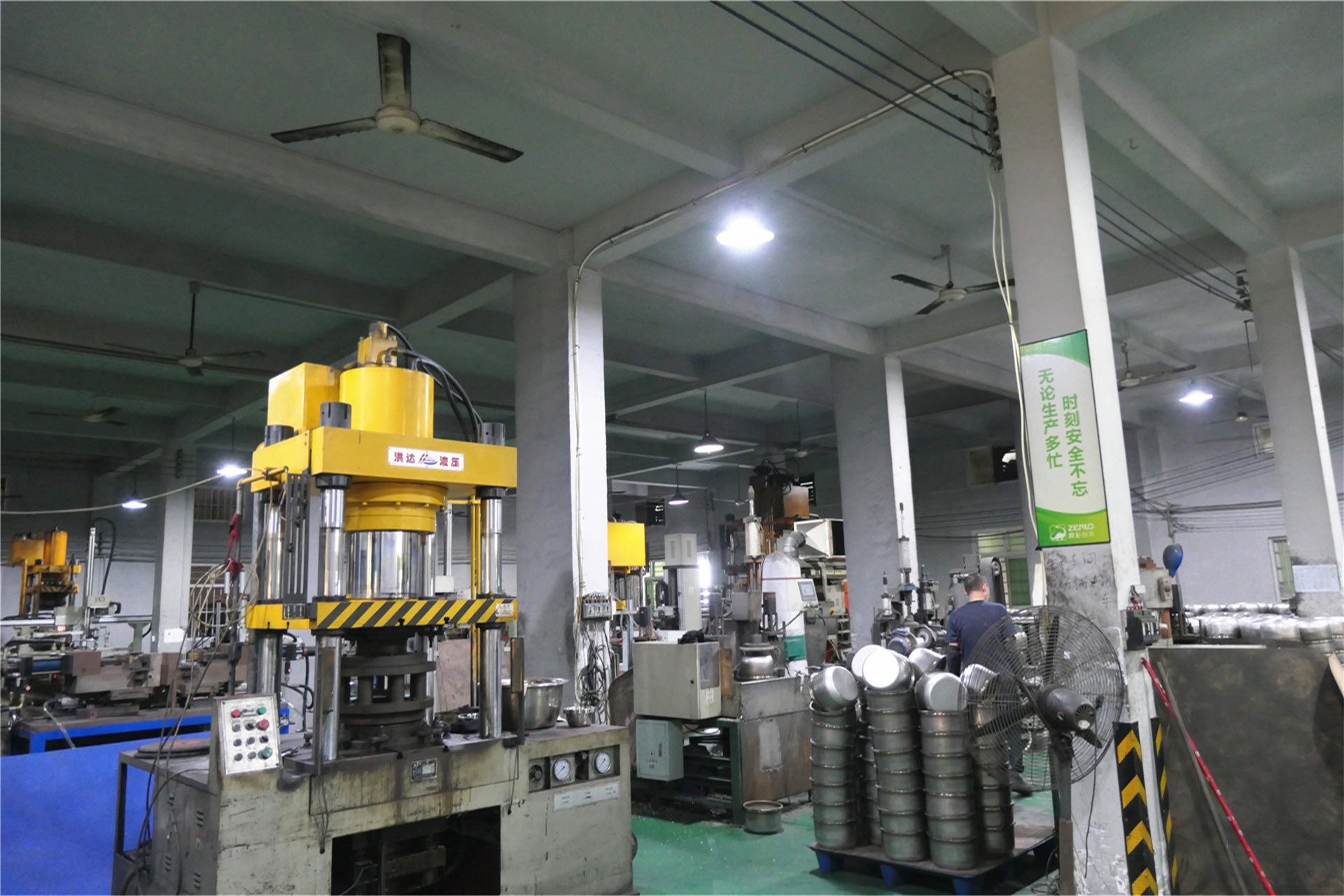
Entering a new decade, ZENLO Company is driven by "innovation" and "globalization." Driven by the internet age, we have implemented online ordering through major internet platforms and a corporate website, providing convenient services to more customers. At the product level, we have gradually launched more high-end and refined cooking utensils, creating a better environment for kitchen life and ensuring customers feel more comfortable and safe when using "ZENLO" brand products. Meanwhile, we actively respond to the national "dual-carbon" goals, researching and promoting the use of more environmentally friendly materials and processes, fulfilling our corporate social responsibility while expanding our custom manufacturing capabilities for the Vietnamese commercial hardware market.
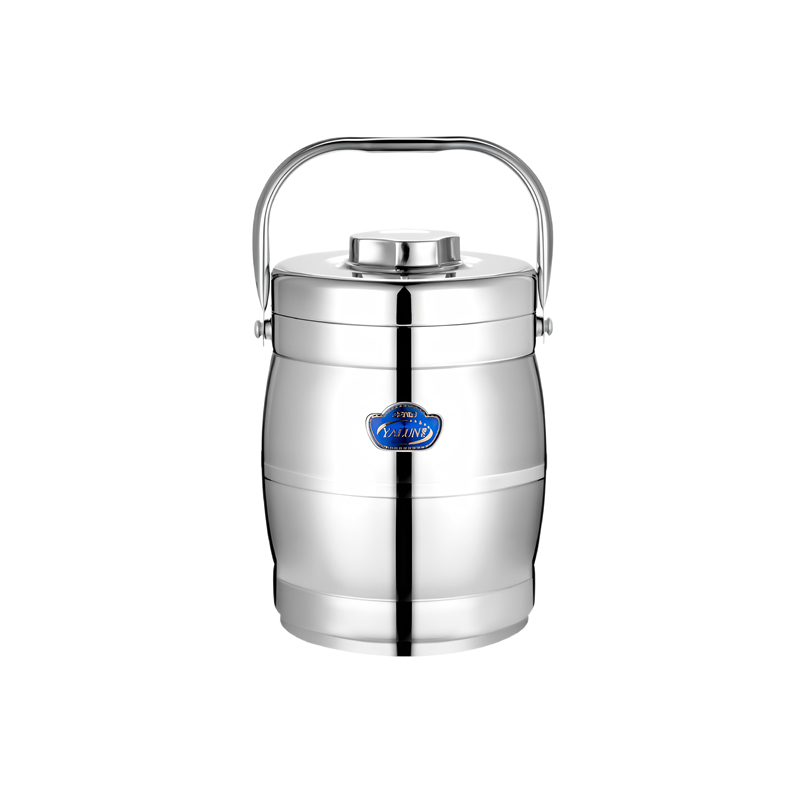
In traditional Vietnamese food culture, hot soups and noodles are served at boiling temperatures. Standard single-wall bowls can easily burn customers' hands and cause the soup to cool down too rapidly in air-conditioned or breezy outdoor settings. Our double-walled insulated stainless steel basins and lunch pots serve as the perfect modern alternative, retaining heat for long periods while remaining cool to the touch on the outside. Their shatterproof nature also saves vendors from the high replacement costs associated with ceramic bowls.
Vietnam's major industrial parks in provinces like Bac Giang, Bac Ninh, and Binh Duong employ thousands of workers who dine in shifts. Canteen operators require heavy-duty, stackable, and non-corrosive stainless steel basins and multi-layer lunch boxes that can withstand commercial dishwasher cycles, high sterilization temperatures, and heavy impacts. ZENLO’s 304 food-grade products ensure compliance with strict occupational health and safety (OHS) audits.
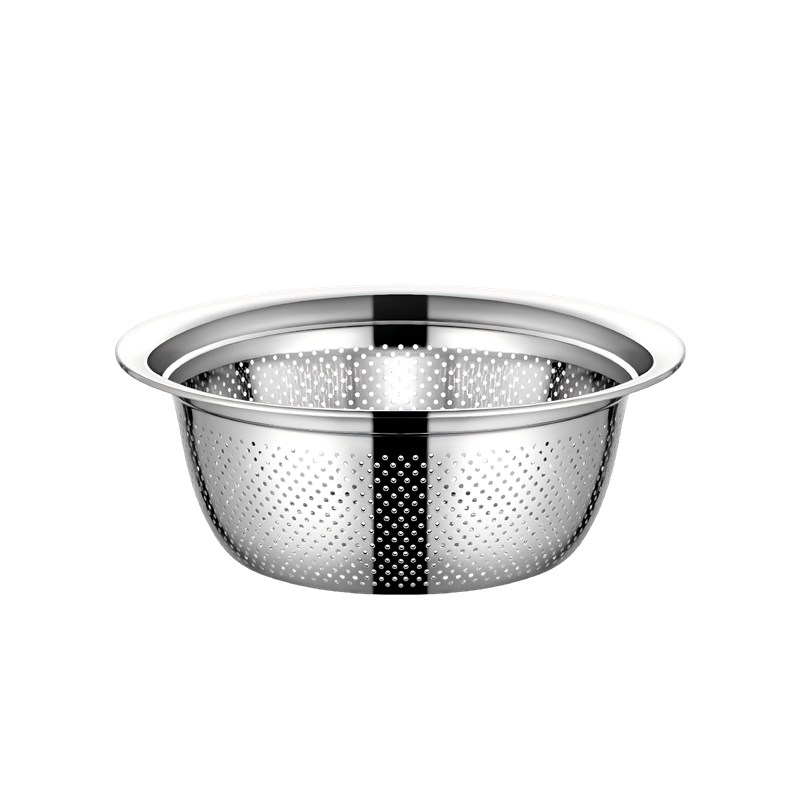
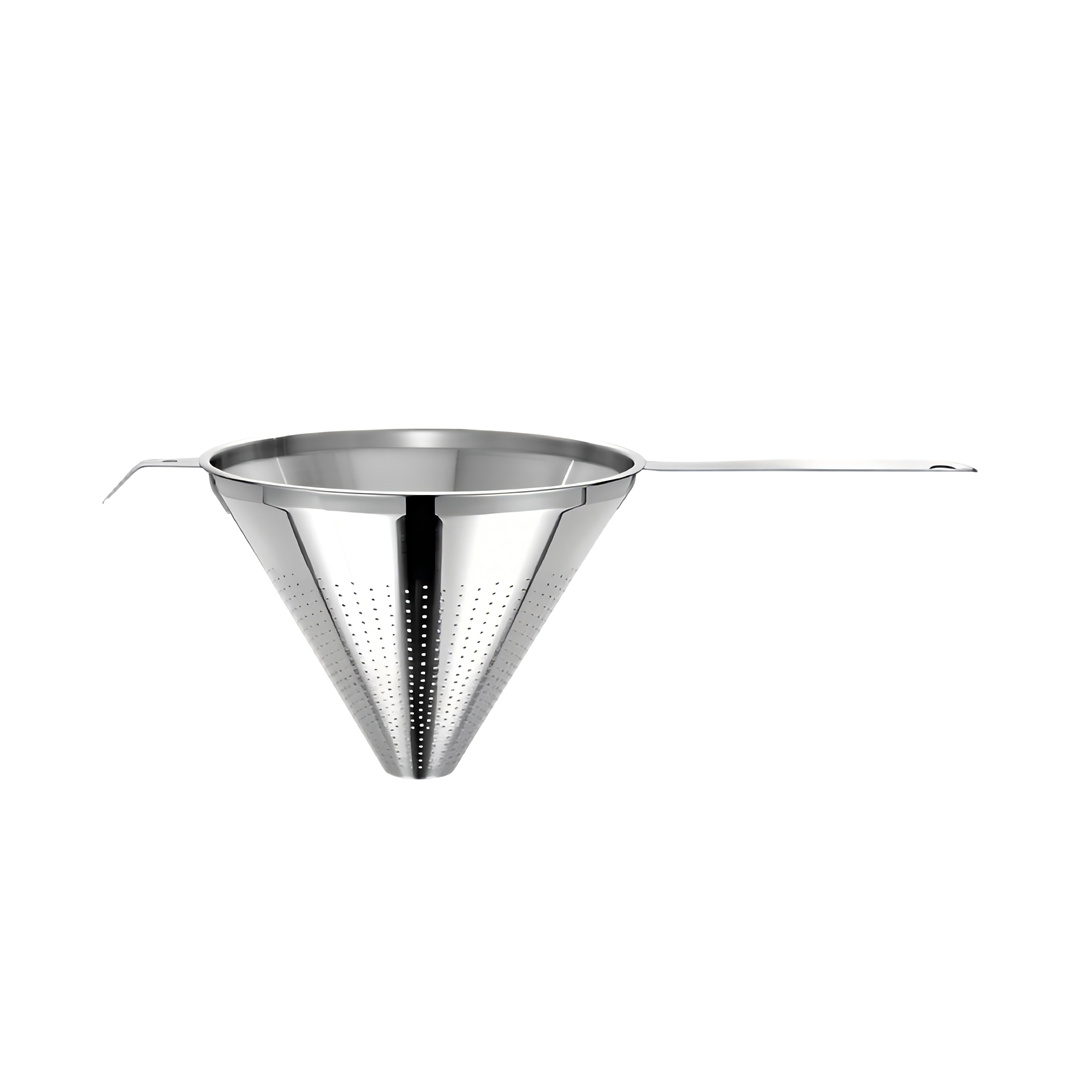
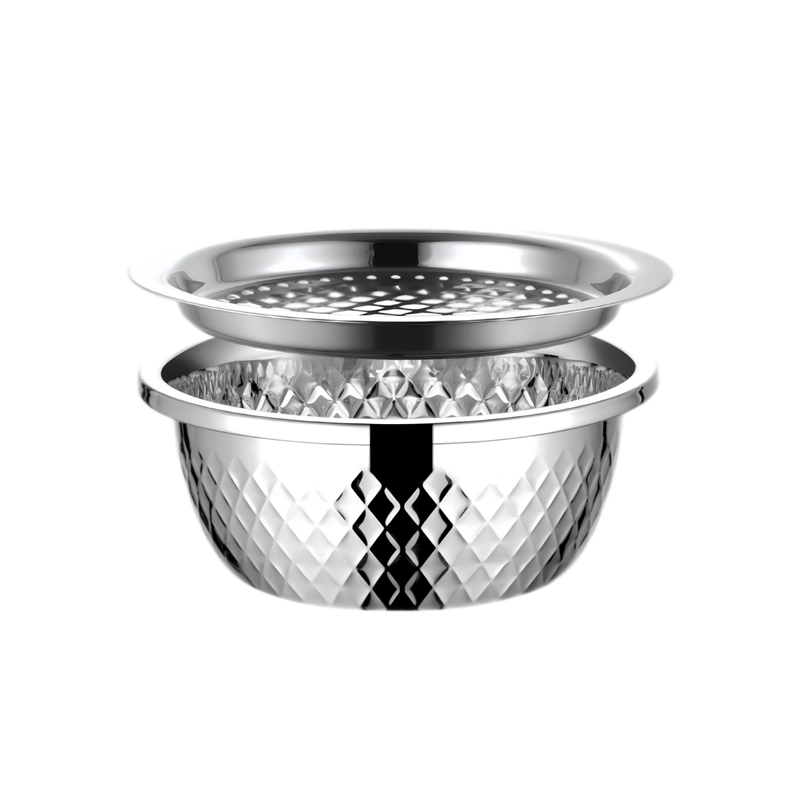
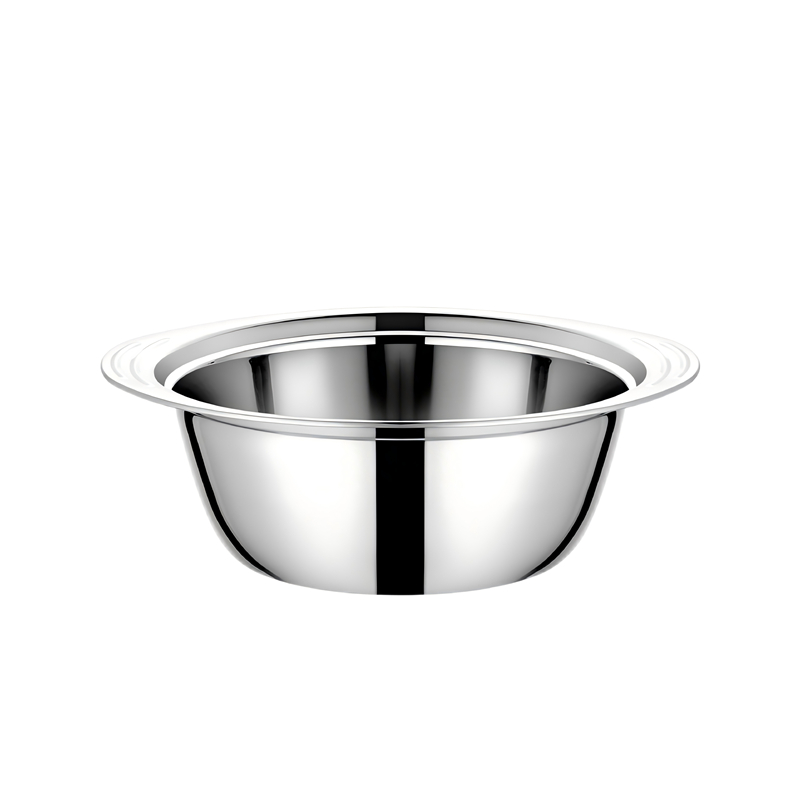
The contemporary Vietnamese urban kitchen is compact and highly organized. Homeowners prefer multi-functional tools like the conical filter funnel and wide-edge porous colanders for washing fresh herbs, vegetables, and draining noodles. The diamond-embossed basins with tight-fitting lids are highly favored for marinating meats, preparing traditional spring roll fillings, and storing ingredients hygienically in refrigerators without transferring odors.
Catering services for large events, weddings, and hotels in tourist hubs like Da Nang, Nha Trang, and Phu Quoc depend on heavy-duty preparation equipment. Large-capacity commercial pressure cookers and mixing basins allow chefs to prepare massive quantities of broth and food components quickly and safely, optimizing kitchen efficiency and reducing energy consumption.
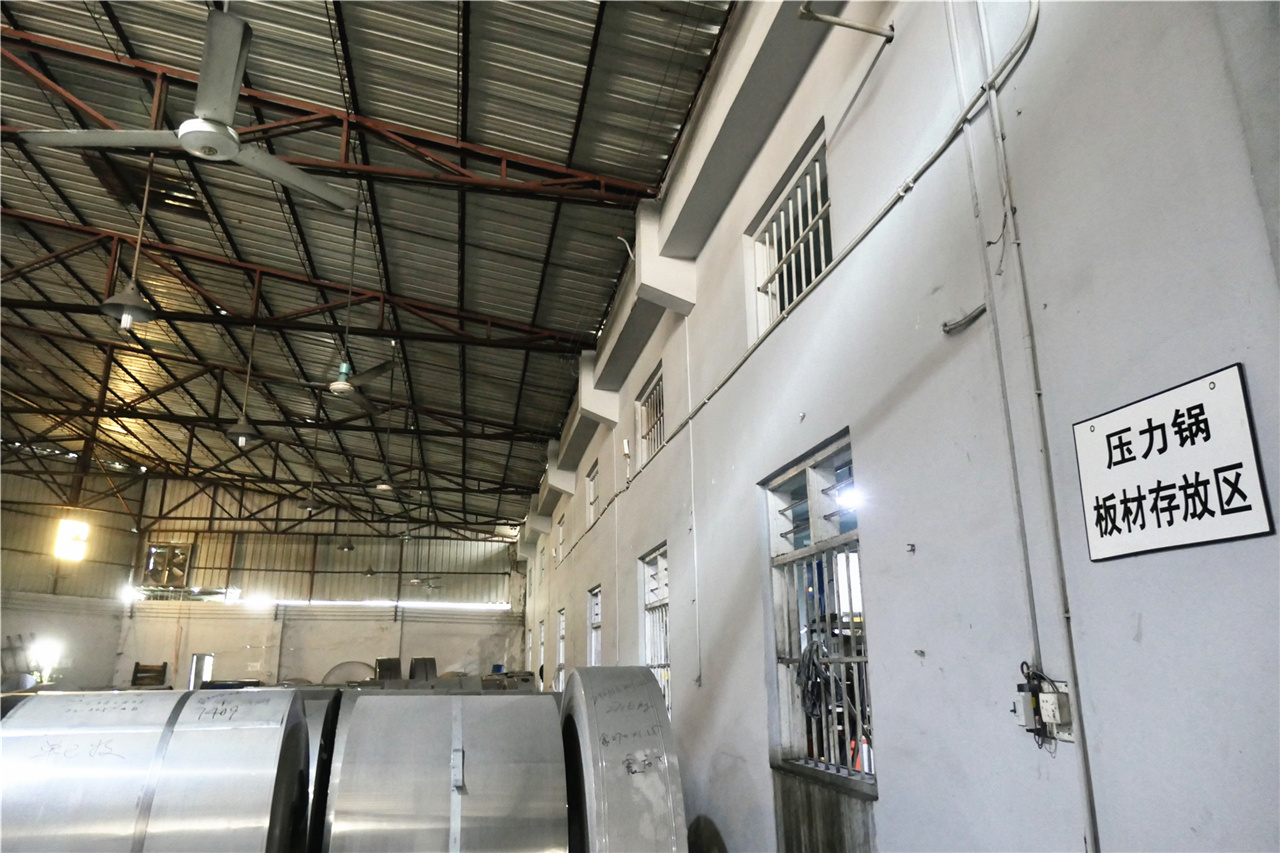
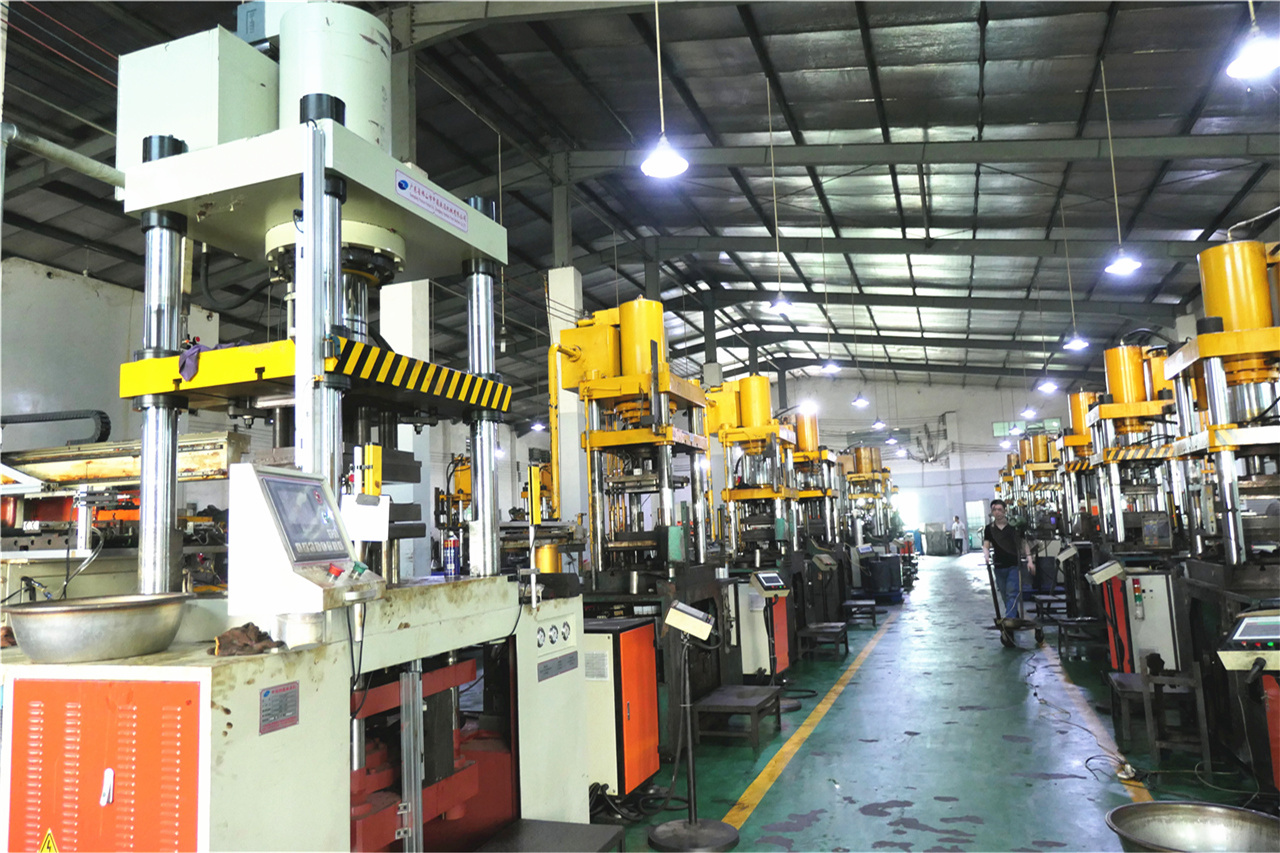
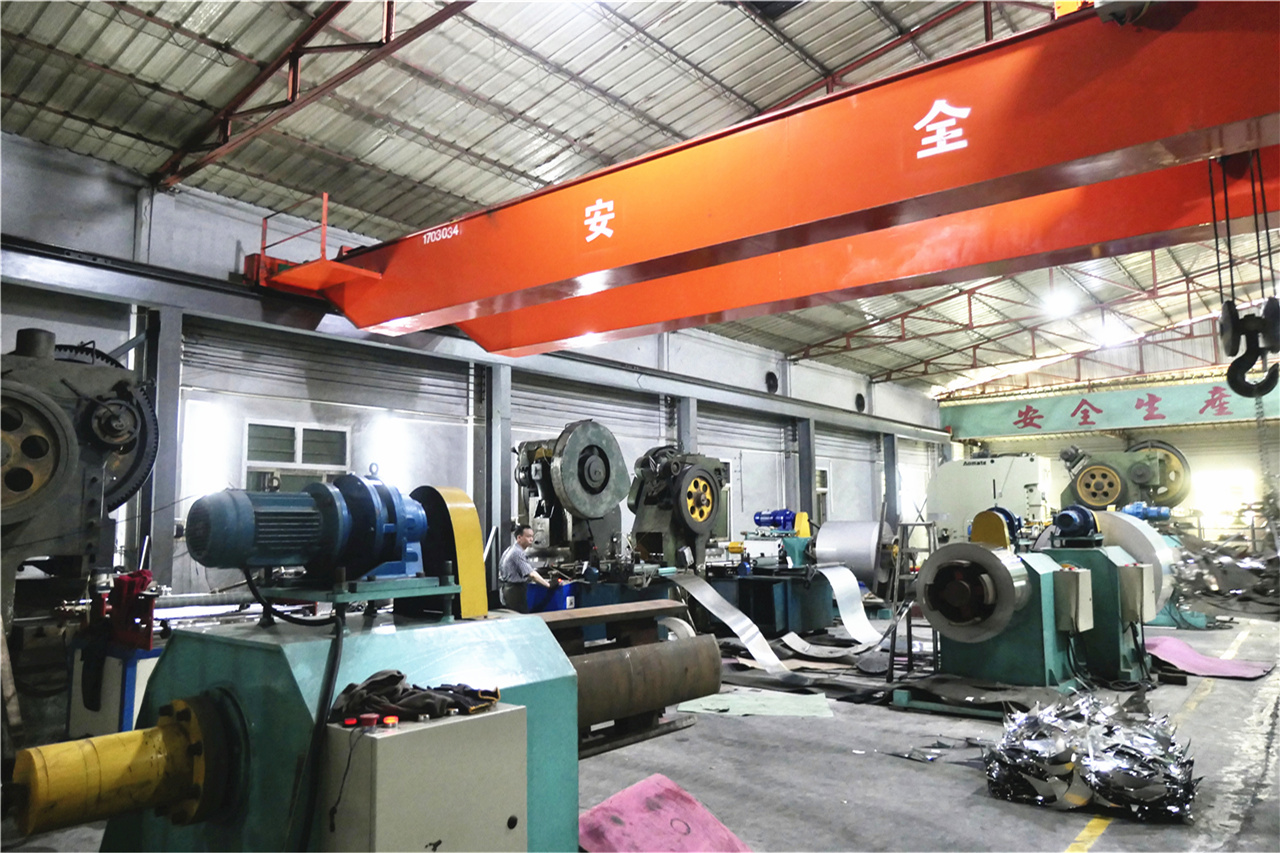
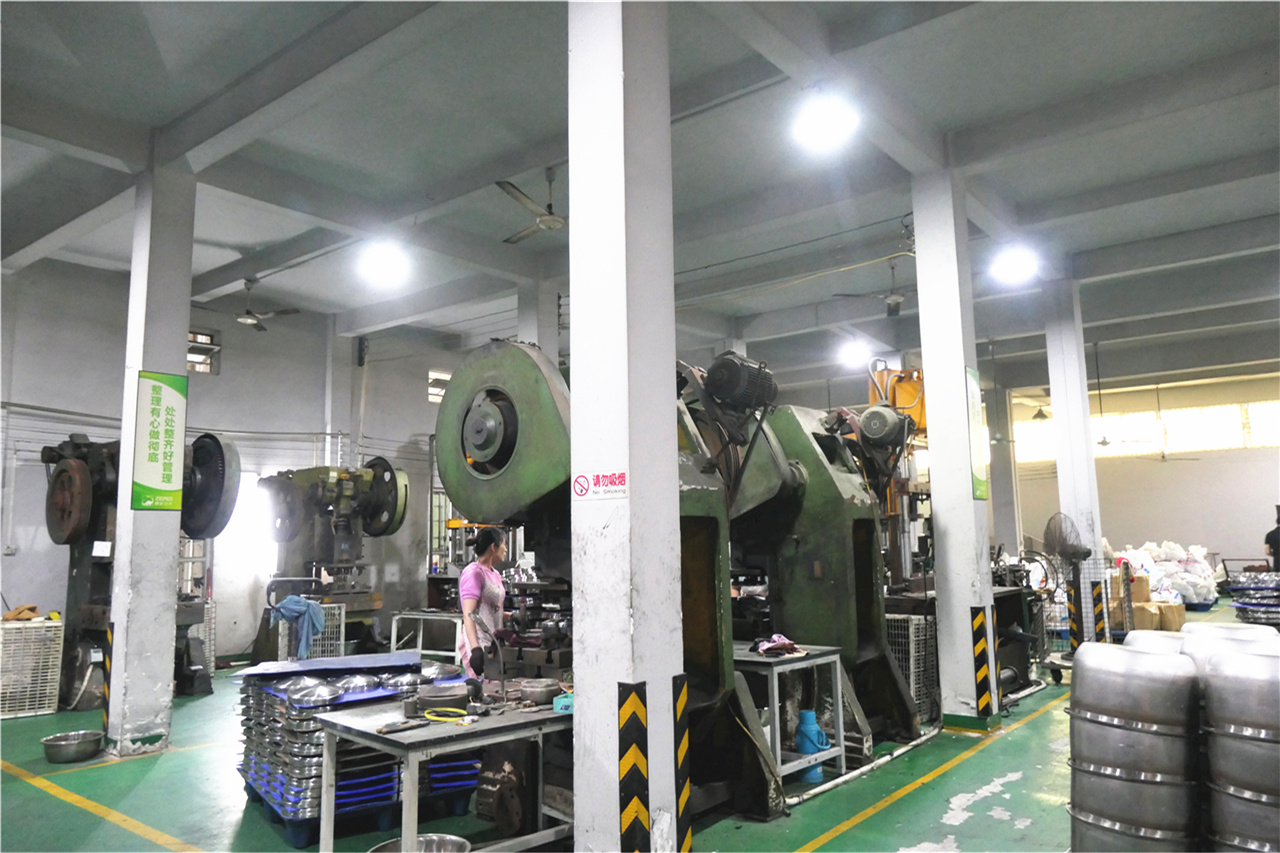
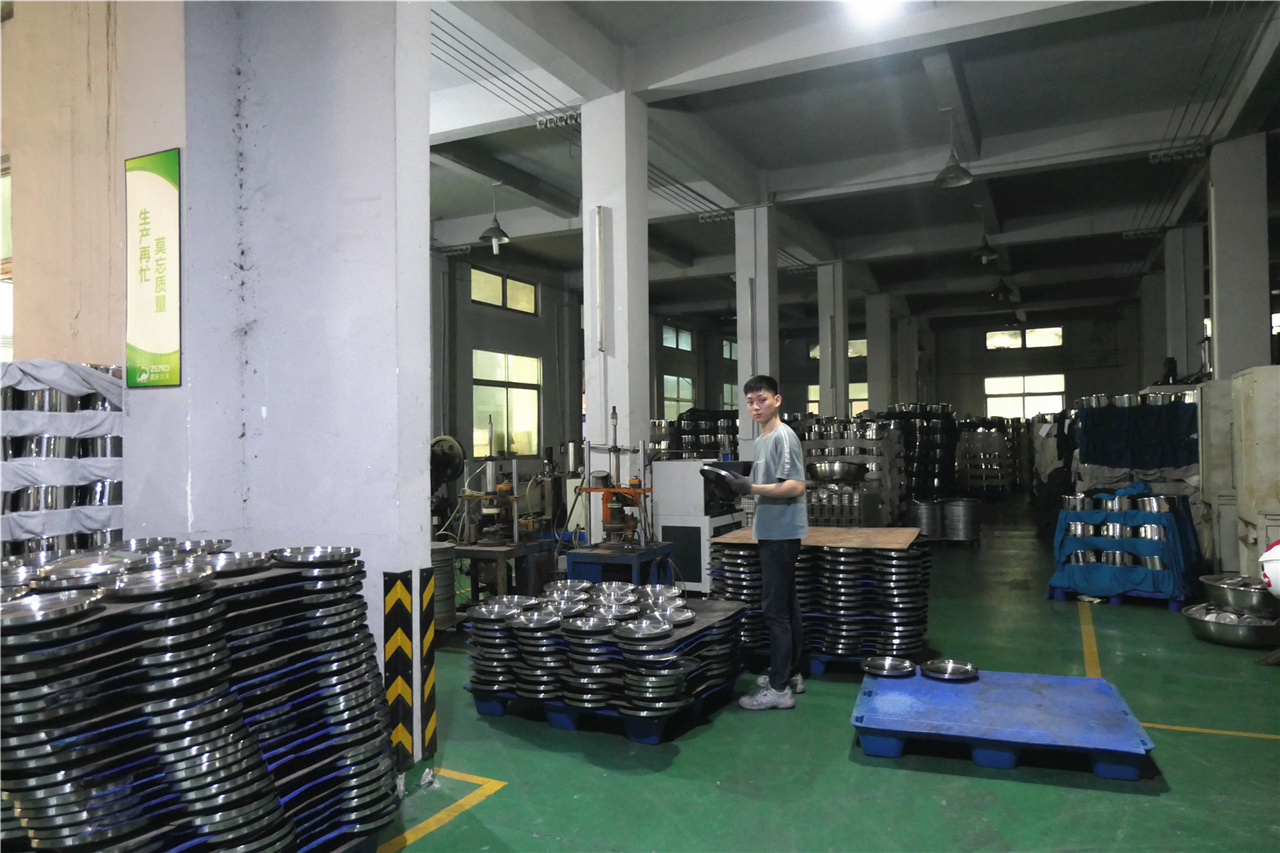
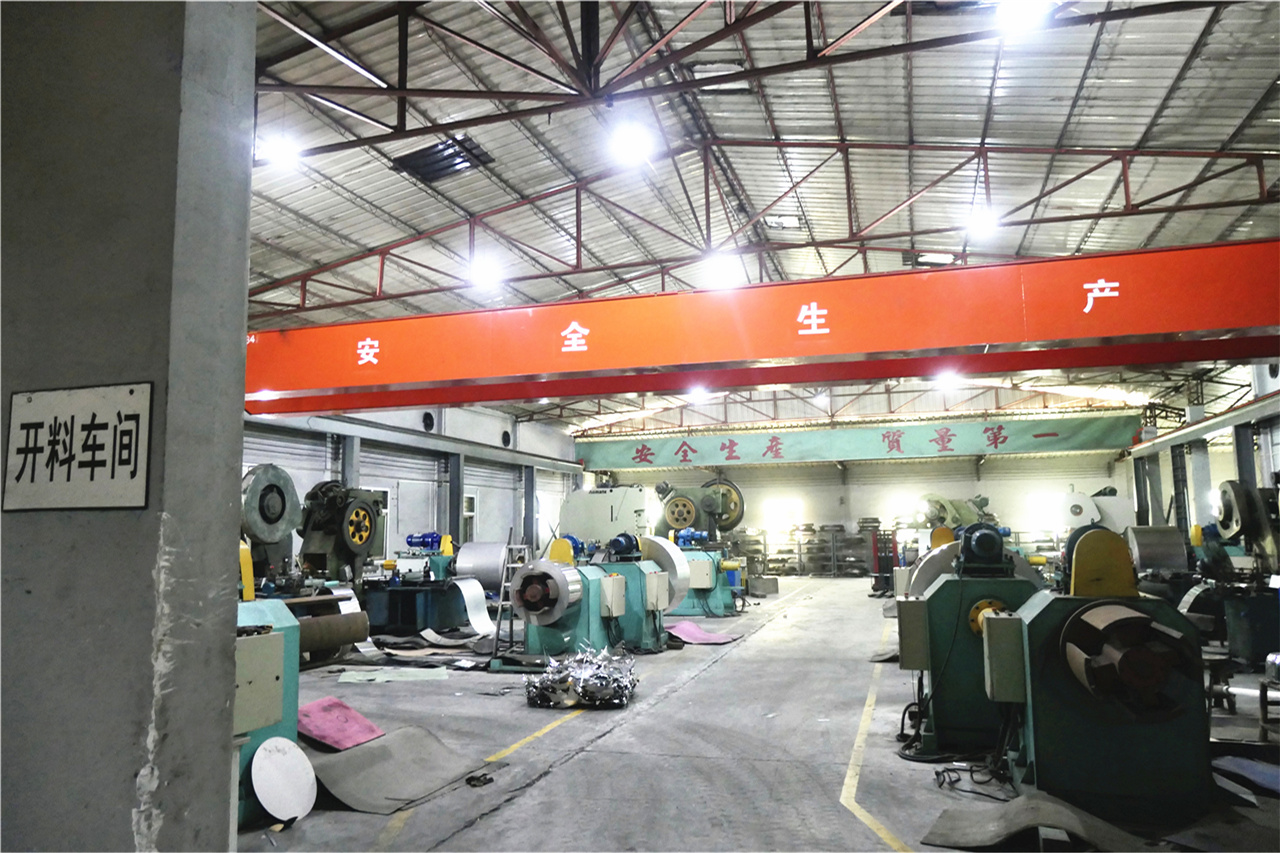
When sourcing stainless steel products for the Vietnamese market, commercial buyers must navigate several critical quality metrics to ensure safety, durability, and compliance with local import regulations. Below are the key factors to consider when choosing a manufacturing partner:
While SUS201 is more economical, it is prone to corrosion when exposed to acidic foods or high humidity. For long-term food contact, SUS304 is the industry standard in Vietnam, offering superior rust resistance and food safety certification compliance.
Industrial and commercial use cases require a minimum metal thickness of 0.6mm to 1.0mm to prevent denting and deformation under heavy usage. High-precision automated stretching ensures uniform wall thickness across the entire bowl body.
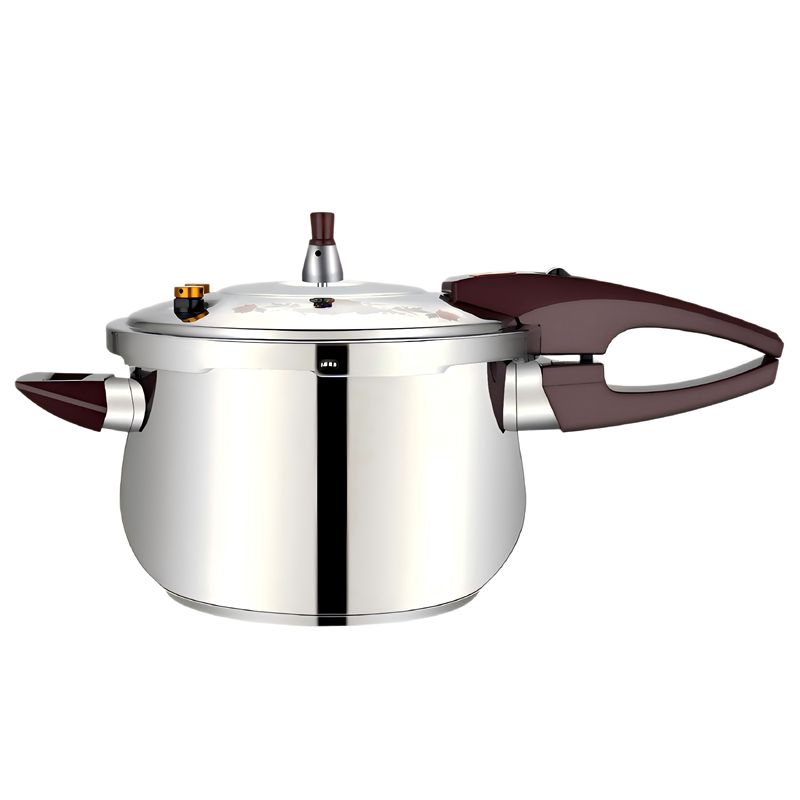
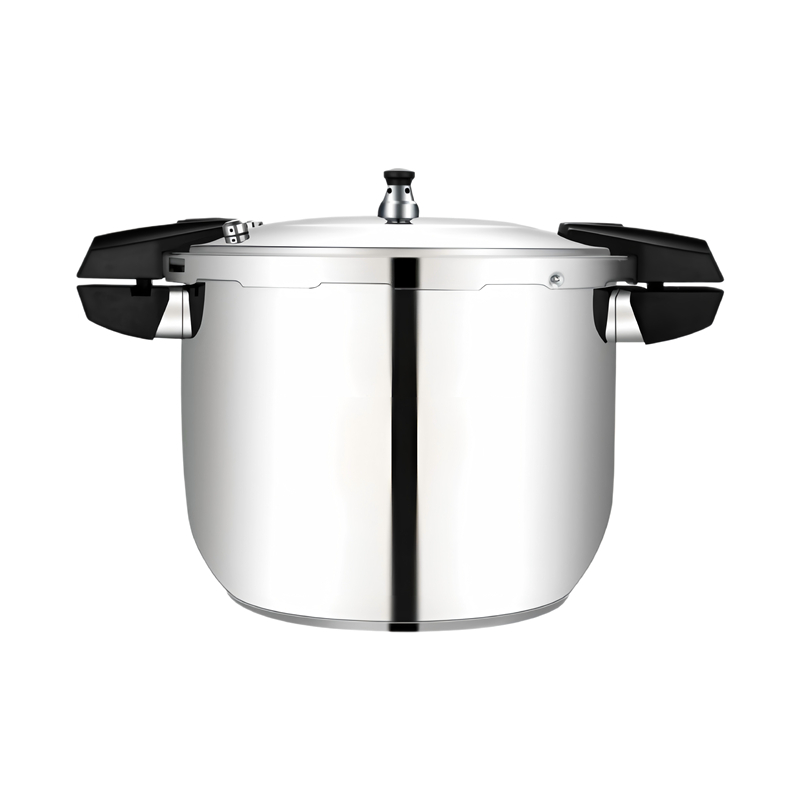
Looking back over the past thirty years, ZENLO Company has grown from a small hardware manufacturing factory into an industry benchmark enterprise with its own brand, patented products, and a modern production system. Looking to the future, we will continue to uphold our original aspiration of "making good cookware with heart," continuously exploring ways to further expand overseas markets and better serve every customer, striving to become a trusted provider of kitchen living products for global consumers, including our valued partners across Vietnam.
Inquire Now