
Leave Your Message
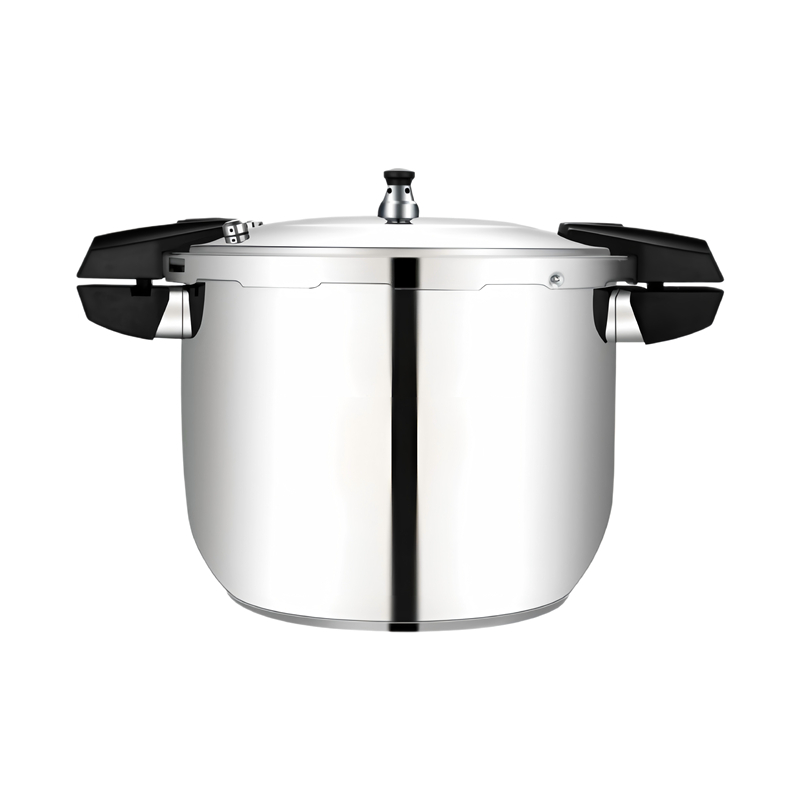
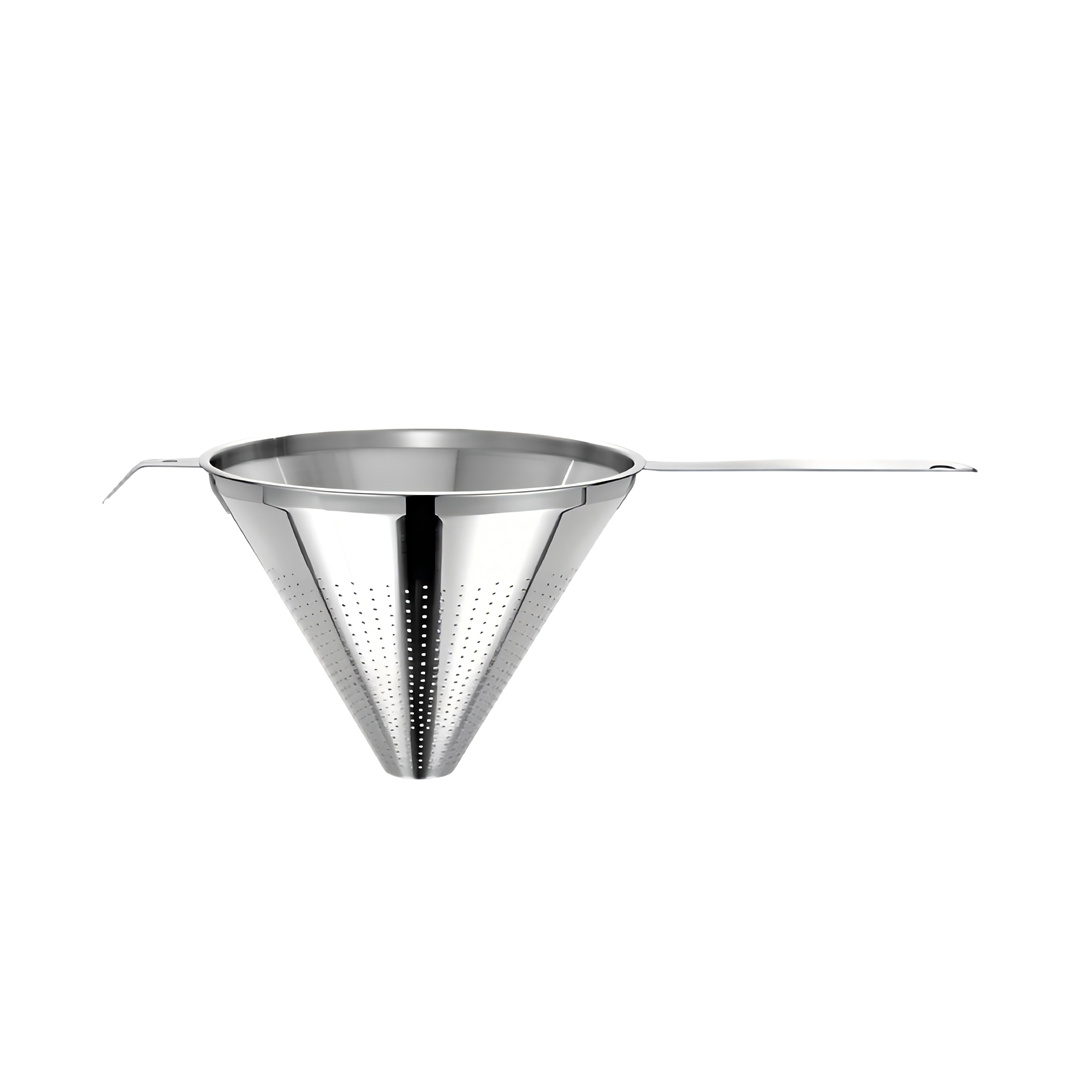
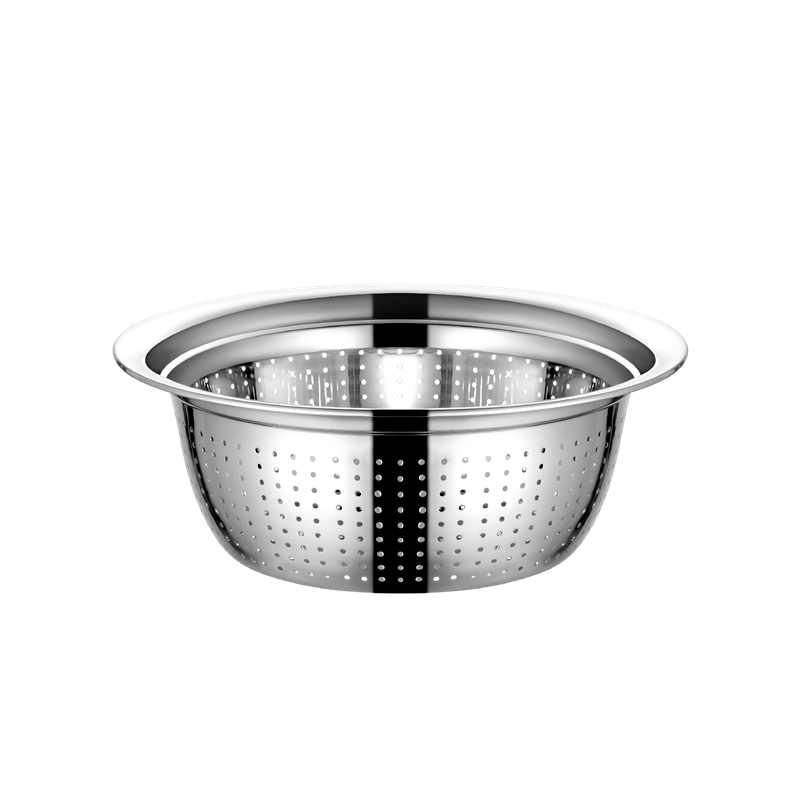
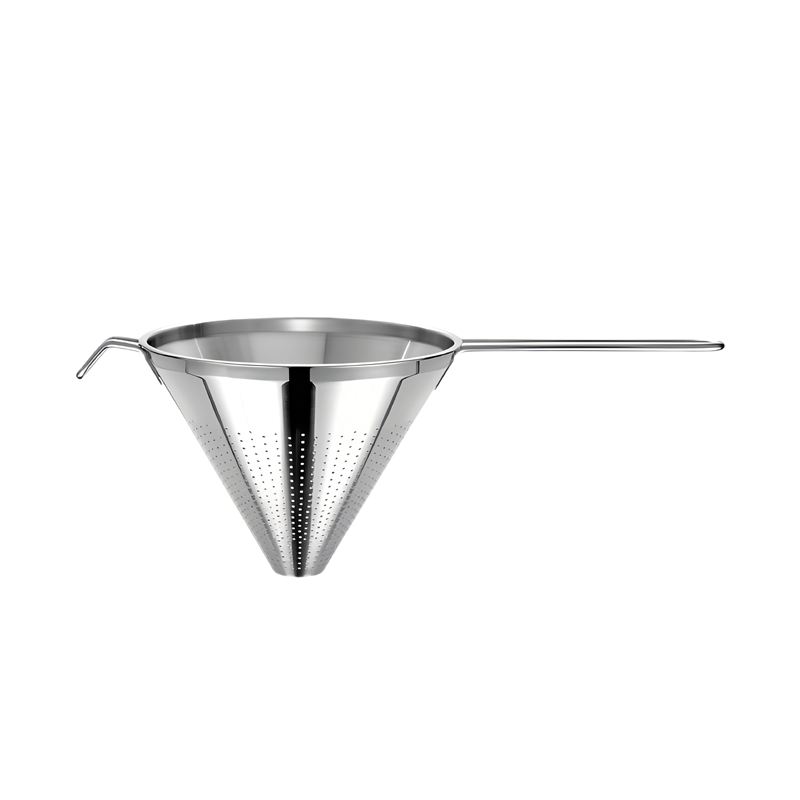
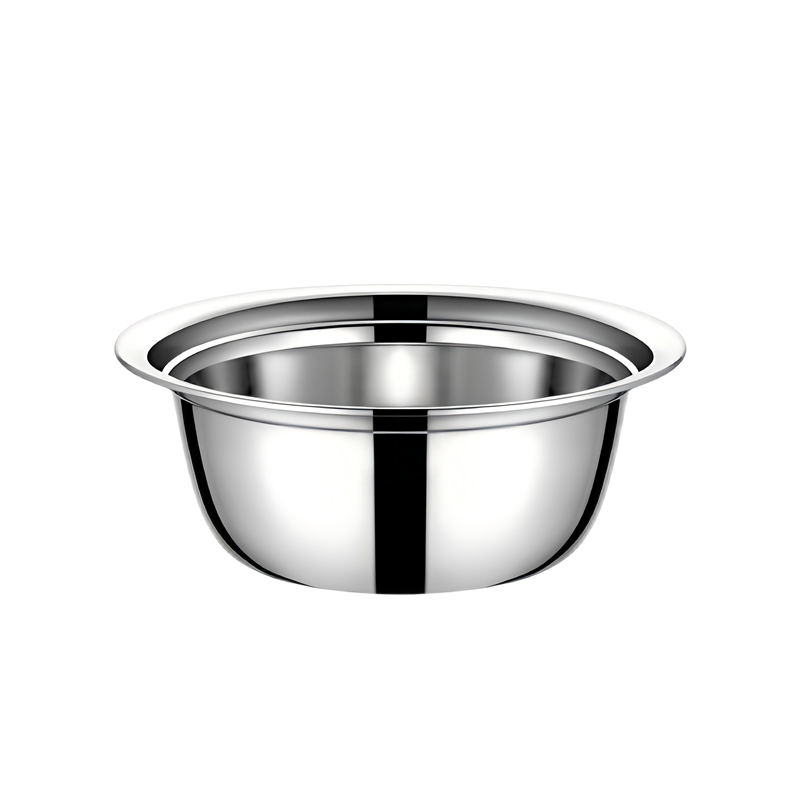
Singapore, recognized globally as a premier culinary hub and financial center of Southeast Asia, maintains exceptionally high standards for food safety and environmental hygiene. Under the strict supervision of the Singapore Food Agency (SFA), commercial food establishments, central kitchens, and food processing plants are mandated to utilize materials that prevent cross-contamination and ensure long-term durability. Consequently, the market demand for professional-grade stainless steel bowls, basins, and preparation containers has witnessed significant growth.
From the bustling hawker centres of Maxwell and Lau Pa Sat to the high-volume central kitchens in Jurong, Senoko, and Pandan Loop, stainless steel is the material of choice. The local commercial sector prioritizes SUS304 and SUS316 food-grade stainless steel due to its exceptional resistance to corrosion, high temperatures, and chemical sanitizers. As Singapore continues to expand its food manufacturing sector and export local delicacies globally, the reliance on high-quality stainless steel prep-ware, mixing bowls, and filtration funnels has become a cornerstone of industrial food processing operations.
Guaranteed lead-free and acid-resistant, complying fully with Singapore Food Agency (SFA) hygiene frameworks.
Seamless welding and smooth wide-edge designs prevent bacterial buildup and ensure easy cleaning.
100% recyclable materials supporting Singapore's Green Plan 2030 by eliminating single-use plastics.
Furthermore, Singapore's humid tropical climate accelerates the wear and tear of low-quality kitchenware. Inferior metals are prone to rust and pitting, which can harbor dangerous pathogens. Professional culinary enterprises in Singapore are increasingly partnering with established manufacturers like ZENLO to source high-end, heavy-duty stainless steel bowls and accessories that offer superior structural integrity and longevity.
To understand the commercial importance of stainless steel bowls in Singapore, one must examine the specific localized applications across the island's diverse F&B landscape:
1. Central Kitchens & Catering Operations: Large-scale food caterers supplying schools, hospitals, and corporate offices in Singapore rely heavily on industrial-sized stainless steel mixing bowls and preparation basins. These operations involve handling large batches of ingredients, requiring containers that can withstand automated mixing, quick temperature transitions from blast freezers to steam tables, and rigorous sanitation in commercial dishwashers.
2. Traditional Hawker & Food Court Stalls: In high-turnover environments like Kopitiams and food courts, prep bowls are subjected to continuous usage, dropped on hard tile floors, and washed hundreds of times a day. Standard ceramic or plastic bowls degrade rapidly under these conditions. Deep, wide-edge stainless steel basins provide hawkers with lightweight, virtually indestructible, and highly hygienic vessels for holding ingredients, washing vegetables, and mixing sauces.
3. Modern Cafes & Artisanal Bakeries: Singapore's vibrant café culture, localized in trendy districts like Tiong Bahru and Tanjong Pagar, demands kitchenware that balances aesthetic elegance with commercial utility. Satin-finished, double-walled stainless steel bowls are frequently used for dough proofing, batter preparation, and open-kitchen food displays, projecting a clean, high-tech, and professional image to customers.
4. Pharmaceutical & Laboratory Facilities: Beyond the food industry, Singapore's thriving biomedical sciences sector in One-North utilizes ultra-clean, high-grade stainless steel bowls and funnels for handling chemical compounds, preparing media, and maintaining sterile environments, where plastic containers are unsuitable due to chemical reactivity.
The kitchenware industry is undergoing a significant transformation driven by automation, material science, and sustainability. In Singapore, where labor costs are high and efficiency is paramount, commercial kitchens are adopting "smart" workflows. Stainless steel bowls and preparation systems are being redesigned to integrate seamlessly with automated food processing lines. Features like laser-etched measurement markings, standardized stackable designs for space optimization, and compatibility with induction heating are becoming industry standards.
Another major trend is the demand for "Ultra-Clean" surface treatments. Electropolished interiors and satin exterior finishes not only enhance the aesthetic appeal but also reduce food adhesion, making cleaning faster and reducing water and detergent consumption. As businesses align with the Singapore Green Plan 2030, investing in durable, long-lasting stainless steel hardware is seen as a strategic move to minimize environmental impact and lower operational costs over time.
Since 1994, ZENLO Company has witnessed and participated in the complete journey of China's stainless steel kitchenware industry from nothing to something, from weak to strong. Thirty years of development is a history of struggle from "based in Chao'an" to "selling globally." Through the accumulation of the domestic market, the precise development of overseas channels, and the agile transformation in the digital age, the company is steadily moving towards its goal of becoming a "century-old hardware brand."
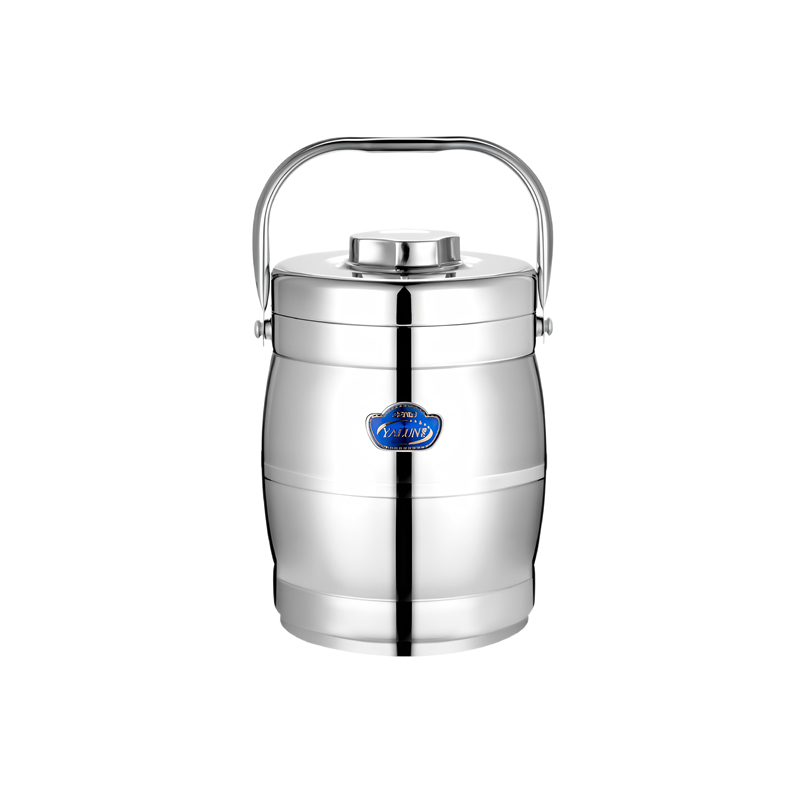
Amidst the wave of reform and opening up, ZENLO's predecessor—"Zhenlong Hardware Factory"—was established in 1994. In its early days, we seized the policy opportunities of "processing with supplied materials, processing with supplied samples, and compensation trade," relying on a few simple machines and dozens of employees, starting with OEM and ODM under our own brand, laying the foundation for the later "ZENLO" and "YALUN" brands. During this period, we primarily learned from and imitated others to establish the initial form of our enterprise. We accumulated the most basic production experience, introduced fundamental quality management standards, and established a firm foothold in Guangdong's manufacturing cluster based on our reliable reputation.
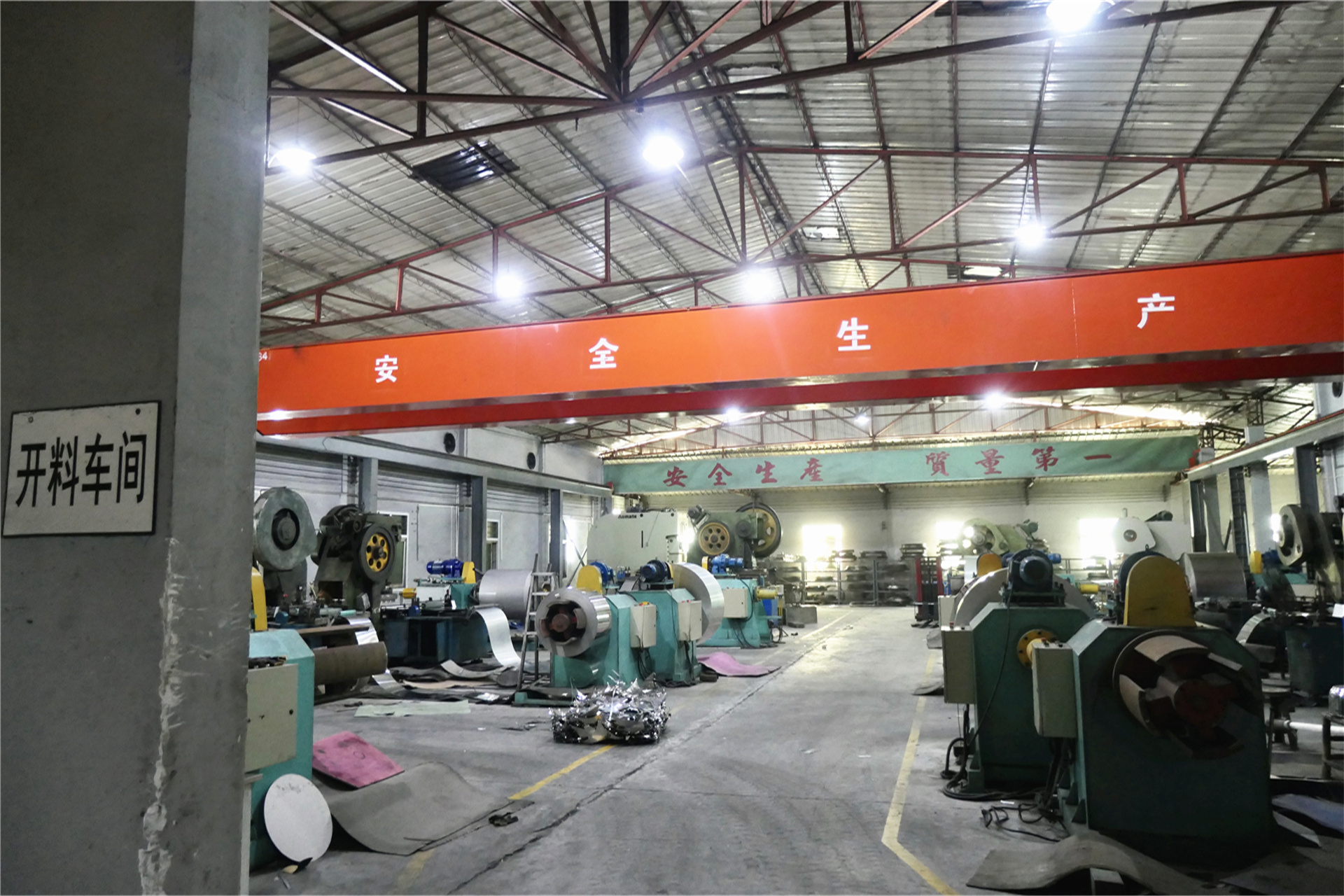
With China's accession to the WTO, overseas orders poured in. We rapidly expanded our production scale and cooperated with major markets across the country. While meeting international market demands, we keenly recognized the importance of our own brand, aligning it with our corporate development goals. Later, we successively developed new products, promoted our brand, and simultaneously entered the domestic market. Through participation in various hotel supplies exhibitions, we initially established domestic sales channels, achieving strategic synchronization between corporate culture and branded products.
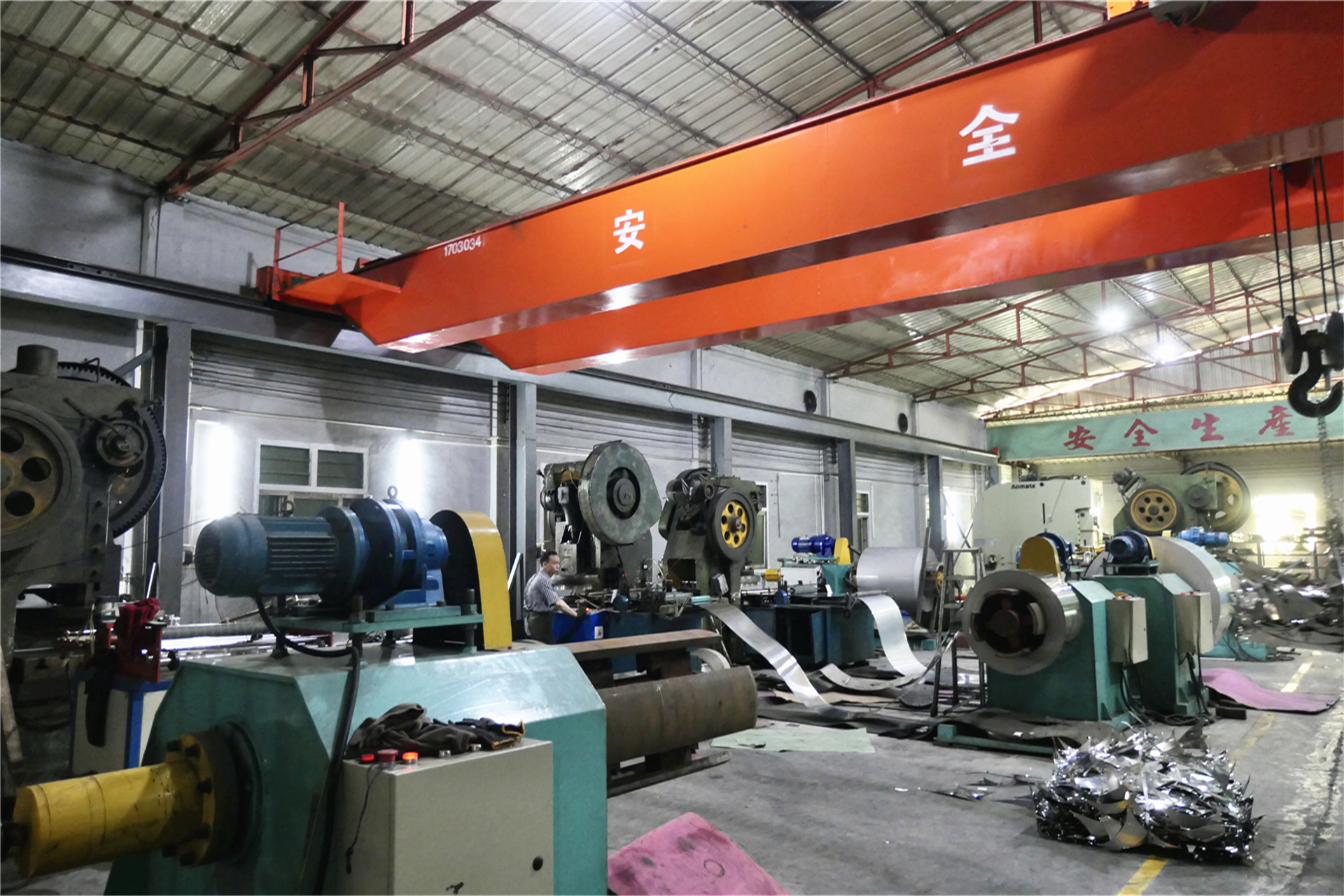
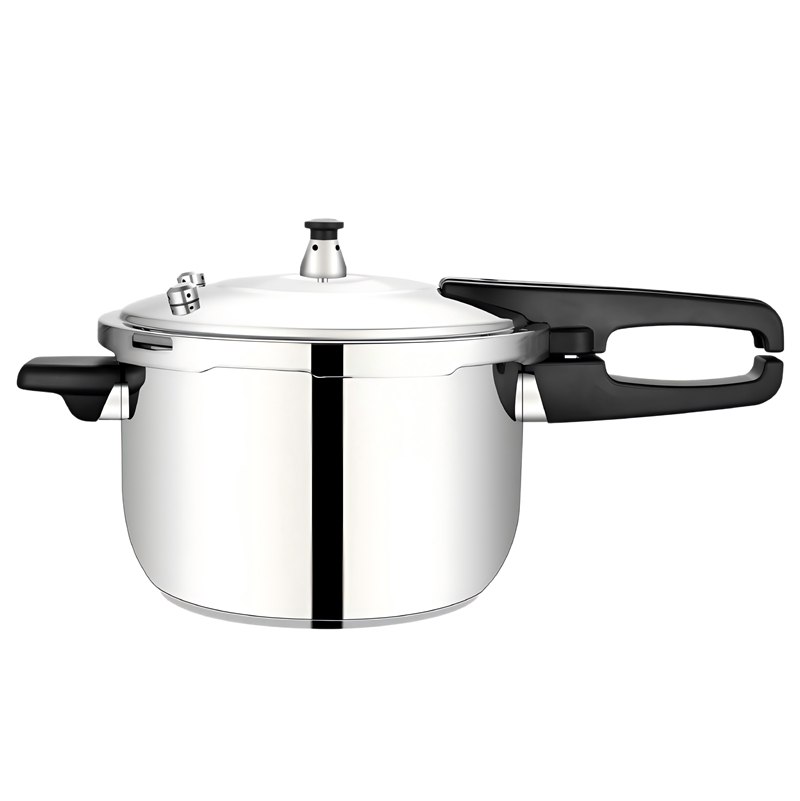
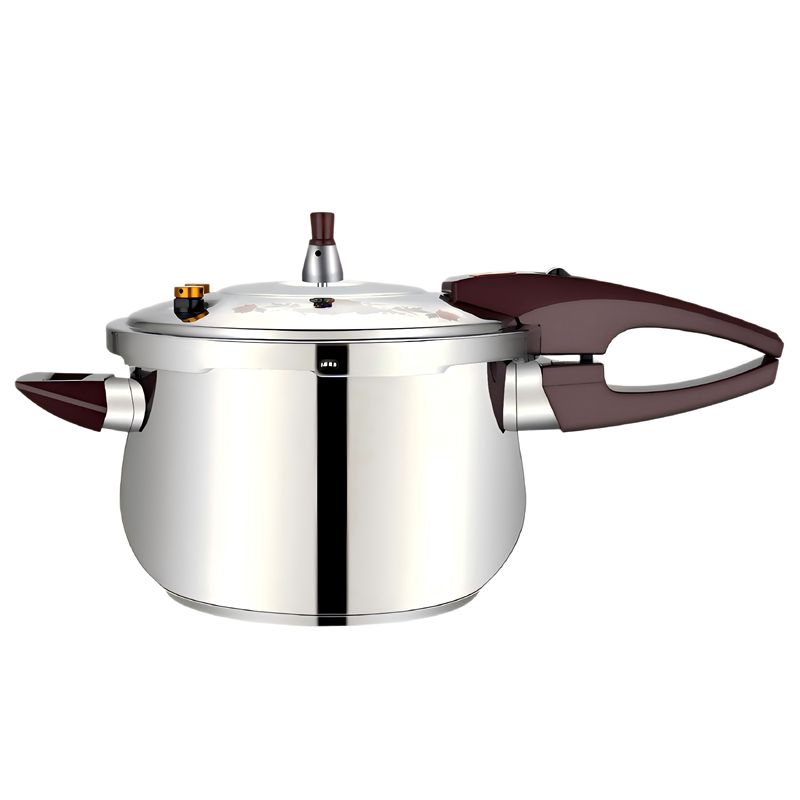
Faced with increasingly fierce market competition and rising labor costs, the factory resolutely embarked on a path of transformation and upgrading. In 2013, ZENLO Company was officially established. We invested heavily in technological upgrades, introducing industry-leading fully automated stretching production lines and laser welding technologies in 2014, significantly improving production efficiency and product precision. Simultaneously, we vigorously promoted branding, launching a stylish, mid-to-high-end sub-brand targeting the new generation of consumers, emphasizing healthy cooking. We also hired a professional design team to ensure our products combine practicality and aesthetic value. In 2017, we launched a brand-new production line—pressure cookers—dedicated to creating safe and reliable pressure cookers. We prepared for this for a long time, and our research and development of pressure cookers has become increasingly proficient, with various models gaining popularity among customers.
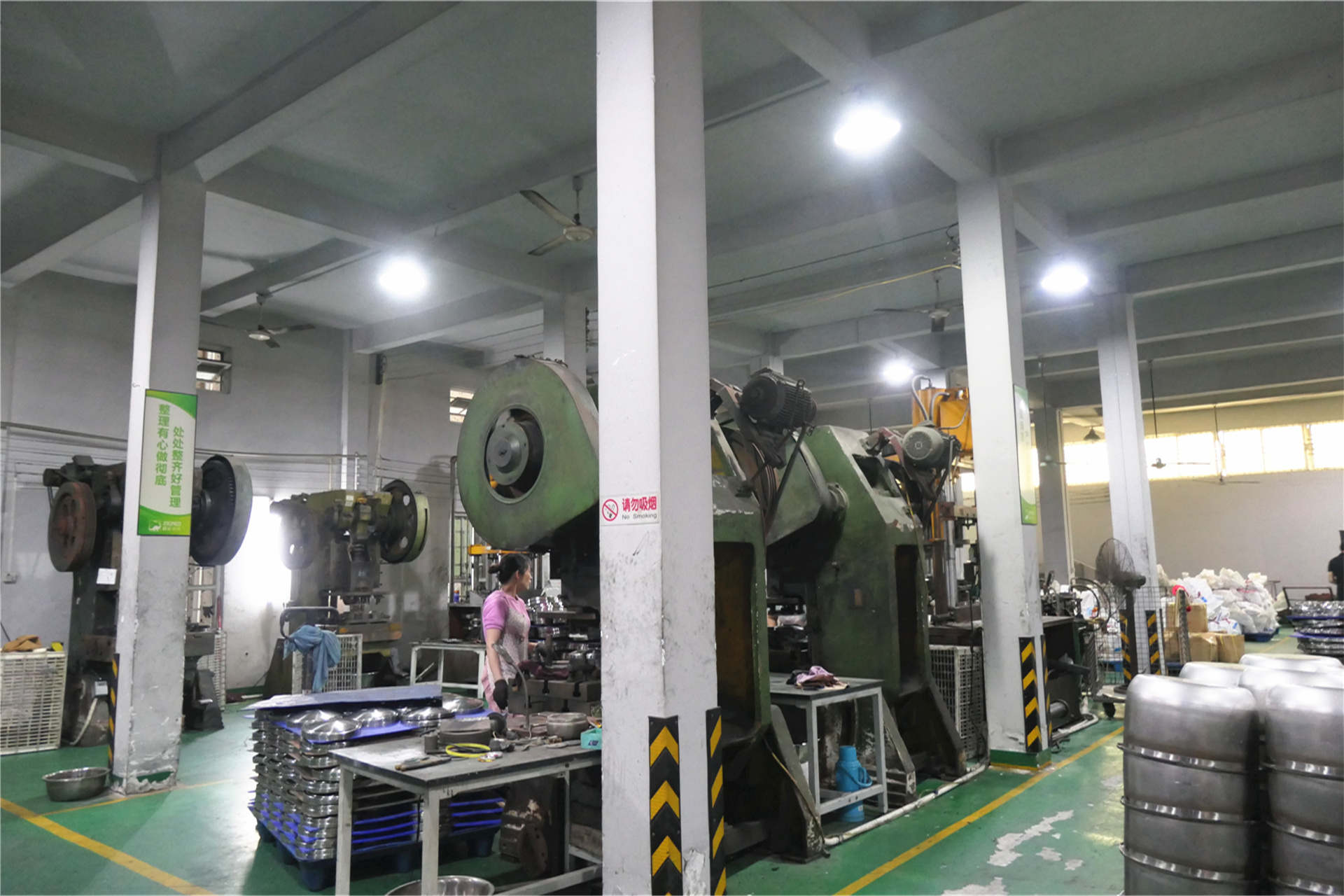
Entering a new decade, ZENLO Company is driven by "innovation" and "globalization." Driven by the internet age, we have implemented online ordering through major internet platforms and a corporate website, providing convenient services to more customers. At the product level, we have gradually launched more high-end and refined cooking utensils, creating a better environment for kitchen life and ensuring customers feel more comfortable and safe when using "ZENLO" brand products. Meanwhile, we actively respond to the national "dual-carbon" goals, researching and promoting the use of more environmentally friendly materials and processes, fulfilling our corporate social responsibility.
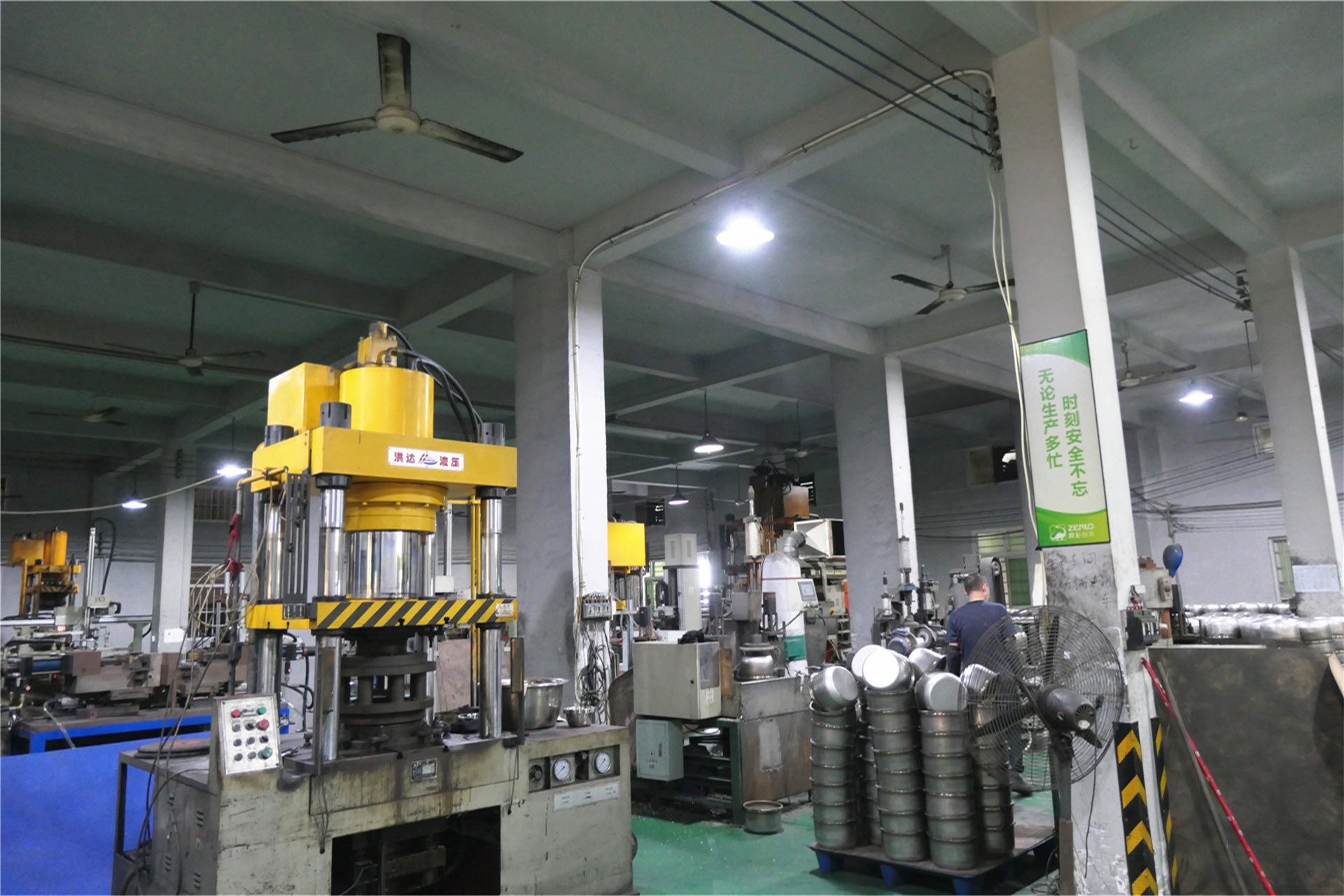
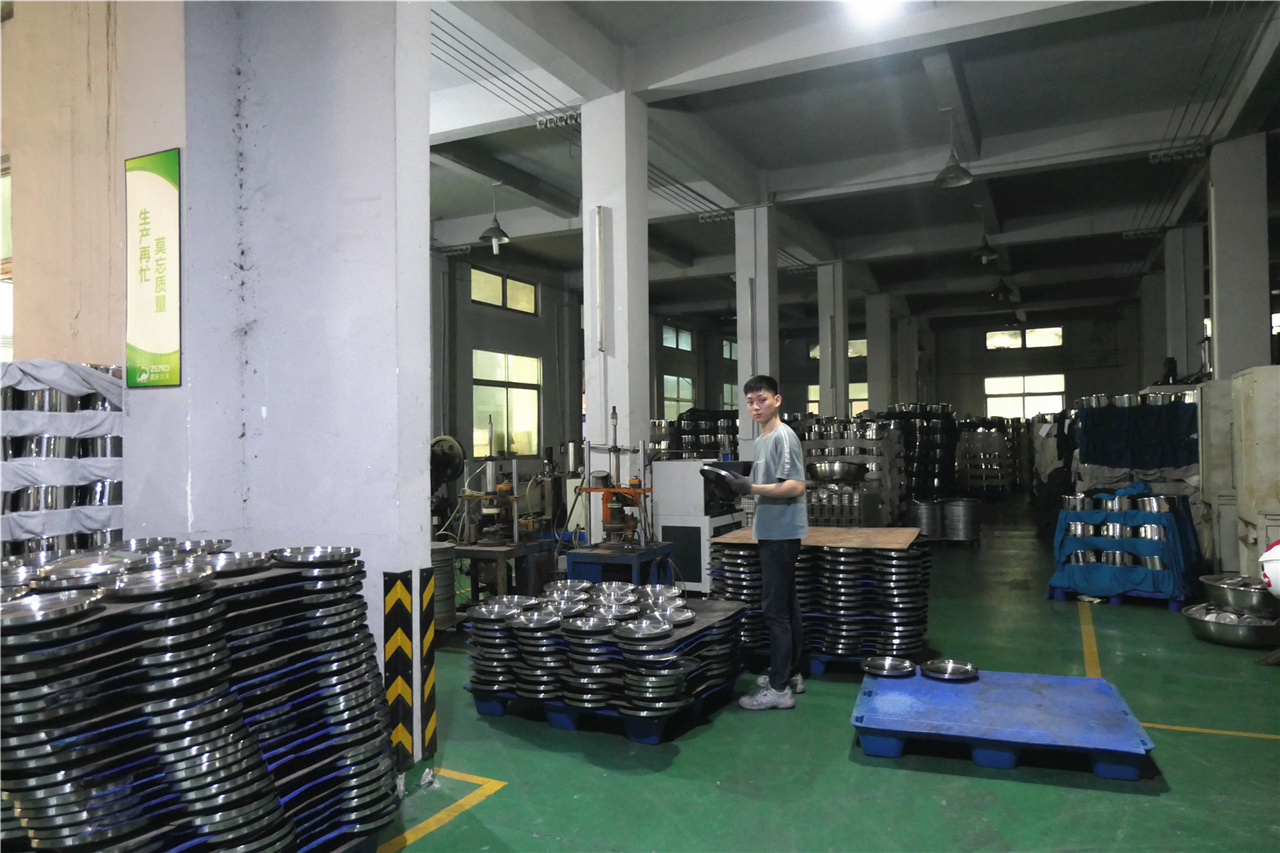
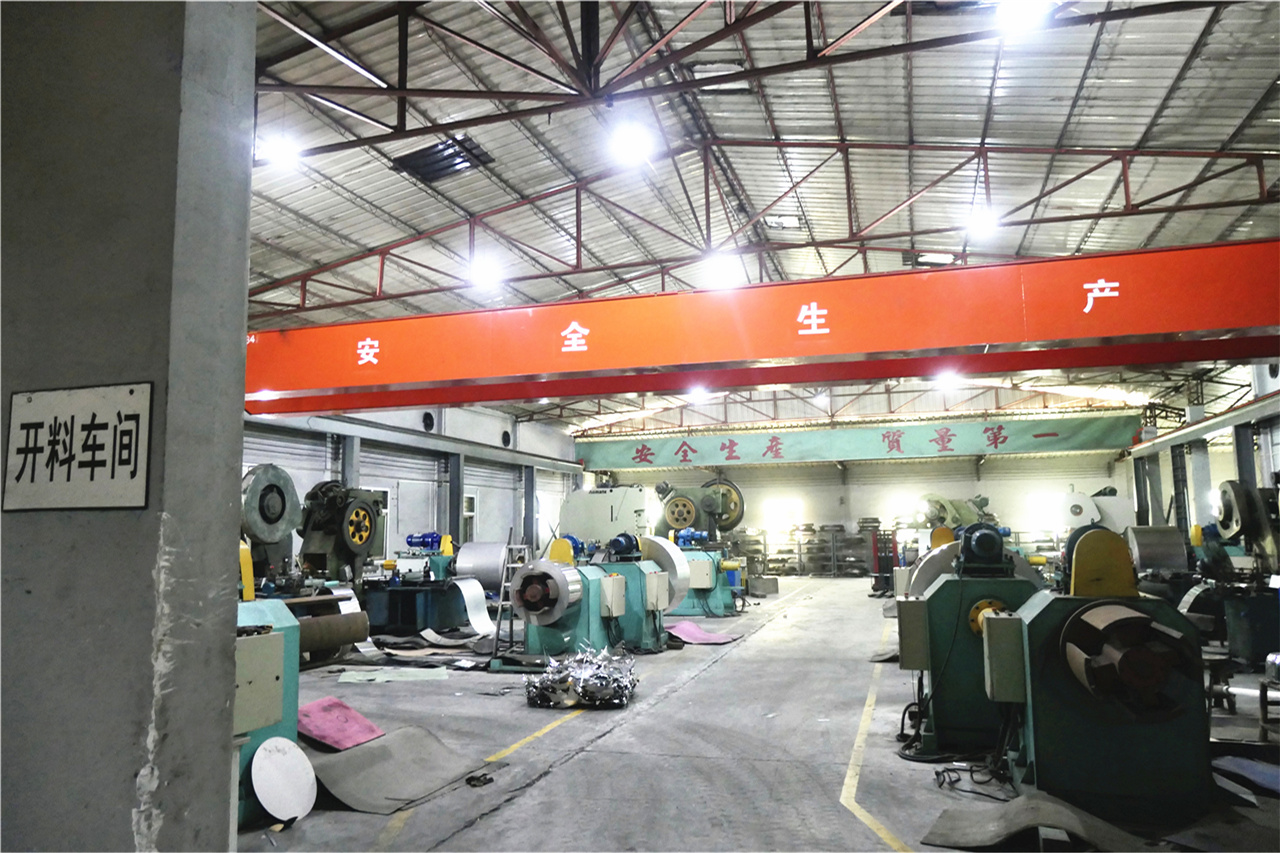
Our manufacturing facilities are equipped with state-of-the-art machinery, including automated hydraulic press lines, advanced surface polishing machines, and precise laser engraving systems. This ensures that every stainless steel bowl, basin, and kitchen accessory we produce meets the strict dimensional and quality requirements of our Singaporean and international clients.
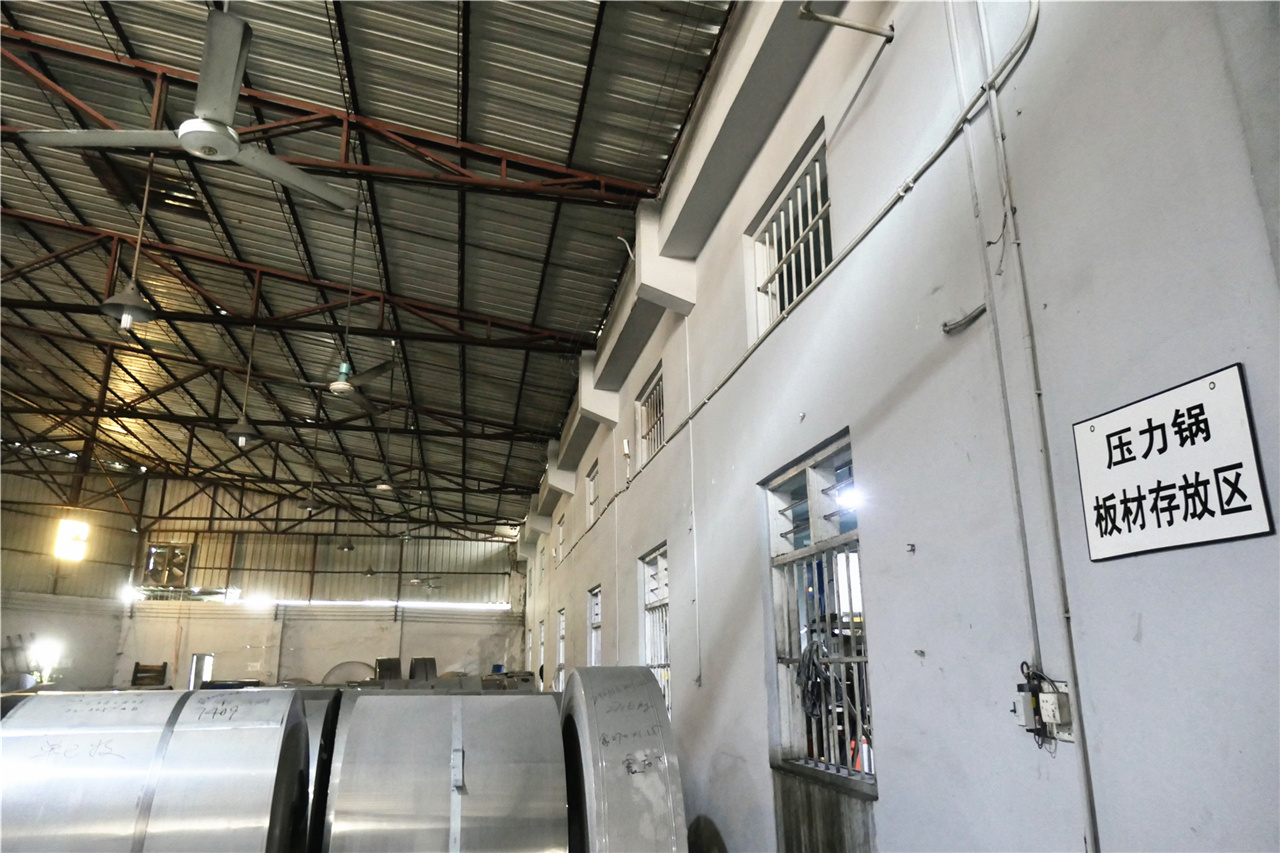
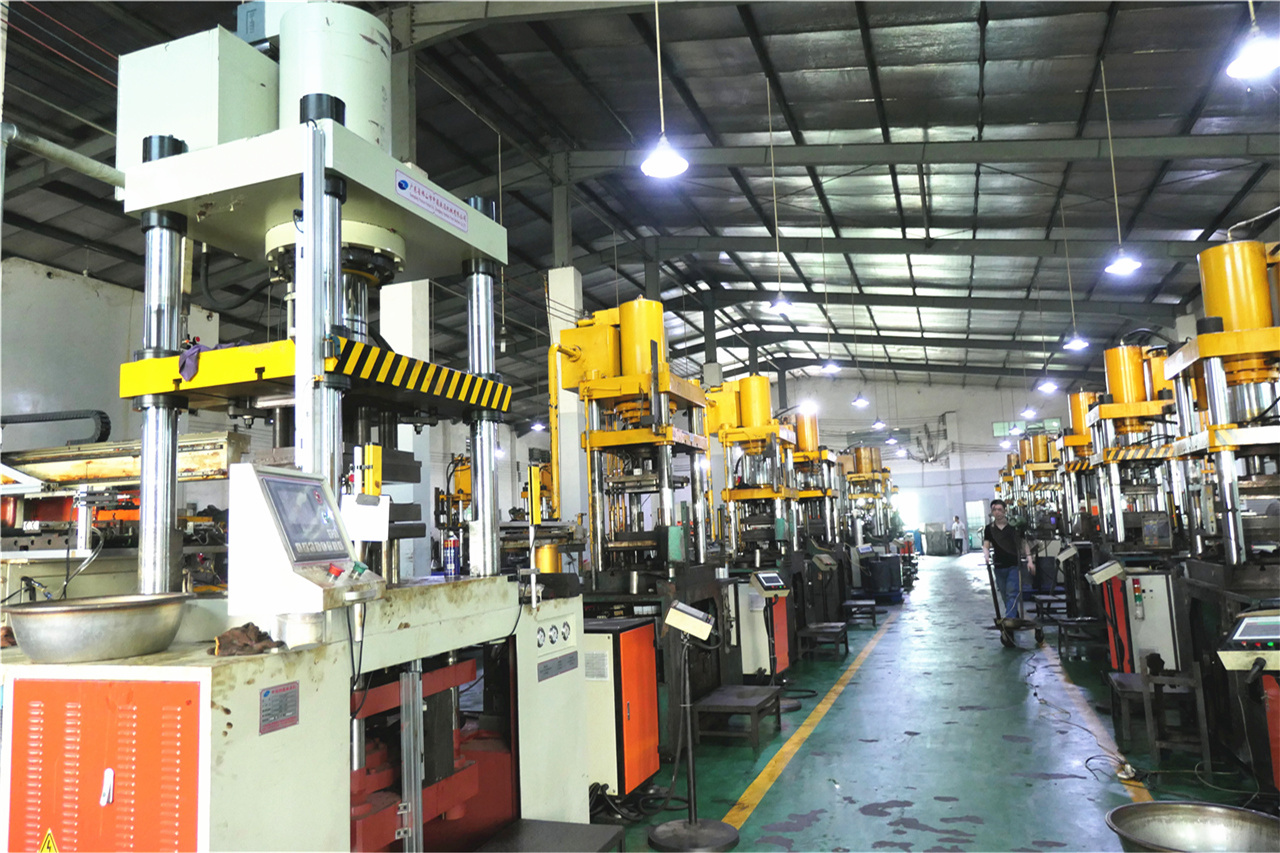
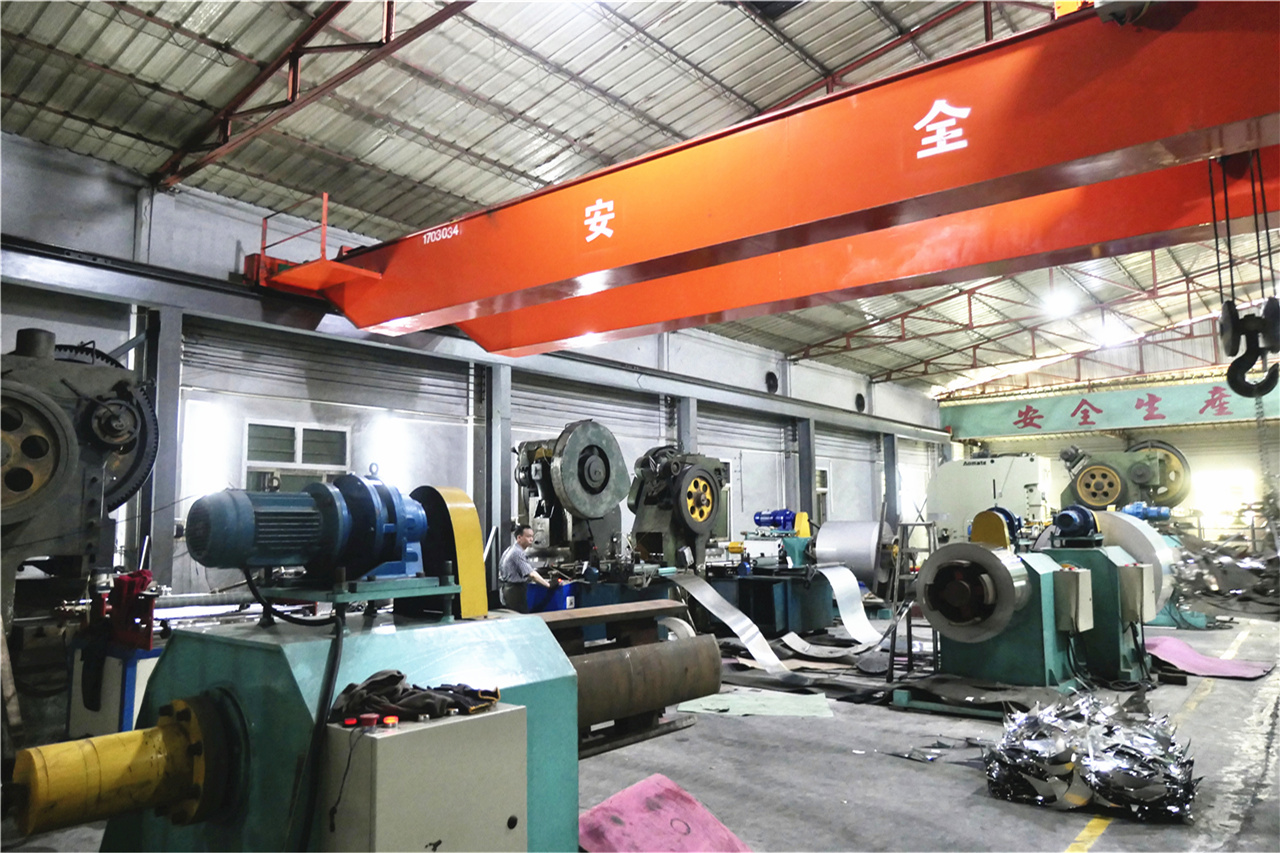
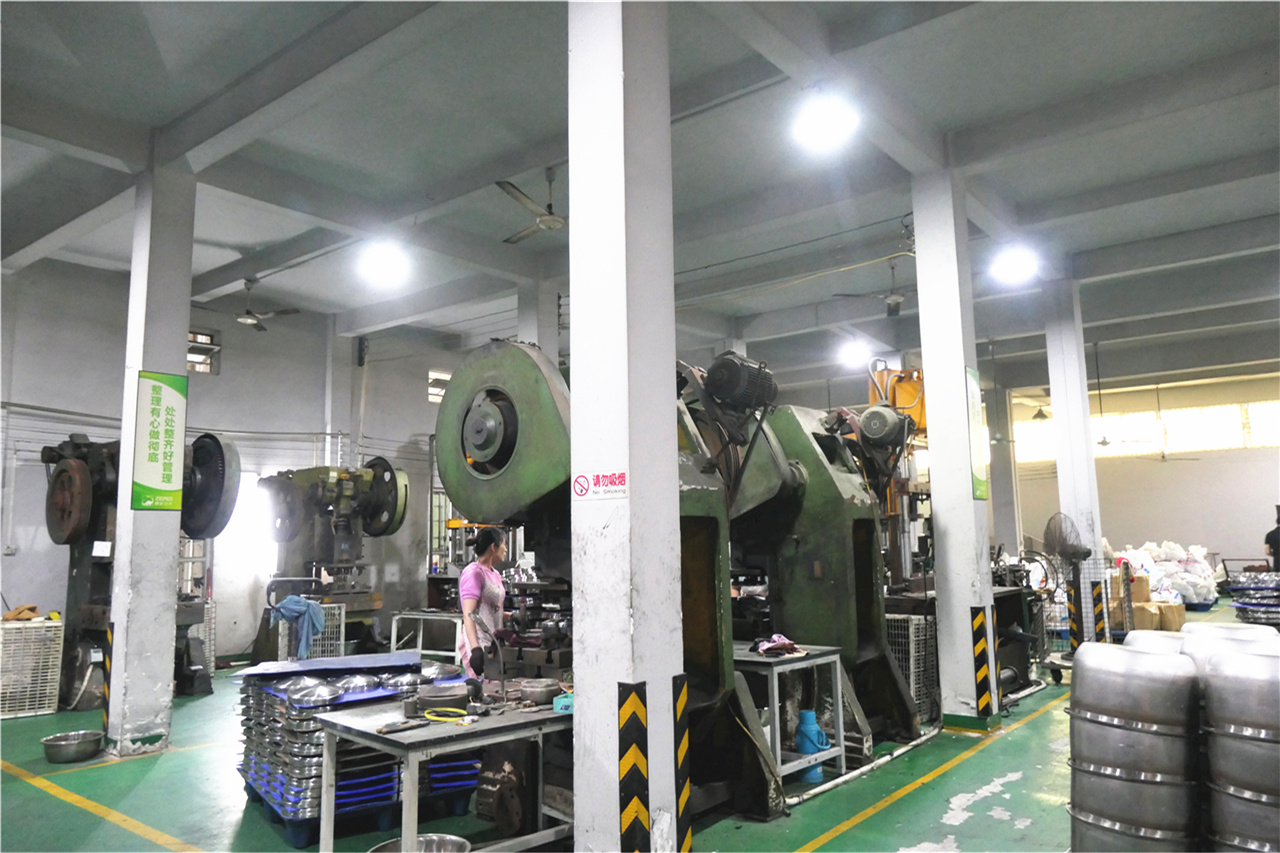
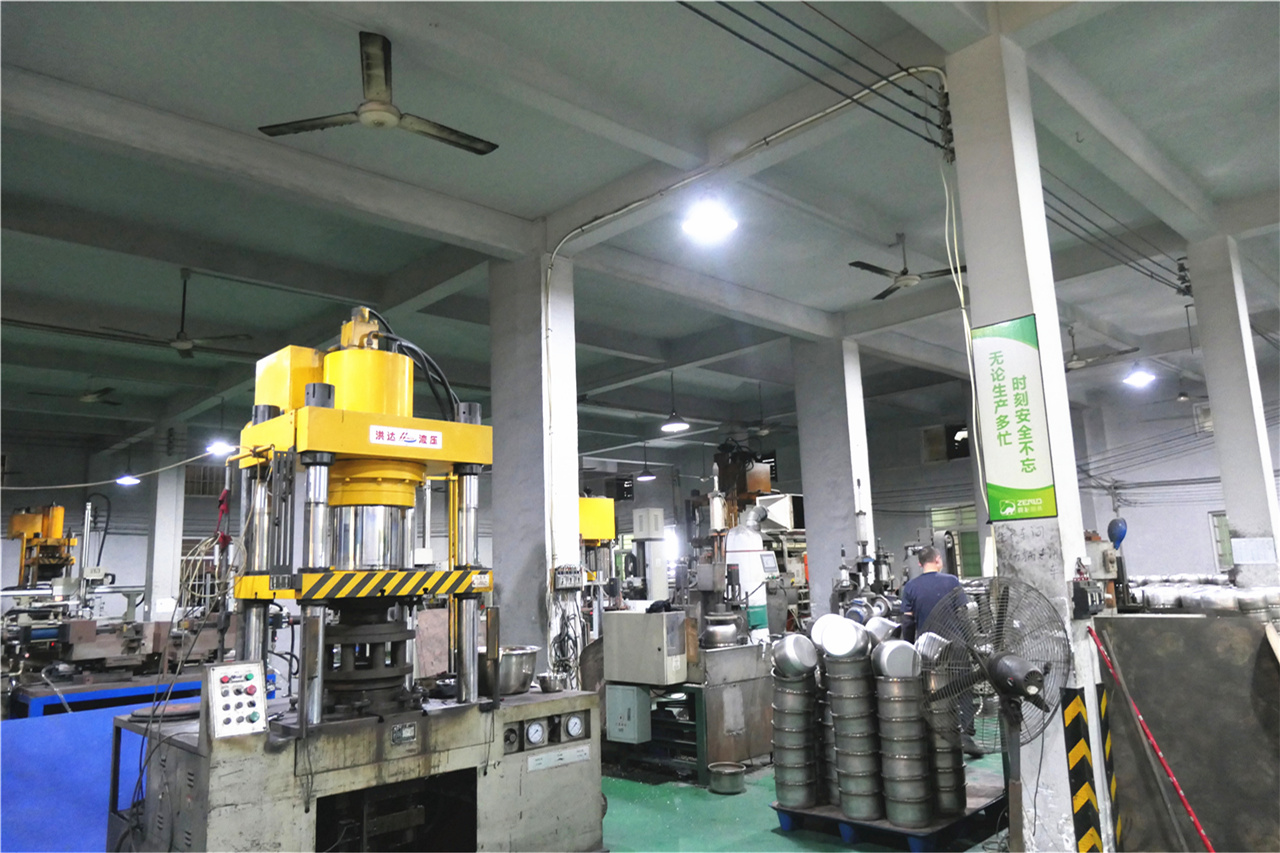
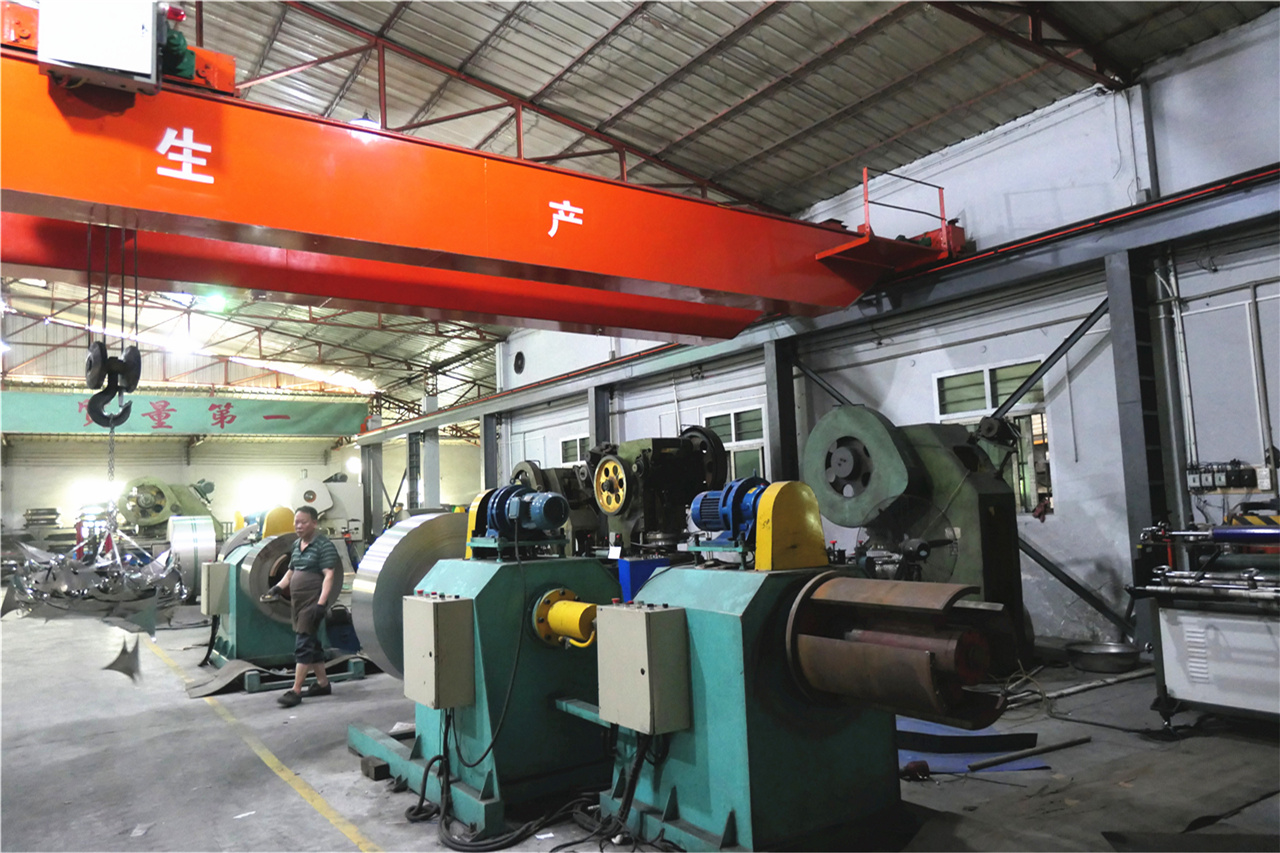
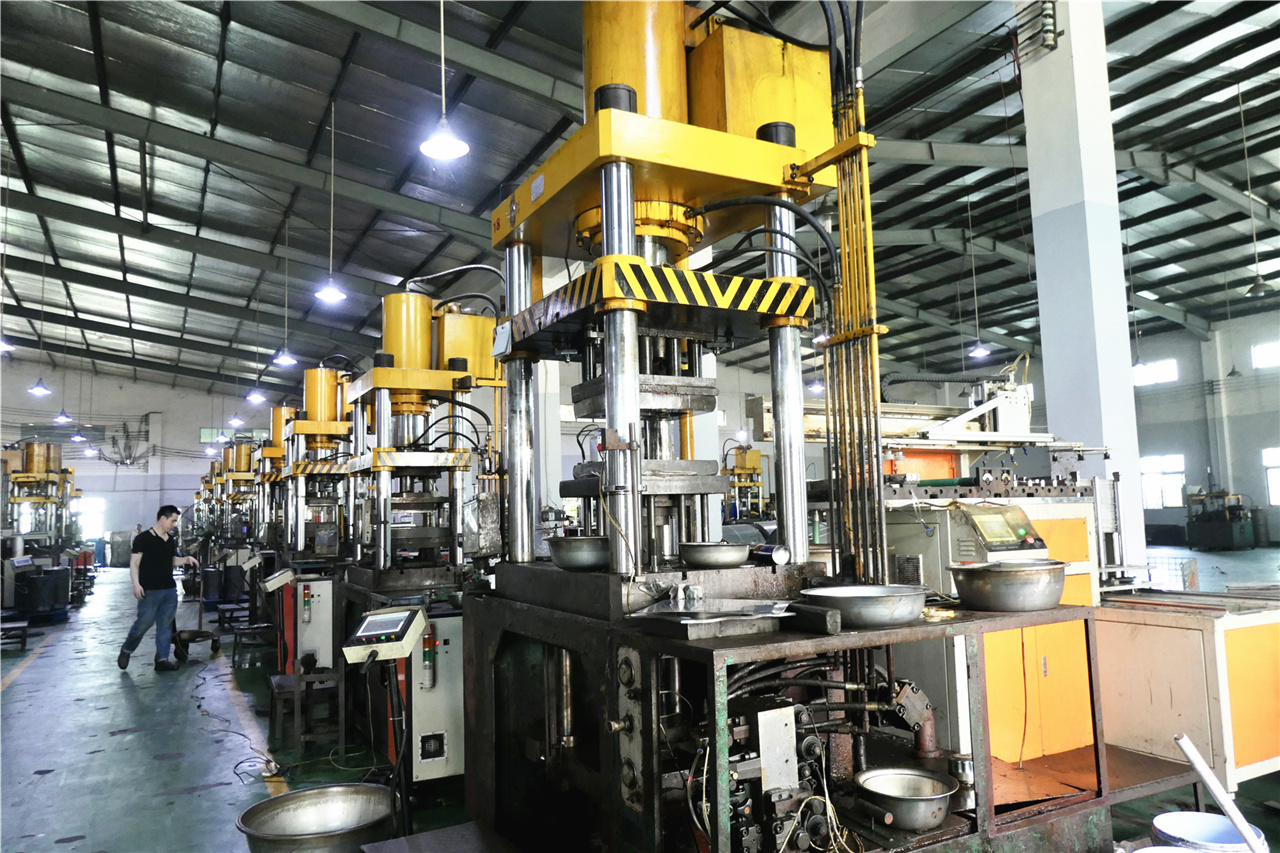
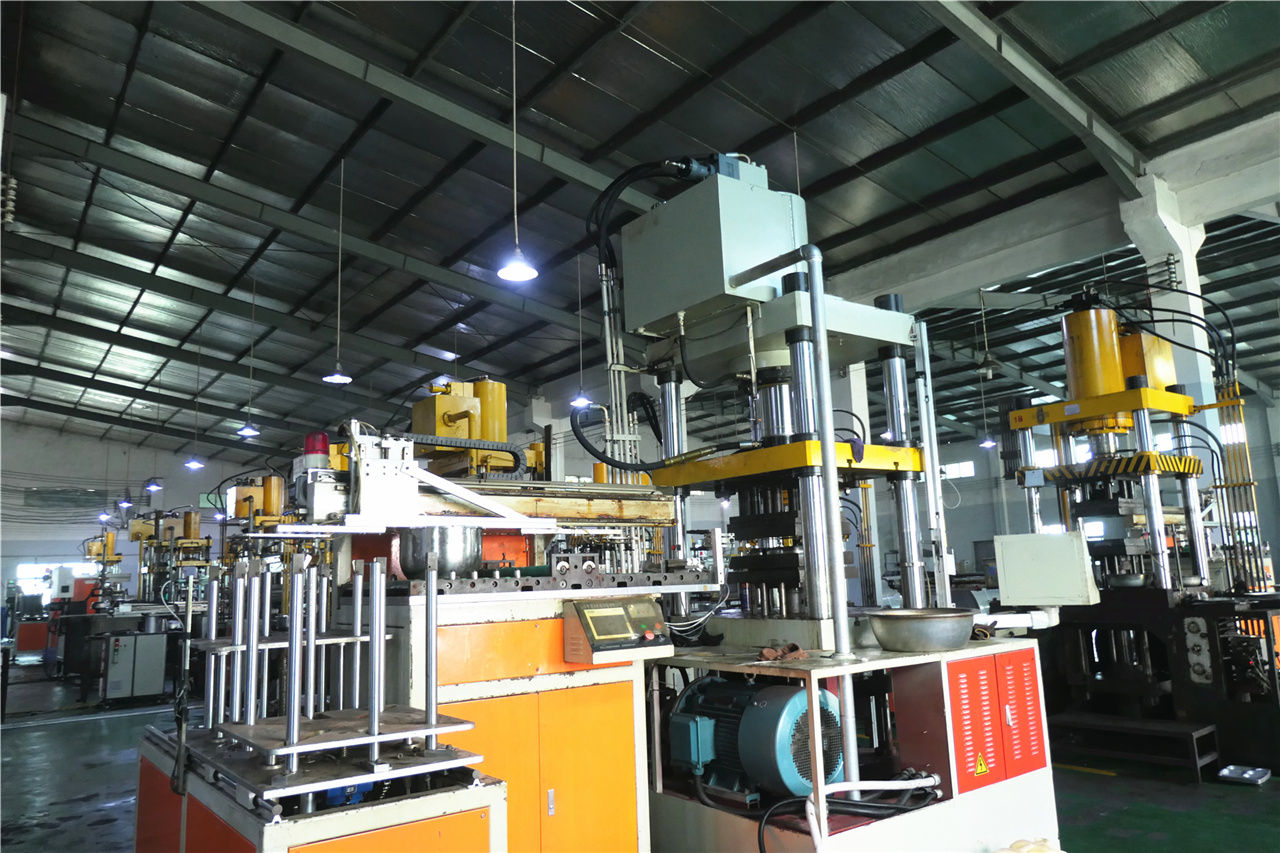
Looking back over the past thirty years, ZENLO Company has grown from a small hardware manufacturing factory into an industry benchmark enterprise with its own brand, patented products, and a modern production system. Looking to the future, we will continue to uphold our original aspiration of "making good cookware with heart," continuously exploring ways to further expand overseas markets and better serve every customer, striving to become a trusted provider of kitchen living products for global consumers.
Contact Our Singapore Sales Representative