
Leave Your Message
Optimized for rapid service, thermal efficiency, and rigorous sanitization protocols in school and hospital catering.
Maintains optimal chilled temperatures for school self-service salad bars.
Learn More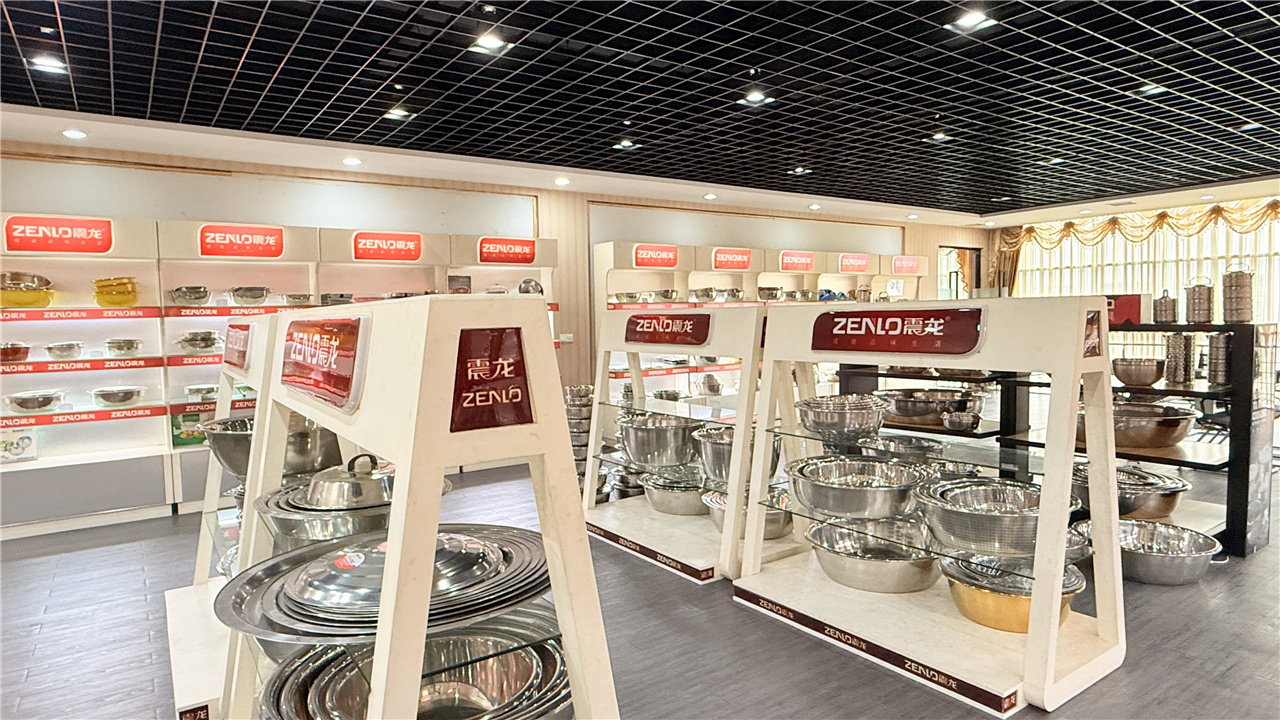
Hospital-grade stainless steel with specialized easy-clean surfaces.
Learn More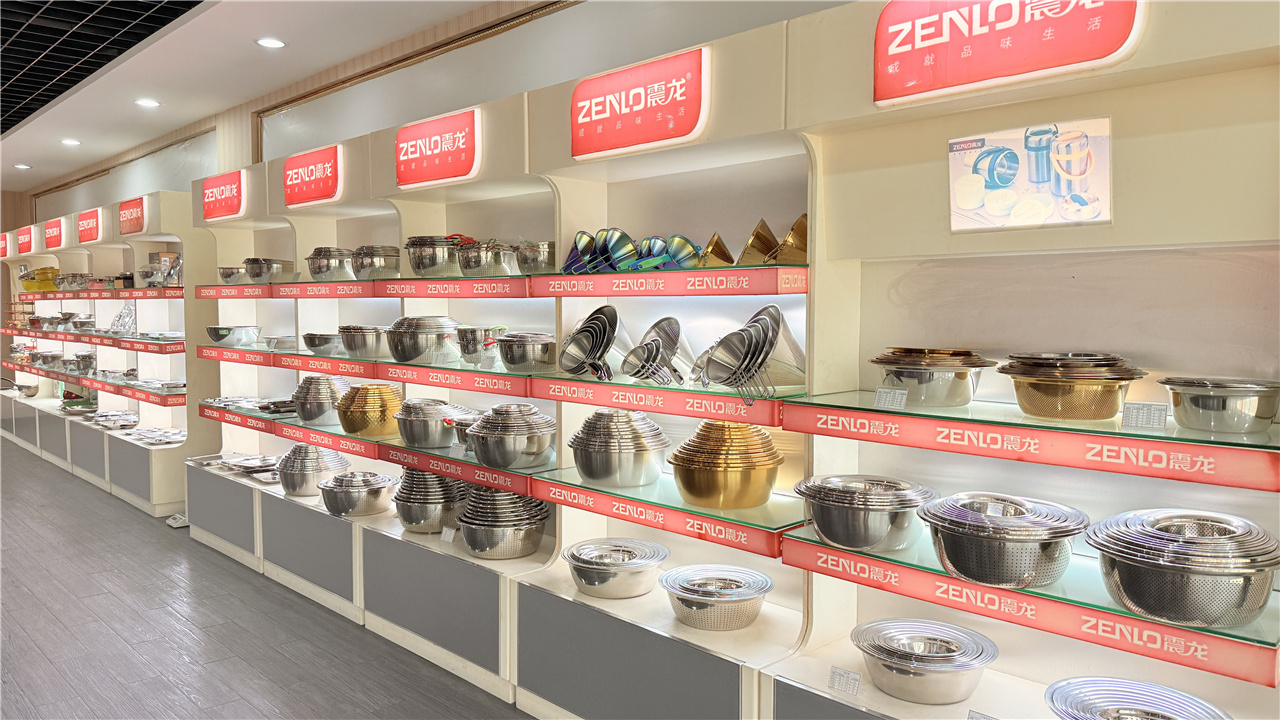
Ergonomically designed for high-density storage and quick retrieval.
Learn More
Impact-resistant structure suitable for heavy-duty commercial dishwashers.
Learn MoreAnalyzing the shift toward safe, sustainable, and highly efficient foodservice systems in public sectors.
The institutional catering sector—spanning educational institutions from kindergarten to universities, and healthcare facilities including public clinics and multi-specialty hospitals—is undergoing a profound transformation. Historically, these facilities relied heavily on plastics, melamine, or low-grade ceramics. However, rising awareness of chemical leaching (such as BPA and phthalates), combined with stringent public health regulations, has shifted the demand toward high-performance food-grade stainless steel.
Today, a salad serving bowl for school and hospital canteen catering is no longer just a simple container. It is a critical component of the food safety chain, designed to meet rigorous HACCP (Hazard Analysis Critical Control Point) parameters. Manufacturers must engineer these products to withstand constant thermal cycling, aggressive chemical sanitization, and high-frequency physical impacts without degrading.
Hospital-acquired infections (HAIs) and foodborne illness outbreaks in schools are major public health concerns. Modern canteen setups require serving ware that prevents bacterial colonization. Stainless steel salad serving bowls offer a non-porous, smooth surface that resists biofilm formation, making them the preferred choice for infection control specialists and dietary directors alike.
Governments worldwide are implementing policies to combat childhood obesity and improve patient recovery rates through nutrition. This has led to the proliferation of self-serve salad bars in schools and customized, nutrient-rich dietary plans in hospitals. To present fresh greens, raw vegetables, and cold grains attractively, canteens require specialized serving bowls that maintain food at safe temperatures (below 4°C / 40°F) for extended serving windows. The demand for double-walled, vacuum-insulated serving ware has surged as a direct result of these fresh food initiatives.
How specialized design features solve real-world operational challenges in diverse catering environments.
In school environments, the primary challenges are speed of service, equipment durability, and student safety. During peak lunch hours, hundreds of students pass through the line within a tight 30-to-45-minute window. Serving equipment must be lightweight enough for staff to refill quickly, yet robust enough to survive being dropped on tiled floors.
Our stainless steel salad serving bowls feature rolled rims for safe handling, preventing accidental cuts. The high structural integrity of the steel ensures that even if dropped, the bowls will not crack, chip, or splinter—eliminating the risk of physical contaminants entering the food supply. Furthermore, the bright, clean aesthetic of polished stainless steel enhances the visual appeal of colorful vegetables, encouraging students to make healthier dietary choices.
In healthcare facilities, patient recovery is directly linked to nutrition and hygiene. Hospital kitchens operate under sterile conditions similar to laboratory environments. Serving ware must undergo thermal sanitization in commercial conveyor dishwashers, reaching temperatures exceeding 82°C (180°F).
The salad serving bowls used in hospitals must be completely corrosion-resistant to withstand chlorine- or quaternary ammonium-based sanitizers. Double-walled insulated variations are particularly crucial here; they allow cold salads to travel from the central kitchen to distant patient wards via dietary carts without losing their crispness or nutritional value. The non-reactive nature of high-grade stainless steel ensures that acidic dressings (containing vinegar or citrus) do not corrode the metal or alter the taste of the food.
Explore our state-of-the-art display centers and manufacturing capabilities.
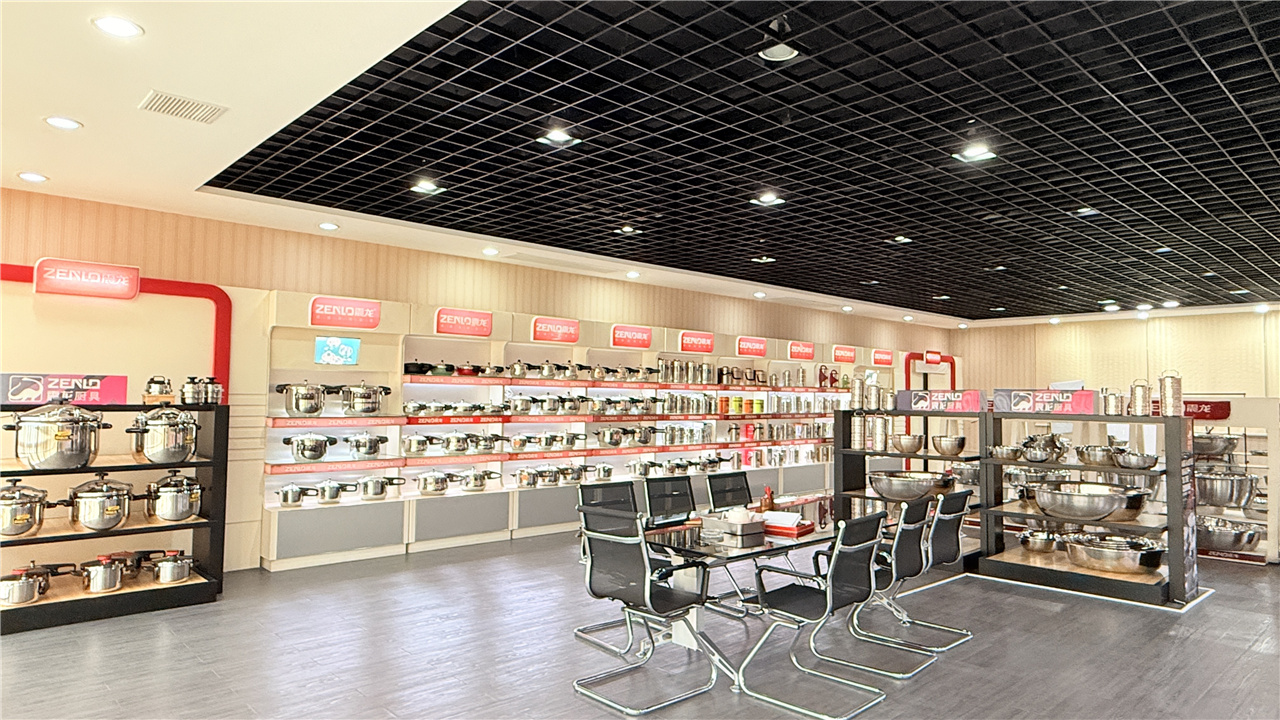
Showcasing our latest innovations in commercial kitchenware and catering equipment.
Dedicated zone for high-capacity school and hospital serving bowls.
Comprehensive collection of our patented stainless steel solutions.
Why our stainless steel kitchenware outperforms alternative materials in institutional settings.
We utilize premium-grade austenitic stainless steel (such as 304 and 316 grades) for our catering bowls. These alloys contain high levels of chromium and nickel, which form a self-healing, microscopic chromium oxide film on the surface of the bowl. This passive layer is what prevents rust, staining, and corrosion even when exposed to harsh sanitizing chemicals and acidic food ingredients daily.
In contrast to plastic alternatives, which can scratch easily and harbor pathogens within those micro-scratches, our stainless steel bowls maintain a smooth, non-porous finish. This ensures that during the washing cycle, detergents can completely remove all food residues and microbiological contaminants.
For hospital and school canteens where salads must remain chilled for hours, single-walled bowls often fall short, leading to condensation and rapid temperature rise. Our double-wall insulated salad serving bowls feature a sealed air gap (or vacuum chamber) between the inner and outer walls.
This thermal barrier minimizes heat transfer via conduction and convection. It keeps the salad cold and fresh, reduces the need for ice-bed displays (which can be a source of waterborne contamination), and prevents external condensation, keeping the serving line dry and clean.
While the initial procurement cost of stainless steel kitchenware is higher than that of plastic or melamine, the lifecycle cost is significantly lower. Stainless steel bowls do not crack, fade, or stain over decades of use. They are 100% recyclable at the end of their lifecycle, aligning with the green procurement policies and zero-waste goals of modern educational and healthcare systems.
Browse our versatile selection of heavy-duty, food-grade stainless steel serving solutions.
Standard single-wall salad bowl with reinforced rim for K-12 canteens.
View Details
Electropolished interior to prevent organic buildup in hospital wards.
View Details
Double-wall insulation designed for long-duration buffet serving lines.
View Details
Dual-purpose bowl optimized for both prep work and canteen presentation.
View Details
Stylish exterior ribbing for improved grip and modern visual appeal.
View Details
Features colored base rings to prevent cross-contamination of allergens.
View Details
Compact footprint designed to fit standard hospital dietary trays perfectly.
View DetailsAnticipating the next generation of smart and sustainable canteen solutions.
As schools and hospitals transition to automated, smart kitchens, inventory management is becoming increasingly digitized. Future iterations of salad serving bowls are incorporating embedded RFID chips or QR codes. This allows automated tracking of washing cycles, monitoring usage frequency, and optimizing inventory levels. Kitchen staff can easily trace which batch of bowls has been sanitized, ensuring strict compliance with local health department regulations.
Additionally, RFID tracking prevents loss in large facilities where serving ware might otherwise be misplaced across different floors, departments, or campuses, providing significant cost savings over time.
With an aging workforce in hospital dietary departments and a focus on student self-service in schools, ergonomics is a vital design consideration. Future salad bowls are being designed with contoured bases that sit securely in standard salad bar cutouts, preventing accidental tipping.
Integrated handles or textured grip zones are also becoming standard, allowing kitchen staff to lift and transport large volumes of heavy salads safely, reducing repetitive strain injuries (RSIs) and improving workplace safety.