
Leave Your Message
Explore our top-tier commercial salad bowl systems engineered specifically to withstand the rigorous demands of fast-food chains and high-traffic cafeteria dining environments.
Engineered with high-grade food-safe stainless steel, featuring reinforced double-wall insulation to maintain crisp salad temperatures throughout rush hour services.
Designed for rapid-stacking and space optimization in busy commercial kitchens. Specially treated scratch-resistant satin finish minimizes wear and tear.
An ergonomic design featuring integrated non-slip bases and wide rims for seamless handling by line servers in fast-paced casual dining environments.
Optimized for buffet lines, this collection offers superior thermal retention and a modern aesthetic that highlights ingredient freshness.
How our industrial salad bowl sets address the core challenges of commercial dining operations
Double-wall vacuum insulation keeps greens crisp, reducing waste and maintaining optimal serving temperatures in open buffet lines.
Precision-engineered nesting profiles maximize vertical storage space in tight commercial kitchens and prep areas.
Constructed from premium heavy-gauge stainless steel to resist denting, scratching, and chemical corrosion from commercial dishwashers.
The global fast-food and cafeteria dining landscape is undergoing a massive transformation. Driven by consumer demands for healthier dining options, the popularity of customizable salads, grain bowls, and cold prep dishes has surged. To keep pace with this shift, commercial operators must optimize every element of their front-of-house and back-of-house workflows. At the heart of this operational optimization is a seemingly simple yet highly engineered tool: the commercial salad bowl set.
Historically, commercial dining establishments relied on basic plastic or glass serving ware. However, as volume scaled and food safety regulations tightened, these materials fell short. Today, food chains, university dining halls, corporate cafeterias, and high-volume buffet lines require specialized tableware that can endure round-the-clock usage, maintain strict temperature controls, and present food in an appealing, fresh manner. This has propelled stainless steel salad bowl sets to the forefront of the commercial kitchenware industry.
The market for commercial-grade salad bowl sets has transitioned from generic utility items to highly specialized, engineered assets. In an industry where profit margins are thin and operational speed is paramount, the choice of serving vessels directly impacts profitability. Modern commercial salad bowls are designed using advanced metallurgy and structural engineering. The integration of double-wall insulation, non-slip silicone bases, and anti-microbial surface treatments represents the current state of the art.
Industrial manufacturers now focus on sourcing premium alloys, such as 304 (18/8) food-grade stainless steel, which offers exceptional resistance to corrosion, pitting, and organic acids found in salad dressings (such as vinegar and citrus juices). Furthermore, manufacturing processes have evolved from manual spinning to fully automated hydraulic deep-drawing and precise laser welding, ensuring uniform wall thickness and seamless construction. This eliminate crevices where bacteria could thrive, aligning with global HACCP (Hazard Analysis Critical Control Point) hygiene standards.
Several macro trends are shaping the design and utilization of salad bowl sets in high-traffic dining establishments:
To fully appreciate the utility of professional salad bowl sets, one must examine their diverse application scenarios across different commercial dining sectors:
In assembly-line concepts (such as modern salad and grain bowl chains), speed is the ultimate metric. Staff members move down a line, scooping ingredients into a bowl held in their hands. Here, ergonomics and weight distribution are critical. A bowl that is too heavy fatigues the staff; a bowl with sharp rims poses safety risks. Our salad bowls feature rolled rims and lightweight yet durable single-wall or double-wall construction, allowing workers to grip, toss, and serve salads efficiently under intense rush-hour conditions.
In university dining halls and corporate headquarters, hundreds of diners are processed within short windows. Tableware must be highly stackable to minimize the footprint on tray return stations and storage racks. The nesting ratio of the bowls is carefully calculated during the design phase to ensure they stack tightly without jamming. Additionally, they must endure the rough handling of automated dishwashing racks and busser carts without denting.
In self-serve environments, salad bowls remain sitting on ice beds or refrigerated wells for hours. Single-wall metal bowls can cause excessive frost buildup or freeze the ingredients at the bottom, while plastic bowls insulate too much, causing the top layer of salad to wilt. Specially calibrated double-wall stainless steel bowls solve this by providing balanced thermal resistance, keeping the salad uniform in temperature without external sweat or condensation that could ruin the presentation.
When comparing materials for commercial dining, stainless steel consistently outperforms alternatives like melamine, ceramic, and glass. Melamine, while lightweight, is prone to chipping and staining over time, and cannot be microwaved or subjected to extreme heat. Ceramic and glass present significant breakage risks, which can lead to dangerous contamination in busy kitchen environments. Stainless steel, by contrast, is virtually indestructible. It does not absorb odors, colors, or flavors, ensuring that a spicy vinaigrette served in the afternoon does not affect the taste of a delicate fruit salad served in the evening.
Since 1994, ZENLO Company has witnessed and participated in the complete journey of China's stainless steel kitchenware industry from nothing to something, from weak to strong. Thirty years of development is a history of struggle from "based in Chao'an" to "selling globally." Through the accumulation of the domestic market, the precise development of overseas channels, and the agile transformation in the digital age, the company is steadily moving towards its goal of becoming a "century-old hardware brand."
Amidst the wave of reform and opening up, ZENLO's predecessor—"Zhenlong Hardware Factory"—was established in 1994. In its early days, we seized the policy opportunities of "processing with supplied materials, processing with supplied samples, and compensation trade," relying on a few simple machines and dozens of employees, starting with OEM and ODM under our own brand, laying the foundation for the later "ZENLO" and "YALUN" brands. During this period, we primarily learned from and imitated others to establish the initial form of our enterprise. We accumulated the most basic production experience, introduced fundamental quality management standards, and established a firm foothold in Guangdong's manufacturing cluster based on our reliable reputation.
With China's accession to the WTO, overseas orders poured in. We rapidly expanded our production scale and cooperated with major markets across the country. While meeting international market demands, we keenly recognized the importance of our own brand, aligning it with our corporate development goals. Later, we successively developed new products, promoted our brand, and simultaneously entered the domestic market. Through participation in various hotel supplies exhibitions, we initially established domestic sales channels, achieving strategic synchronization between corporate culture and branded products.
Faced with increasingly fierce market competition and rising labor costs, the factory resolutely embarked on a path of transformation and upgrading. In 2013, ZENLO Company was officially established. We invested heavily in technological upgrades, introducing industry-leading fully automated stretching production lines and laser welding technologies in 2014, significantly improving production efficiency and product precision. Simultaneously, we vigorously promoted branding, launching a stylish, mid-to-high-end sub-brand targeting the new generation of consumers, emphasizing healthy cooking. We also hired a professional design team to ensure our products combine practicality and aesthetic value. In 2017, we launched a brand-new production line—pressure cookers—dedicated to creating safe and reliable pressure cookers. We prepared for this for a long time, and our research and development of pressure cookers has become increasingly proficient, with various models gaining popularity among customers.
Entering a new decade, ZENLO Company is driven by "innovation" and "globalization." Driven by the internet age, we have implemented online ordering through major internet platforms and a corporate website, providing convenient services to more customers. At the product level, we have gradually launched more high-end and refined cooking utensils, creating a better environment for kitchen life and ensuring customers feel more comfortable and safe when using "ZENLO" brand products. Meanwhile, we actively respond to the national "dual-carbon" goals, researching and promoting the use of more environmentally friendly materials and processes, fulfilling our corporate social responsibility.
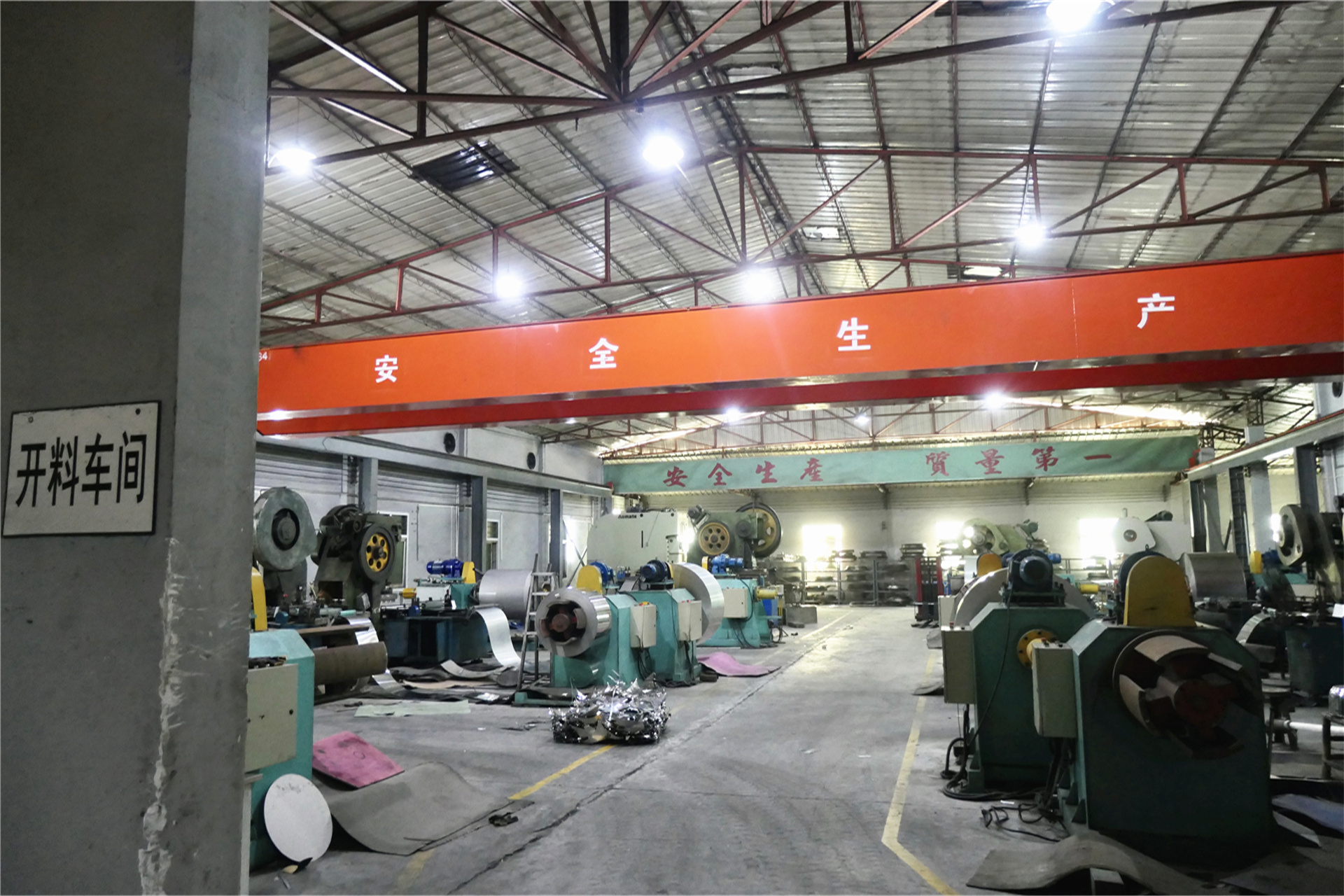
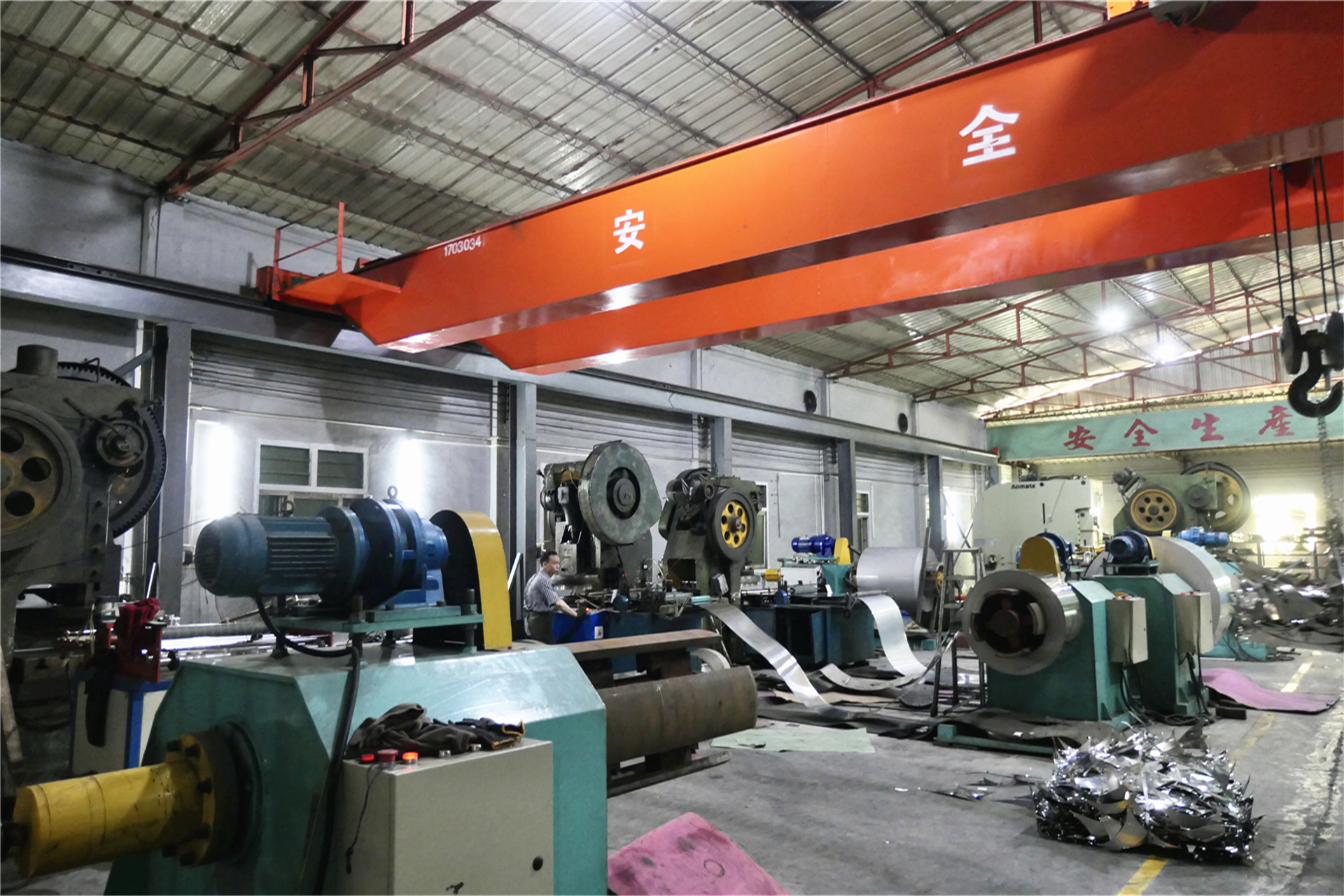
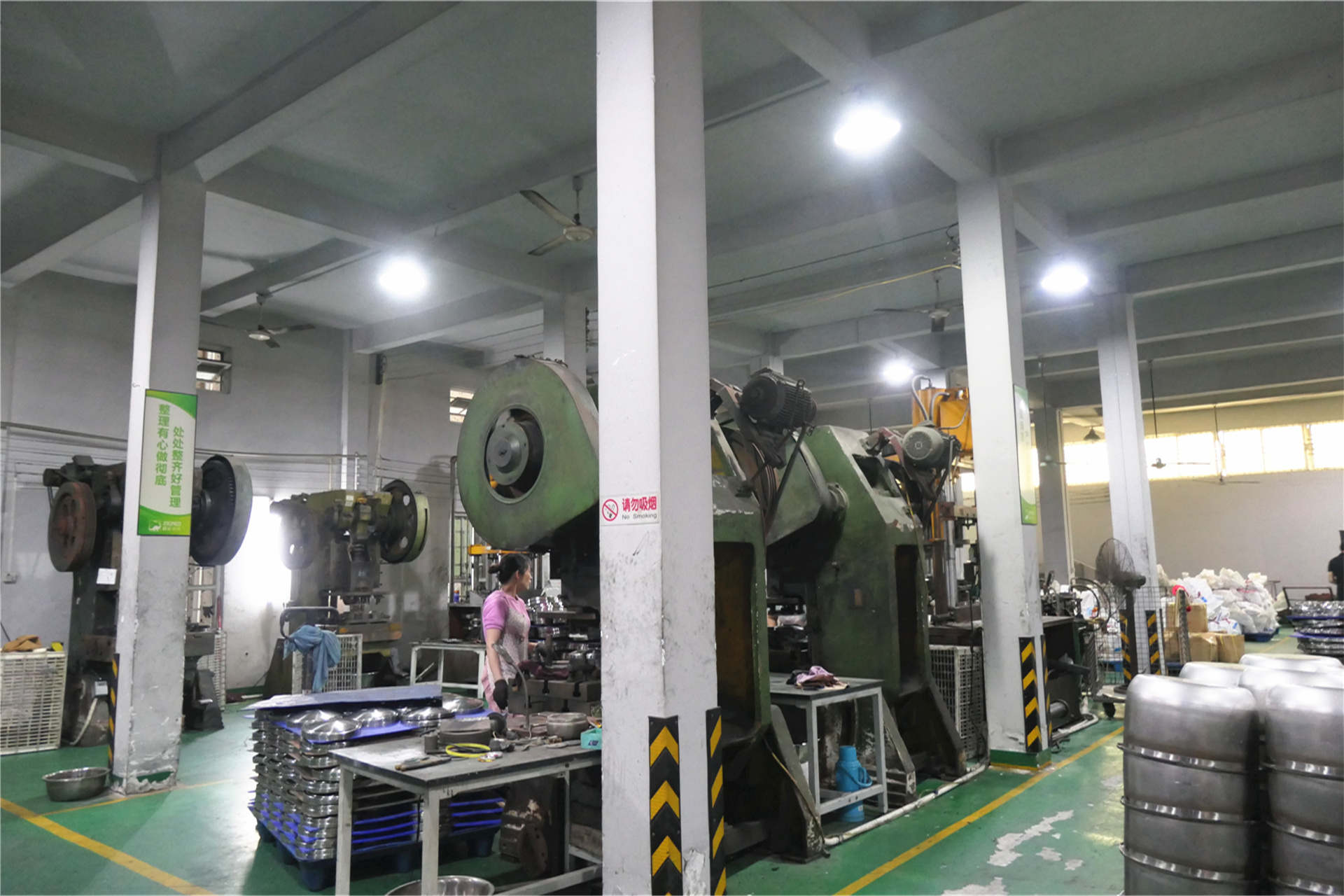
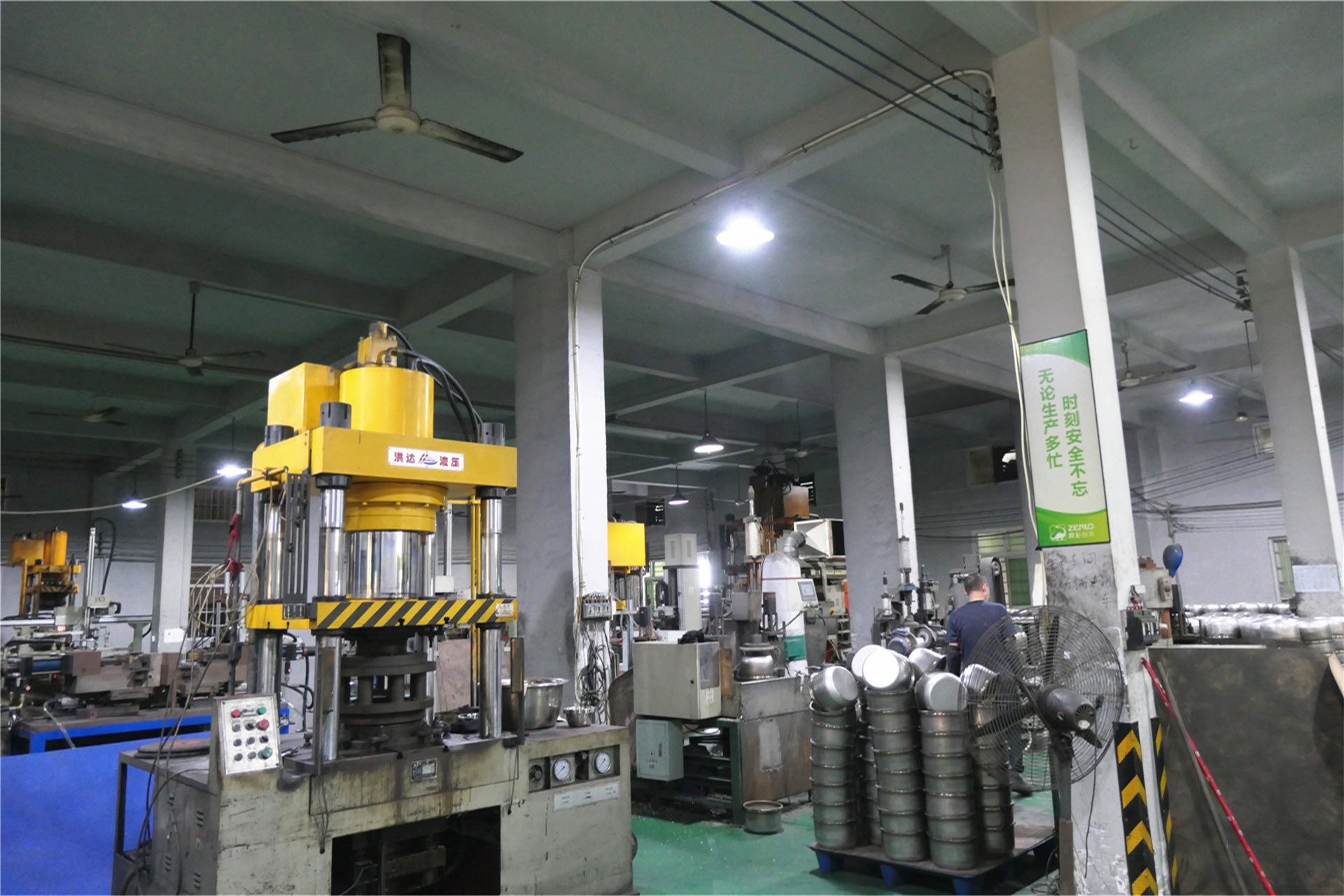
Take a look inside our state-of-the-art manufacturing facilities, showcasing our advanced production lines, automated machinery, and quality control departments.
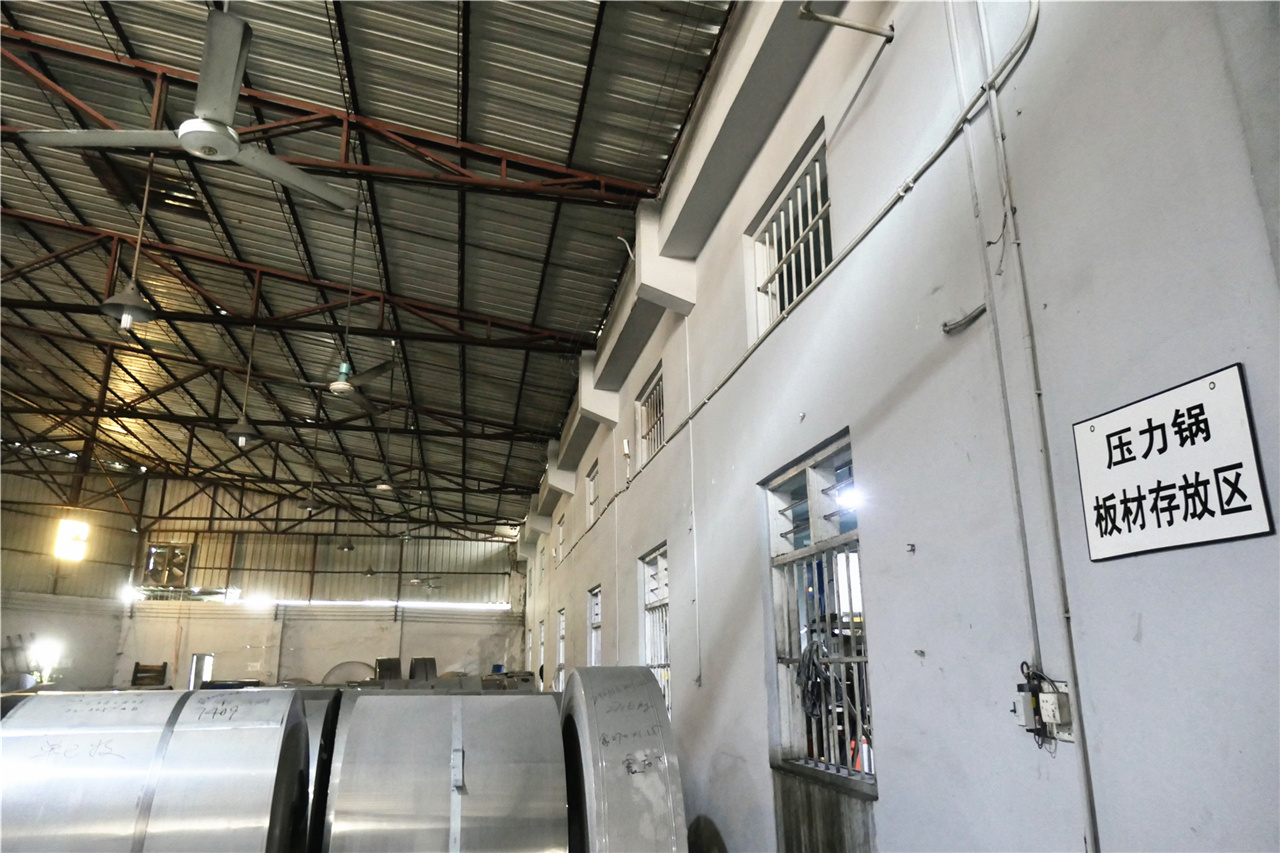
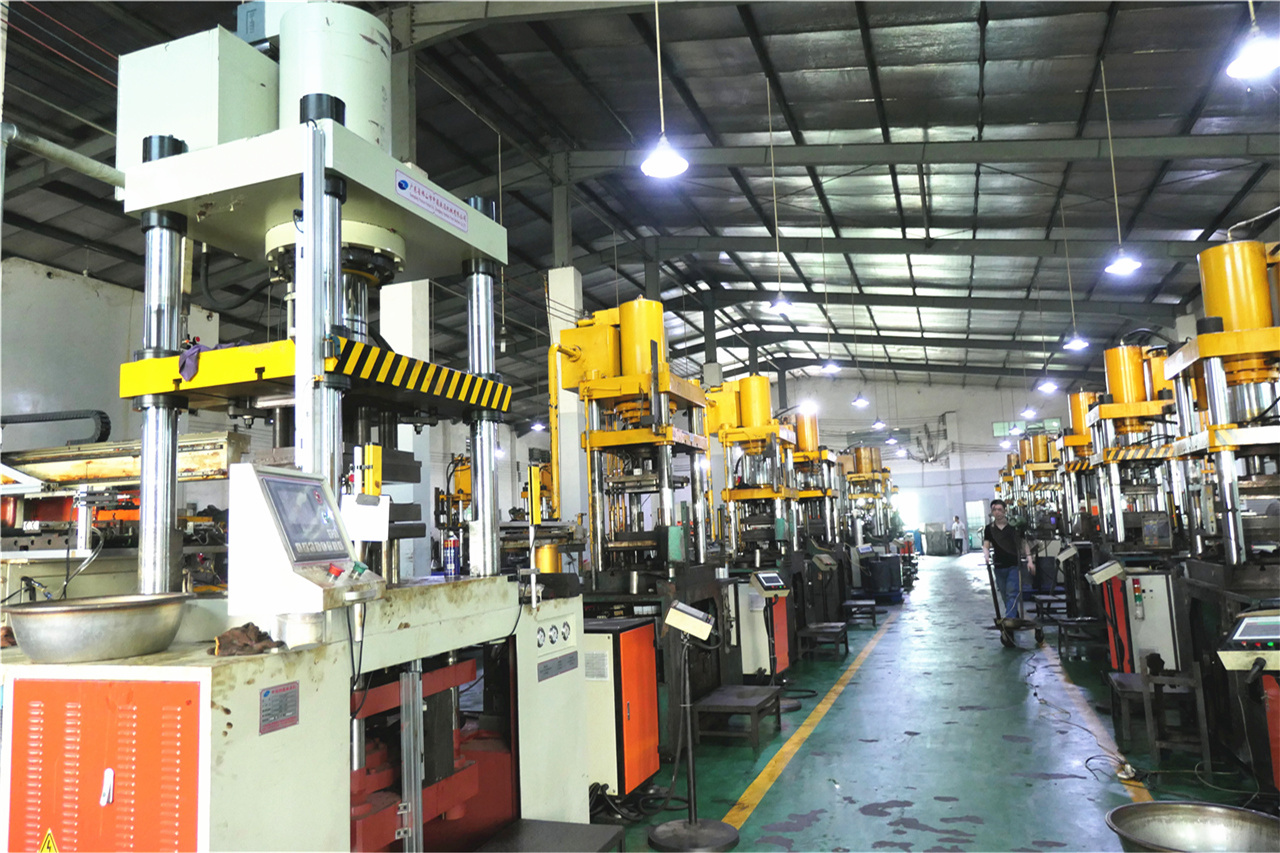
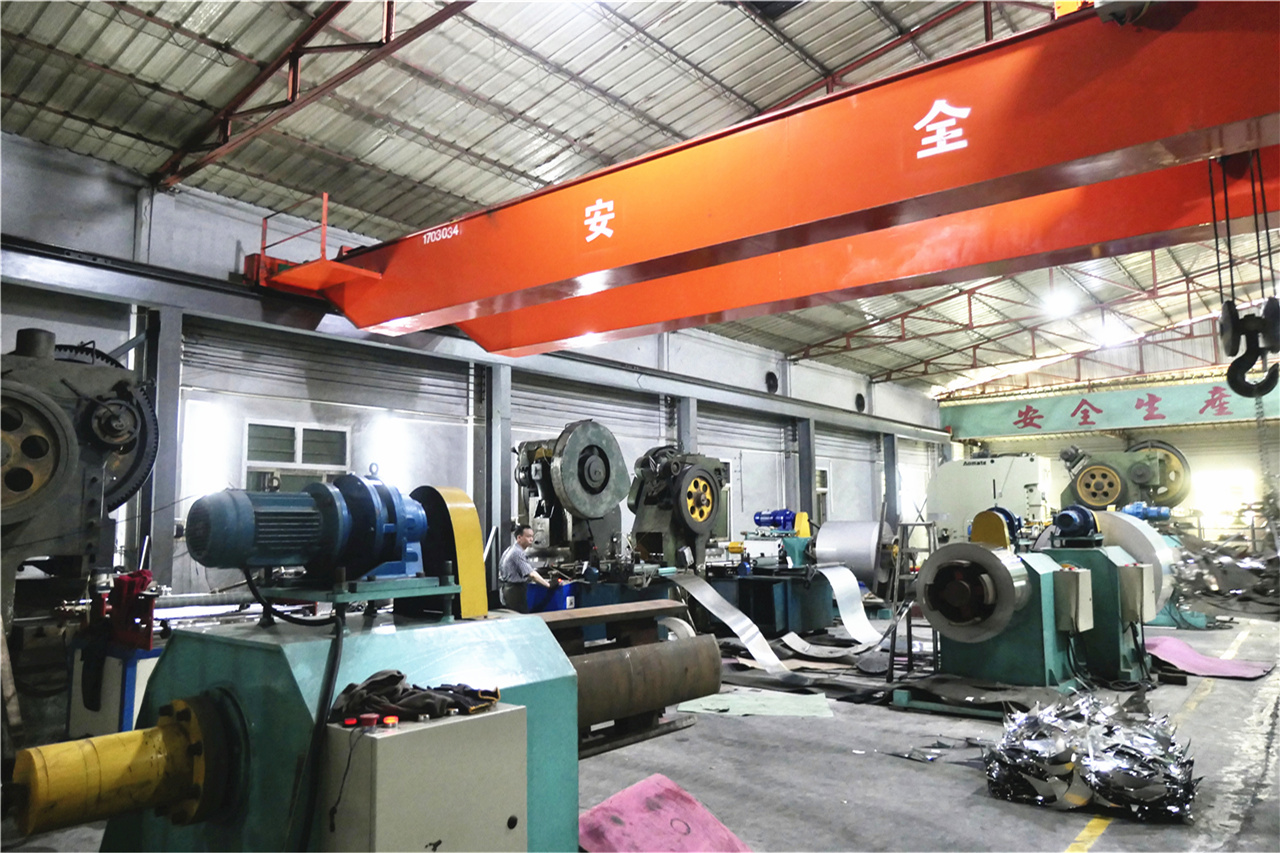
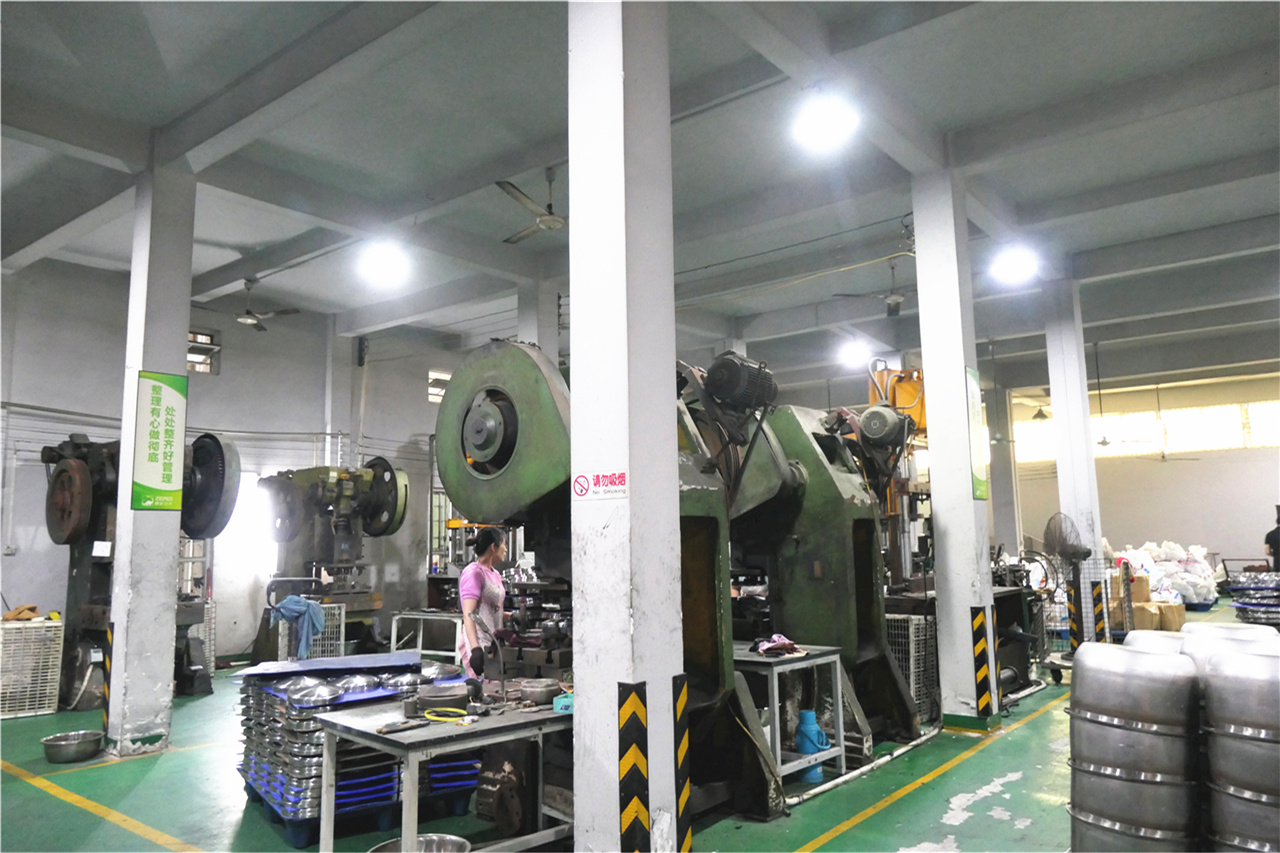
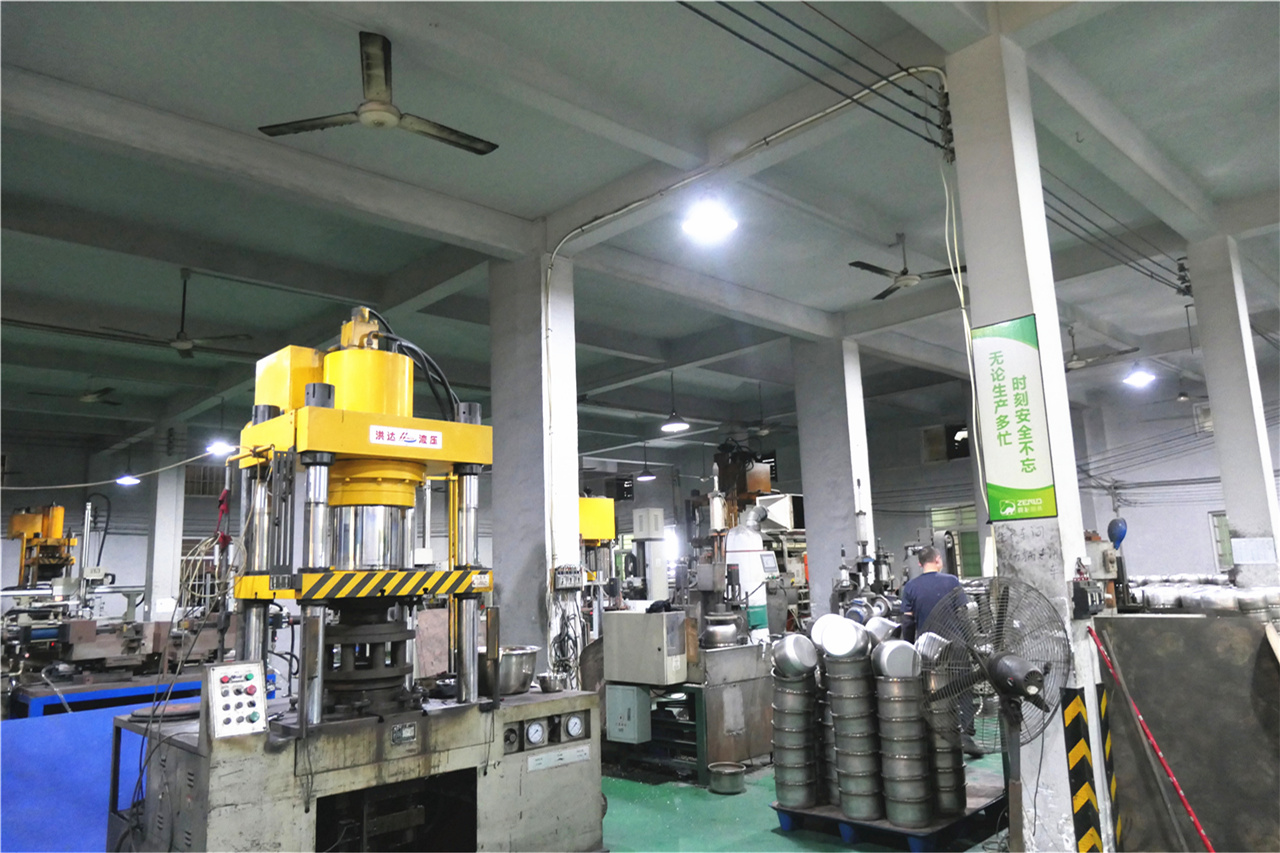
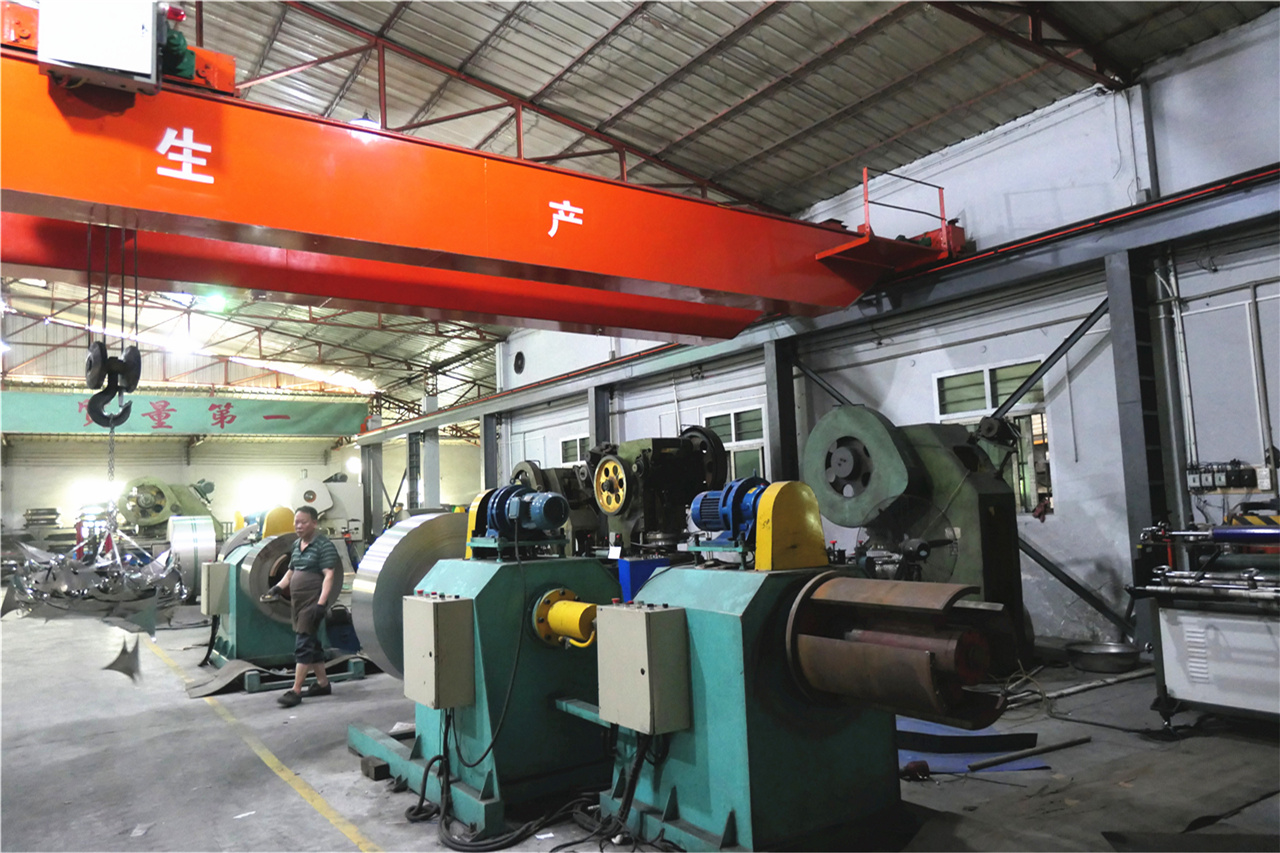
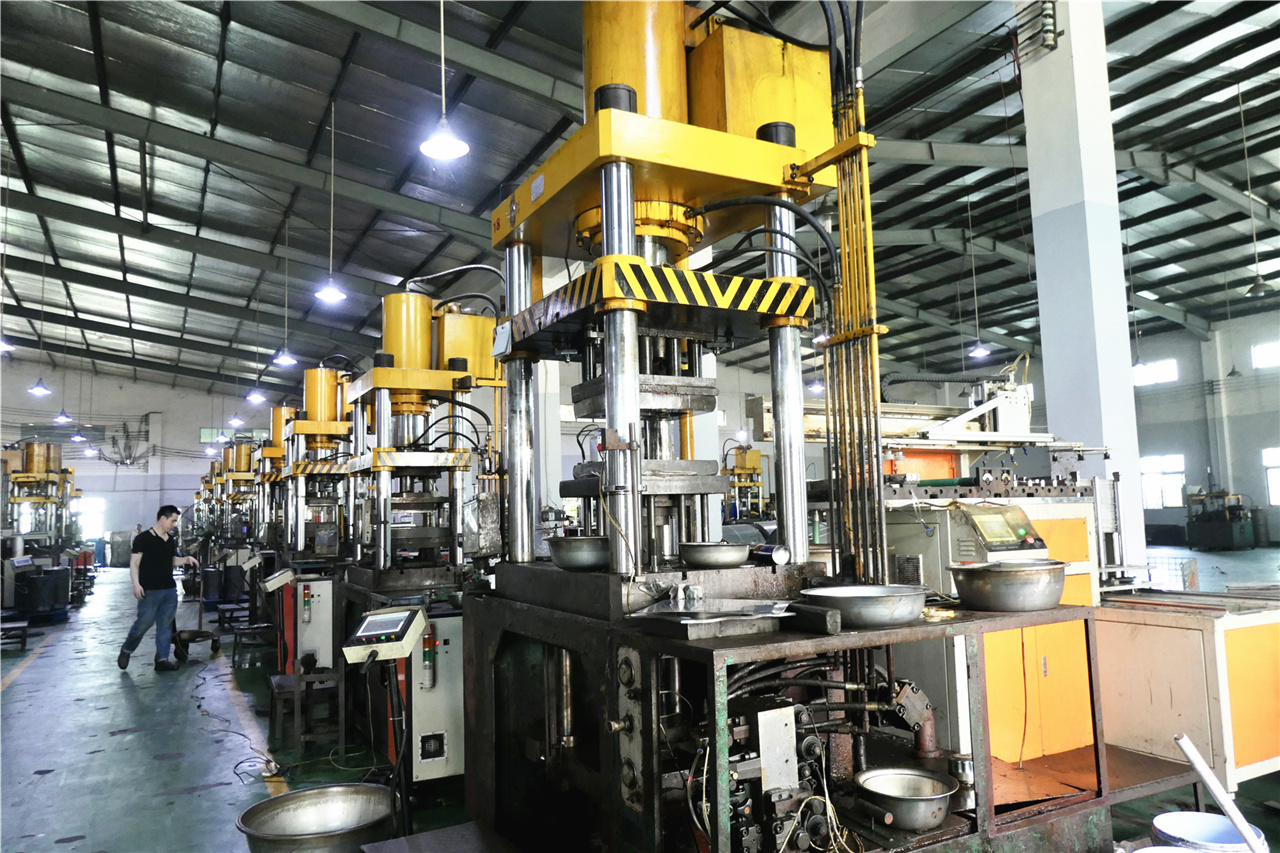
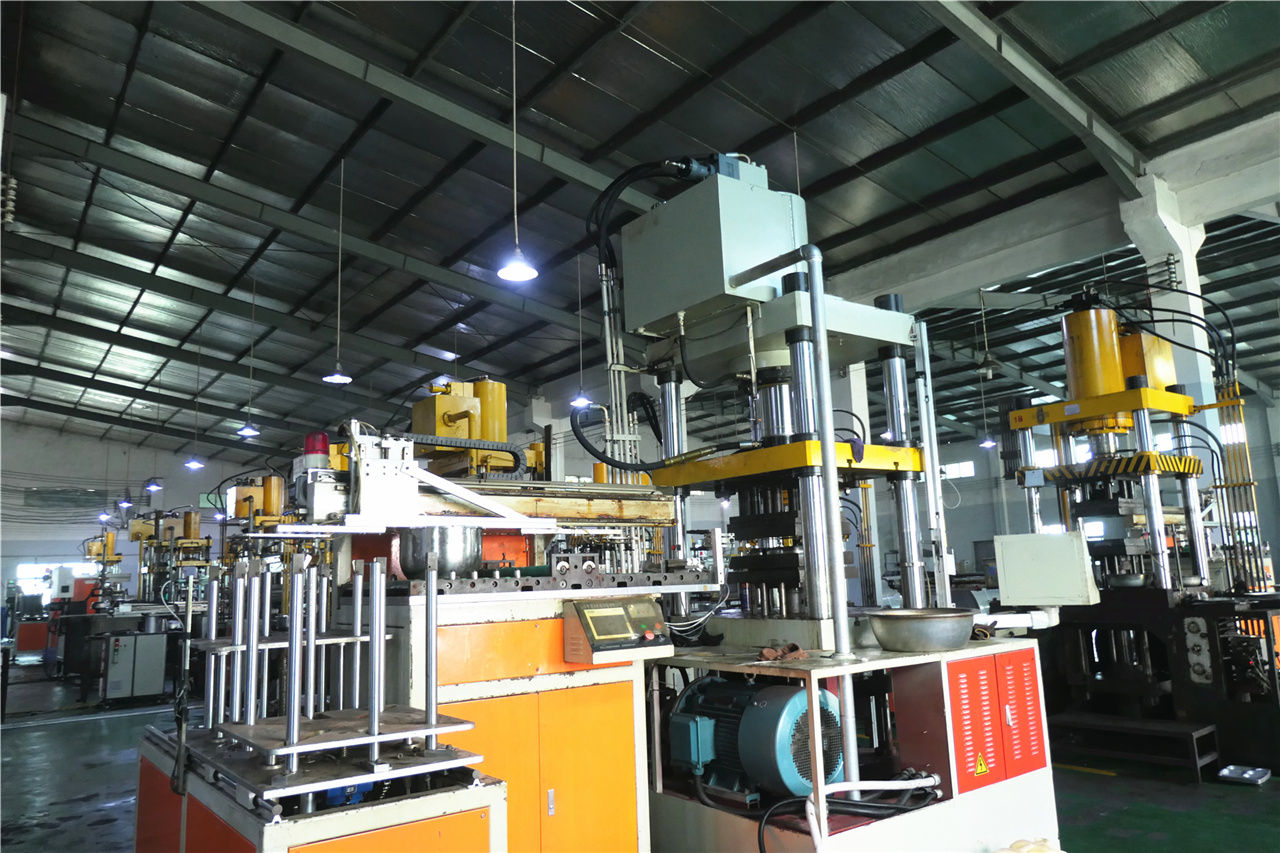
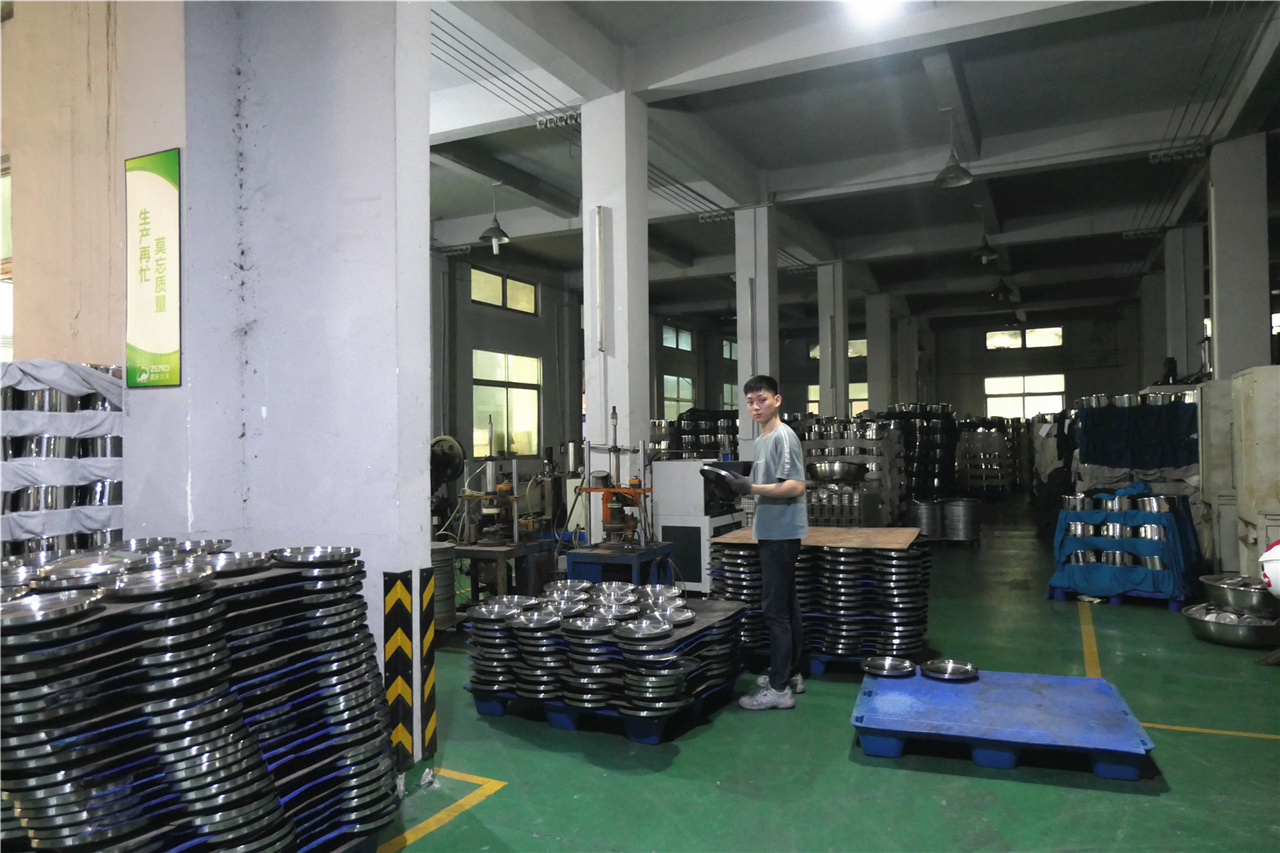
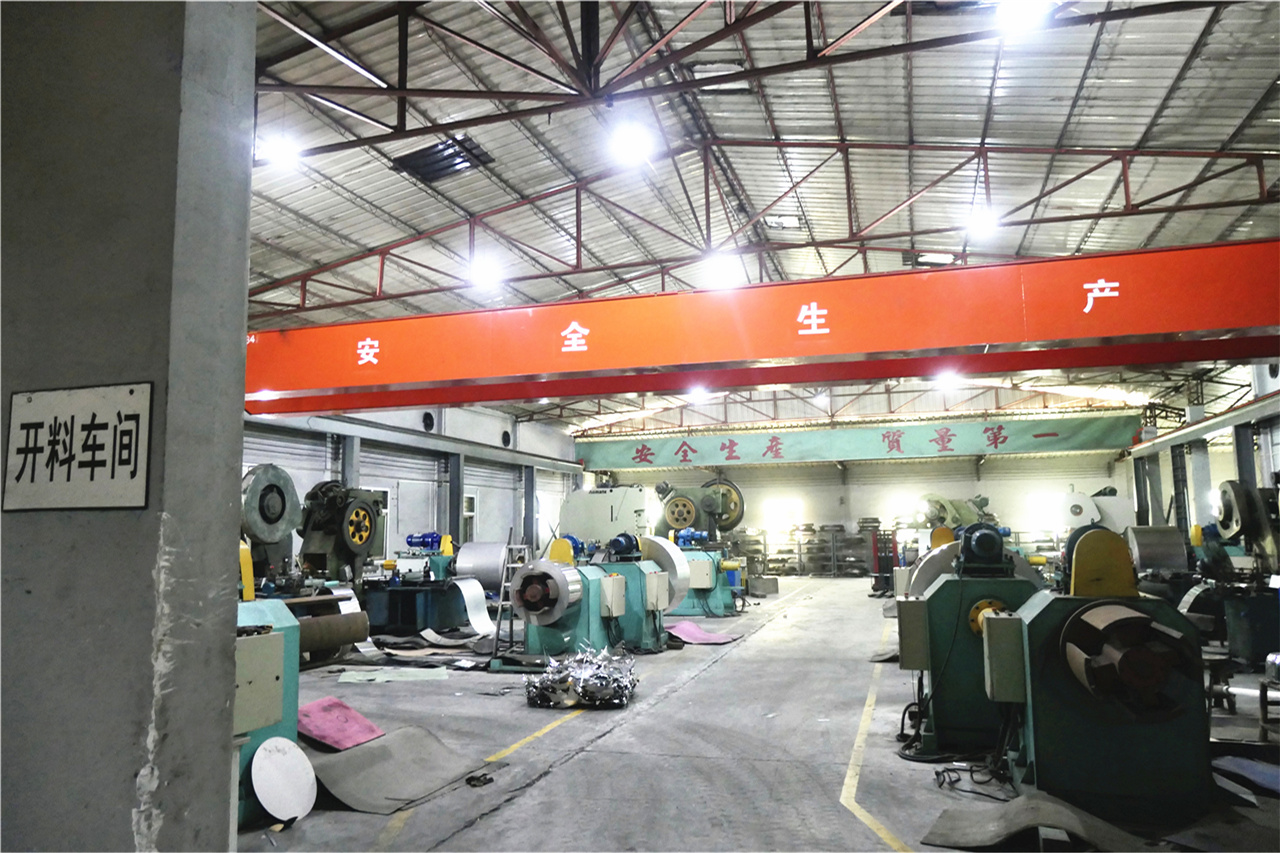
Looking back over the past thirty years, ZENLO Company has grown from a small hardware manufacturing factory into an industry benchmark enterprise with its own brand, patented products, and a modern production system. Looking to the future, we will continue to uphold our original aspiration of "making good cookware with heart," continuously exploring ways to further expand overseas markets and better serve every customer, striving to become a trusted provider of kitchen living products for global consumers.
Send Inquiry NowDiscover our complete line of industrial salad bowl sets optimized for heavy use in fast-food establishments, institutional cafeterias, and hotel buffet displays.
Designed with high-density materials to withstand dropped impacts and heavy sanitizing cycles in school dining halls.
Features premium thermal barrier technology, keeping salads fresh and preventing condensation in humid self-serve bars.
Precision calibrated nesting profiles maximize vertical storage efficiency on busy commercial prep lines.
Constructed with a wide, flared rim for fast tossing of ingredients in high-speed fast food kitchens.
Features a sleek satin exterior and mirror-polished interior to elevate salad presentations in corporate dining.
Built with reinforced bases to resist dents from heavy mixing spoons, whisks, and mechanical tossers.
Combines contemporary styling with commercial durability, fitting seamlessly into modern healthy eating chains.
Equipped with a food-grade silicone base to prevent accidental spills and sliding on cafeteria trays.