Leave Your Message
Engineered for speed, durability, and maximum nutrient retention in commercial environments.
How high-pressure thermal technology is redefining operational efficiency in large-scale food prep.
In the modern hospitality sector, speed, consistency, and energy efficiency are no longer optional—they are the core pillars of profitability. Traditional open-vessel boiling and braising methods are rapidly giving way to closed-system, high-pressure solutions. The commercial pressure pan has transitioned from a specialized tool to a fundamental cornerstone of the modern hotel prep kitchen and banquet buffet line. By increasing the boiling point of water under pressure, these systems reduce cooking times by up to 75% while simultaneously cutting energy consumption by up to 70% compared to conventional stockpots and open range cooking. This dramatic reduction in thermal prep times directly translates to reduced labor costs, lower utility bills, and a significantly smaller carbon footprint for commercial kitchens.
Global market drivers, including the rapid expansion of international hotel chains, the rise of centralized cloud kitchens, and the growing demand for large-scale institutional catering, have accelerated the adoption of automated, heavy-duty pressure pans. Today's commercial kitchen operations must navigate severe labor shortages and fluctuating food costs. A pressure pan addresses these pain points by maximizing yield—reducing moisture loss and shrinkage in expensive cuts of meat—while allowing less experienced kitchen staff to achieve consistent, high-quality culinary results thanks to standardized pressure profiles and reliable safety mechanisms.
According to commercial food service equipment studies, switching to high-pressure thermal preparation allows a kitchen to process bulk batches of legumes, grains, and tough proteins in a fraction of the time, lowering total heat radiation in the kitchen workspace and improving HVAC efficiency.
The application of commercial pressure cookers and pans extends across various critical touchpoints in the food service chain:
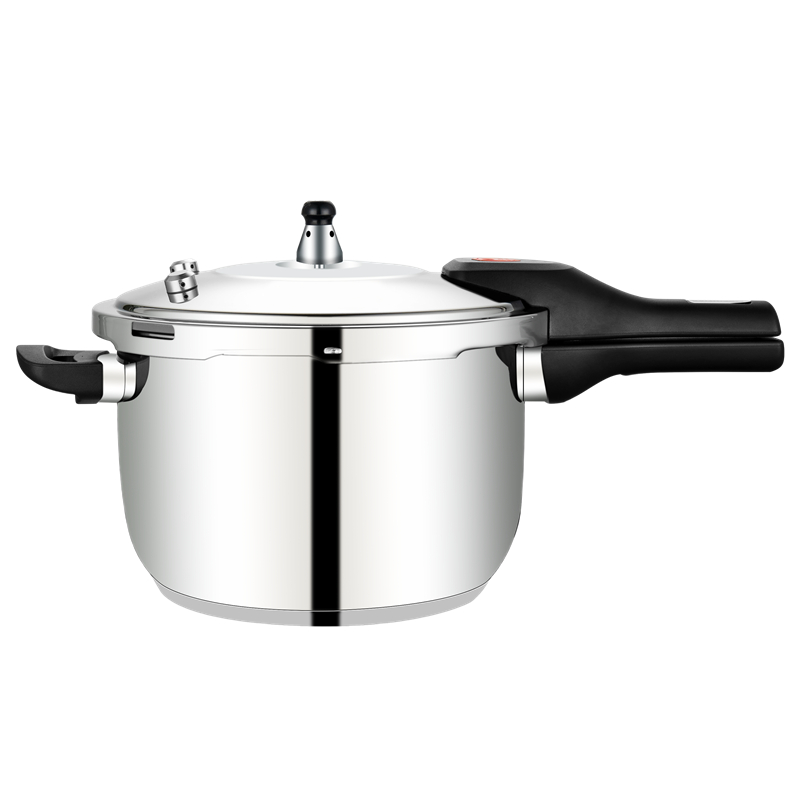
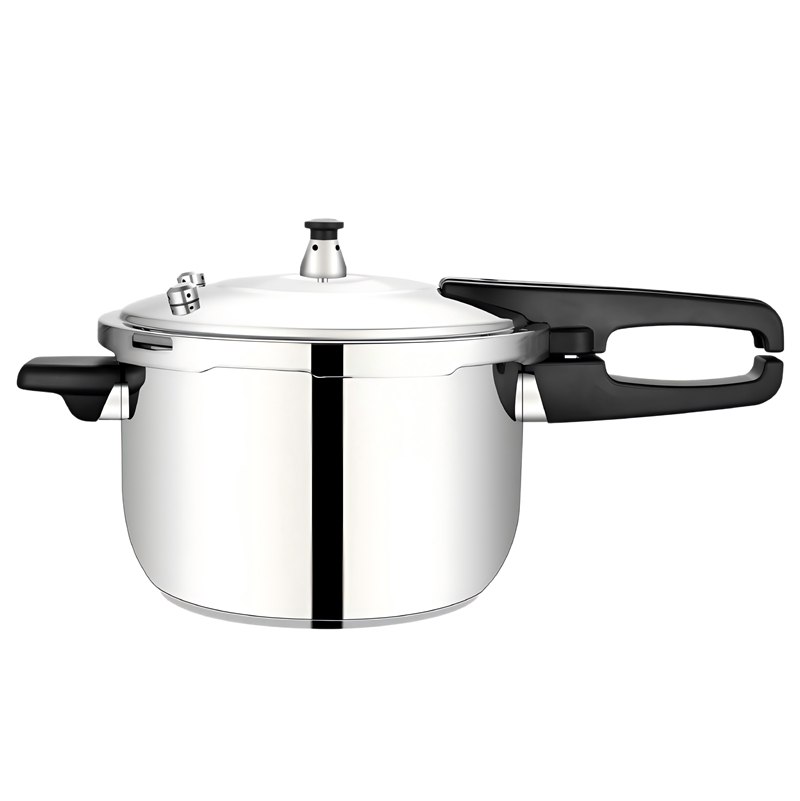
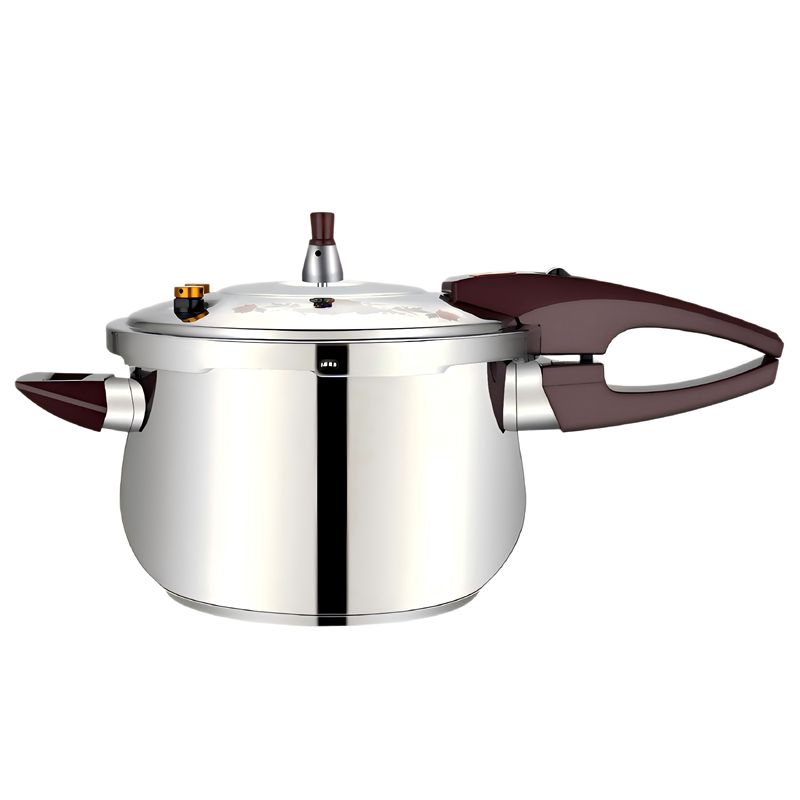
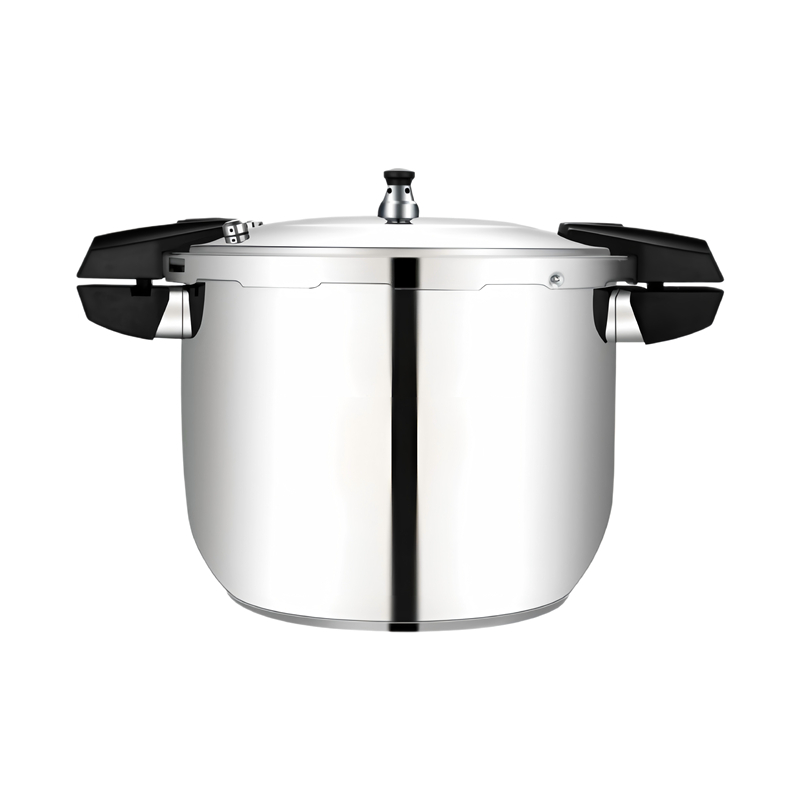
Commercial pressure pans must withstand extreme thermal stresses and mechanical pressures day in and day out. This is why material selection is paramount. High-grade SUS304 (austenitic stainless steel) is utilized for its exceptional corrosion resistance, ease of sanitation, and structural integrity under high temperatures. Unlike aluminum, high-grade stainless steel does not react with acidic foods, ensuring the flavor profile and safety of every dish remain uncompromised.
A legacy of manufacturing excellence, innovation, and global trust since 1994.
Our factory was established in 1994.
Our company is continuously committed to the research and development of new products and technologies. Multiple products have been patented, and we will continue to launch new products in the future. Please stay tuned.
The enterprise always adheres to the business philosophy of "integrity, innovation, and progress", winning customer trust and market recognition with high-quality products and a steady and pragmatic attitude. We sincerely welcome customers from home and abroad to cooperate, negotiate, visit and guide us, and create a better future together.
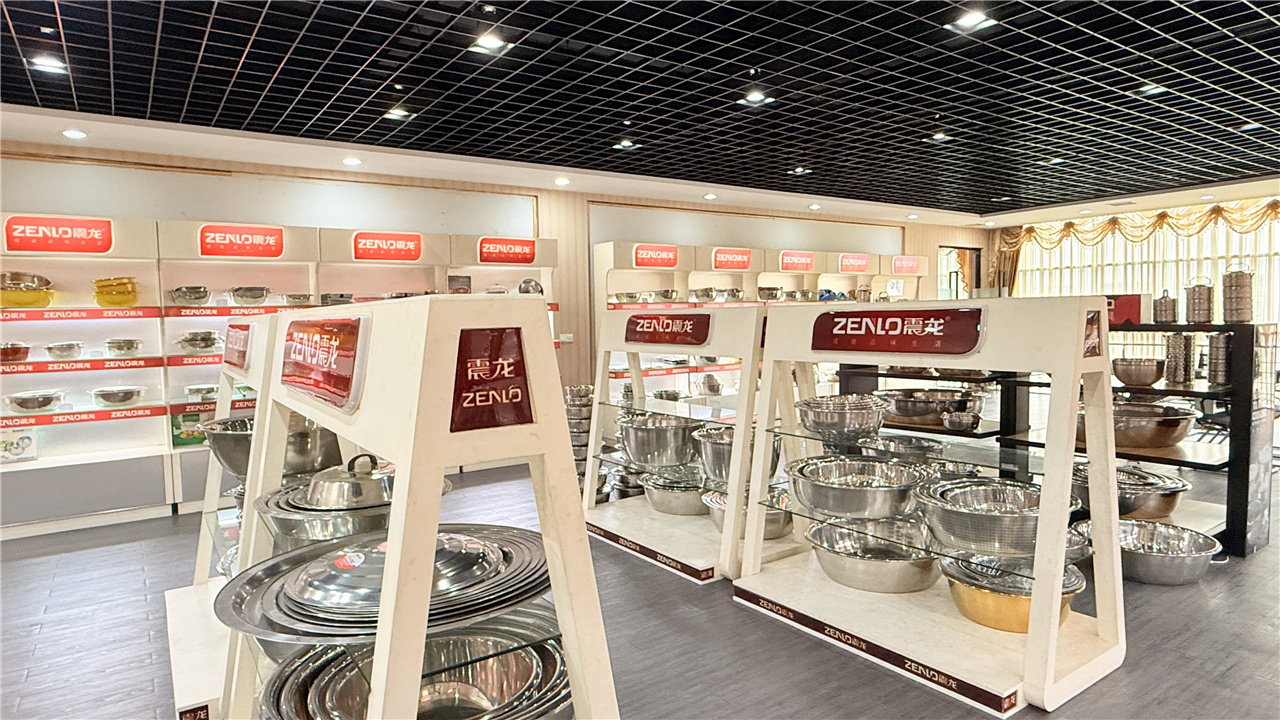
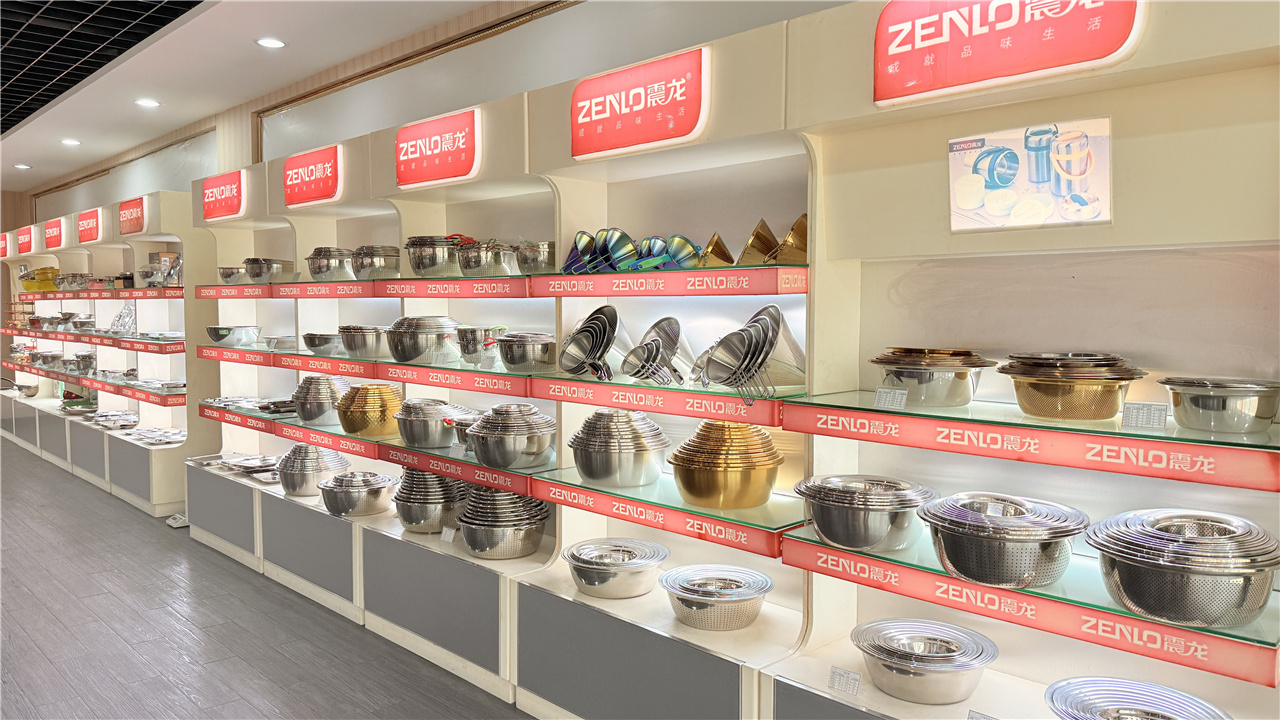
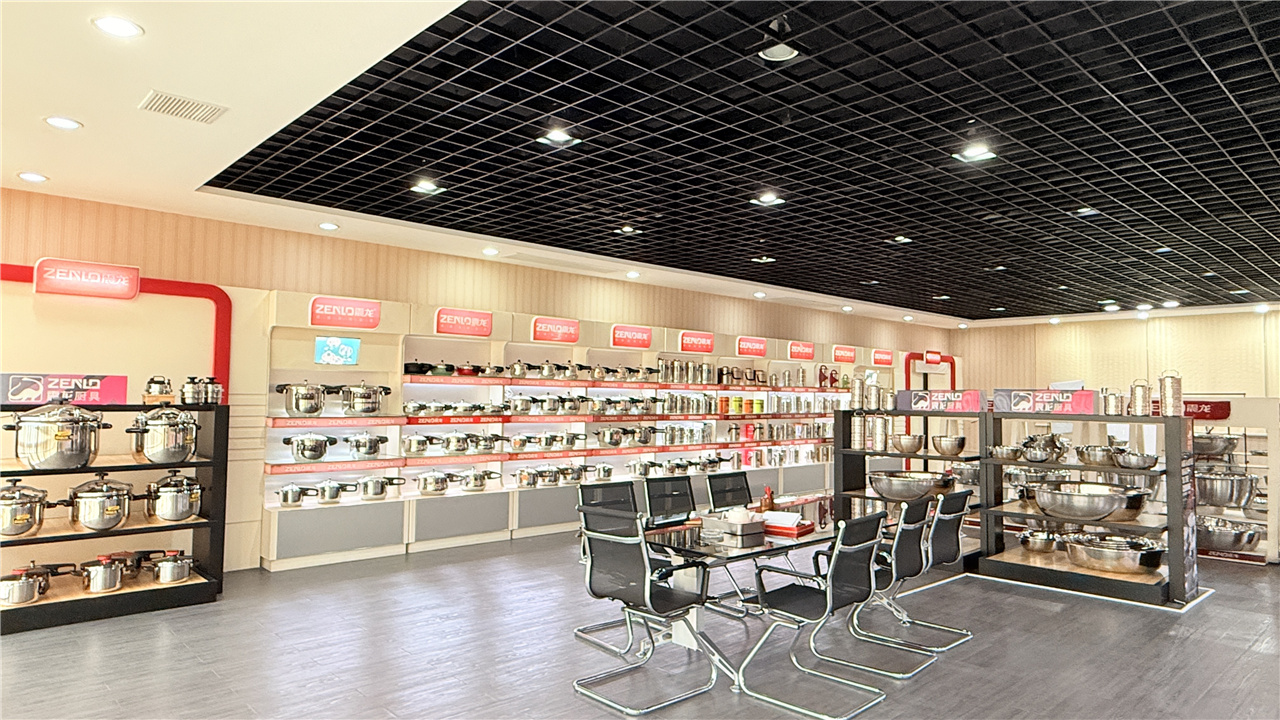
Explore our state-of-the-art product showcases and manufacturing achievements.
The integration of digital controls, pressure monitoring, and automation in industrial food preparation.
As the commercial food service industry transitions toward smart kitchen ecosystems, pressure pans and cookers are evolving rapidly. Next-generation industrial pressure pans are incorporating digital control panels, precise temperature sensors, and automated pressure release valves. These smart technologies allow chefs to program custom cooking profiles for specific recipes, ensuring perfect consistency across different shifts and kitchen staff. For instance, a hotel chain can program a standardized profile for cooking bulk basmati rice or beef brisket, and upload this profile across multiple properties via cloud-based IoT kitchen management software. This level of process automation reduces the margin of human error, enhances food safety, and maximizes operational efficiency.
Furthermore, safety technology has undergone a massive digital transformation. Modern commercial pressure cookers feature electronic lockouts that prevent the lid from being opened if even a nominal amount of internal pressure is detected. Built-in diagnostic systems alert kitchen staff if a gasket needs replacement or if a safety valve is obstructed. By replacing manual guesswork with digital precision, commercial kitchens can run high-pressure operations with absolute peace of mind, minimizing workplace hazards and maximizing equipment uptime.
Food safety is the highest priority in hotel buffets and large-scale food preparation operations. Commercial pressure cookers provide an inherent advantage in maintaining strict hygiene standards. The high temperatures achieved under pressure (often exceeding 120°C / 248°F) act as an effective sterilization process, neutralizing harmful pathogens and bacteria far more effectively than standard boiling. Additionally, the seamless, high-polish SUS304 stainless steel construction of ZENLO products prevents food particles and bacteria from accumulating in crevices. The non-porous surface is resistant to chemical sanitizers and high-temperature commercial dishwashing processes, ensuring full compliance with Hazard Analysis Critical Control Point (HACCP) protocols and local health department regulations.
By trapping steam and heat within a sealed chamber, commercial pressure cooking minimizes ambient heat loss. This keeps commercial kitchen environments cooler, reducing the workload on kitchen ventilation and air conditioning systems, further contributing to the property's overall energy conservation goals.
Heavy-duty, reliable, and high-performance solutions for professional chefs and catering operations.