Leave Your Message
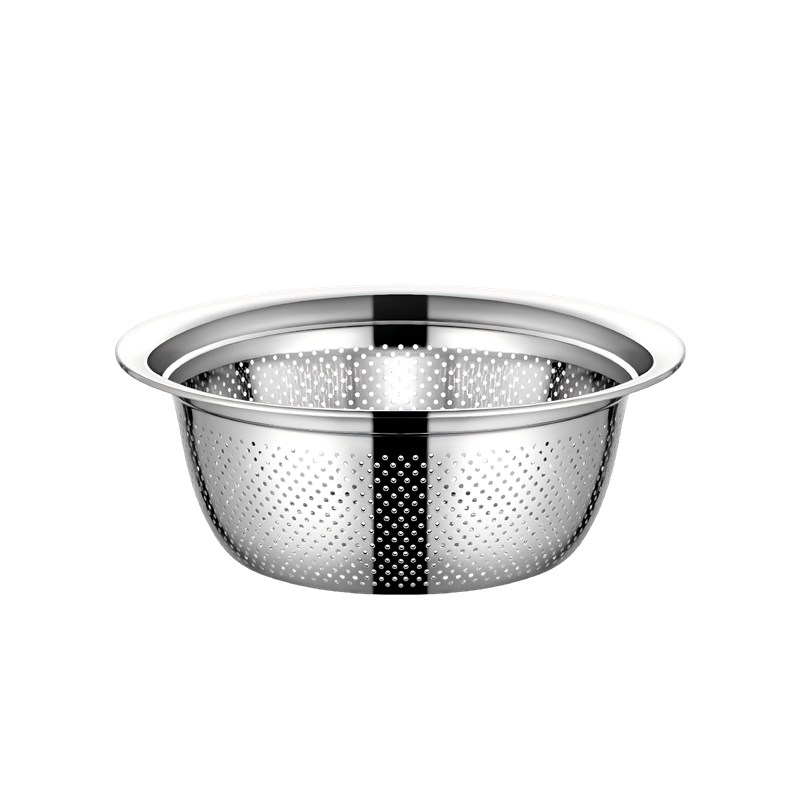
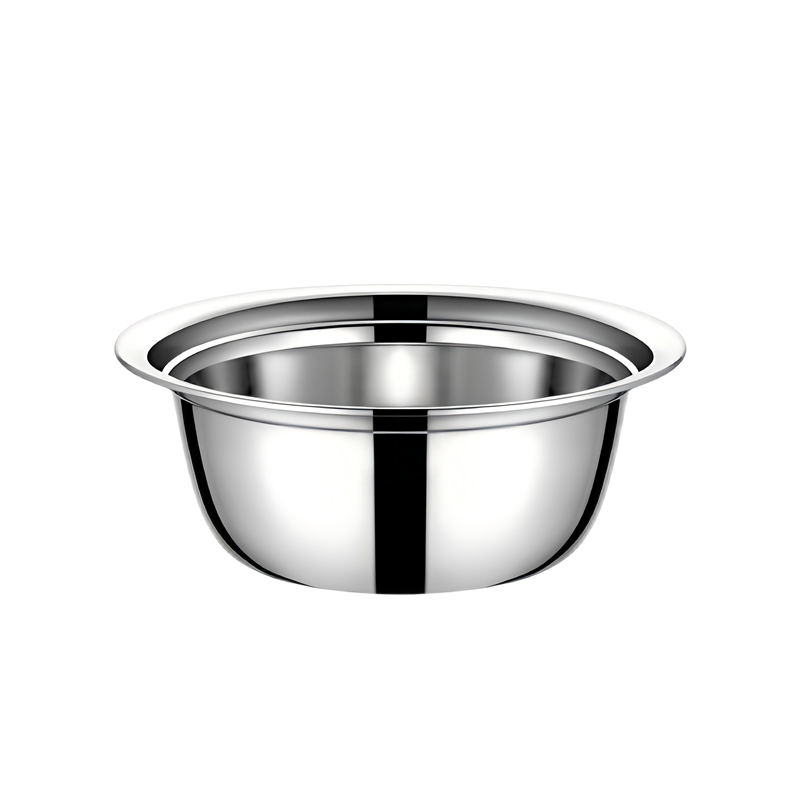
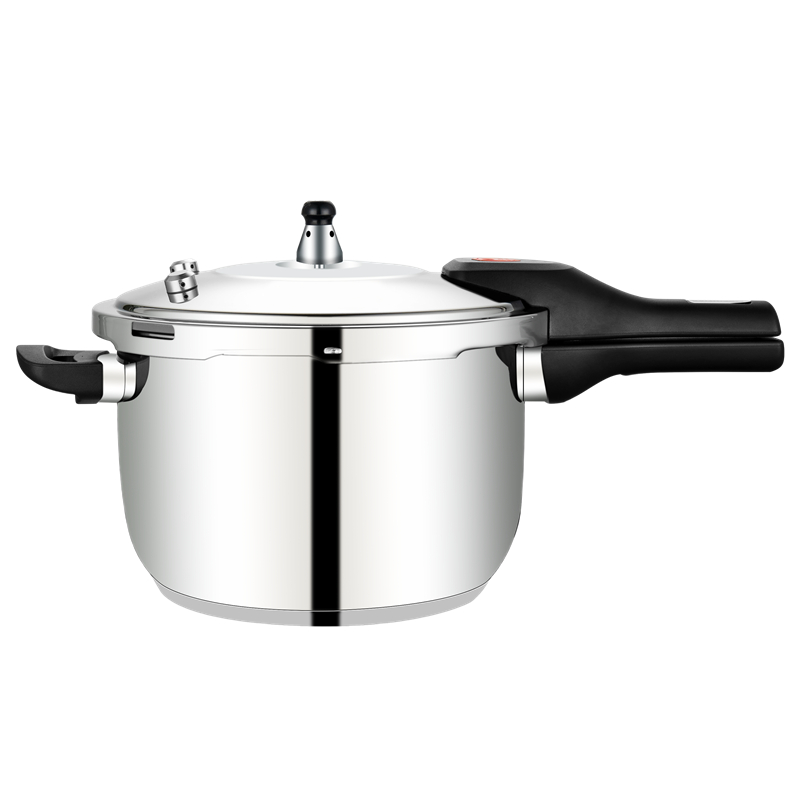
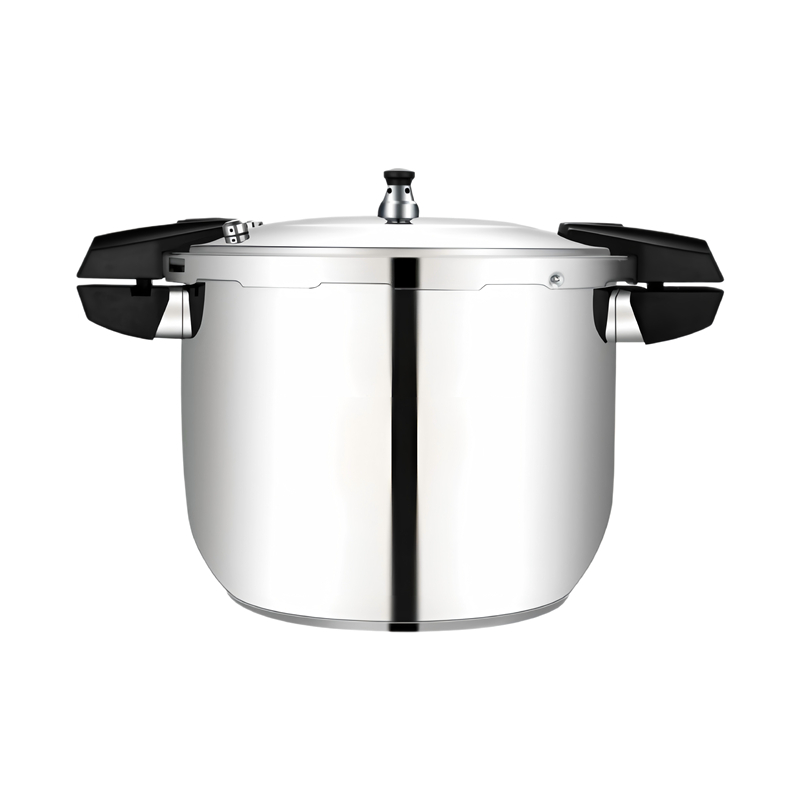
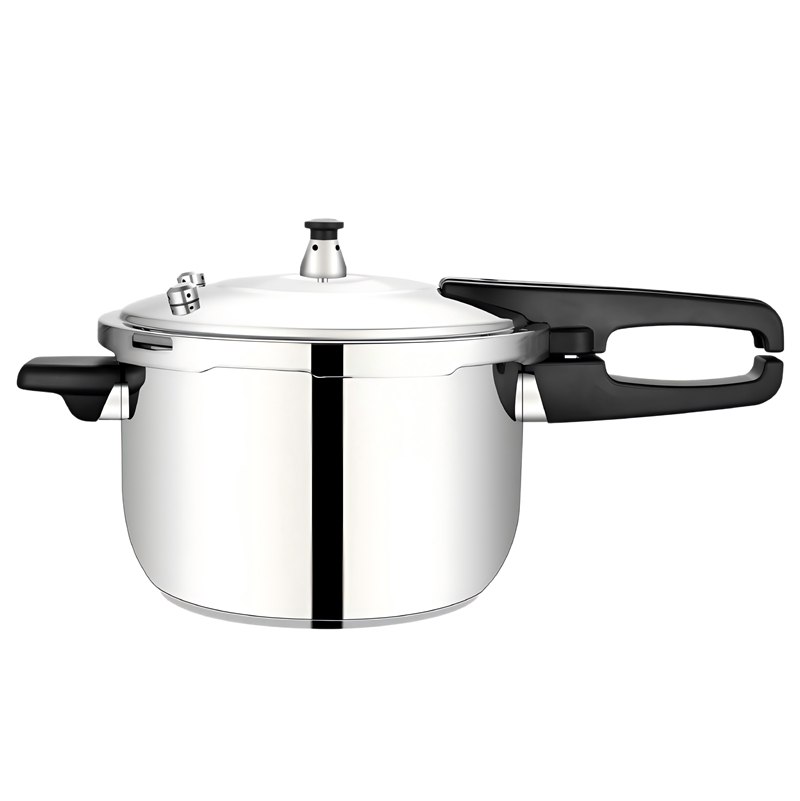
The global kitchenware industry is undergoing a massive paradigm shift. As consumer preferences tilt toward high-efficiency, durable, and health-centric cooking appliances, the demand for premium pressure cooker stainless steel pots has surged. In this highly competitive market, brand owners, distributors, and commercial kitchen suppliers are increasingly relying on specialized OEM (Original Equipment Manufacturer) and ODM (Original Design Manufacturer) customization services. Customization is no longer just about printing a logo; it involves deep material science, precision structure engineering, and aesthetic innovation to match the diverse cooking cultures and strict safety regulations worldwide.
Stainless steel remains the undisputed champion material for pressure cookers due to its non-reactive nature, high tensile strength, and exceptional thermal retention. However, achieving the perfect balance of heat distribution, structural integrity under high pressure, and sleek modern design requires advanced manufacturing capabilities. For brands aiming to capture market share, partnering with an experienced manufacturer that offers comprehensive OEM and ODM support is the ultimate shortcut to delivering top-tier kitchenware products.
Modern pressure cookers operate under extreme internal pressures (often ranging from 80 kPa to over 100 kPa). OEM/ODM customization must prioritize structural safety. This involves utilizing multi-layered composite bottoms (such as 3-ply or 5-ply impact-bonded bases incorporating aluminum and steel cores) to prevent hotspots, ensure rapid heat transfer, and prevent deformation under intense thermal load.
The global market for pressure cookers is projected to grow substantially, driven by the busy lifestyles of modern consumers who demand fast, nutrient-preserving cooking methods. Geographically, the demand varies:
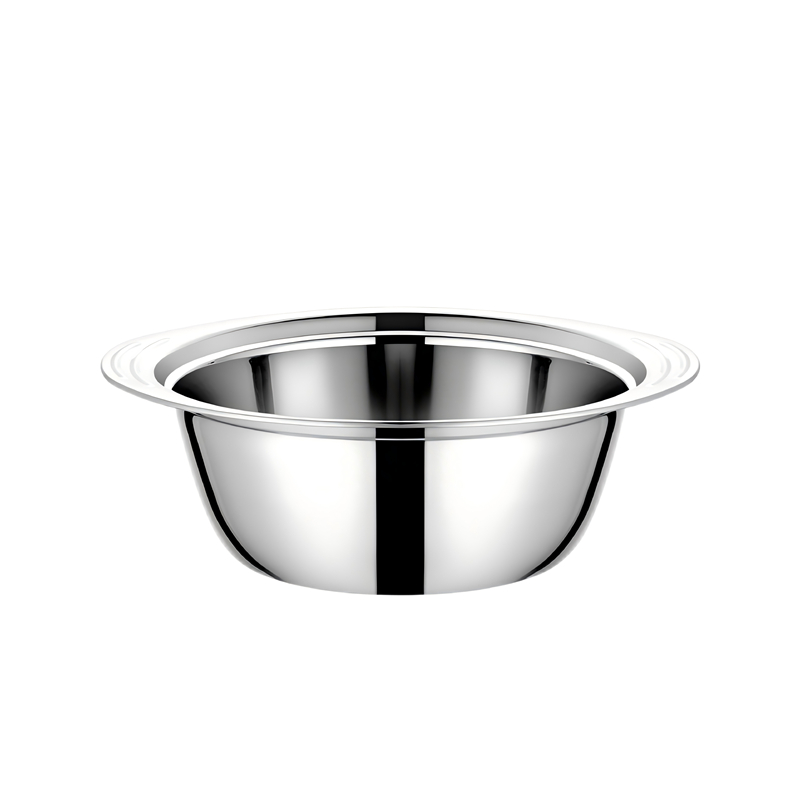
To meet these varied regional demands, OEM and ODM customization must offer versatile solutions, including variable wall thicknesses, customizable lid locking mechanisms, and tailored accessory integrations (such as customized steaming racks, colanders, and multipurpose basins).
The versatility of a stainless steel pressure cooker extends far beyond simple domestic boiling. Customized designs allow these pots to perform optimally across diverse, challenging environments:
At high elevations, atmospheric pressure drops, causing water to boil at lower temperatures. This makes cooking raw grains and tough meats exceptionally slow. Custom-engineered pressure cookers with precise pressure-regulating valves maintain a stable internal temperature and pressure, allowing quick and thorough cooking even at altitudes exceeding 3,000 meters. This makes them indispensable for commercial operations, military camps, and residential areas in mountainous regions.
In bustling commercial kitchens, speed and durability are crucial. Commercial pressure cookers require thicker stainless steel walls (typically SUS 304 or SUS 316) to withstand constant heating and rapid cooling cycles. OEM/ODM customization for commercial models focuses on heavy-duty clamp-on lids, reinforced safety valves, and double-eared handles designed to handle heavy loads safely.
With the rise of smart homes, pressure cookers are integrated with IoT modules. Custom ODM services now include incorporating thermal sensor wells, smart pressure transmitters, and induction-compatible bases that communicate directly with smart cooktops. This ensures precise temperature control, preventing food from overcooking while maximizing energy efficiency.
While SUS 304 (18/8 Stainless Steel) is the industry standard for domestic pressure cookers, premium OEM customization often utilizes SUS 316 (18/10 Stainless Steel containing Molybdenum). SUS 316 offers superior resistance to chlorides and acidic foods, making it the ideal choice for high-end gourmet cookware and heavy-duty commercial applications where long-term corrosion resistance is paramount.
As global environmental standards tighten, sustainable and energy-efficient manufacturing processes are becoming key differentiators. Future trends in pressure cooker OEM/ODM customization include: