Leave Your Message
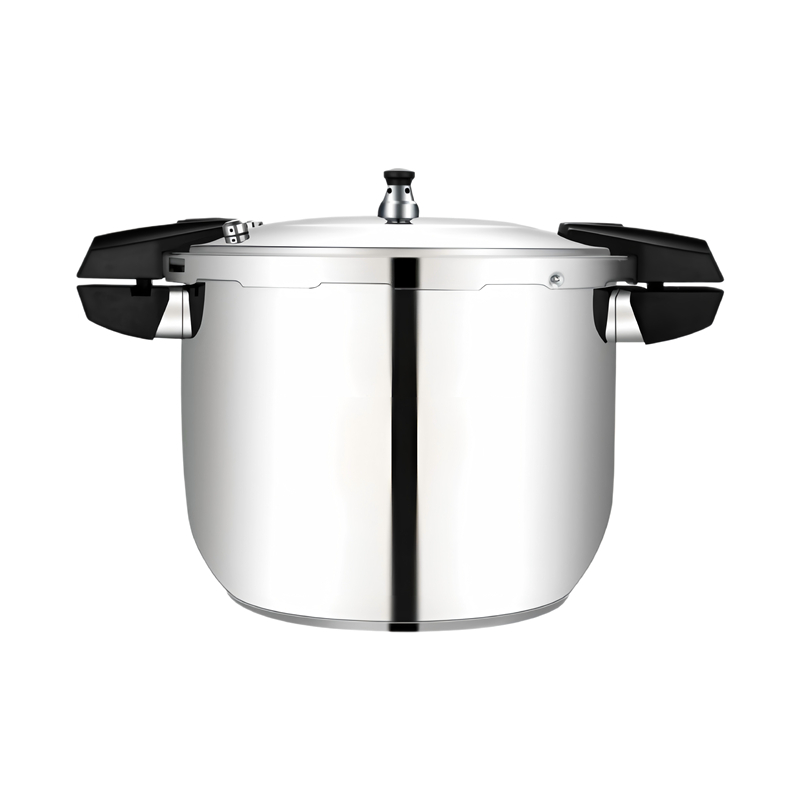
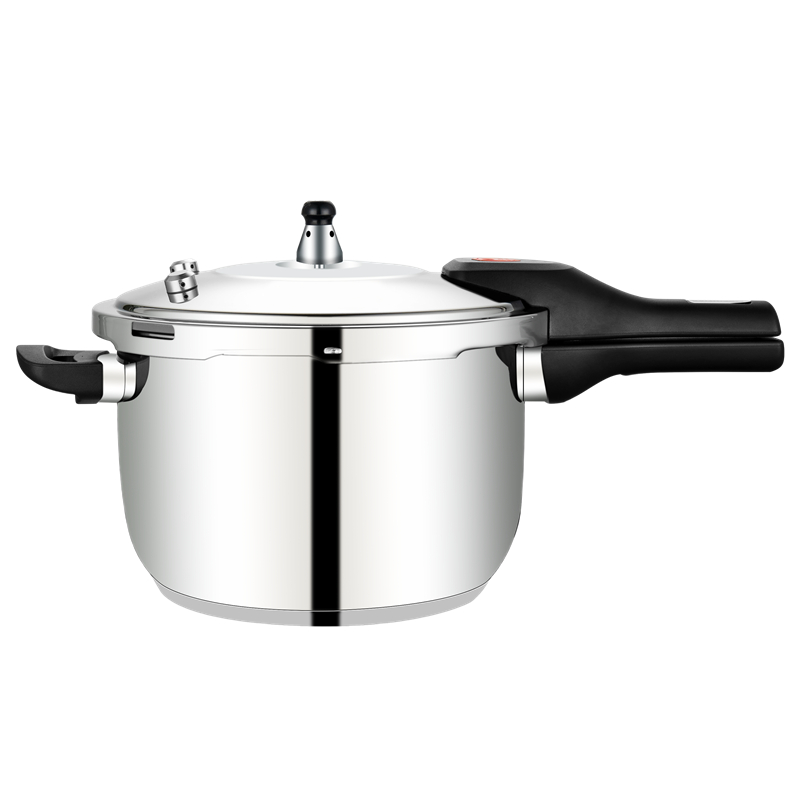
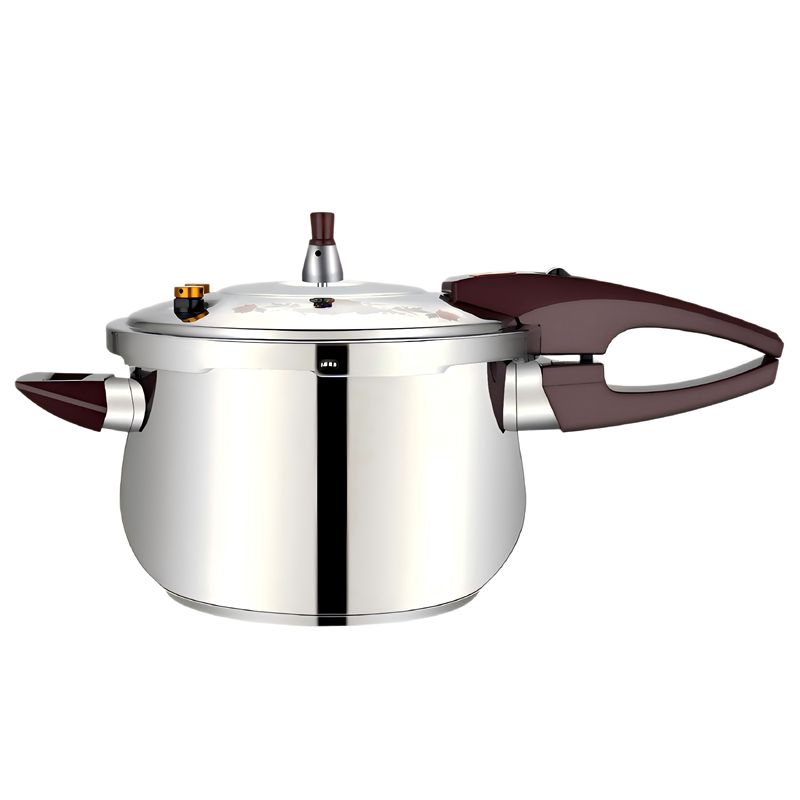
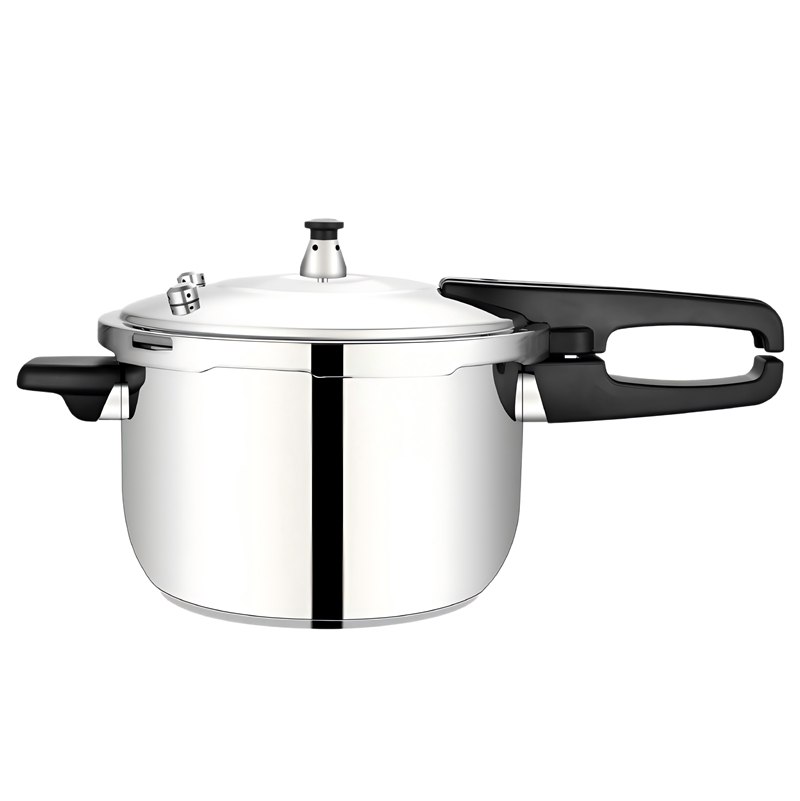
In the demanding world of high-volume foodservice, school canteens and hospital kitchens stand out as environments requiring the absolute highest standards of efficiency, safety, and nutritional retention. Feeding hundreds to thousands of individuals within tight, non-negotiable time windows is a daily operational challenge. To meet these demands, commercial-grade pressure cooker pots have transitioned from being optional cookware to core, indispensable kitchen assets.
As schools aim to combat childhood obesity by providing nutrient-rich, whole-food meals, and hospitals focus on sterile, easily digestible dietary plans for patient recovery, cooking equipment must keep pace. The modern commercial pressure cooker pot utilizes pressurized steam to cook food up to 70% faster than traditional boiling or baking methods. This rapid heat transfer not only preserves vital micronutrients but also drastically reduces the carbon footprint of large-scale kitchen operations.
Industry Insight: According to global hospitality equipment surveys, commercial kitchens utilizing advanced pressure cooking systems report an average energy reduction of 45% and a water savings of up to 30%, making it a cornerstone technology for modern green building compliance in public sectors.
The institutional catering sector is undergoing a massive transformation. Rapid urbanization, tightening government regulations on food safety (such as HACCP), and rising energy costs are forcing procurement managers to re-evaluate their kitchen layouts. In the past, open-flame boiling in giant stockpots was the standard. However, this method is highly inefficient, releases excessive ambient heat into the kitchen, and presents severe burn risks to kitchen staff.
Today, the industry is shifting toward highly insulated, multi-functional pressure cookers. These units lock in heat, maintain stable internal pressures, and feature automated safety systems. The commercial pressure cooker market is experiencing steady growth, driven by the expansion of public healthcare facilities and the modernization of educational infrastructures globally. Manufacturers are now integrating advanced metallurgy, like SUS 304 and SUS 316 stainless steel, to prevent corrosion from acidic food ingredients and harsh commercial sanitizing agents.
Reduces preparation time by up to 70%, allowing staff to meet strict lunch schedules in schools and patient meal cycles in hospitals.
High-pressure steam seals in essential vitamins and minerals, ensuring students and patients receive maximum nutritional value.
Engineered with multiple redundant safety valves, secure locking lids, and pressure-release mechanisms for zero-risk operations.
School canteens face the unique challenge of serving highly nutritional meals that appeal to children, all within a very short recess period. The pressure cooker pot excels here by transforming tough, economical cuts of meat into tender, easily chewable portions. Dishes like beef stews, pulled chicken, and whole grains (brown rice, quinoa, and barley) are prepared in a fraction of the time.
Furthermore, pressure cooking is highly effective at breaking down complex starches and legumes. Beans and lentils, which are vital plant-based protein sources for modern school menus, can be cooked thoroughly without overnight soaking. This saves prep space, reduces labor hours, and ensures that the final dishes are easy on young digestive systems.
In hospital environments, food is medicine. Dietary departments must prepare meals that cater to diverse medical needs—ranging from low-sodium diets to soft-food requirements for post-operative or geriatric patients. The commercial pressure cooker pot enables chefs to extract deep flavors from herbs and bones without relying on excessive salt or artificial flavor enhancers.
Hygiene is another non-negotiable factor. The high temperature inside a pressurized pot (often exceeding 120°C / 248°F) acts as an additional sterilization step. It effectively neutralizes heat-resistant bacterial spores, ensuring that food served to immunocompromised patients is completely safe. Additionally, for kitchens preparing smooth purees, pressure cooking softens vegetables and proteins to a consistent texture, making the blending process faster and more uniform.
The next generation of commercial pressure cookers is embracing the Internet of Things (IoT). Future trends point toward smart pressure cookers equipped with digital sensors that monitor internal temperature, pressure, and liquid levels in real-time. These systems can sync with central kitchen management software, logging cooking cycles automatically to comply with HACCP digital record-keeping requirements.
Induction heating technology is also replacing traditional gas burners in institutional kitchens. Induction-compatible stainless steel pressure cooker pots offer near-instantaneous heat response, precise temperature control, and zero open flames, drastically reducing the risk of kitchen fires and lowering air conditioning costs by keeping the kitchen environment cooler.
Our factory was established in 1994.
Our company is continuously committed to the research and development of new products and technologies. Multiple products have been patented, and we will continue to launch new products in the future. Please stay tuned.
The enterprise always adheres to the business philosophy of "integrity, innovation, and progress", winning customer trust and market recognition with high-quality products and a steady and pragmatic attitude. We sincerely welcome customers from home and abroad to cooperate, negotiate, visit and guide us, and create a better future together.
Request Free Quote