The Commercial & Industrial Landscape of Mixing Bowls in the Philippines
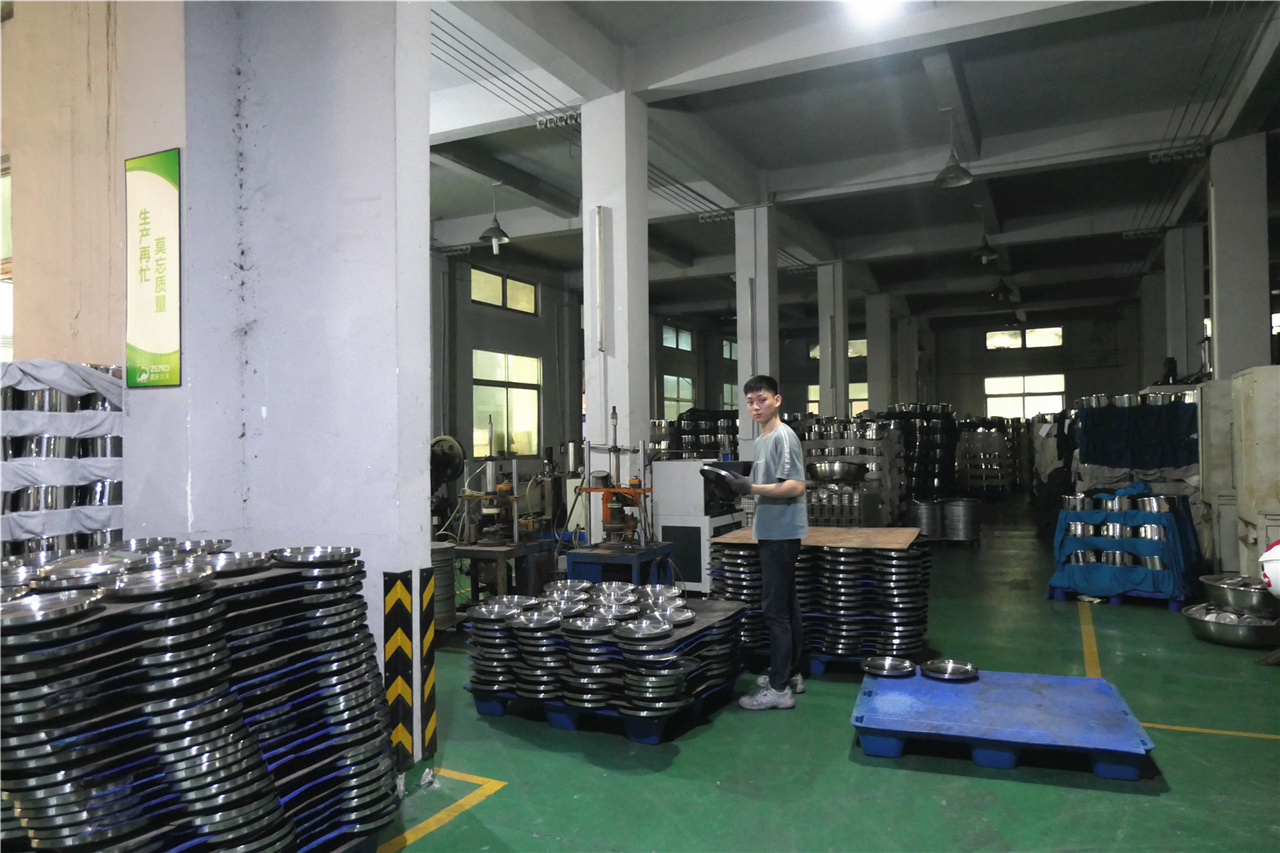
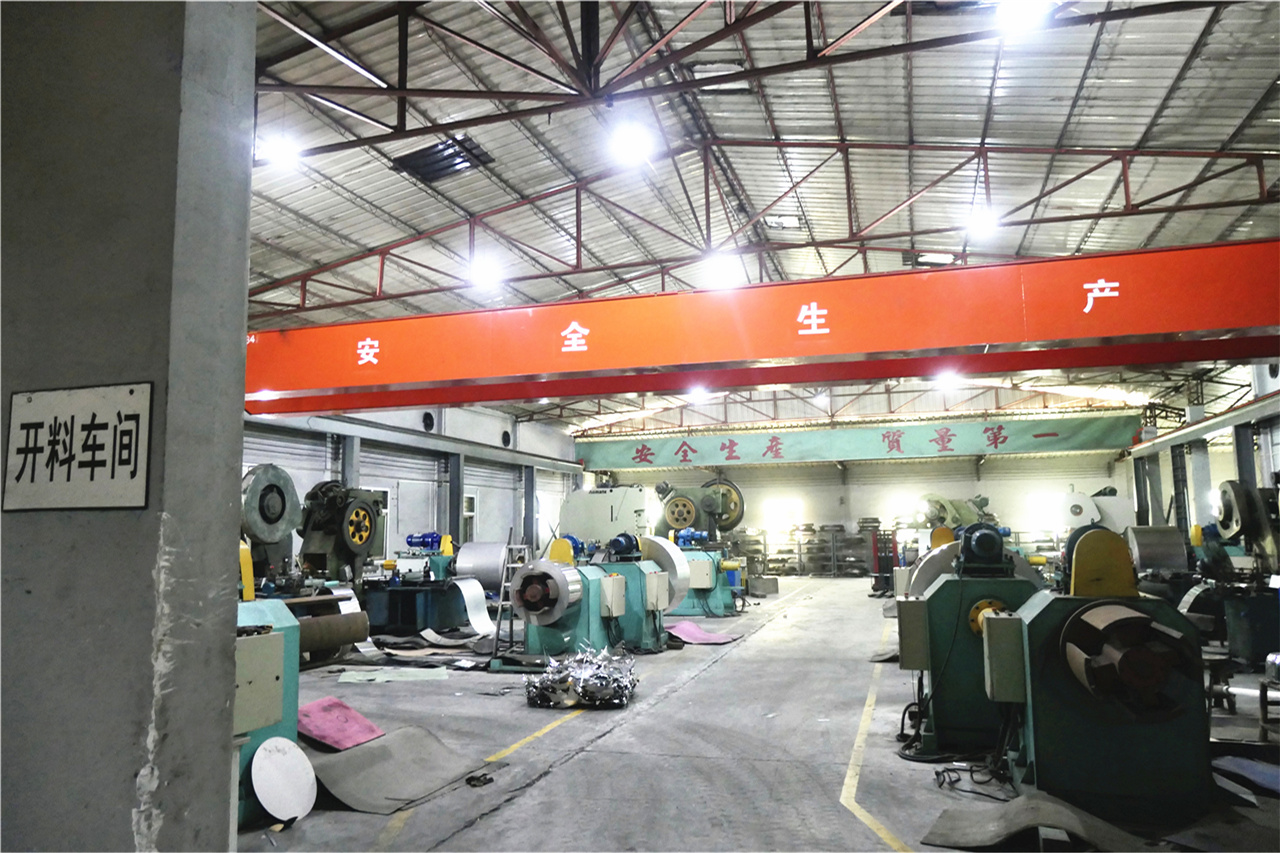
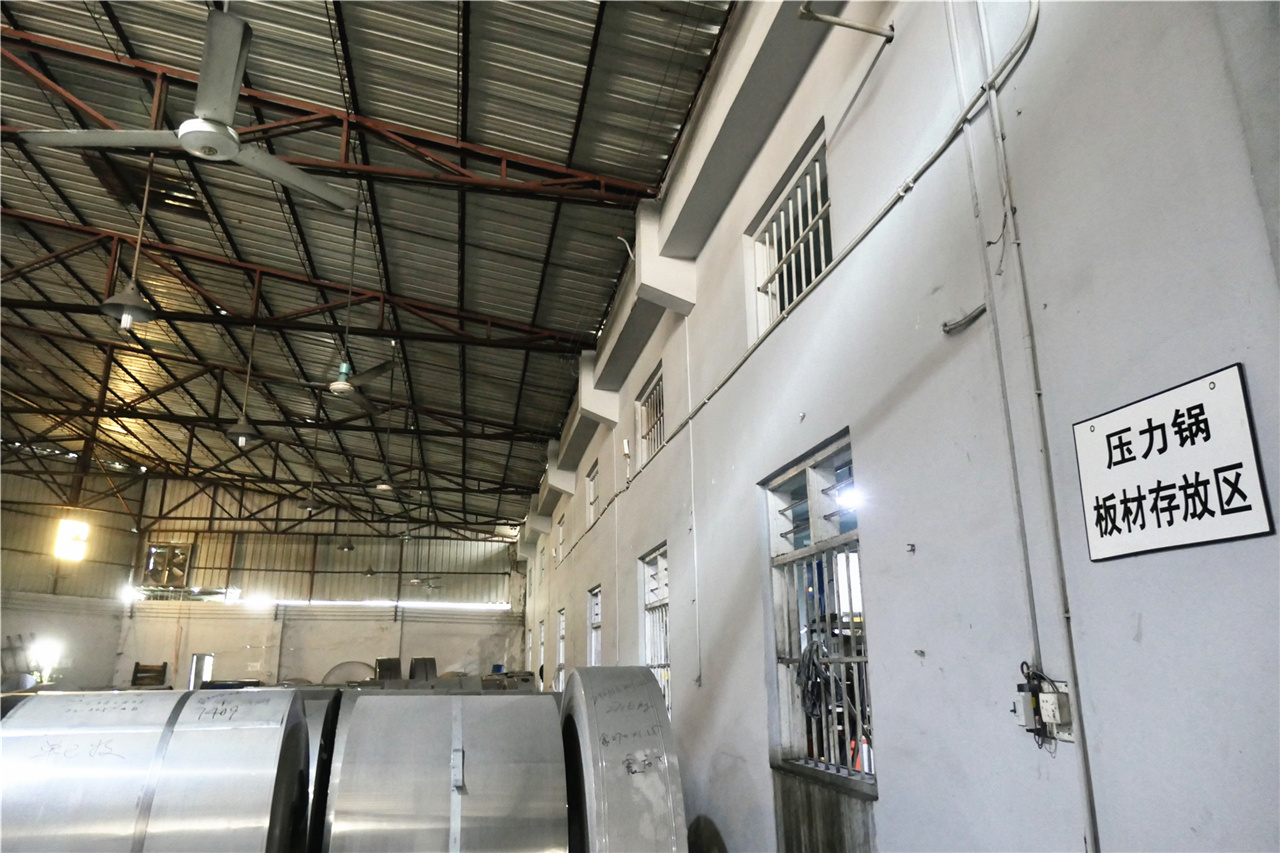
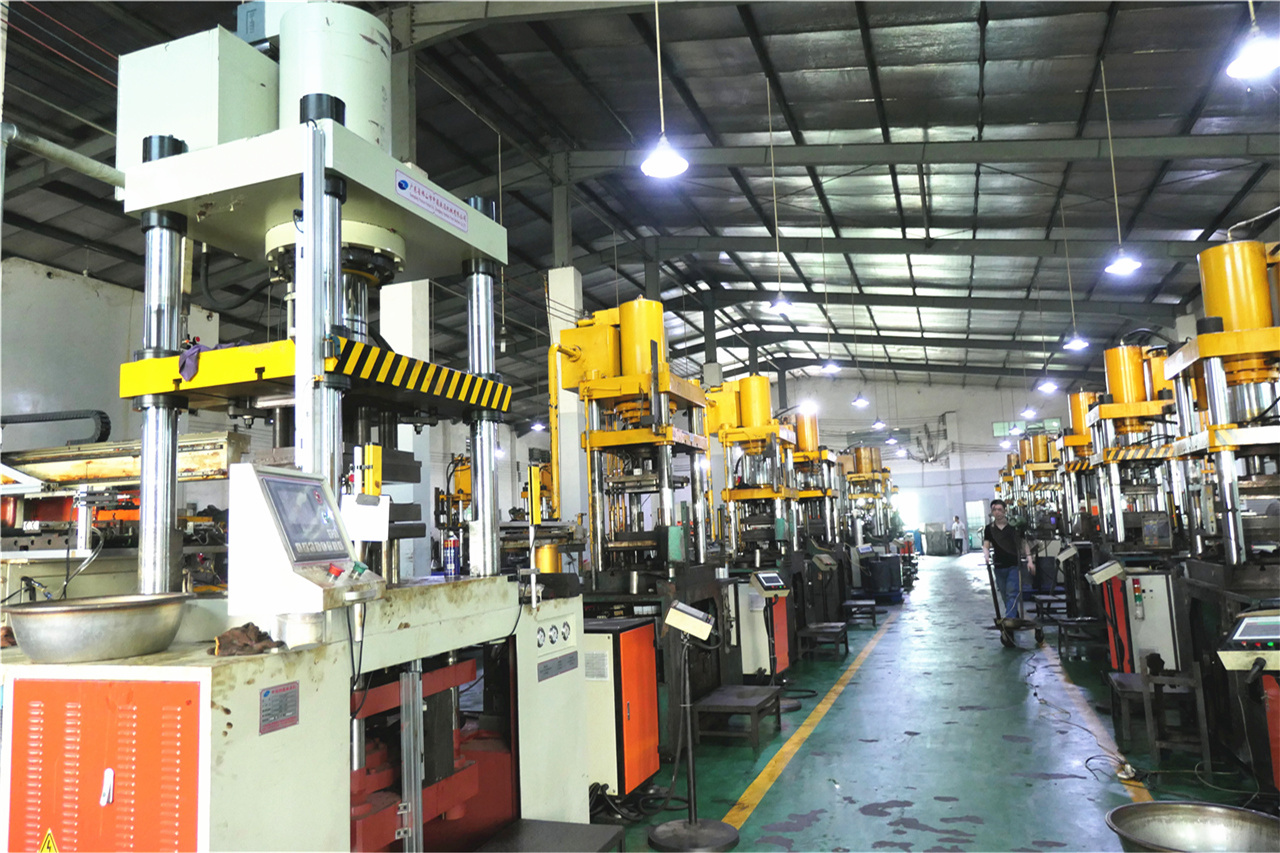
The culinary landscape of the Philippines is experiencing an unprecedented boom. Driven by a fast-growing population, rapid urbanization, and a vibrant tourism sector, the demand for high-quality food preparation tools is skyrocketing. At the heart of every commercial kitchen, local bakery, and food processing plant lies a fundamental tool: the humble yet indispensable mixing bowl. From small-scale community panaderias baking daily pandesal to multi-chain food commissaries in Metro Manila producing thousands of pastries daily, having a reliable mixing bowl factory partner is critical for business continuity and efficiency.
In the Philippines, the commercial kitchenware market has transitioned from low-cost, short-lived plastic containers to premium food-grade stainless steel vessels. This shift is primarily driven by strict sanitation standards enforced by the Food and Drug Administration (FDA) of the Philippines and local government health units. Stainless steel mixing bowls offer non-porous surfaces that prevent bacterial harboring, ease of sterilization, and resistance to the high humidity and temperatures characteristic of the tropical Philippine climate.
Baking Industry Trends: The Rise of Panaderias and Home Bakeries
Baking is deeply rooted in Filipino culture. The demand for baking equipment, particularly stainless steel mixing bowls, has grown exponentially with the rise of micro-enterprises and home-based baking businesses registered under the Department of Trade and Industry (DTI). Local delicacies like Ube Halaya, Leche Flan, Bibingka, and ensaymada require rigorous mixing, whisking, and folding. Standard household mixing bowls often fail under the mechanical stress of thick mixtures, driving bakery owners to seek industrial-grade, thick-walled stainless steel alternatives directly from reputable overseas factories that offer OEM and customization options.
Did you know? In the Philippines, the bakery industry accounts for a significant share of the processed food sector. Sourcing durable mixing bowls directly from a certified factory can reduce operational replacement costs by up to 40% annually for local bakeries.
Industrial Food Processing & Commissary Growth
Beyond small bakeries, major food chains, hotel kitchens, and centralized commissaries in Taguig, Makati, and Quezon City require bulk imports of heavy-duty mixing basins. These facilities operate 24/7, demanding mixing bowls that can withstand automated dishwasher cycles, high-impact handling, and chemical sanitizers without rusting or pitting. As a result, procurement officers are actively searching for mixing bowl companies that can supply certified SUS304 or SUS316 stainless steel products with reinforced rims and stable bases.