
Leave Your Message
Explore our top-tier stainless steel lunch containers customized to meet the demanding requirements of the Russian market.
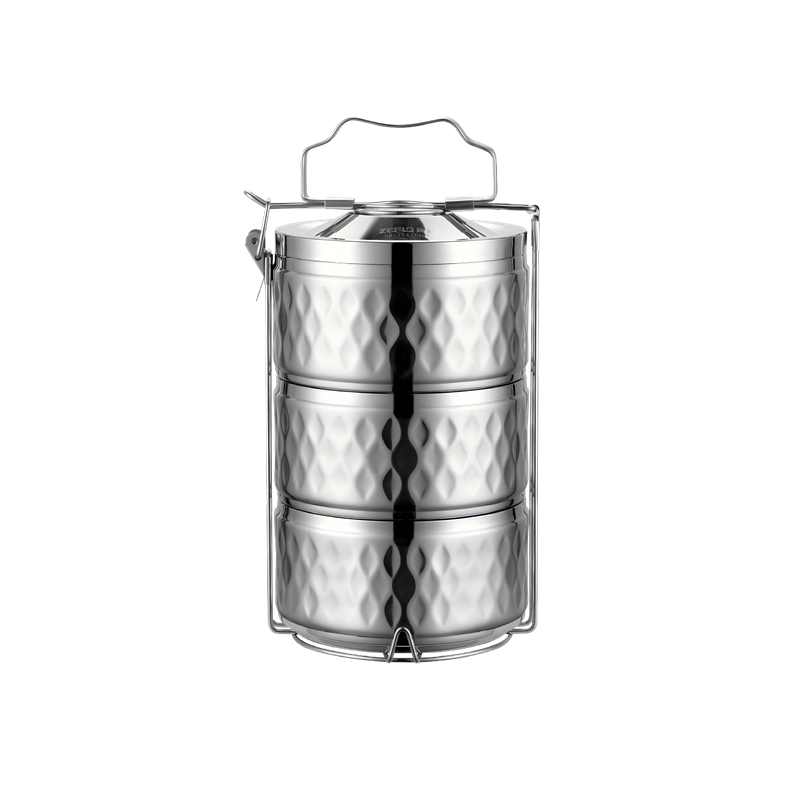
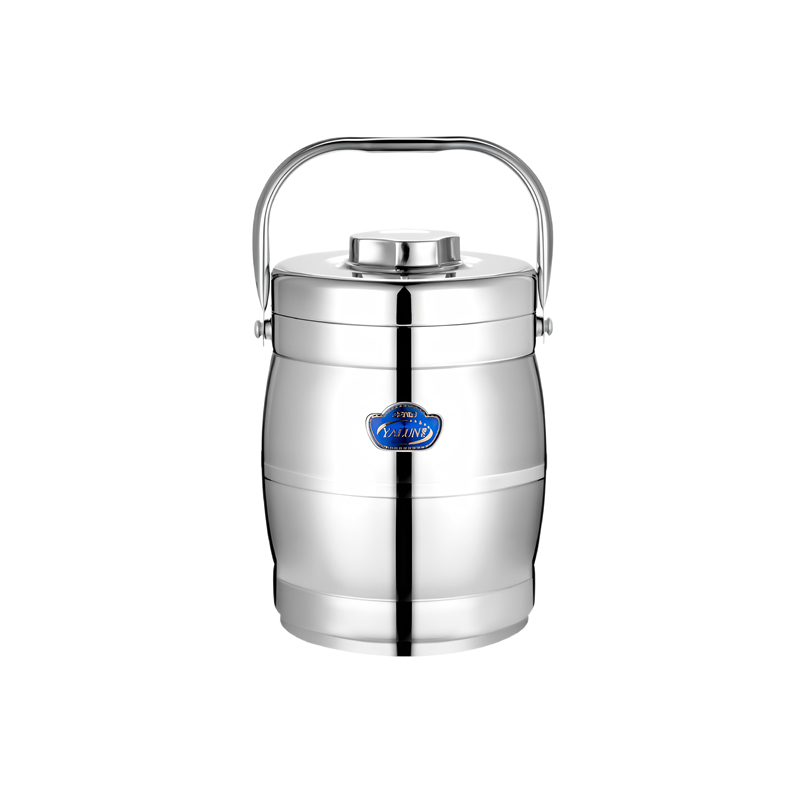
In the modern Russian retail and industrial sectors, the market for portable food storage solutions is undergoing a massive transformation. Historically, plastic containers dominated the shelves due to their low production costs and lightweight nature. However, a combination of shifting consumer preferences, health consciousness, and harsh environmental realities has triggered a significant shift towards high-quality stainless steel lunch containers. For distributors, retailers, and corporate buyers seeking reliable Lunch Container Manufacturers & Suppliers in the Russia market, understanding these shifting dynamics is crucial to capturing market share.
Russia's climate plays a primary role in this demand. With winters that are notoriously long and cold, particularly in regions like Siberia, the Urals, and northern territories, standard plastic containers simply cannot keep food warm. When temperatures drop below freezing, plastic also becomes brittle and prone to cracking under minor impacts. In contrast, double-walled vacuum-insulated stainless steel lunch pots and multi-layer boxes offer superior thermal retention, keeping meals warm for hours. This thermal efficiency is not just a convenience; it is a necessity for outdoor workers, commuters, and students who do not have access to microwave ovens during their day.
Furthermore, the rise of the healthy lifestyle movement (ЗОЖ - Здоровый Образ Жини) across Russia has encouraged millions of citizens to prepare home-cooked meals. From fitness enthusiasts in Moscow to industrial workers in Yekaterinburg, bringing a balanced, home-cooked lunch to work or school has become a standard practice. This trend has created a lucrative market for high-quality, durable, and leak-proof lunch containers that can safely transport soups, grains, and meats without spilling or losing their nutritional value.
From a commercial perspective, Russia represents a massive and diverse market with unique supply chain challenges and distribution channels. The retail market is dominated by large supermarket chains (such as X5 Retail Group, Magnit, and Lenta) alongside rapidly growing e-commerce giants like Wildberries and Ozon. For international manufacturers looking to supply this market, establishing a robust B2B partnership with local distributors and wholesalers is key.
The industrial sector in Russia is another major consumer of bulk lunch containers. Heavy industries, including mining, oil and gas extraction, metallurgy, and logistics, employ millions of workers who operate in remote areas or harsh environments. Companies operating in these sectors frequently purchase high-durability kitchenware and thermal lunch pots in bulk as part of their corporate social responsibility and employee welfare programs. A rugged, high-insulation stainless steel lunch pot is considered an essential piece of personal equipment for a worker spending a 12-hour shift in a Siberian oil field or a Ural steel plant.
In urban centers, the commercial market is driven by office workers and students. Here, the aesthetic appeal, compact design, and ease of cleaning are the primary selling points. Multi-layer lunch boxes that allow different food items to be stored separately without flavor mixing are highly popular. Manufacturers who can offer a blend of industrial durability and urban elegance are best positioned to succeed in this competitive landscape.
Several critical trends are currently shaping the product development and sourcing strategies of Russian lunch container buyers:
Russian consumers are increasingly educated about the dangers of Bisphenol A (BPA) and other chemical additives found in low-grade plastics. Consequently, there is a strong demand for food-grade SUS304 (18/8) stainless steel. This material is completely inert, does not leach chemicals into hot food, does not retain odors, and is exceptionally easy to sanitize.
Traditional Russian cuisine is rich in liquid-based dishes. Soups like Borsch, Solyanka, and Ukha are staples of the daily diet. A lunch container that leaks is completely useless to a Russian consumer. Therefore, advanced sealing technologies, such as multi-layer diamond-shaped spill containment and high-grade silicone gaskets, are highly sought after.
As energy costs rise and outdoor activities increase, the demand for high-efficiency vacuum insulation has grown. High-insulation lunch pots that utilize double-walled copper-plated vacuum technology can maintain food temperatures above 60°C for up to 12 hours, even in sub-zero ambient temperatures.
Local Russian brands and corporate clients frequently demand customized branding, colors, and packaging. Manufacturers who offer flexible OEM/ODM services, allowing Russian buyers to print their logos or customize the container capacities, have a significant competitive advantage.
To fully appreciate the utility of premium lunch containers, it is helpful to look at how they are applied in everyday Russian scenarios:
The Moscow Commuter: In a bustling metropolis like Moscow, where daily commutes on the metro or in traffic can take over an hour, a sleek, leak-proof multi-layer lunch box is a daily companion. The container must fit easily into a backpack or briefcase, remain perfectly sealed even when held at odd angles, and keep food fresh until lunchtime.
The Siberian Field Worker: For engineers and technicians working in the gas fields of Yamal or the mines of Yakutia, lunch is often taken outdoors or in unheated temporary shelters. In these extreme environments, a heavy-duty, high-insulation lunch pot with a wide mouth and a sturdy carrying handle is indispensable. It allows workers to enjoy a hot, calorie-dense stew that provides the energy needed to withstand the freezing cold.
The St. Petersburg Student: University students and school children require compact, lightweight, and easy-to-use food containers. A single or double-layer stainless steel pot that keeps food warm for 4-6 hours is perfect for school lunches. Parents prefer these containers because they are durable enough to survive being dropped in school bags and are completely safe from chemical leaching.
The Trans-Siberian Traveler: Long-distance travel by train or road is a common part of Russian life. Travelers on multi-day train journeys often pack their own food to avoid expensive dining cars. A multi-layer stainless steel lunch box allows them to store multiple meals safely, maintaining freshness without refrigeration for extended periods.
From a technical and metallurgical perspective, not all stainless steel containers are created equal. The Russian market has become highly discerning, with buyers actively looking for '304 Stainless Steel' markings on products.
SUS304 stainless steel contains approximately 18% chromium and 8% nickel, which gives it excellent corrosion resistance against the organic acids found in foods, particularly acidic soups like Borsch (which contains tomatoes and vinegar). Lower-grade steels, such as 201 stainless steel, are prone to rusting over time when exposed to acidic liquids and moisture, leading to metallic tastes and potential health hazards.
In addition to corrosion resistance, 304 stainless steel offers superior structural integrity. It can withstand high thermal expansion and contraction without warping. This is particularly important for vacuum-insulated containers, where any deformation of the inner or outer walls can breach the vacuum seal, rendering the insulation useless. By utilizing advanced manufacturing techniques, such as precision welding and copper plating on the vacuum layer, premium manufacturers ensure that their lunch containers deliver consistent, long-term performance in the harshest Russian climates.
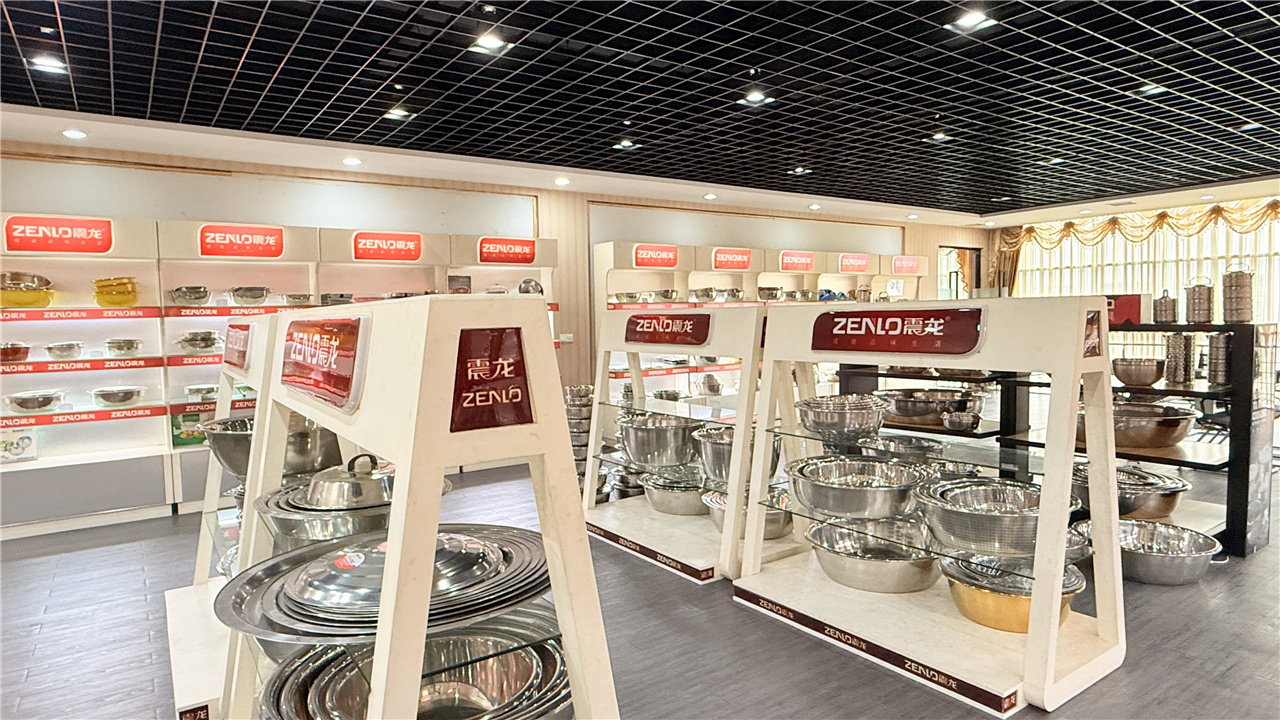
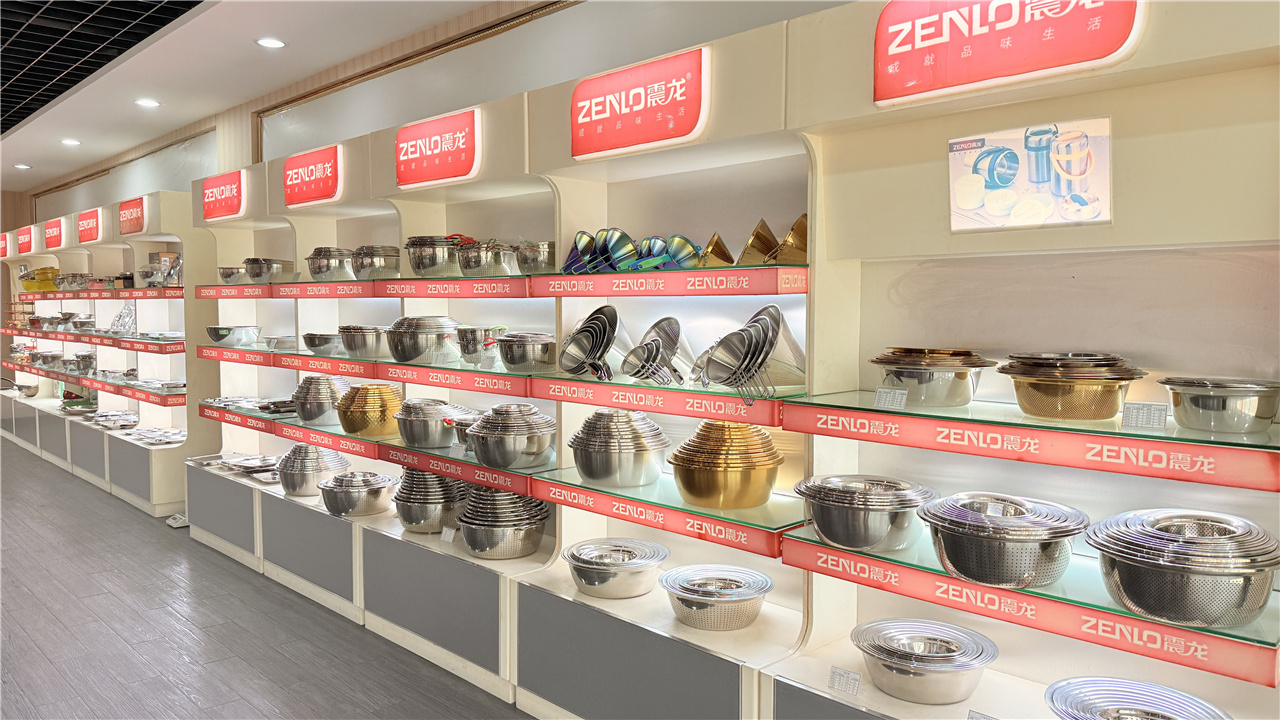
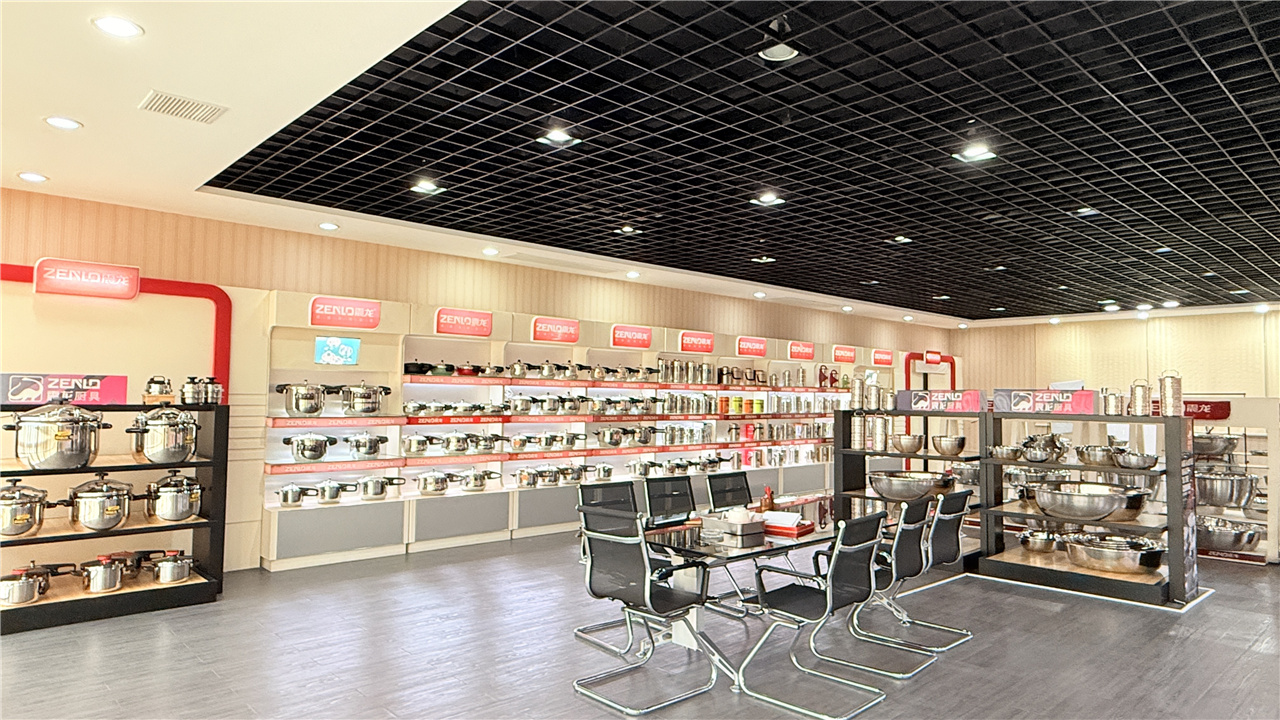
Premium solutions engineered for longevity, thermal efficiency, and complete food safety across all Russian regions.