
Leave Your Message
Engineered for rapid heating, maximum safety, and high-frequency commercial service.
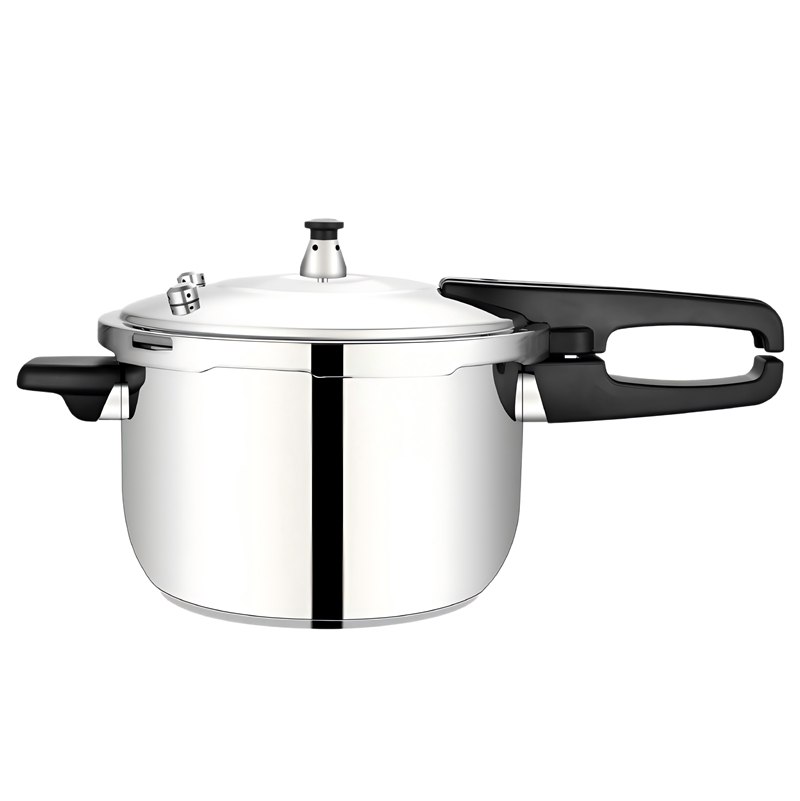
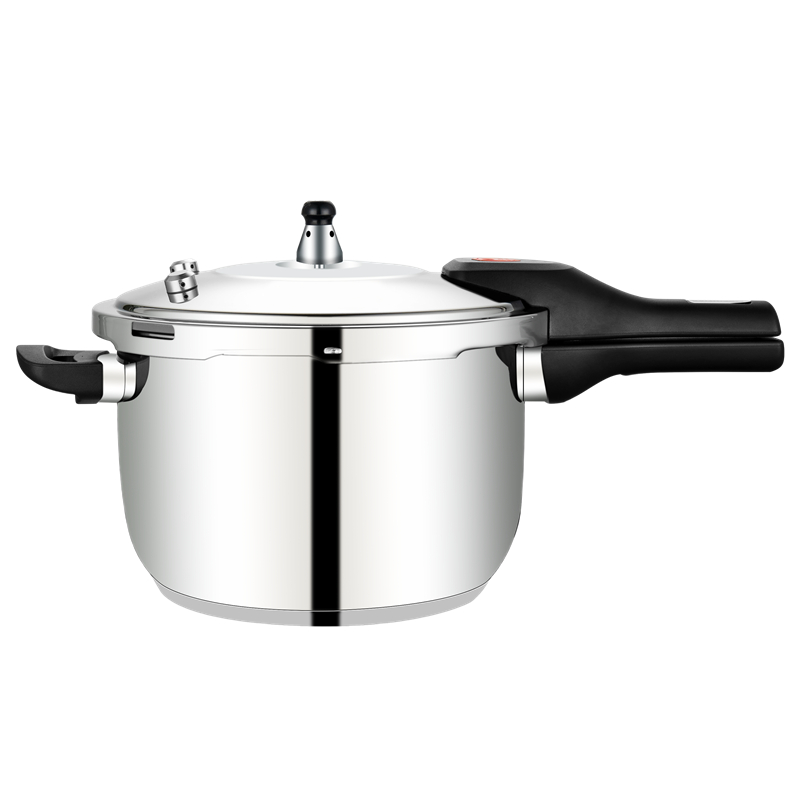
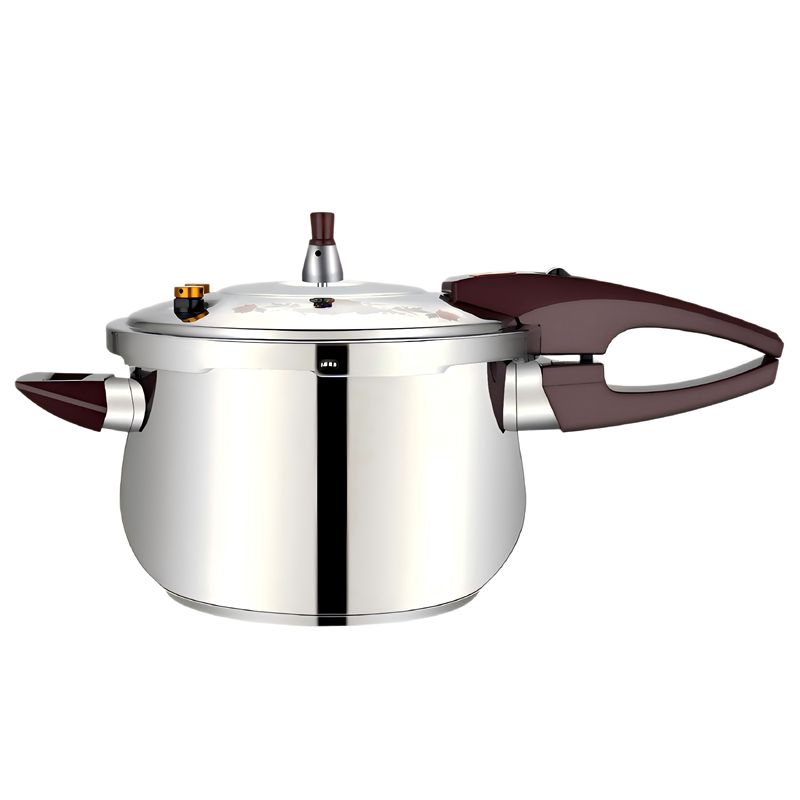
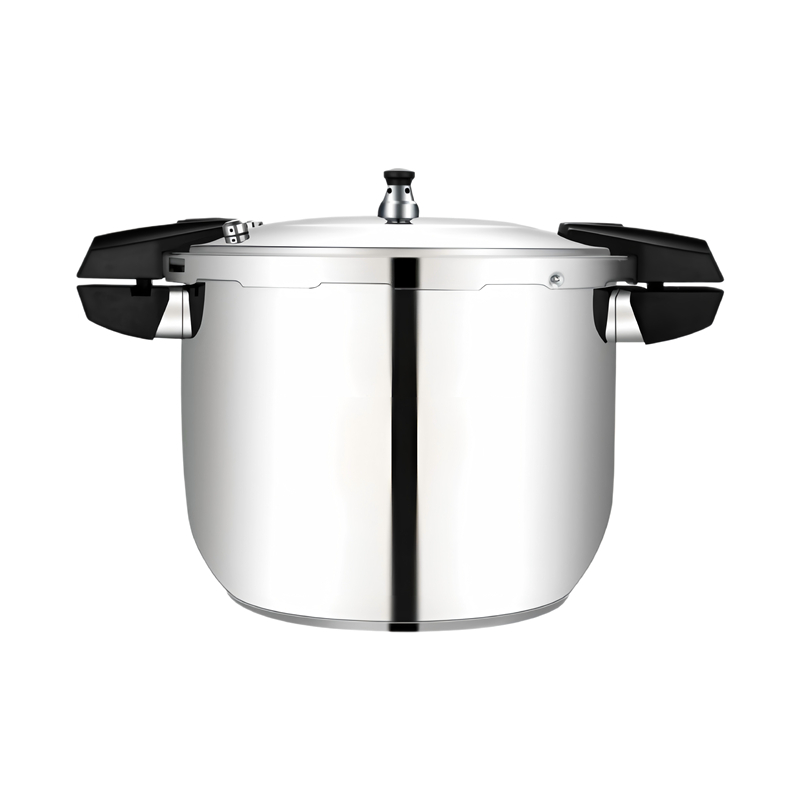
How Instant Pressure Cookers Are Transforming the Fast Food and Institutional Dining Industries
In the modern food service industry, speed, consistency, and energy efficiency are no longer optional—they are the pillars of survival. The global commercial dining sector, encompassing fast-food franchises, school cafeterias, corporate dining halls, and central production kitchens, is facing unprecedented challenges. Rising labor costs, fluctuating energy prices, and increasing consumer demands for fresh, high-quality food served rapidly have forced operators to rethink their culinary hardware. At the center of this technological paradigm shift is the commercial instant pressure cooker for fast food and cafeteria dining.
Historically, pressure cooking was viewed as a traditional, stovetop process reserved for residential kitchens or small-batch preparations. However, the integration of advanced electronics, microprocessors, and high-grade food metallurgy has elevated the pressure cooker into a sophisticated commercial instrument. Today's commercial instant pressure cookers operate as automated, programmable systems capable of preparing large volumes of food in a fraction of the time required by conventional methods, all while preserving nutritional value and taste profiles.
The rapid adoption of commercial instant pressure cookers is driven by the necessity to optimize kitchen throughput, reduce food waste, and maintain strict microbiological safety standards in high-frequency dining environments.
The industrial landscape is witnessing a massive transition toward modular, multi-functional kitchen equipment. In fast-food operations, where kitchen floor space is at a premium, having a single appliance that can steam, braise, boil, and pressure cook is invaluable. Rather than maintaining separate units for rice cooking, meat tenderizing, and soup simmering, commercial kitchens utilize instant pressure cookers to execute multiple cooking phases within a unified footprint. This multi-functionality directly translates to lower capital expenditure and reduced maintenance overheads for restaurant groups and institutional dining services.
The Integration of AI, Microprocessors, and Safety Mechanics in Commercial Pressure Cooking
Modern commercial cookers utilize intelligent microprocessors to monitor and adjust pressure and temperature internally, eliminating human error and ensuring absolute recipe consistency across shifts.
Equipped with heavy-duty pressure release valves, automatic lid-locking mechanisms, and thermal sensors, these systems guarantee operator safety in high-stress cafeteria environments.
By sealing the cooking environment, pressure cookers minimize heat loss, reducing energy consumption by up to 70% compared to traditional open-burner methods.
High-pressure steam forces heat into the core of ingredients rapidly, cooking tough proteins and grains in under a third of the time required by standard ovens or stovetops.
As commercial kitchens align with the "Smart Kitchen" concept, IoT connectivity is becoming standard in commercial pressure cookers. Operators can now upload cooking profiles remotely, monitor cycle completions, and track energy usage metrics. This level of control is particularly critical for chain restaurants and franchise models, where maintaining the exact same flavor and texture profile in New York, London, or Tokyo is essential for brand integrity. The automation of the pressure release cycle, combined with precise digital monitoring, means kitchen staff can set a cycle and focus on other tasks, reducing labor dependency and enhancing operational efficiency.
From High-Volume School Lunch Runs to Rapid Fast Food Turnaround
In institutional dining, the primary challenge is serving thousands of nutritious meals within a highly compressed timeframe—often within a two-hour lunch window. Traditional boiling of large quantities of vegetables, legumes, and grains leads to significant nutrient leaching and high energy consumption. Commercial instant pressure cookers solve this by using superheated steam under pressure, locking in vitamins, minerals, and natural colors while cooking massive batches of rice, stews, and soups in minutes. The "keep-warm" functionality ensures food remains at safe temperatures without drying out, maintaining quality from the first student in line to the last.
For QSRs, customer wait time is the ultimate metric. If a menu item takes too long to prepare, throughput drops, and revenue is lost. Instant pressure cookers allow fast-food outlets to prepare complex, slow-cooked menu items—such as pulled pork, beef birria, or shredded chicken—on-demand. What once took 4 to 6 hours of slow braising can now be completed in under 45 minutes. This agility allows managers to react dynamically to unexpected customer surges without over-preparing food and risking high wastage rates at the end of the day.
Central kitchens that supply multiple retail outlets or catering events rely on standardization. The programmable memory of commercial pressure cookers allows executive chefs to program exact parameters for base sauces, broths, and meat preps. Every single batch is subjected to the exact same pressure, temperature, and duration curve, ensuring that the food delivered to satellite locations is uniform. Furthermore, the high-pressure environment sterilizes the food more effectively than open cooking, extending the shelf-life of prepped ingredients during transport.
Decades of Manufacturing Excellence and Technological Innovation
Our factory was established in 1994.
Our company is continuously committed to the research and development of new products and technologies. Multiple products have been patented, and we will continue to launch new products in the future. Please stay tuned.
The enterprise always adheres to the business philosophy of "integrity, innovation, and progress", winning customer trust and market recognition with high-quality products and a steady and pragmatic attitude. We sincerely welcome customers from home and abroad to cooperate, negotiate, visit and guide us, and create a better future together.
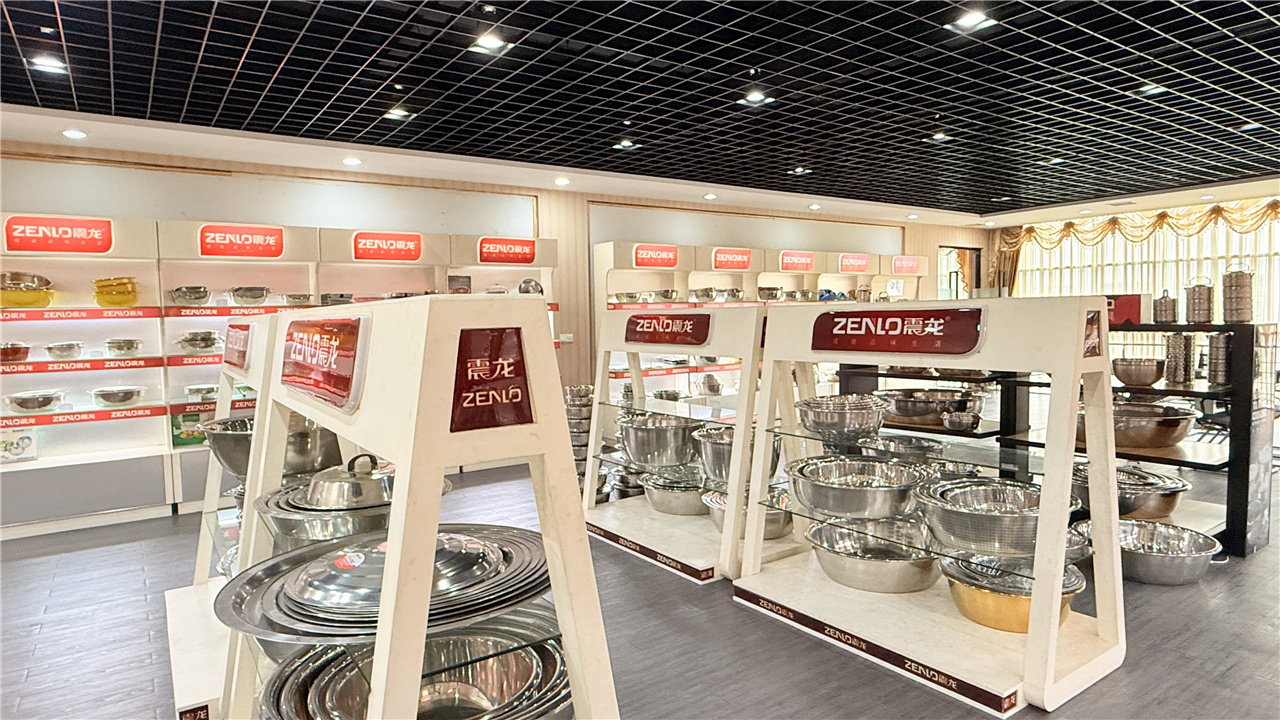
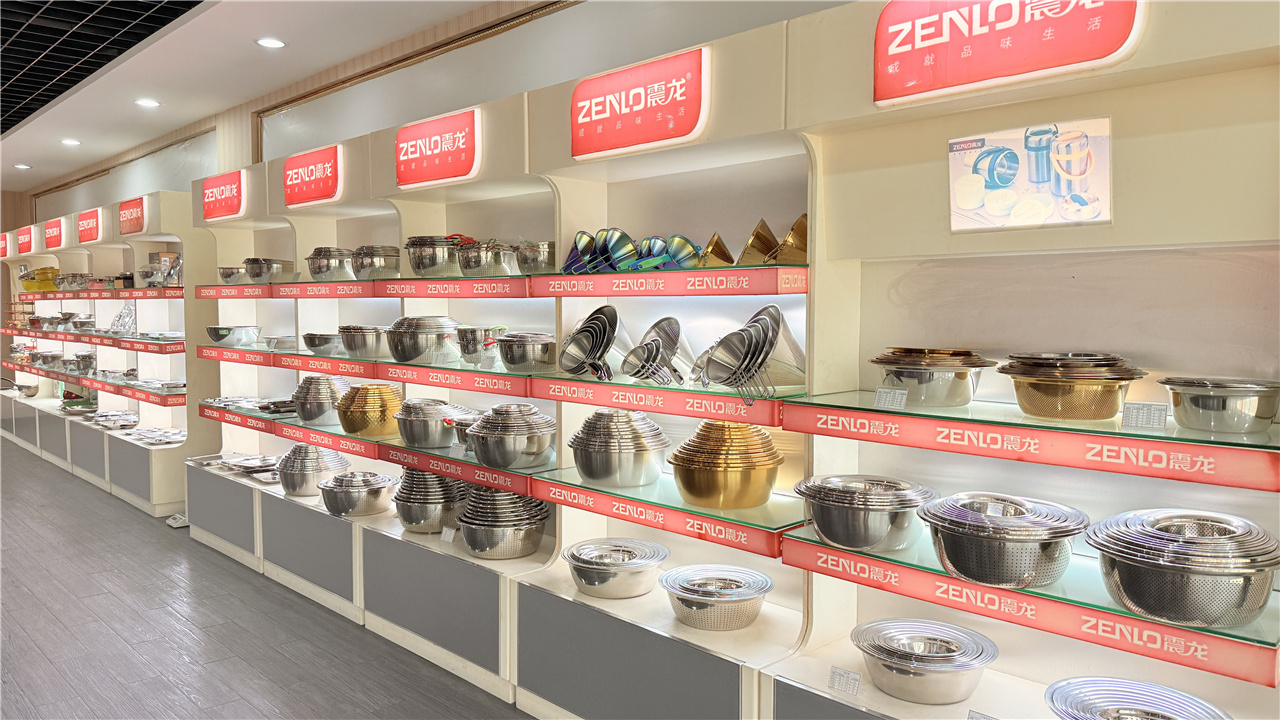
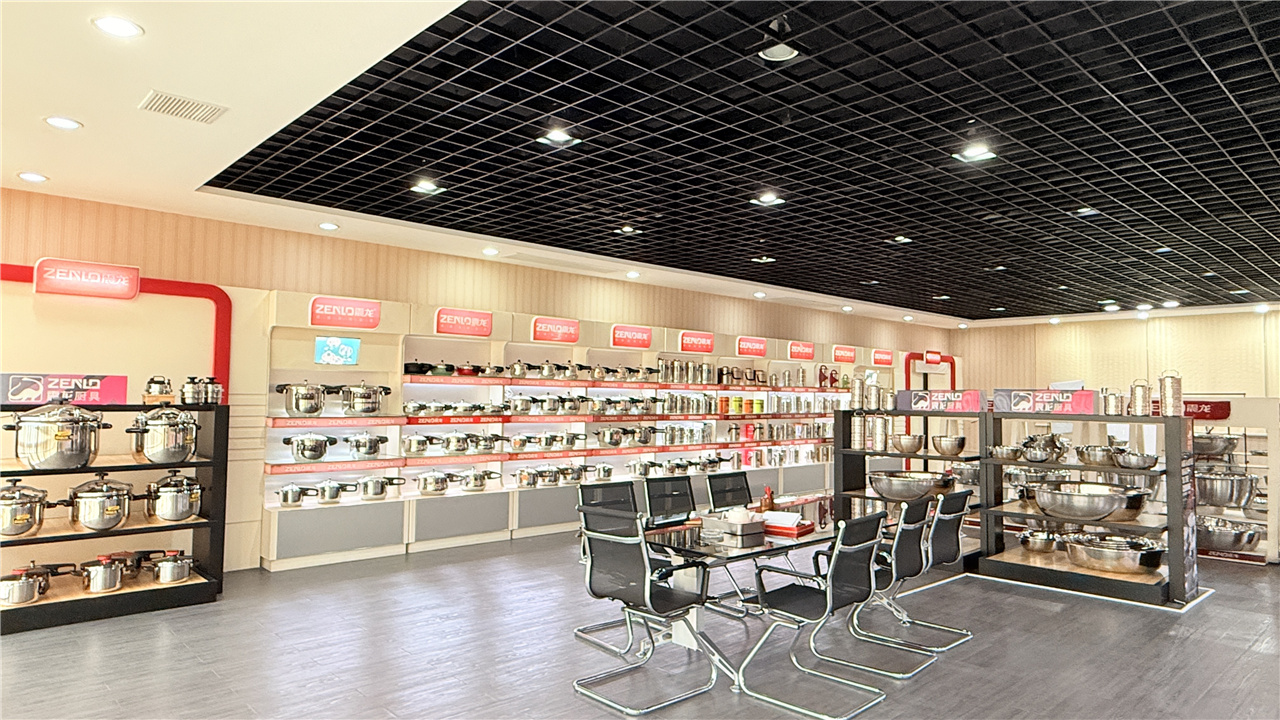
Take a virtual tour through our state-of-the-art product exhibition space
Analyzing the Financial Impact of Upgrading to Industrial Pressure Cooking Systems
For food service operators, purchasing commercial kitchen equipment is a capital investment that must be justified by clear financial returns. The commercial instant pressure cooker for fast food and cafeteria dining delivers rapid ROI across three primary vectors: labor reduction, energy savings, and ingredient yield optimization.
Explore our full range of professional kitchen solutions designed for institutional and fast-food dining operations