Leave Your Message
Explore our primary equipment selection engineered specifically to withstand low atmospheric pressure and maintain optimal thermal efficiency at high elevations.
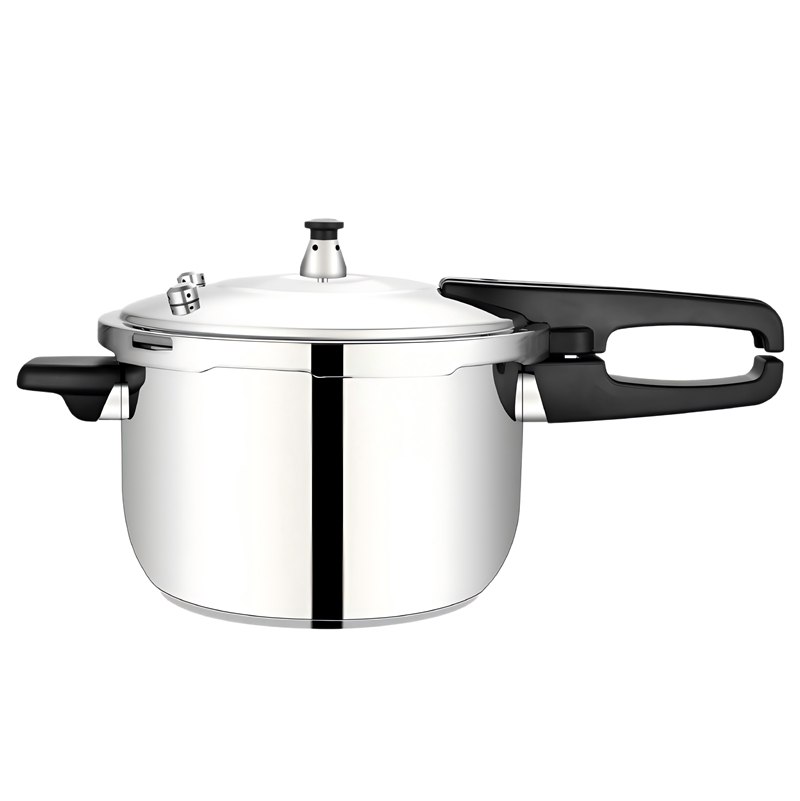
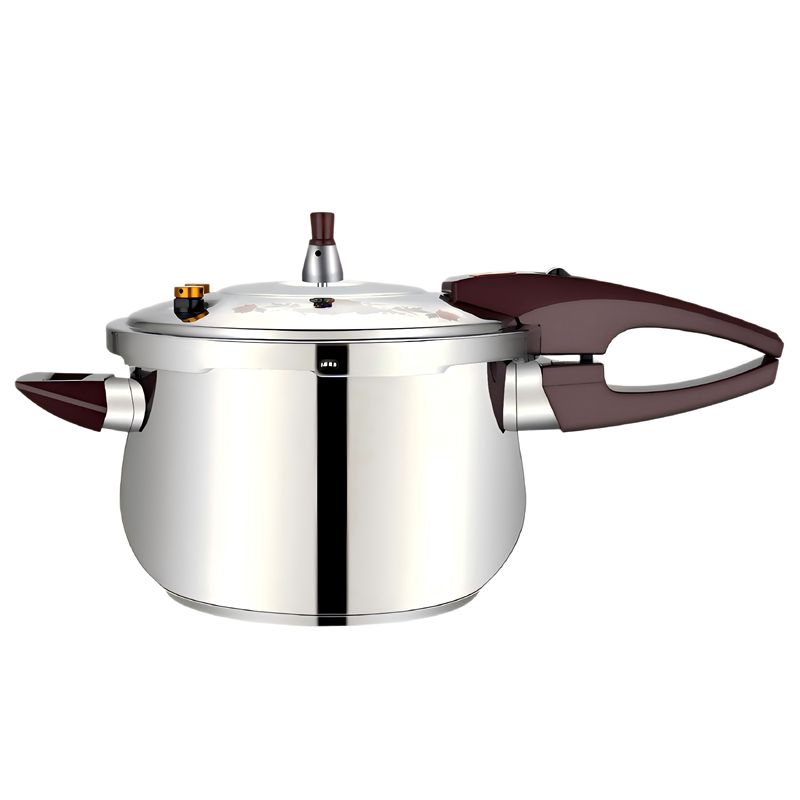
Cooking in high-altitude regions presents a unique set of meteorological and physical challenges that fundamentally alter the physics of food preparation. As elevation increases, the surrounding atmospheric pressure decreases exponentially. This drop in pressure directly impacts the boiling point of water, which is the foundational medium for most culinary preparation. At sea level, water boils at precisely 100°C (212°F). However, for every 300 meters of elevation gain, the boiling point of water decreases by approximately 1°C. Consequently, in high-altitude cities and mountainous regions—such as La Paz in Bolivia (3,640 meters), Lhasa in Tibet (3,650 meters), or alpine resorts in the Rocky Mountains and the Swiss Alps—water boils at temperatures as low as 85°C to 88°C.
This lower boiling point means that open-vessel cooking is incapable of reaching the temperatures required to break down complex starches, denature tough proteins, or sanitize food effectively. To overcome these thermodynamic limitations, high-pressure cookers have become indispensable tools for both residential kitchens and large-scale commercial operations in mountainous environments.
Lower ambient pressure reduces the boiling point of water, making standard boiling methods highly inefficient and time-consuming.
Extended open-pot cooking times lead to excessive fuel consumption, which is particularly critical in remote, high-altitude regions.
By raising the internal boiling temperature, pressure cookers seal in essential vitamins and minerals, preventing degradation.
Understanding the relationship between pressure, temperature, and boiling points is crucial for designing effective culinary solutions. According to the Clausius-Clapeyron relation, the boiling point of a liquid is the temperature at which its vapor pressure equals the external atmospheric pressure. When atmospheric pressure is low, water molecules require less kinetic energy (and thus a lower temperature) to escape into the vapor phase. While this means water boils faster, it also means the maximum temperature of the liquid water is capped at a much lower level. For foods that require sustained temperatures above 90°C to cook—such as dry beans, brown rice, root vegetables, and fibrous meats—traditional boiling methods result in undercooked, unpalatable, and potentially unsafe meals.
The commercial demand for high-pressure cooking technology in high-altitude regions has expanded significantly over the past decade. This growth is driven by three primary sectors: tourism and hospitality, industrial resource extraction, and public infrastructure development.
In the tourism sector, luxury alpine resorts, high-altitude hotels, and mountain recreation facilities have proliferated globally. Guests at these destinations expect high-quality, gourmet dining experiences. However, commercial kitchens operating at high altitudes must manage the physical constraints of low pressure. Chefs rely on commercial-grade pressure cookers to maintain rapid table turnover, ensure consistent food quality, and prepare diverse menus that would otherwise be impossible to cook efficiently.
In the industrial sector, mining operations, oil and gas extraction sites, and hydroelectric projects are frequently located in remote, high-altitude mountainous terrains. These operations often house thousands of workers in remote base camps. Providing nutritious, hot meals to these workforces is essential for maintaining morale and productivity. High-pressure cookers are the backbone of these industrial kitchens, allowing cooks to prepare large volumes of food quickly while minimizing fuel consumption.
Additionally, government and military installations, including border outposts and meteorological research stations, rely heavily on rugged, highly efficient pressure cookers. In these remote locations, fuel logistics are challenging and expensive; therefore, the energy-saving capabilities of pressure cookers are of paramount strategic value.
The engineering of pressure cookers for high-altitude applications has evolved to address safety, durability, and thermal efficiency. Key technological trends include:
High-altitude pressure cookers must withstand significant pressure differentials and frequent thermal cycles. Modern manufacturers utilize high-grade, food-grade stainless steel (such as SUS 304 or SUS 316) to prevent corrosion and structural fatigue. A key innovation is the multi-ply encapsulated base, which bonds layers of aluminum between stainless steel. This design ensures rapid heat absorption and even distribution, preventing hot spots and warping.
Safety is the primary concern in pressure cooker design, especially in low-pressure environments where the internal-to-external pressure differential is magnified. Modern cookers feature redundant safety mechanisms, including primary pressure regulator valves, secondary safety valves, and emergency pressure-release slots in the lid rim. Self-locking lids prevent the cooker from being opened while internal pressure remains high.
Advanced commercial models are increasingly incorporating smart sensors and digital controls. These systems can automatically adjust heating profiles based on the ambient atmospheric pressure, ensuring optimal cooking temperatures regardless of the altitude.
To understand the versatility of high-pressure cookers in high-altitude environments, we can analyze four distinct application scenarios:
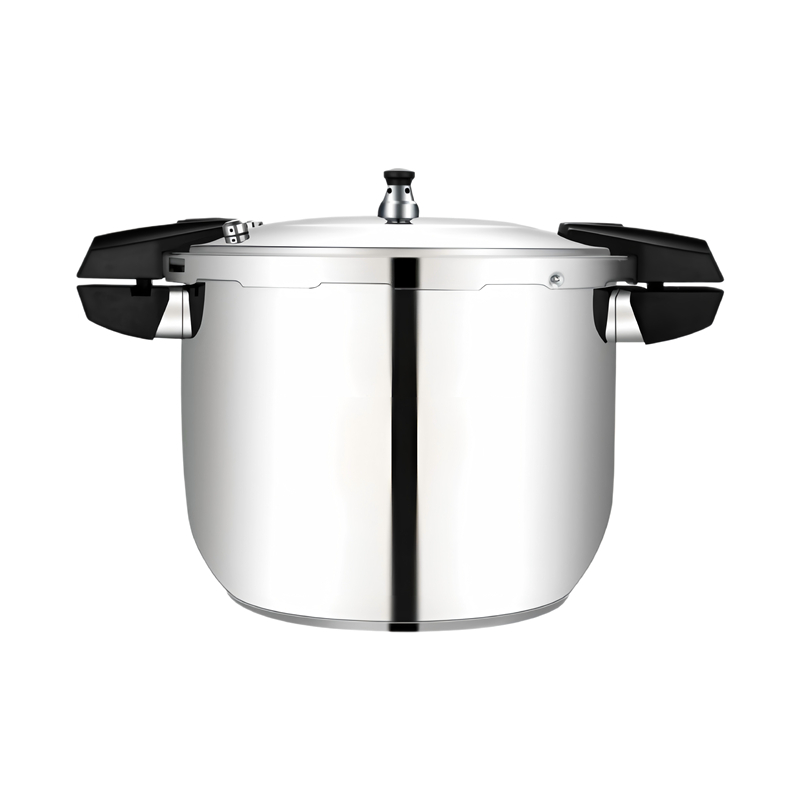
In high-altitude tourist destinations, restaurants must deliver high-quality meals within tight timeframes. The ZENLO Commercial Stainless Steel Pressure Cooker is designed for these high-demand environments. Its large capacity and rapid pressurization allow chefs to prepare stocks, braise meats, and cook grains in a fraction of the time required by traditional methods. This efficiency reduces guest wait times and lowers utility costs.
In mining camps and construction sites located at high elevations, feeding a large workforce requires robust and reliable equipment. The ZENLO Heated Stainless Steel Pressure Cooker provides an integrated heating solution that maximizes fuel efficiency. By cooking food up to 70% faster, it minimizes the consumption of liquefied petroleum gas (LPG) or electricity, simplifying camp logistics and reducing operational overhead.
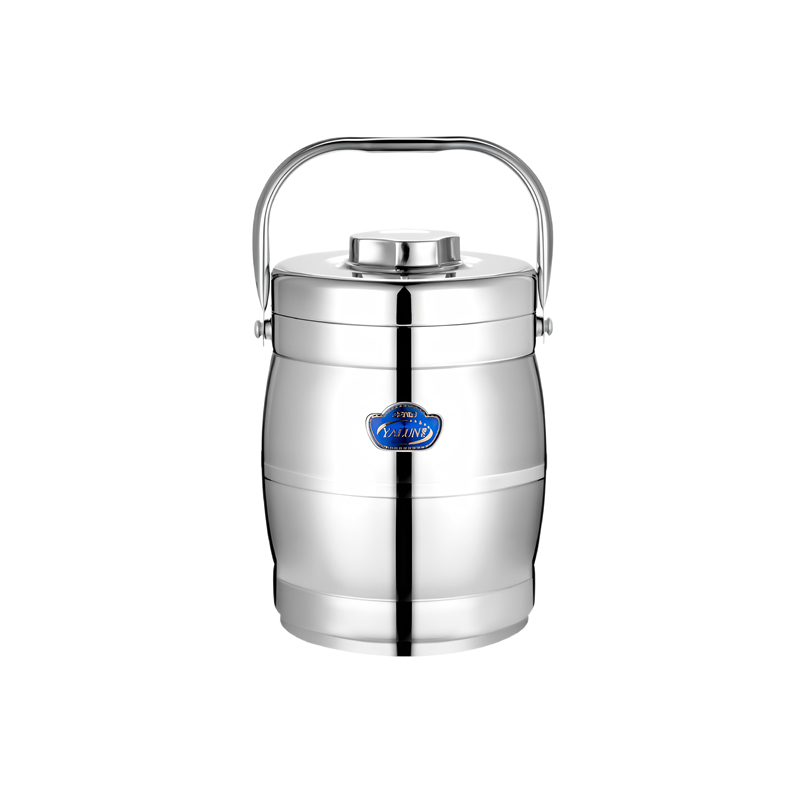
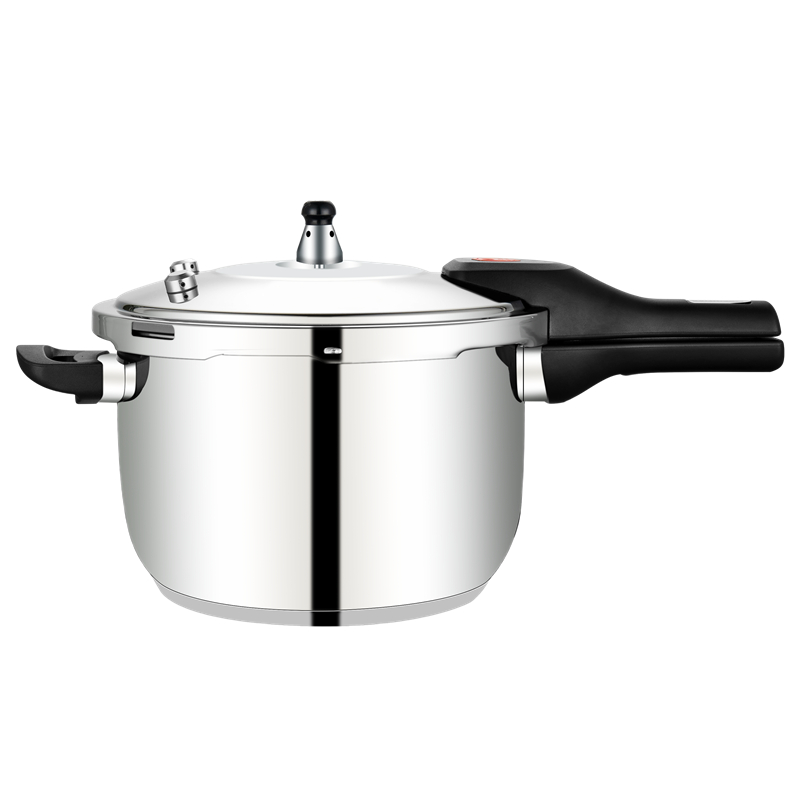
For families living in mountainous communities, daily cooking can be a time-consuming chore that consumes significant quantities of firewood or gas. The ZENLO Simple Household Stainless Steel Pressure Cooker and the ZENLO "YALUN" Multi-Functional Safety Pressure Cooker offer safe, affordable, and easy-to-use solutions. These cookers make daily meal preparation faster and safer, allowing families to cook nutritious meals while conserving household energy resources.
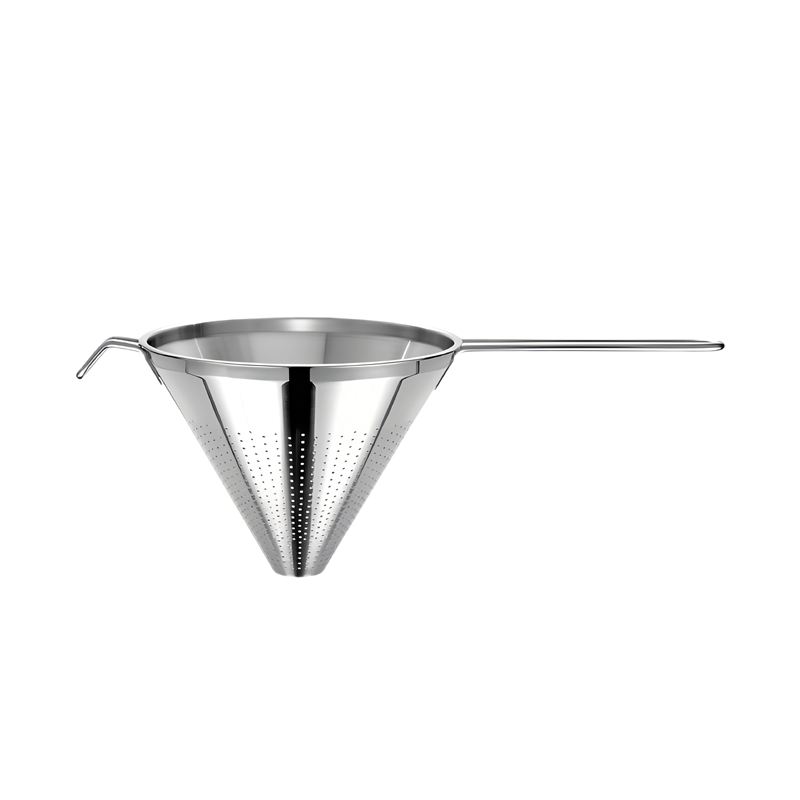
Industrial food processing and commercial preparation in high-altitude regions often require precise separation and filtration of ingredients. The ZENLO Conical Multifunctional Stainless Steel Filter Funnel is engineered to facilitate these processes. Its robust stainless steel construction ensures durability, while its conical design optimizes filtration efficiency under varying atmospheric conditions, making it an essential tool for commercial kitchens and food processing facilities alike.
Since 1994, ZENLO Company has witnessed and participated in the complete journey of China's stainless steel kitchenware industry from nothing to something, from weak to strong. Thirty years of development is a history of struggle from "based in Chao'an" to "selling globally." Through the accumulation of the domestic market, the precise development of overseas channels, and the agile transformation in the digital age, the company is steadily moving towards its goal of becoming a "century-old hardware brand."
Amidst the wave of reform and opening up, ZENLO's predecessor—"Zhenlong Hardware Factory"—was established in 1994. In its early days, we seized the policy opportunities of "processing with supplied materials, processing with supplied samples, and compensation trade," relying on a few simple machines and dozens of employees, starting with OEM and ODM under our own brand, laying the foundation for the later "ZENLO" and "YALUN" brands. During this period, we primarily learned from and imitated others to establish the initial form of our enterprise. We accumulated the most basic production experience, introduced fundamental quality management standards, and established a firm foothold in Guangdong's manufacturing cluster based on our reliable reputation.
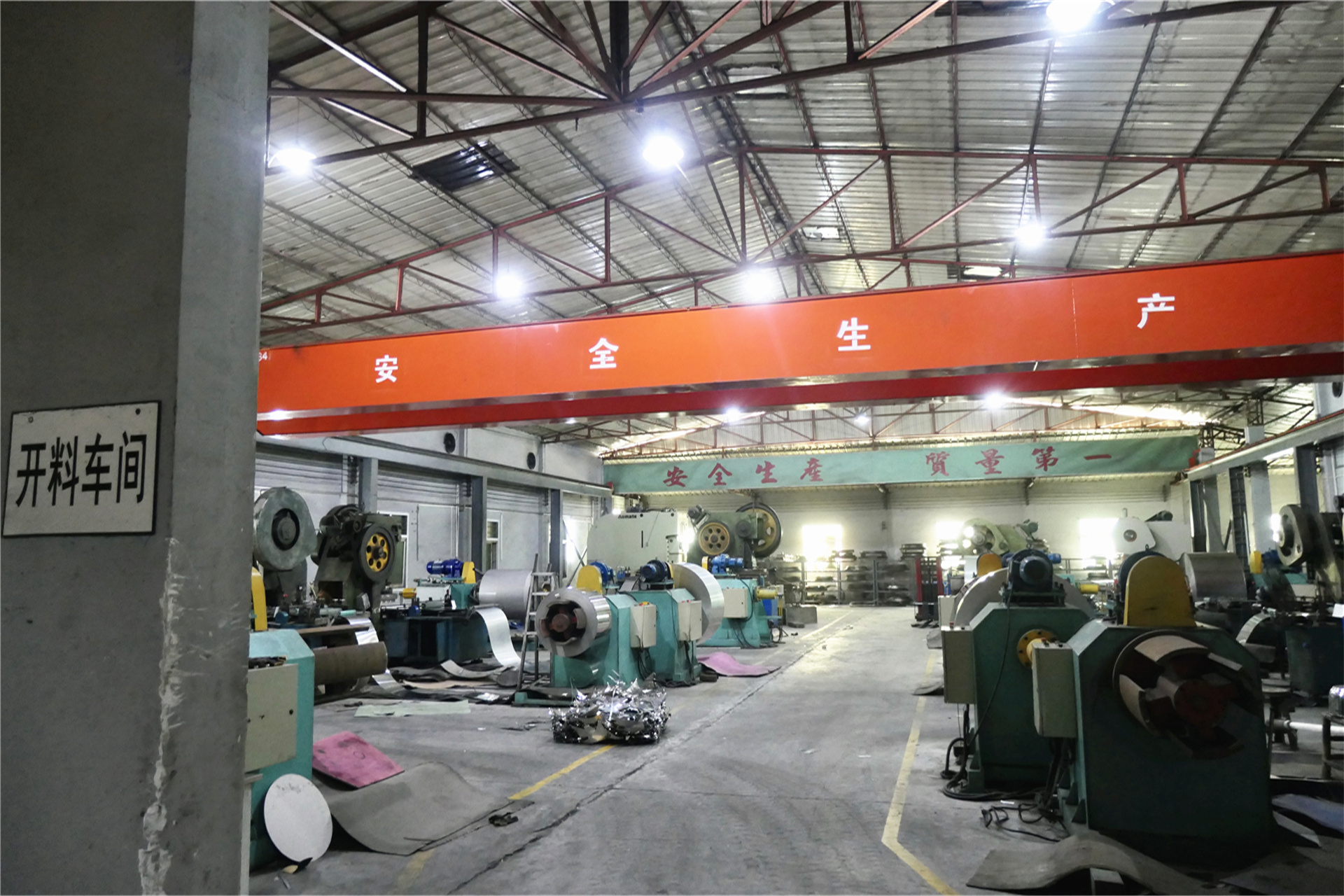
With China's accession to the WTO, overseas orders poured in. We rapidly expanded our production scale and cooperated with major markets across the country. While meeting international market demands, we keenly recognized the importance of our own brand, aligning it with our corporate development goals. Later, we successively developed new products, promoted our brand, and simultaneously entered the domestic market. Through participation in various hotel supplies exhibitions, we initially established domestic sales channels, achieving strategic synchronization between corporate culture and branded products.
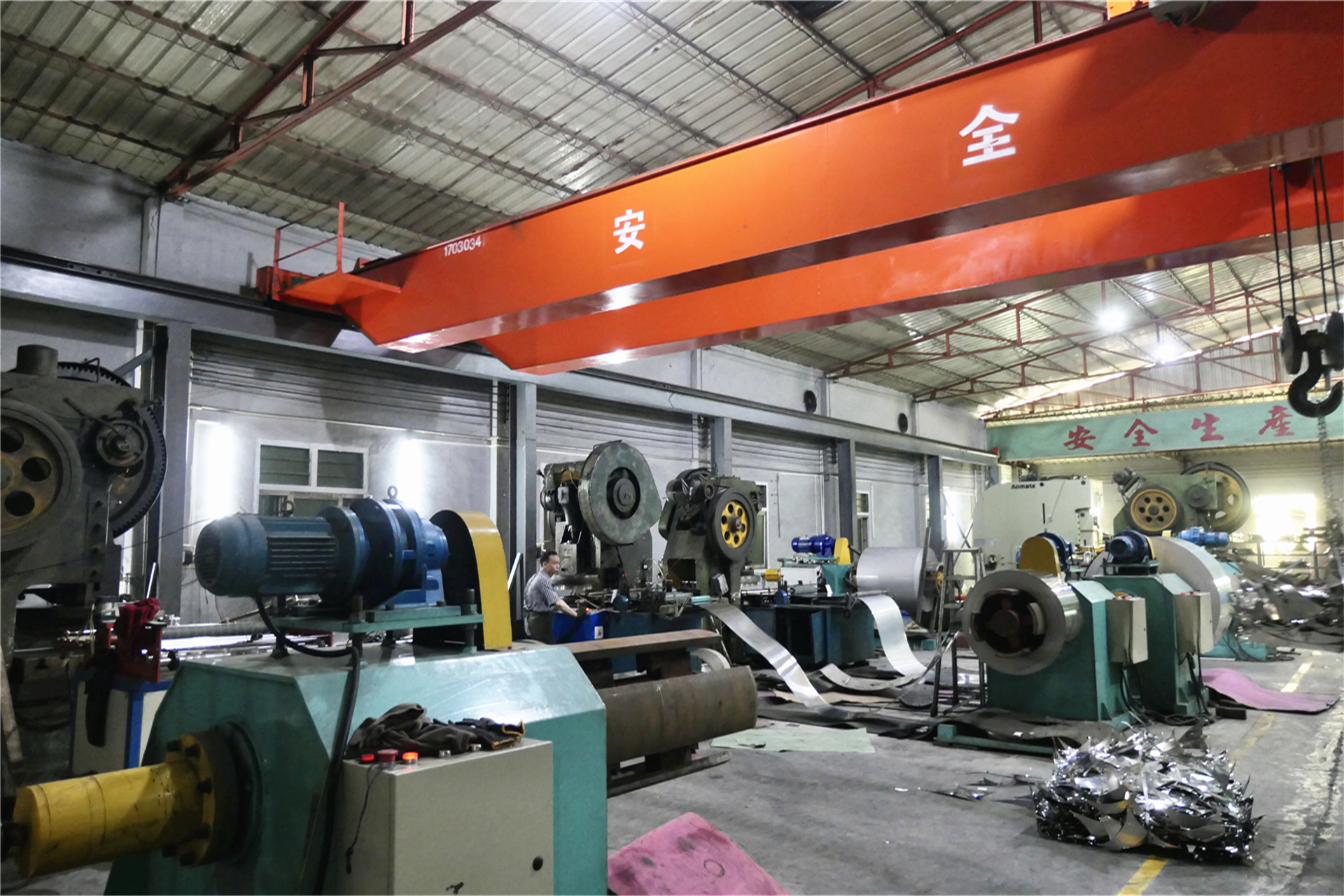
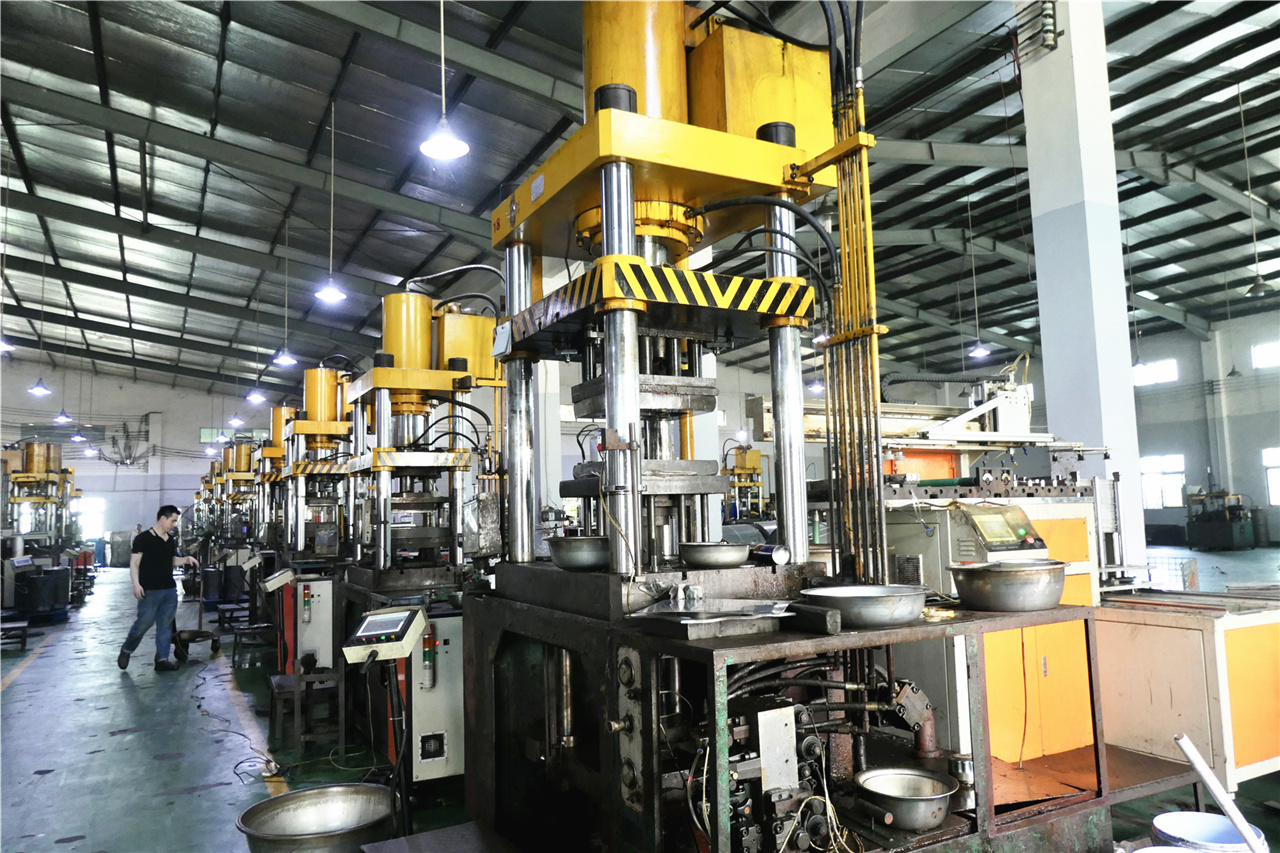
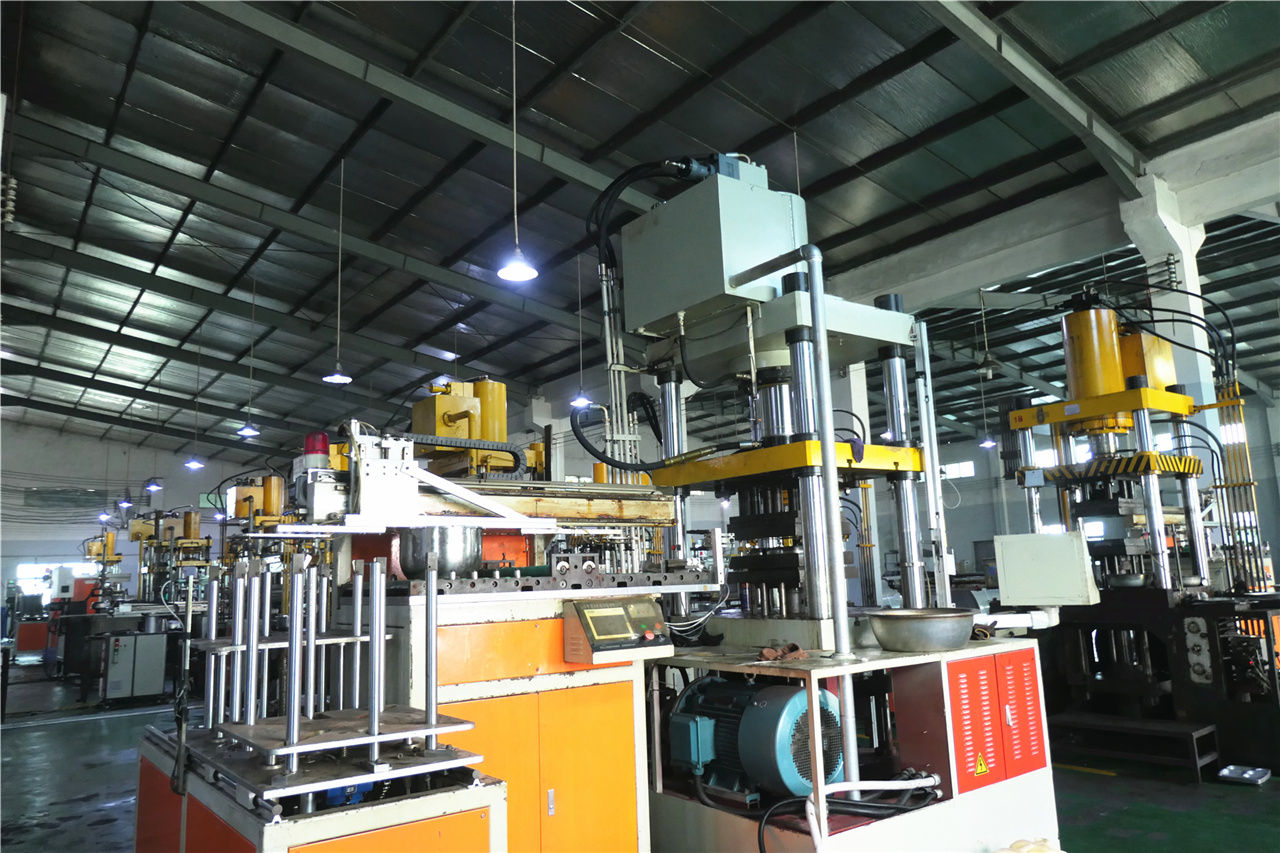
Faced with increasingly fierce market competition and rising labor costs, the factory resolutely embarked on a path of transformation and upgrading. In 2013, ZENLO Company was officially established. We invested heavily in technological upgrades, introducing industry-leading fully automated stretching production lines and laser welding technologies in 2014, significantly improving production efficiency and product precision. Simultaneously, we vigorously promoted branding, launching a stylish, mid-to-high-end sub-brand targeting the new generation of consumers, emphasizing healthy cooking. We also hired a professional design team to ensure our products combine practicality and aesthetic value. In 2017, we launched a brand-new production line—pressure cookers—dedicated to creating safe and reliable pressure cookers. We prepared for this for a long time, and our research and development of pressure cookers has become increasingly proficient, with various models gaining popularity among customers.
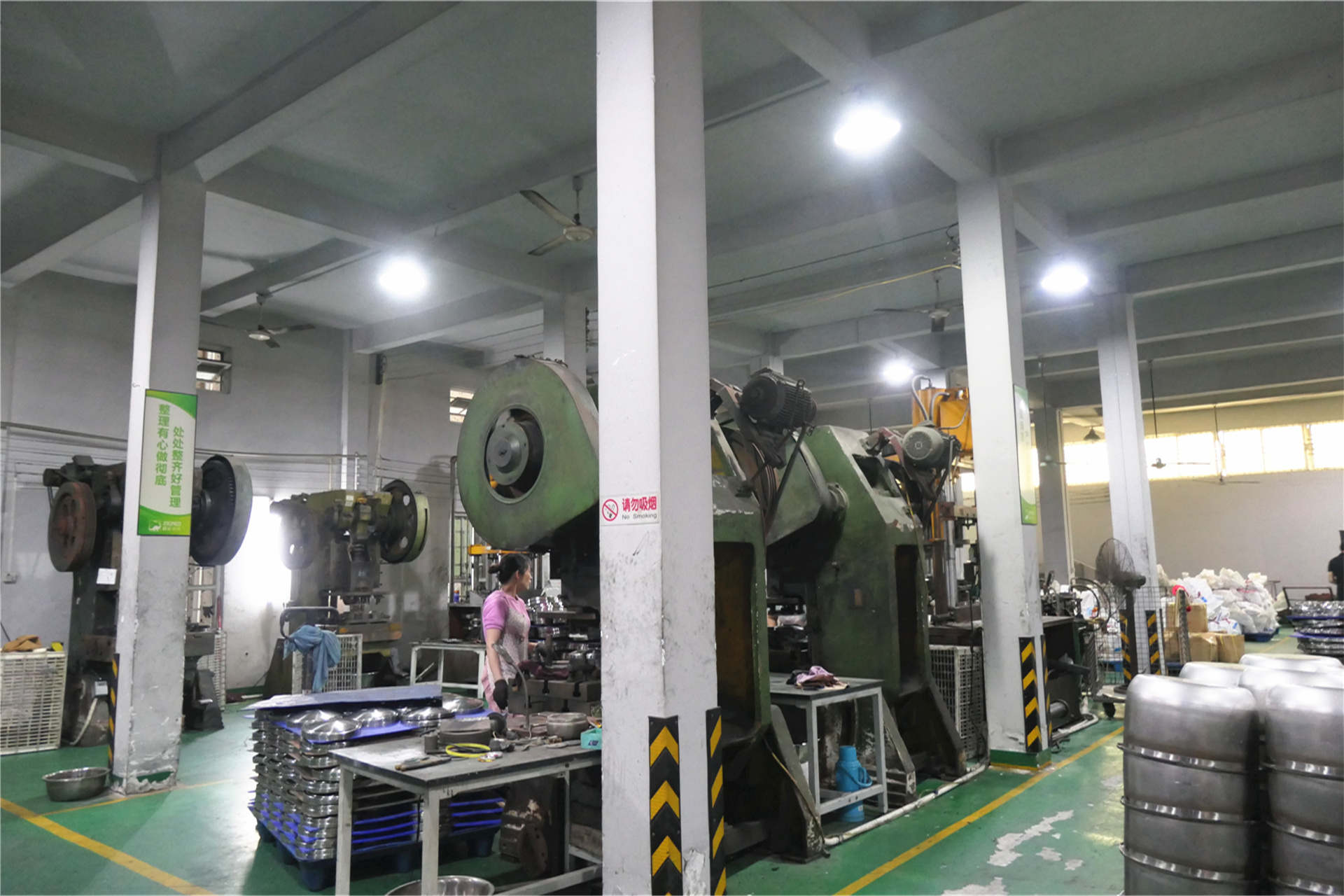
Entering a new decade, ZENLO Company is driven by "innovation" and "globalization." Driven by the internet age, we have implemented online ordering through major internet platforms and a corporate website, providing convenient services to more customers. At the product level, we have gradually launched more high-end and refined cooking utensils, creating a better environment for kitchen life and ensuring customers feel more comfortable and safe when using "ZENLO" brand products. Meanwhile, we actively respond to the national "dual-carbon" goals, researching and promoting the use of more environmentally friendly materials and processes, fulfilling our corporate social responsibility.
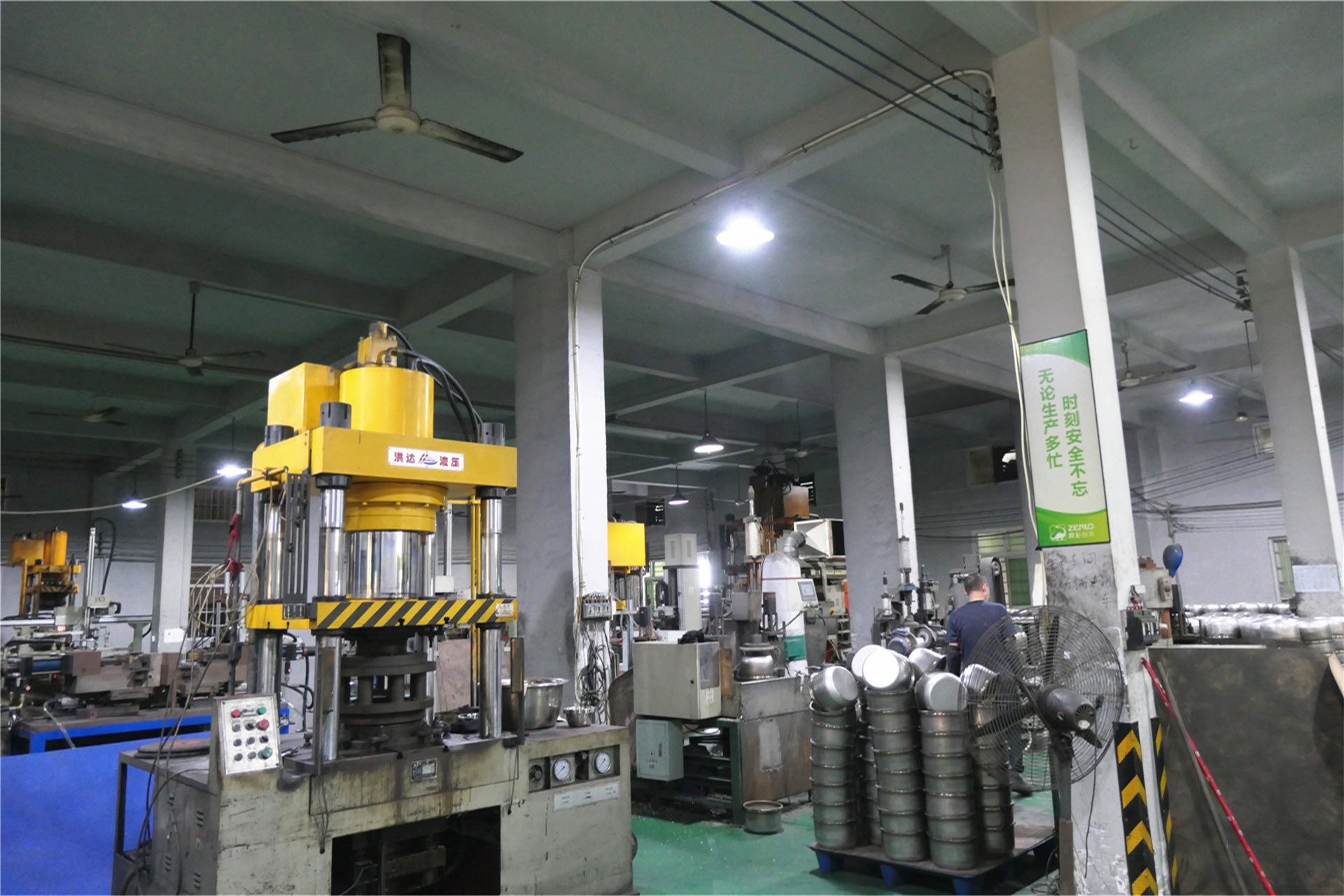
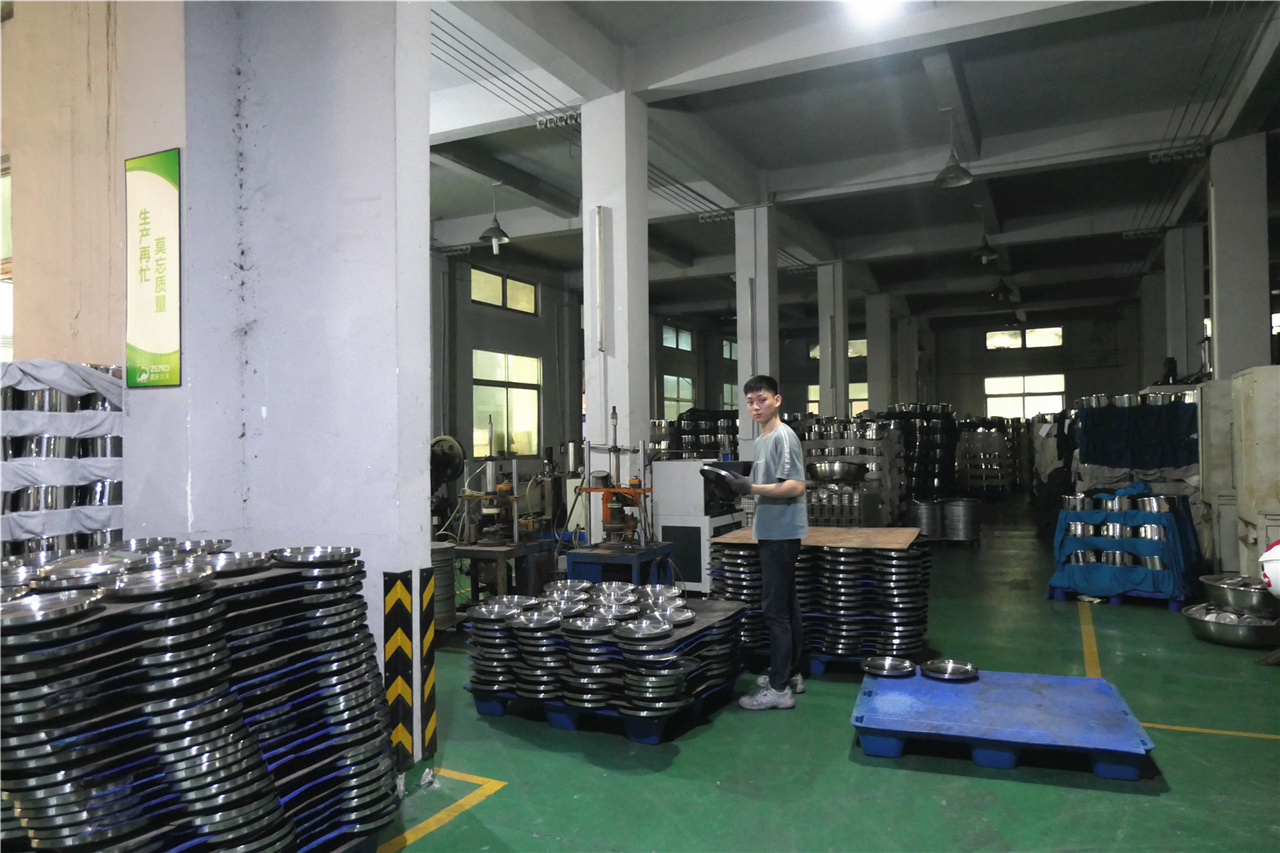
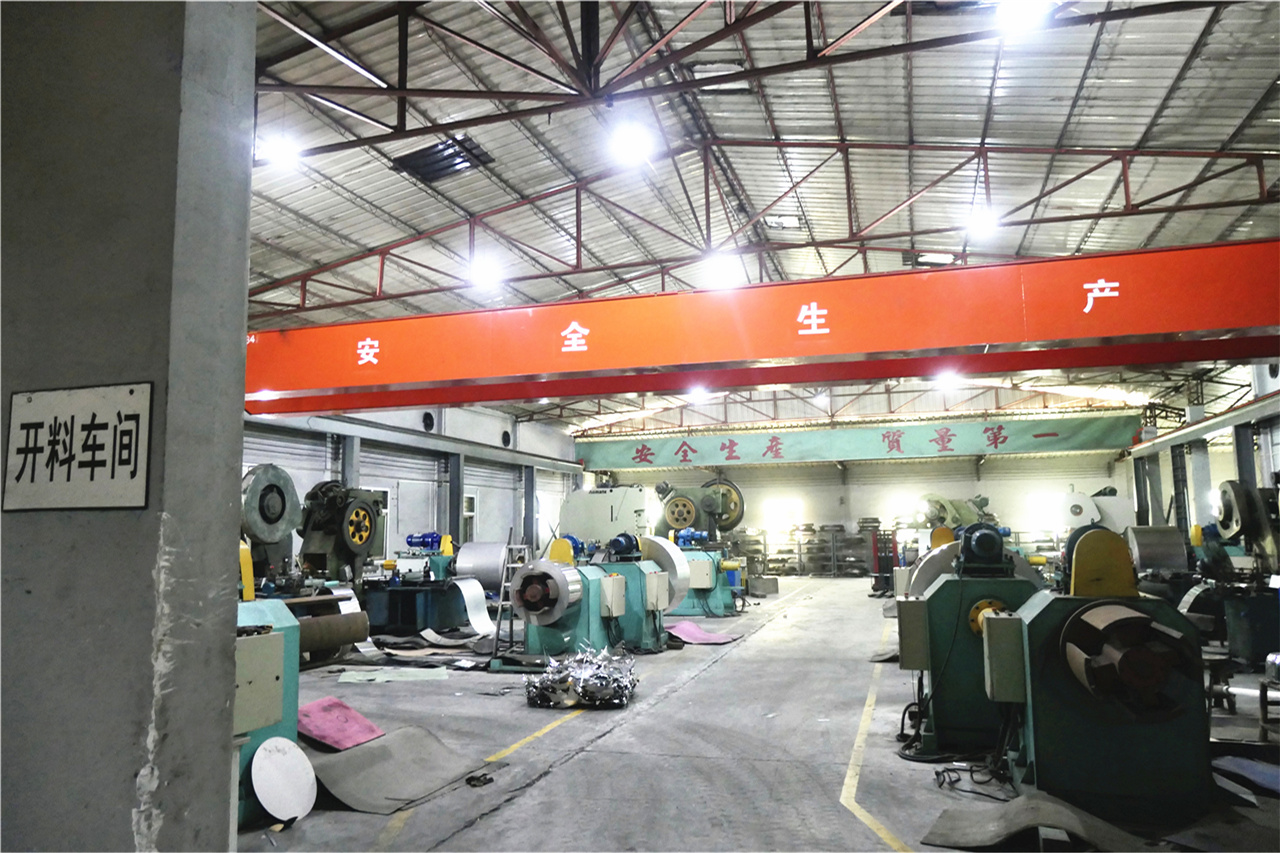
A glimpse inside our state-of-the-art manufacturing facilities, showcasing our advanced production capacity, quality control, and technical expertise.
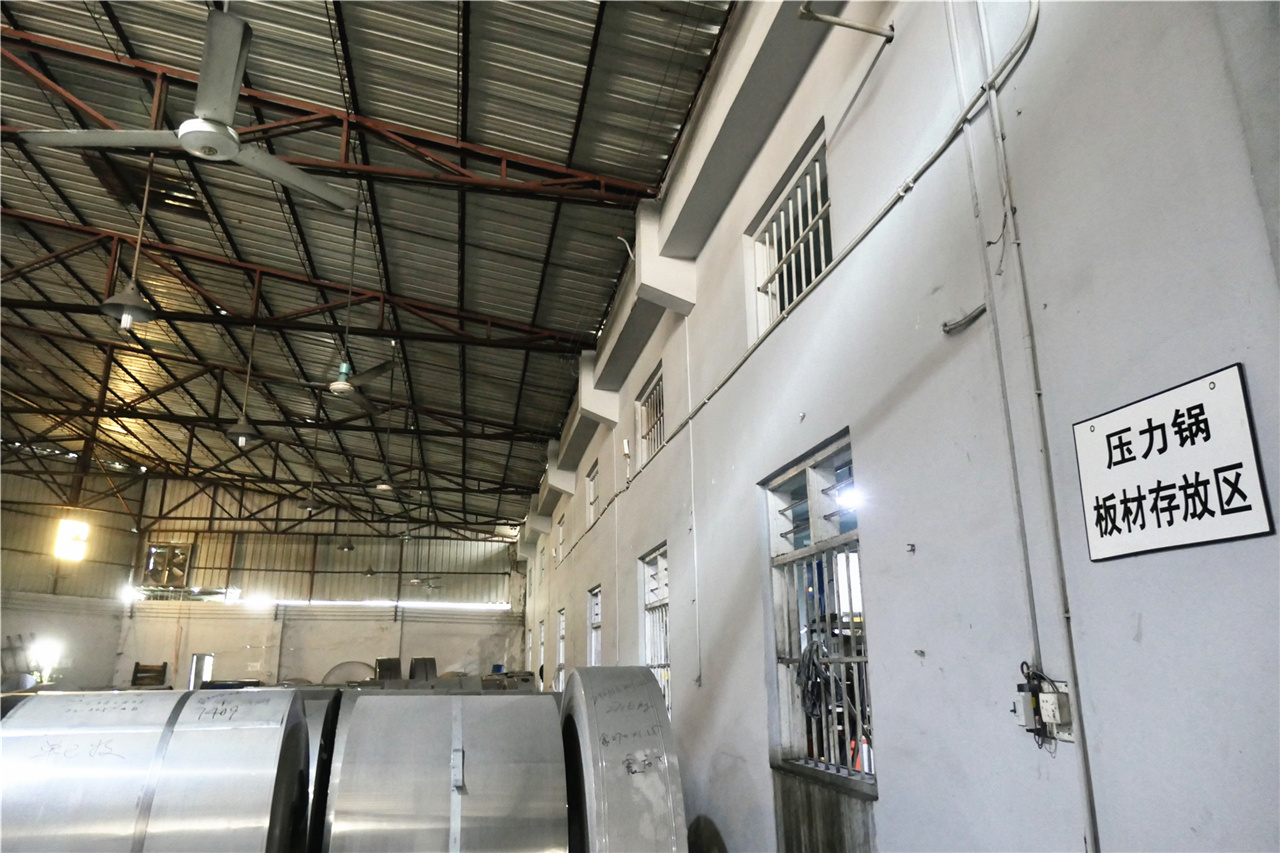
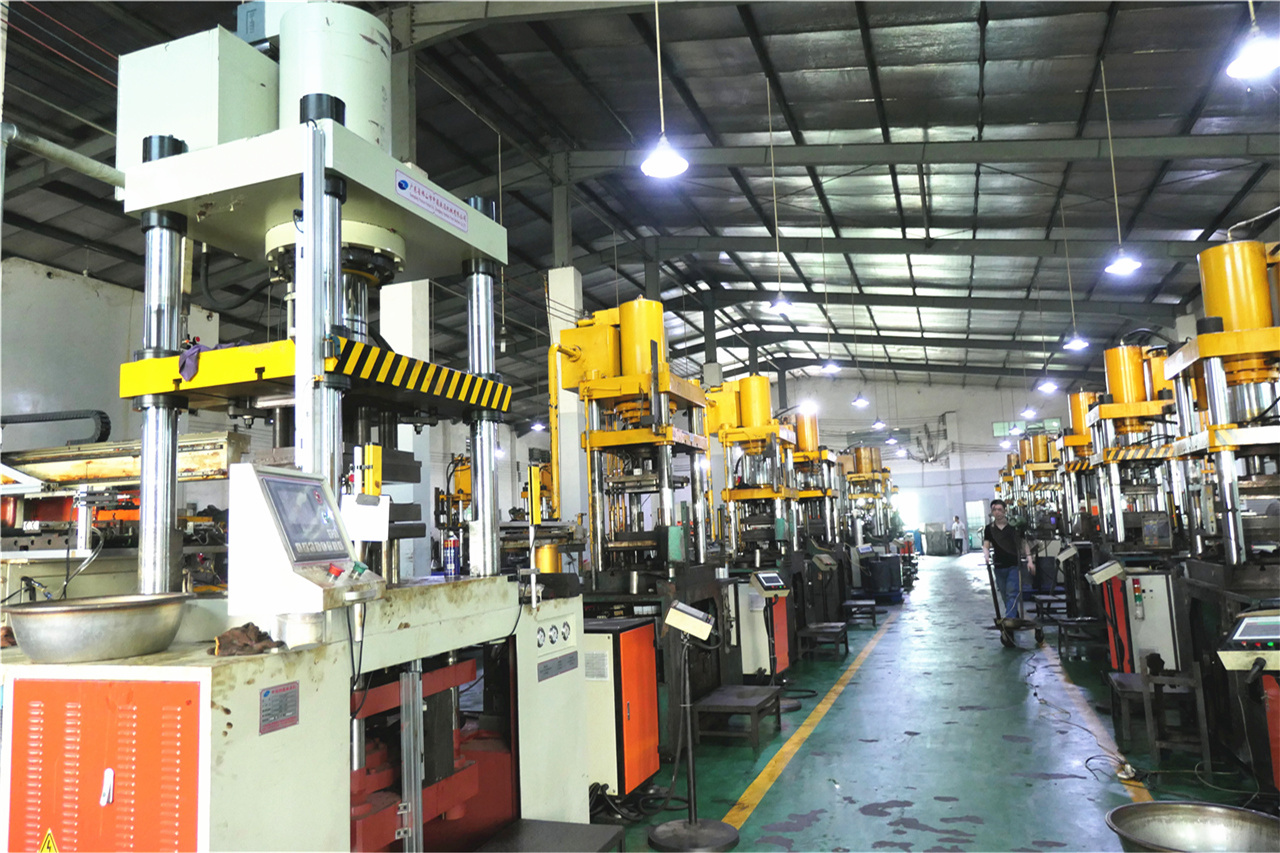
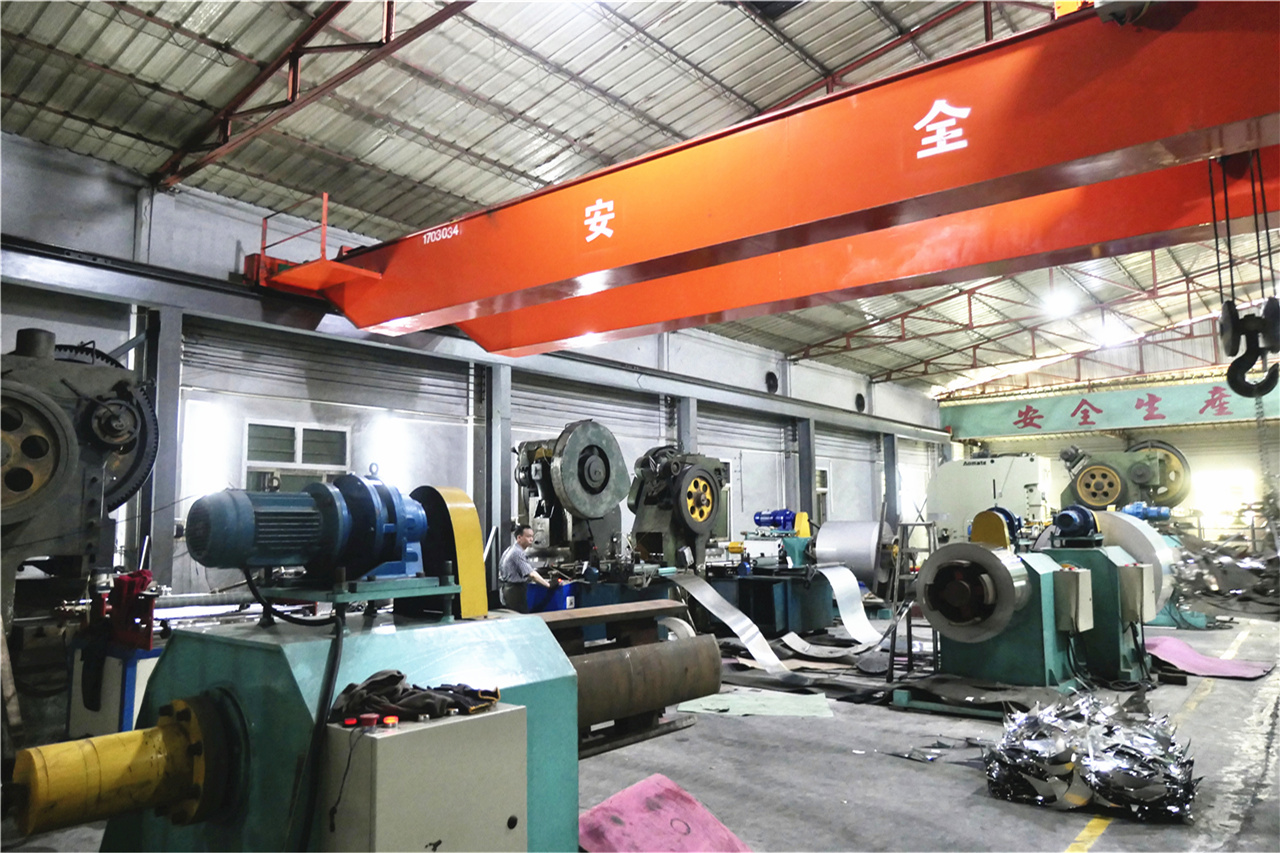
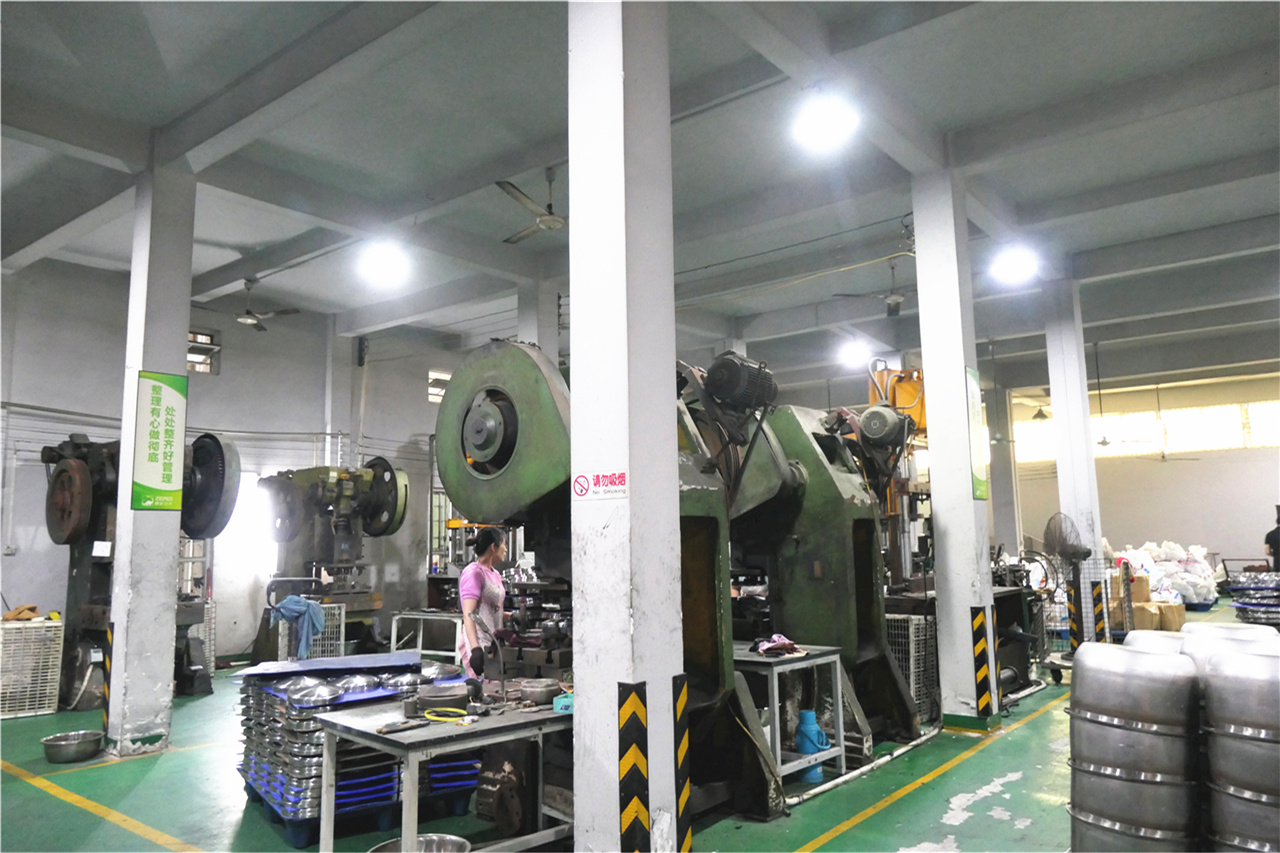
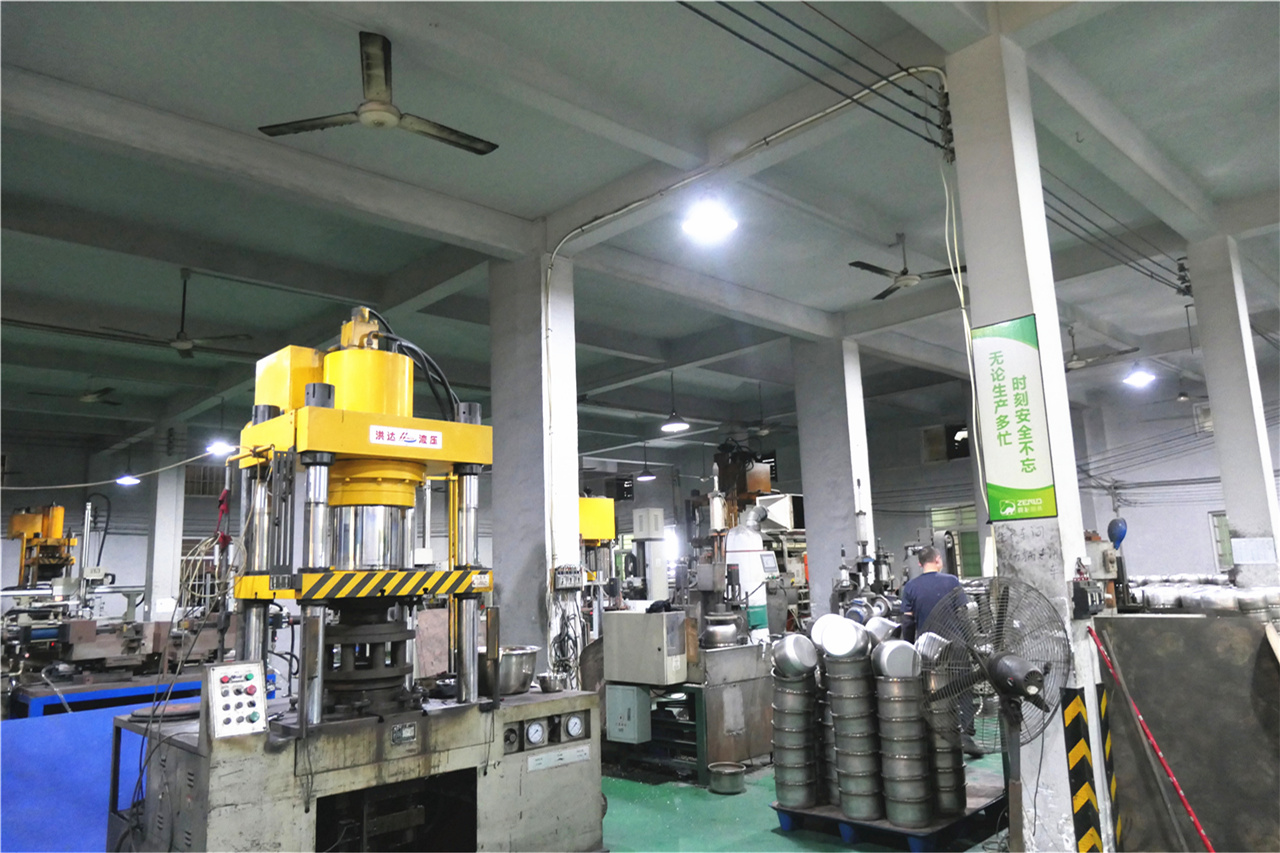
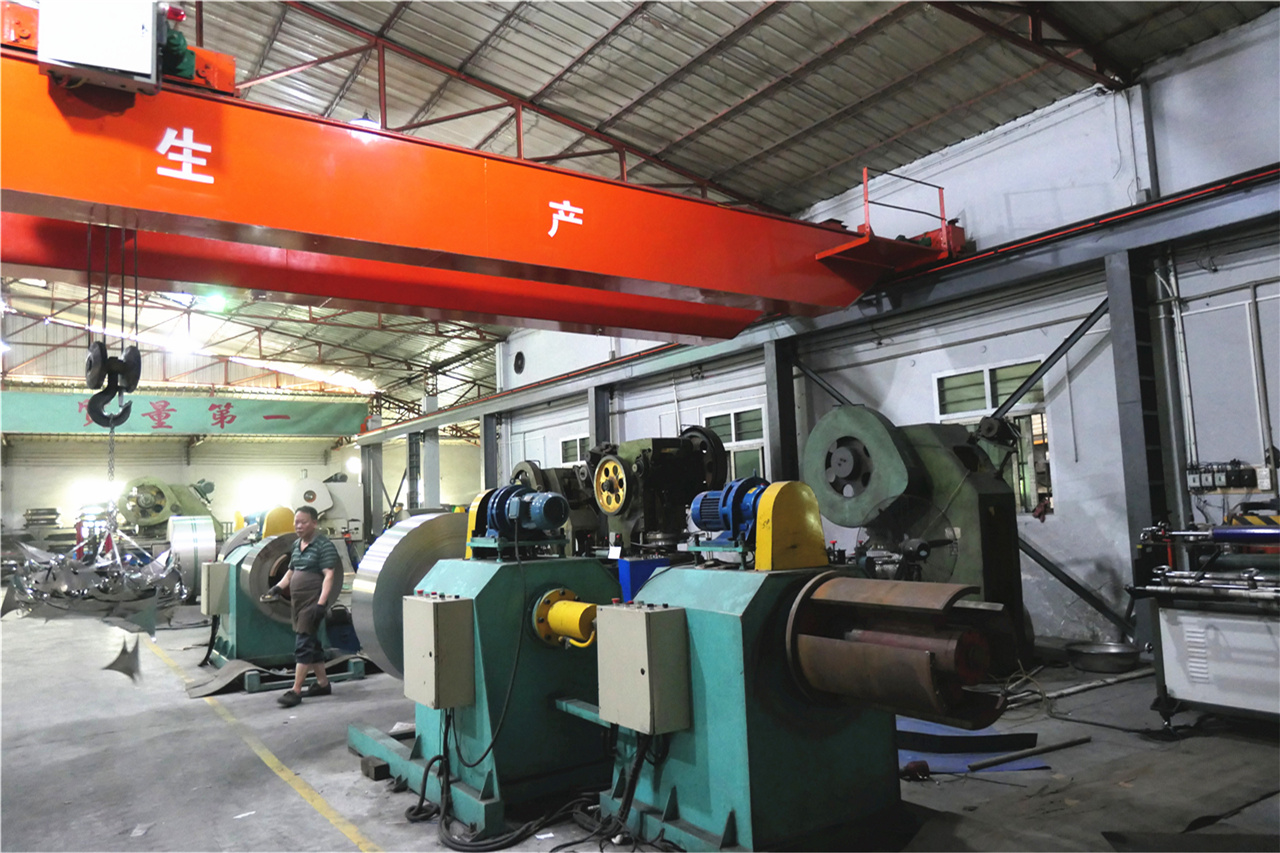
Looking back over the past thirty years, ZENLO Company has grown from a small hardware manufacturing factory into an industry benchmark enterprise with its own brand, patented products, and a modern production system. Looking to the future, we will continue to uphold our original aspiration of "making good cookware with heart," continuously exploring ways to further expand overseas markets and better serve every customer, striving to become a trusted provider of kitchen living products for global consumers.
Send Inquiry NowBrowse our full selection of stainless steel kitchenware, high pressure cookers, and accessories designed for professional and domestic applications.