Leave Your Message
Engineered for high-volume turnaround, maximum energy retention, and heavy commercial workloads.
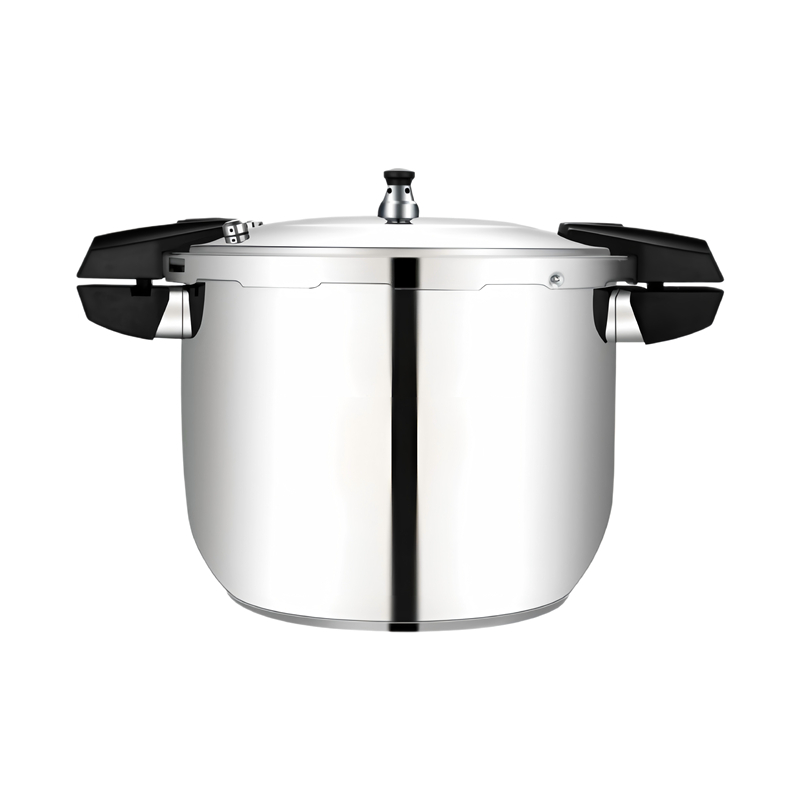
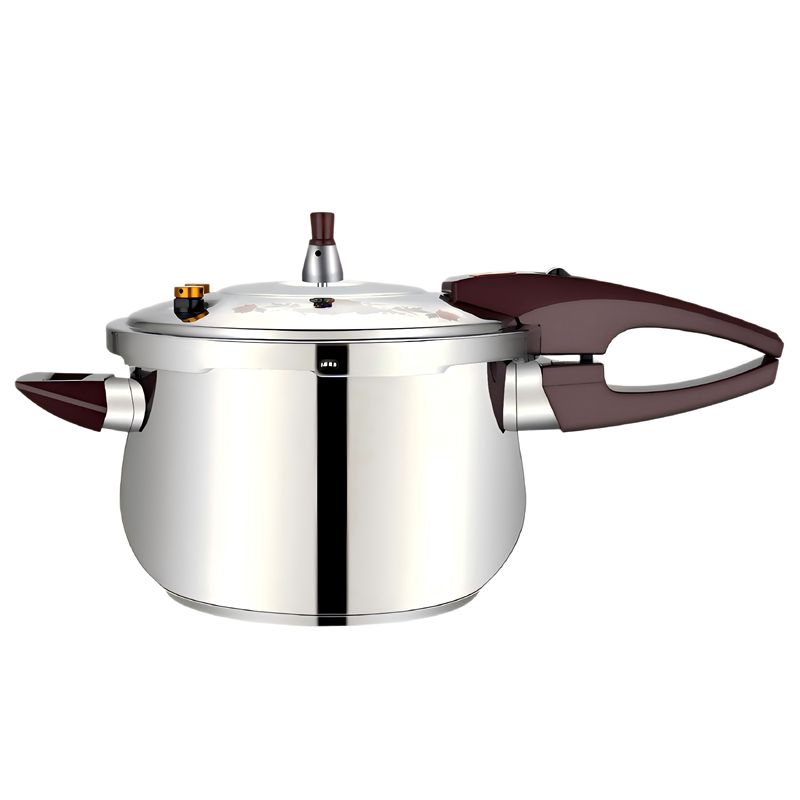
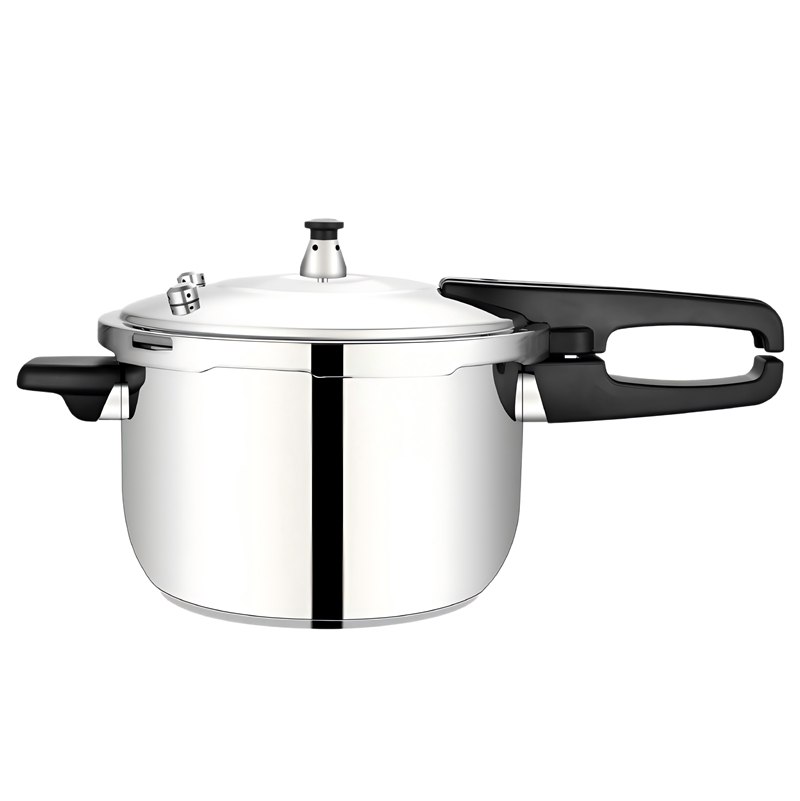
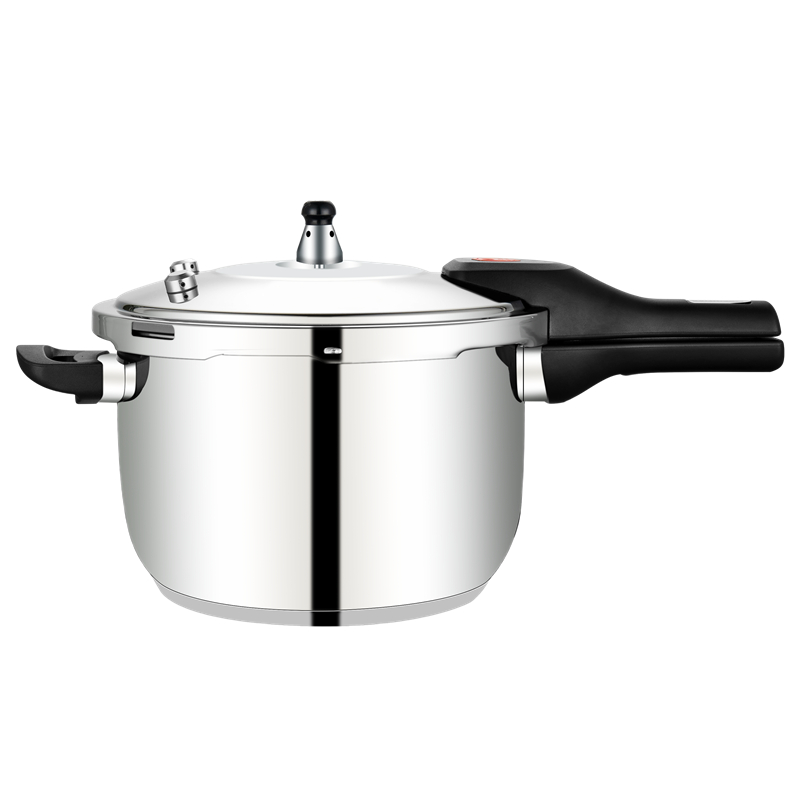
In the fast-paced world of fast-food chains, corporate cafeterias, and institutional dining halls, speed and consistency are not just operational goals—they are the foundation of business viability. The modern commercial kitchen faces a multi-dimensional challenge: energy costs are rising, labor shortages require simplified workflows, and consumers demand high-quality, nutrient-dense meals served in minutes. To address these demands, food service operators are increasingly turning to industrial-grade high pressure cookers designed specifically for fast food and cafeteria dining.
By trapping steam and increasing internal chamber pressure, these cookers raise the boiling point of water up to 120°C (248°F). This thermal acceleration reduces cooking times by up to 70% compared to traditional boiling or steaming methods. In a cafeteria serving thousands of meals daily, this translates directly to lower utility bills, minimized kitchen heat output, and the ability to cook fresh batches on demand rather than relying on holding cabinets that degrade food quality.
The global market for commercial cooking equipment has witnessed a massive shift toward automation and energy efficiency. Historically, pressure cookers were viewed as household items or simple heavy pots used in small kitchens. Today, the industrial high pressure cooker is a sophisticated piece of thermodynamic engineering. Modern manufacturing processes utilize thick-gauge SUS304 or SUS316 food-grade stainless steel to withstand continuous, high-pressure cycles without structural fatigue. Advanced laser welding and automated deep-drawing technologies ensure uniform wall thickness, which prevents hot spots and guarantees long-term durability in punishing commercial environments.
Multi-stage pressure release valves and safety locks prevent accidental opening under pressure, protecting kitchen staff.
Compatible with induction, gas, and electric heating sources, featuring multi-layer composite bases for even heat distribution.
Constructed from high-density, corrosion-resistant stainless steel that resists acidic food erosion and heavy sanitization chemicals.
Looking forward, the integration of smart technologies is the defining trend in commercial kitchen design. Future pressure cooking systems will feature digital sensors that monitor internal temperature and pressure curves, communicating directly with kitchen management software via IoT. This allows cafeteria managers to track energy consumption, verify food safety compliance (HACCP standards), and ensure that recipes are executed identically across multiple franchise locations. Furthermore, environmental sustainability goals are driving manufacturers to refine the thermal retention profiles of pressure cookers, reducing the carbon footprint of high-volume meal preparation.
1. Quick-Service Restaurants (QSR): In fast-food environments, speed is measured in seconds. High pressure cookers are critical for pre-cooking tough cuts of meat, preparing signature broths, and cooking grains. By reducing the cooking cycle of bone-in meats from hours to minutes, QSRs can maintain lower inventory levels, minimize food waste, and rapidly replenish popular menu items during peak lunch and dinner rushes.
2. Large-Scale School and Corporate Cafeterias: Cafeterias face the unique challenge of serving thousands of diners within tight, designated time frames. Food must not only be ready on time, but it must also retain its nutritional value, color, and texture under holding lights. High pressure cooking locks in essential vitamins and minerals that are typically lost during prolonged boiling, resulting in healthier, more appealing meals for students and employees.
3. Central Production Kitchens: For catering operations and centralized food preparation facilities, consistency across batches is paramount. Large commercial pressure cookers act as reliable workhorses, delivering uniform heat penetration that ensures every batch of soup, stew, or sauce meets strict quality control metrics before being packaged and distributed to satellite dining locations.
Since 1994, ZENLO Company has witnessed and participated in the complete journey of China's stainless steel kitchenware industry.
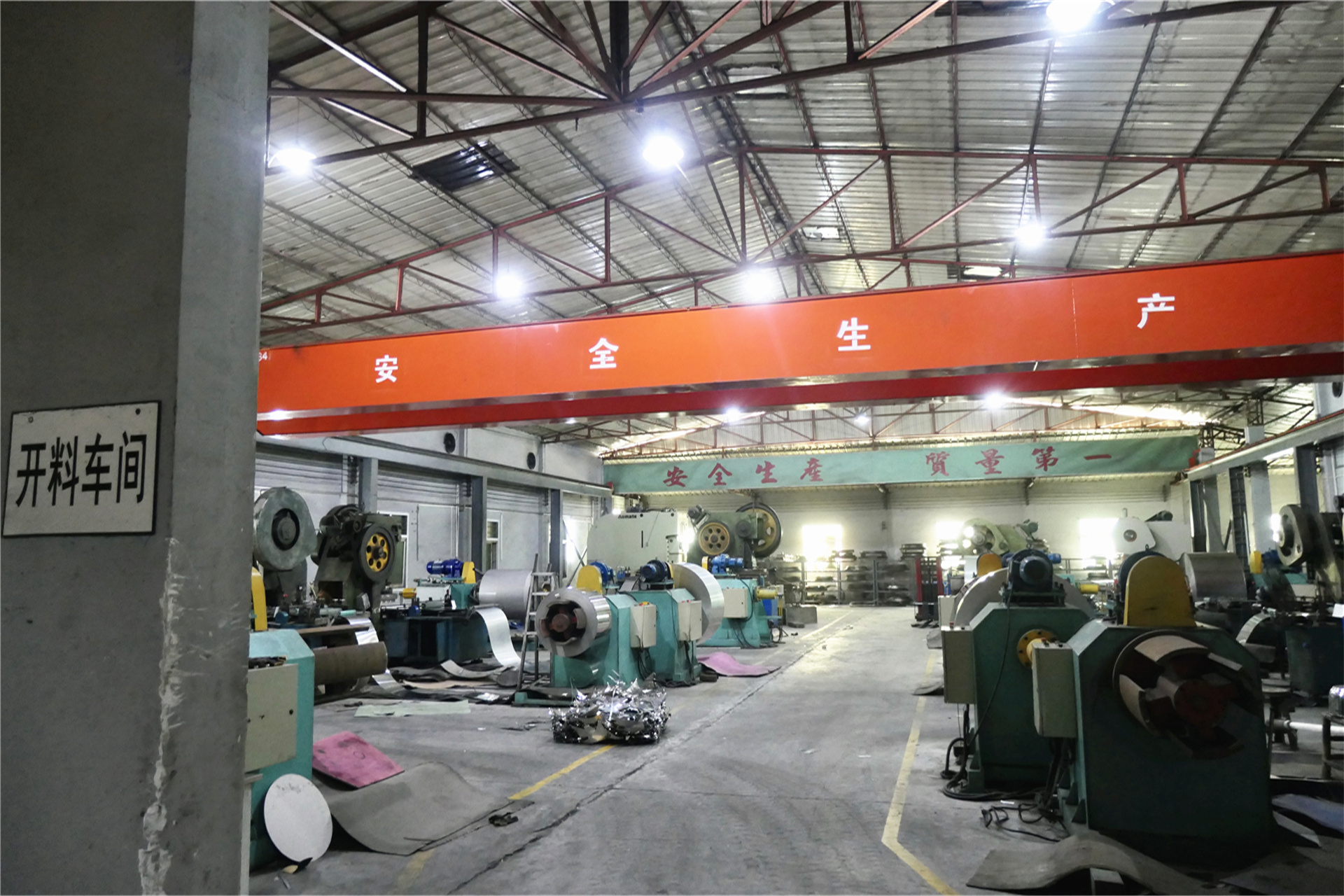
Amidst the wave of reform and opening up, ZENLO's predecessor—"Zhenlong Hardware Factory"—was established in 1994. In its early days, we seized the policy opportunities of "processing with supplied materials, processing with supplied samples, and compensation trade," relying on a few simple machines and dozens of employees, starting with OEM and ODM under our own brand, laying the foundation for the later "ZENLO" and "YALUN" brands. During this period, we primarily learned from and imitated others to establish the initial form of our enterprise. We accumulated the most basic production experience, introduced fundamental quality management standards, and established a firm foothold in Guangdong's manufacturing cluster based on our reliable reputation.
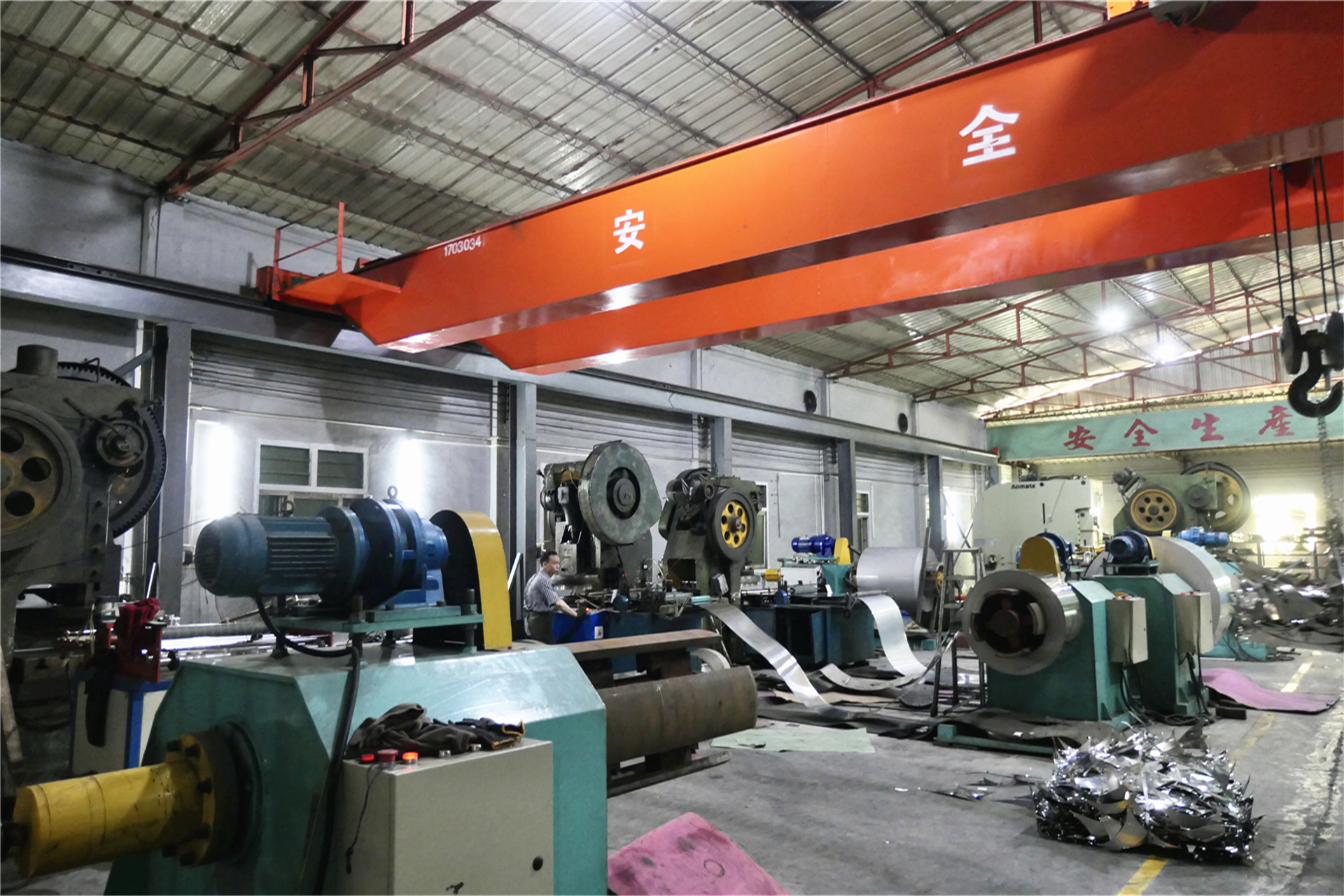
With China's accession to the WTO, overseas orders poured in. We rapidly expanded our production scale and cooperated with major markets across the country. While meeting international market demands, we keenly recognized the importance of our own brand, aligning it with our corporate development goals. Later, we successively developed new products, promoted our brand, and simultaneously entered the domestic market. Through participation in various hotel supplies exhibitions, we initially established domestic sales channels, achieving strategic synchronization between corporate culture and branded products.
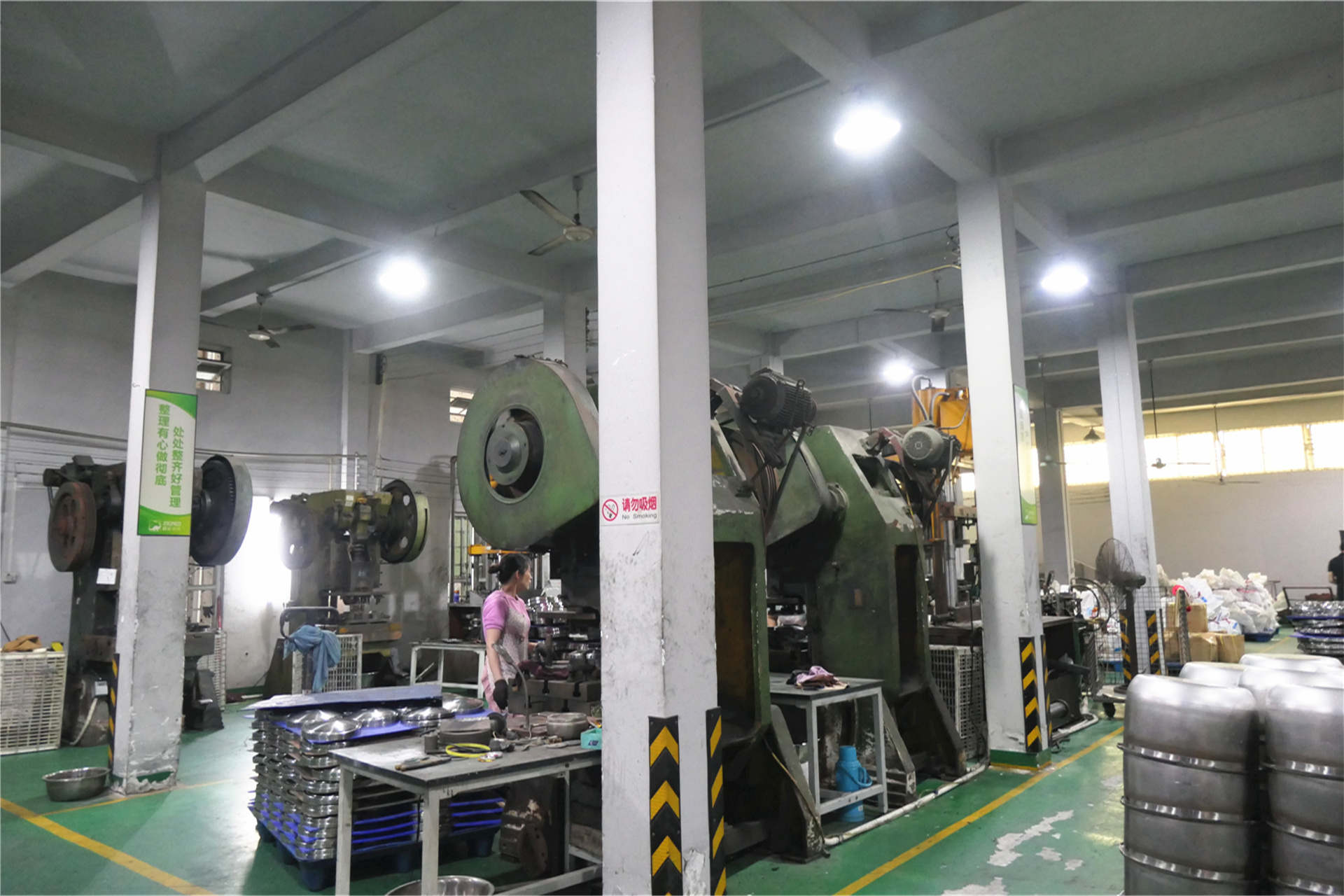
Faced with increasingly fierce market competition and rising labor costs, the factory resolutely embarked on a path of transformation and upgrading. In 2013, ZENLO Company was officially established. We invested heavily in technological upgrades, introducing industry-leading fully automated stretching production lines and laser welding technologies in 2014, significantly improving production efficiency and product precision. Simultaneously, we vigorously promoted branding, launching a stylish, mid-to-high-end sub-brand targeting the new generation of consumers, emphasizing healthy cooking. We also hired a professional design team to ensure our products combine practicality and aesthetic value. In 2017, we launched a brand-new production line—pressure cookers—dedicated to creating safe and reliable pressure cookers. We prepared for this for a long time, and our research and development of pressure cookers has become increasingly proficient, with various models gaining popularity among customers.
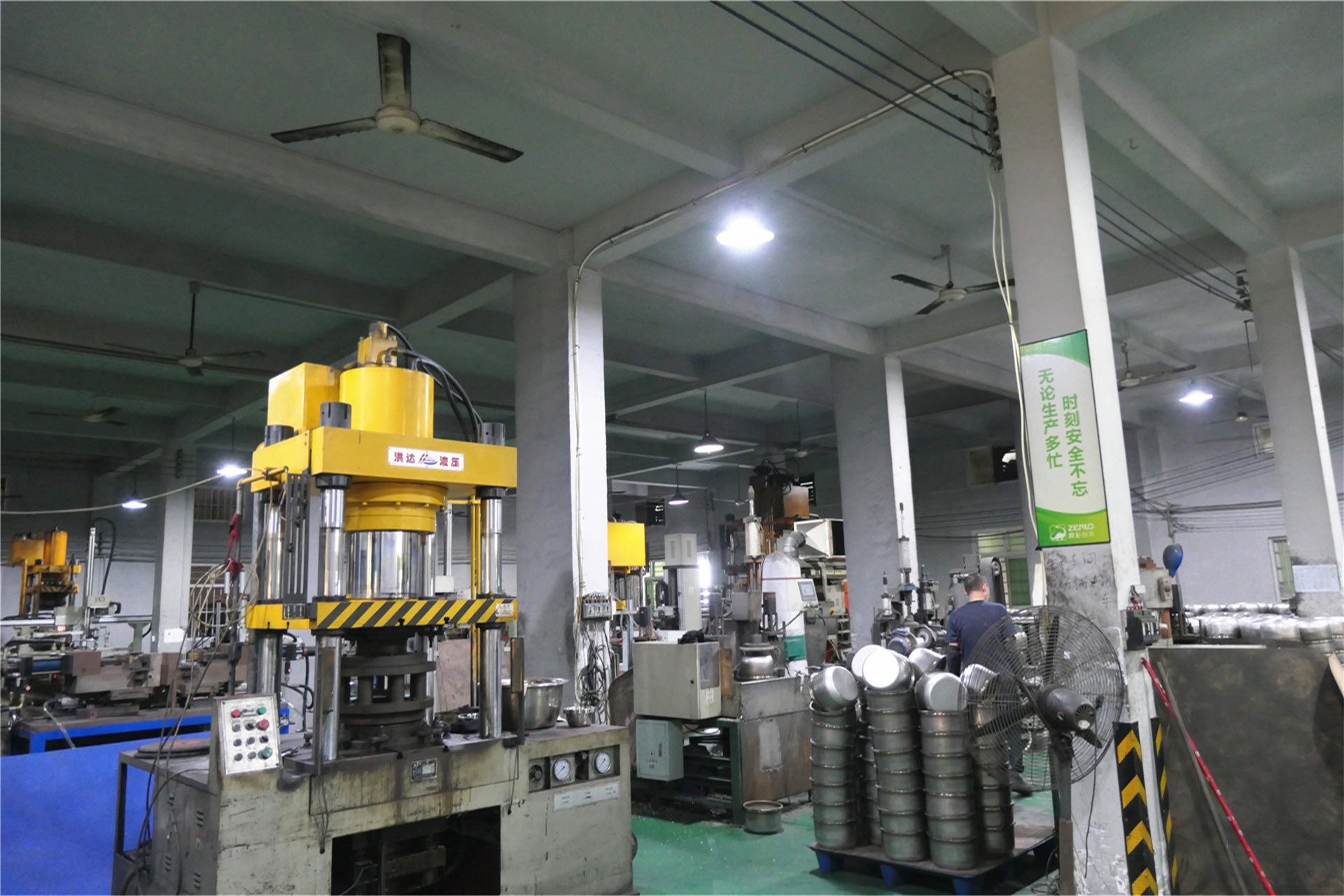
Entering a new decade, ZENLO Company is driven by "innovation" and "globalization." Driven by the internet age, we have implemented online ordering through major internet platforms and a corporate website, providing convenient services to more customers. At the product level, we have gradually launched more high-end and refined cooking utensils, creating a better environment for kitchen life and ensuring customers feel more comfortable and safe when using "ZENLO" brand products. Meanwhile, we actively respond to the national "dual-carbon" goals, researching and promoting the use of more environmentally friendly materials and processes, fulfilling our corporate social responsibility.
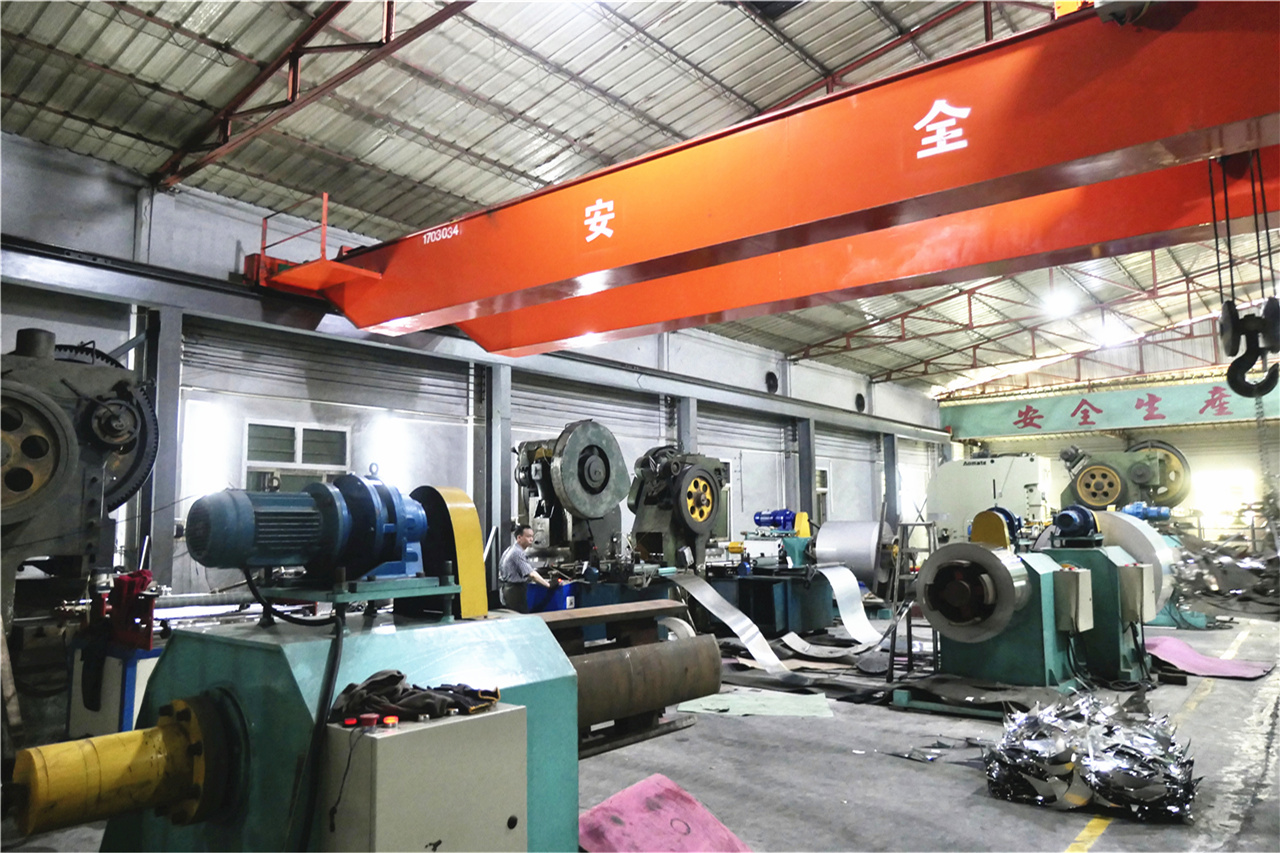
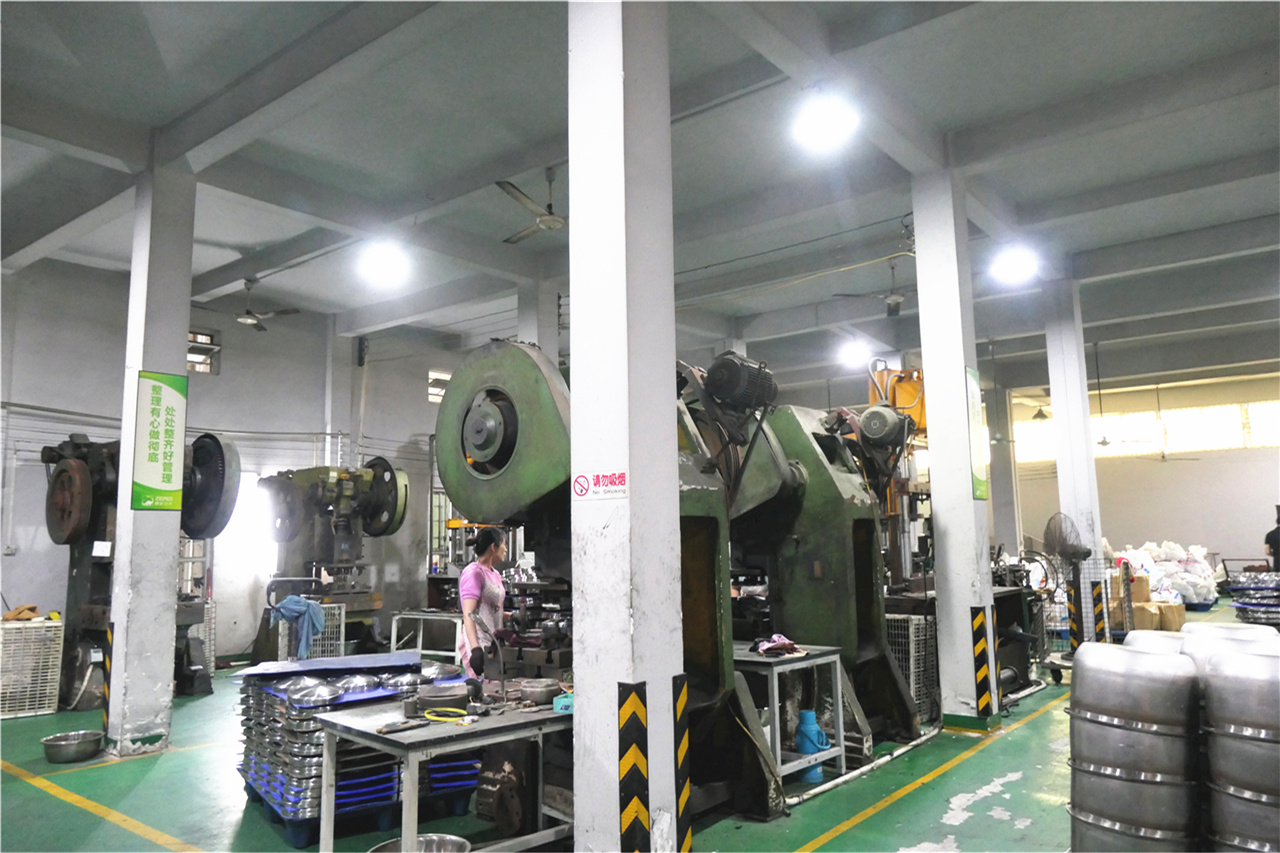
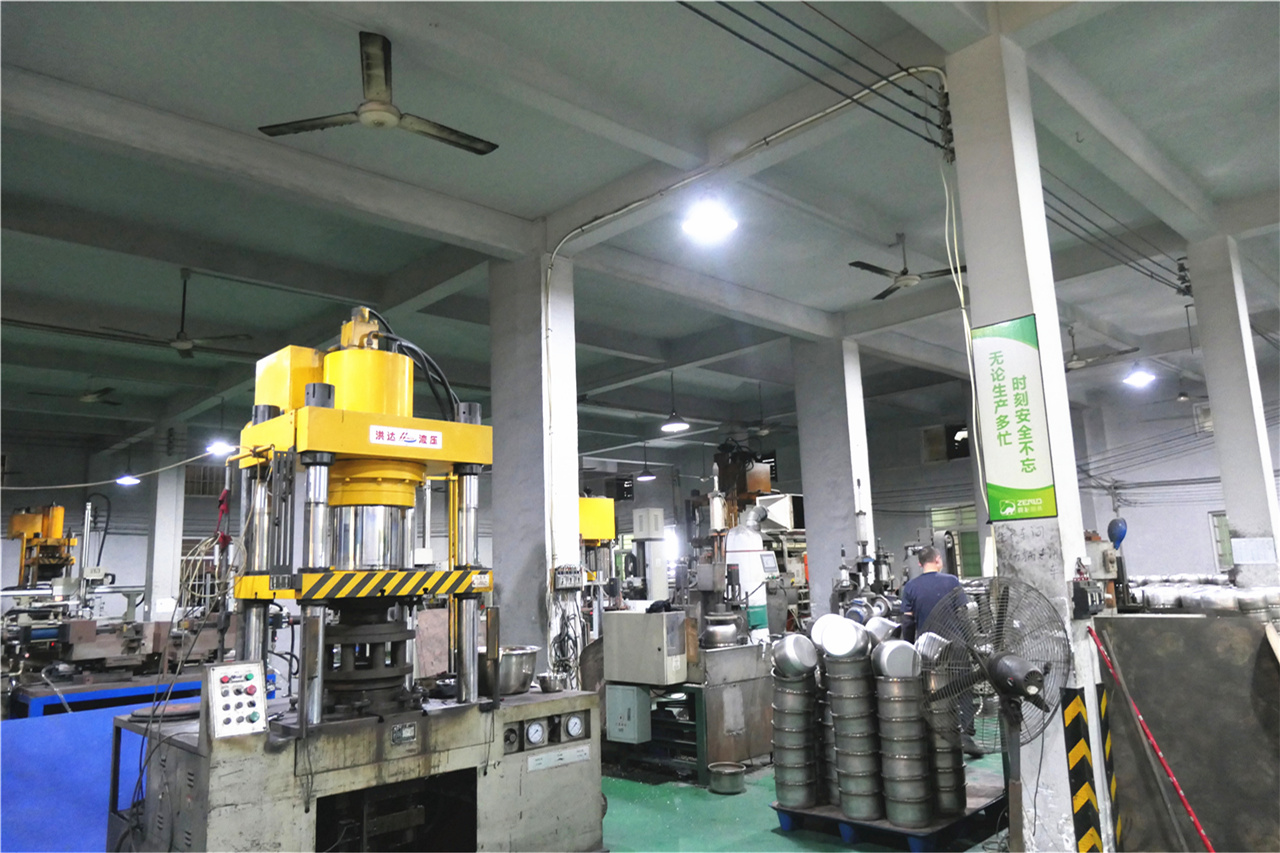
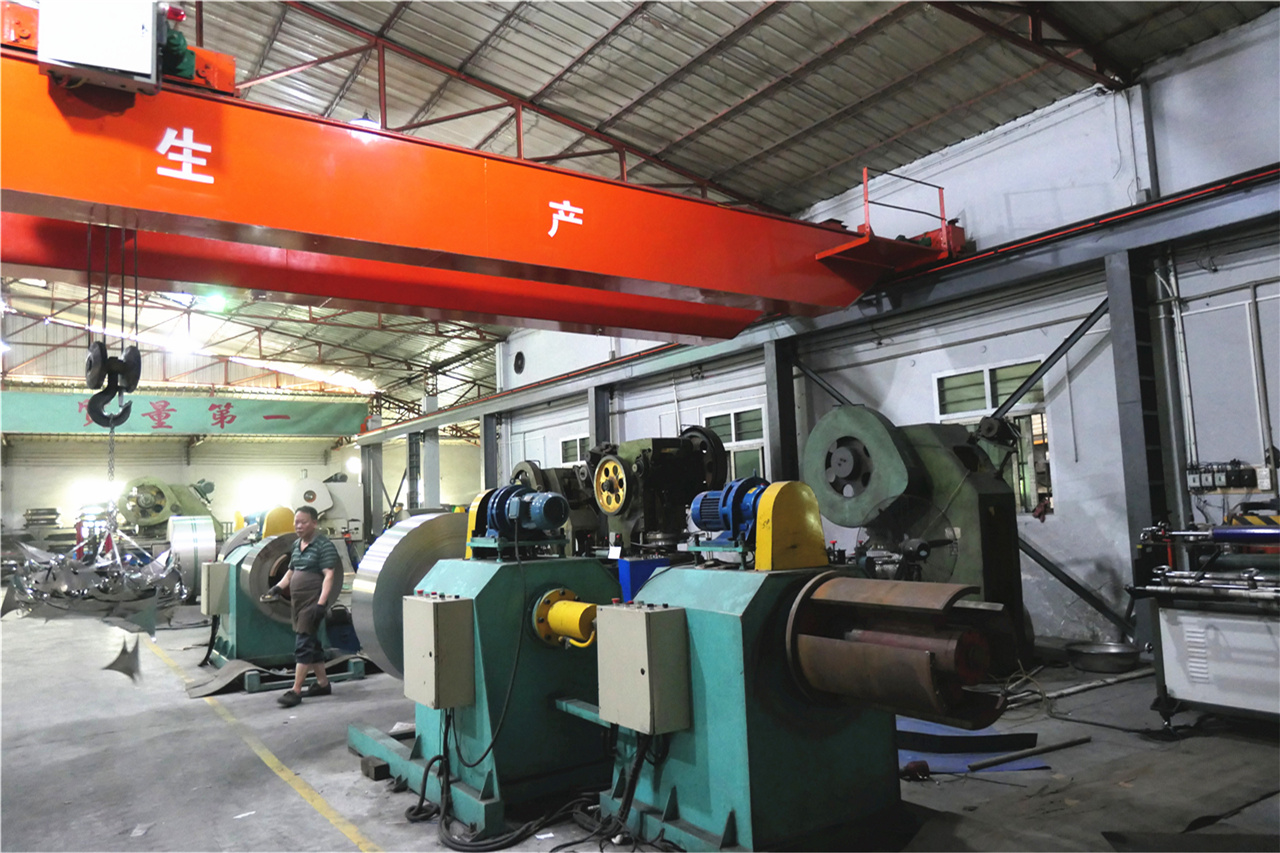
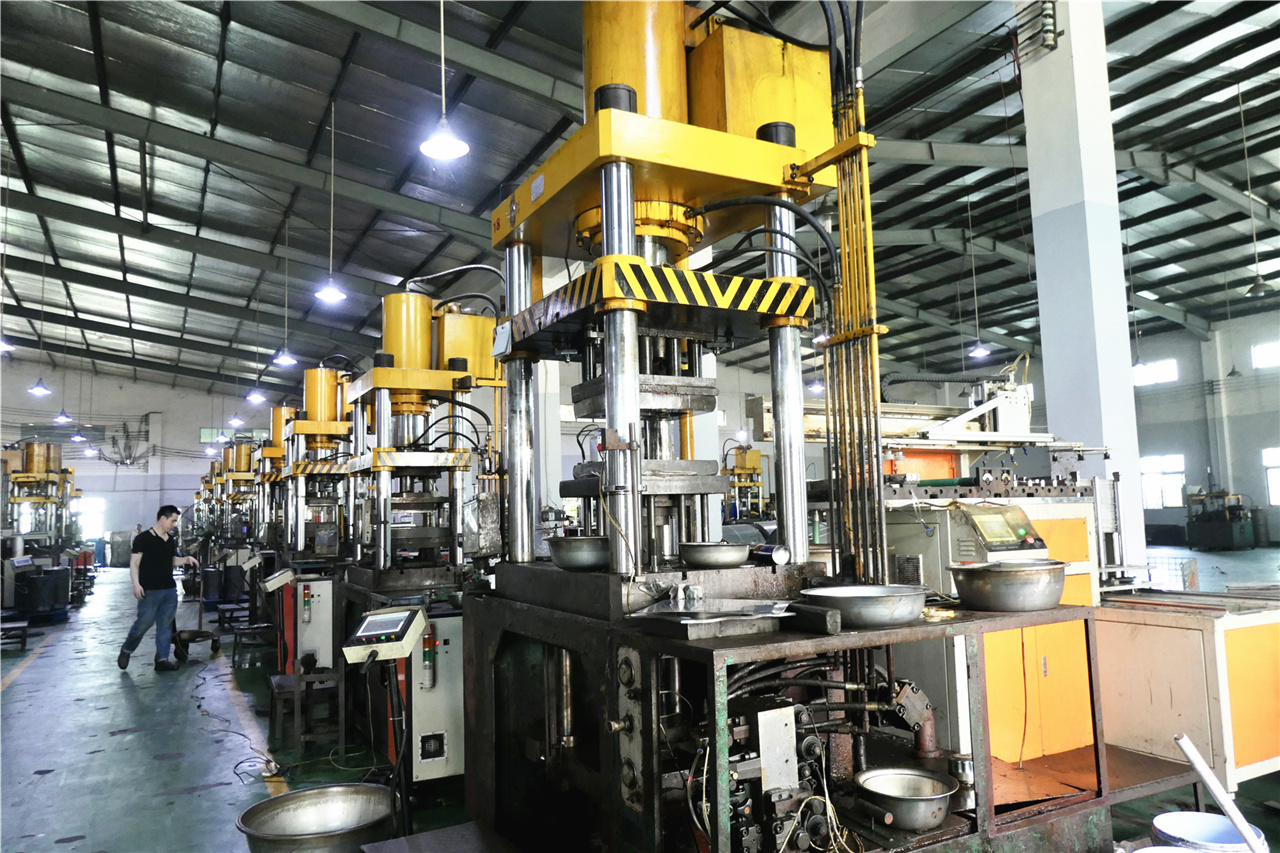
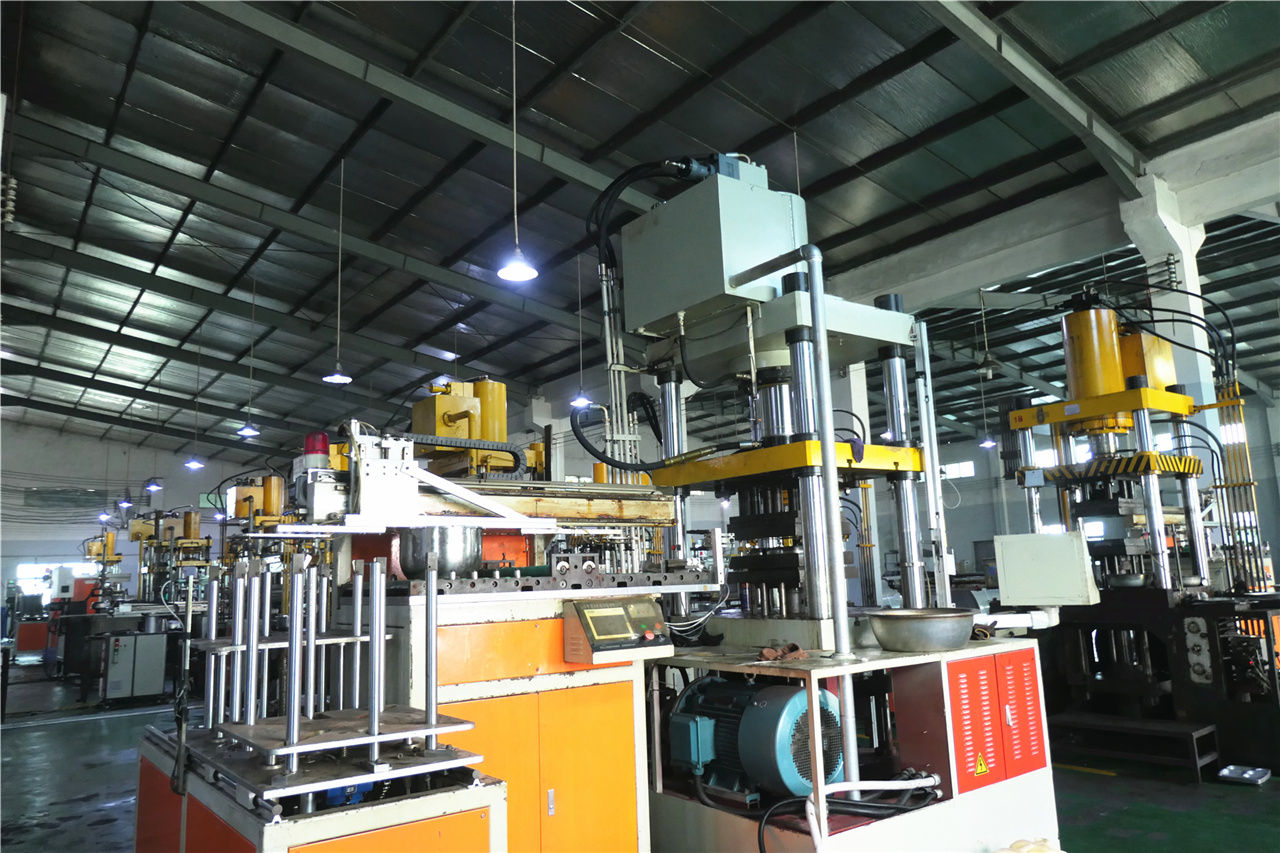
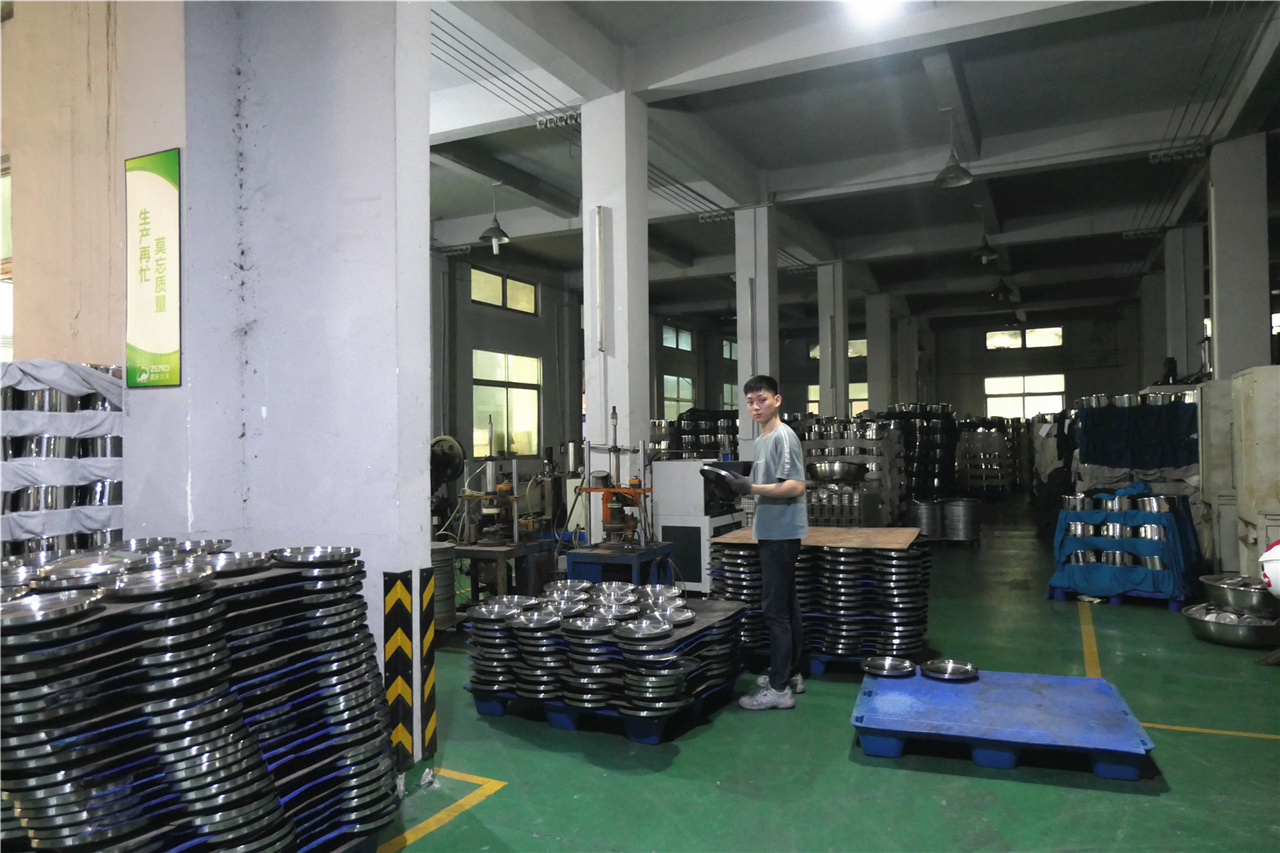
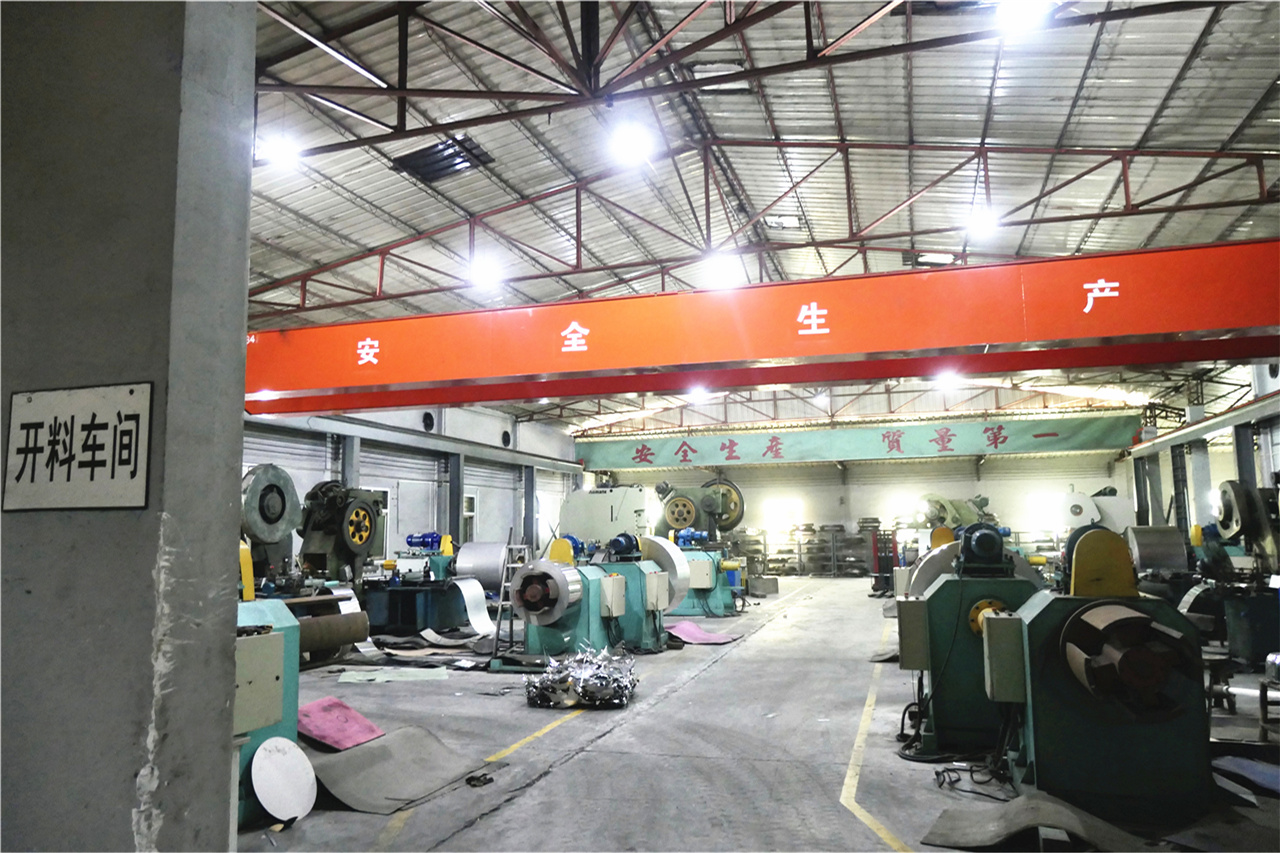
Step inside our advanced manufacturing facilities where precision engineering meets high-volume production capabilities.
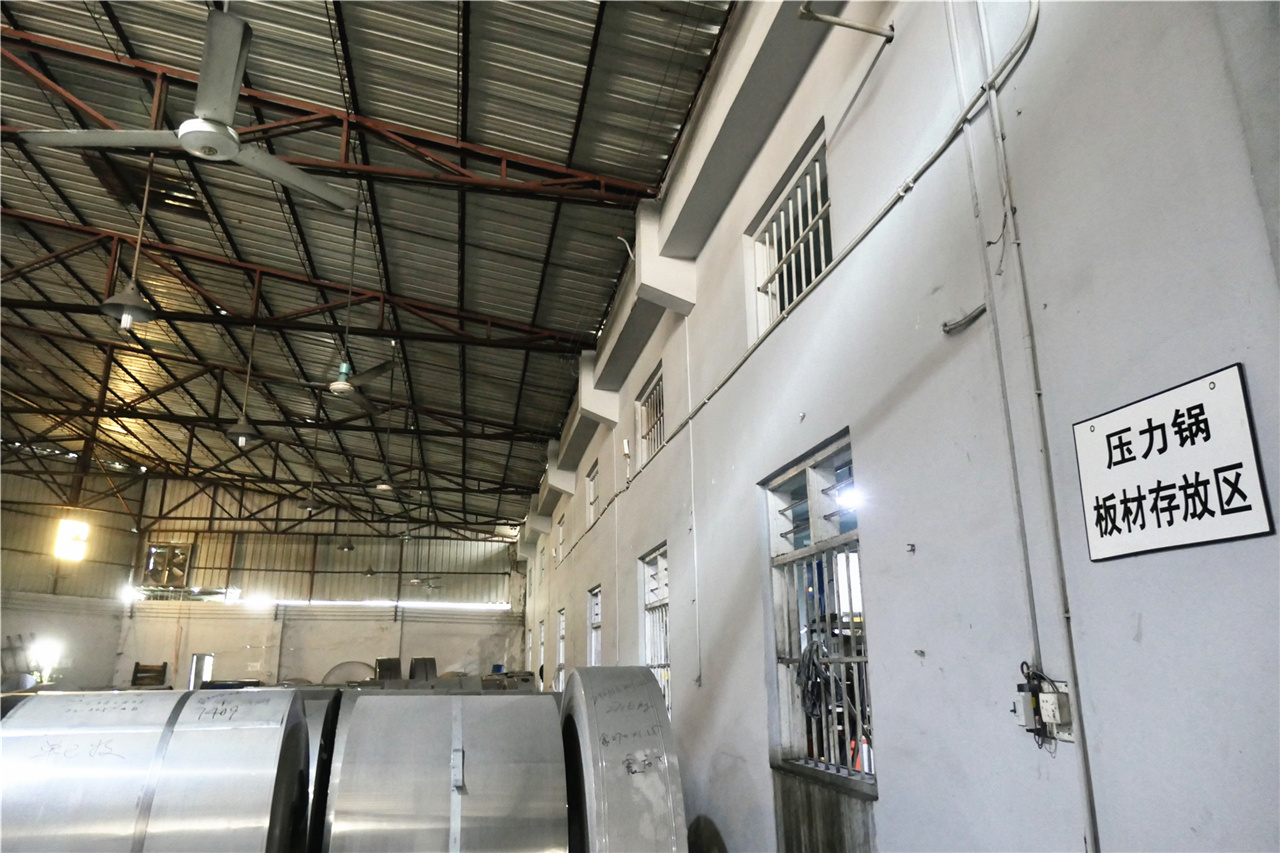
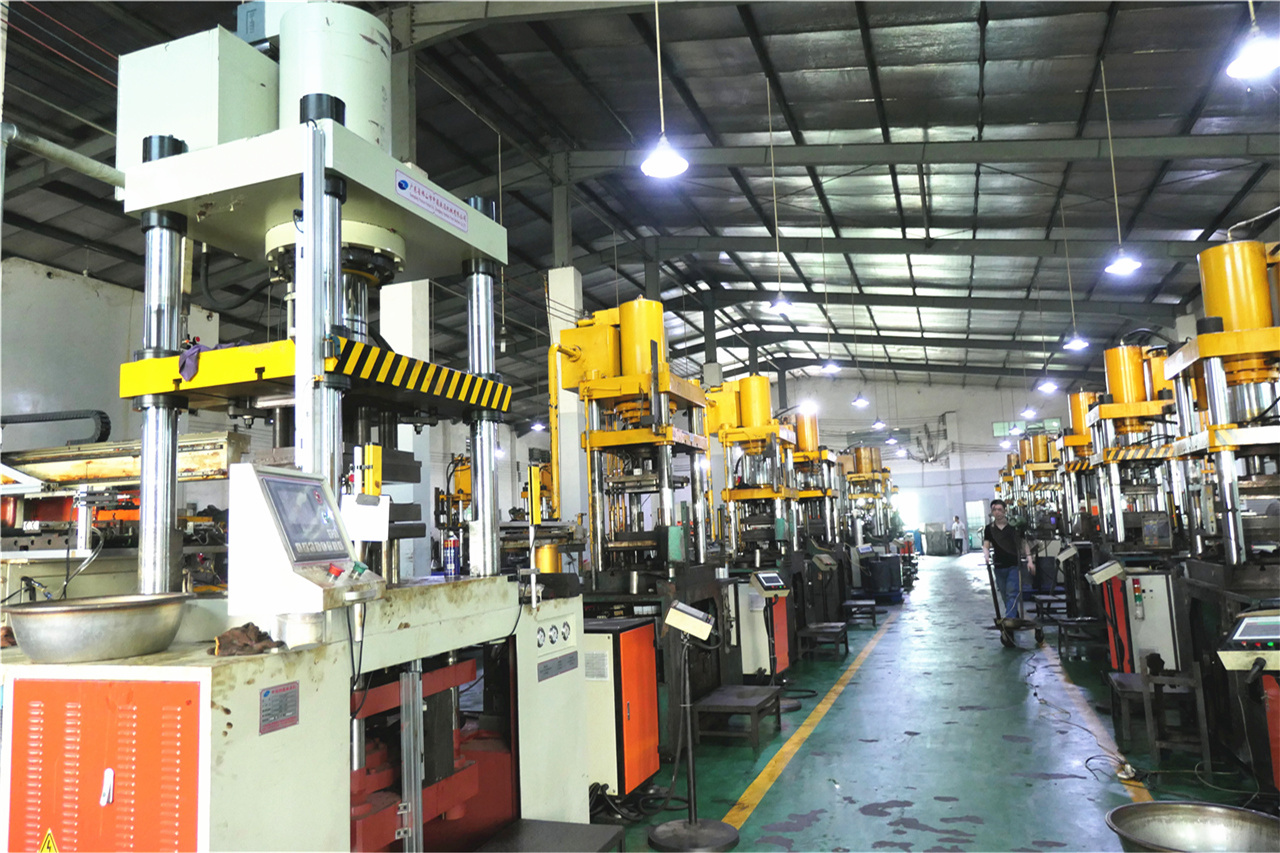
Explore our full range of high pressure cookers, filtration accessories, and insulated food transport containers.