
Leave Your Message
Engineered for heavy-duty commercial kitchens in metropolitan Seoul, featuring double-reinforced mesh wiring.
High-precision filtration units designed for large-scale food manufacturing and packaging lines near Incheon Port.
Anti-corrosive SUS316L stainless steel mesh designed for coastal seafood processing plants in Busan.
High-capacity automated sieving component optimized for grain and flour processing lines.
South Korea's food industry is characterized by rapid modernization, stringent food safety standards, and a deep-rooted culinary heritage that is now being exported globally. The country's food processing sector is highly concentrated, with major conglomerates driving innovation in packaging, preservation, and filtration. In this highly competitive landscape, standard off-the-shelf equipment rarely meets the precise specifications required for large-scale production. This is where custom food strainers play a vital role.
Food processing factories in Gyeonggi-do and Chungcheong-do require specialized filtration systems that can handle high volumes of viscous liquids, abrasive ingredients, and varied temperature ranges. For instance, the production of traditional sauces (Jang) and marinades requires strainers with precise micron ratings to achieve the desired consistency without clogging the production line. Additionally, the industrial manufacturing of instant noodles (Ramyeon)—one of South Korea's largest food exports—demands heavy-duty, high-temperature resistant strainers that can continuously filter frying oil and separate dough residues, thereby maintaining oil quality and extending its usable lifespan.
All custom food strainers manufactured for South Korea comply with Korea's Ministry of Food and Drug Safety (MFDS) guidelines, ensuring toxicologically safe materials and high-integrity welds.
From mesh aperture sizes of 10 microns to structural support frames designed for automated Clean-in-Place (CIP) systems, custom configurations are built to match local industrial standards.
The food processing equipment industry in South Korea is undergoing a significant transformation driven by three major trends: automation, strict sanitary regulations, and sustainability. First, the integration of food strainers into automated, smart factory systems is becoming standard practice. Modern food processors require strainers that can be easily integrated with automated cleaning-in-place (CIP) systems, reducing downtime and manual labor.
Second, the Korean Ministry of Food and Drug Safety (MFDS) enforces rigorous standards for materials in contact with food. This has led to an increasing preference for high-grade stainless steel, specifically SUS304 and SUS316L, which offer superior resistance to corrosion, pitting, and bacterial colonization. Custom food strainer factories must employ advanced manufacturing techniques, such as seamless laser welding and electro-polishing, to eliminate micro-crevices where bacteria could multiply. Third, sustainability is a key driver. Factories are focusing on waste reduction and resource recovery. High-efficiency mesh strainers allow processors to reclaim valuable solid by-products from waste streams, contributing to circular economy initiatives and reducing environmental impact.
Since 1994, ZENLO Company has witnessed and participated in the complete journey of China's stainless steel kitchenware industry from nothing to something, from weak to strong. Thirty years of development is a history of struggle from "based in Chao'an" to "selling globally." Through the accumulation of the domestic market, the precise development of overseas channels, and the agile transformation in the digital age, the company is steadily moving towards its goal of becoming a "century-old hardware brand."
Amidst the wave of reform and opening up, ZENLO's predecessor—"Zhenlong Hardware Factory"—was established in 1994. In its early days, we seized the policy opportunities of "processing with supplied materials, processing with supplied samples, and compensation trade," relying on a few simple machines and dozens of employees, starting with OEM and ODM under our own brand, laying the foundation for the later "ZENLO" and "YALUN" brands. During this period, we primarily learned from and imitated others to establish the initial form of our enterprise. We accumulated the most basic production experience, introduced fundamental quality management standards, and established a firm foothold in Guangdong's manufacturing cluster based on our reliable reputation.
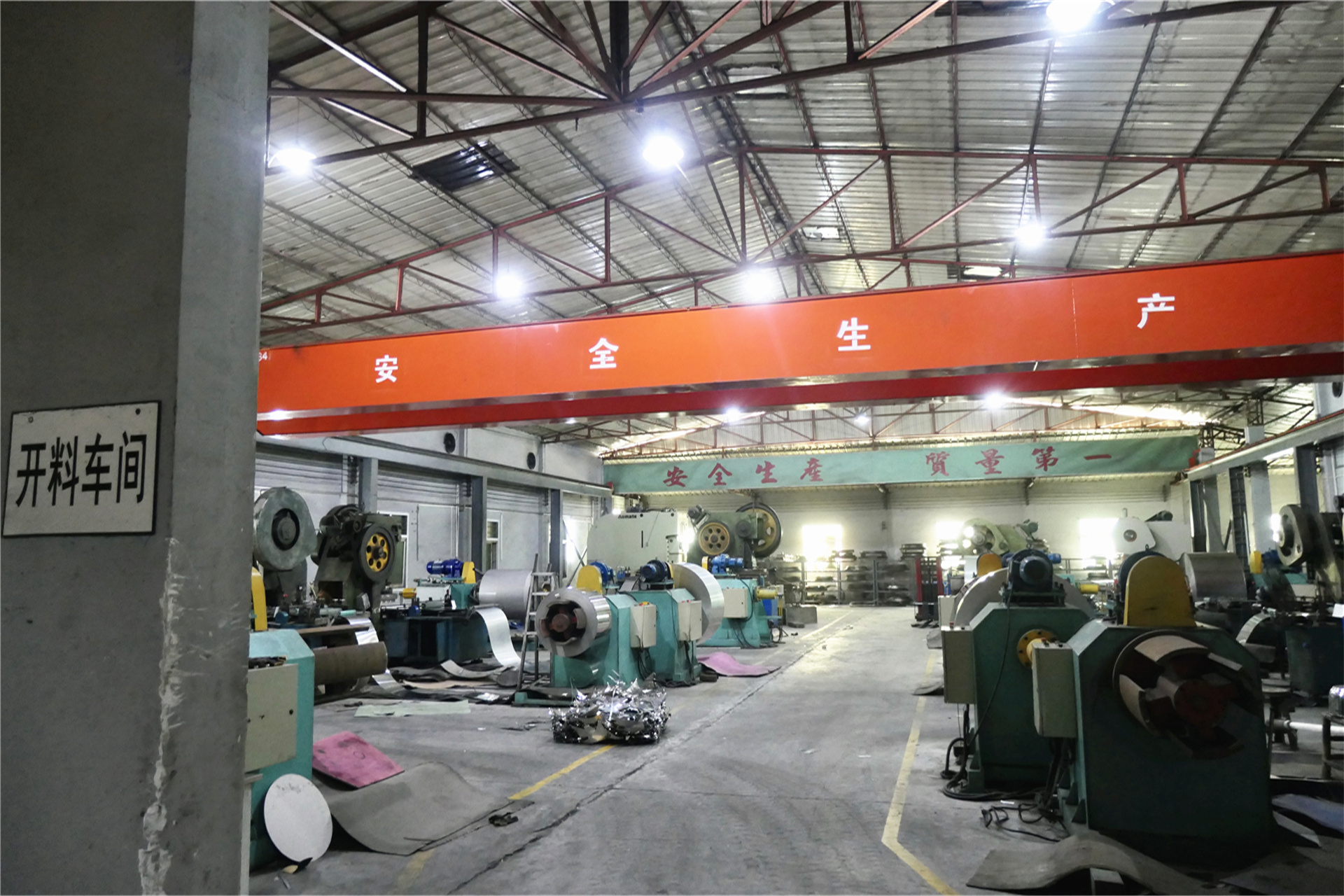
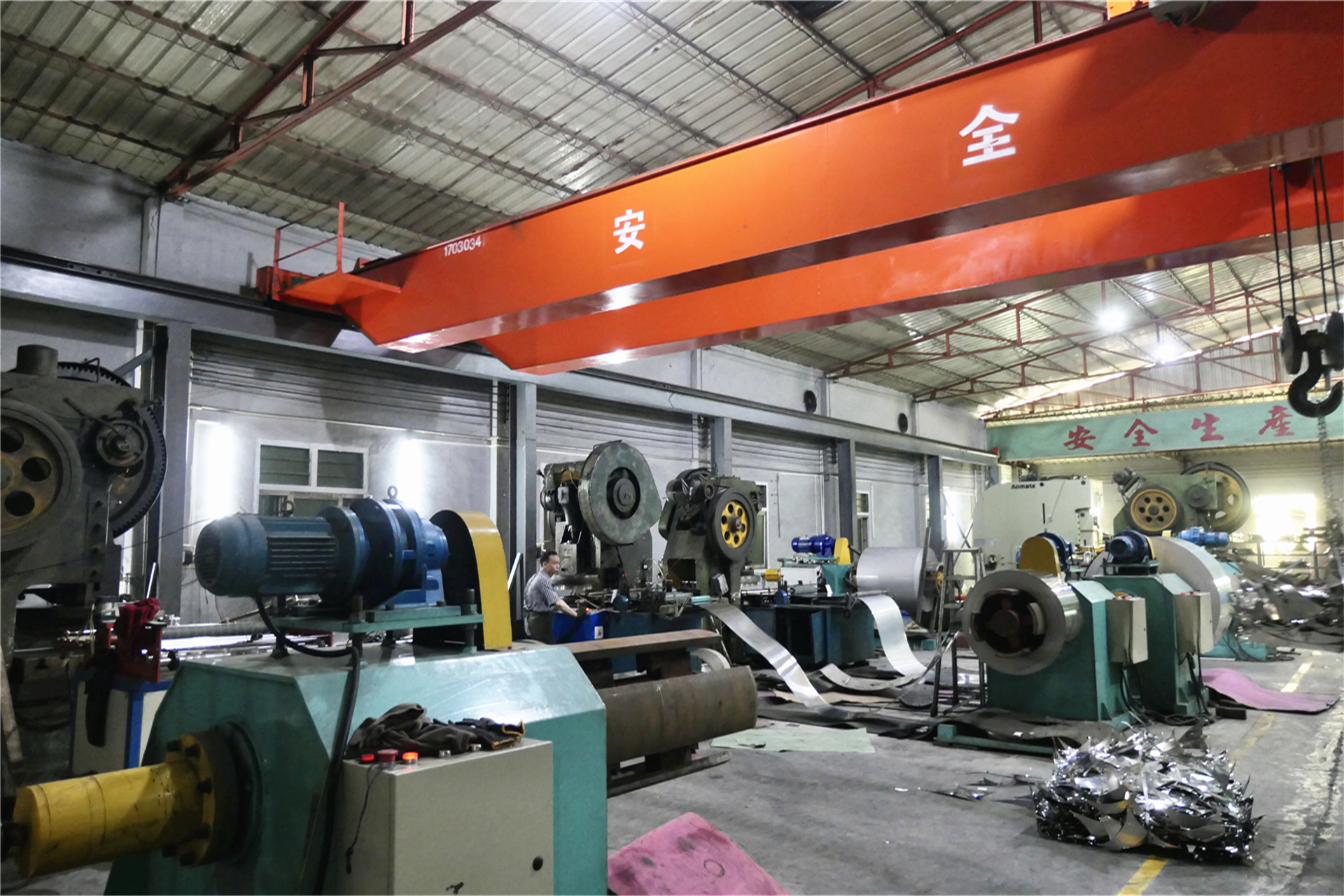
With China's accession to the WTO, overseas orders poured in. We rapidly expanded our production scale and cooperated with major markets across the country. While meeting international market demands, we keenly recognized the importance of our own brand, aligning it with our corporate development goals. Later, we successively developed new products, promoted our brand, and simultaneously entered the domestic market. Through participation in various hotel supplies exhibitions, we initially established domestic sales channels, achieving strategic synchronization between corporate culture and branded products.
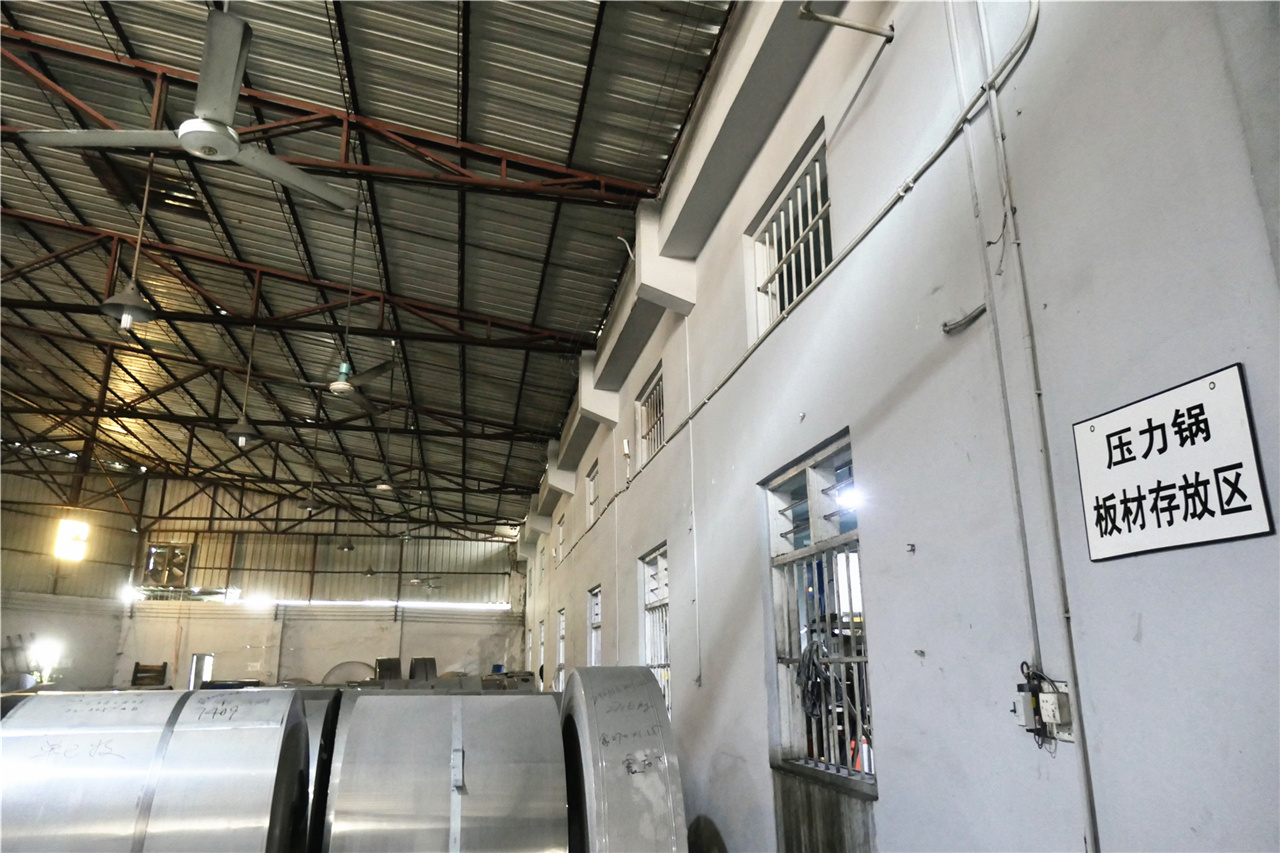
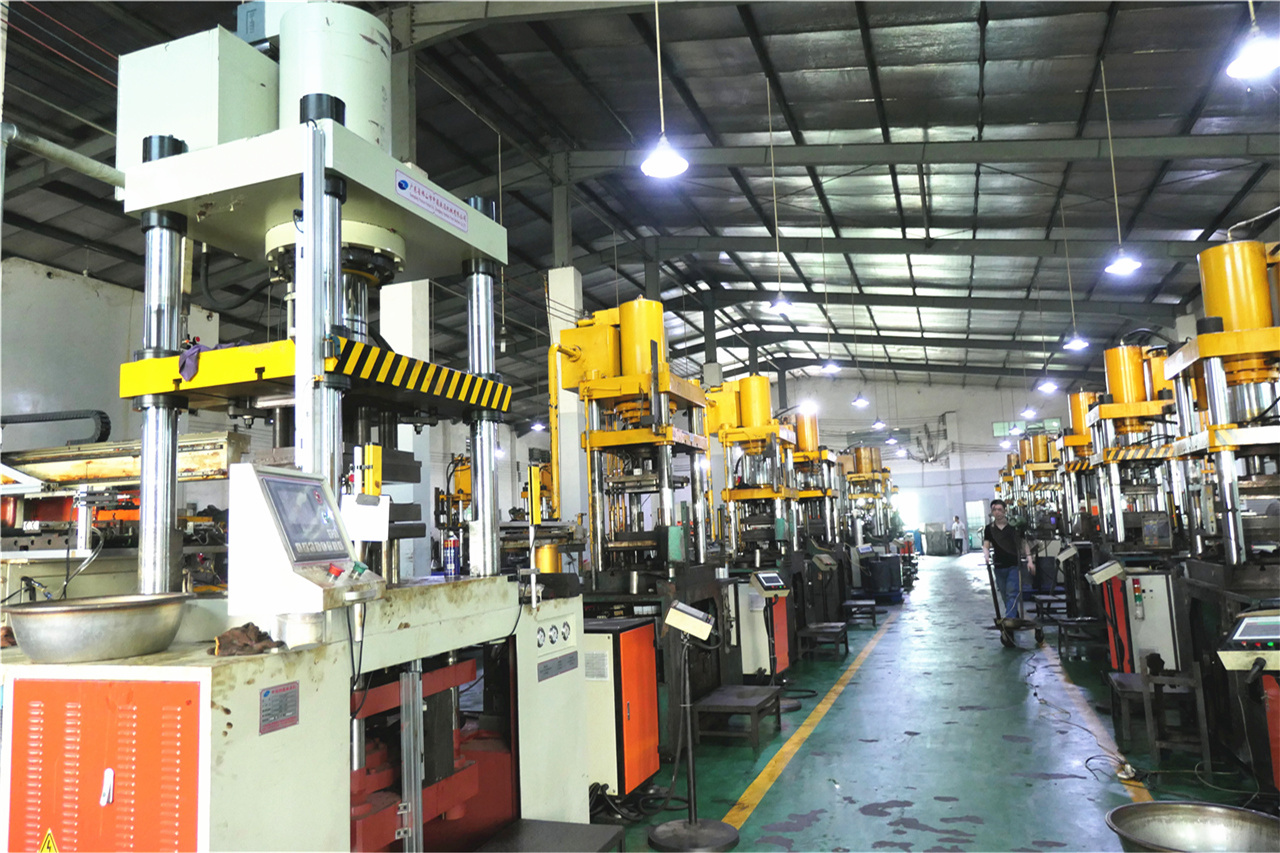
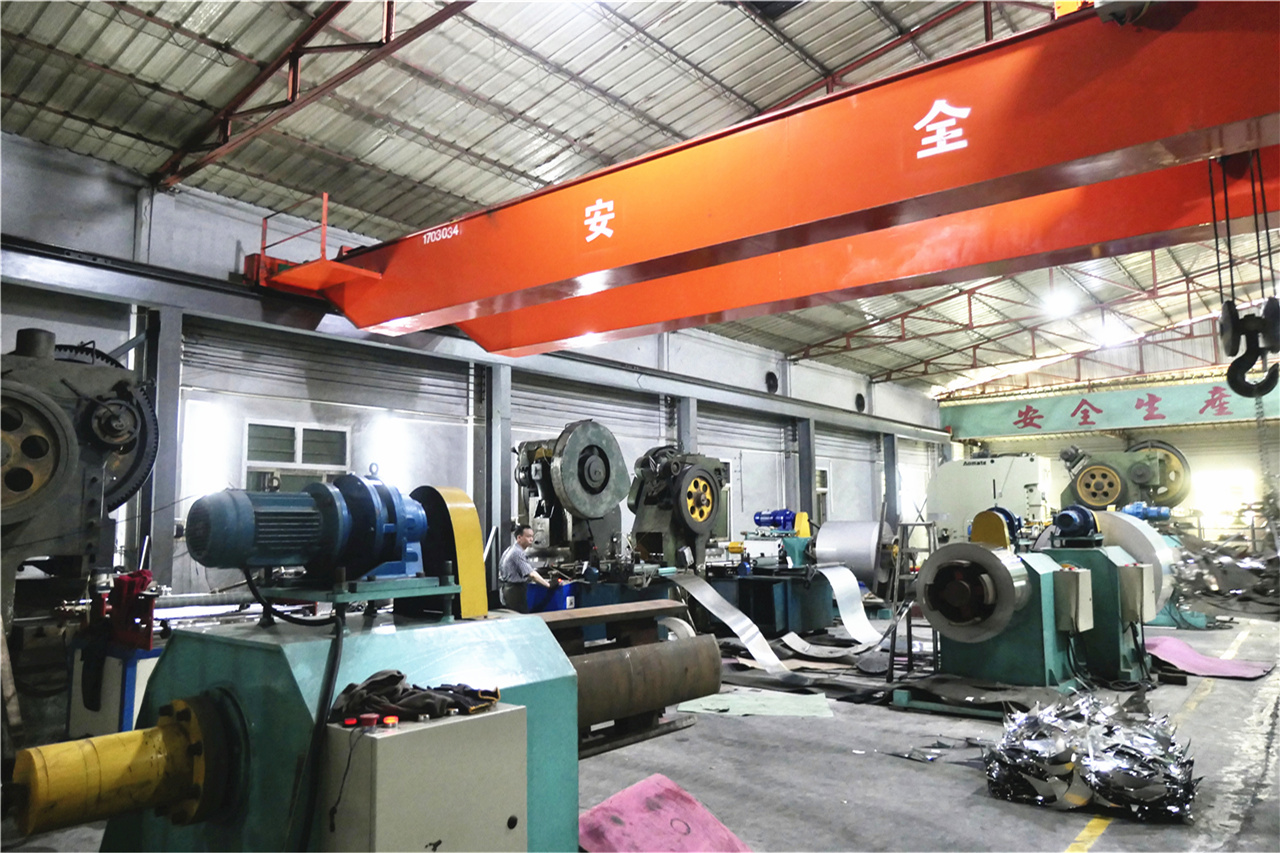
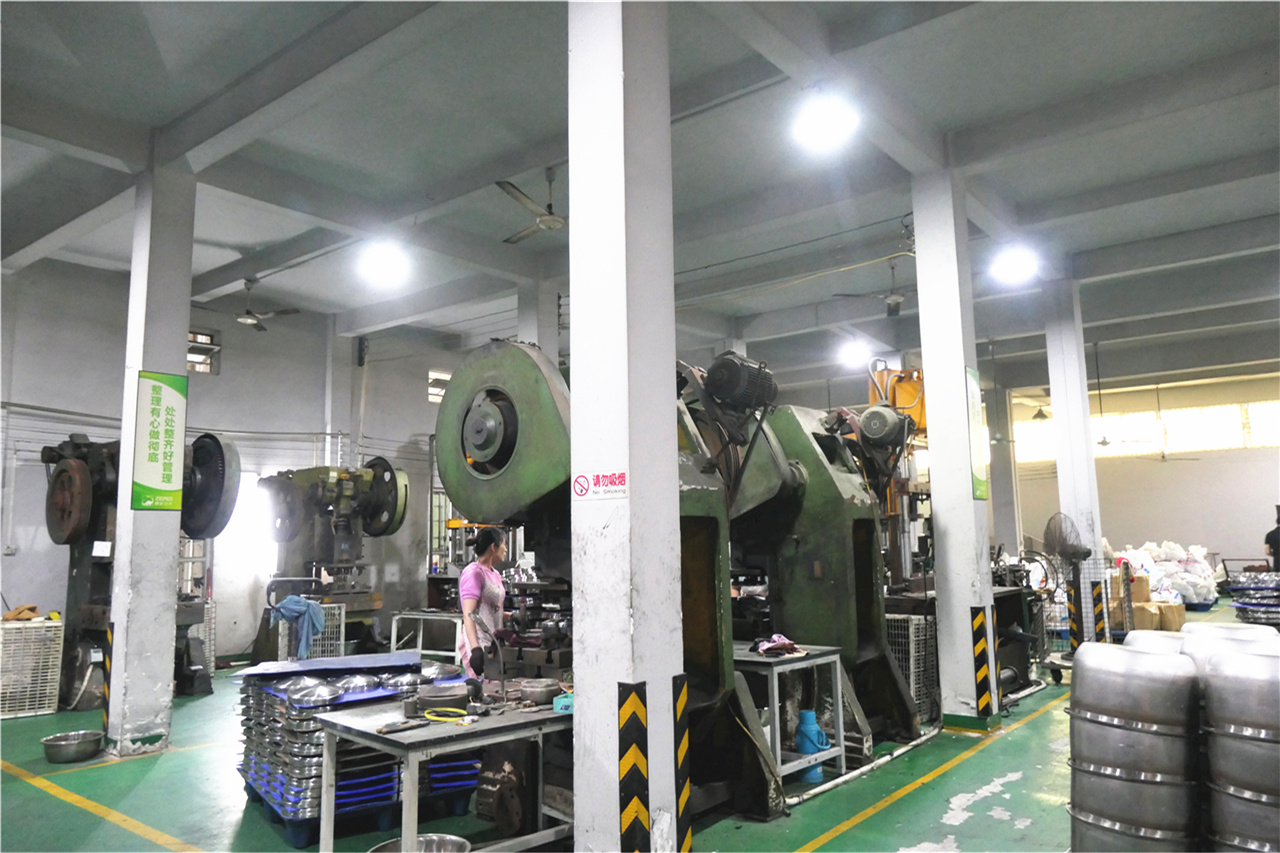
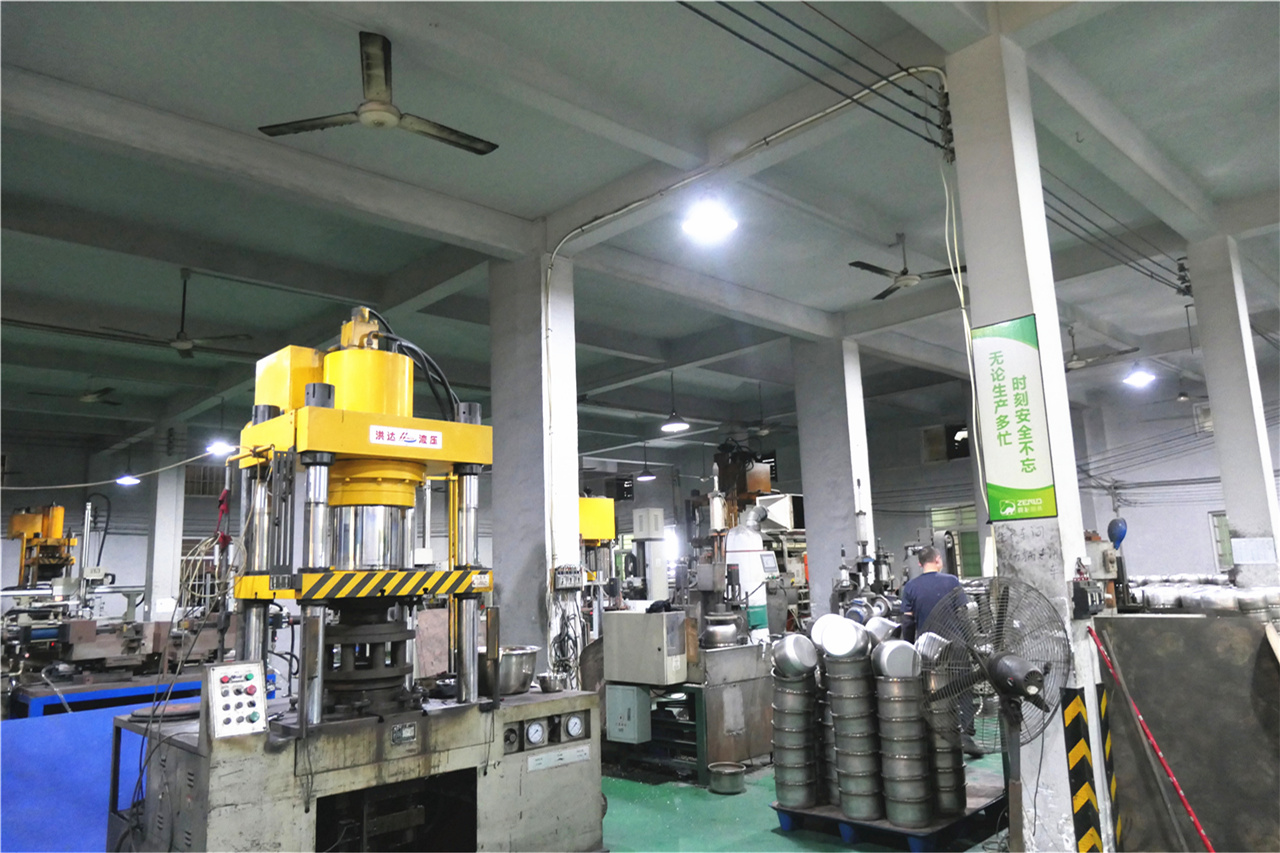
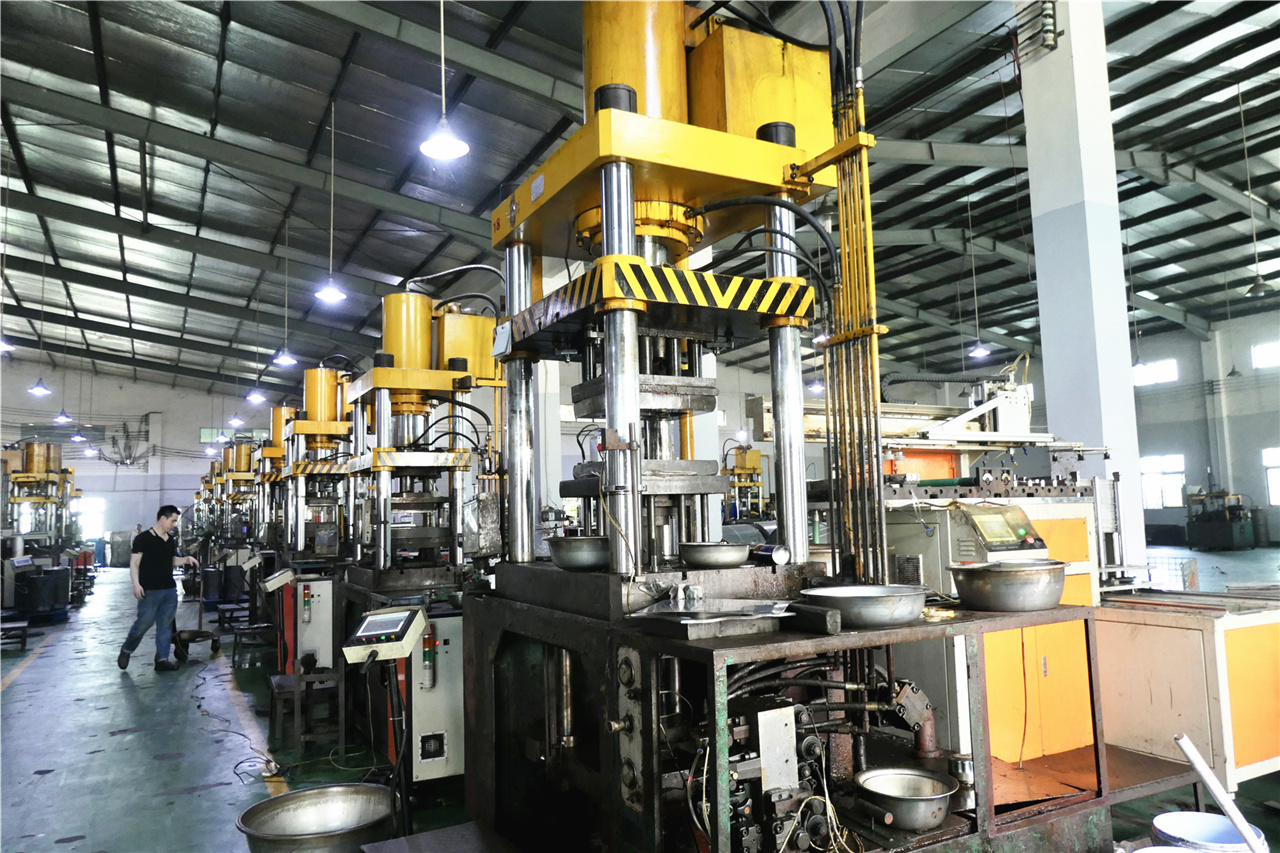
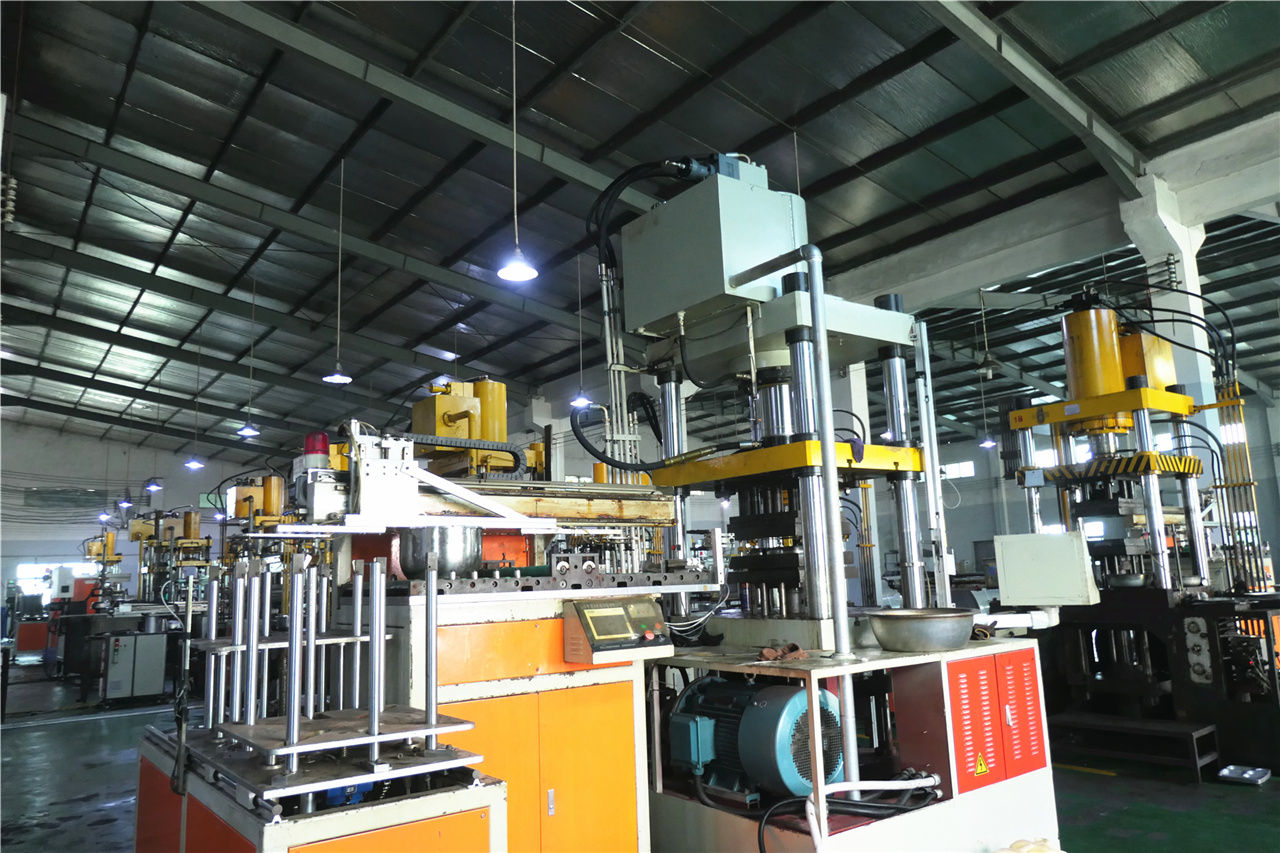
Faced with increasingly fierce market competition and rising labor costs, the factory resolutely embarked on a path of transformation and upgrading. In 2013, ZENLO Company was officially established. We invested heavily in technological upgrades, introducing industry-leading fully automated stretching production lines and laser welding technologies in 2014, significantly improving production efficiency and product precision. Simultaneously, we vigorously promoted branding, launching a stylish, mid-to-high-end sub-brand targeting the new generation of consumers, emphasizing healthy cooking. We also hired a professional design team to ensure our products combine practicality and aesthetic value. In 2017, we launched a brand-new production line—pressure cookers—dedicated to creating safe and reliable pressure cookers. We prepared for this for a long time, and our research and development of pressure cookers has become increasingly proficient, with various models gaining popularity among customers.
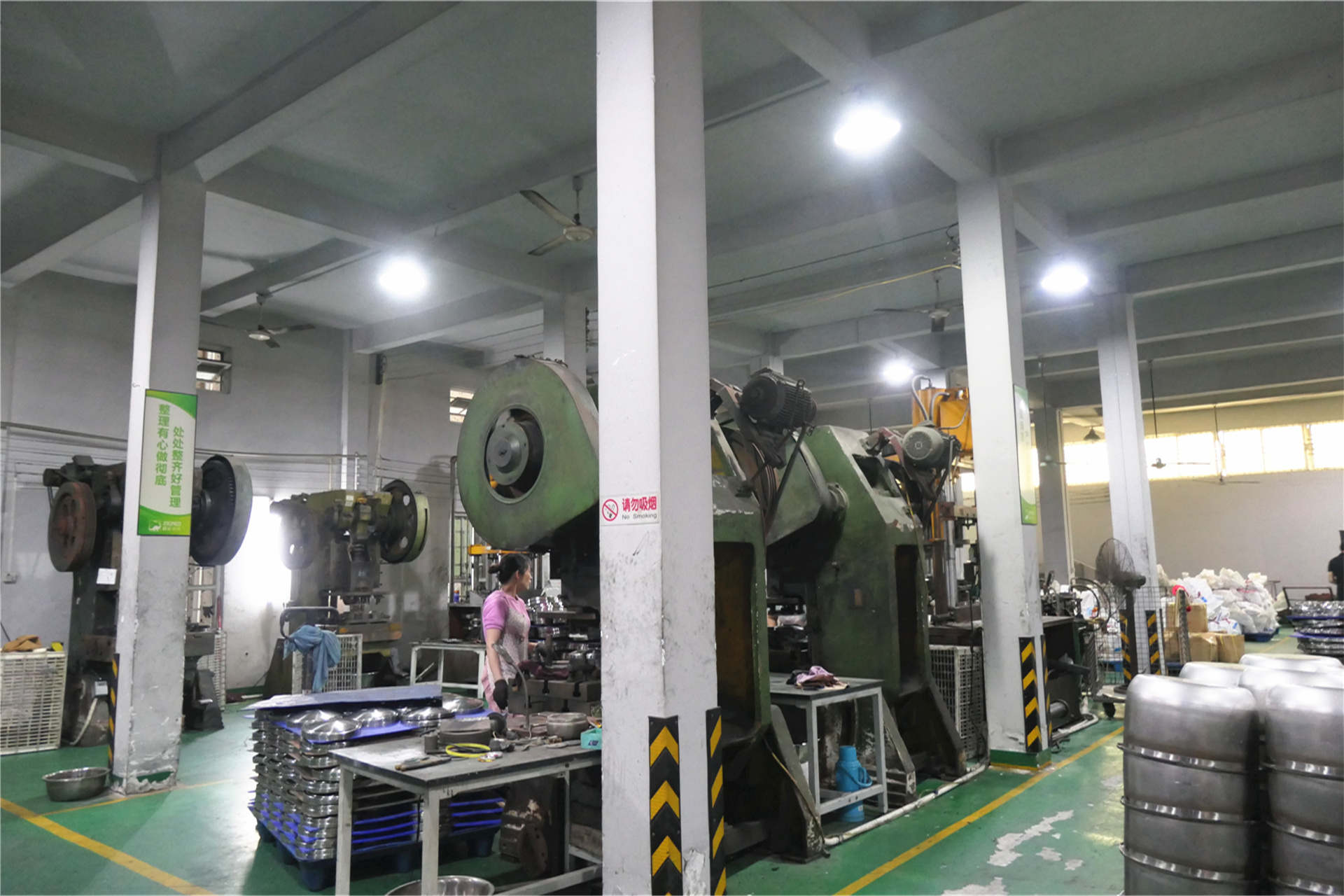
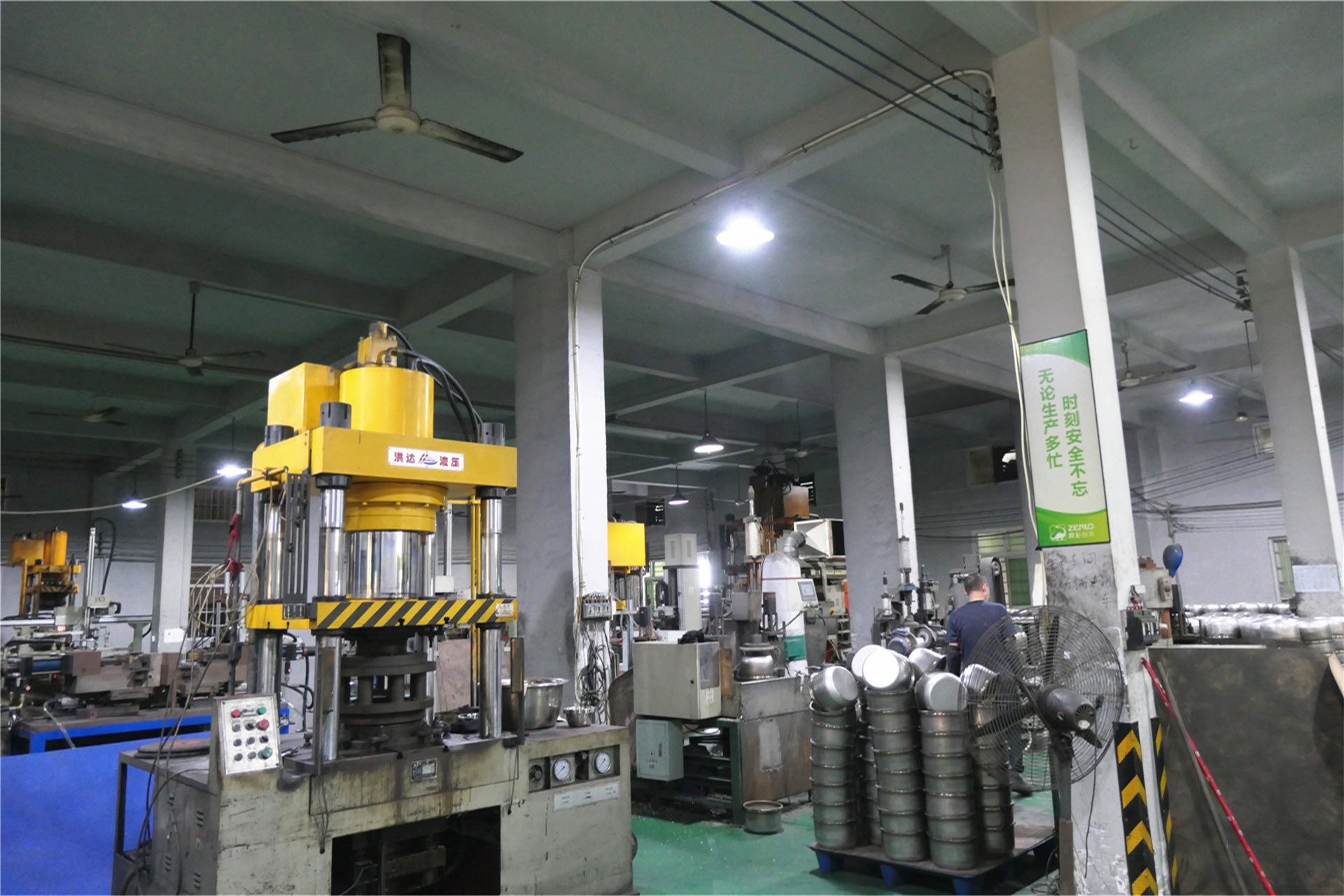
Entering a new decade, ZENLO Company is driven by "innovation" and "globalization." Driven by the internet age, we have implemented online ordering through major internet platforms and a corporate website, providing convenient services to more customers. At the product level, we have gradually launched more high-end and refined cooking utensils, creating a better environment for kitchen life and ensuring customers feel more comfortable and safe when using "ZENLO" brand products. Meanwhile, we actively respond to the national "dual-carbon" goals, researching and promoting the use of more environmentally friendly materials and processes, fulfilling our corporate social responsibility.
To understand the true value of custom food strainers in South Korea, one must examine their diverse applications across different sectors:
Kimchi production is a highly scientific process involving brining, rinsing, and mixing. Large-scale Kimchi factories require custom-designed rotary screen strainers and heavy-duty colanders to drain salted cabbage efficiently. The high salt content of the brine requires materials with exceptional corrosion resistance, making SUS316L the material of choice to prevent rust and maintain structural integrity over decades of continuous operation.
From traditional hand-pulled noodles to automated Ramyeon lines, separating starch and solids from cooking water is crucial. High-capacity basket strainers with reinforced frames are used to handle heavy loads of wet noodles while ensuring rapid water drainage. In commercial ramen franchises, customized ergonomic handle strainers are deployed to improve chef efficiency and reduce physical fatigue.
The brewing of Makgeolli and other traditional Korean beverages involves filtering fermented rice mash. Custom fine-mesh strainers and press filters are designed to achieve the precise level of turbidity and mouthfeel that consumers expect, balancing filtration speed with product quality. Standard mesh sizes are modified to allow only targeted micro-particles to pass through, preserving the traditional taste profile.
In Busan and Mokpo, seafood processing plants require specialized strainers to wash, sort, and process marine products. These strainers must withstand continuous exposure to saltwater and organic acids while maintaining structural integrity. Custom perforated metal sheets with specific hole diameters are fabricated to prevent delicate seafood from getting damaged during the high-pressure washing cycles.
Ensures seamless joints that prevent food particle entrapment, making the strainers extremely hygienic and easy to sanitize according to HACCP requirements.
Provides superior structural rigidity, preventing deformation under high temperature or heavy commercial usage.
To serve the South Korean market effectively, our custom food strainer factory offers a wide range of customization options. This includes selecting the optimal wire mesh weave (plain, twill, or dutch weave), determining the precise perforation pattern for sheet metal strainers, and designing custom handles, brackets, and rims to fit existing kitchen or industrial setups.
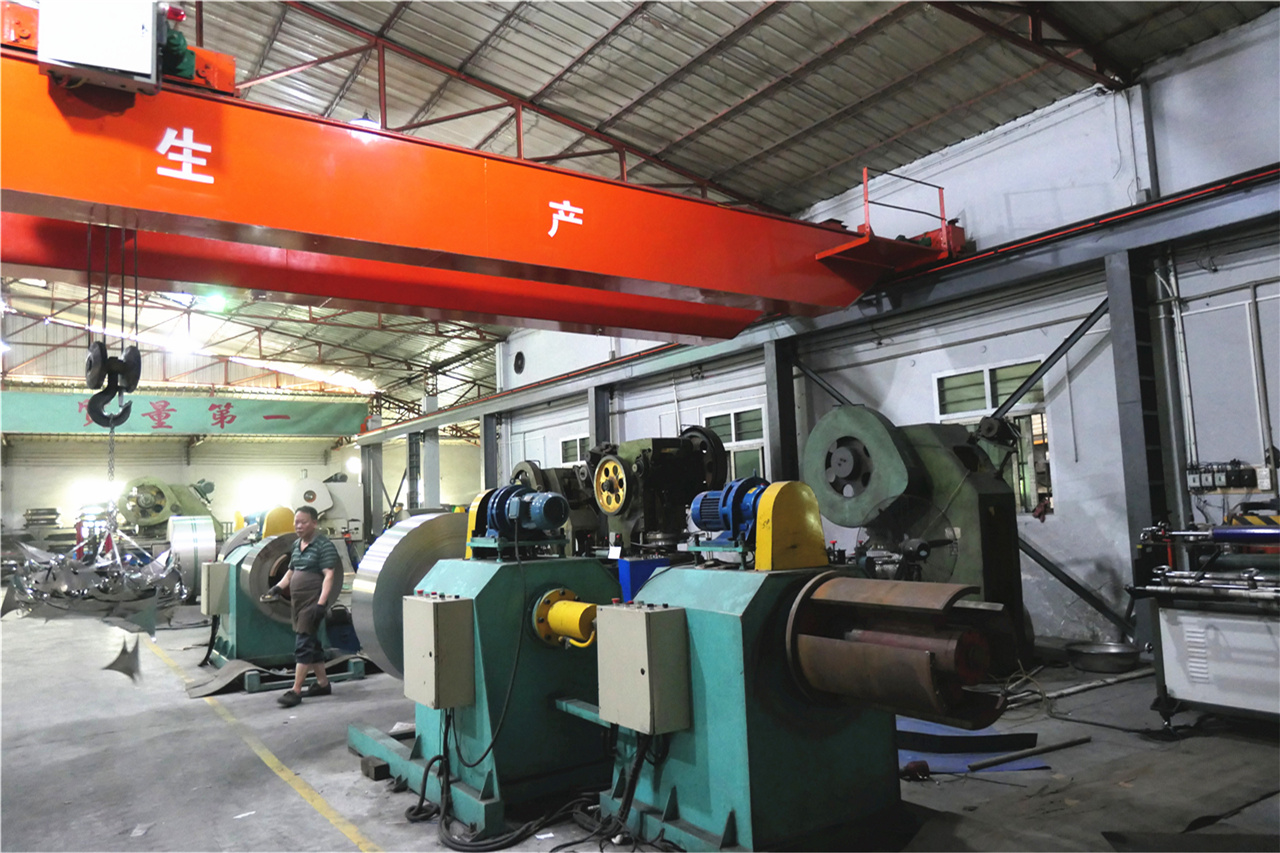
Our factory utilizes state-of-the-art technology, including fully automated stretching production lines and advanced laser welding systems, to ensure that every strainer meets the highest standards of dimensional accuracy and structural strength. Whether it is a small-batch artisanal kitchen or a continuous industrial processing line, our customized solutions are engineered to optimize flow rates, minimize pressure drops, and maximize the lifespan of the equipment.
Designed for fine filtration of local beverages, keeping turbidity levels perfectly balanced.
High-speed vibratory screen mesh designed for food powders and granular ingredients.
Electro-polished stainless steel sieve designed for infant food processing facilities.
Heavy-gauge mesh basket with reinforced handles for high-volume boiling systems.
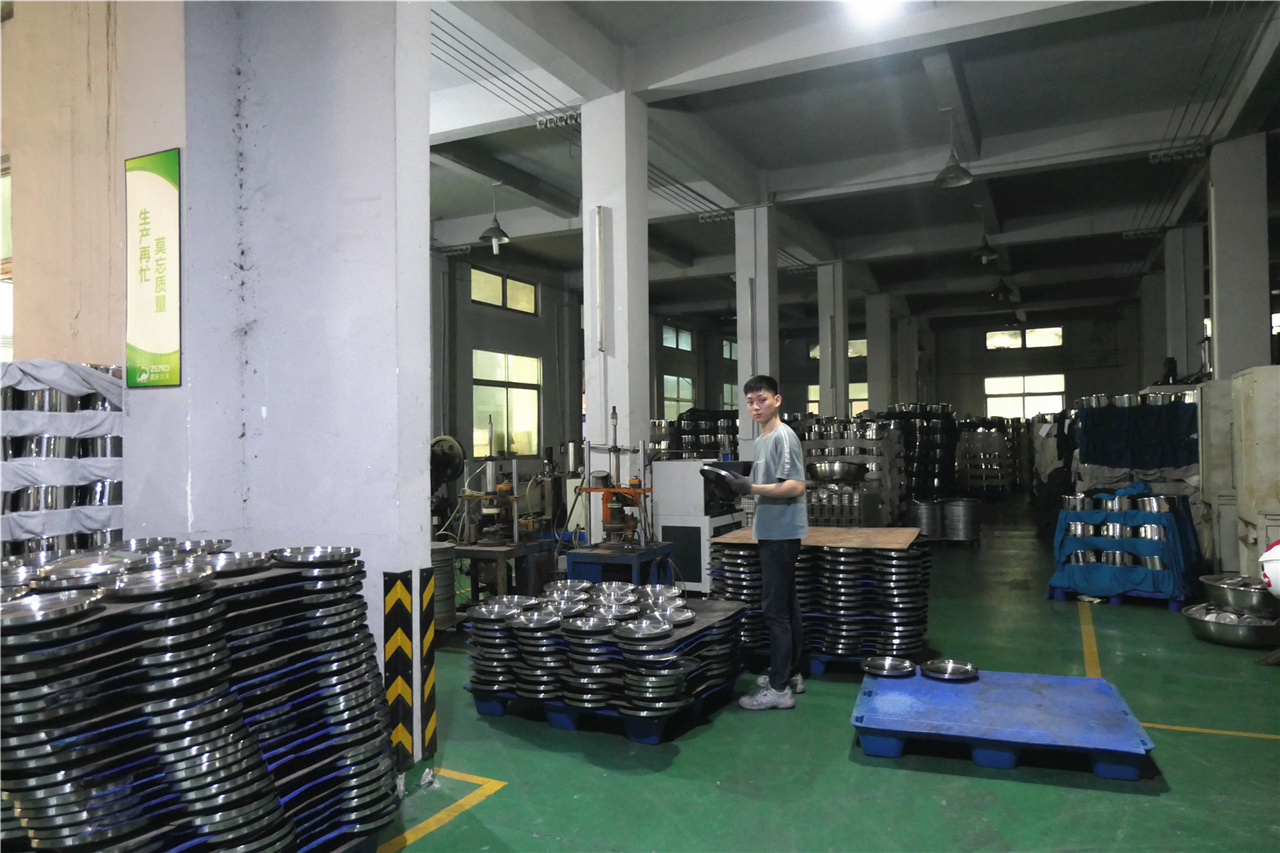
Customized eco-friendly filtration units ideal for organic tea and juice processing plants.
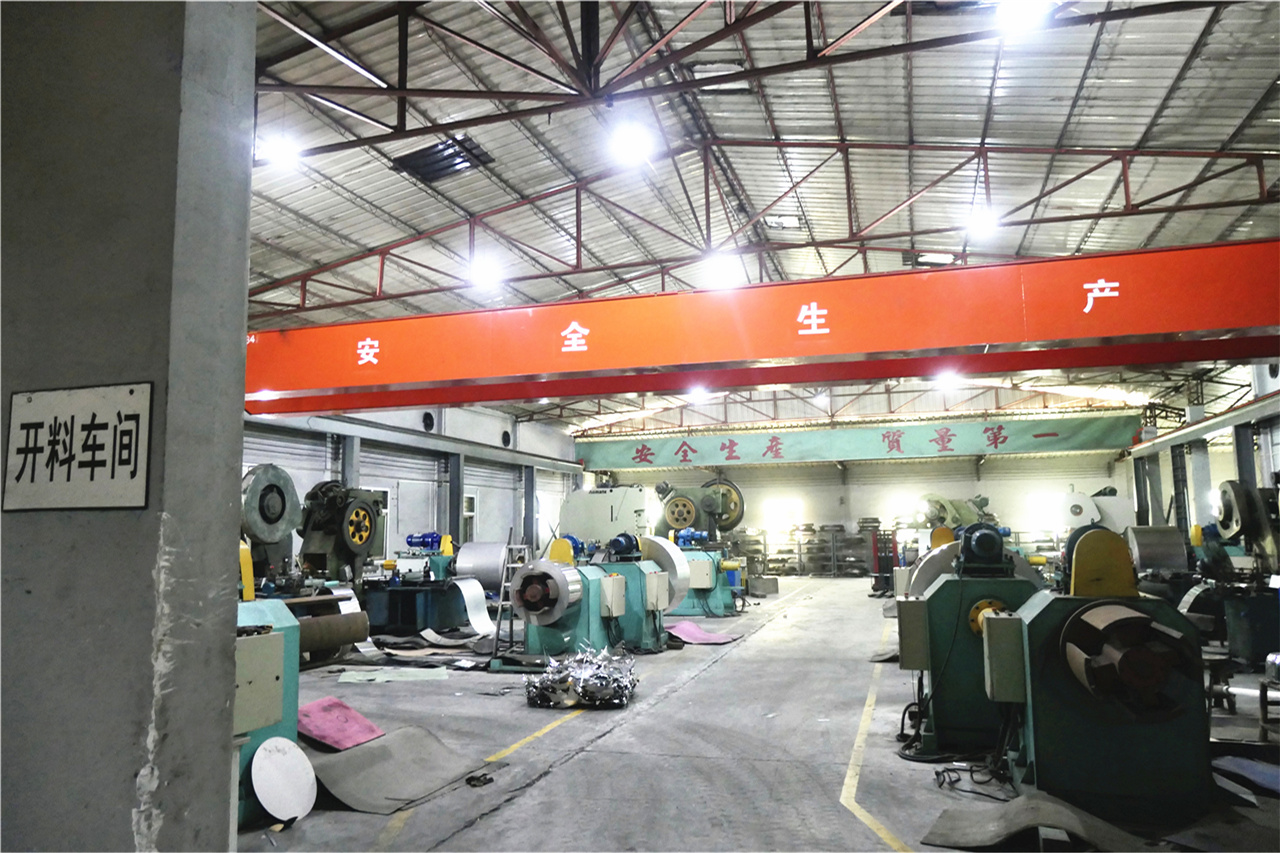
Fully integrated conveyor-belt strainers designed for continuous industrial frying lines.
High-strength mesh separator for commercial kitchen waste management systems.
Ergonomic, lightweight hand strainers optimized for fast-paced noodle restaurants.
Looking back over the past thirty years, ZENLO Company has grown from a small hardware manufacturing factory into an industry benchmark enterprise with its own brand, patented products, and a modern production system. Looking to the future, we will continue to uphold our original aspiration of "making good cookware with heart," continuously exploring ways to further expand overseas markets and better serve every customer, striving to become a trusted provider of kitchen living products for global consumers.
Send Us An Inquiry