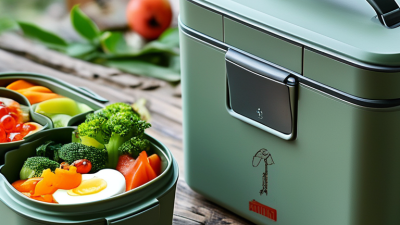
These days, as more and more folks realize how important sustainability is in our daily lives, it’s no surprise that eco-friendly lunch options are really gaining ground. One of the stars of this movement? The Stainless Steel Bento Box. People love it not just because it’s super durable, but also because it’s better for the environment. Jane Smith, who’s pretty well-known when it comes to sustainable food storage, even says, “Stainless Steel Bento Boxes aren’t just practical — they actually change how we think about minimizing waste.”
In the busy world of packing meals, these Bento Boxes really shine. They’re reusable, built to last, and don’t have all those nasty chemicals you find in many plastic containers. A lot of folks also love their sleek look — making them a hit with both grown-ups and kids alike.
Now, I gotta admit, there’s a bit of a catch. The upfront cost can be a little higher than your typical plastic lunchbox. It’s worth taking a moment to think about it—consider the price, sure, but also the impact on the environment. Switching to a Stainless Steel Bento Box might mean changing some habits, but honestly, it’s a pretty solid way to help make the planet a little greener.
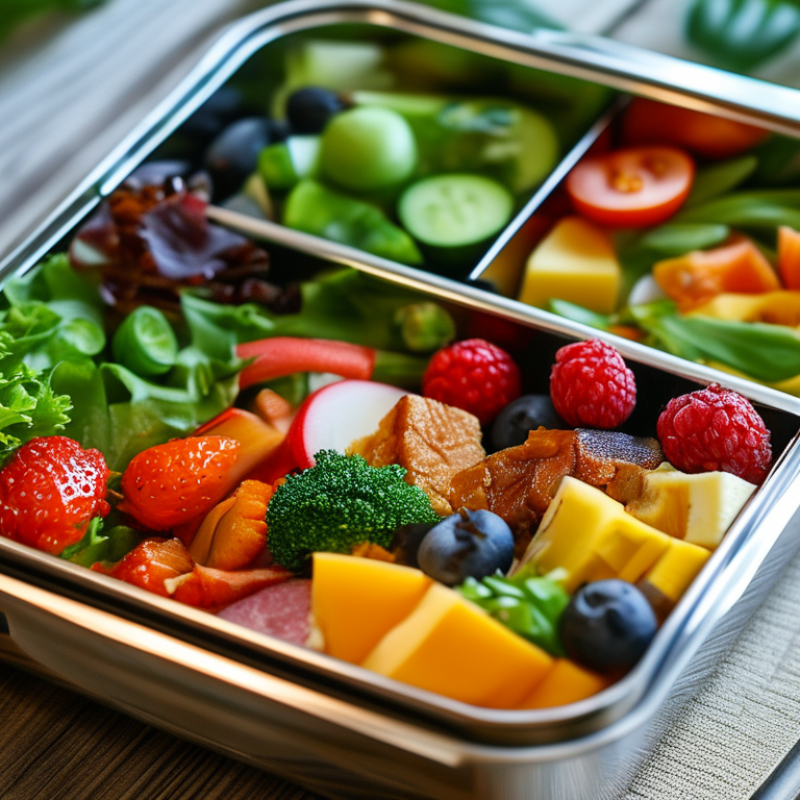
Top 10 Stainless Steel Bento Box Benefits for Sustainable Lunches
Stainless steel bento boxes offer numerous benefits for sustainable lunches. They are durable and long-lasting, reducing the need for replacements. Unlike plastic containers, they don’t leach harmful chemicals into food. This makes them safer for you and the planet.
Using stainless steel helps minimize waste. These bento boxes can be reused countless times. This reduces reliance on single-use plastic, which often ends up in landfills. You contribute to sustainability every time you choose stainless steel, but remember: it's not a perfect solution.
Cleaning can be a hassle, and it’s important to keep them dry to prevent rust. Additionally, the upfront cost may seem high, but it pays off over time. Striking a balance between convenience and eco-friendliness requires mindfulness in your choices. Embracing stainless steel bento boxes is a step in the right direction, but reflection on our habits is key.
Top 10 Stainless Steel Bento Box Options for Eco Friendly Lunches
Factors to Consider When Choosing a Stainless Steel Bento Box
When selecting a stainless steel bento box, there are several crucial factors to consider. First, material quality is vital. High-grade stainless steel, such as 304-grade, is non-toxic and resistant to rust and corrosion. Research from the Food and Drug Administration indicates that stainless steel is a safer alternative to plastic, minimizing the risk of chemical leaching.
Size and capacity play a significant role. A typical bento box may hold between 500 to 1000 ml of food. This size is suitable for adults and children alike. Assessing portion sizes can help you choose an appropriate capacity. Divided compartments are another feature worth noting. They allow for the separation of different food items, which can prevent flavors from mixing.
Design is also important, yet often subjective. A well-designed bento box should be easy to clean and maintain. Many users report challenges with smaller crevices that trap food particles. Reflecting on this aspect can help you avoid frustration. Lastly, look for features like leak-proof lids or silicone seals. These enhance the functionality of your bento box for travel. A 2021 report from the World Health Organization suggests that environmentally friendly lunch solutions are in increasing demand. This trend reflects consumers' growing awareness of sustainability.
Comparison of Popular Stainless Steel Brands and Their Environmental Impact
As the world shifts towards sustainability, stainless steel bento boxes are gaining attention. These containers minimize plastic use, contributing to an eco-friendly lifestyle. A report by the Eco-Consumer Association indicates that stainless steel reduces waste by up to 50% compared to single-use plastics. This shift is crucial, especially considering that over 300 million tons of plastic are produced globally each year.
The manufacturing process of stainless steel has its environmental challenges. Some studies show that mining and processing metals can lead to significant carbon emissions. Despite this, the durability of stainless steel means it can last for years, ultimately reducing the need for frequent replacements. Research indicates that a single stainless steel container could replace up to 1,000 disposable plastic containers over its lifetime.
However, the sustainability of a bento box isn't just about materials. Consideration must be given to the supply chain and end-of-life disposal methods. Many stainless steel products lack proper recycling channels. A responsible choice includes understanding how items can be disposed of or repurposed. Even the best options should be evaluated for their entire lifecycle impact.
Understanding Food Safety Standards for Stainless Steel Lunch Containers
When choosing stainless steel bento boxes, food safety is a primary concern. Stainless steel is known for its durability and resistance to rust. However, not all stainless steel containers are created equal. It is crucial to understand the grades of stainless steel used. Higher grades, like 304 or 316, are often recommended for food storage as they offer better corrosion resistance. Always check for certification labels indicating compliance with food safety standards.
Another important aspect is the design of the container. Look for bento boxes that feature airtight seals. This helps prevent contamination and keeps food fresh. Avoid containers with plastic components that could leach harmful chemicals into your food. Inspect the construction carefully; it's essential to ensure there are no seams or joints where bacteria can accumulate.
While stainless steel is typically safe, improper use can lead to issues. Using metal utensils might scratch the surface, creating hidden areas for bacteria. Regular cleaning is vital, as is proper air drying. Reflection is key: ask yourself how often you clean your containers. Are there any habits you could improve? The safety and longevity of your stainless steel lunch containers depend heavily on your maintenance practices.
How Stainless Steel Bento Boxes Reduce Plastic Waste in Daily Life
Stainless steel bento boxes are an excellent alternative to plastic containers. They help reduce plastic waste significantly, which is a growing concern in our daily lives. While plastic takes hundreds of years to decompose, stainless steel is fully recyclable. This means less plastic ends up in oceans and landfills. Choosing stainless steel for lunches promotes a more sustainable lifestyle.
These bento boxes are durable and long-lasting. They can withstand drops and rough handling, unlike their plastic counterparts. Users can store a variety of foods without worrying about leaching chemicals. Over time, the switch to stainless steel can help individuals reflect on their consumption habits. It encourages a shift toward eco-friendly practices. However, initial costs may be higher. This can deter some consumers.
Additionally, stainless steel containers often have a sleek design. They keep food fresh without absorbing odors or stains. It's a small change that has a big impact. People might need time to adjust to carrying heavier items. But the benefits of reducing plastic waste far outweigh the inconvenience. The growing trend of using stainless steel in lunch preparation offers an opportunity to embrace a greener future.
Maintenance Tips for Longevity of Stainless Steel Bento Boxes
Maintaining stainless steel bento boxes is essential for their longevity. These containers can last for many years if cared for properly. According to a report from the Environmental Protection Agency, stainless steel is highly durable and can withstand daily use without significant wear.
However, improper care can lead to scratches or stains, which can impact their aesthetic and usability.
Regular cleaning is crucial. Handwashing with mild soap and a soft sponge is generally recommended. Using abrasive cleaners can cause surface scratches. A study from the Journal of Cleaner Production highlighted that stainless steel’s non-porous surface resists bacteria growth, making it a hygienic choice. However, if food residues are left unchecked, bacteria can flourish.
To maintain their shine, occasional polishing with vinegar or baking soda is beneficial. Such methods can remove stubborn spots. Avoiding the dishwasher is also wise, as harsh detergents and high heat can damage the finish. Realizing these simple yet effective practices allows users to enjoy their bento boxes for years.
The Cost-Effectiveness of Switching to Stainless Steel for Packed Meals
Switching to stainless steel for packed meals presents several cost-effective benefits. Stainless steel bento boxes are durable and long-lasting. They resist wear and tear much better than plastic options. This durability translates to less frequent replacements, ultimately saving money in the long run. Many users find that they no longer need to buy disposable containers, which reduces their overall expenses.
Investing in stainless steel also means enjoying healthier meals. Unlike some plastics, stainless steel does not leach harmful chemicals into food. This feature can lower healthcare costs in the future due to better health and wellness.
While the initial cost of a stainless steel bento box might seem high, it pays off over time. Users may feel overwhelmed by the choices available, finding it tough to pick the right fit. Not all stainless steel boxes are created equal, and some may not retain heat well. So, it's essential to research and choose wisely. Finding the right container requires patience and sometimes trial and error.
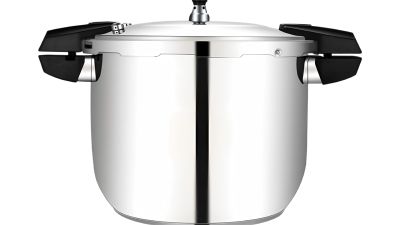
Maximize Your Cooking Efficiency: Discover the Benefits of the ZENLO Commercial Stainless Steel Pressure Cooker
The ZENLO Commercial Stainless Steel Pressure Cooker is designed with a primary focus on maximizing your cooking efficiency, making it an essential tool for both home cooks and professional chefs. With its robust construction using food-grade stainless steel, it not only ensures durability but also maintains hygienic standards crucial for safe cooking. This pressure cooker allows for the swift preparation of meals, enabling greater time management in the kitchen, which is particularly beneficial for busy lifestyles.
Safety is paramount when it comes to pressure cooking, and this model incorporates multiple core safety features that provide peace of mind while you cook. Its basic safety attributes include a safety pressure relief valve and a double check valve, ensuring that pressure is appropriately managed during cooking. The advanced safety technologies go even further, featuring a lid locking function that prevents opening until all pressure is safely released, an automatic pressure relief system, and an overpressure alarm function that alerts users to any potential issues. Additionally, the cooker holds authoritative certifications such as ISO9001 and a Food-grade Stainless Steel Material Certification, reinforcing its commitment to consumer safety and quality. Embracing such innovations not only elevates your cooking efficiency but also guarantees a secure culinary experience.
FAQS
: They reduce plastic use, lowering waste by up to 50%. This shift supports an eco-friendly lifestyle.
They can last for years, potentially replacing up to 1,000 disposable plastic containers.
Yes, stainless steel is fully recyclable, unlike plastic that takes centuries to decompose.
Mining and processing can produce significant carbon emissions, impacting the environment.
Research proper recycling channels and consider their lifecycle impact before disposal.
Initial costs may be higher, which might deter some consumers from making the switch.
Yes, they are durable and resist drops better than plastic containers.
No, they keep food fresh without absorbing odors or stains, maintaining quality over time.
It encourages reflection on food storage choices and promotes eco-friendly practices.
They may be heavier than plastic, requiring some adjustment in carrying habits.
Conclusion
The article explores the advantages of using a Stainless Steel Bento Box for eco-friendly lunches. It highlights how these containers contribute to sustainability by reducing plastic waste and their long-term cost-effectiveness. Factors to consider when choosing a Stainless Steel Bento Box include food safety standards, maintenance tips for ensuring longevity, and the overall environmental impact of various options available on the market. By opting for a Stainless Steel Bento Box, consumers not only make a healthier choice for their meals but also support a more sustainable lifestyle.