Back in 2026, it’s pretty clear that more and more people around the world are really into Insulated Lunch Boxes. These clever little items aren’t just about keeping your food fresh — they actually make healthy eating a bit easier, which is pretty great. Brands like Zojirushi and Thermos are really leading the charge, coming up with high-quality options that suit all sorts of needs.
A lot of folks are on the lookout for features like top-notch insulation, durability that lasts, and easy-to-use designs. It seems like there’s more awareness these days about sustainability and meal prep, so that definitely influences what people are buying. But honestly, navigating the market can be a bit tricky — some brands come out with innovative, well-made products, while others cut corners with cheap materials and poor insulation.
At the end of the day, it’s all about knowing what you need. Are you after something sleek and stylish, or do you need a bigger size to hold more food? Picking the right Insulated Lunch Box isn’t just about looks — it’s about finding something that will last and make your life easier in the long run. With so many options out there, it’s key to stay informed and choose wisely instead of just going with the first thing you see.
Features of Insulated Lunch Boxes: What to Look For
When selecting an insulated lunch box, several features can enhance the user’s experience.
Durability is key. Look for materials that withstand wear and tear.
Consider options like stainless steel or high-quality plastics. A robust exterior protects against impacts and helps maintain temperature.
Another critical feature to evaluate is insulation quality. The best lunch boxes keep food hot or cold for extended periods.
Multi-layer insulation reduces heat transfer and enhances efficiency. Check if the product has a thermos design.
This type offers superior thermal retention.
Storage capacity is also vital. Larger boxes hold more food, but size can affect portability.
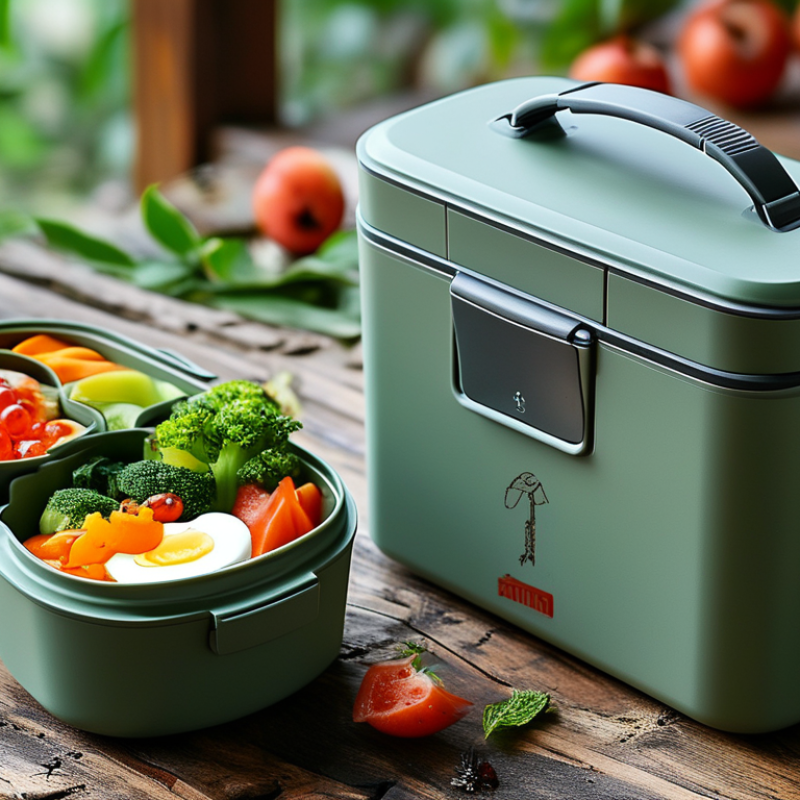
Compact options are easier to carry, especially for commute. Additionally, assess compartmentalization.
Separate compartments help prevent food mixing. This feature is essential for enjoying well-prepared meals.
Finally, consider ease of cleaning. Some materials may be dishwasher safe, making maintenance straightforward.
A thoughtful design balances practicality with aesthetics, reflecting personal style while being functional.
Top Materials Used in Insulated Lunch Boxes for Durability
When considering insulated lunch boxes for 2026, the materials used play a crucial role in ensuring durability and performance. High-density polyethylene (HDPE) is a popular choice due to its strength and resistance to impact. Reports indicate that HDPE can withstand temperatures ranging from -40°F to 130°F. This makes it suitable for various environments.
Another material garnering attention is stainless steel. Its longevity and resistance to corrosion are notable. Stainless steel is often used in the interior lining of lunch boxes. Interestingly, studies reveal that stainless steel retains temperature better than plastic. However, it can be heavier, which may deter some users.
Insulating materials such as expanded polystyrene (EPS) also contribute to the efficiency of these lunch boxes. EPS provides excellent insulation while remaining lightweight. But it is less durable than other materials. Consumers may find it necessary to balance insulation and durability when selecting their lunch boxes. Thus, understanding these material properties is essential for making informed choices in 2026.
Comparative Analysis of Popular Insulated Lunch Box Brands
Insulated lunch boxes have transformed the way we carry our meals. They keep food at safe temperatures for longer periods. This feature is crucial for busy individuals on the go. However, not all lunch boxes perform equally well. Some excel in heat retention, while others focus on portability and design.
When comparing insulated lunch boxes, material plays a vital role. Stainless steel options often provide better insulation. They are durable and easy to clean. On the other hand, plastic lunch boxes can be lighter and more colorful. Each choice comes with its own set of pros and cons. Finding a perfect balance between functionality and aesthetics can be challenging.
User reviews highlight one key issue: insulation performance can decline over time. Consumers should look for brands that offer warranties or guarantees. Restoring their effectiveness might not always be possible. The right insulated lunch box can make a difference. It can ensure that lunch stays fresh and enjoyable. Being informed helps in making better choices in a saturated market.
Top 10 Insulated Lunch Boxes for Global Buyers in 2026
Best Insulated Lunch Boxes for Different Diets and Lifestyles
Choosing the right insulated lunch box can significantly impact your meal prep and dietary goals. For those following specific diets, it's essential to consider various designs. Some insulated lunch boxes are compartmentalized. This allows you to keep different food items separate, preserving flavors and textures. Such designs cater to those who enjoy meal variety.
Vegetarians, for example, need space for a range of veggies and proteins. A box with ample compartments helps maintain diversity in meals. On the other hand, those on a keto diet may require a larger section for protein-rich foods. This ensures adherence to dietary restrictions while enjoying fresh, insulated meals throughout the day.
Lifestyle also plays a crucial role. Busy professionals benefit from lightweight options that fit into smaller bags. Meanwhile, outdoor enthusiasts may prefer more durable models with heavy insulation. While many insulated lunch boxes promise to keep meals hot or cold, not all deliver consistently. It’s crucial to research and find a box that meets individual needs. Real-world testing often reveals imperfections and can lead to reflections on what works best in daily life.
Top 10 Insulated Lunch Boxes for Global Buyers in 2026
| Lunch Box Type |
Capacity (Liters) |
Material |
Insulation Type |
Ideal For |
Price Range (USD) |
| Classic Lunch Box |
1.5 |
Stainless Steel |
Vacuum Insulation |
General Use |
25 - 45 |
| Kids Lunch Box |
1.2 |
Plastic |
Foam Insulation |
Children |
10 - 30 |
| Bento Box |
1.0 |
Bamboo and Steel |
Insulated |
Healthy Eaters |
15 - 35 |
| Backpack Lunch Box |
2.0 |
Nylon |
Thermal Insulation |
Outdoor Enthusiasts |
30 - 60 |
| Adult Meal Prep Box |
1.5 |
Glass and Plastic |
Double Wall Insulation |
Dieters |
20 - 40 |
| Travel Lunch Box |
1.8 |
Aluminum |
Thermal Insulation |
Travelers |
25 - 50 |
| Eco-Friendly Lunch Box |
1.7 |
Recycled Materials |
Insulated |
Environmentally Conscious |
15 - 35 |
| Sport Lunch Box |
2.2 |
Durable Plastic |
Foam Insulation |
Athletes |
20 - 45 |
| Smart Lunch Box |
1.4 |
Plastic with Tech Features |
Smart Insulation |
Tech Savvy Users |
40 - 80 |
| Compact Lunch Box |
1.0 |
Silicone |
Insulated |
Minimalists |
10 - 25 |
Innovation Trends in Insulated Lunch Box Design for 2026
In 2026, the insulated lunch box market will see exciting innovation trends. New materials are emerging that enhance thermal retention while being eco-friendly. Biodegradable plastics and recycled materials are gaining traction. These choices not only address environmental concerns but also appeal to conscious consumers.
Another notable trend is the integration of smart technology. Some lunch boxes will feature temperature sensors. Users can monitor the internal conditions via an app. This connection provides peace of mind for maintaining food safety. Additionally, customizable compartments are becoming standard. They allow users to pack various food types without risk of contamination.
Lastly, aesthetics matter more than ever. Vibrant colors and sleek designs attract a younger audience. Yet, there is a struggle to balance form and function. Can innovation enhance usability while satisfying design expectations? This challenge will define the insulated lunch box evolution in 2026.
Sustainability in Insulated Lunch Box Production: A Global Perspective
Sustainability in insulated lunch box production is crucial in today’s market. Many consumers are increasingly aware of their environmental impact. This shift requires manufacturers to adopt eco-friendly materials and methods. From biodegradable fabrics to recyclable insulation, the options are growing.
Creating sustainable lunch boxes often involves challenges. Some materials may not perform as well as traditional options. Moreover, there is a balance to strike between durability and environmental friendliness. Achieving high thermal retention without using harmful substances can be complex. Conversely, an affordable approach may sacrifice quality or eco-friendliness.
Tips: Look for lunch boxes made from recycled materials. Consider products that use natural insulators rather than synthetic ones. Research companies that prioritize eco-sourcing in their supply chains, ensuring a lower environmental footprint.
Additionally, consumers can make a difference by choosing brands that practice transparency. Check for certifications that confirm sustainable practices. Reflect on the lifecycle of the products you choose. Understanding the broader environmental impact can guide better choices in lunch box selection.
Customer Reviews: Insights on the Most Trusted Insulated Lunch Boxes
When it comes to insulated lunch boxes, customer reviews reveal much about their quality and practicality. Many users highlight temperature retention as a key feature. A well-insulated box keeps food hot or cold for hours. Reviews often mention specific experiences, like a lunch staying warm even after hours. This reliability matters to buyers looking for daily use options.
Durability is another crucial factor. Many customers express frustration when lunch boxes wear out quickly. Users prefer materials that withstand daily wear and tear. Some share how a sturdy design impacts their buying decision. Many lunch boxes are visually appealing, but a stylish design should not compromise on durability. Insights from experienced users can lead new buyers to more practical choices.
Portability is also essential. Many lunch boxes come with comfortable handles or straps, making them easy to carry. Users often recommend boxes that fit well in backpacks. This practicality stands out in reviews, showing how essential it is for commuters or students. However, not all designs succeed in this aspect. Customers articulate their recommendations, asserting that finding the perfect balance can be challenging.
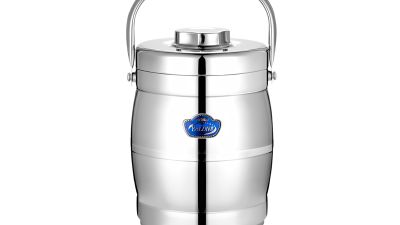
The Ultimate Guide to Choosing the Best High-Insulation Lunch Pot: Featuring the ZENLO “YALUN” Model
When it comes to selecting the ideal high-insulation lunch pot, safety should be at the forefront of your decision-making process. A standout choice on the market features a basic safety configuration that ensures peace of mind while enjoying meals on the go. This lunch pot is equipped with a food-grade stainless steel inner liner that not only protects your food but also maintains the integrity of its flavors. The leak-proof design and smooth edges devoid of any burrs further enhance safety, making it suitable for all users, including children. Moreover, the non-slip handle allows for secure handling, preventing accidents while carrying hot or cold meals.
Taking a step further, the advanced safety design of this lunch pot introduces a double-wall structure with thick PU foam filling, which offers exceptional thermal insulation. This design prevents temperature transfer, keeping your food at the desired temperature for longer periods. Best of all, it is odorless and ensures that no harmful substances leach into your meals. Additional protection comes from the anti-scalding handle and a well-sealed lid, ensuring that you can dine safely without the worry of burns or spills. With authoritative certification confirming its adherence to international food safety standards, this high-insulation lunch pot is a reliable choice for anyone looking to enjoy their meals safely and conveniently.
FAQS
: High-density polyethylene (HDPE) and stainless steel are popular choices. They offer strength and temperature resistance.
HDPE can withstand temperatures from -40°F to 130°F. This makes it suitable for various environments.
Stainless steel is durable and resists corrosion. It retains temperature better than plastic but can be heavier.
EPS offers excellent insulation while being lightweight. However, it is less durable than other materials.
Balancing durability and eco-friendliness can be complex. Some sustainable materials may not perform as well as conventional ones.
Look for recycled materials and natural insulators. Research companies that prioritize eco-sourcing for a lower environmental footprint.
Many users praise good insulation. They appreciate lunch boxes keeping food hot or cold for hours.
Users often express frustration when lunch boxes wear out quickly. Sturdiness impacts their buying decisions significantly.
Portability is essential for users. Comfortable handles and compact designs are often recommended for commuting or students.
Reading experiences can guide better choices. It’s important to find the right balance between design and durability.
Conclusion
In 2026, the demand for insulated lunch boxes continues to rise, driven by their practicality and innovation. When selecting an insulated lunch box, buyers should consider features such as thermal efficiency, capacity, and ease of cleaning. The durability of these products largely hinges on the materials used, with options ranging from stainless steel to BPA-free plastics.
Moreover, the increasing diversity of diets and lifestyles has led to a variety of insulated lunch box designs tailored to specific needs. Trends in innovation for 2026 reflect a focus on user-friendly features and eco-friendly materials, emphasizing sustainability in production processes. Customer feedback plays a crucial role, providing valuable insights into the most trusted insulated lunch boxes that cater to a global audience, ensuring that consumers make informed choices for their meal storage solutions.