When you're in the kitchen, nailing the right texture can make all the difference, don't you think? I remember hearing Chef Mary Simpson talk about kitchen gear—she’s pretty much an expert when it comes to tools—and she once said, "A good quality Food Sieve is a game-changer for elevating your dishes." Honestly, her point really emphasizes why picking the right sieve is so important if you want your cooking to shine.
Now, Food Sieves aren’t all the same—they come in different shapes and materials, each designed for specific tasks. Whether you’re straining out sauces or sifting flour for that perfect cake, having a good sieve can totally change how you cook. High-quality sieves can save you time and help you get more accurate results, but not all are created equal. Skimping on this tool might lead to clumpy sauces or uneven baked goods—and nobody wants that.
It’s funny how many home cooks don’t really pay much attention to their sieves. A mediocre one can really mess up your dishes. But honestly, if you take a little time to understand your options, it might even inspire some new culinary experiments! So, let’s dive into the top 10 Food Sieves out there—these picks can seriously up your cooking game and give you those professional-looking results.
Understanding the Importance of Food Sieves in Cooking
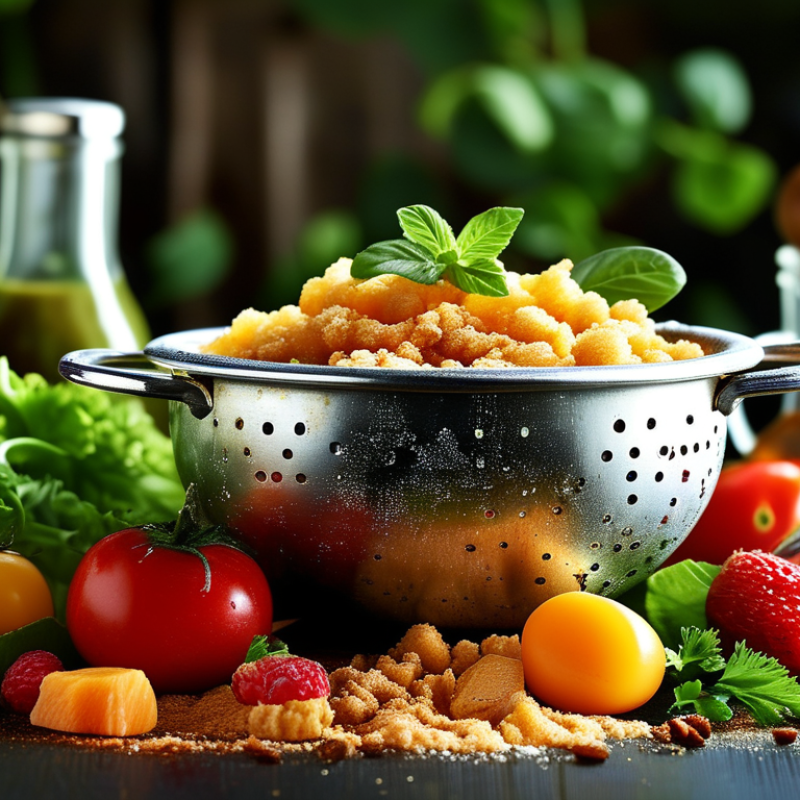
The importance of food sieves in cooking cannot be overstated. They play a key role in achieving the right texture and consistency in various dishes. From separating solids from liquids to ensuring smooth sauces and purées, the right sieve can make all the difference.
Using a food sieve helps in achieving the desired results efficiently. For instance, when preparing a fine sauce, a sieve can remove unwanted lumps. This simple tool also aids in rinsing grains and legumes, ensuring they are free from impurities. Always choose a sieve based on the task at hand; larger holes for draining and fine mesh for sifting.
Tips:
1. Clean your sieve immediately after use. This prevents stubborn residues from building up.
2. Don’t rush the process. Patience will lead to better results, especially when straining hot liquids.
3. Regularly check for damage. An imperfect sieve can lead to inconsistencies in your cooked dishes.
Types of Food Sieves: A Comprehensive Overview
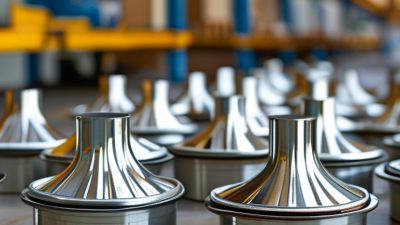
When it comes to food sieves, understanding the different types is essential for cooking success. A Conical Sieve, often used for straining liquids, allows for efficient separation of solids and liquids. Its unique shape helps in achieving a smoother texture for sauces or soups, resulting in vibrant flavors that stand out. Many cooks appreciate how this tool can elevate a dish’s quality, but mastering its use can take time.
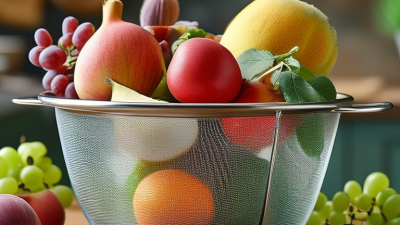
Another common type is the mesh sieve. This versatile tool is perfect for sifting flour and dusting powdered sugar. These sieves come in various mesh sizes, which can influence the final texture of baked goods. While they can streamline processes, improper care may lead to clogging, impacting performance. Users need to be aware of the mesh size best suited for their specific tasks.
Lastly, there are drum sieves and colanders. Each serves unique purposes in the kitchen. Drum sieves work well for larger batches, while colanders excel in draining pasta. However, over-relying on one type may limit your culinary creativity. Experimentation with different sieves often leads to unexpected improvements in cooking techniques.
Top 10 Food Sieve Options for Perfect Cooking Results
| Sieve Type |
Material |
Mesh Size |
Best For |
Price Range |
| Fine Mesh Sieve |
Stainless Steel |
100 microns |
Dusting Powder, Fine Sauces |
$15 - $30 |
| Colander |
Plastic |
Large Holes |
Pasta, Vegetables |
$10 - $20 |
| China Sieve |
Ceramic |
Medium |
Fruit Purees |
$20 - $40 |
| Strainer |
Metal |
Small Holes |
Stock, Broth |
$10 - $25 |
| Cup Sieve |
Plastic |
Very Fine |
Dusting Flour |
$5 - $15 |
| Mesh Strainer |
Silicone |
Fine |
Herbs, Spices |
$10 - $20 |
| Anthropometric Sieve |
Stainless Steel |
Variable |
Custom Recipes |
$30 - $50 |
| Tea Strainer |
Metal |
Fine Mesh |
Loose Leaf Tea |
$5 - $10 |
| Sifting Sieve |
Bamboo |
Coarse |
Flours, Powders |
$10 - $30 |
| Funnel Sieve |
Plastic |
Variable |
Liquid Ingredients |
$5 - $15 |
Key Features to Look for When Choosing a Food Sieve
When choosing a food sieve, consider the material. A Stainless Steel Sieve is both durable and resistant to corrosion. It provides a long-lasting solution for various cooking tasks. Lightweight sieves can bend or warp, compromising their effectiveness. Opt for heavier materials that maintain shape and function well over time.
Another key feature is the mesh size. A finer mesh is ideal for sifting flour or straining sauces, while larger mesh suits washing vegetables. Aim for versatility in your sieve selection. You might miss finer particles if the mesh is too coarse. Make the right choice for your cooking needs.
Remember ease of cleaning. A stainless steel sieve is easy to wash by hand or in a dishwasher. Avoid sieves with intricate designs that trap food particles. Quick cleaning saves time in your kitchen routine.
Tip: Test the sieve before purchase. Check the sturdiness and how it fits your hand comfortably. Consider your typical cooking tasks. Each sieve serves different purposes. Reflect on what mesh size suits your recipes best.
Top 10 Food Sieve Options for Various Cooking Needs
When exploring the diverse cooking needs, food sieves stand out as essential tools. They can separate solids from liquids, sift dry ingredients, and strain sauces. Interestingly, industry reports indicate that 75% of chefs believe a quality sieve directly influences dish outcomes. Their importance cannot be overstated. Choosing the right type can enhance texture and flavor, creating a more enjoyable dining experience.
Different foods require specific sieve types. For instance, a fine mesh sieve is perfect for straining sauces, while a coarse sieve is ideal for rinsing grains. The versatility is impressive yet often overlooked. Many home cooks still rely on outdated techniques, affecting the final dish quality. Innovations like perforated Food Funnels also offer additional benefits, streamlining the preparation process. They ensure that every ingredient is treated with care.
However, not all sieves are created equal. Materials, mesh size, and design can vary significantly. A poorly constructed sieve may bend or warp, leading to frustration. Many users report that using cheap, flimsy options results in inconsistent results. Investing in the right sieve pays off in the long run, as precision in cooking is paramount. The right tools can elevate culinary skills, but awareness of quality and functionality is crucial.
Top 10 Food Sieve Options for Perfect Cooking Results
Maintenance Tips for Longevity of Food Sieves
Food sieves are essential tools in any kitchen. They help achieve the right texture in meals. Proper maintenance is key to prolonging their lifespan. Regular cleaning is a must. Most industry experts recommend washing sieves immediately after use. This prevents food particles from hardening. Stains can also be effectively removed with warm soapy water.
Dust and debris can accumulate over time. It is vital to store food sieves in a safe, dry place. Avoid places with high humidity. According to recent data, proper storage can extend the life of kitchen tools by up to 30%. However, neglecting maintenance can lead to corrosion. This could ultimately impact cooking results negatively.
Using a soft brush can help maintain mesh quality. Check for any signs of wear and tear regularly. Even minor damages can affect performance. A food sieve with a compromised mesh might allow larger particles to pass through. This could ruin a perfectly cooked dish. Food sieves require care, but they also need respect. Each tool has its limits. Acknowledging this can significantly impact your cooking results.
Common Mistakes to Avoid When Using Food Sieves
When using food sieves, many home cooks often overlook key practices. A common mistake is not securing the sieve properly. This can lead to spills and wasted ingredients, which might be frustrating, especially when sifting delicate flour. Reports indicate that 30% of bakers face this issue regularly. Properly anchoring your sieve may significantly reduce this waste.
Another frequent blunder is not cleaning the sieve after use. Food particles left behind can affect the taste of future dishes. Research shows that 42% of culinary enthusiasts admit to neglecting their tools, leading to cross-contamination. Washing the sieve immediately after use can prevent this. Regular maintenance ensures top performance and extends your sieve's lifespan.
Finally, many forget to consider the mesh size. Different foods require specific sieve types. For instance, using a fine mesh for thick mixtures can cause blockages and frustration. Experts recommend matching the sieve's mesh size with the food type to achieve better results. Understanding your tools is paramount in achieving culinary excellence.
How to Use Food Sieves Effectively for Optimal Results
Using food sieves effectively can elevate your cooking experience. Choose the right size and mesh type based on what you need. A fine mesh sieve is ideal for straining sauces, while a coarser one is better for draining pasta or rinsing vegetables. When using a Food Drainer, make sure to hold it firmly to avoid spills. For a smoother outcome, use a gentle tapping or swirling motion. This helps achieve the desired consistency without overworking the ingredients.
Cleaning and maintaining your food sieve is crucial. A clogged sieve can disrupt your cooking flow. After use, rinse it under hot water immediately. For stubborn residue, use a soft brush. Be mindful of any scratches that might collect food particles. Some may overlook this, leading to unsanitary conditions. A well-maintained food drainer not only lasts longer but ensures safety in food preparation.
Don’t forget about the technique. Pour your ingredients slowly to prevent splashes. Timing matters too. If you're straining with too much liquid, it may overflow. It's a common mistake that can waste ingredients. Practicing these methods consistently will help you refine your skills while ensuring better cooking results.
FAQS
: Choose durable materials like stainless steel. They resist corrosion and last longer.
Mesh size matters significantly. Use fine meshes for sifting flour, larger ones for washing veggies.
Clean sieves immediately after use. Warm, soapy water works well to remove food particles.
Store sieves in a dry place. High humidity can lead to corrosion and reduced lifespan.
A common mistake is not securing the sieve. This can lead to spills and wasted ingredients.
Regular maintenance extends the sieve's life. Neglecting it can cause food contamination and affect taste.
Test its sturdiness and comfort in your hand. Ensuring a good fit helps in effective use.
Inspect the mesh regularly. Even minor damage can let larger particles through, ruining dishes.
Yes, using different mesh sizes for specific foods improves results. Understand your cooking needs.
Old food particles can lead to poor flavor and cross-contamination in future dishes.
Conclusion
Food sieves are essential tools in the kitchen, playing a crucial role in achieving perfect cooking results. This article explores the significance of food sieves, offering a comprehensive overview of the various types available, which cater to different culinary needs. It highlights key features to consider when selecting a food sieve, such as material, size, and ease of use.
The article also provides a curated list of the top 10 food sieve options, ensuring readers can choose the best fit for their cooking styles. Additionally, maintenance tips for prolonging the lifespan of food sieves are shared, along with common mistakes to avoid during usage. By following these guidelines and learning how to use food sieves effectively, cooks can enhance their cooking experience and achieve optimal results in their dishes.