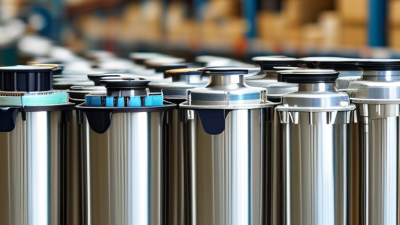
So, by 2026, it looks like the demand for filter funnels is really gonna pick up. Industry reports from Grand View Research say the global filtration market could hit around 50 billion dollars—that's pretty huge! This surge makes sense, since lots of industries need reliable ways to separate and clean stuff efficiently.
Big players like 3M and Ahlstrom-Munksjö are really driving the innovation here. They're constantly tweaking their filter funnel designs to suit all kinds of applications. But, of course, there’s always that tricky balance—getting good quality without breaking the bank. A lot of buyers now are left wondering if splurging on high-end options is really worth it.
Because of all this, it’s pretty important to look into the best filter funnel options out there, especially for folks buying on a global scale. Knowing what features matter, what the materials are like, and how the designs perform can really help you make smarter choices. There’s no one-size-fits-all perfect pick, but making an informed decision? That can seriously boost your operational efficiency and save you some headaches down the road.
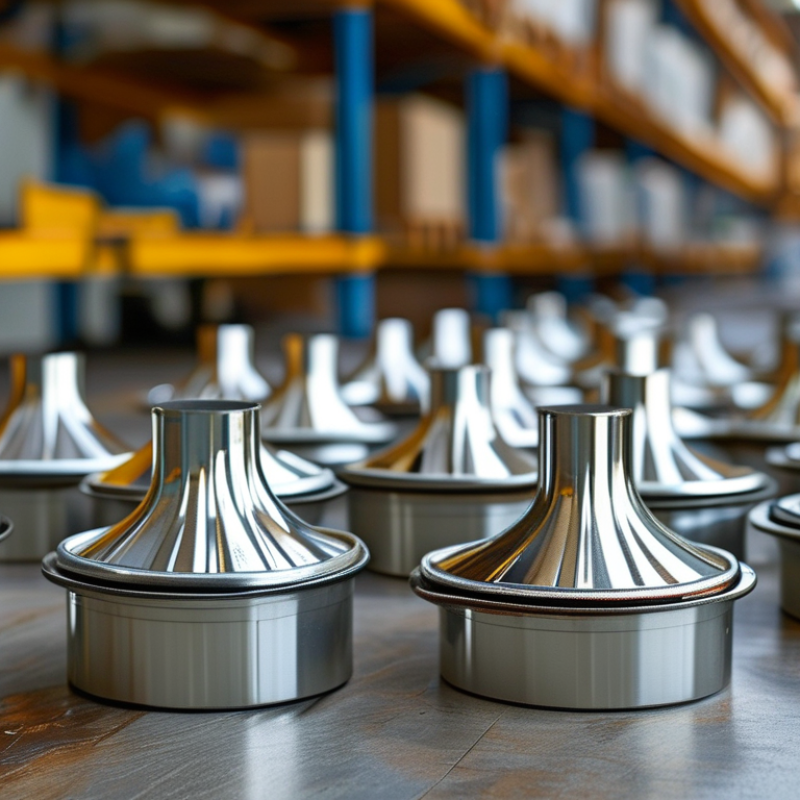
Top 10 Filter Funnel Options for Global Buyers in 2026
As we look to the future, the
Filter And Funnel
market is set to evolve significantly by 2026. Recent industry reports estimate a growth rate of 8% CAGR in the global filter and funnel sector. This growth is driven by an increasing demand for efficient filtration solutions across various industries, including food and beverage, pharmaceuticals, and environmental services.
Research indicates that buyers prioritize performance and reliability when selecting filter and funnel products. High-quality materials and innovative designs play a crucial role in ensuring effective filtration. For instance, a report from a leading market analysis firm highlights that 70% of buyers consider durability as a key factor. This insight suggests that effective marketing strategies should emphasize the longevity and robustness of these products to attract global buyers.
Yet, challenges persist. Some manufacturers struggle with supply chain issues, impacting the availability of advanced filter solutions. Moreover, consumer awareness about environmental sustainability is on the rise. This shift demands that companies rethink their production processes, aligning with eco-friendly standards. Buyers will likely seek solutions that not only perform well but also minimize environmental impact. Addressing these concerns may provide a competitive edge in the evolving landscape of filter and funnel options.
Understanding Filter Funnel Technology and Its Importance
Filter funnel technology plays a crucial role in various industries, from water purification to food processing. Understanding how these systems work can greatly influence purchasing decisions. Reports indicate that the global filter funnel market is expected to grow significantly, increasing by over 8% annually until 2026. This growth underscores the importance of selecting the right technology for specific needs.
For buyers, knowing different filter funnel options is essential. Some funnels excel in sediment filtration while others focus on chemical purification. Research shows that improper selection can lead to inefficiencies, affecting product quality and safety. A detailed evaluation of technical specifications is necessary before making a decision.
Tips: Always check the filtration capacity and compatibility with your system. Ensure that the materials used are safe and durable. Regular maintenance should not be overlooked; it can prolong the life of the filter and enhance performance. In the fast-evolving landscape, staying informed and conducting thorough research is key to making an effective choice.
Criteria for Selecting the Best Filter Funnels
When selecting the best filter funnels, consider material quality first. Stainless steel, plastic, or glass all serve different purposes. Each material has its advantages and weaknesses. For instance, glass is non-reactive but can break easily. Plastic is durable but may scratch over time. Remember to weigh these factors based on your specific needs.
Tips: Look for filter funnels that are easy to clean. Some filters trap residues, posing hygiene issues. Verify if the funnel is dishwasher-safe or can be cleaned with mild detergents. This will enhance your user experience considerably.
Another important criterion is the size of the funnel's opening. A wider mouth allows for easier pouring, particularly with dry ingredients. This reduces spillage and waste. Conversely, a narrow opening can give more precision for liquids. Think about what you’ll use it for, to make the right choice.
Lastly, consider the filter mesh. A finer mesh will catch smaller particles but may clog easily. Conversely, coarser mesh allows quicker flow but may miss out on finer impurities. Striking the right balance can improve your workflow and efficiency in the kitchen or laboratory.
Overview of Leading Brands in the Filter Funnel Market
The filter funnel market is evolving rapidly, driven by increasing demand in various industries. According to recent data from market research reports, the global filter funnel market is expected to grow by over 8% annually through 2026. This growth reflects a shift towards more efficient filtration solutions, particularly in laboratory and industrial applications.
Several leading brands in the filter funnel space have established themselves by focusing on innovation and quality. They invest heavily in research and development, ensuring their products meet rigorous standards. However, there are challenges. Some brands struggle with scalability, particularly in producing high-quality, cost-effective solutions. Consumer preferences are shifting towards sustainable materials, prompting manufacturers to rethink their product offerings.
Despite these challenges, the competitive landscape remains robust. Companies are competing not just on product effectiveness but also on customer education and support. Industry insights suggest that businesses prioritizing user experience and sustainability will likely lead market trends in the coming years. The emphasis on transparency, both in product performance and environmental impact, is shaping buying decisions.
Innovative Features in 2026 Filter Funnel Models
As we look towards 2026, Filter Funnel models are set to revolutionize the way users experience filtration technology. Innovative features are emerging, with a focus on efficiency and user convenience. Recent data from filtration industry reports indicates that advanced materials are being utilized for superior filtration capability. These materials not only reduce waste but also enhance durability.
The integration of smart technology is another exciting trend. Users can now monitor filtration in real-time through mobile applications. This feature ensures optimal filter performance, providing insights on when replacements are necessary. Such advancements lead to better resource management, appealing to environmentally conscious consumers.
Tip: Regularly check your Filter Strainer for blockages to maintain efficiency. A clean filter can significantly enhance performance.
While these innovations present numerous benefits, there are challenges. The adoption of smart filters may require extensive user education. Ensuring that consumers understand the technology is vital. Clear instructions and support can bridge the gap.
Tip: Consider the lifespan of your filter. Choosing models with a longer lifespan can ultimately save costs.
Comparative Analysis of Filter Funnel Prices and Performance
In 2026, the market for filter funnels is evolving rapidly. Buyers are focusing on both price and performance metrics. Recent industry reports indicate that prices for high-quality Food Funnels vary significantly. Some models are available for as low as $10, while premium versions can exceed $100. This disparity raises questions about value and usability. Performance often correlates with cost, but not always.
According to a comparative analysis conducted by industry experts, the efficiency of filter funnels can fluctuate dramatically. Some products claim to offer superior filtration but fail to deliver under practical conditions. Many users reported dissatisfaction with certain low-cost options due to clogging issues. In contrast, higher-end models tend to showcase better durability and a greater filtration surface area.
The overall trends indicate a growing emphasis on reliable performance. Buyers are encouraged to weigh cost against efficiency carefully. Choosing a food funnel that balances quality with affordability can sometimes feel overwhelming. Not all high-priced items guarantee better results. This lack of straightforward value can make decision-making challenging for global buyers. Insights from market research suggest that a thorough evaluation of user reviews is essential in navigating these choices.
Future Trends in Filter Funnel Design and Functionality
The evolution of filter funnels is crucial in meeting diverse global demands. By 2026, trends indicate a shift towards multifunctional designs. Reports from industry analysts suggest that over 70% of buyers prefer funnels that serve multiple purposes. This increases their efficiency and maximizes space in kitchens.
Integrated features in Cooking Funnels are becoming popular. For instance, funnels with built-in strainers or measuring cups streamline cooking processes. These innovations can save time, reducing the need for additional kitchen tools. Moreover, data from market research highlights that sustainability is a key concern. Eco-friendly materials are gaining traction in funnel design. Consumers increasingly demand products that minimize environmental impact.
Despite these trends, some challenges persist. Many existing designs may not accommodate all types of liquids, leading to spillage. This aspect calls for improvement in manufacturing processes. Understanding user feedback is vital for evolving funnel designs. A focus on durability and ease of cleaning remains essential. Exploring these considerations will be significant for companies aiming to lead in the future market.
Top 10 Filter Funnel Options for Global Buyers in 2026
| Rank |
Filter Type |
Material |
Capacity (Liters) |
Key Feature |
Estimated Price ($) |
| 1 |
Standard Filter Funnel |
Plastic |
5 |
Ergonomic design |
15 |
| 2 |
Stainless Steel Funnel |
Stainless Steel |
3 |
Corrosion resistant |
25 |
| 3 |
Silicone Funnel |
Silicone |
1.5 |
Flexible and collapsible |
10 |
| 4 |
Glass Funnel |
Glass |
2 |
High heat resistance |
20 |
| 5 |
Filter Funnel with Strainer |
Plastic |
4 |
Integrated straining |
18 |
| 6 |
Wide Mouth Funnel |
Plastic |
8 |
Easy pouring |
12 |
| 7 |
Collapsible Funnel |
Silicone |
2 |
Space-saving |
11 |
| 8 |
Ceramic Funnel |
Ceramic |
2.5 |
Aesthetic appeal |
30 |
| 9 |
Funnel with Measuring Marks |
Plastic |
1 |
Measurement convenience |
14 |
| 10 |
Eco-friendly Funnel |
Bamboo Fiber |
3 |
Sustainable materials |
22 |
FAQS
: Consider stainless steel, plastic, or glass. Each has distinct advantages and drawbacks.
Look for models that are easy to clean. Verify if they are dishwasher-safe or can use mild detergents.
A wider mouth pours easier, reducing spillage. A narrow opening gives you more precision with liquids.
Finer mesh captures smaller particles but may clog. Coarser mesh allows faster flow but misses some impurities.
Not necessarily. Price does not guarantee superior performance. Evaluate user reviews carefully.
They can range from $10 to over $100. Prices vary based on quality and performance.
Many users report clogging problems with budget options, affecting overall performance.
Reliable performance enhances your workflow, especially in kitchens or laboratories.
Consider both price and performance ratings. A thorough evaluation of options is crucial.
Yes, the design influences cleaning ease and overall functionality, impacting user satisfaction.
Conclusion
In 2026, the filter funnel market is poised to offer an array of innovative options for global buyers, highlighting the significant advancements in filter funnel technology. Understanding the technology's importance is crucial, as it has a major impact on efficiency and usability. Buyers should consider various criteria when selecting the best filter funnels, including material quality, design, and compatibility with different applications.
The article will provide an overview of the leading brands in the market, while also showcasing innovative features that distinguish the latest models. A comparative analysis of prices and performance will assist buyers in making informed decisions. Additionally, emerging trends in filter funnel design and functionality will be explored, focusing on how these developments are set to enhance user experience and efficiency in various filtering processes. As such, the filter funnel remains a vital tool in diverse industries, underlining its evolving significance in 2026.