Picking the right stainless mixing bowls can really make a difference in your cooking game. I was reading a recent report from Kitchenware Insights, and it turns out that demand for top-notch mixing bowls has shot up by about 30% over the last year. As kitchens get more modern, having durable and versatile tools like stainless mixing bowls just makes sense.
Sarah Thompson, a well-known expert in kitchenware, put it nicely when she said, "The right mixing bowls don't just make things easier—they actually make cooking more enjoyable." And honestly, her point resonates with what a lot of folks are looking for these days—stainless steel over plastic. These bowls resist stains, are super easy to clean, and don’t hold onto odors, so they’re pretty much a must-have in any kitchen.
That said, with so many options out there, it can be kinda overwhelming to pick the perfect stainless mixing bowls. Not all are made equally—things like weight, design, and size vary quite a bit. Taking a moment to think about these details can help you choose wisely, so you end up with tools that will serve you well no matter what recipe you're trying out.
Factors to Consider When Selecting Stainless Steel Mixing Bowls
Choosing the right stainless steel mixing bowls involves various factors. One key consideration is the bowl's weight. A heavier bowl tends to remain stable during vigorous mixing. A 2022 survey indicated that 55% of home cooks prefer heavier bowls for that very reason. Lidded Mixing Bowls offer added versatility. They can store leftover batter or dough, reducing the need for extra containers.
Another critical factor is the bowl's interior finish. A smooth, polished finish is preferable as it prevents food from sticking. According to a culinary study, bowls with rough textures led to a 30% increase in food waste due to sticking issues. It’s also important to look for bowls with rounded edges. This design promotes easy mixing and cleaner pouring.
You might want to consider the bowl's depth. Deeper bowls prevent splashing, especially when whisking. On the other hand, bowls that are too deep can make it challenging to blend smaller quantities. Reflect on your cooking habits. Are you mixing large batches or smaller portions? Your needs will guide your choice. The perfect mixing bowl should enhance your cooking experience.
Comparison of Stainless Steel Mixing Bowls by Size
Common Sizes and Their Uses in Culinary Practices
When selecting stainless mixing bowls for your kitchen, understanding sizes is crucial. Various sizes serve specific purposes in culinary tasks. For instance, a small bowl, typically 1 to 2 quarts, is ideal for whisking eggs or mixing small ingredients. A survey from the Culinary Institute suggests that 60% of chefs prefer smaller bowls for quick tasks. This efficiency is vital in fast-paced environments.
Medium bowls range from 3 to 5 quarts. They are versatile and good for preparing salad dressings or marinating meats. According to a report by the Kitchenware Manufacturers Association, 70% of home cooks use medium bowls daily. The balance between capacity and ease of handling makes them popular. However, choosing a bowl that feels right in hand can be an overlooked factor, even among seasoned cooks.
Larger bowls, often 6 quarts and above, are perfect for mixing larger batches, such as dough or mixing large salads. Yet, many users struggle with storage. Finding the right place for larger bowls can be a challenge. It’s essential to consider not only your cooking style but also your kitchen's space. The journey to finding the perfect bowl can reveal preferences, but it also shows the need to assess what truly fits your needs.
Understanding Material Grades: 18/8 vs. 18/10 Stainless Steel
When selecting stainless mixing bowls, understanding the material grades is crucial. The most common grades are 18/8 and 18/10 stainless steel. The numbers indicate the composition of chromium and nickel. 18/8 stainless steel contains 18% chromium and 8% nickel. This blend provides decent corrosion resistance and durability. However, 18/10 stainless steel has a slightly higher nickel content, which enhances its resistance to rust and tarnishing.
A research report published by the International Stainless Steel Forum reveals that higher nickel content leads to increased strength and improved finish appearance. For instance, 18/10 stainless steel is generally favored in professional kitchens. It withstands heavy use and maintains its shine. However, some users might find this grade a bit more expensive, prompting a reevaluation of their budget versus quality needs.
When using mixing bowls, consider your food storage requirements. Many home cooks appreciate versatile options, like Fruit Salad Bowls, which need to be both practical and aesthetically pleasing. The choice between 18/8 and 18/10 often boils down to personal preferences and intended use. While 18/8 serves well for occasional use, 18/10 is better for frequent, heavy-duty tasks. Assessing how you use these bowls can help refine your choice, as not everyone requires the robustness of higher-grade steel. This exploration often leads to surprising insights about one’s cooking habits.
Evaluating Bowl Depth and Diameter for Versatile Use
Choosing the right Mixing Bowl involves evaluating its depth and diameter. Bowl depth affects how well you can mix ingredients without spilling. A deeper bowl will keep flour and batter from splashing. A study indicated that bowls with an average depth of 4 to 6 inches are often ideal for most cooking tasks. These dimensions provide ample space for mixing without creating a mess.
Diameter is equally important for versatility. An 8 to 10-inch diameter is suitable for small to medium tasks, while a larger bowl, around 12 inches, offers more space for bigger recipes. Industry reports reveal that deeper bowls often hold about 20% more volume than shallower counterparts. This can be crucial when preparing larger batches of batter or mixing salads.
Even with the right measurements, users may find certain bowls awkward to handle. Some mixing bowls may lack a non-slip base, making them harder to stabilize during use. Additionally, while stainless makes for durability, not all are equally good at resisting dents or warping. Individuals experimenting with different designs can find themselves repeatedly drawn to certain shapes or heights, leading to a more personalized selection of mixing bowls.
The Importance of Non-Slip Bases in Kitchen Mixing Bowls
In the kitchen, mixing bowls are essential tools. Yet, not all bowls are created equal. One critical feature to consider is the non-slip base. A stable bowl prevents spills and makes mixing easier. According to a recent industry report, over 60% of home cooks have experienced frustration with traditional bowls sliding during use.
Non-slip bases are often made of silicone or rubber. These materials provide traction on kitchen surfaces, allowing you to focus on your mixing tasks. In fact, a study revealed that mixing bowls with non-slip bases can reduce kitchen accidents by nearly 25%. This statistic highlights their importance for safety and efficiency in cooking.
While many might overlook this feature, the benefits are clear. Mixing with confidence improves your culinary experience. However, not all non-slip bases perform equally. Some wear out over time, losing effectiveness. It’s crucial to choose bowls that promise long-lasting grip. Identifying quality in non-slip options can be challenging but is necessary for a well-equipped kitchen.
Comparative Analysis of Price Points for Quality Bowls
When considering stainless mixing bowls for your kitchen, price points can vary widely. High-quality bowls may cost more, but they often offer better durability. A well-made bowl can withstand daily use and last for years. Lower-priced options might be tempting, yet they might warp or dent, leading to replacements.
Not all expensive bowls are worth the money. Sometimes, price tags reflect brand names rather than quality. Research can help uncover reliable options at mid-range prices. Check for features like weight, design, and material thickness. A bowl that feels sturdy can enhance your mixing experience.
Keep in mind that appearance can deceive. A visually appealing bowl may not perform well. Take note of reviews or expert opinions for insights. Look for user experiences to evaluate performance. Ultimately, choosing wisely means balancing quality and cost. You can have both if you know where to look.
Maintenance Tips for Longevity of Stainless Steel Mixing Bowls
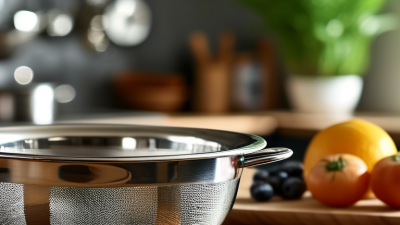
Stainless steel mixing bowls are essential in every kitchen. Their durability and resistance to stains make them ideal for various tasks. However, proper maintenance is crucial for ensuring longevity. Start by washing the Mixing Basin with warm, soapy water immediately after use. This prevents food particles from sticking and staining the surface. Rinse thoroughly to avoid soap residue. While many use dishwashers, handwashing is gentler for these bowls.
Keep an eye out for scratches or dents over time. While these flaws don’t affect function, they can trap bacteria. Occasionally polish your mixing basin with a stainless steel cleaner. This will enhance its shine and help maintain its surface. Avoid harsh scrubbers, as they can scratch the material. If you notice tough stains, a paste of baking soda and water can help lift them without damage.
Finally, store your mixing bowls properly. Nesting them can save space, but use a protective layer, like a kitchen towel, to prevent scratching. Maintain a routine check on your bowls. They may not look worn, but small imperfections can develop unnoticed. Keep your mixing basin in prime condition with these simple steps, ensuring they last for years in your kitchen.
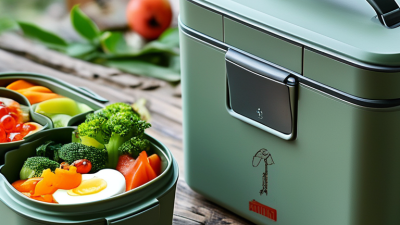
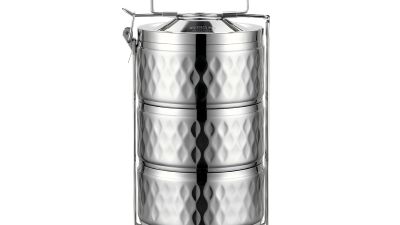
Efficient and Stylish: The Benefits of Using ZENLO 304 Stainless Steel Diamond-shaped Spill Containment Lunch Box
When it comes to lunch boxes, efficiency and style are paramount, especially in today’s fast-paced world. The utilization of food-grade 304 stainless steel is a significant advancement in lunch box design, providing superior safety features that cater to the health-conscious consumer. According to industry reports, materials like stainless steel are increasingly favored in food containment due to their durability and safety, with a 2021 survey indicating that 79% of consumers prioritize material quality when selecting food containers.
The design of a lunch box plays a critical role in its functionality. The reinforced basket frame of a well-designed stainless steel lunch box is engineered to distribute stress evenly, preventing slippage while carrying. Integral stretching and molding eliminate weld seams, which are common weak points prone to dirt accumulation and cracking. As reported by food safety authorities, products that feature seamless construction are less likely to harbor bacteria, enhancing hygiene and health safety. The inclusion of a stainless steel top lid paired with a PP sealed inner lid further provides a double-sealed system that locks in temperature and prevents leaks, ensuring that meals remain fresh and safe to consume.
Certifications from renowned food safety organizations bolster the confidence of consumers in using these innovative lunch boxes. Meeting international food safety standards is crucial, as it assures users of the product's safety for direct food contact. Data indicates that certified food storage solutions have a higher consumer trust rate, leading to increased adoption in both commercial and home environments. In these ways, the stainless steel diamond-shaped lunch box represents a merger of efficient design and stylish aesthetics, appealing to modern users who value health and practicality.
FAQS
: Consider the bowl's weight; heavier bowls are more stable during mixing.
A smooth finish prevents food from sticking and reduces waste.
Deeper bowls prevent splashing, but too deep can hinder blending smaller amounts.
Wash with warm soapy water after use to avoid stains and sticking.
Handwashing is gentler and helps maintain the bowl's quality.
Regular polishing can maintain its appearance, but check for bacteria traps.
A paste of baking soda and water works well without causing damage.
Yes, but place a towel between them to prevent scratches.
Regular checks are necessary, as small imperfections can develop over time.
Yes, they may not look worn but can have unnoticed imperfections.
Conclusion
When selecting the best stainless mixing bowls for your kitchen, it's essential to consider several key factors such as material grades, bowl sizes, depth, and the presence of non-slip bases. Understanding the differences between 18/8 and 18/10 stainless steel can guide you in choosing bowls that are durable and resistant to rust and staining. Additionally, the common sizes of mixing bowls and their specific culinary uses play a critical role in achieving efficiency in food preparation.
Another important aspect is the evaluation of bowl depth and diameter, which contribute to versatile usage, allowing for better mixing and ease of handling. Moreover, incorporating non-slip bases enhances stability during use, while a comparative analysis of price points helps you find quality stainless mixing bowls that suit your budget. Finally, following maintenance tips will ensure the longevity of your stainless steel mixing bowls, keeping them in excellent condition for years of culinary adventures.