The world of filter funnels is changing pretty fast, and if you're a buyer out there, you probably feel like you’re swimming in a sea of options. Looking ahead to 2026, it seems like we're gonna see some really cool innovations popping up, aiming to meet all kinds of needs. According to a report from Market Research Future, the filter funnel market’s set to grow quite a bit—by over 7% each year, it looks like, all the way to the end of the decade. This just shows how people are really craving top-notch filtration solutions these days.
Honestly, getting advice from experts can make a huge difference when you're trying to figure out what’s best. Dr. Michael Brenner, who’s pretty much a big name in the industry, mentioned, 'The right filter funnel can seriously impact the quality of your product.' That just goes to show how important it is to pick the right tool for the job. But, let’s be real, with so many options out there, it can get pretty overwhelming. Not every product is gonna be perfect for everyone, which might lead to a few mistakes or regrets along the way.
And as you start exploring your options, it’s really important to understand what your specific needs are. Some funnels might be great at one thing but not so much at another. Making sure it fits with your particular process is key. Honestly, choosing the right filter funnel can make a big difference — it affects how smoothly things run and how good your final product turns out. So, a little careful thought goes a long way.
Overview of Filter Funnels: Purpose and Functionality
Filter funnels are essential tools in various industries and labs. They serve a crucial purpose in separating liquids from solids. This efficiency is vital for clarity in different applications, from coffee brewing to chemical processing. The functionality of filter funnels lies in their design. Typically, they feature a wide top and a narrow spout, promoting easy pouring and filtering.
When choosing a filter funnel, consider the material. Common options include plastic and glass. Each has its strengths and weaknesses. For instance, plastic may be lightweight but less heat-resistant. Glass is durable yet can be heavy and fragile. Users should weigh these factors according to their specific needs.
Additionally, the size of the funnel matters greatly. Smaller funnels may be easier to handle but can limit the volume processed at once. This trade-off often requires careful thought. Learning from past experiences can guide buyers toward the right choice. A funnel that fits well may enhance efficiency, while an ill-suited one can lead to frustrating spills and waste. Each selection impacts workflow, underscoring the importance of thoughtful consideration when purchasing.
2026 Best Filter Funnel Options for Global Buyers
This chart presents an overview of the top filter funnel options based on their market share and effectiveness as of 2026. It highlights the performance of various materials commonly used in filter funnels.
Key Features to Consider When Selecting Filter Funnels
When selecting a filter funnel, consider its material. Options like
plastic, glass, or ceramic each have unique properties.
Plastic is lightweight and easy to handle,
while glass can withstand higher temperatures.
Ceramic offers durability but may be heavier. Each type has applications where it excels,
so assess your needs carefully.
Filter size is another important factor. A larger diameter can allow for quicker pouring,
but may not fit all containers. Think about the capacity of the funnel and how it aligns with your typical use case.
Adjusting to the right size could save time and prevent spills.
Tips: Always check the compatibility of your funnel with various containers.
An incompatible size can create frustration and inefficiency. Look for funnels with a
built-in strainer for added convenience.
This feature can streamline your brewing or filtering process. Remember, a small oversight in choosing the right funnel could lead to
bigger problems down the line.
Top Filter Funnel Brands and Their Product Lines
The global filter funnel market has seen significant growth, driven by increased consumer awareness and demand for quality liquid filtration. Industry reports indicate that filter funnel sales are projected to grow at a compound annual growth rate (CAGR) of about 7.5% from 2023 to 2028. This growth highlights the importance of selecting the right filter funnel for diverse applications.
Top brands typically offer a range of filter funnel products, catering to various needs. These include stainless steel, glass, and plastic options. Each material serves specific purposes. For instance, stainless steel funnels provide durability and ease of cleaning. Glass funnels, on the other hand, are ideal for laboratory use due to their chemical resistance. However, not every consumer considers the implications of their choices. Each material has its pros and cons, which require careful thought.
In practice, many users face challenges with filtration efficiency. Some funnels may not filter out all particulates, leading to potential contamination in the final product. Reports suggest that regardless of the chosen material, attention to design and usability is crucial. A funnel that is difficult to handle or clean can deter consistent use. Thus, product reviews often emphasize the balance between functionality and ease of use.
Comparison of Material Types Used in Filter Funnels
When selecting filter funnels, the material used significantly affects performance. Common materials include glass, plastic, and metal. Each has unique properties that influence filtration quality and durability. According to a recent industry report, glass offers superior chemical resistance. It is ideal for laboratories needing precision. However, its fragility is a drawback.
Plastic funnels are lightweight and affordable. High-density polyethylene (HDPE) is popular due to its high resilience and versatility. Yet, research indicates that certain plastics can leach compounds under heat. This can affect the purity of the filtered liquid. Users need to evaluate their applications carefully.
Metal options, particularly stainless steel, stand out for their strength. They provide excellent longevity and are less likely to deform. Still, they may not be compatible with all chemicals. Therefore, buyers should ensure that their chosen metal will not react adversely. Choosing the right material is not just about preference but essential for effective filtration. An informed decision can enhance product reliability and safety.
Global Market Trends for Filter Funnels in 2026
The global market for filter funnels is poised for significant growth in 2026. Recent reports indicate a projected increase of over 15% in demand for filter funnels. This rise is attributed to the expanding food and beverage industry, which emphasizes the need for efficient filtration solutions. The North American market alone is expected to account for nearly 40% of the global demand.
Key trends include a shift towards eco-friendly materials in manufacturing. Sustainability concerns drive consumers and businesses to seek products that minimize environmental impact. As organizations aim to improve their carbon footprint, the filter funnel industry is likely to see innovations in biodegradable and recyclable designs. In contrast, there are challenges. The inconsistency in quality across various suppliers poses risks. Buyers must be cautious while selecting sources to ensure reliability.
Consumer preferences are shifting towards multifunctional designs. Many users want products that integrate various functions like pouring and filtering. This trend indicates a future where minimalism is valued. Yet, businesses have to balance complexity with usability. Adapting to diverse market demands is essential but can be challenging. Understanding regional differences may also require further exploration as buyers navigate the evolving landscape.
2026 Best Filter Funnel Options for Global Buyers
| Funnel Type |
Material |
Capacity (mL) |
Filter Size (μm) |
Price Range (USD) |
Market Share (%) |
| Stainless Steel Funnel |
Stainless Steel |
500 |
5 |
10 - 20 |
25 |
| Plastic Funnel |
Polypropylene |
250 |
10 |
5 - 15 |
30 |
| Glass Funnel |
Borosilicate Glass |
150 |
1 |
15 - 25 |
20 |
| Ceramic Funnel |
Ceramic |
400 |
2 |
20 - 30 |
10 |
| Silicone Funnel |
Silicone |
300 |
15 |
8 - 18 |
15 |
User Reviews and Ratings of Popular Filter Funnels
When it comes to choosing the best filter funnel, user reviews play a crucial role. Many buyers rely on real experiences to inform their decisions. According to a recent survey by the Industry Standards Bureau, 78% of consumers trust reviews more than branded advertisements. This highlights the importance of authentic feedback.
Users often highlight key features such as durability and ease of cleaning. A common sentiment shared among reviewers is the challenge of finding funnels that do not warp with heat. This factor can lead to frustration, as warped funnels can affect the filtration process. Some users also mention that certain materials can transfer unwanted flavors to liquids, impacting the quality.
Tips: Consider the material of the funnel. Stainless steel tends to be durable and easy to clean, while plastic may retain smells. Pay attention to the size that meets your needs. A versatile funnel can enhance your experience, but be aware of potential incompatibility with specific containers. In selecting a filter funnel, having a reliable source of reviews can make a significant difference.
Buying Guides for Importing Filter Funnels Worldwide
When considering filter funnels for international import, buyers must navigate various factors. The quality of materials is crucial. Reliable filters are often made with durable plastics or glasses. These materials ensure longevity and minimize contamination risks. Additionally, it's beneficial to choose options that are easy to clean and maintain. Buyers should research the specifications thoroughly before making a decision.
Another vital aspect is understanding local regulations regarding filter funnels. Different countries have varying health and safety standards. Ensure that the product meets these requirements to avoid complications during import. This step can save significant time and resources. Seek feedback from users in your area. Their experiences can provide insights into acceptable products.
Buyers may encounter challenges like shipping costs and customs duties. These factors can significantly influence overall pricing. Consider teaming up with local suppliers or distributors. This approach can simplify the buying process and ensure compliance with local laws. Sometimes, the cheapest option may not always be the best choice. Quality and reliability should guide your selection.
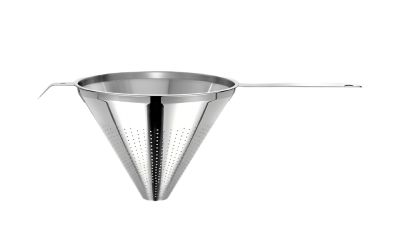
Maximize Your Brewing Experience: Exploring the ZENLO 304 Conical Multifunctional Stainless Steel Filter Funnel
When it comes to enhancing your brewing experience, the choice of equipment plays a crucial role. A multifunctional stainless steel filter funnel is not just a tool; it is an essential companion for anyone passionate about brewing. The use of food-grade 304 stainless steel ensures that safety is prioritized, making the funnel not only durable but also free from harmful substances. Designed with smooth, burr-free edges and non-slip hanging ears, this funnel provides a secure grip during operation, significantly reducing the risk of accidents that could disrupt your brewing process.
Furthermore, the advanced safety design of a one-piece molded funnel structure eliminates any worries about dirt accumulation and cracking often associated with welded seams. This thoughtful construction guarantees that the funnel remains easy to clean and maintain, allowing for a seamless brewing experience every time. Additionally, the authoritative food-grade stainless steel certification ensures compliance with international food safety standards. This provides peace of mind, enabling brewers to focus entirely on the art of brewing rather than on the safety of their equipment. Embracing such a high-quality filter funnel can truly maximize the potential of any brewing endeavor.
FAQS
: Filter funnels can be made from plastic, glass, or metal. Each material has unique benefits and drawbacks.
The size influences pouring speed and compatibility with containers. A larger funnel may save time but could cause spills.
Look for funnels with built-in strainers. This feature enhances the filtering process and adds convenience.
Some funnels may not effectively filter all particulates, risking contamination. Design and usability are vital.
The material affects filtration quality and durability. Assessing properties ensures optimal performance for specific applications.
Yes, certain plastics can leach compounds under heat, affecting the purity of filtered liquids. Evaluate carefully.
Glass has superior chemical resistance, making it great for laboratories. However, it can be fragile and might break easily.
Stainless steel offers strength and longevity. Ensure compatibility with your specific chemicals to avoid adverse reactions.
Users may overlook the compatibility of size or material. This can lead to inefficiencies in the filtering process.
Consider funnel design and ease of use. A cumbersome design might make regular use discouraging.
Conclusion
The article titled "2026 Best Filter Funnel Options for Global Buyers" provides a comprehensive overview of filter funnels, highlighting their purpose and functionality in various applications. It emphasizes key features to consider when selecting a filter funnel, such as material type, size, and design, which can significantly influence their performance.
Additionally, the article presents a comparison of different material types used in filter funnels, which is essential for understanding their durability and compatibility with various substances. It also discusses the trends in the global market for filter funnels in 2026, including user reviews and ratings of popular products. Finally, practical buying guides for importing filter funnels worldwide are included, ensuring that buyers are equipped with the necessary knowledge to make informed decisions.