
Leave Your Message
Engineered to maintain structural integrity and maximize heat retention in low atmospheric pressure zones.
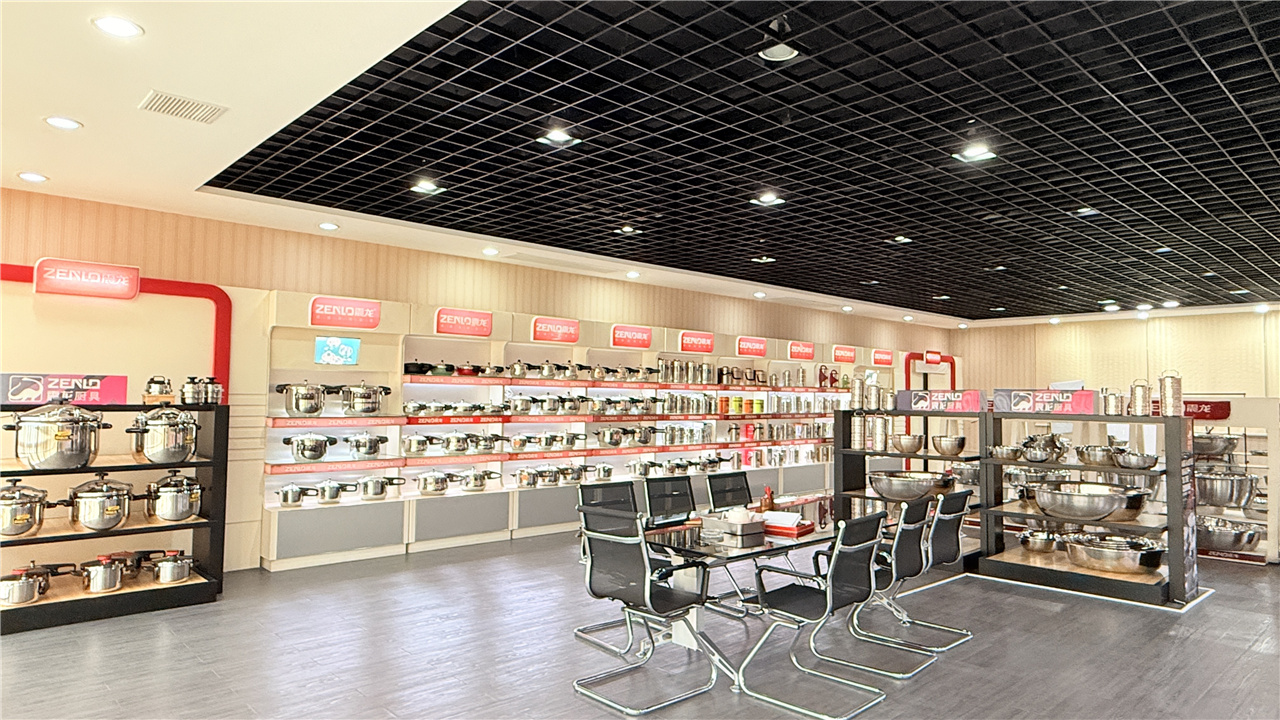
Extra-thick walls optimize mixing and thermal storage in sub-zero alpine conditions.
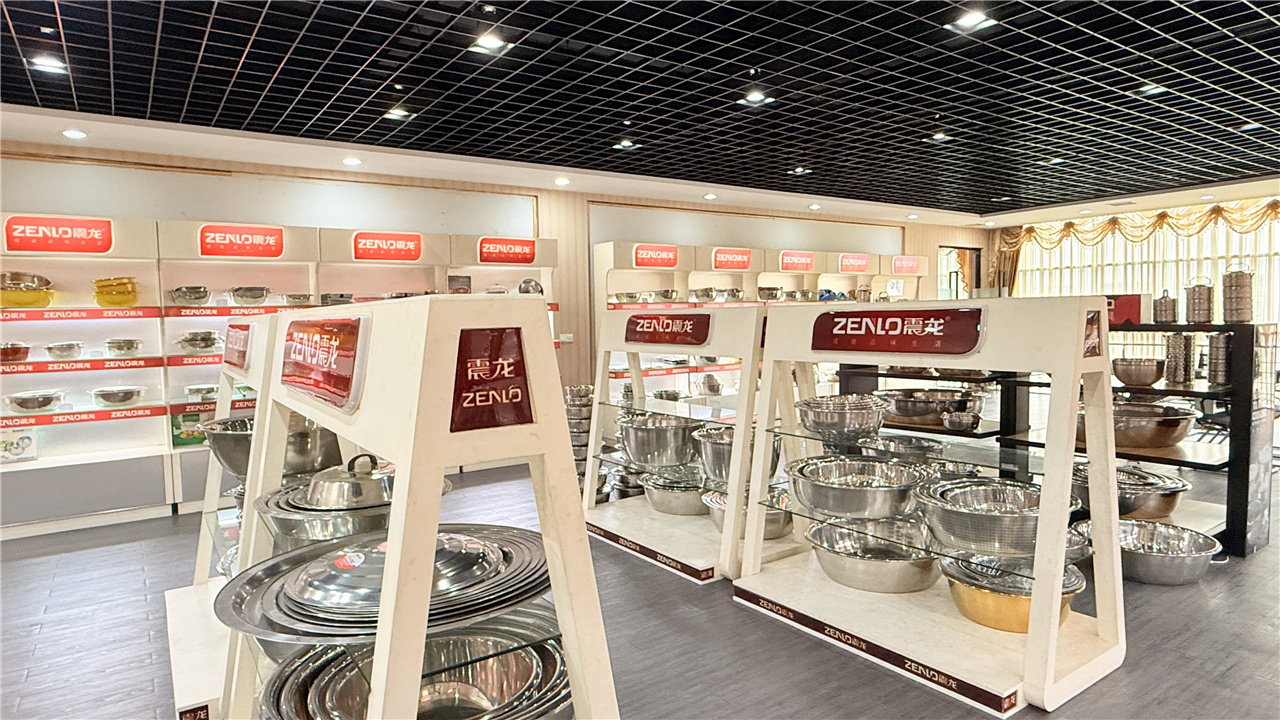
Prevents rapid heat dissipation common in low-pressure high-altitude kitchens.
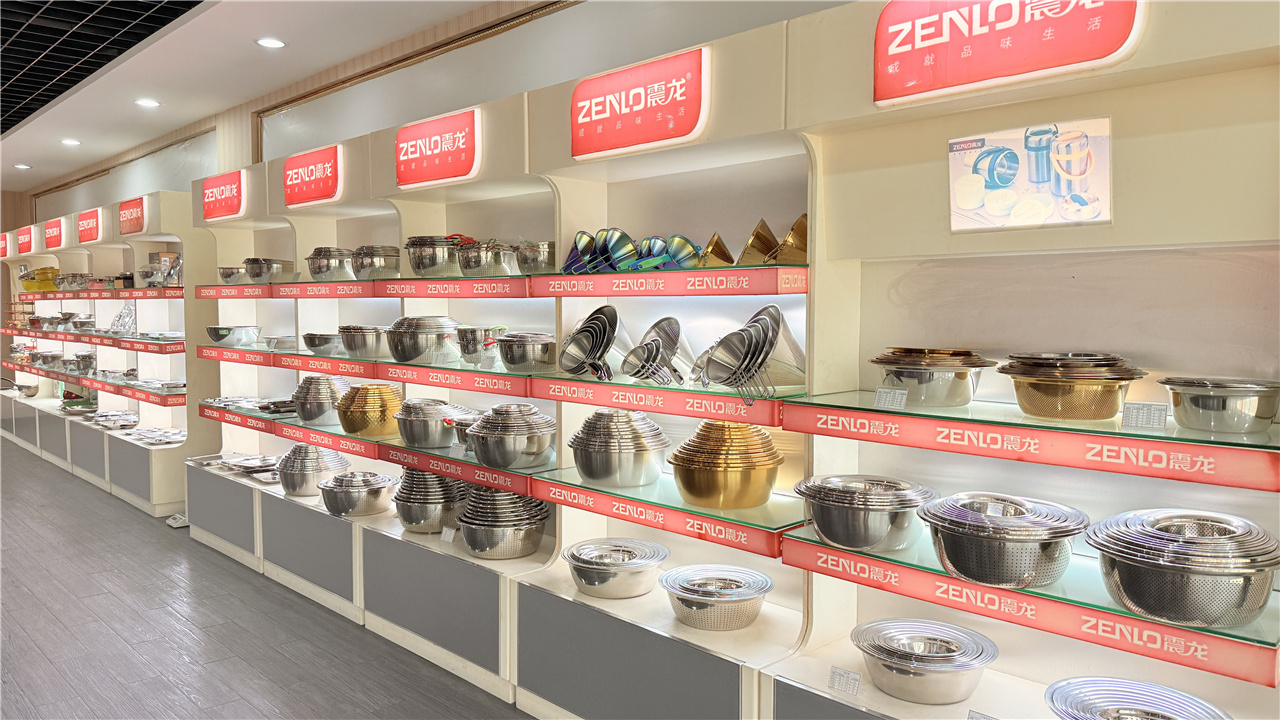
Reinforced stainless steel structure resists deformation under high barometric changes.
Large-capacity design optimized for mountain resort catering and commercial kitchens.
Cooking in high-altitude regions presents unique challenges that standard commercial kitchenware is simply not equipped to handle. As elevation increases, atmospheric pressure drops, causing the boiling point of water to decrease and heat to dissipate at an accelerated rate. For culinary professionals operating in alpine resorts, high-altitude mining camps, scientific research stations, and military installations, these physical variations demand specialized equipment. The adaptation of a Big Salad Bowl for high-altitude region cooking applications represents a major breakthrough in thermal engineering and food preparation technology.
While traditionally viewed as a simple serving vessel, the modern large-capacity stainless steel salad bowl has been re-engineered. In high-altitude culinary workflows, these large, heavy-duty bowls serve as crucial preparation, mixing, and thermal containment units. By utilizing advanced metallurgy and structural designs, these bowls help chefs mitigate the rapid cooling of ingredients and maintain pressure stability during complex mixing processes. This article explores the commercial landscape, industrial applications, and technological trends shaping high-altitude kitchenware.
At sea level, water boils at 100°C (212°F). However, at an altitude of 3,000 meters (approx. 10,000 feet), the boiling point drops to roughly 90°C (194°F). This lower temperature extends cooking times significantly and accelerates evaporation, leading to dry food and uneven heat distribution. Large, insulated preparation bowls help retain moisture and heat during the pre-cooking and mixing phases, serving as a thermal buffer.
The global demand for high-altitude culinary solutions is expanding rapidly, driven by the growth of adventure tourism, high-altitude industrial operations, and military logistics. Mountainous regions across South America (the Andes), Asia (the Himalayas), and North America (the Rockies) host thousands of commercial establishments that require specialized kitchenware. Historically, operators relied on heavy, inefficient cast iron or standard thin-walled aluminum, which suffered from quick heat loss and structural warping due to thermal shock.
Today, the commercial market is shifting toward high-grade 304 and 316 stainless steel solutions. Manufacturers are experiencing a surge in orders for heavy-duty, large-capacity mixing and salad bowls designed specifically to withstand rugged mountain environments. These products are no longer just domestic utensils; they are critical industrial components that optimize energy consumption in kitchens where fuel (such as LPG or electricity) is scarce and expensive due to remote logistics.
To understand the utility of a big salad bowl in high-altitude environments, we must look beyond the standard salad preparation. Its large volume, thermal mass, and structural rigidity make it multi-functional:
In cold, low-pressure alpine environments, ingredients lose heat almost instantly when exposed to the air. A large stainless steel bowl acts as a thermal reservoir. When prep work involves combining warm grains, blanched vegetables, and emulsified dressings, the bowl's thermal mass prevents the mixture from dropping below safe serving temperatures, ensuring food safety and culinary quality.
Baking at high altitudes is notoriously difficult because yeast dough rises too quickly due to low atmospheric pressure, resulting in large air pockets and collapsed structures. Large-capacity bowls with airtight, pressure-regulating lids allow bakers to control the micro-environment of the dough. The bowl provides a stable, insulated chamber that slows down the expansion rate, ensuring a uniform crumb structure.
Conversely, keeping raw greens crisp in low-humidity mountain air is equally challenging. The dry air quickly dehydrates lettuce and herbs. Utilizing a large-capacity bowl with a damp-seal cover allows commercial kitchens to maintain relative humidity inside the vessel, preserving the crispness and nutritional value of fresh produce without requiring energy-intensive refrigeration during the active prep line.
Modern high-altitude kitchenware relies heavily on material science. Standard stainless steel bowls can warp when subjected to the extreme temperature differentials common in high-altitude kitchens (e.g., transitioning from sub-zero outdoor storage to a hot commercial range). To prevent this, manufacturers employ several engineering innovations:
1. Impact Resistance: Kitchenware must survive transport over rough mountain roads and handling in rugged environments.
2. Thermal Efficiency: Minimizing energy input by retaining heat for extended periods.
3. Ergonomic Design: Large rims and non-slip silicone bases to ensure stability on uneven surfaces or during heavy mixing.
As we look toward the future, the integration of AI and smart technology into kitchenware is the next frontier. We anticipate the development of "smart bowls" equipped with embedded micro-sensors that monitor temperature, moisture levels, and pressure in real-time. These sensors will transmit data to a kitchen management app, allowing chefs to monitor fermentation or thermal retention levels remotely.
Furthermore, sustainability is driving manufacturers to develop lightweight, eco-friendly alloys that reduce the carbon footprint of transporting heavy kitchenware to remote mountain locations. The combination of structural durability and reduced weight is highly prized by high-altitude expeditions and eco-resorts alike.
Our factory was established in 1994.
Our company is continuously committed to the research and development of new products and technologies. Multiple products have been patented, and we will continue to launch new products in the future. Please stay tuned.
The enterprise always adheres to the business philosophy of "integrity, innovation, and progress", winning customer trust and market recognition with high-quality products and a steady and pragmatic attitude. We sincerely welcome customers from home and abroad to cooperate, negotiate, visit and guide us, and create a better future together.
Request Free QuoteWith over three decades of manufacturing experience, we apply advanced metallurgical standards to create kitchenware that excels under extreme conditions. Our production lines utilize state-of-the-art hydraulic presses and automated polishing systems to ensure every bowl meets rigorous global standards.
Explore our full range of stainless steel vessels optimized for low-pressure and alpine cooking applications.
Designed with extra-thick stainless steel to retain temperature during food prep.
Perfect for maintaining heat in high-altitude dining halls and resorts.
Double-walled construction prevents condensation and temperature loss.
Industrial size bowl designed for large-scale high-altitude camp catering.
Keeps ingredients fresh and at optimal temperatures in dry mountain air.
Extra durability for rough handling in remote high-altitude base camps.
Specialized coating to resist wear and chemical reactions in extreme climates.
Features non-slip base and wide rim for secure handling in alpine kitchens.
Our engineering team designs and manufactures patented kitchenware tailored to the most demanding barometric and thermal environments globally.
Request Free Quote