Leave Your Message
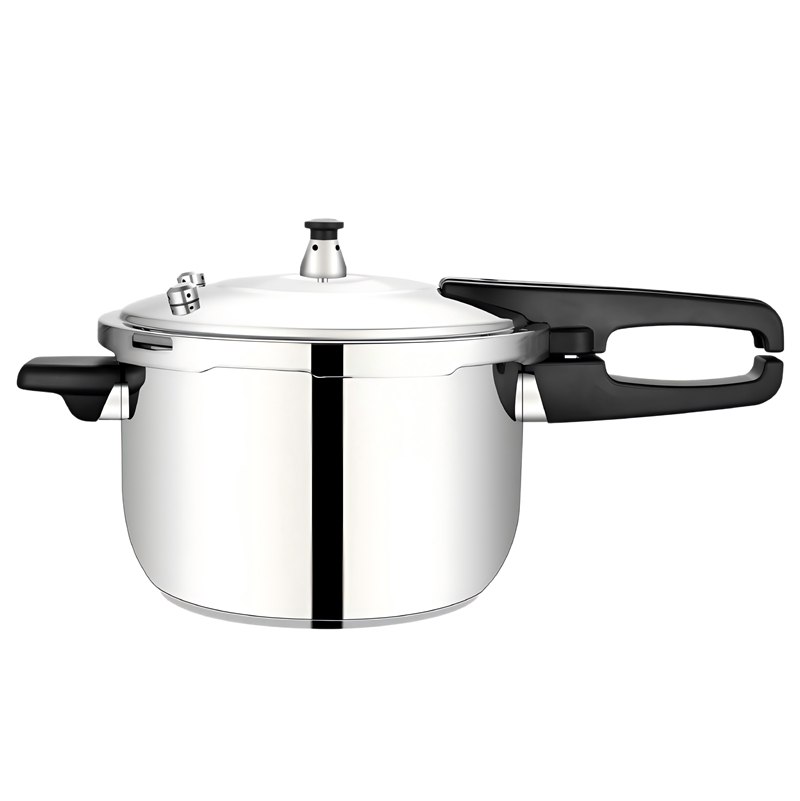
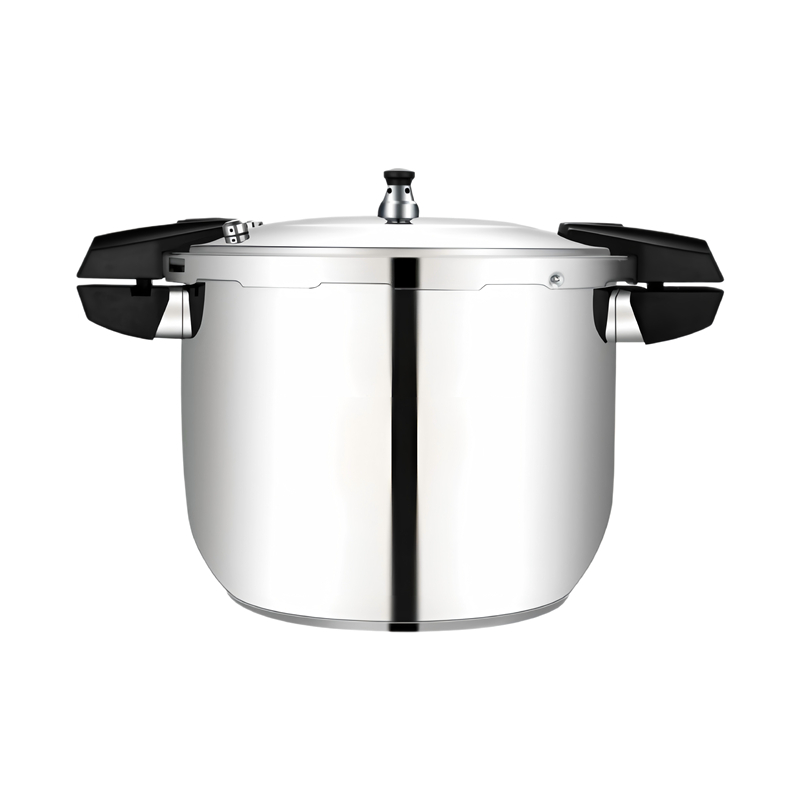
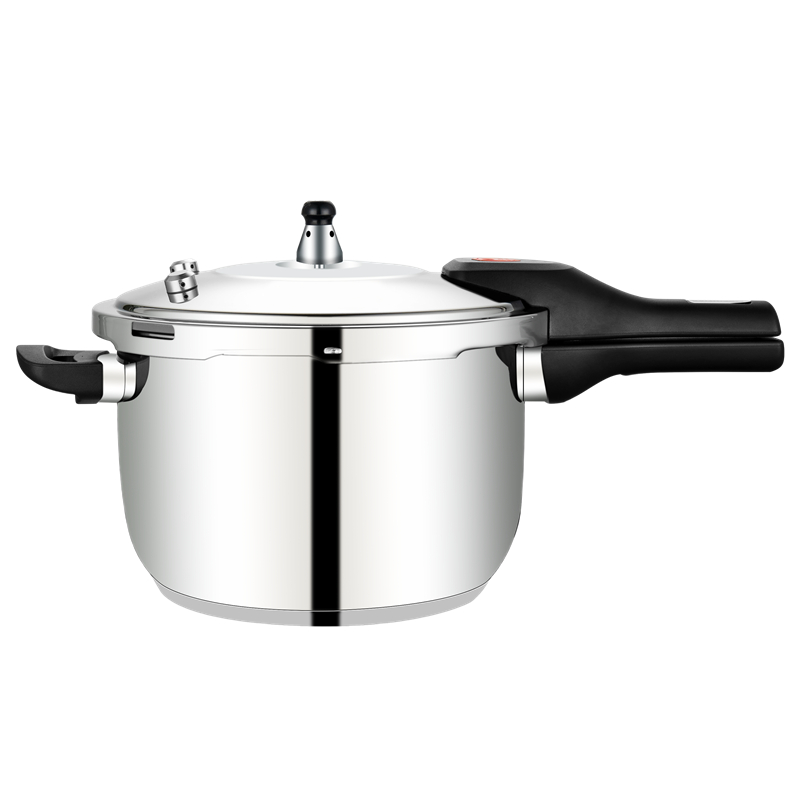
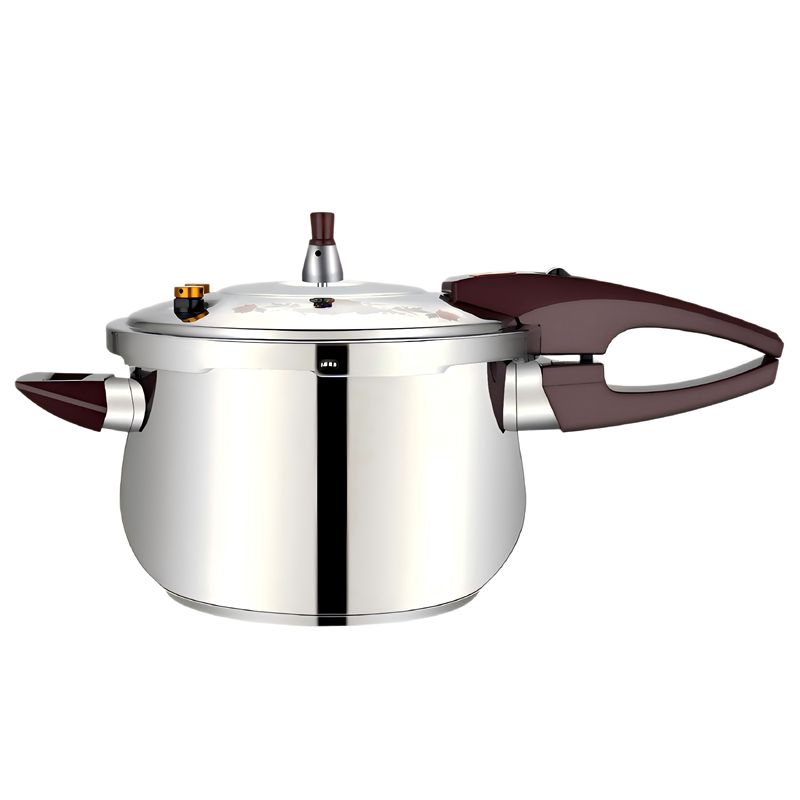
In the rapidly evolving landscape of global food processing and commercial meal preparation, efficiency, safety, and nutritional retention have become the three pillars of success. As consumer demand for ready-to-eat meals, canned goods, and high-quality catering services continues to surge, food manufacturers and central kitchens are increasingly turning to advanced thermal technologies. Among these, the big pressure cooker stands out as an indispensable tool. Operating under sealed, high-pressure conditions, these vessels elevate the boiling point of water, drastically reducing cooking times while ensuring uniform heat distribution.
For industrial food processing, time is directly correlated with energy expenditure and throughput. Traditional open-vat boiling methods not only consume massive amounts of thermal energy but also expose food to oxygen for prolonged periods, leading to nutrient degradation and color loss. A commercial-grade big pressure cooker solves these challenges by creating a controlled, high-temperature, high-pressure environment. This accelerated thermal transfer ensures that even tough cuts of meat, dense root vegetables, and complex grains are cooked to perfection in a fraction of the time, optimizing production schedules and reducing operational costs.
Today's food processing sector is undergoing a structural shift. The rise of institutional catering, school meal programs, and global restaurant chains has necessitated the standardization of food preparation. In this context, a big pressure cooker is no longer just a larger version of a domestic appliance; it is a highly engineered piece of industrial machinery. Modern manufacturers utilize premium-grade stainless steel (typically SUS304 or SUS316L) to withstand extreme pressure levels and resist corrosion from acidic or salty food ingredients.
In terms of commercial status, these cookers are integrated directly into automated production lines. Industrial models are often equipped with pneumatic tilting mechanisms, digital temperature controllers, and automated pressure release valves. This level of integration allows operators to manage large batches of food with minimal manual labor, ensuring consistency across batches. Furthermore, the strict regulatory standards governing food safety—such as HACCP, FDA, and CE certifications—have pushed pressure cooker manufacturers to implement multi-layered safety systems, including redundant pressure relief valves, safety interlocks, and robust lid-locking mechanisms.
Central kitchens are the backbone of modern hospitality, airline catering, and institutional food services. To prepare thousands of meals daily, these facilities require equipment that can process bulk ingredients rapidly. A big pressure cooker is uniquely suited for cooking large volumes of rice, grains, stews, and soups. By cooking under pressure, the starch gelatinization process in grains is accelerated, resulting in a superior texture and mouthfeel. For meat dishes, pressure cooking breaks down tough collagen fibers into gelatin, yielding tender, succulent results in less than half the time of conventional braising.
The ready-to-eat and ready-to-heat meal market has exploded in popularity. These products require precise sterilization to extend shelf life without compromising taste or nutritional value. Large-scale pressure cookers double as batch retort sterilizers. By subjecting packaged or bulk food to high-pressure steam, food processors can eliminate harmful pathogens and bacterial spores. This process allows manufacturers to produce shelf-stable meals that do not require refrigeration, significantly lowering logistics and storage costs.
The health food industry has seen a massive surge in demand for bone broth, collagen peptides, and concentrated bases. Traditional bone broth preparation requires simmering bones for 12 to 24 hours. With an industrial big pressure cooker, this extraction process is compressed into 2 to 4 hours. The high pressure forces moisture deep into the porous structure of the bones, extracting maximum marrow, minerals, and collagen. This not only increases yield but also drastically reduces the carbon footprint of the manufacturing facility.
Canning remains one of the most reliable methods of food preservation. Whether processing vegetables, seafood, or legumes, the canning process relies on achieving a thermal death time for microorganisms. Big pressure cookers provide the precise thermal control required to reach temperatures above 121°C (250°F), which is the standard threshold for destroying Clostridium botulinum spores. This ensures that canned products are safe for long-term ambient storage.
As we look toward the future of food processing, several key trends are shaping the design and functionality of big pressure cookers:
Since 1994, ZENLO Company has witnessed and participated in the complete journey of China's stainless steel kitchenware industry from nothing to something, from weak to strong. Thirty years of development is a history of struggle from "based in Chao'an" to "selling globally." Through the accumulation of the domestic market, the precise development of overseas channels, and the agile transformation in the digital age, the company is steadily moving towards its goal of becoming a "century-old hardware brand."
Amidst the wave of reform and opening up, ZENLO's predecessor—"Zhenlong Hardware Factory"—was established in 1994. In its early days, we seized the policy opportunities of "processing with supplied materials, processing with supplied samples, and compensation trade," relying on a few simple machines and dozens of employees, starting with OEM and ODM under our own brand, laying the foundation for the later "ZENLO" and "YALUN" brands. During this period, we primarily learned from and imitated others to establish the initial form of our enterprise. We accumulated the most basic production experience, introduced fundamental quality management standards, and established a firm foothold in Guangdong's manufacturing cluster based on our reliable reputation.
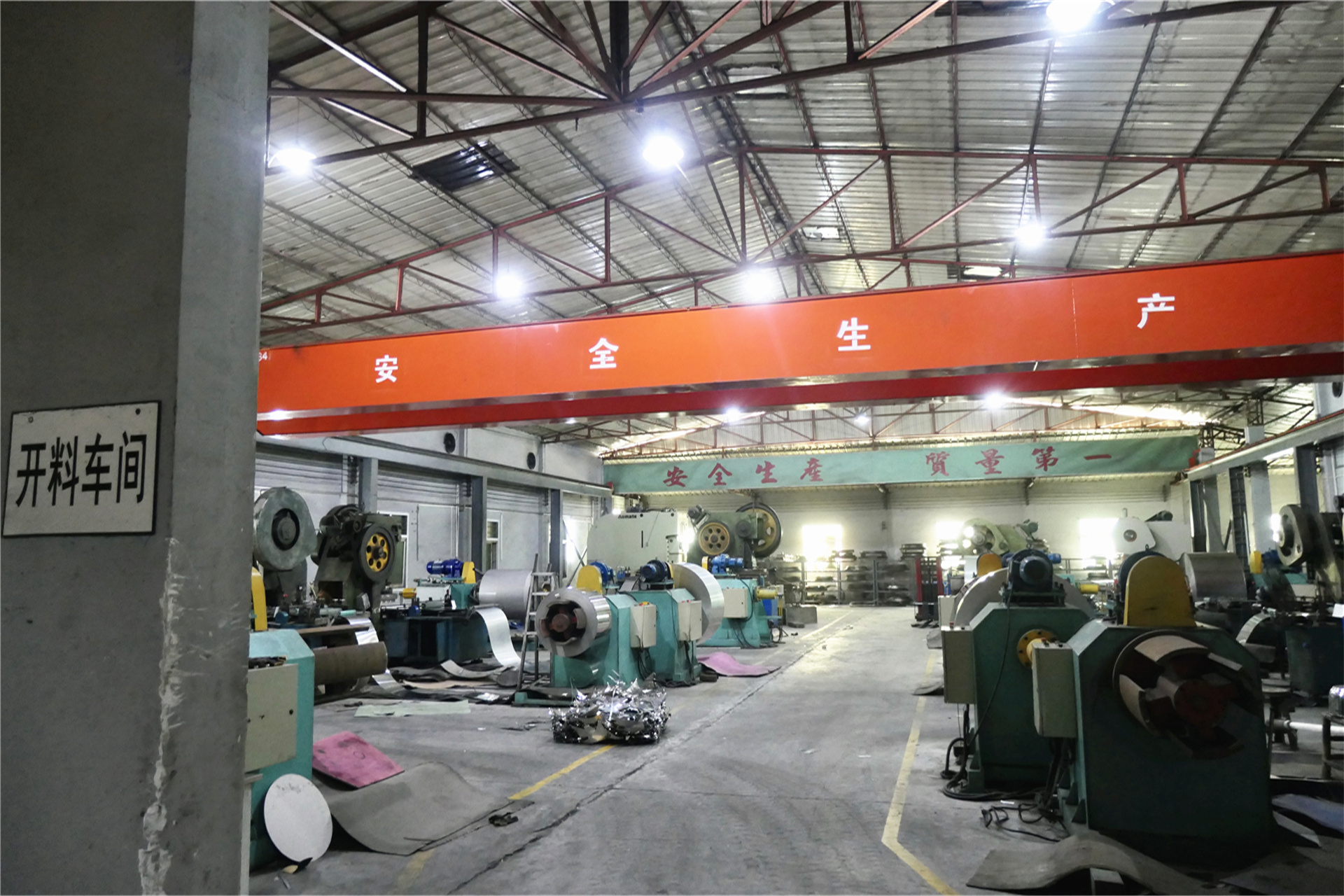
With China's accession to the WTO, overseas orders poured in. We rapidly expanded our production scale and cooperated with major markets across the country. While meeting international market demands, we keenly recognized the importance of our own brand, aligning it with our corporate development goals. Later, we successively developed new products, promoted our brand, and simultaneously entered the domestic market. Through participation in various hotel supplies exhibitions, we initially established domestic sales channels, achieving strategic synchronization between corporate culture and branded products.
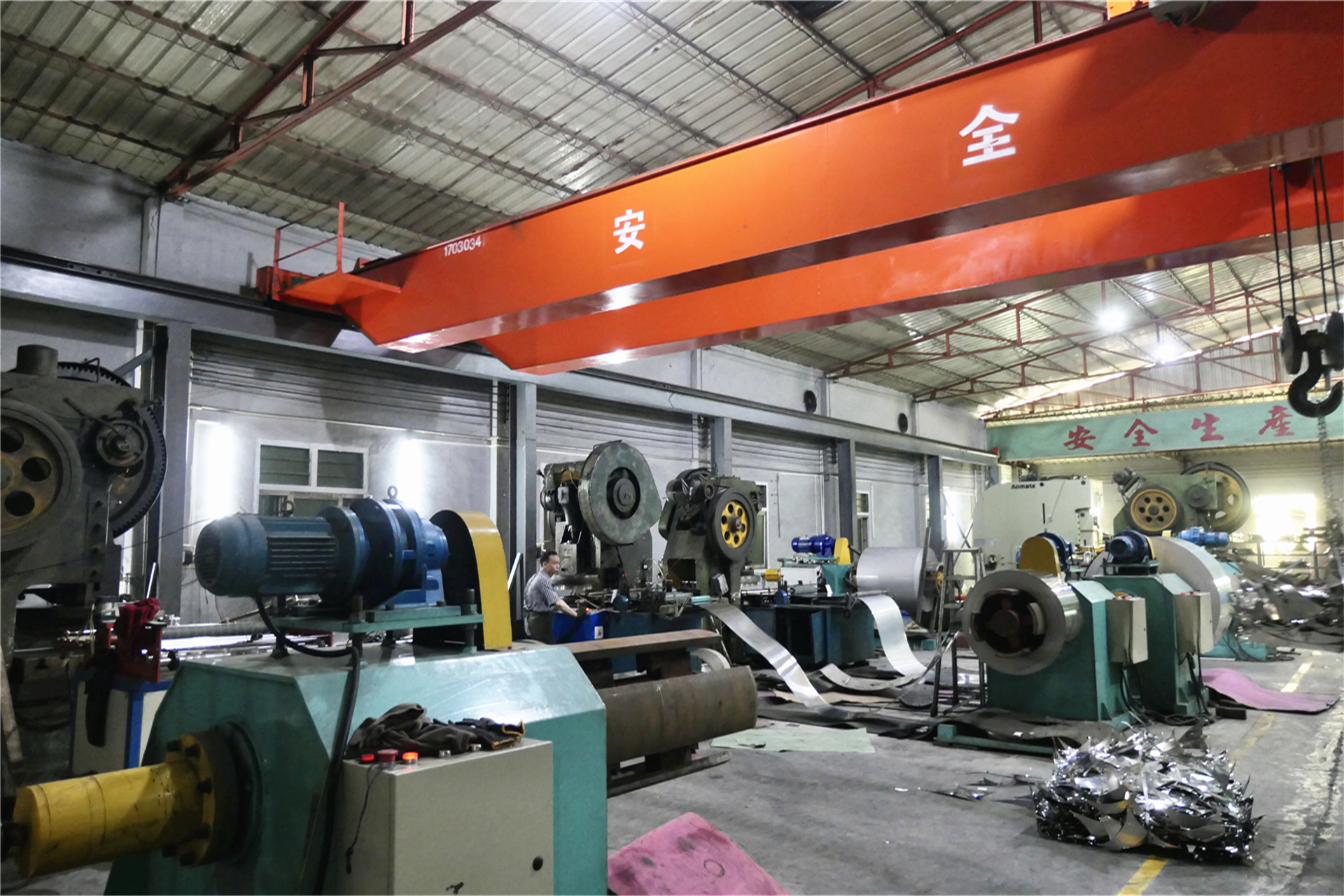
Faced with increasingly fierce market competition and rising labor costs, the factory resolutely embarked on a path of transformation and upgrading. In 2013, ZENLO Company was officially established. We invested heavily in technological upgrades, introducing industry-leading fully automated stretching production lines and laser welding technologies in 2014, significantly improving production efficiency and product precision. Simultaneously, we vigorously promoted branding, launching a stylish, mid-to-high-end sub-brand targeting the new generation of consumers, emphasizing healthy cooking. We also hired a professional design team to ensure our products combine practicality and aesthetic value. In 2017, we launched a brand-new production line—pressure cookers—dedicated to creating safe and reliable pressure cookers. We prepared for this for a long time, and our research and development of pressure cookers has become increasingly proficient, with various models gaining popularity among customers.
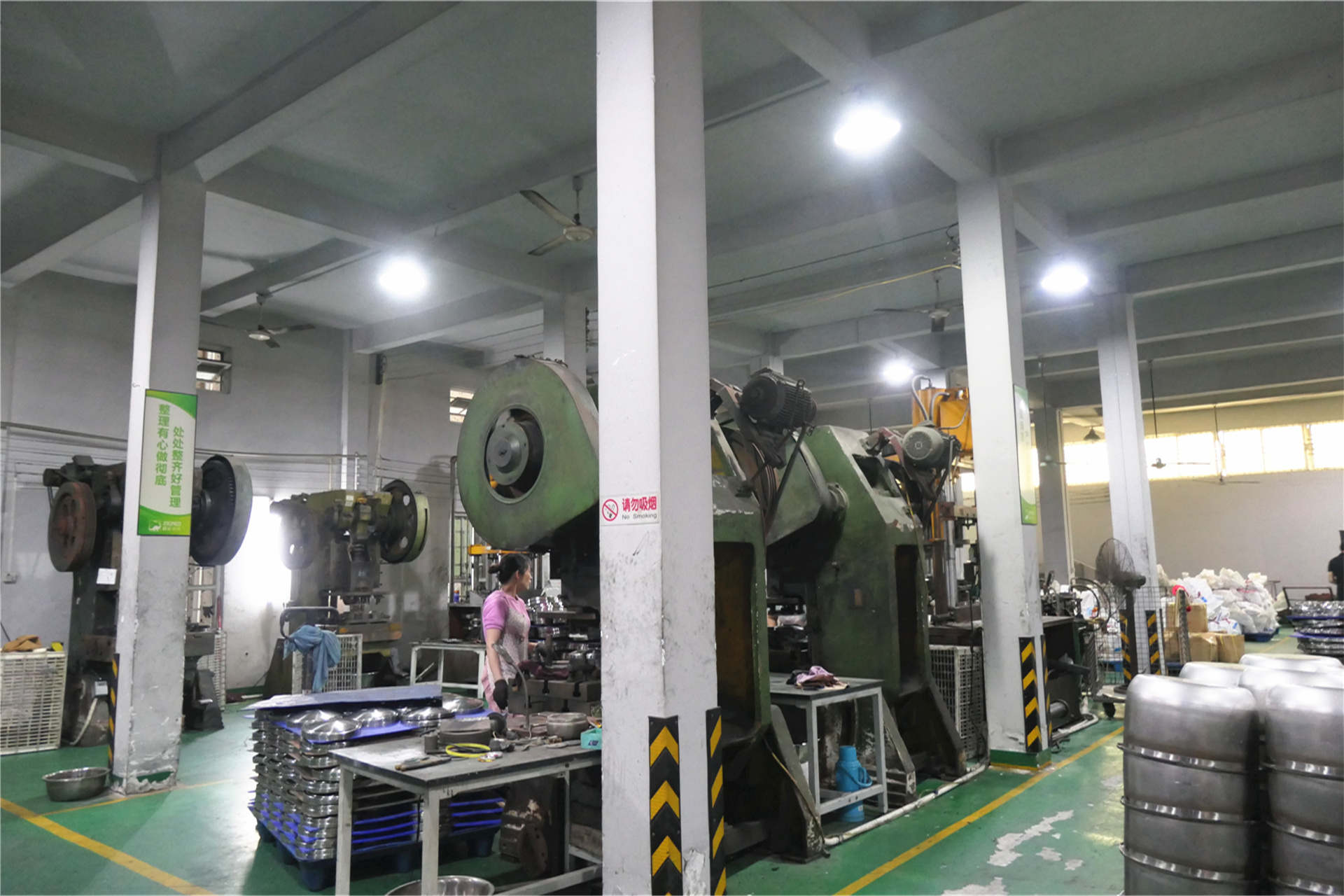
Entering a new decade, ZENLO Company is driven by "innovation" and "globalization." Driven by the internet age, we have implemented online ordering through major internet platforms and a corporate website, providing convenient services to more customers. At the product level, we have gradually launched more high-end and refined cooking utensils, creating a better environment for kitchen life and ensuring customers feel more comfortable and safe when using "ZENLO" brand products. Meanwhile, we actively respond to the national "dual-carbon" goals, researching and promoting the use of more environmentally friendly materials and processes, fulfilling our corporate social responsibility.
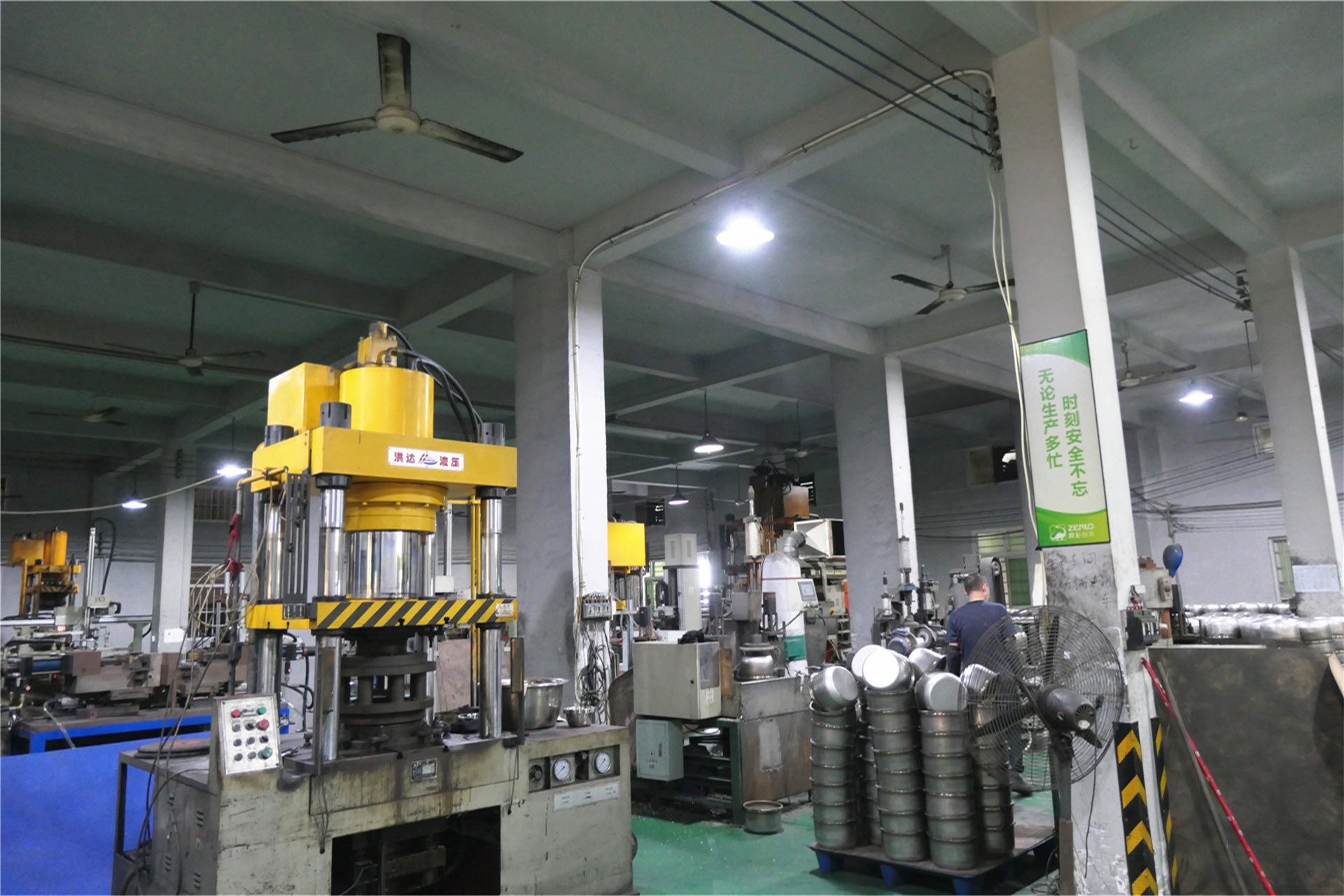
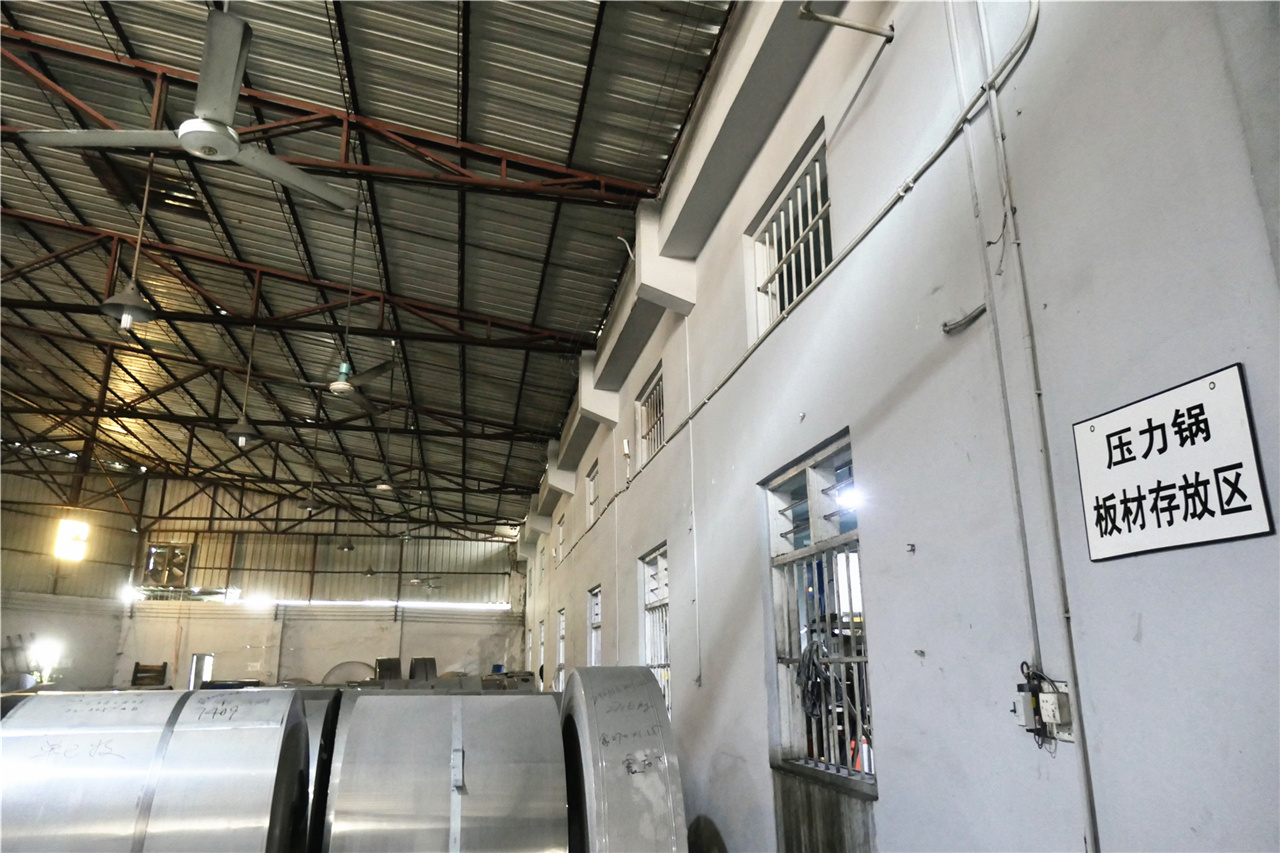
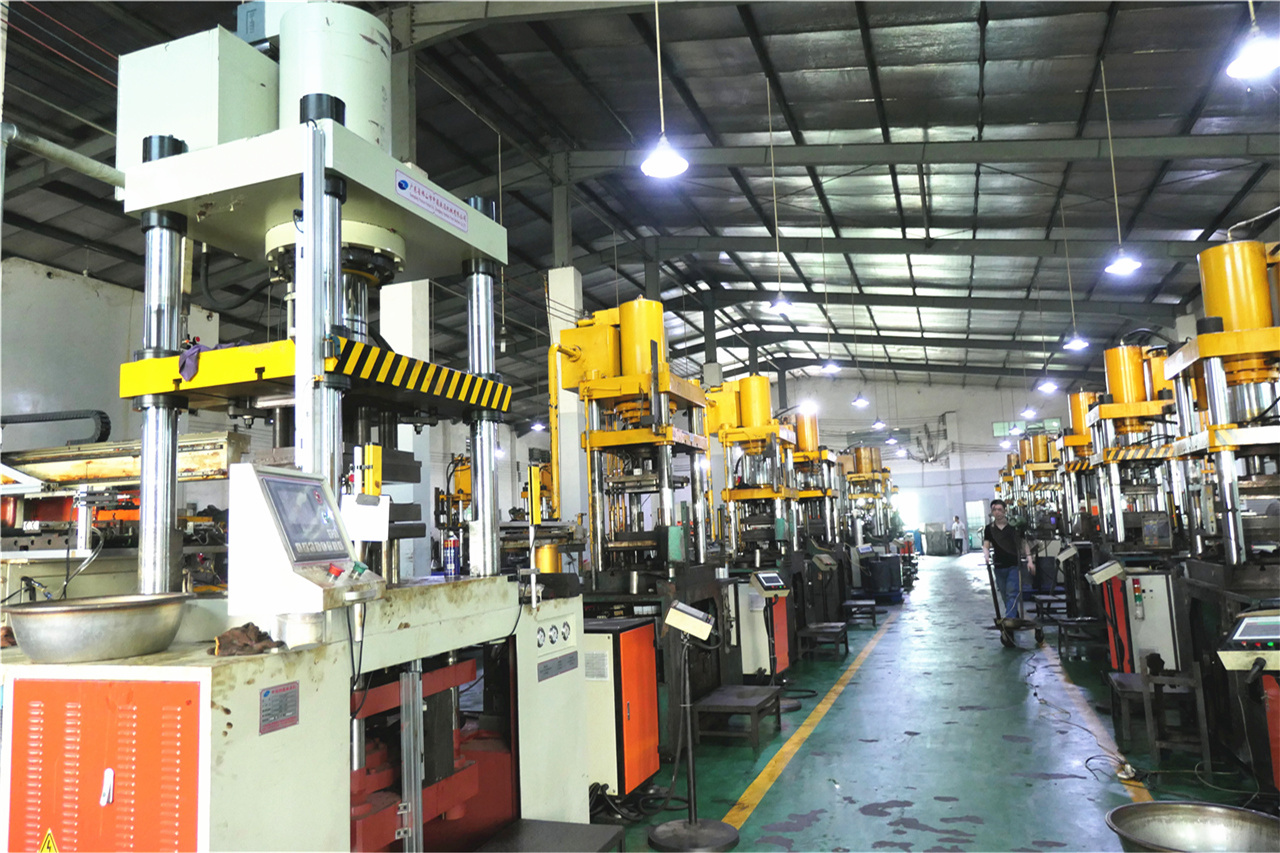
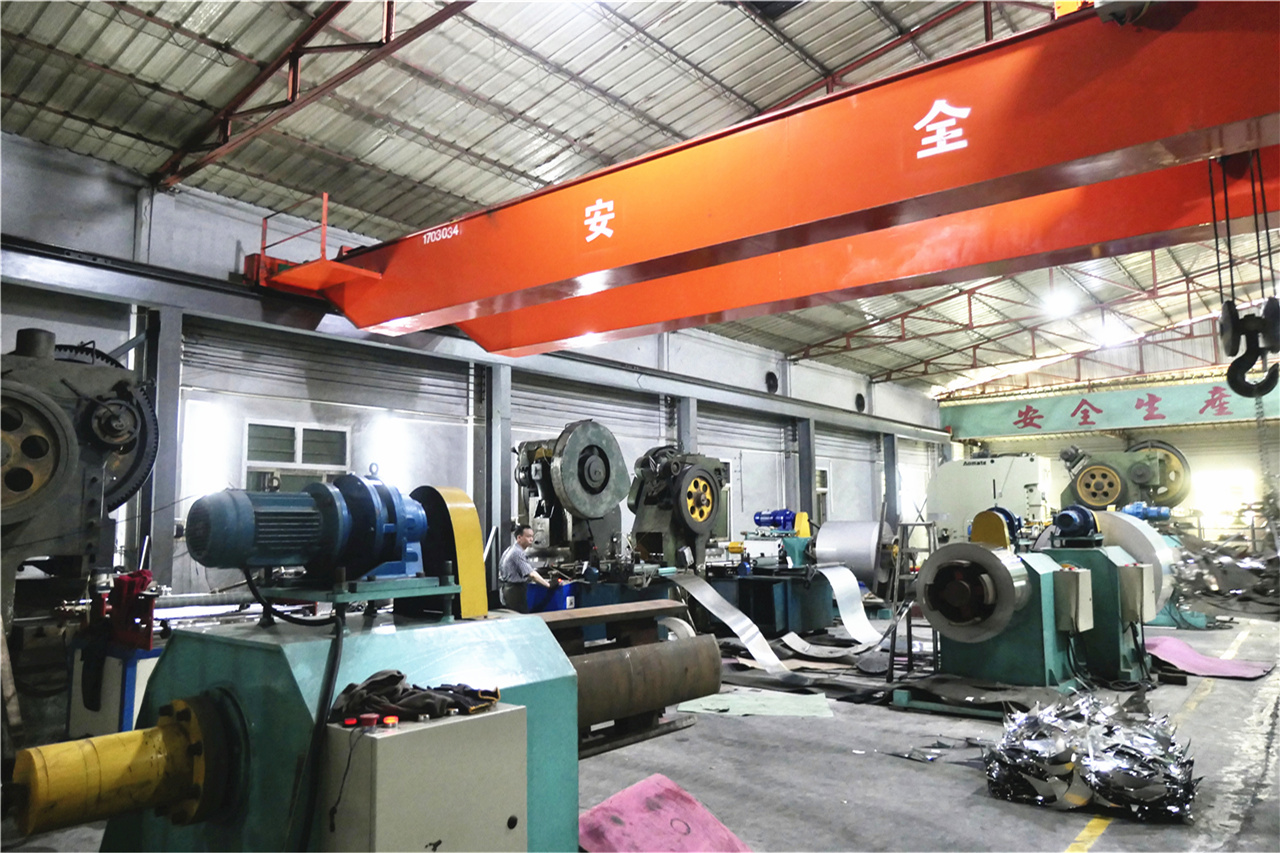
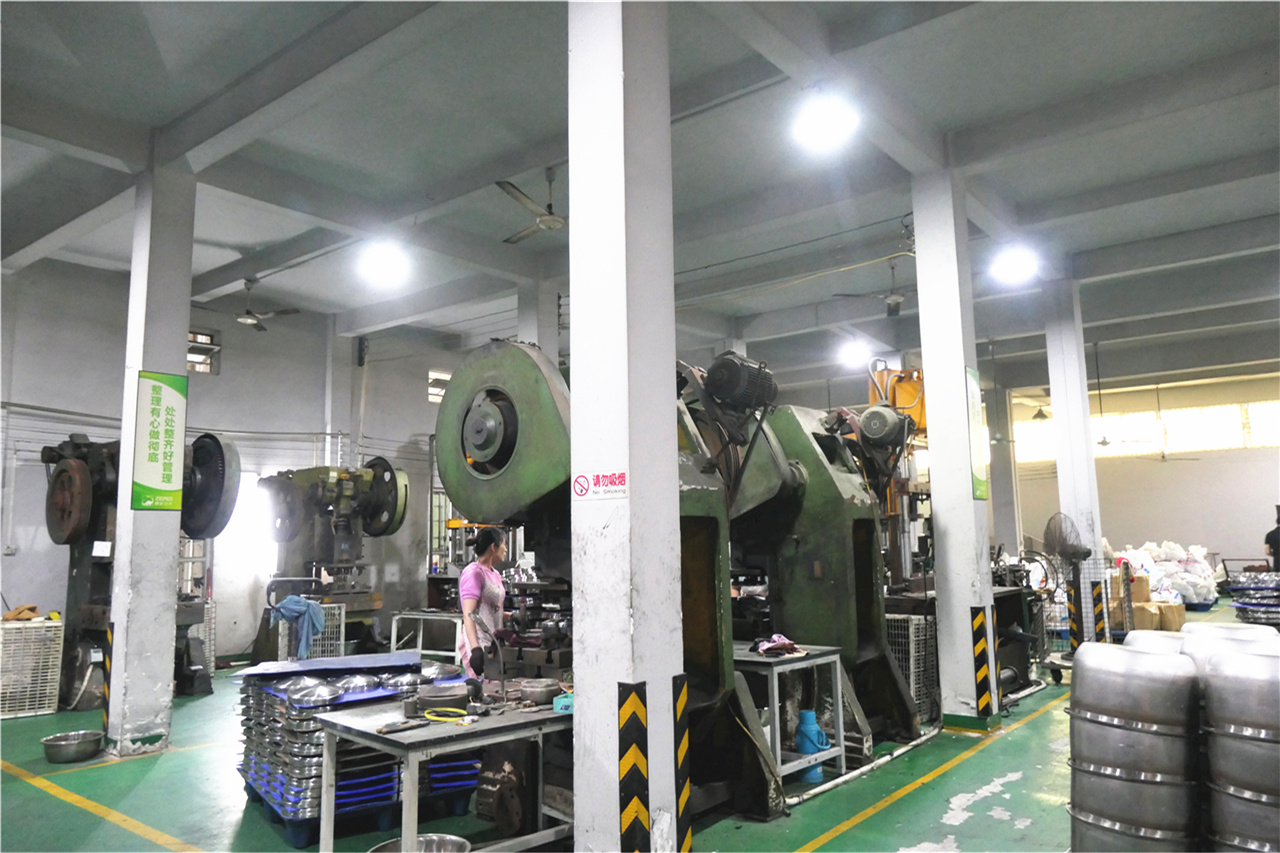
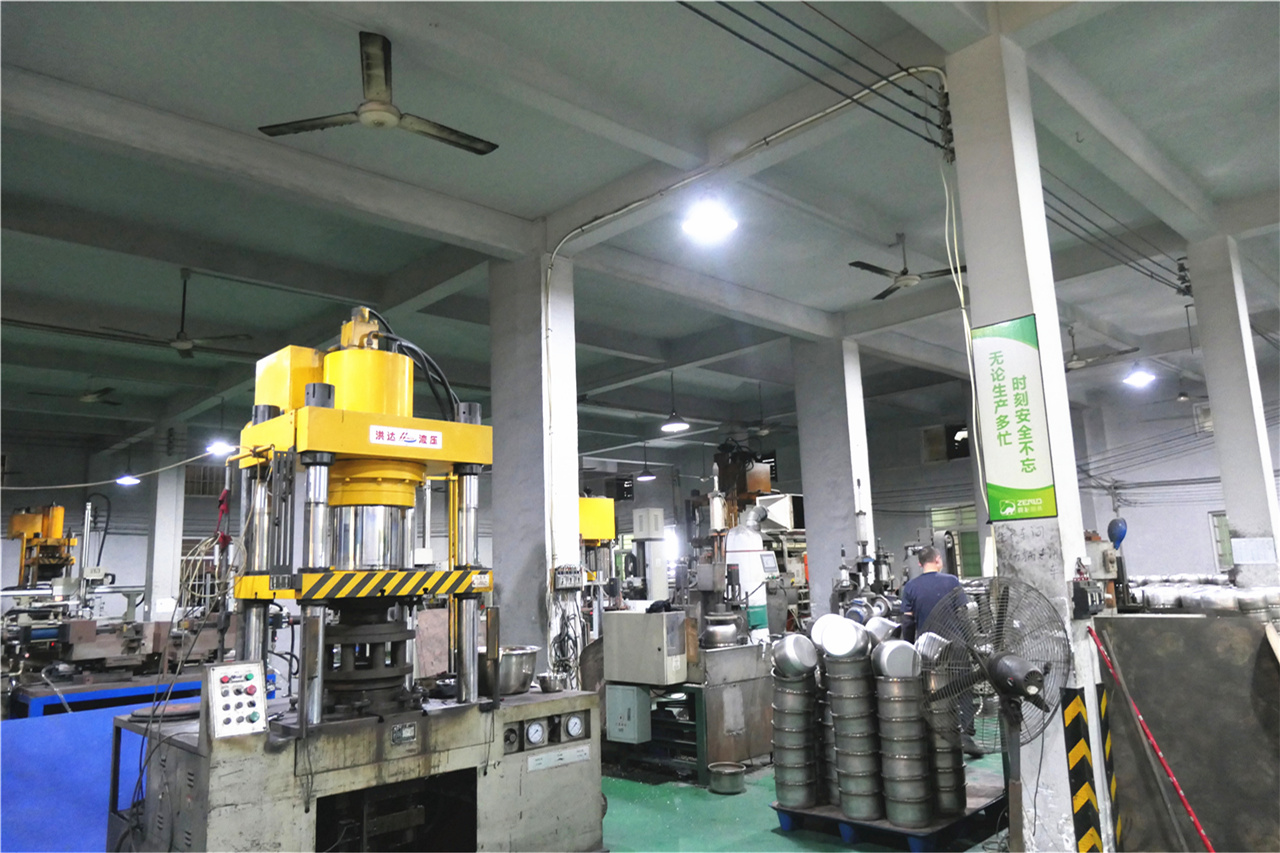
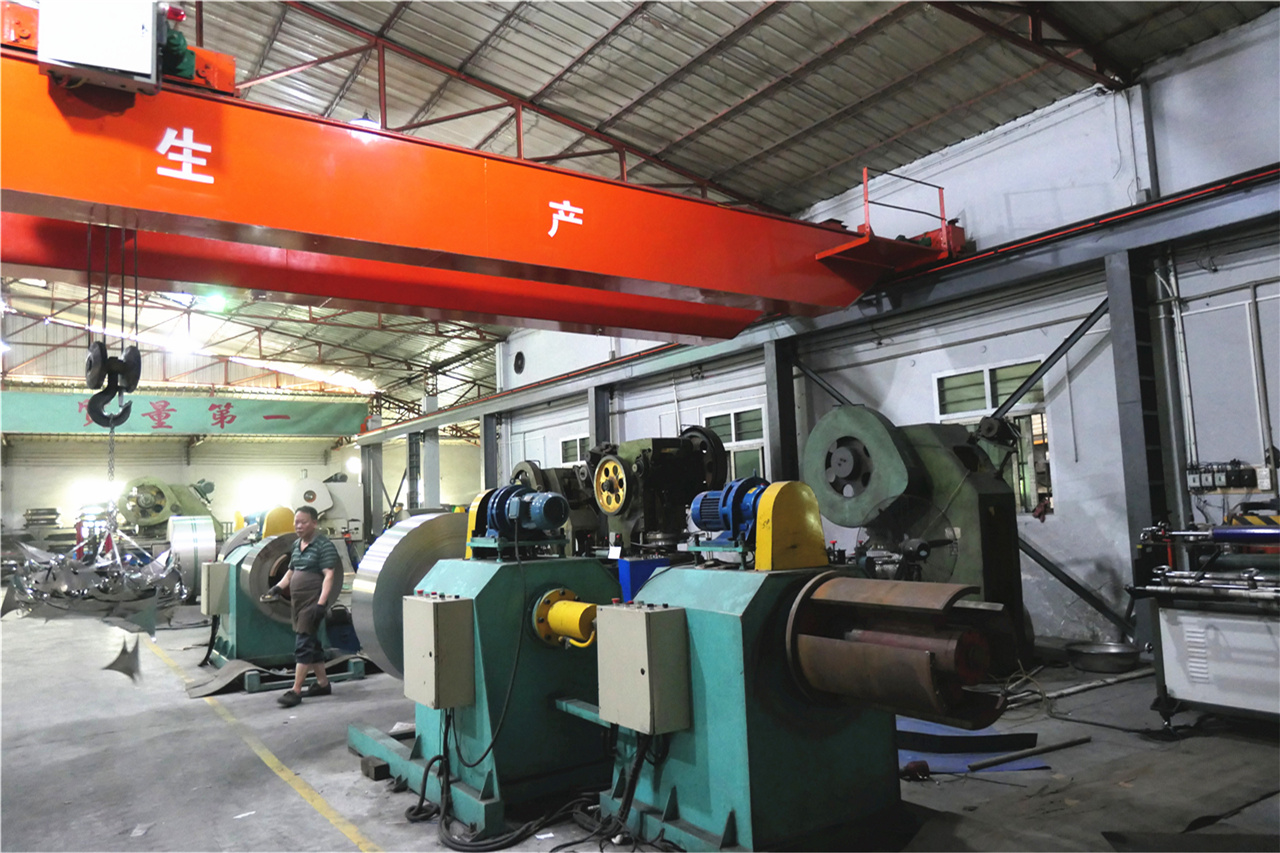
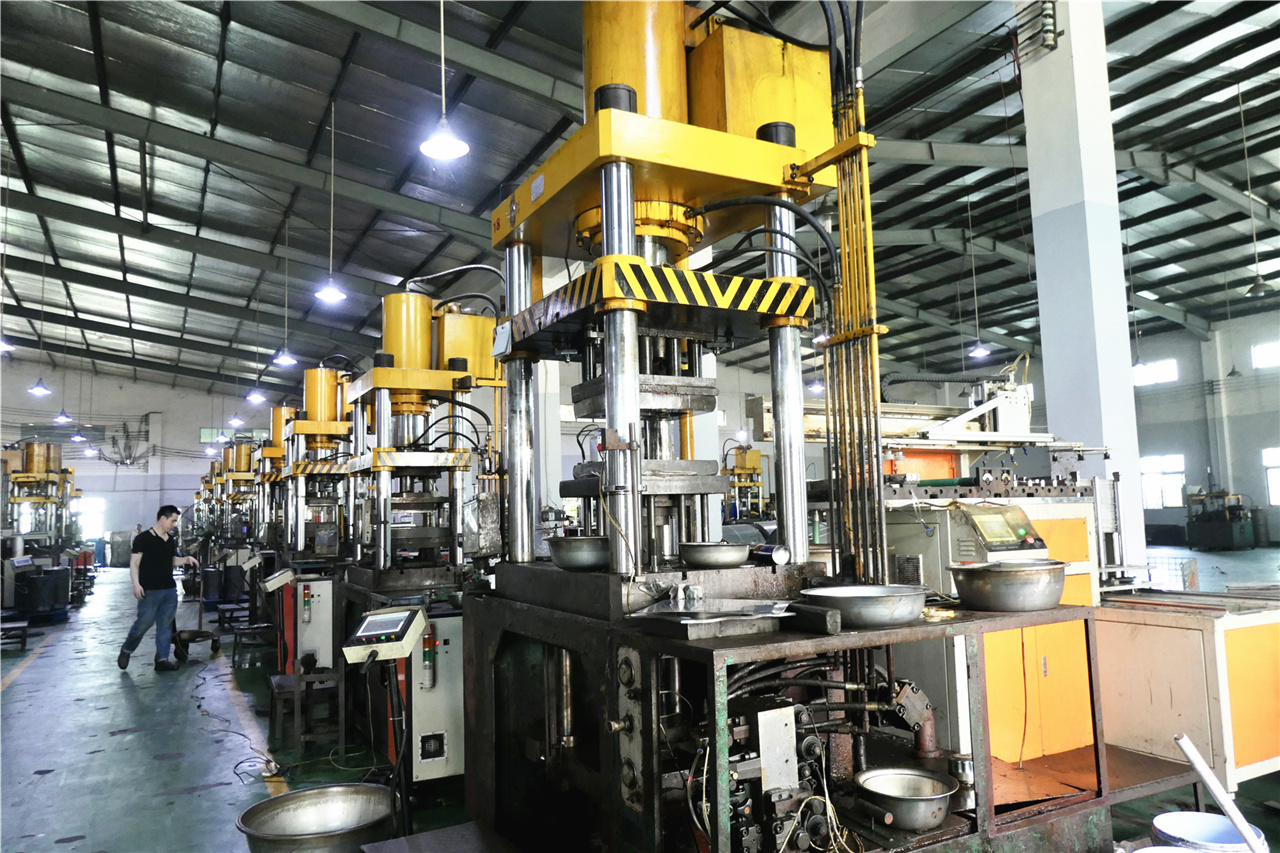
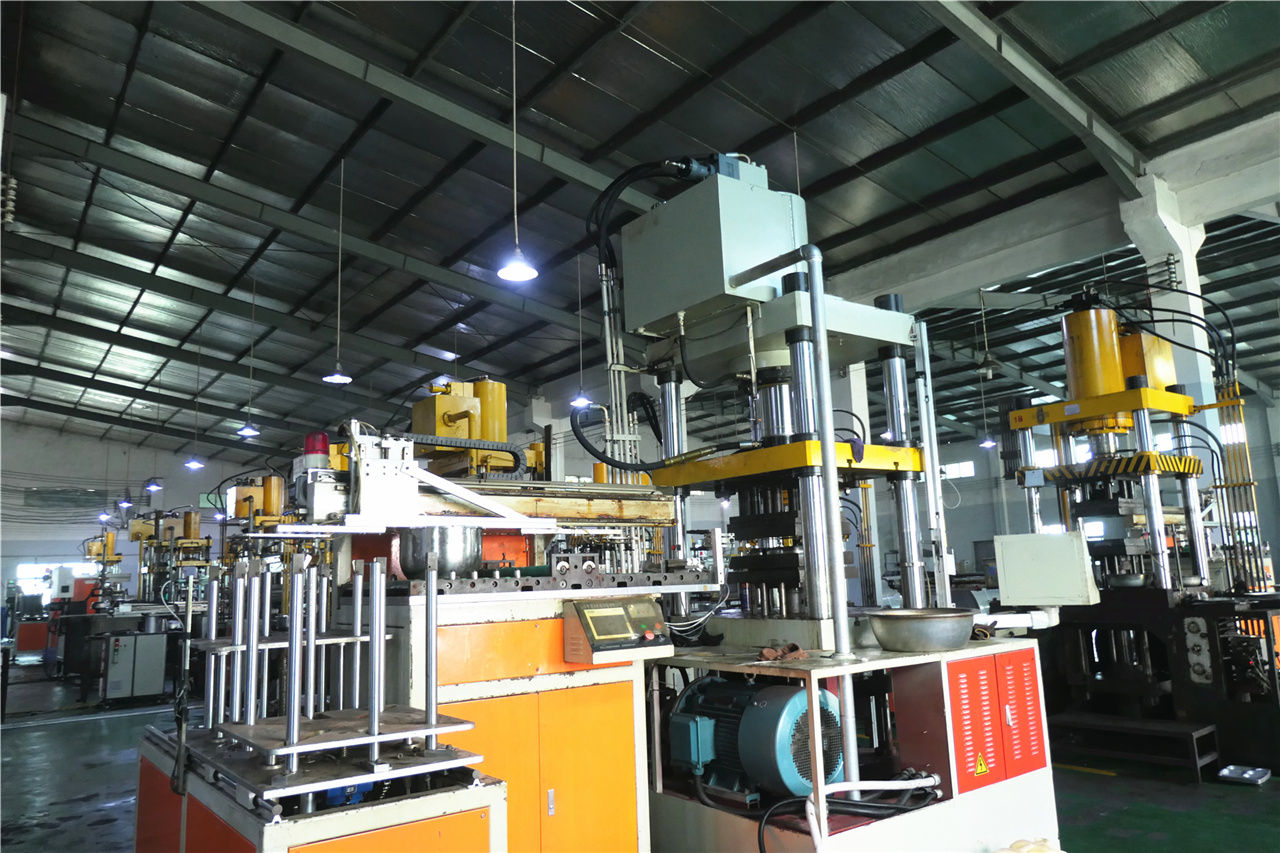
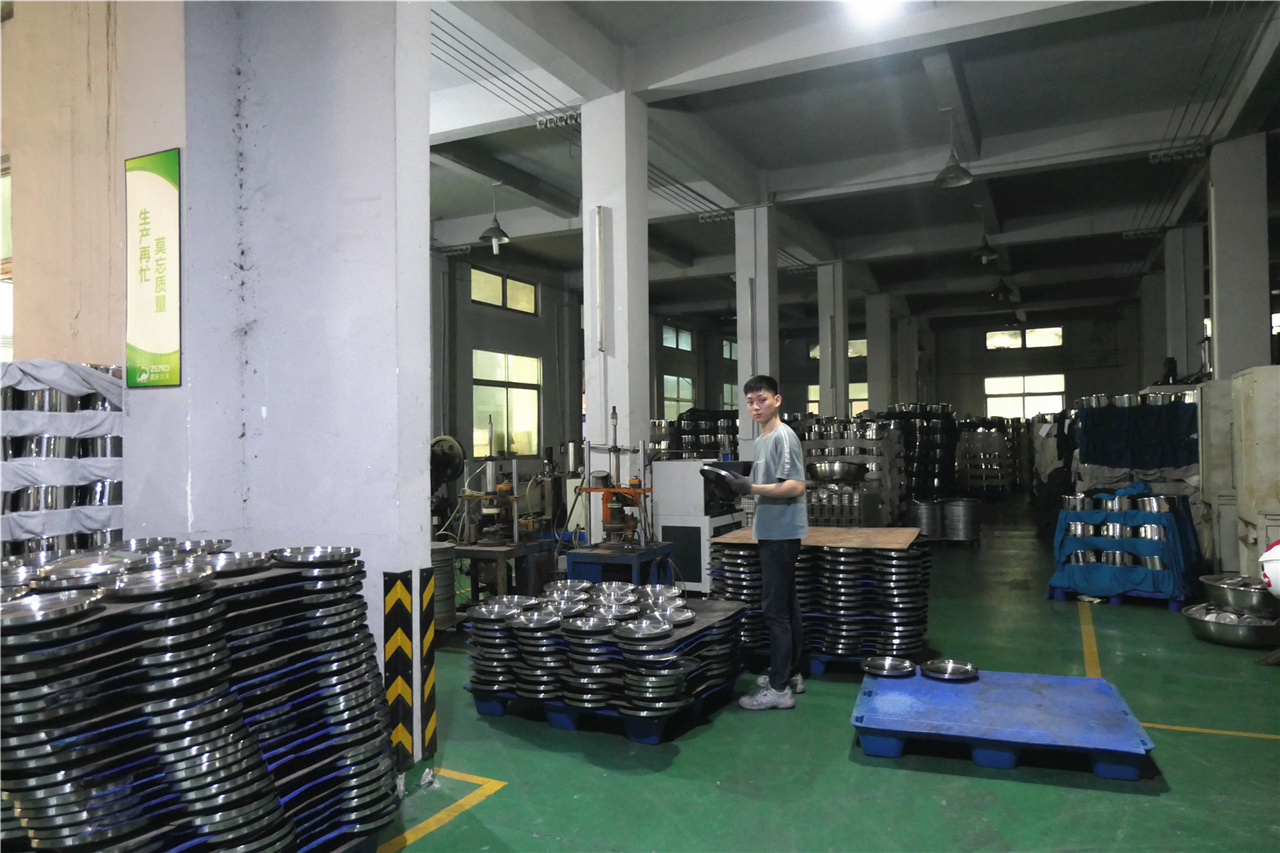
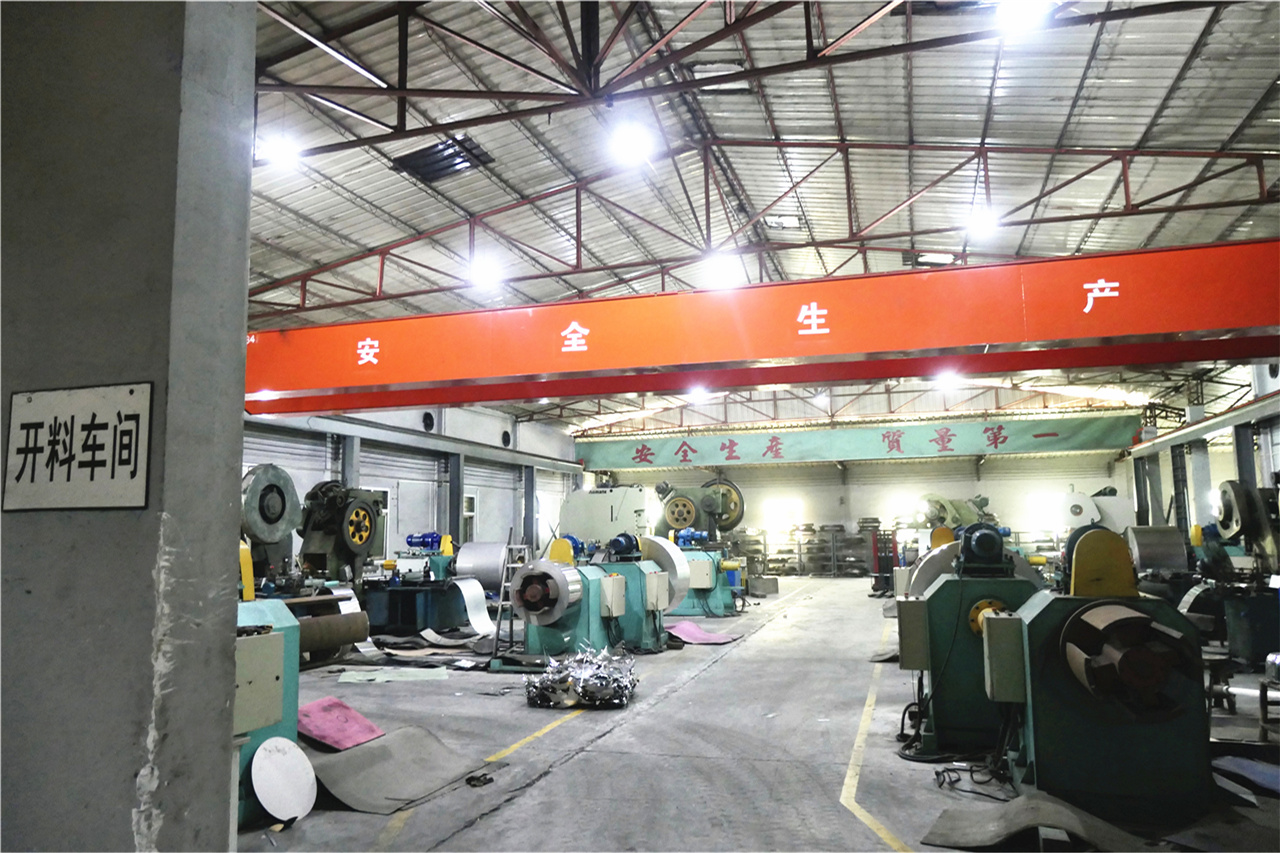
Looking back over the past thirty years, ZENLO Company has grown from a small hardware manufacturing factory into an industry benchmark enterprise with its own brand, patented products, and a modern production system. Looking to the future, we will continue to uphold our original aspiration of "making good cookware with heart," continuously exploring ways to further expand overseas markets and better serve every customer, striving to become a trusted provider of kitchen living products for global consumers.
Send Inquiry Now