
Leave Your Message
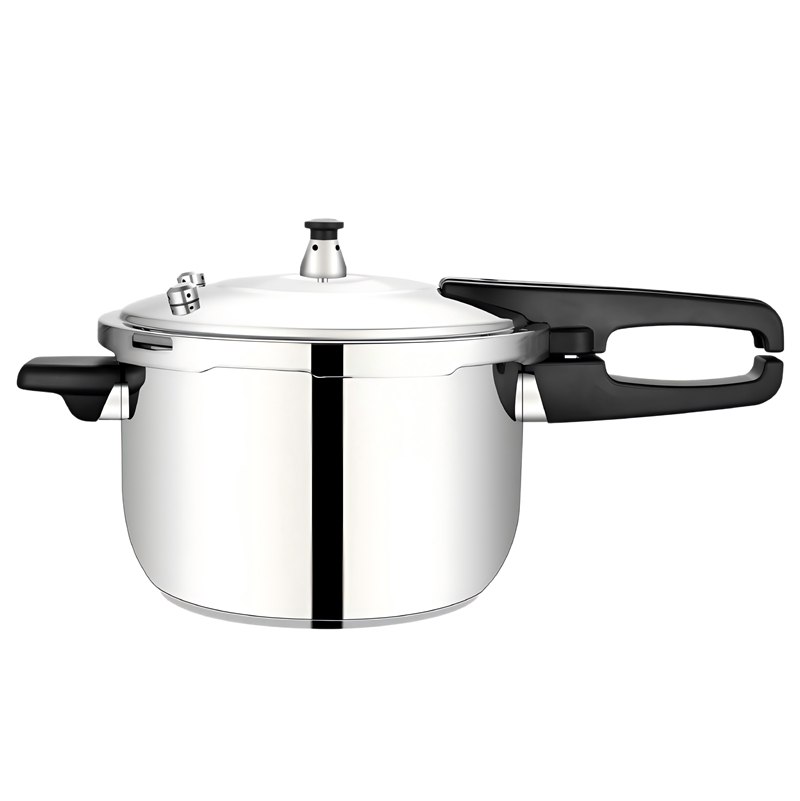
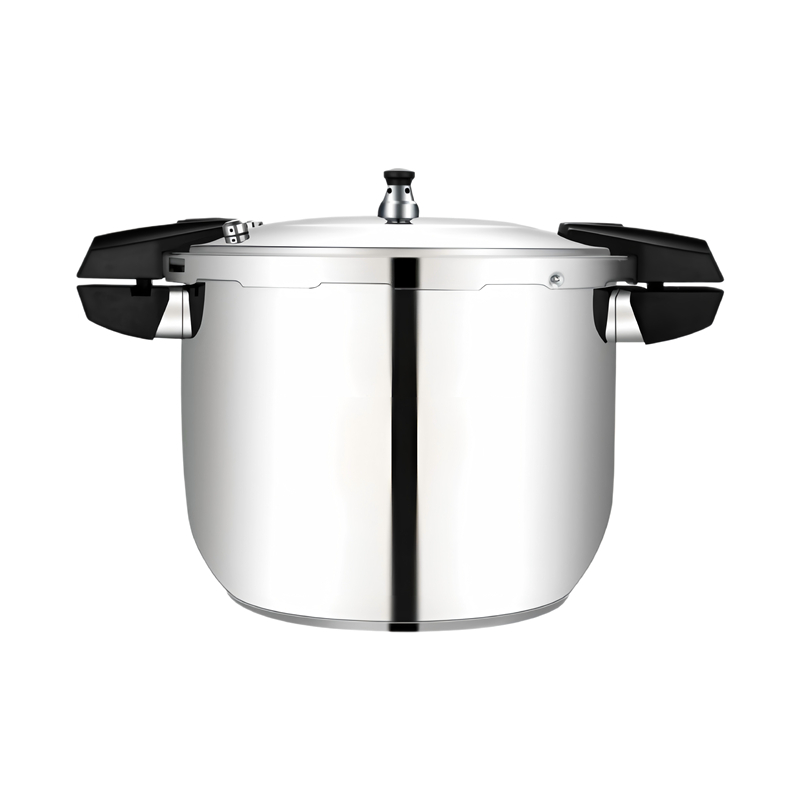
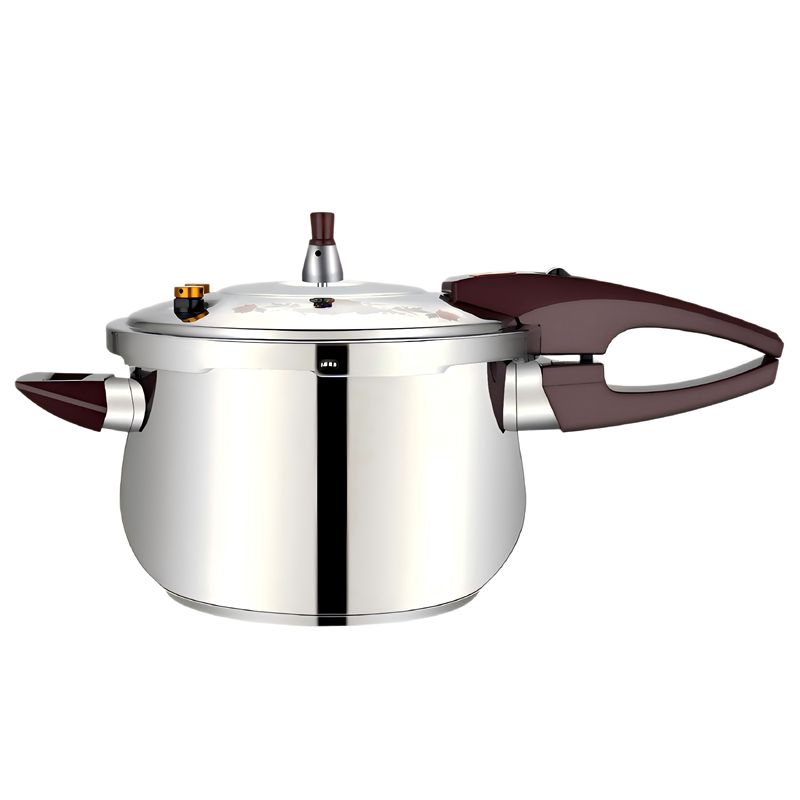
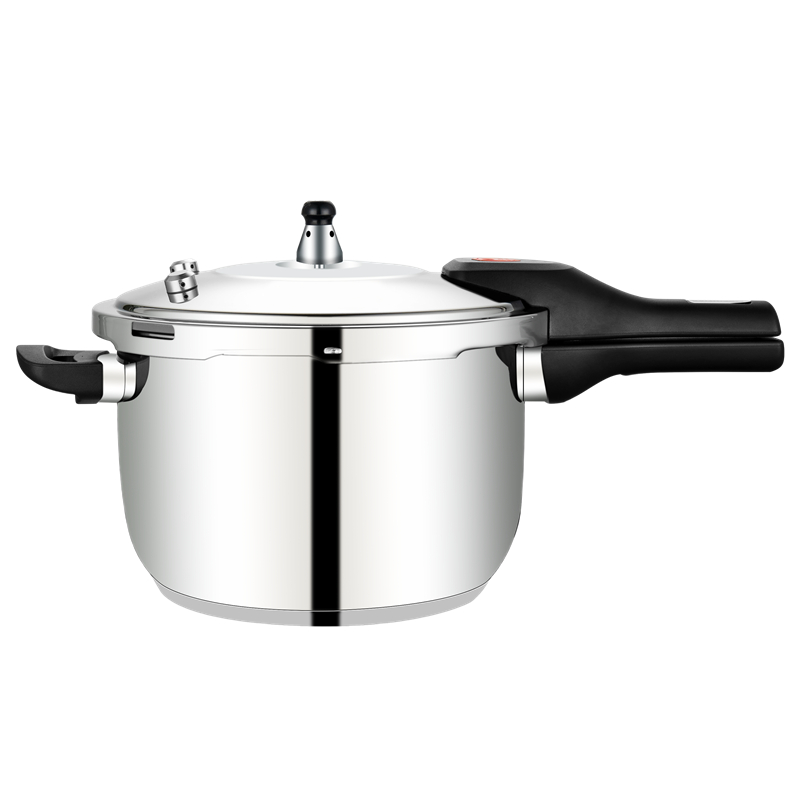
In the fast-paced world of the modern food service industry, speed, consistency, and energy efficiency are the pillars of operational success. As fast-food chains, university cafeterias, corporate dining halls, and central kitchens scale up to meet growing consumer demands, traditional cooking methods are proving to be too slow and resource-intensive. This operational bottleneck has driven the demand for the big pressure cooker, a vital piece of industrial kitchen hardware engineered to drastically reduce cooking times while preserving nutritional value and flavor profiles.
💡 Industry Insight: According to global commercial kitchen equipment market studies, the transition towards high-efficiency thermal cooking appliances has grown by over 18% post-pandemic. High-capacity pressure cookers are leading this charge due to their ability to cut energy consumption by up to 70% compared to open-pot boiling.
Today's cafeteria dining demands high-volume food output within tight timeframes. A typical school or corporate cafeteria may need to serve thousands of meals within a two-hour lunch window. In such high-pressure environments, a big pressure cooker functions as a force multiplier. By sealing in steam and raising the internal pressure, the boiling point of water increases from 100°C to approximately 120°C. This elevated thermal environment cooks food up to 70% faster.
Furthermore, industrial trends show a significant push toward safety automation. Modern commercial pressure cookers are no longer just heavy metal pots; they are highly engineered systems featuring multi-layered safety valves, automatic pressure release mechanisms, and ergonomic locking lids designed to prevent workplace injuries in fast-paced commercial kitchens.
As commercial entities align with global "dual-carbon" goals, reducing the carbon footprint of commercial kitchens has become a priority. Because a big pressure cooker cooks food in a fraction of the time and uses sealed pressure dynamics, it requires significantly less electricity or gas. This reduction in energy usage directly translates to lower utility bills and a smaller carbon footprint for dining facilities. Additionally, the sealed environment minimizes water evaporation, saving water resources and retaining essential vitamins and minerals that are typically lost in open-air boiling.
In fast-food operations specializing in stews, curries, pulled meats, or bone broths, achieving tender meat consistency is essential for customer satisfaction. Under standard atmospheric pressure, tough cuts of beef or pork require hours of slow simmering to break down collagen and connective tissues. A commercial-grade big pressure cooker achieves this breakdown in less than 45 minutes. The high-pressure steam penetrates the meat fibers rapidly, rendering them tender while extracting deep flavors from bones for rich, nutrient-dense broths.
Cafeterias serving diverse populations rely heavily on staples like rice, beans, lentils, and quinoa. Preparing these in standard pots takes substantial time and constant monitoring to prevent burning or uneven cooking. With a large-capacity stainless steel pressure cooker, kitchens can prepare massive batches of grains uniformly. The pressurized steam ensures heat is distributed evenly throughout the entire vessel, eliminating hot spots and producing perfectly cooked grains every single cycle.
One of the greatest challenges in cafeteria dining is managing food replenishment during peak hours. If a popular dish runs out, customers face long wait times, leading to lost revenue and dissatisfaction. Big pressure cookers allow kitchen staff to execute rapid batch cooking. A fresh batch of stew or vegetables can be cooked and ready for the serving line in under 15 minutes, ensuring a continuous flow of hot, fresh food.
Beyond direct food preparation, the high thermal environments generated inside commercial pressure cookers make them highly effective for sanitizing kitchen utensils or processing house-made sauces and preserves. The combination of high temperature and pressure effectively eliminates harmful pathogens, ensuring compliance with strict food safety and HACCP regulations.
Since 1994, ZENLO Company has witnessed and participated in the complete journey of China's stainless steel kitchenware industry from nothing to something, from weak to strong. Thirty years of development is a history of struggle from "based in Chao'an" to "selling globally." Through the accumulation of the domestic market, the precise development of overseas channels, and the agile transformation in the digital age, the company is steadily moving towards its goal of becoming a "century-old hardware brand."
Amidst the wave of reform and opening up, ZENLO's predecessor—"Zhenlong Hardware Factory"—was established in 1994. In its early days, we seized the policy opportunities of "processing with supplied materials, processing with supplied samples, and compensation trade," relying on a few simple machines and dozens of employees, starting with OEM and ODM under our own brand, laying the foundation for the later "ZENLO" and "YALUN" brands. During this period, we primarily learned from and imitated others to establish the initial form of our enterprise. We accumulated the most basic production experience, introduced fundamental quality management standards, and established a firm foothold in Guangdong's manufacturing cluster based on our reliable reputation.
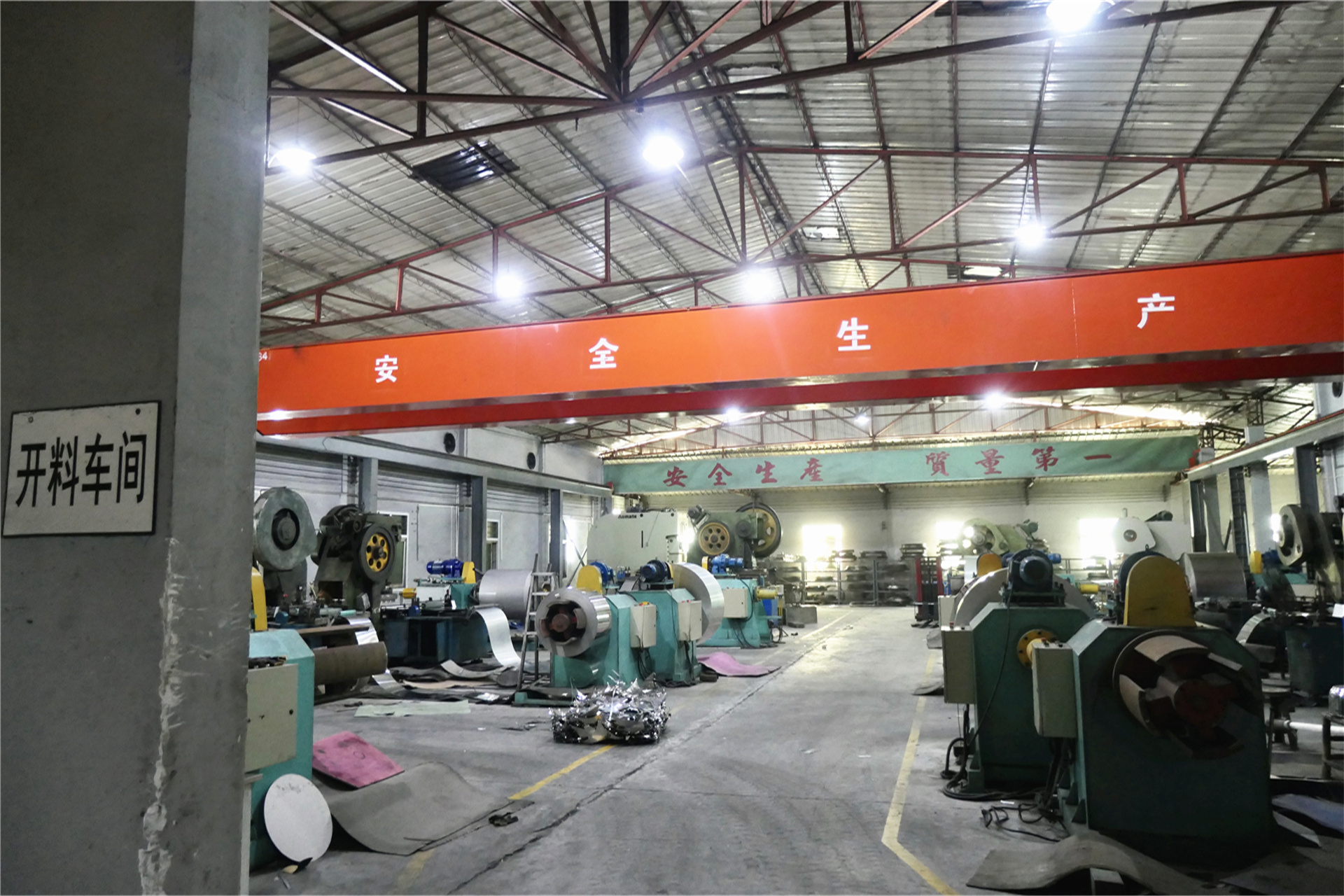
With China's accession to the WTO, overseas orders poured in. We rapidly expanded our production scale and cooperated with major markets across the country. While meeting international market demands, we keenly recognized the importance of our own brand, aligning it with our corporate development goals. Later, we successively developed new products, promoted our brand, and simultaneously entered the domestic market. Through participation in various hotel supplies exhibitions, we initially established domestic sales channels, achieving strategic synchronization between corporate culture and branded products.
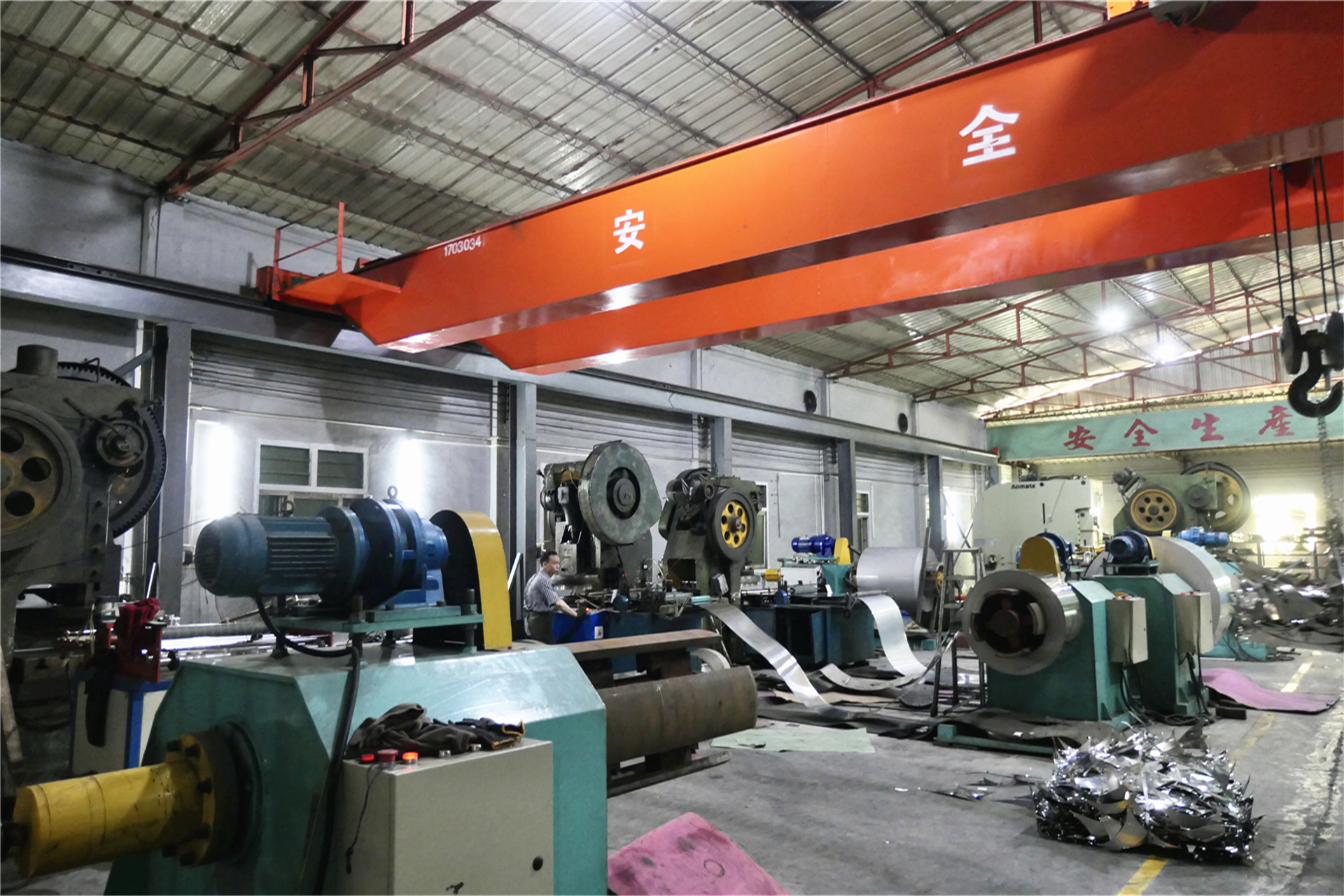
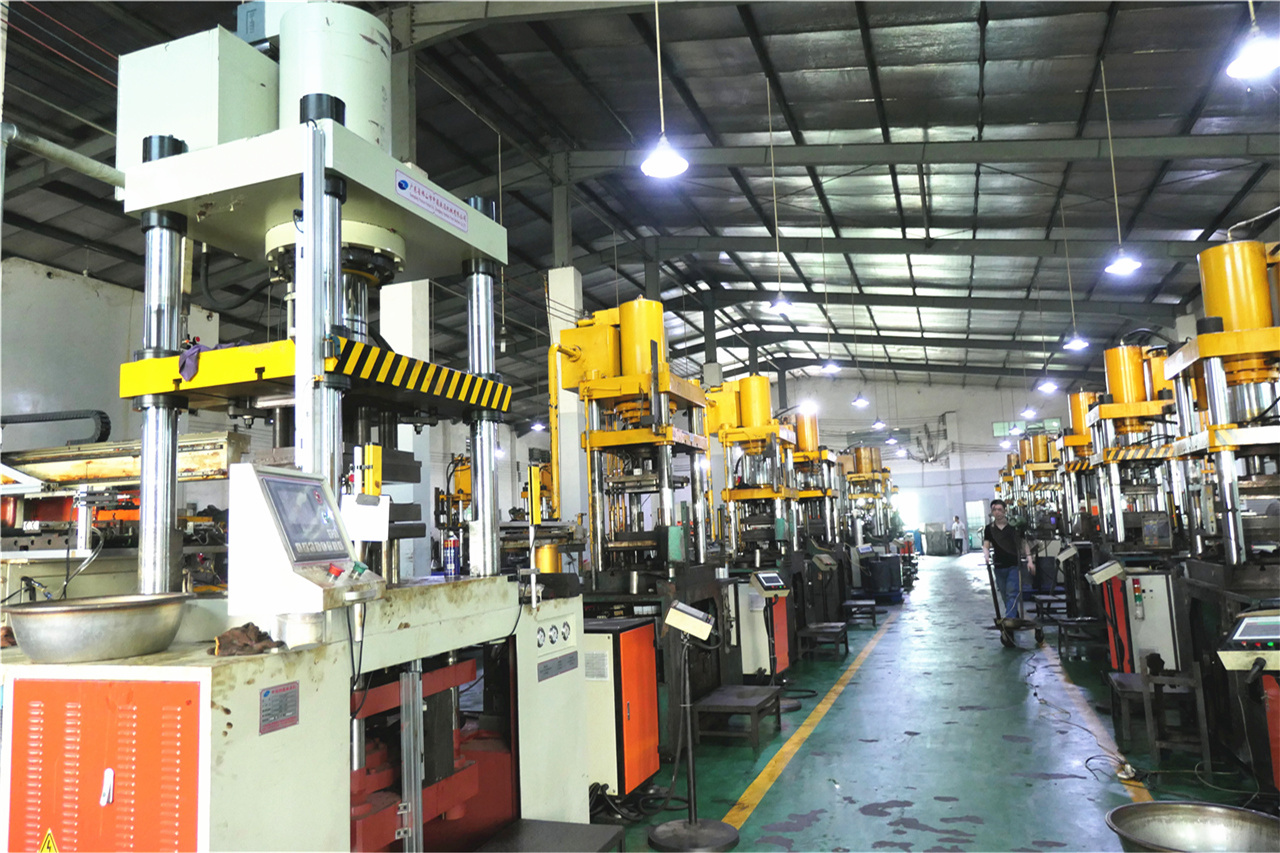
Faced with increasingly fierce market competition and rising labor costs, the factory resolutely embarked on a path of transformation and upgrading. In 2013, ZENLO Company was officially established. We invested heavily in technological upgrades, introducing industry-leading fully automated stretching production lines and laser welding technologies in 2014, significantly improving production efficiency and product precision. Simultaneously, we vigorously promoted branding, launching a stylish, mid-to-high-end sub-brand targeting the new generation of consumers, emphasizing healthy cooking. We also hired a professional design team to ensure our products combine practicality and aesthetic value. In 2017, we launched a brand-new production line—pressure cookers—dedicated to creating safe and reliable pressure cookers. We prepared for this for a long time, and our research and development of pressure cookers has become increasingly proficient, with various models gaining popularity among customers.
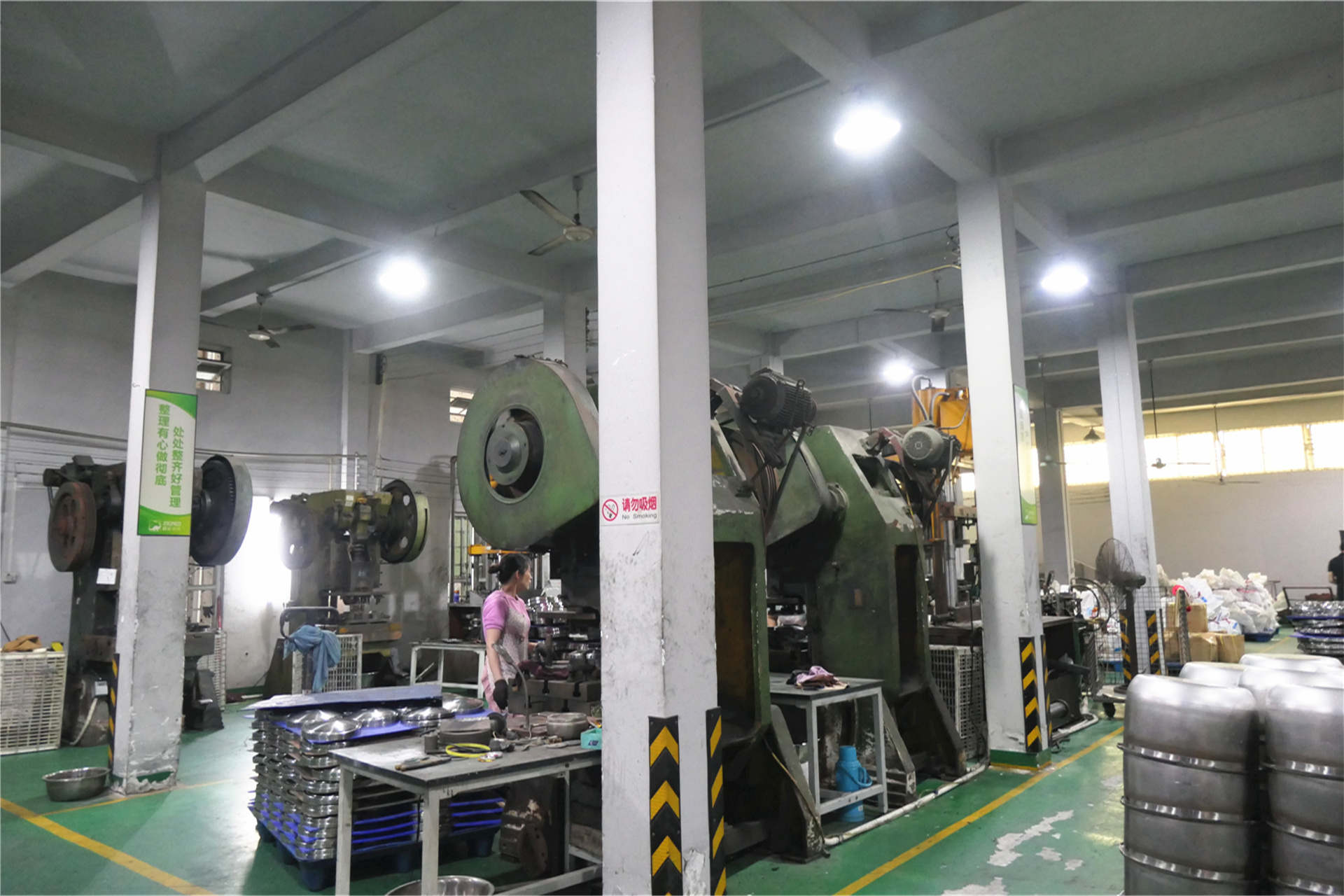
Entering a new decade, ZENLO Company is driven by "innovation" and "globalization." Driven by the internet age, we have implemented online ordering through major internet platforms and a corporate website, providing convenient services to more customers. At the product level, we have gradually launched more high-end and refined cooking utensils, creating a better environment for kitchen life and ensuring customers feel more comfortable and safe when using "ZENLO" brand products. Meanwhile, we actively respond to the national "dual-carbon" goals, researching and promoting the use of more environmentally friendly materials and processes, fulfilling our corporate social responsibility.
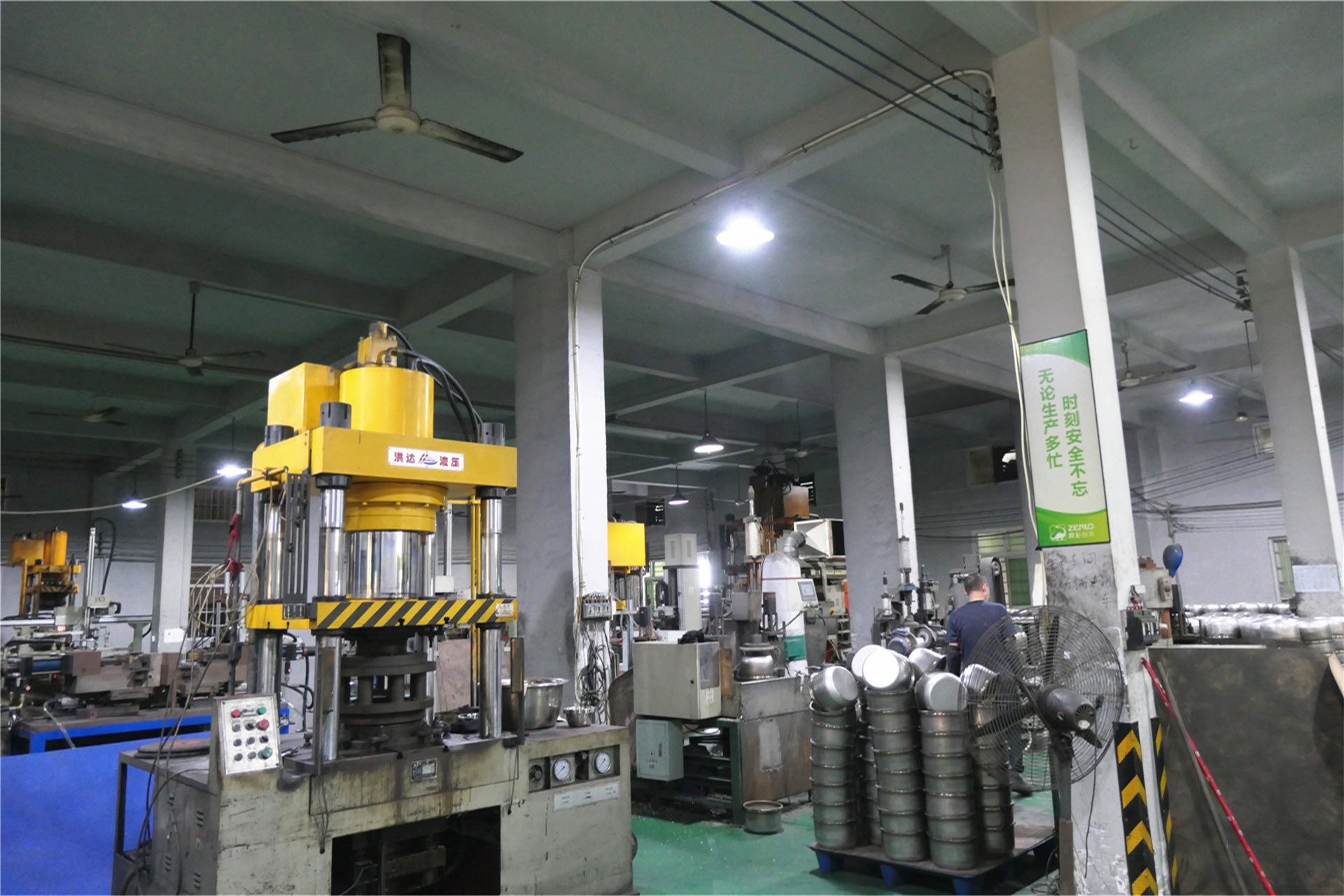
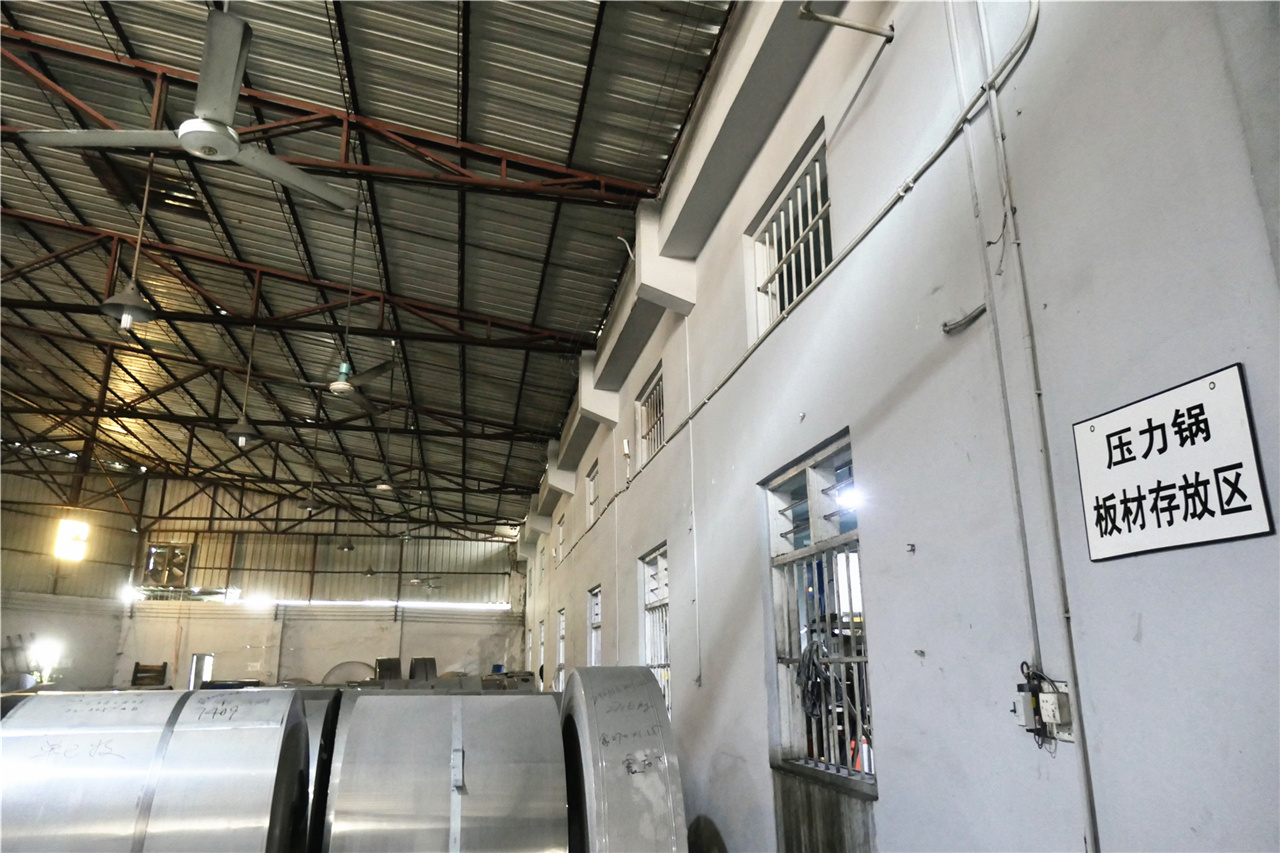
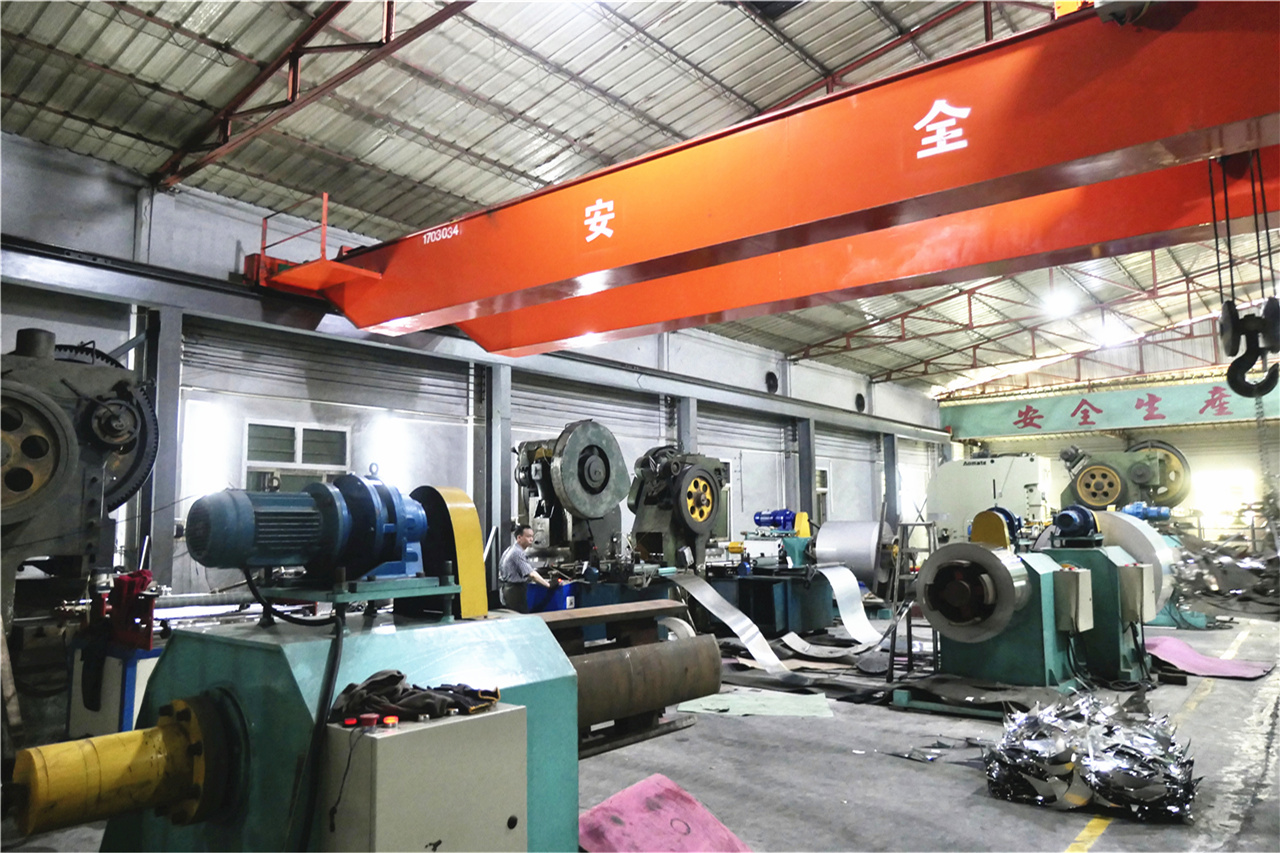
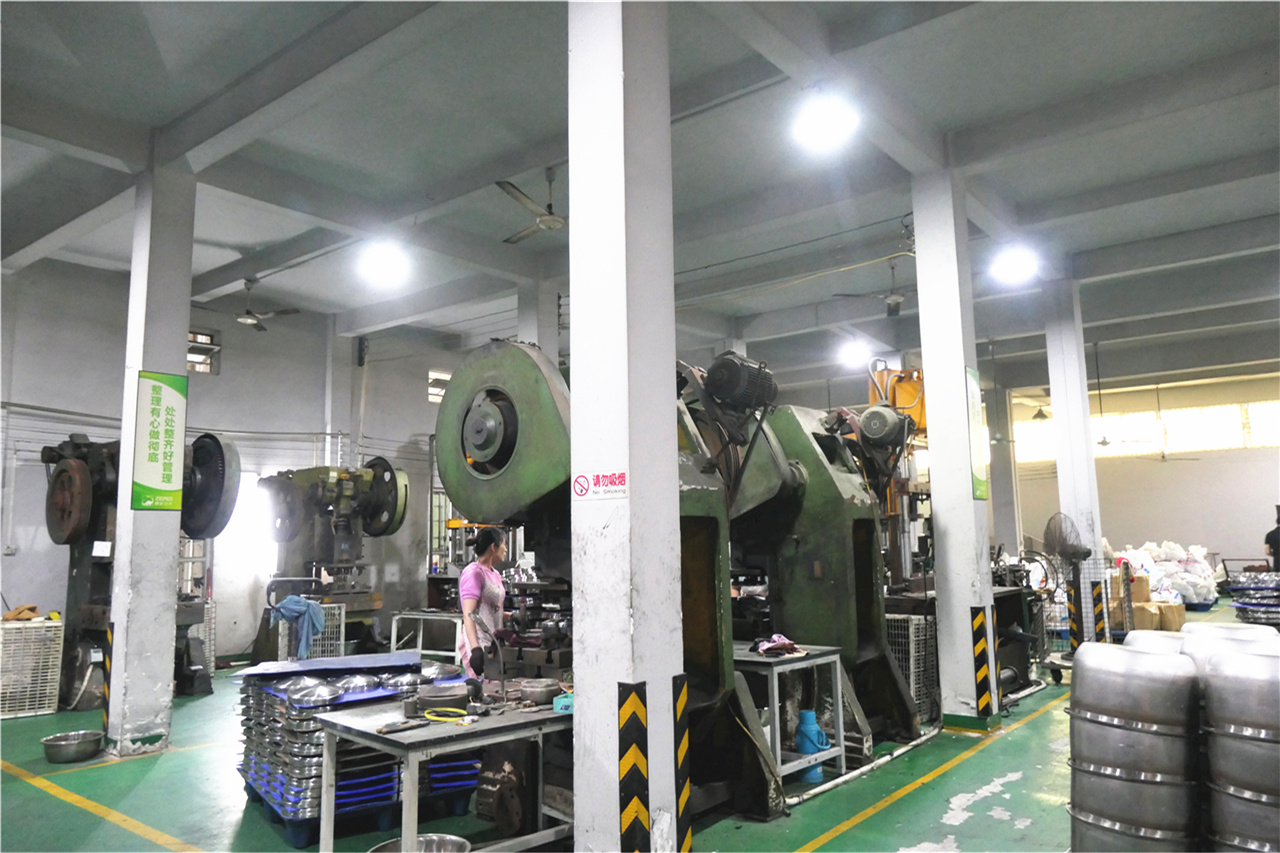
Explore our state-of-the-art manufacturing facilities. With automated stretching lines, precision laser welding, and rigorous quality control protocols, we ensure every commercial pressure cooker meets the highest international safety standards.
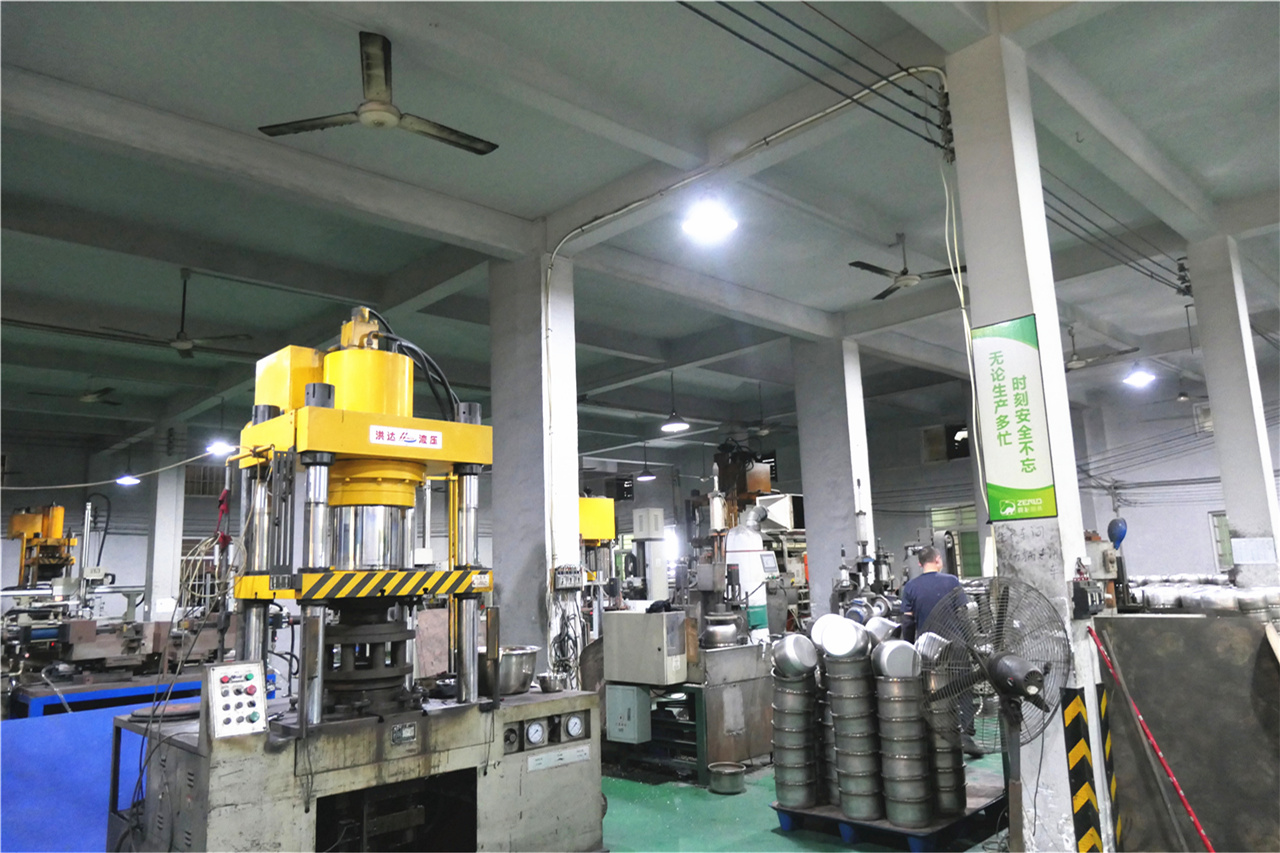
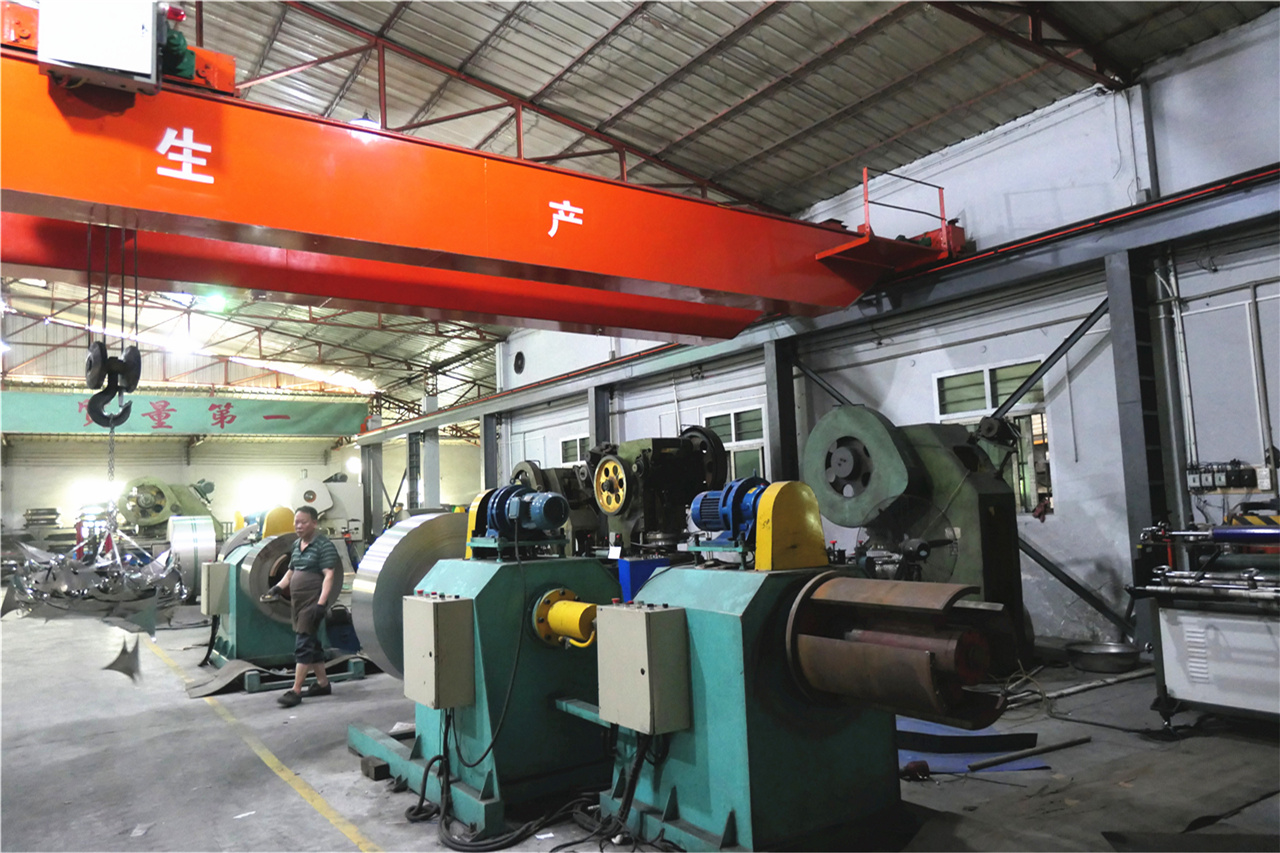
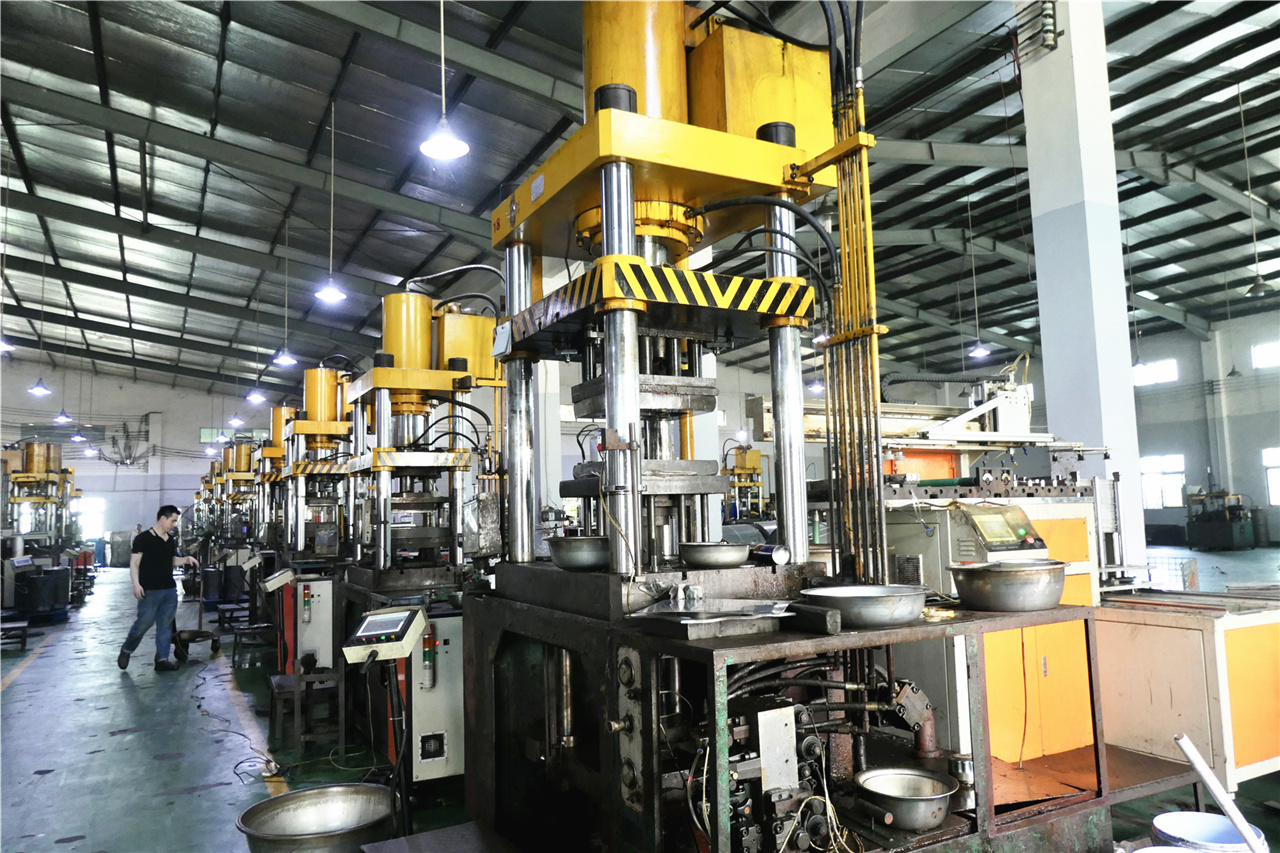
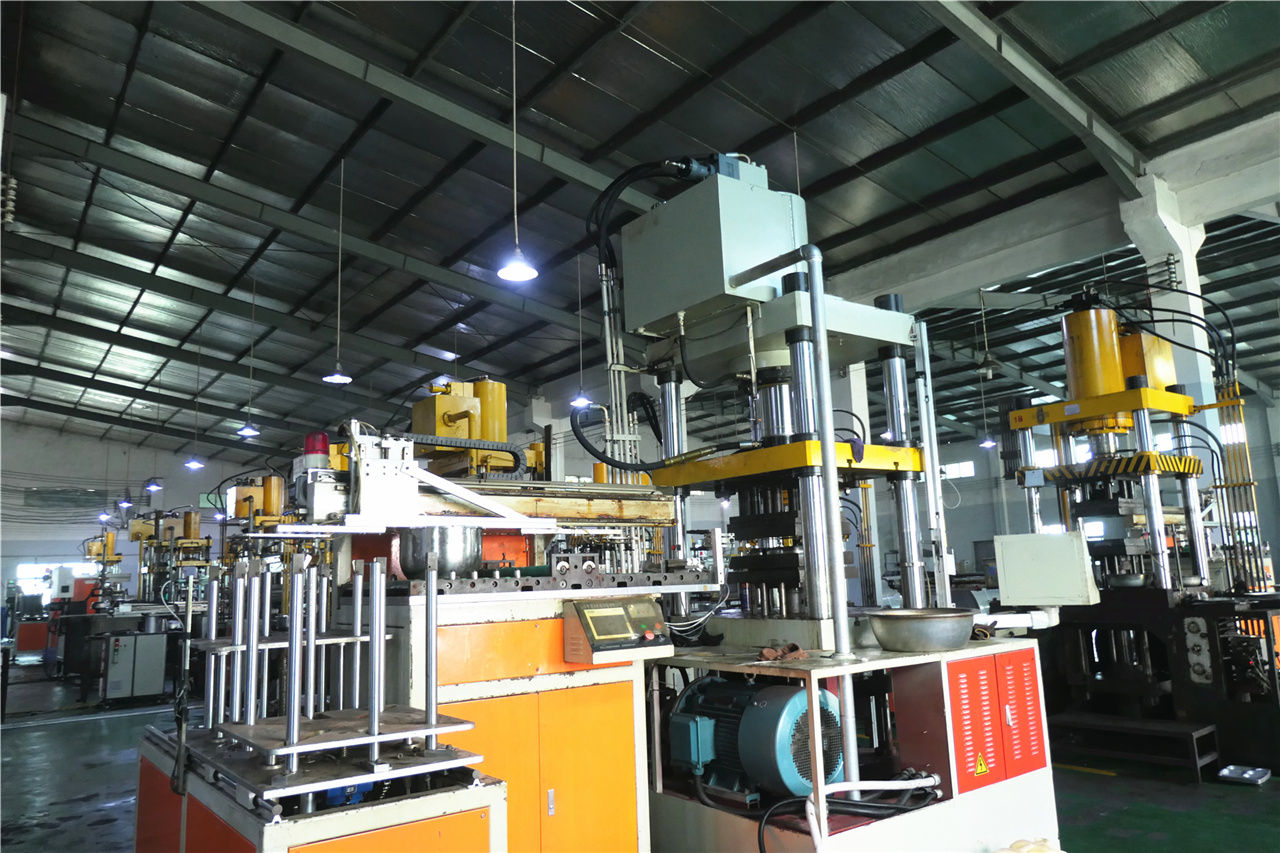
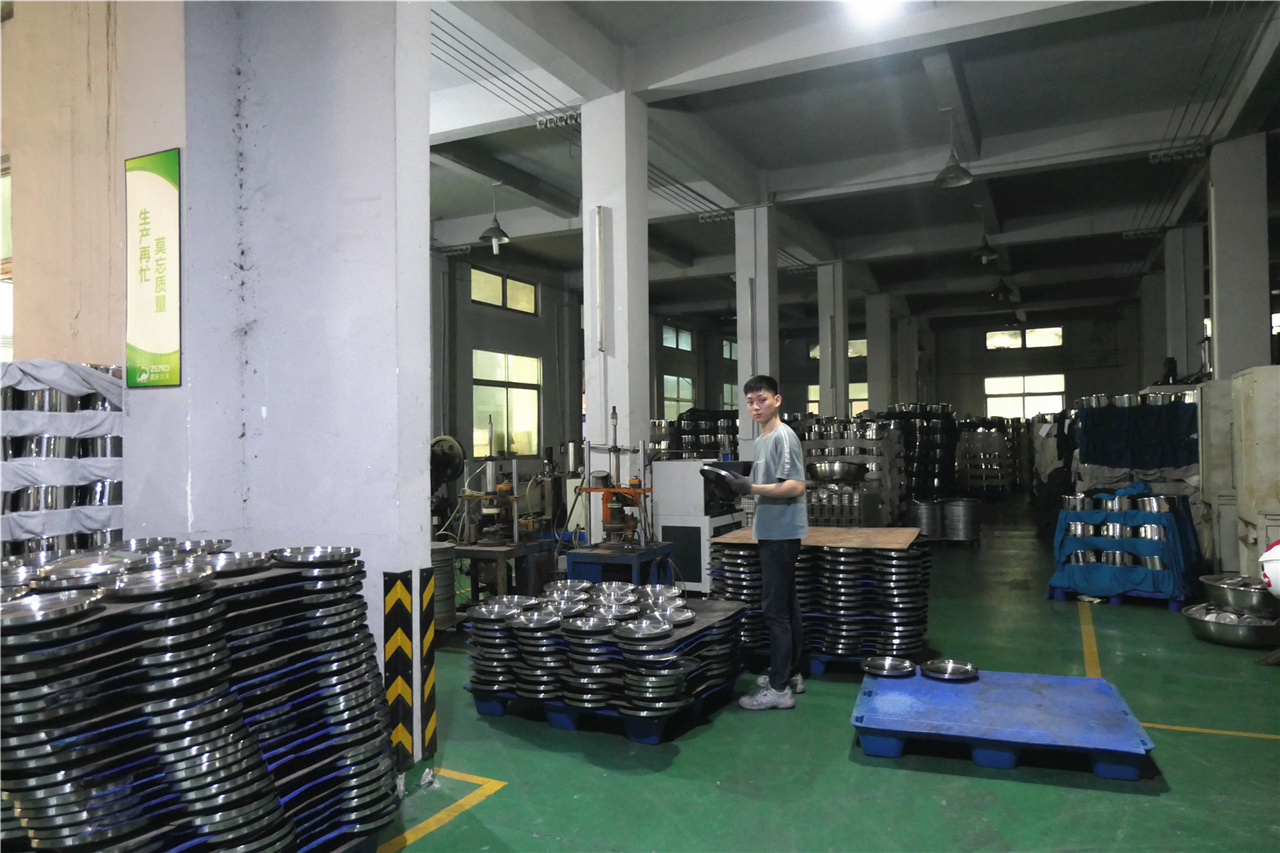
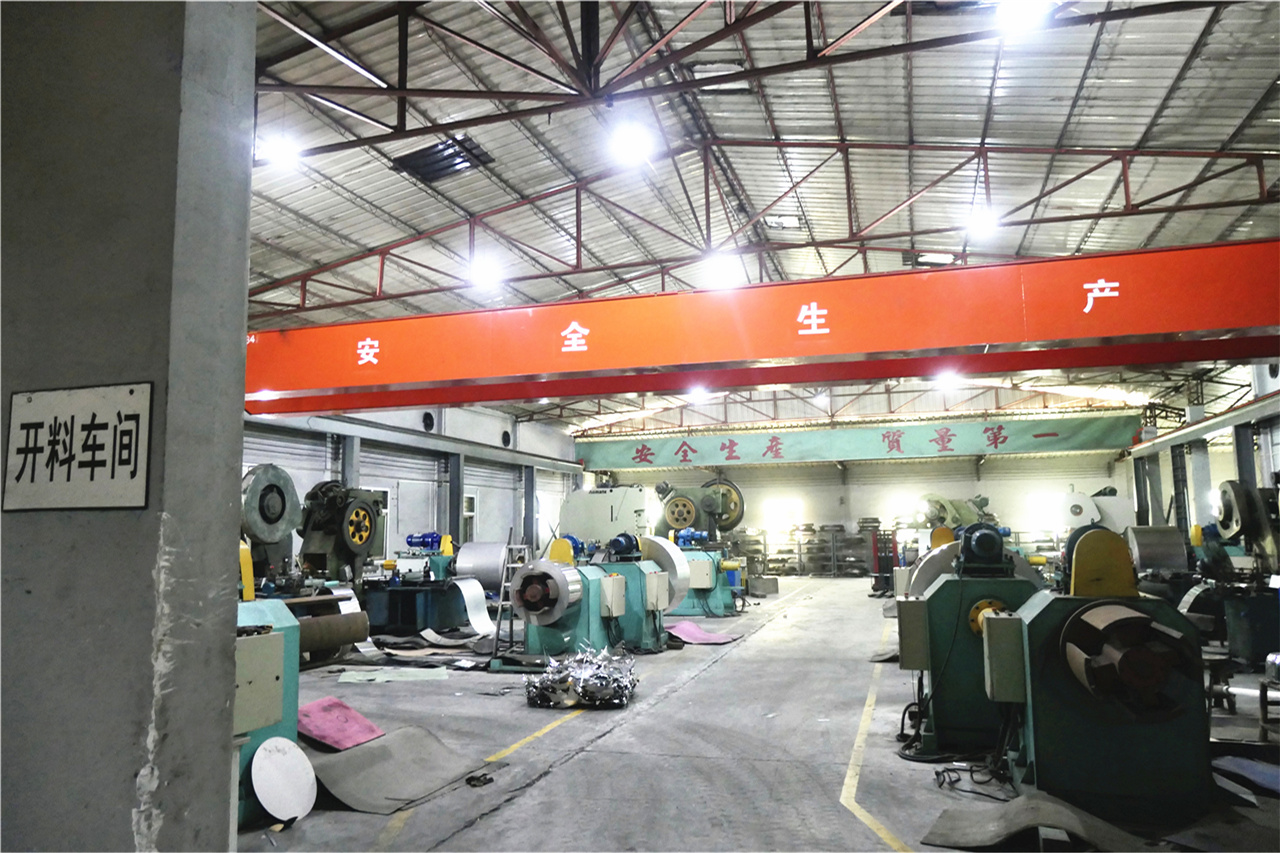
Looking back over the past thirty years, ZENLO Company has grown from a small hardware manufacturing factory into an industry benchmark enterprise with its own brand, patented products, and a modern production system. Looking to the future, we will continue to uphold our original aspiration of "making good cookware with heart," continuously exploring ways to further expand overseas markets and better serve every customer, striving to become a trusted provider of kitchen living products for global consumers.
Contact Our Customization Team