Leave Your Message
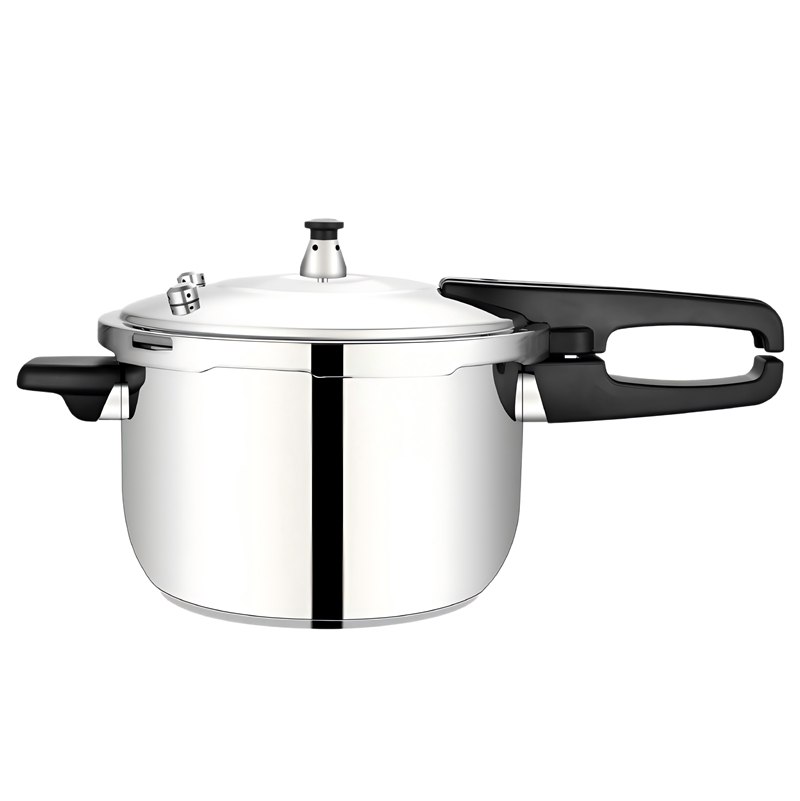
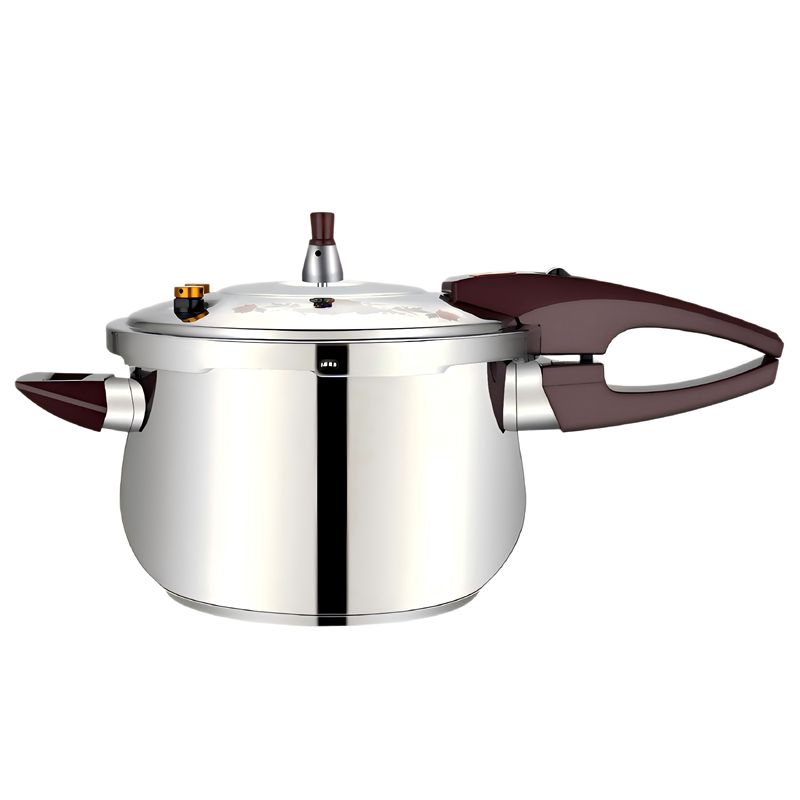
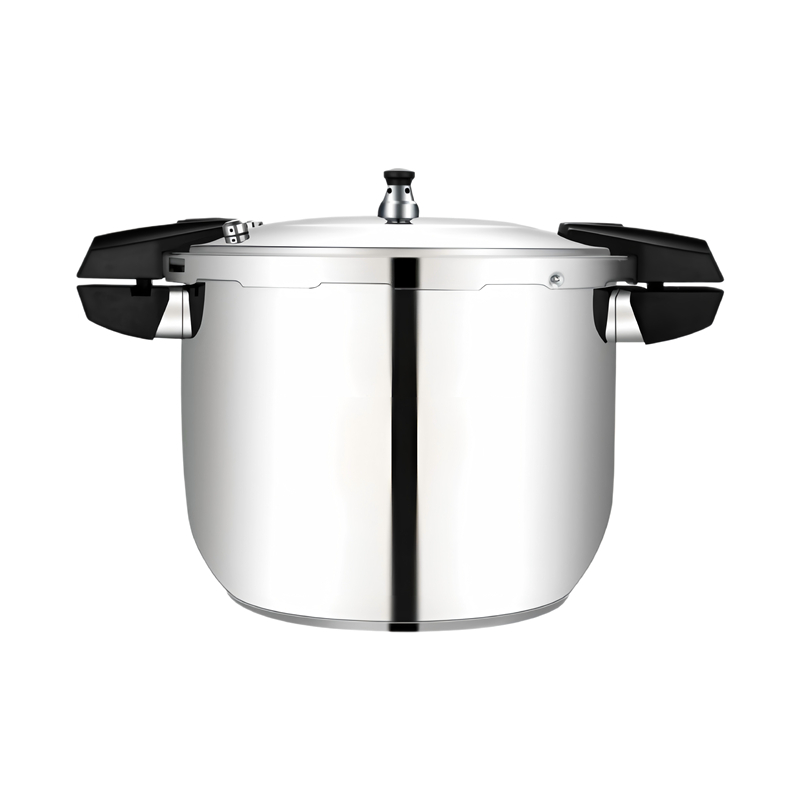
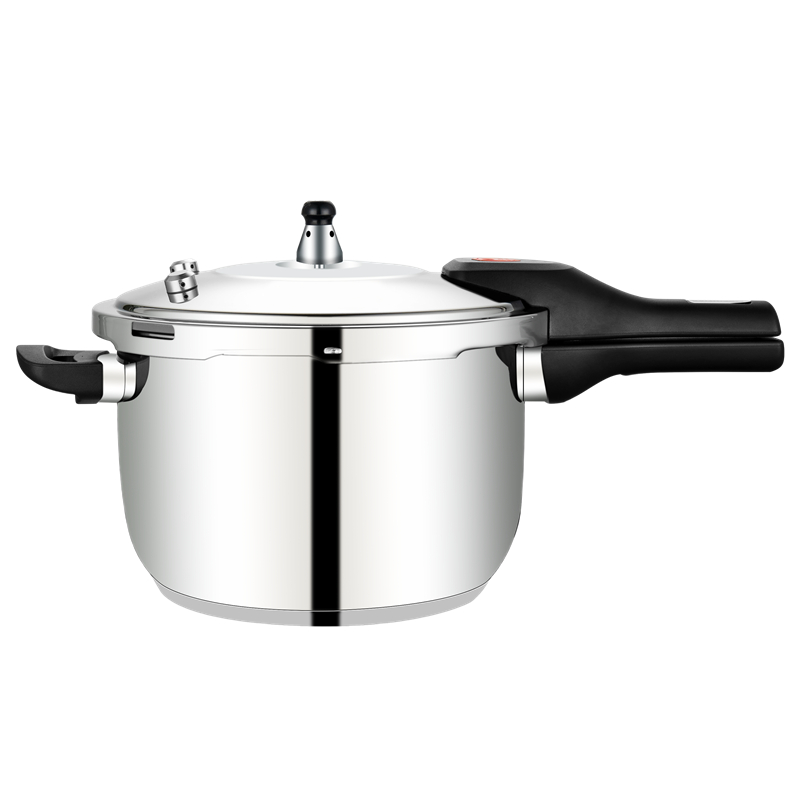
Explore our flagship high-capacity pressure cookers designed to meet the rigorous demands of professional catering and industrial kitchens.
Analyzing the evolution, market trends, and technological demands of high-capacity cooking systems in modern catering industries.
In the highly competitive commercial foodservice sector, efficiency and consistency are the cornerstones of profitability. As urbanization expands and the global hospitality and tourism sectors experience rapid growth, the demand on commercial kitchens has intensified. Large-scale operations such as school cafeterias, hospital dining halls, corporate catering services, and ghost kitchens require kitchen equipment that can process substantial volumes of food without compromising on nutritional value or taste. The integration of a big pressure cooker in these environments has transitioned from a luxury to an operational necessity.
By utilizing sealed environment pressure cooking, these industrial vessels raise the boiling point of water, enabling cooking temperatures to exceed 100°C. This chemical-physical acceleration reduces cooking times by up to 70% compared to traditional open-pot methods. Consequently, catering operations can drastically shorten preparation cycles, optimize floor space usage, and manage high-volume demands during peak hours with ease.
Sealed design retains heat energy, cutting gas or electrical consumption by up to 70% compared to standard industrial boiling pans.
Equipped with heavy-gauge pressure release valves and safety locks to prevent premature opening under high steam pressure.
Preserves vital vitamins, minerals, and flavor compounds by minimizing exposure to oxygen and reducing liquid evaporation.
Modern commercial kitchen design is undergoing a paradigm shift, centered around sustainability, automation, and workplace safety. Today's commercial pressure cookers are no longer merely heavy metallic pots; they are highly engineered thermal systems. Several key trends are shaping the development of these products:
1. Material Integrity and Metallurgy: The use of premium food-grade stainless steel like SUS304 and SUS316 has become standard. These alloys offer superior resistance to corrosion from salt, acidic foods, and aggressive cleaning detergents, ensuring long-term durability under continuous high-pressure cycles.
2. Smart Kitchen Integration: The rise of the Internet of Things (IoT) in commercial kitchens has led to the development of pressure cookers with precise electronic controls, temperature sensors, and programmable recipe presets. Chefs can monitor internal pressure levels remotely, ensuring absolute batch consistency.
3. Energy Conservation and ESG Goals: As companies align with global carbon neutrality targets, the energy-saving capabilities of commercial pressure cookers make them highly attractive. By minimizing cooking time and heat dissipation into the kitchen environment, they reduce both direct energy costs and secondary HVAC cooling loads.
How professional catering establishments and food processing facilities leverage heavy-duty pressure cookers to optimize throughput.
Catering companies serving hundreds or thousands of guests at weddings, corporate galas, and conferences operate under strict time limits. Preparing large volumes of tough meats, stews, stocks, and grains using traditional methods can take hours and require multiple kitchen staff to monitor the process. A big pressure cooker allows catering teams to tenderize large batches of beef, pork, or poultry in a fraction of the time. This rapid cooking capability allows chefs to prepare dishes closer to the serving time, ensuring maximum freshness, moisture retention, and flavor depth.
The explosive growth of delivery-only cloud kitchens and centralized food prep facilities has restructured the restaurant industry. These facilities supply semi-finished or ready-to-eat meals to satellite outlets. Consistency across batches is critical for maintaining brand identity. High-capacity commercial pressure cookers equipped with digital controls ensure that every batch of soup, sauce, or legume is cooked to the exact same texture and flavor profile. Furthermore, the high-temperature environment achieved under pressure effectively sterilizes food products, extending shelf life for distribution.
Institutional kitchens must balance strict nutritional guidelines with limited operational budgets. Cooking with high-pressure steam retains higher concentrations of water-soluble vitamins (such as Vitamin C and B-complex vitamins) compared to prolonged boiling. Additionally, pressure cookers require minimal added fats or oils to achieve rich flavors, supporting the preparation of healthier meals for patients, students, and residents. The reduced cooking time also translates to significant labor savings, enabling smaller kitchen crews to manage large-scale operations efficiently.
For artisanal food producers and small-scale food manufacturers, commercial pressure cookers serve as dual-purpose units for both cooking and batch canning. The high-pressure environment is ideal for achieving the temperatures necessary to eliminate pathogens and bacteria in canned goods, preserves, and sauces. This capability enables small businesses to scale their production and meet local food safety regulatory standards without investing in massive industrial autoclaves.
The journey of ZENLO Company from a localized workshop to a leading global supplier of commercial kitchenware.
Amidst the wave of reform and opening up, ZENLO's predecessor—"Zhenlong Hardware Factory"—was established in 1994. In its early days, we seized the policy opportunities of "processing with supplied materials, processing with supplied samples, and compensation trade," relying on a few simple machines and dozens of employees, starting with OEM and ODM under our own brand, laying the foundation for the later "ZENLO" and "YALUN" brands. During this period, we primarily learned from and imitated others to establish the initial form of our enterprise. We accumulated the most basic production experience, introduced fundamental quality management standards, and established a firm foothold in Guangdong's manufacturing cluster based on our reliable reputation.
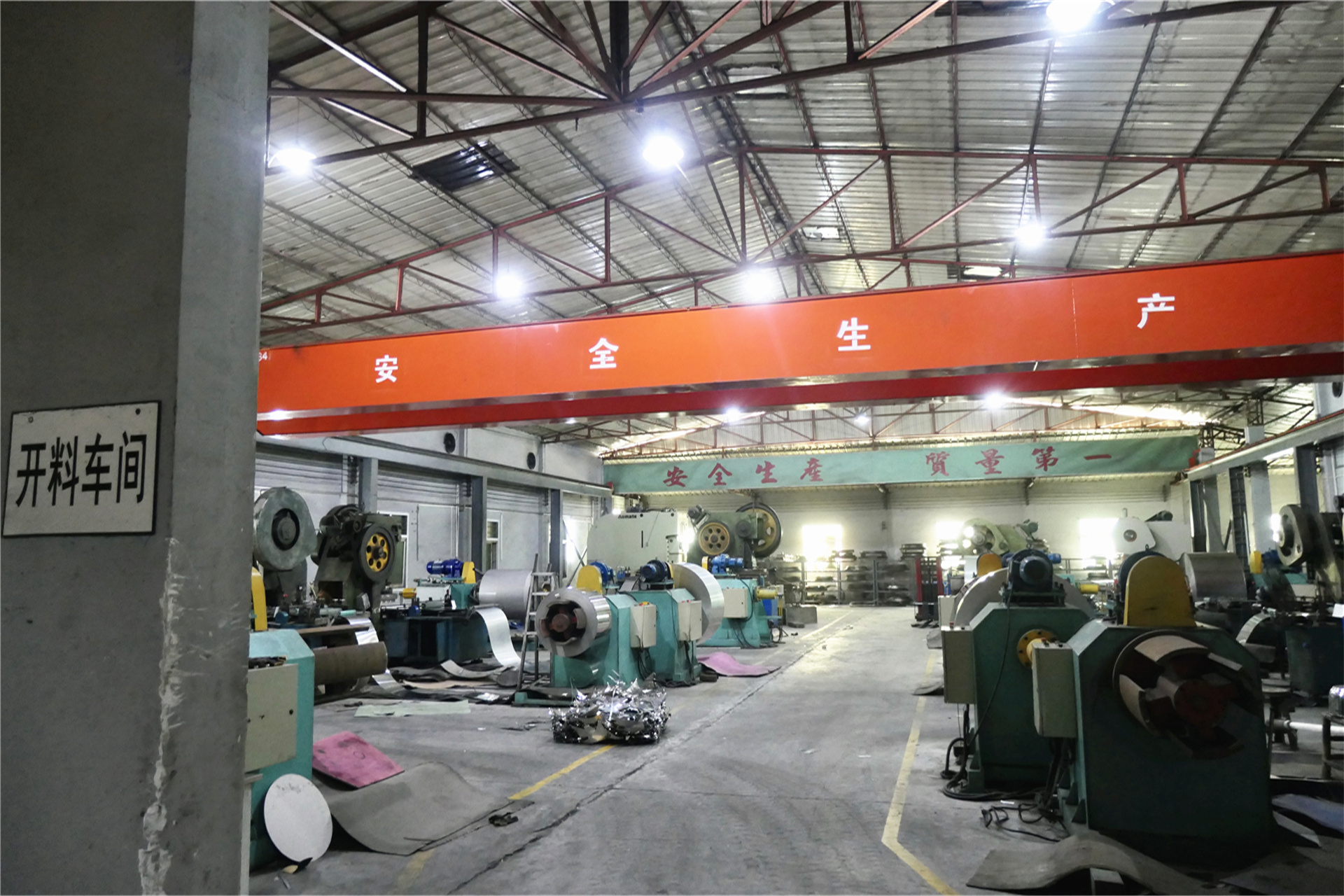
With China's accession to the WTO, overseas orders poured in. We rapidly expanded our production scale and cooperated with major markets across the country. While meeting international market demands, we keenly recognized the importance of our own brand, aligning it with our corporate development goals. Later, we successively developed new products, promoted our brand, and simultaneously entered the domestic market. Through participation in various hotel supplies exhibitions, we initially established domestic sales channels, achieving strategic synchronization between corporate culture and branded products.
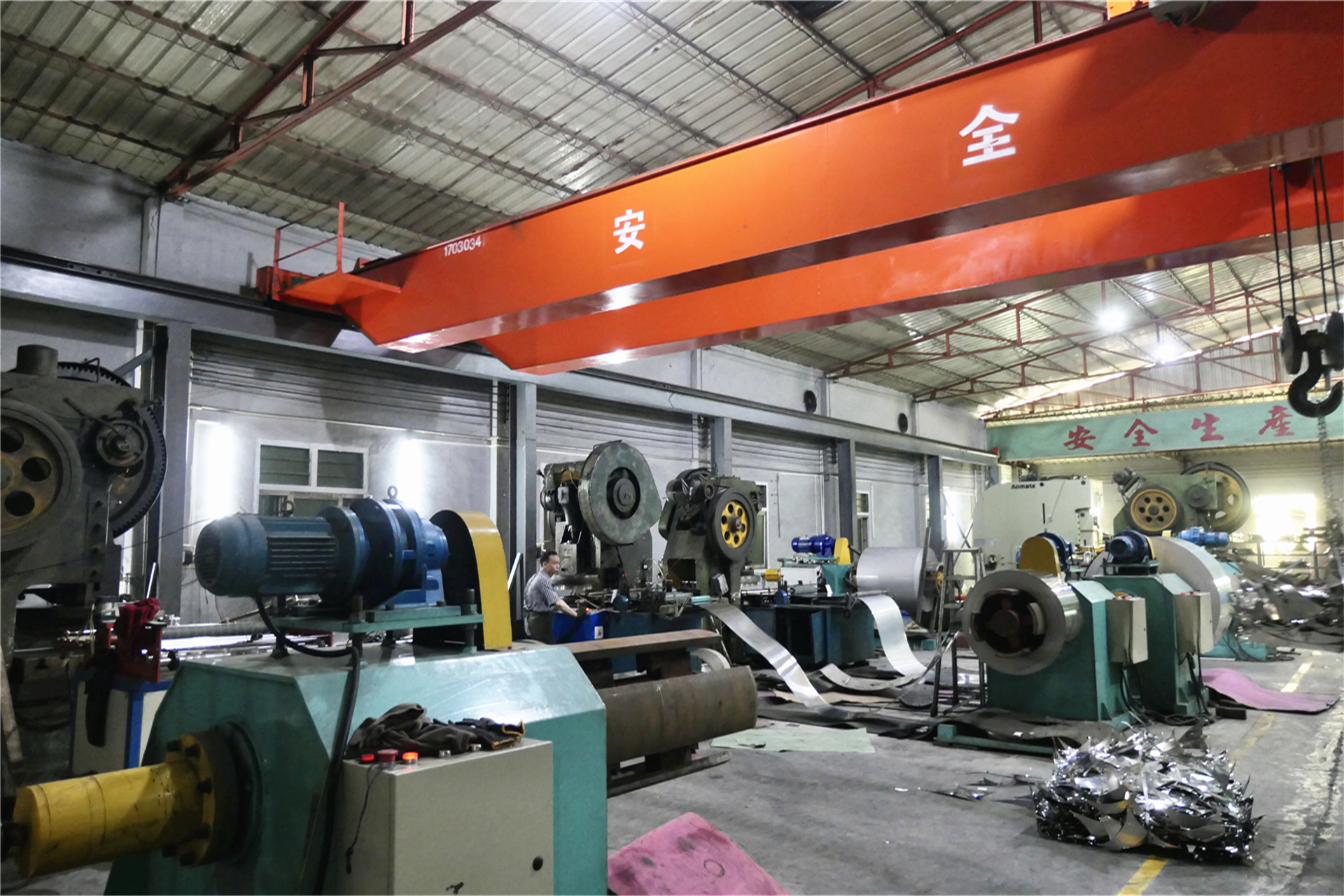
Faced with increasingly fierce market competition and rising labor costs, the factory resolutely embarked on a path of transformation and upgrading. In 2013, ZENLO Company was officially established. We invested heavily in technological upgrades, introducing industry-leading fully automated stretching production lines and laser welding technologies in 2014, significantly improving production efficiency and product precision. Simultaneously, we vigorously promoted branding, launching a stylish, mid-to-high-end sub-brand targeting the new generation of consumers, emphasizing healthy cooking. We also hired a professional design team to ensure our products combine practicality and aesthetic value. In 2017, we launched a brand-new production line—pressure cookers—dedicated to creating safe and reliable pressure cookers. We prepared for this for a long time, and our research and development of pressure cookers has become increasingly proficient, with various models gaining popularity among customers.
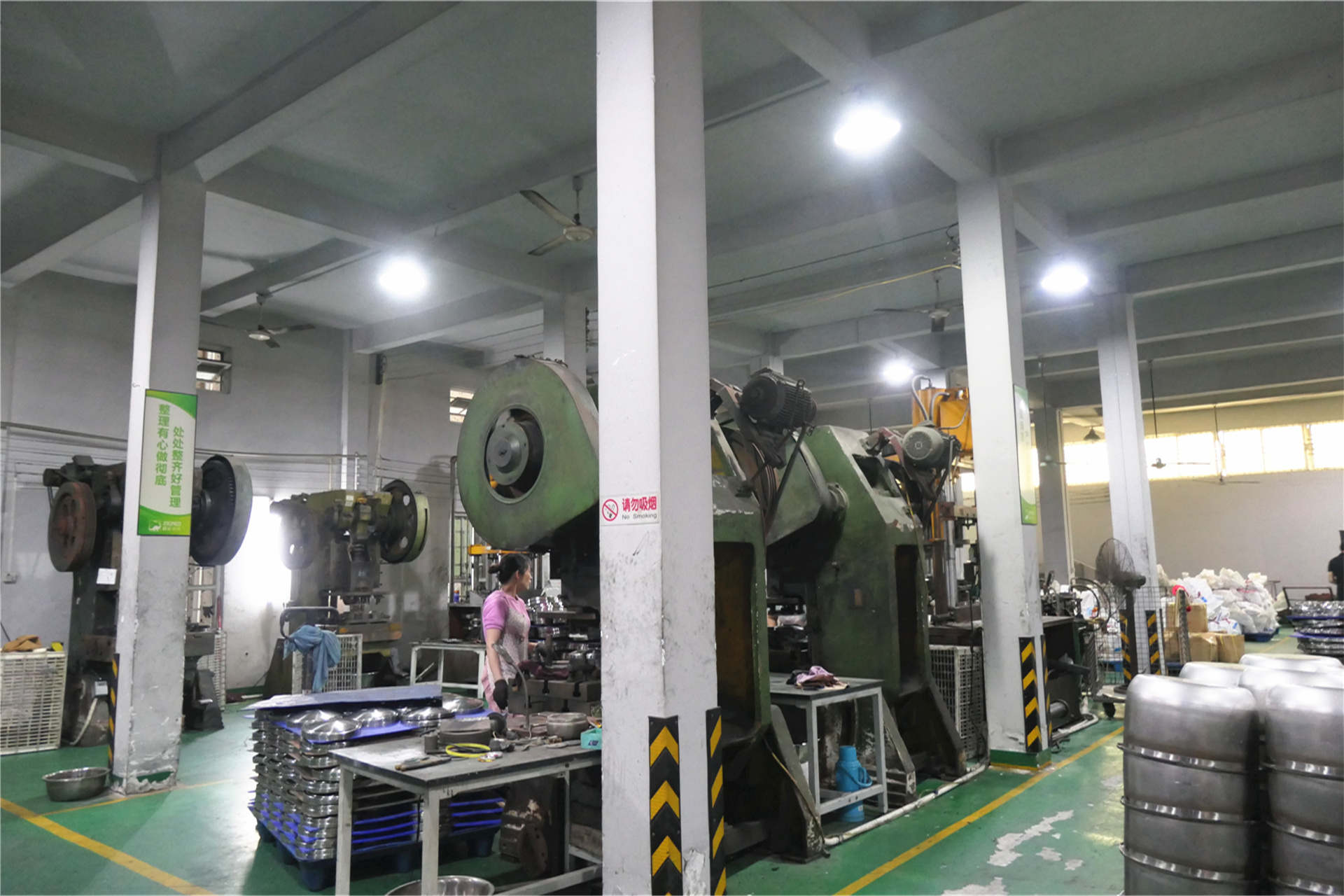
Entering a new decade, ZENLO Company is driven by "innovation" and "globalization." Driven by the internet age, we have implemented online ordering through major internet platforms and a corporate website, providing convenient services to more customers. At the product level, we have gradually launched more high-end and refined cooking utensils, creating a better environment for kitchen life and ensuring customers feel more comfortable and safe when using "ZENLO" brand products. Meanwhile, we actively respond to the national "dual-carbon" goals, researching and promoting the use of more environmentally friendly materials and processes, fulfilling our corporate social responsibility.
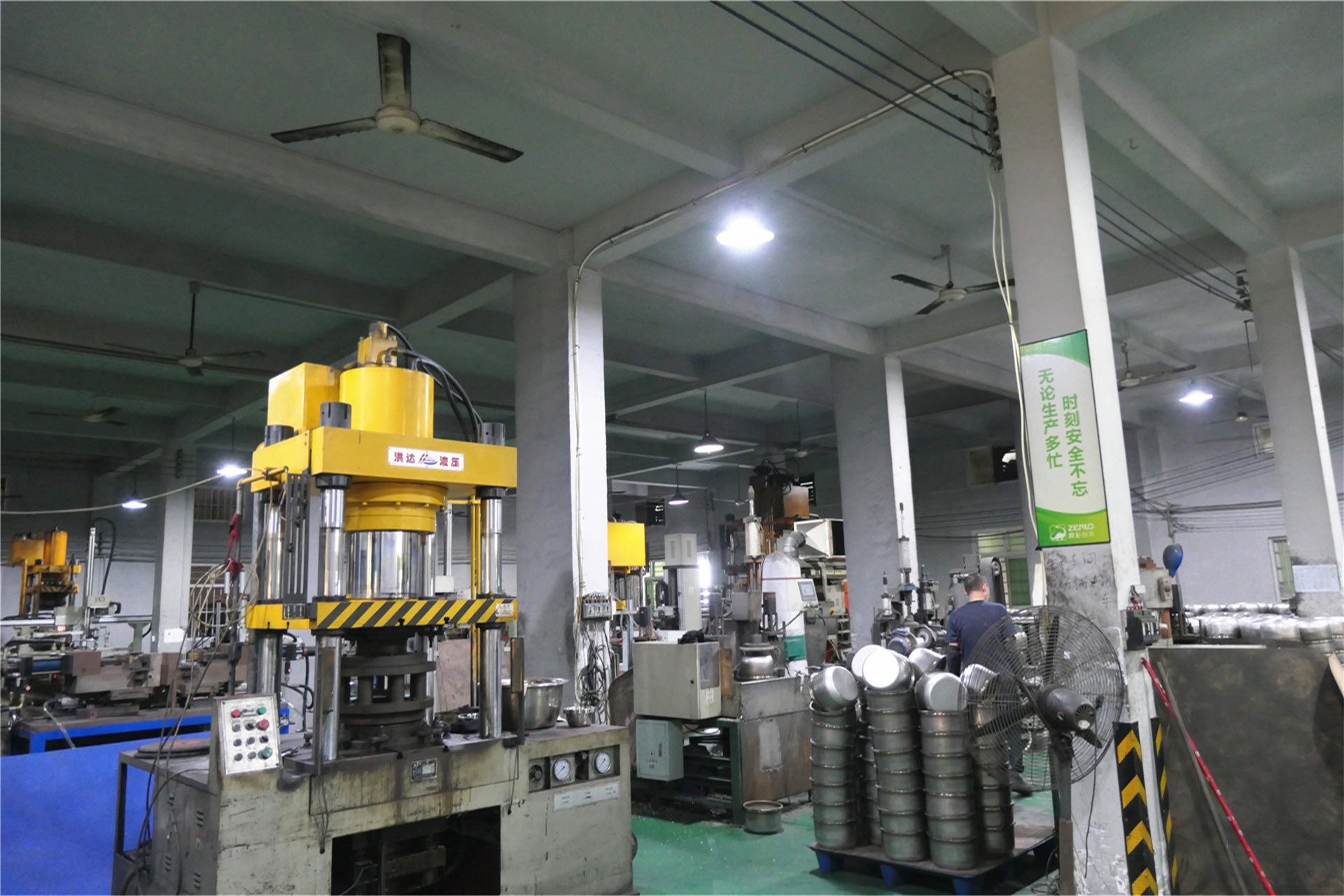
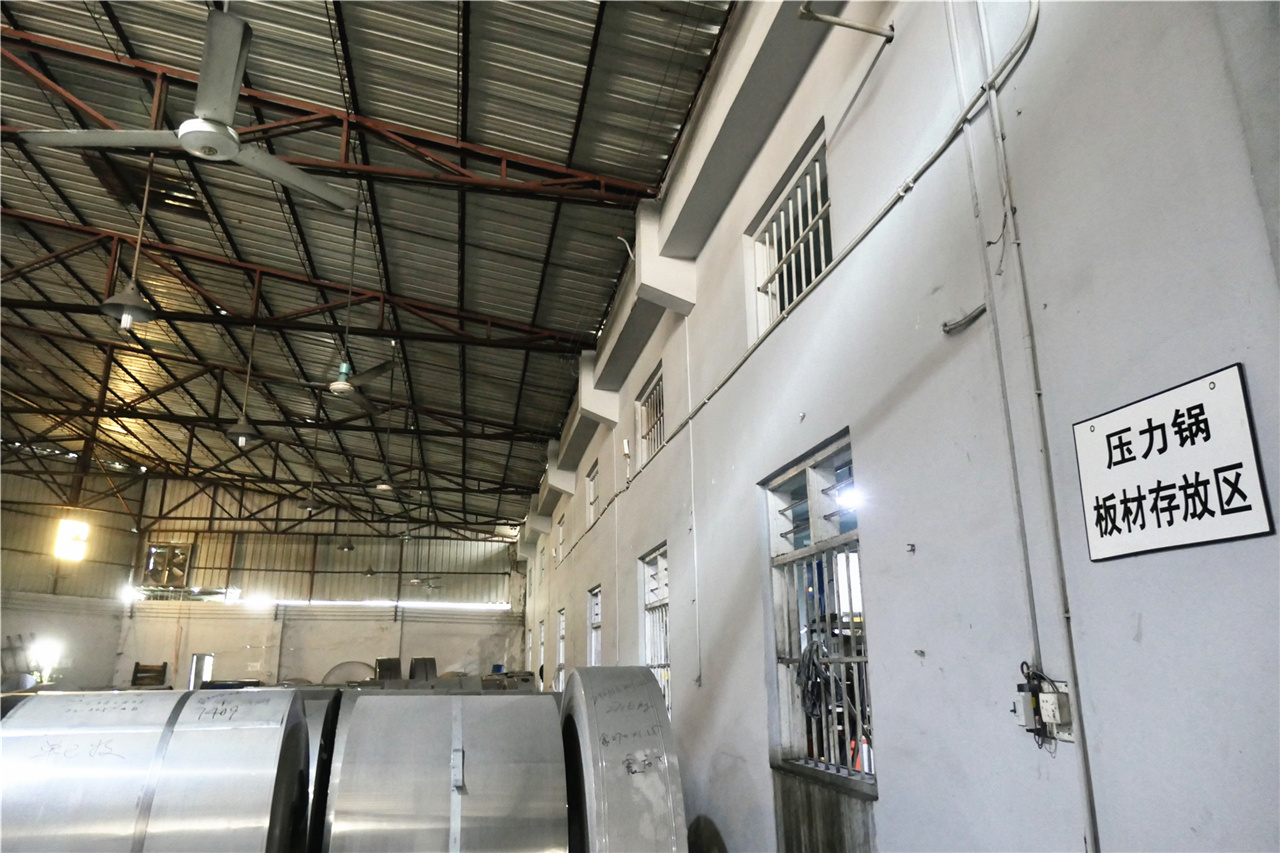
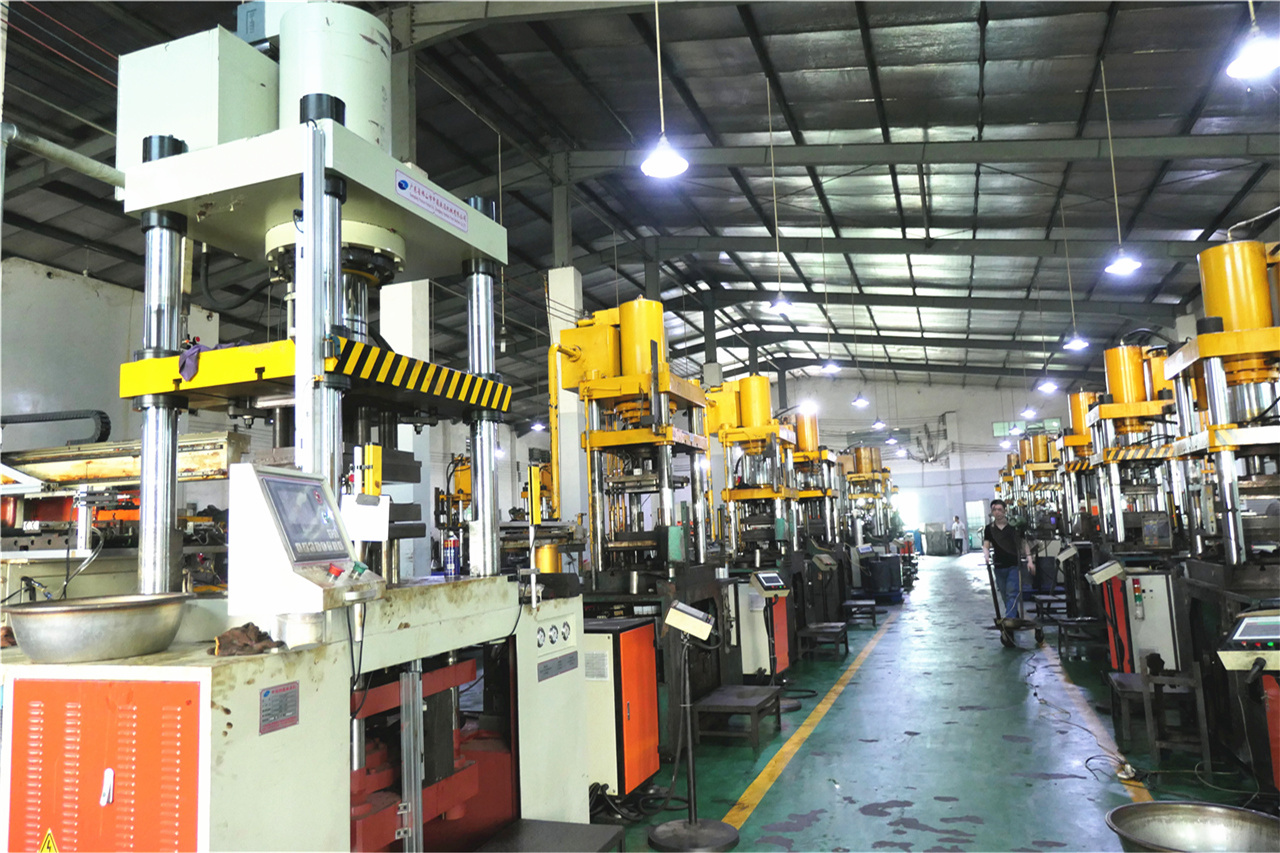
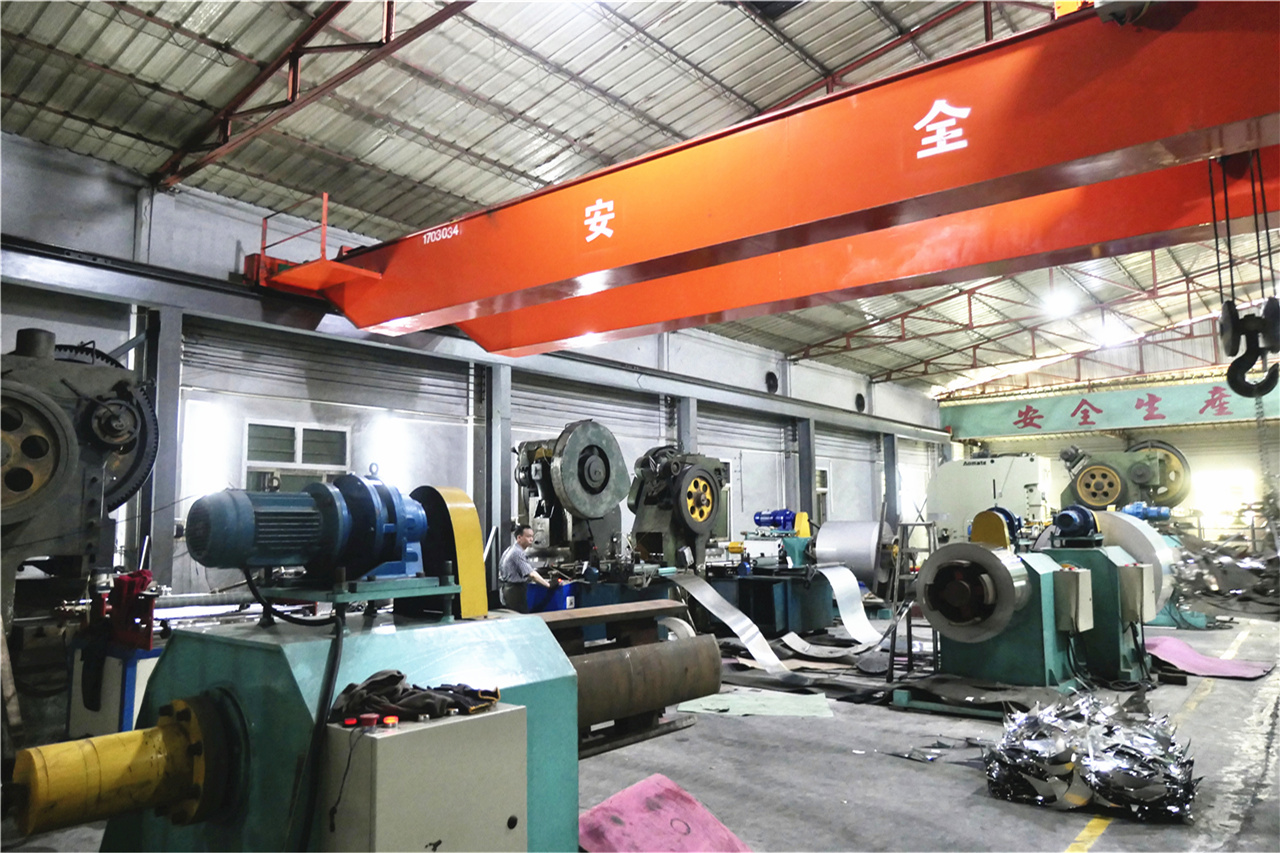
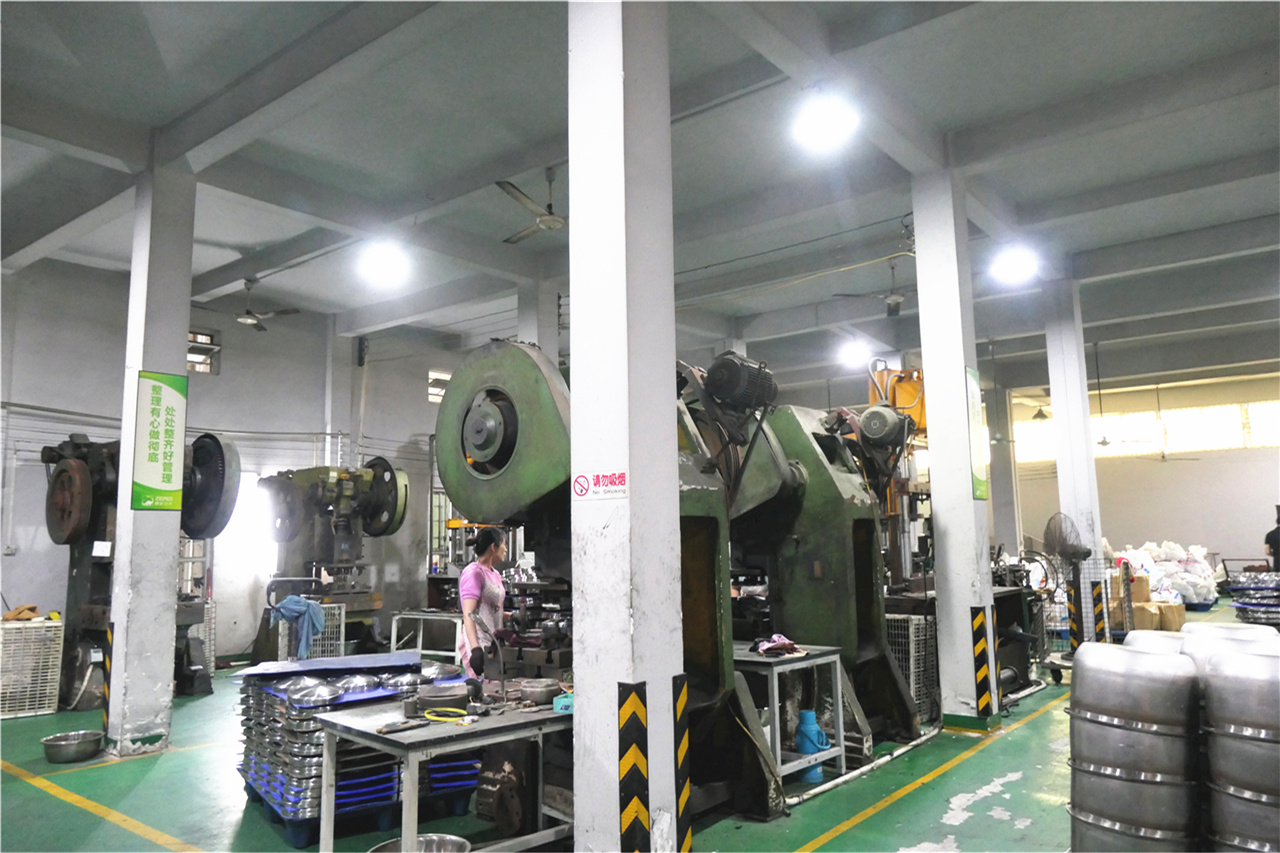
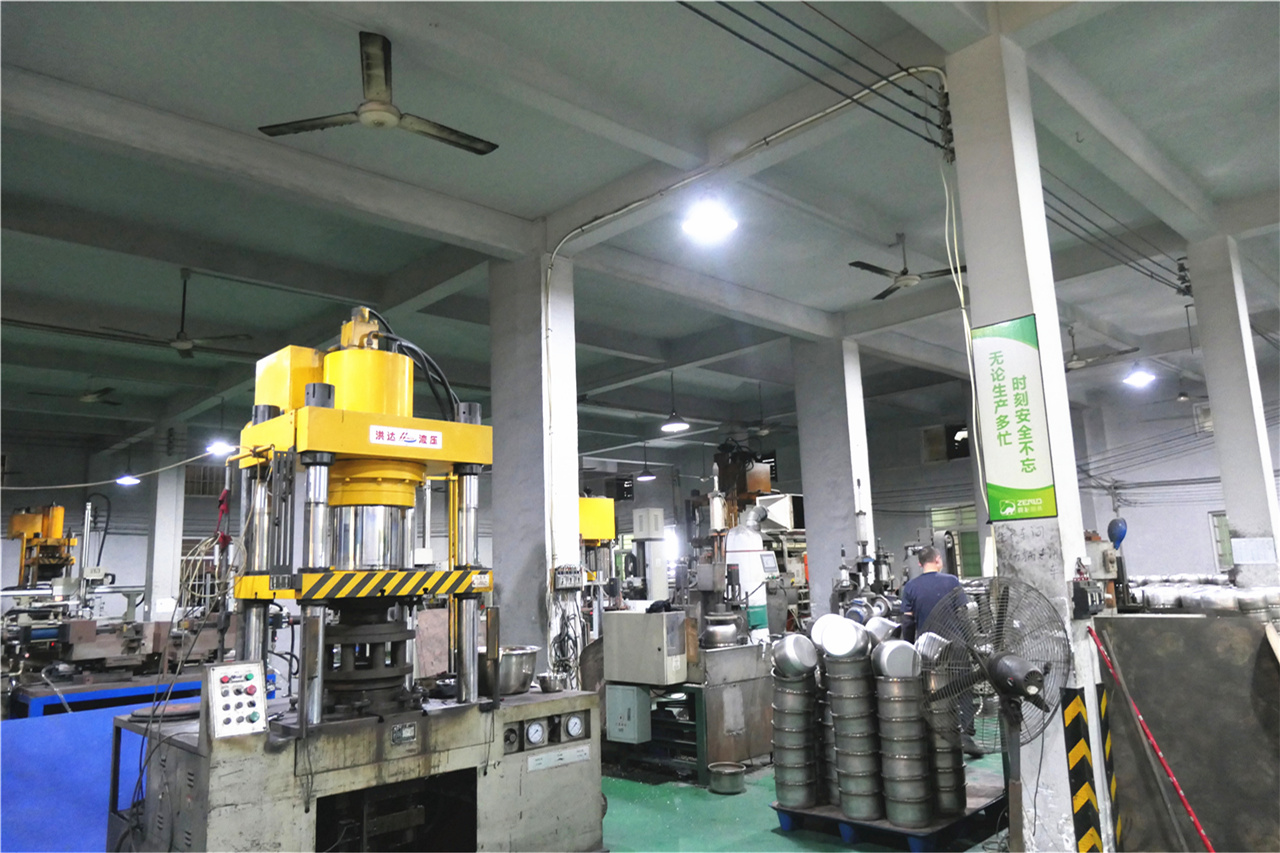
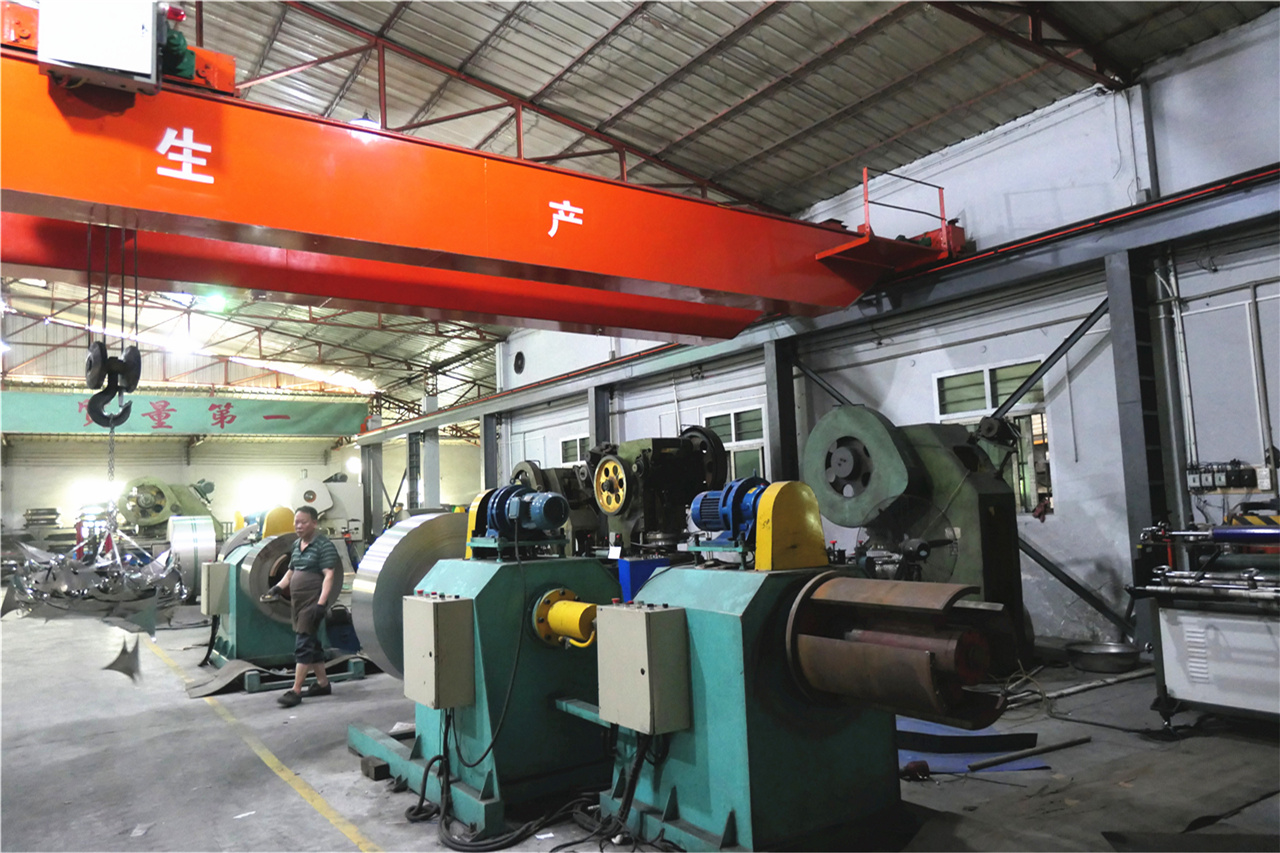
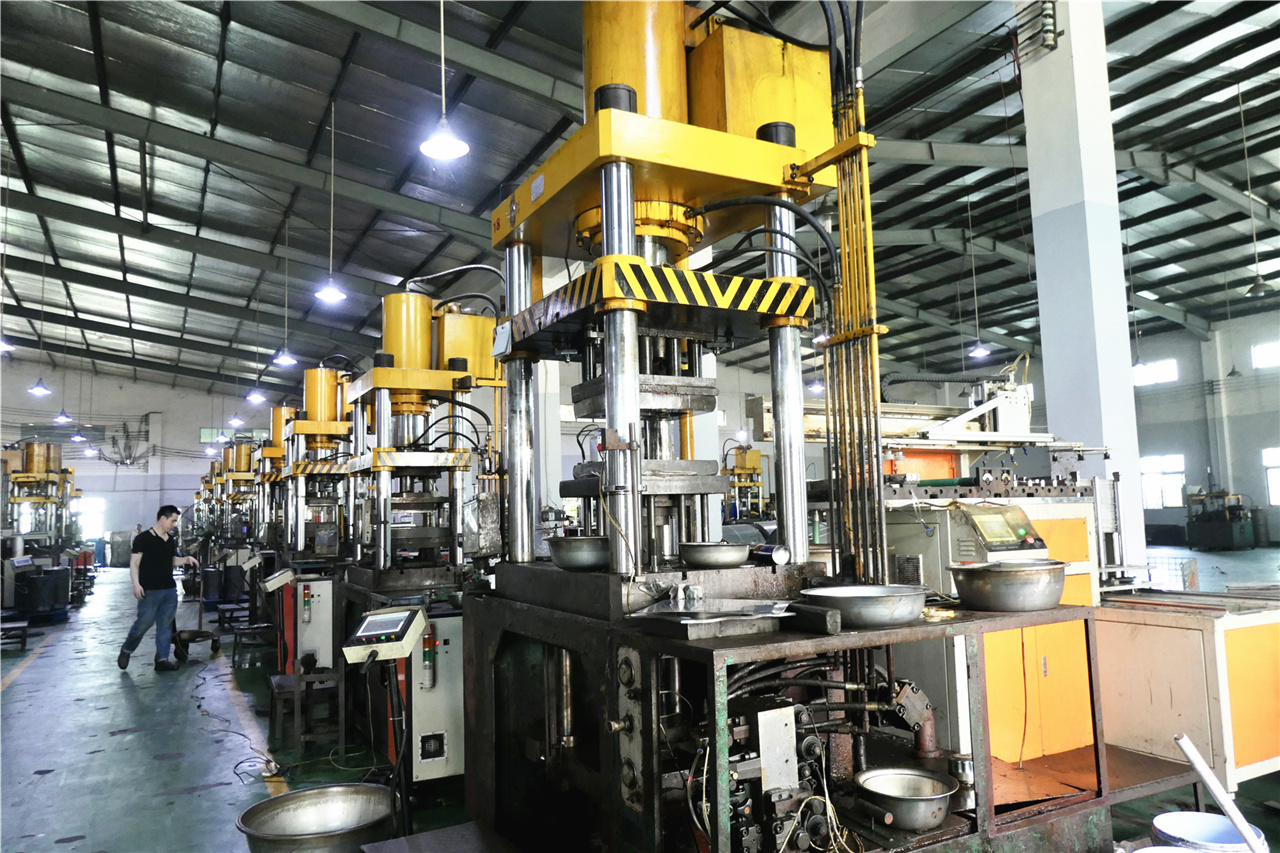
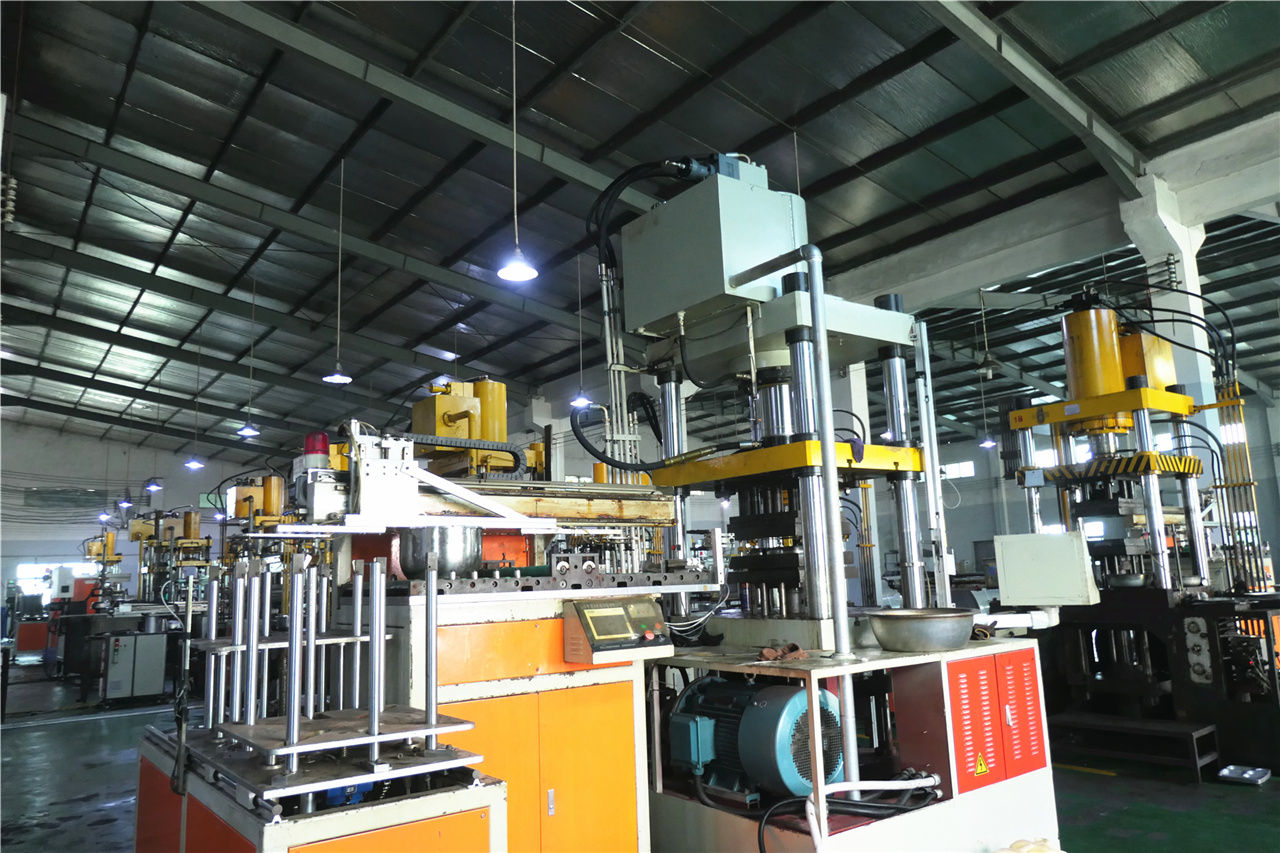
A look inside our state-of-the-art production facility, detailing our advanced automated machinery and quality control lines.
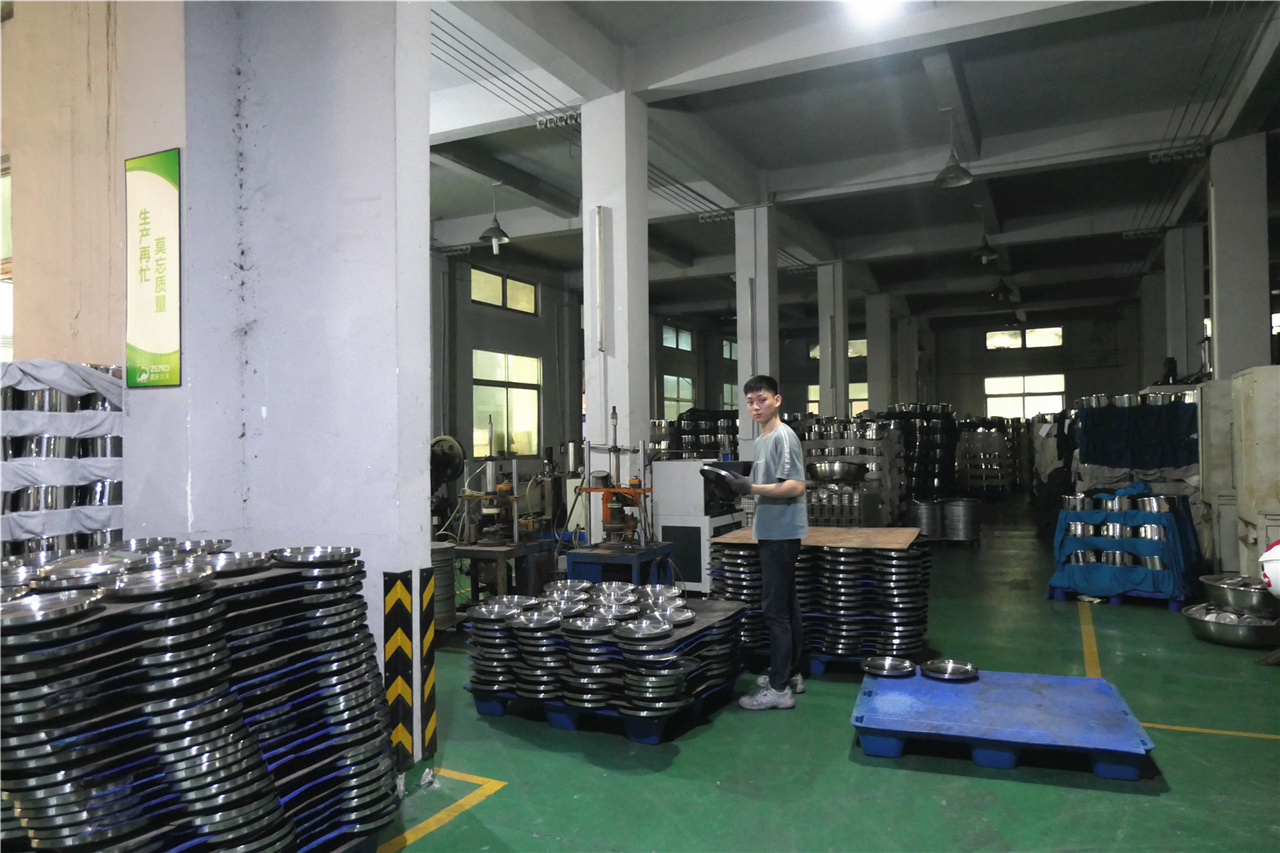
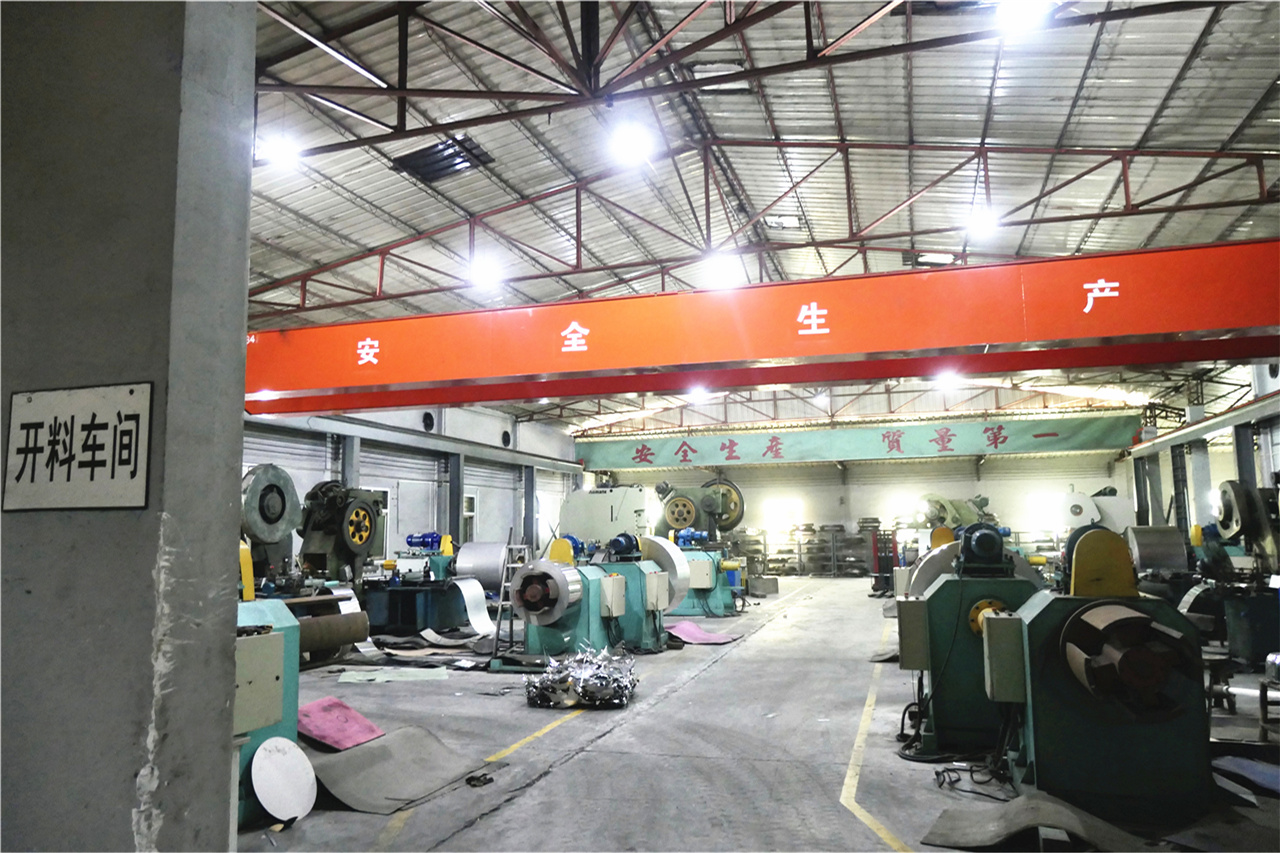
Ensuring operational safety, high longevity, and peak performance of commercial pressure cookers in demanding kitchen environments.
Commercial kitchens are fast-paced, demanding environments where equipment is subjected to continuous daily use. To guarantee both the longevity of your commercial pressure cooker and the safety of your kitchen staff, establishing a strict maintenance routine is essential. The sealing gasket (or O-ring) must be inspected daily for cracks, wear, or hardening. A compromised gasket can lead to pressure leaks, which decreases thermal efficiency and poses a safety risk. Furthermore, pressure release valves and emergency safety valves must be thoroughly cleaned after each service shift. Food residues, starches, and grease can accumulate in the vents, potentially blocking the release of excess steam.
Stainless steel surfaces should be cleaned using non-abrasive detergents to preserve the protective chromium oxide layer. Avoid using steel wool or harsh chlorine bleach, as these can cause pitting and rust over time. By implementing these simple preventative measures, catering services can maximize their return on investment and ensure their kitchen operates smoothly without unexpected downtime.
Investing in advanced pressure cooking equipment also requires investing in proper staff training. Operators must be fully trained on the mechanical systems of the cookers, including how to verify that the lid is locked securely before starting a cycle, how to read pressure gauges, and how to execute safe pressure release procedures. Kitchens should establish clear protocols regarding cooling times and steam release, ensuring that no attempt is made to open the cooker until the internal pressure has completely normalized. Displaying clear safety signage near the cooking stations serves as a constant reminder of proper operating procedures, reinforcing a culture of safety in the workplace.
Looking back over the past thirty years, ZENLO Company has grown from a small hardware manufacturing factory into an industry benchmark enterprise with its own brand, patented products, and a modern production system. Looking to the future, we will continue to uphold our original aspiration of "making good cookware with heart," continuously exploring ways to further expand overseas markets and better serve every customer, striving to become a trusted provider of kitchen living products for global consumers.
Contact Us NowOur comprehensive selection of stainless steel pressure cookers tailored for commercial kitchens, catering services, and food processing plants.